
Huxley taught Orwell French, then wrote him a letter saying he was wrong. On Big Brother the game show, soma, your phone, and why the French army hires novelists.
In 1999, a Dutch television producer took the name of the most terrifying dictator in English literature and turned it into a game show.
The idea was simple. Put a group of strangers in a house, film them every hour of every day, let the public vote them out one by one. The producers held an open call for a title, and a writer suggested borrowing from the slogan painted on every wall of George Orwell’s Oceania. Big Brother first aired in the Netherlands in September 1999, fifty years almost to the month after Nineteen Eighty-Four was published, and the franchise has since run in more than fifty countries. Its working title, before the Orwell reference, had been The Golden Cage.
Consider what happened there. Orwell imagined that being watched every minute of your life would be the ultimate horror. Half a century later, we were queuing to audition for it, and calling the cage golden. If you want the whole Orwell-versus-Huxley debate in a single image, it is that one: Orwell drew the machine, and Huxley predicted we would line up to get inside.
The Teacher and the Pupil
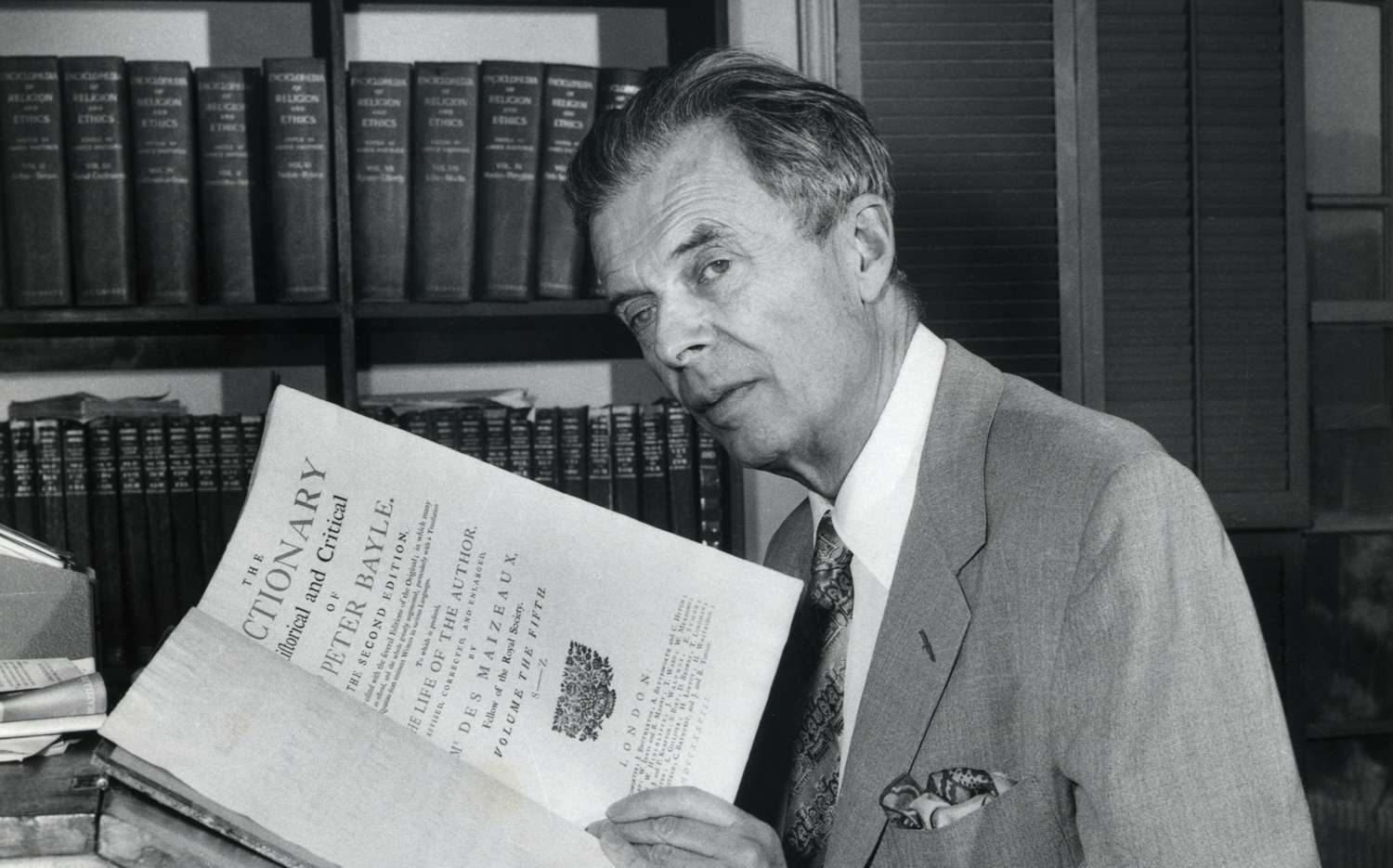
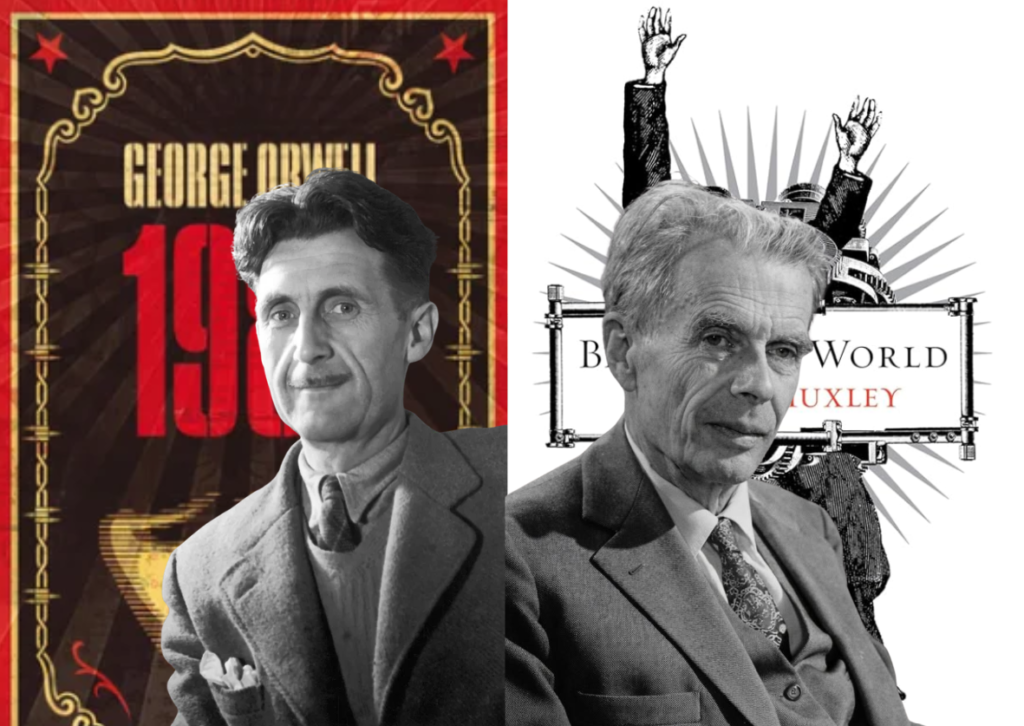
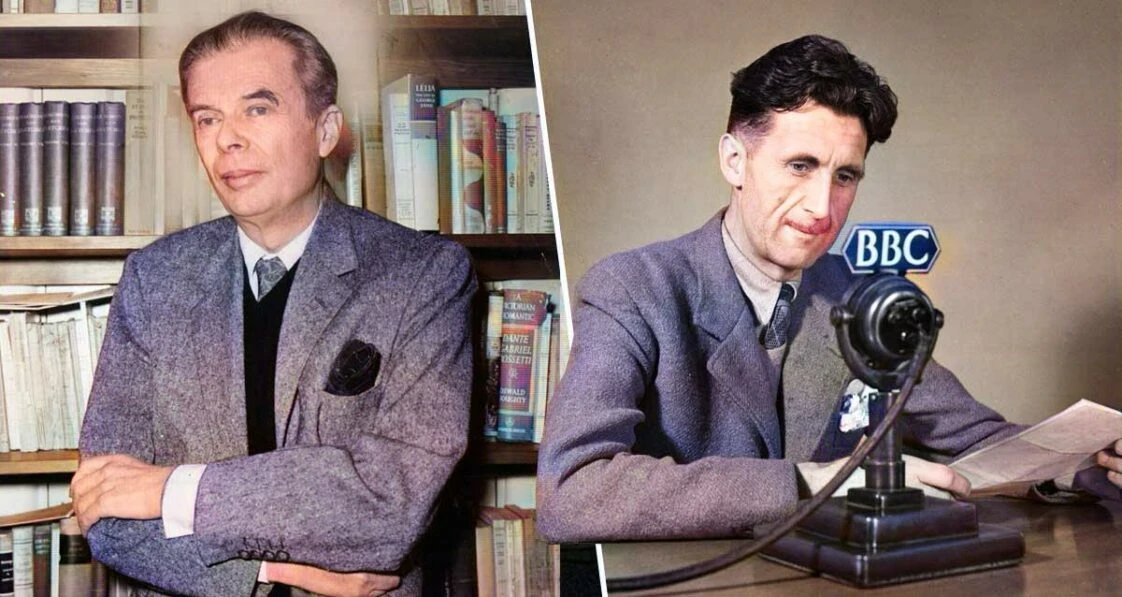
The debate is usually staged as a contest between strangers. It was closer to a family argument. In 1917, a tall, half-blind, 23-year-old Aldous Huxley took a job teaching French at Eton, and by every surviving account he was hopeless at it, a nervous master who could not keep order in the room. One of the boys not being kept in order was a 14-year-old named Eric Blair, who admired the young teacher’s command of language and would later, as George Orwell, write the other great nightmare of the century.
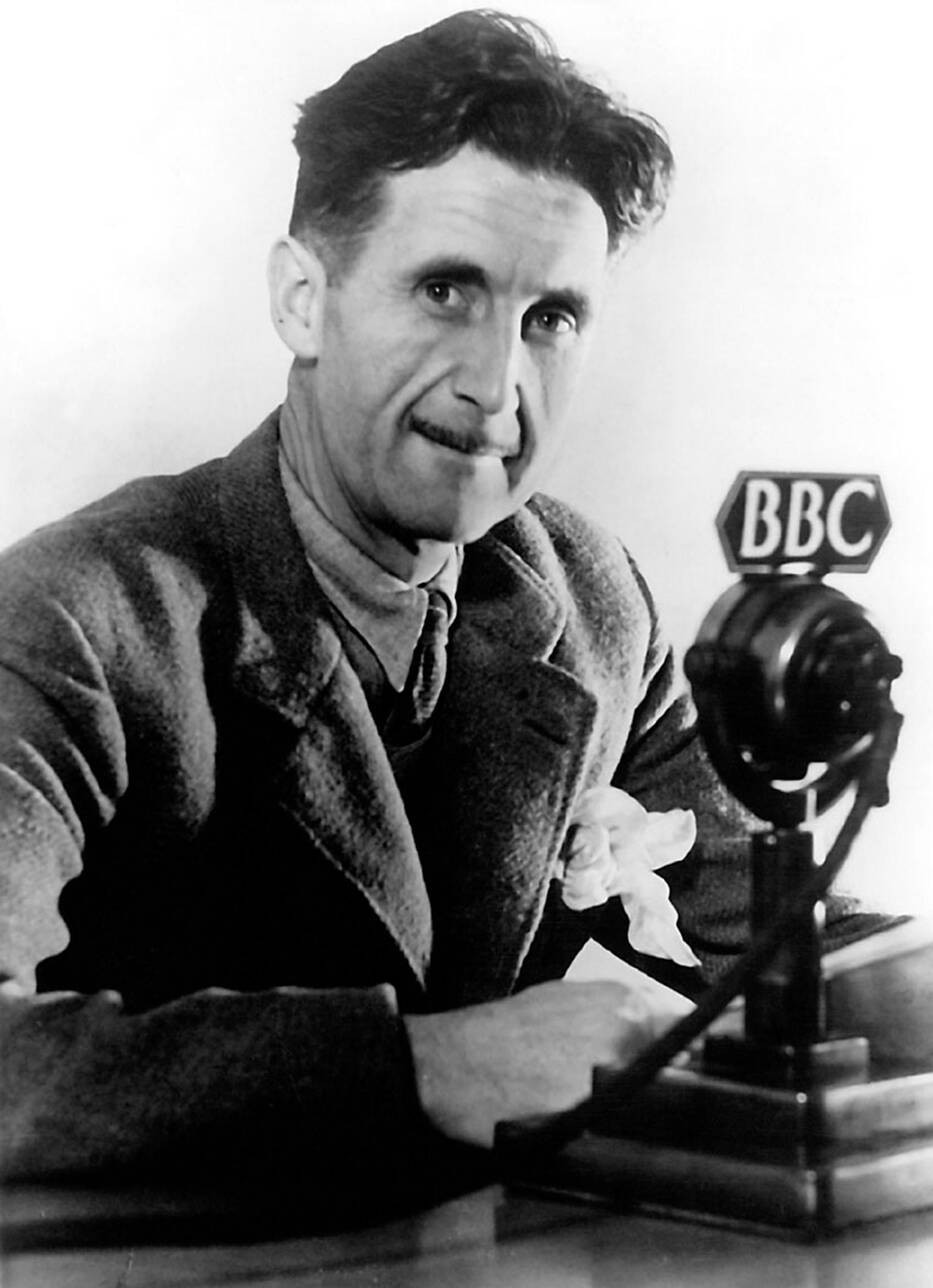
So the two prophets were teacher and pupil, and they built their nightmares out of different fears. Huxley published Brave New World first, in 1932, having written it in about four months. Orwell finished Nineteen Eighty-Four on the Scottish island of Jura while dying of tuberculosis; it appeared in June 1949, and he was dead by the following January. Two books, seventeen years apart, that between them still frame every argument we have about power.
The Boot
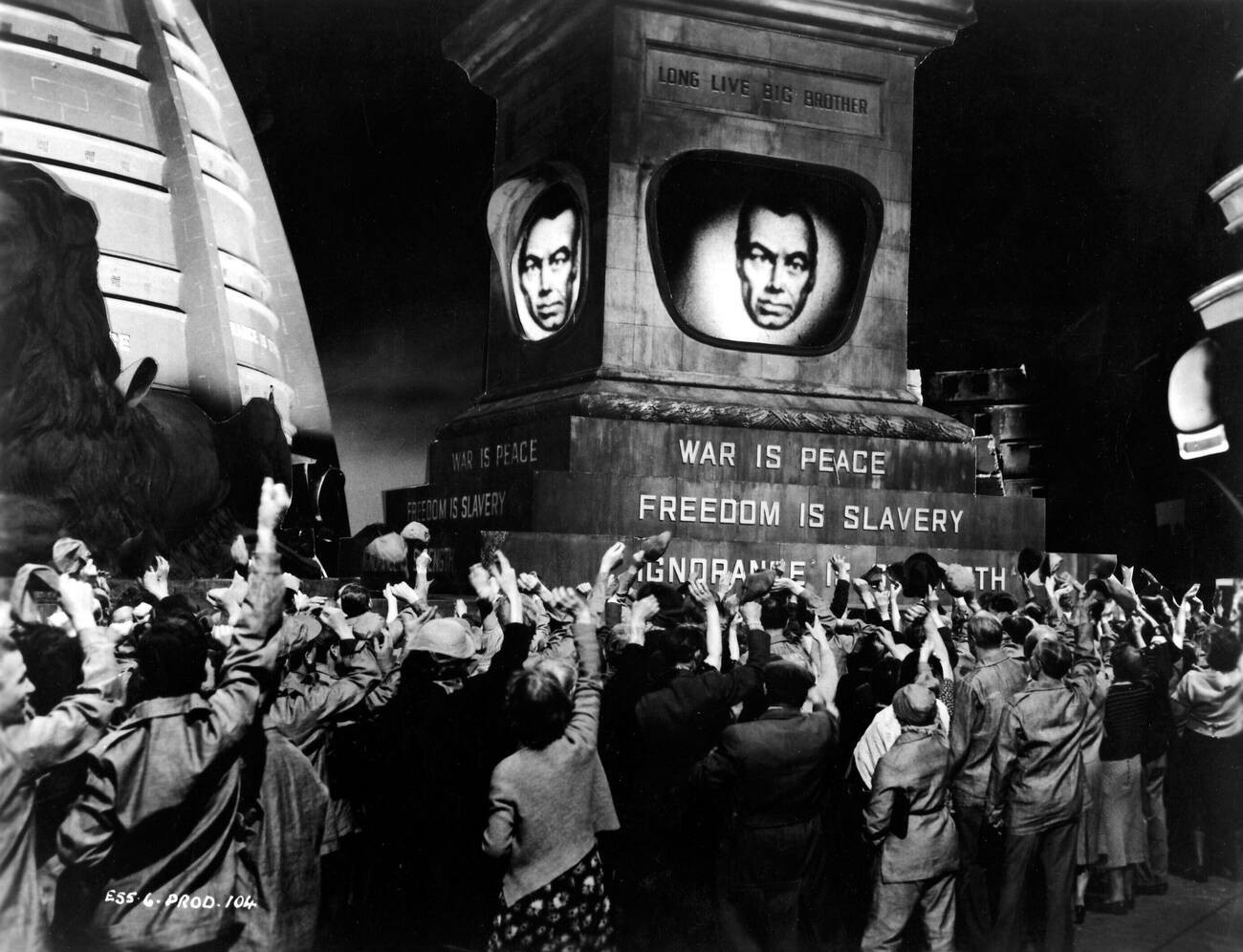
Orwell’s world is grey, cold, and watched. A telescreen in every home sees and hears everything. The Party rewrites yesterday’s newspapers to match today’s lies, invents a language designed to make rebellion unthinkable, and demands not merely obedience but belief: you must be able to look at two fingers plus two fingers and sincerely see five. The state’s philosophy fits on a wall:
“War is peace. Freedom is slavery. Ignorance is strength.” — George Orwell, Nineteen Eighty-Four (1949)
It is a dystopia of pain. Control comes from the outside, through fear, and the ruling image of the book is a boot stamping on a human face forever. Reading it as a teenager, many of us found the slogans overdone, the satire too broad to be frightening. That reaction has aged worse than the book.
The Feed
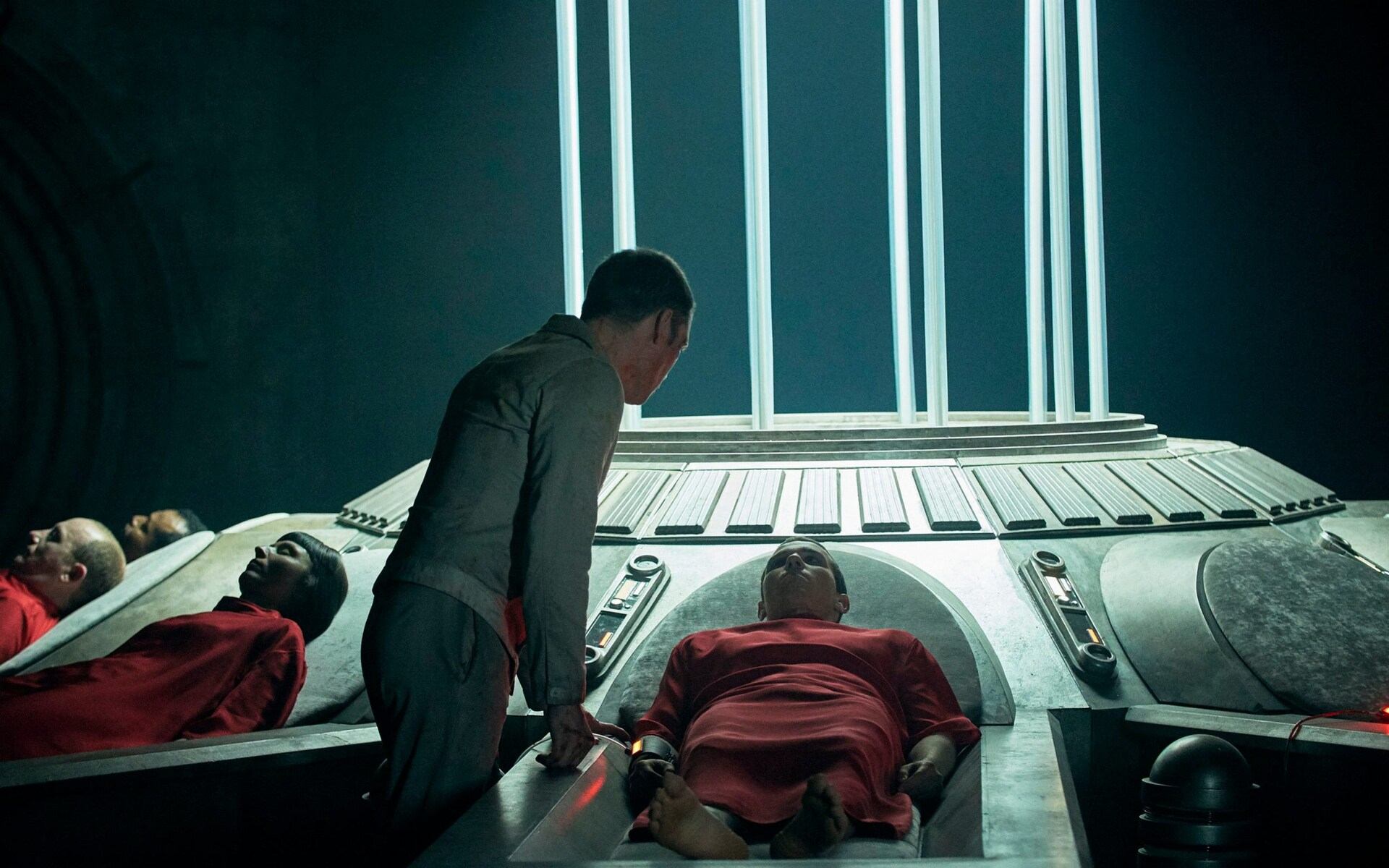
Huxley’s world is bright, warm, and very well entertained. Nobody is beaten. Nobody needs to be. Citizens are engineered in bottles, sorted into castes, encouraged to sleep around and discouraged from feeling anything for long, and kept placid with a state-issued drug called soma that dissolves any mood worth having.
The books of the past are locked away not because they are dangerous but because nobody wants them. In the foreword he wrote for a later edition, Huxley described the aim of the whole arrangement in a single unforgettable phrase: a population of
“slaves who do not have to be coerced, because they love their servitude.” — Aldous Huxley, foreword to Brave New World (1946 edition)
It is a dystopia of pleasure. Control comes from the inside, through appetite, and its ruling image is not a boot but a feed: something endlessly pleasant, always available, that you would not think to put down.
The Letter
Here the story turns personal, and better than most retellings admit. In October 1949, Orwell arranged for his publisher to send a copy of his new novel to his old French master. Huxley, by then nearly blind and forced to ration his reading, took his time, then wrote back on the twenty-first of the month.
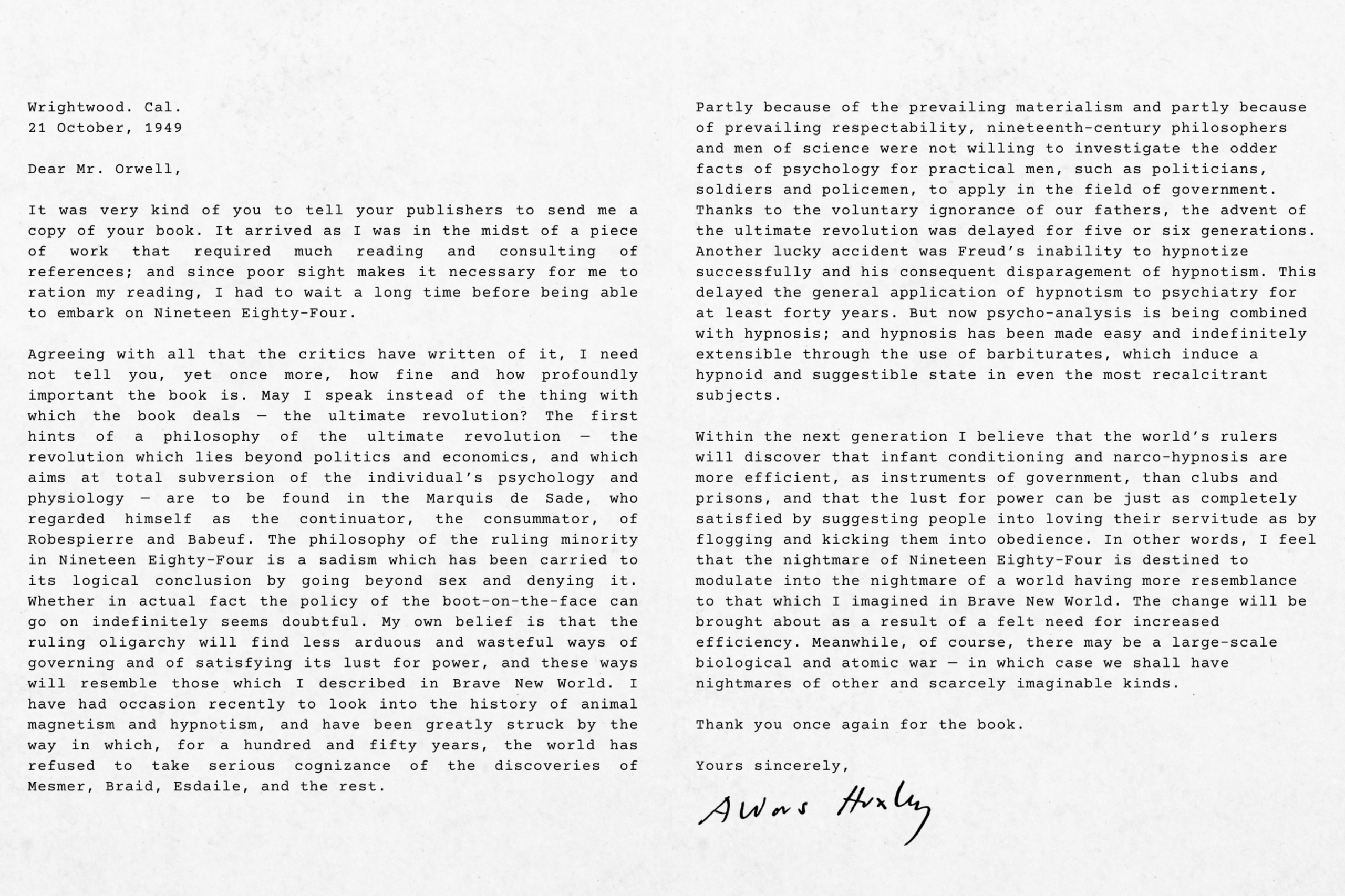
The letter is generous, then quietly devastating. Huxley calls the book fine and profoundly important. Then he tells his former pupil, with great politeness, that he has the future wrong. Terror, Huxley argues, is simply too much work; rulers will find easier methods, and those methods will look like Brave New World. Within a generation, he predicts, governments will discover that conditioning and pharmacology are:
“more efficient, as instruments of government, than clubs and prisons.” — Aldous Huxley, letter to George Orwell, 21 October 1949
Orwell, for the record, had already got a jab in first. Reviewing an earlier Russian dystopia in 1946, he suggested that Brave New World must have been partly plagiarised from it. Teacher and pupil, still marking each other’s homework.
Huxley kept pressing his case for the rest of his life. In a 1958 television interview, he quoted the old saying that you can do anything with bayonets except sit on them, and argued that a dictator who wanted to last would have to make people love their chains. That same year, in Brave New World Revisited, he warned about humanity’s
“almost infinite appetite for distractions.” — Aldous Huxley, Brave New World Revisited (1958)
The Scoreboard, 2026
So who was right? Start with the case for the pupil, because it is stronger than it was ten years ago.
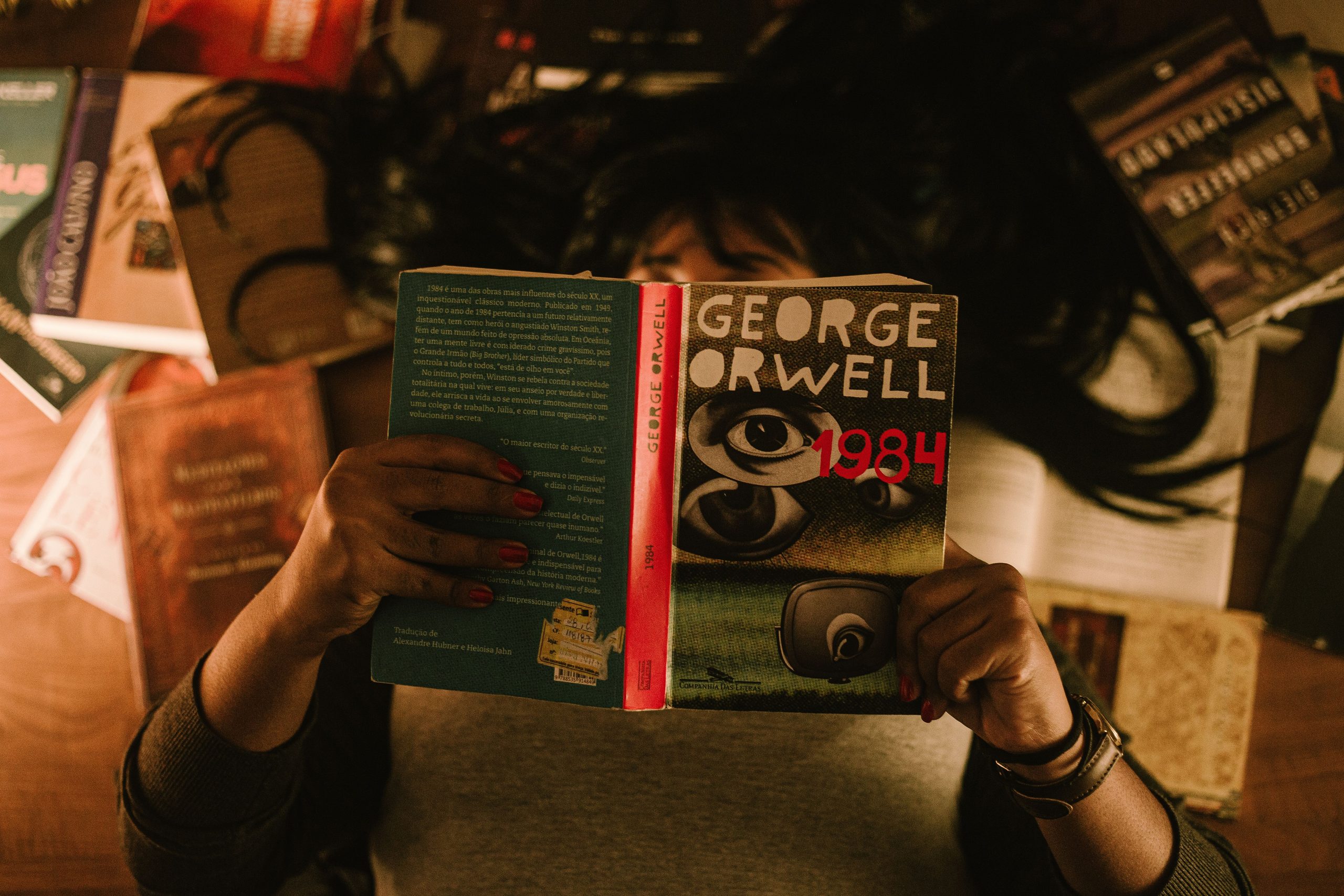
The word Orwellian is used every day, on every side of politics, usually accurately. We carry a telescreen in our pockets and mount one on the front door. In 2013, when the scale of government surveillance was revealed by a whistleblower, Nineteen Eighty-Four shot up the bestseller lists.
In January 2017, when a White House adviser described a false claim as an alternative fact, the novel went to number one on Amazon within days, and its publisher rushed a 75,000-copy reprint, an increase in sales of roughly 9,500%. Two plus two equals five stopped being a satire and became a talking point. The boot, it turns out, never went away. It just learned to wait its turn.
Now the case for the teacher, which most of us make with our thumbs every night.
The feed arrived exactly as Huxley described it, except that we pay for it. The infinite scroll is soma; you refill yourself. Pixar’s WALL-E showed a humanity grown soft in floating chairs, screens an inch from their faces, drinks in hand, run by a corporation called Buy n Large, and audiences laughed a little too nervously. The Matrix turned the whole choice into a pill: Cypher, the traitor, wants to be plugged back in, and says so with an old proverb: ignorance is bliss.
Black Mirror has spent a decade telling Huxley’s story with better production values. In 1985, the critic Neil Postman, fresh from a Frankfurt Book Fair panel where everyone was worrying about Orwell, wrote Amusing Ourselves to Death to point out that they had the wrong author. Orwell feared the people who would ban books; Huxley feared there would be no need, because nobody would want to read one. Postman’s summary has never been improved on:
“Huxley feared that what we love will ruin us.” — Neil Postman, Amusing Ourselves to Death (1985)
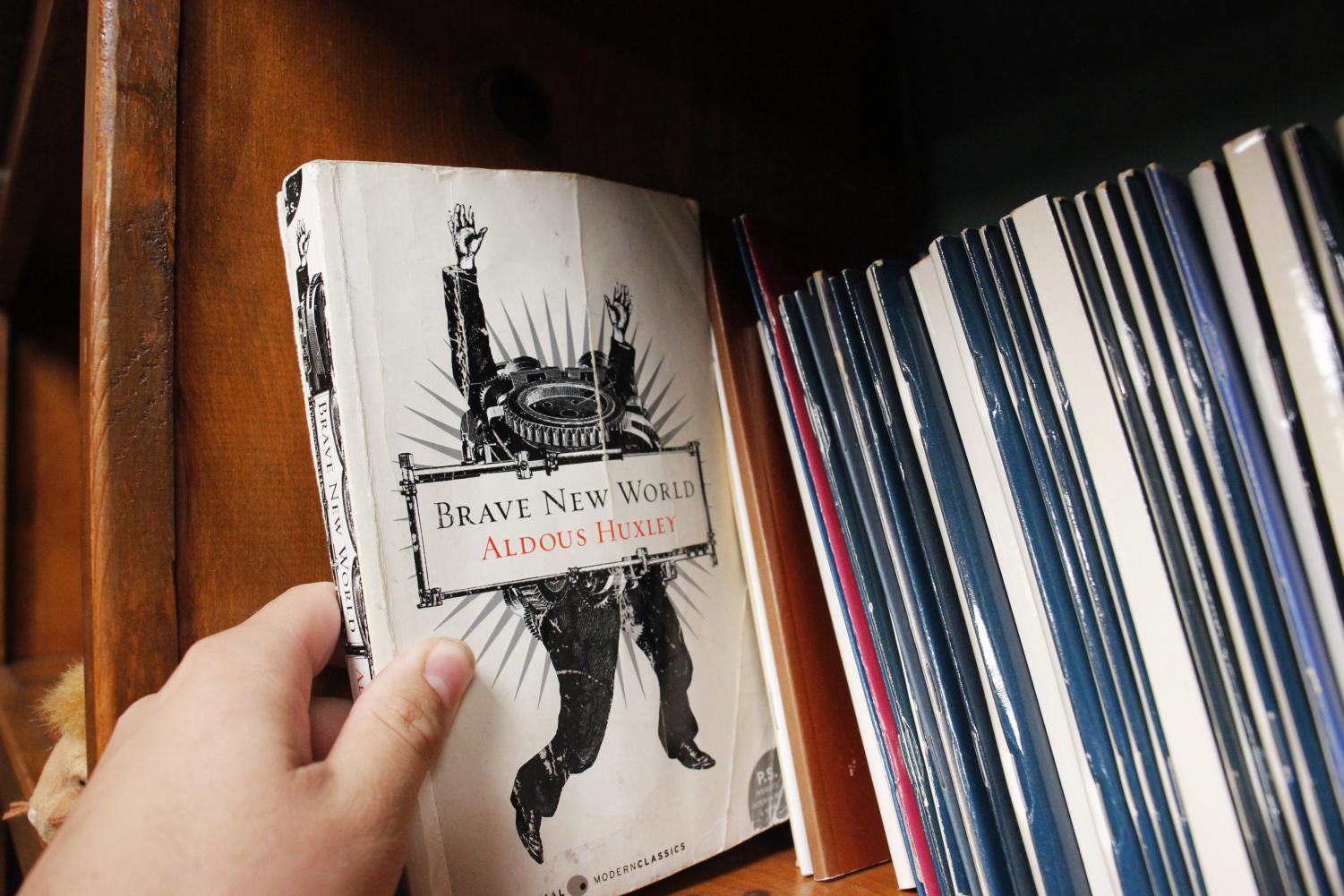
And what of soma itself? Is the pill in Huxley’s book simply Big Pharma, arriving on schedule? Huxley wondered the same thing. In a chapter of Brave New World Revisited called “Chemical Persuasion”, he surveyed the tranquilliser boom of the 1950s and concluded that fairly good substitutes for soma had already been discovered, if not yet the perfect one.
The decades since have supplied the darker literal version, an opioid epidemic marketed as harmless relief, and the softer mass-market one, a screen that adjusts your mood for free. The pill turned out to be real. The feed turned out to be bigger.
And here is the small, telling detail from that January in 2017. It was not only Nineteen Eighty-Four that surged. Brave New World climbed the bestseller list right beside it. Frightened readers did not choose between the two prophets. They bought both, which is the correct answer, and they arrived at it before the critics did.
Why the Question Is Wrong
I have come to think the debate survives only because it is framed as a contest, and the contest is a category error. The two books do not describe rival futures. They describe two halves of one.
Orwell got the machinery right. The cameras, the data, the rewriting of the record, the punishment of the wrong opinion: all of that exists, and in more places than it did when he died. Huxley got the psychology right. He understood that the machinery would not need to be imposed if it could be made delightful, and that a population busy enjoying itself would install the telescreen voluntarily and thank the company for the free shipping. The smartphone is the perfect synthesis: an Orwellian device with a Huxleyan business model. It watches you all day, and you would fight anyone who tried to take it away.
The joke was told most expensively in 1984 itself. That January, during the Super Bowl, Apple aired a sixty-second film directed by Ridley Scott in which a lone athlete hurls a hammer through a giant screen while a Big Brother figure drones at rows of grey, shaven-headed workers. The tagline promised why 1984 won’t be like 1984.
The company’s own board hated the ad and tried to pull it. It aired once, to nearly a hundred million people, and the company that smashed the screen went on to build the most beloved screen in human history, one that knows where its owner is, how well she slept, and what her heart is doing, entirely at her request. Orwell wrote the ad. Huxley wrote the sequel.
There is one thing both men missed, and it is the thing most of us feel most keenly now. In their worlds, the enemy is always the state. Neither imagined that the watching and the soothing would be done by companies, with a logo and a mission statement and a terms-of-service page nobody reads. The scholar Shoshana Zuboff gave that arrangement a name in 2019: surveillance capitalism, and privacy lawyers such as Daniel Solove have argued that state surveillance and corporate surveillance are now two sides of a single coin.
Popular culture got there first. The villain of Apple TV’s Severance is not a government but Lumon Industries, a corporation that splits your mind so the office half never remembers going home. The villain of WALL-E is a big-box retailer. We did not get the Party. We got the platform.
Where Both Books Hid the Exit
Both novels end in defeat, and it is worth being honest about that. Winston Smith is broken until he loves Big Brother. John, the outsider in Huxley’s world, cannot bear it and dies. Neither author offered a way out. But look at what both of them chose as the contraband, the one object their regimes could not tolerate.
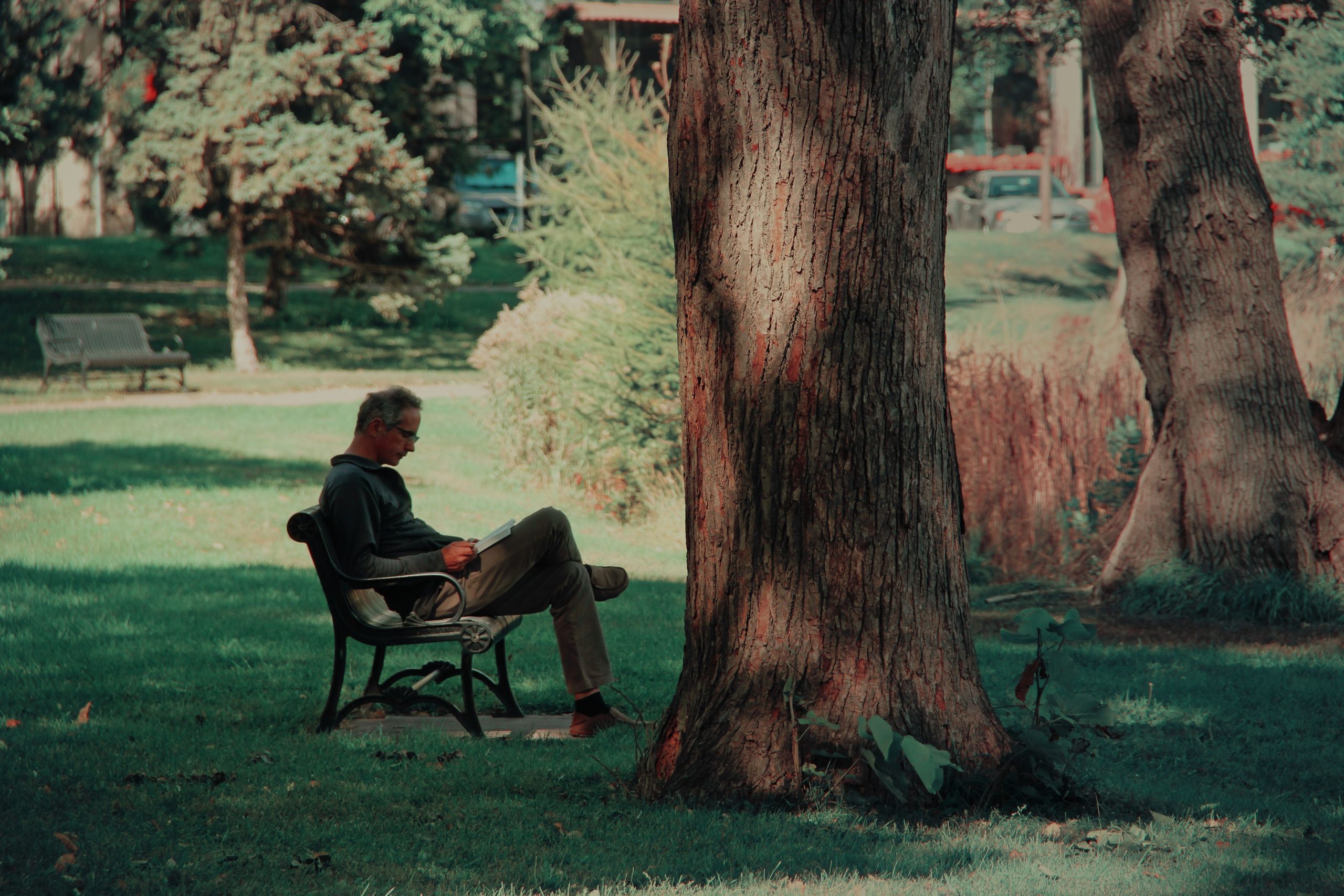
In Orwell, Winston’s rebellion begins with a blank diary bought in a junk shop, and the resistance is organised around a forbidden book. In Huxley, the dangerous thing is a battered volume of Shakespeare, kept illegally on a reservation, and the only person able to see the cage for what it is happens to be the only person who has read it. Even the novel’s title is his: John’s bitter quotation of Miranda in The Tempest, marvelling at a world that has such people in it. Two authors who disagreed about nearly everything agreed about the exit. It was a book, read privately, by someone the system had not yet reached.
Which makes the last detail of Huxley’s letter the most moving one. The man who feared a world that would no longer want to read was, at the time he wrote it, rationing his own reading to the few pages a day his eyes could manage, and spending some of them on his old pupil. The boot and the feed have one thing in common: neither can follow you into a book.
The Crystal Ball Is a Paperback

So here is the note to end on, and it is a hopeful one, because the most remarkable thing about this whole debate is not that two novelists were frightened. It is that they were right, decades early, about things the experts missed.
Governments have started to notice. In 2019, the French Ministry of the Armed Forces, through its Defence Innovation Agency, did something no general staff had done before: it hired a squad of ten science fiction writers, scriptwriters and illustrators, paired them with scientists and officers, and asked them to imagine the threats France might face between 2030 and 2060. The unit was called the Red Team. Its brief from the defence minister, Florence Parly, was three short orders:
“Astonish us, shake us up, take us out of our habits.” — Florence Parly, French Minister of the Armed Forces, 2020
The writers delivered scenarios about floating pirate nations, hacked soldiers, and deepfakes, and some of what they wrote remains classified, on the theory that a good novelist’s imagination is dangerous enough to be a state secret. Think about that for a moment. A modern army, with every satellite and spreadsheet at its disposal, concluded that the best instrument for seeing the future was the one Orwell and Huxley used: a person who makes things up for a living.
It has always been so. H.G. Wells coined the phrase atomic bomb in a 1914 novel, three decades before Hiroshima, and the physicist Leo Szilard read it before conceiving the chain reaction that made the real thing possible. Arthur C. Clarke worked out communications satellites in a 1945 magazine article; the orbit they sit in is now named after him. Huxley read 2026 from a desk in 1949 and posted it to Orwell. The engineers reliably predict the machine.
The novelists predict what we will do with it, because a novelist’s whole job is to take the human factor seriously, and the human factor is the part every other forecast leaves out. Writers are the crystal-ball readers we actually have. They just deliver the prophecy as a story, which is the only form in which most of us will accept it.
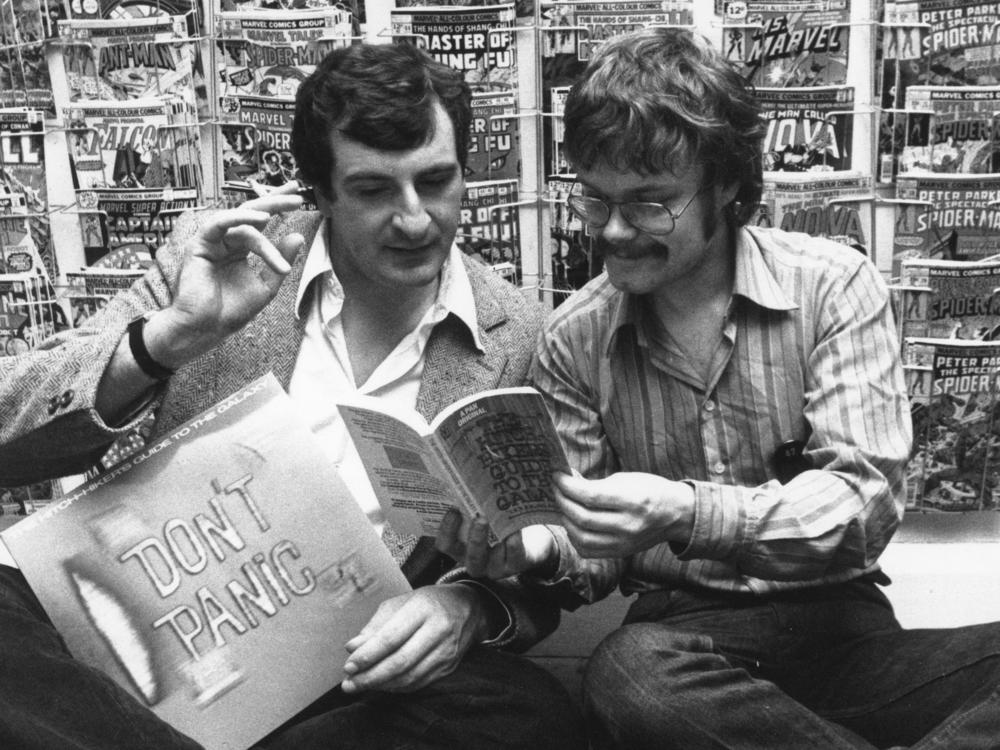
For my part, I prefer my prophecies with jokes in them. The dystopia I return to most is not Orwell’s or Huxley’s but Douglas Adams’s The Hitchhiker’s Guide to the Galaxy, which began as a BBC radio comedy in 1978 and opens with the Earth being demolished by a race of alien civil servants to make way for a hyperspace bypass, the plans for which had been on public display, in the wrong office, on another planet. It is Orwell’s Ministry played for laughs.
The answer to life, the universe, and everything turns out to be forty-two. The one reliable guide to the cosmos is a handheld electronic book with the words Don’t Panic on the cover, which, read from here, looks a great deal like a phone with a better attitude. And Adams’s real subject, underneath the gags, is exactly Huxley’s and Orwell’s: the sheer, bottomless absurdity of what human beings will build, obey, and click on.
I have come to believe that this is the only antidote that works. Notice that neither Big Brother nor the World State has a sense of humour; there is not a single joke in Oceania, and the citizens of Huxley’s paradise laugh only on cue. A regime can survive being feared, and it can survive being loved. What it cannot survive is being found ridiculous. The dystopia that saw our present most clearly may be the one that was laughing.
Which book on your shelf saw the present coming, and did it make you laugh on the way?

Vincent Phan
Vincent is the founder and Editor-in-Chief of 1000 Libraries Magazine. He is a Paris-born ex-corporate turned bookseller and philosopher, on a global mission to spread the joy of physical books in our age of digital technology.