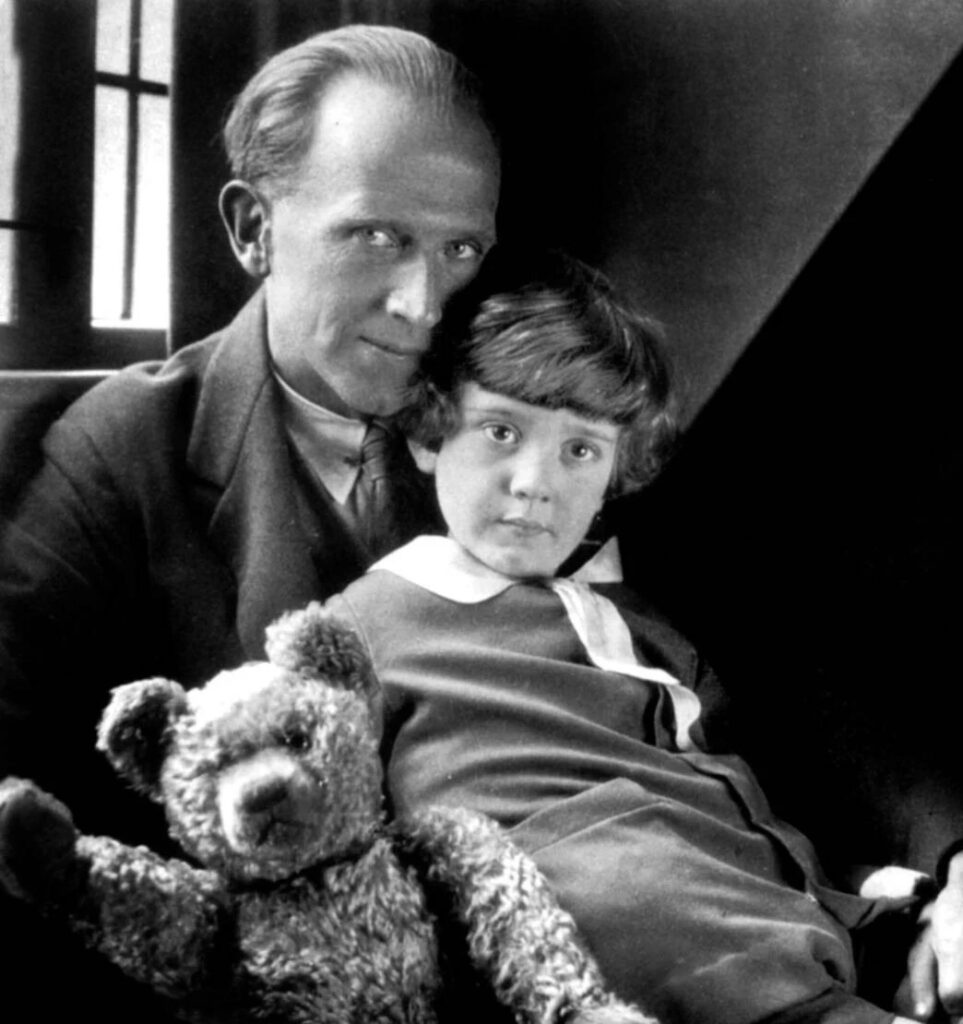

Happy birthday, A. A. Milne! Today, we celebrate 144 years of the creator of Winnie the Pooh and a legacy shaped by creativity, depth, and heart.
A lot of childhoods were blessed by Winnie-the-Pooh, such that many fans understood everything there is to know about Hundred Acre Wood, Tigger, Eeyore, and others. And like every timeless classic, there was a genius behind creating the beautiful world of the silly old bear. His name is Alan Alexander Milne, widely known as A.A Milne.
Born in 1882 and passing away in 1956 at the age of 74, A.A Milne was a complex, sometimes conflicted writer with a remarkable line-up of books and plays to his name. With his works still culturally relevant to date, it’s only right to get to know the man. And what better way to celebrate what would have been his 144th birthday than by exploring these six fascinating facts about his life and legacy.
1. A Humorist Turned Storyteller
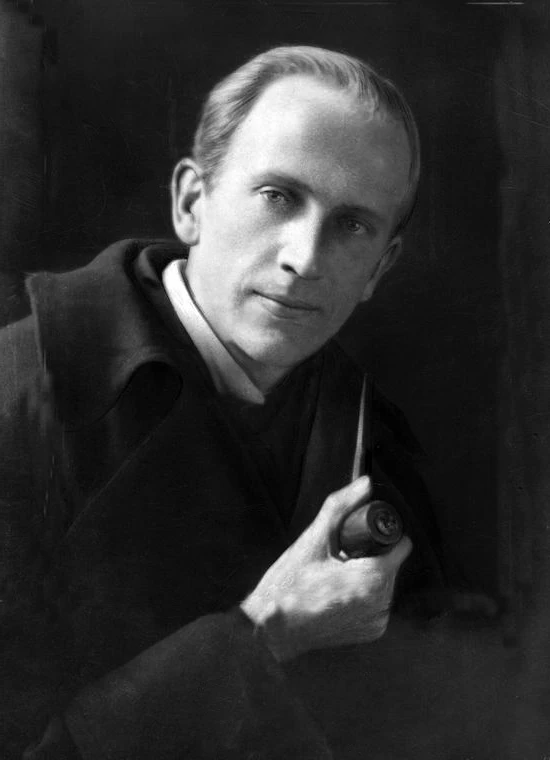
Before the fame of Winnie-the-Pooh, A.A Milne had a solid reputation as one of the funniest men in Britain. With an impressive line of work writing witty adult stories and plays, Milne moved in the highest literary circles of London.
Despite his later occupations as a writer, poet, and playwright, Milne graduated from Trinity College, Cambridge, with a B.A. in mathematics.
It is also important to note that Milne only decided to write children’s literature thanks to his son, Christopher Robin. The creative mind of Milne wanted to create poems and tales about toys for his son, which ultimately led to the birth of the iconic bear creation.
2. Powerhouse of the Punch Magazine
His career began by contributing to the Punch magazine, before he went on to become an assistant editor for the publication. Punch was known for its humor and satire, and that’s Milne’s expertise. For the publication, A.A Milne wrote punchy and sharp essays, deeply observational, and highly respected and sought after.
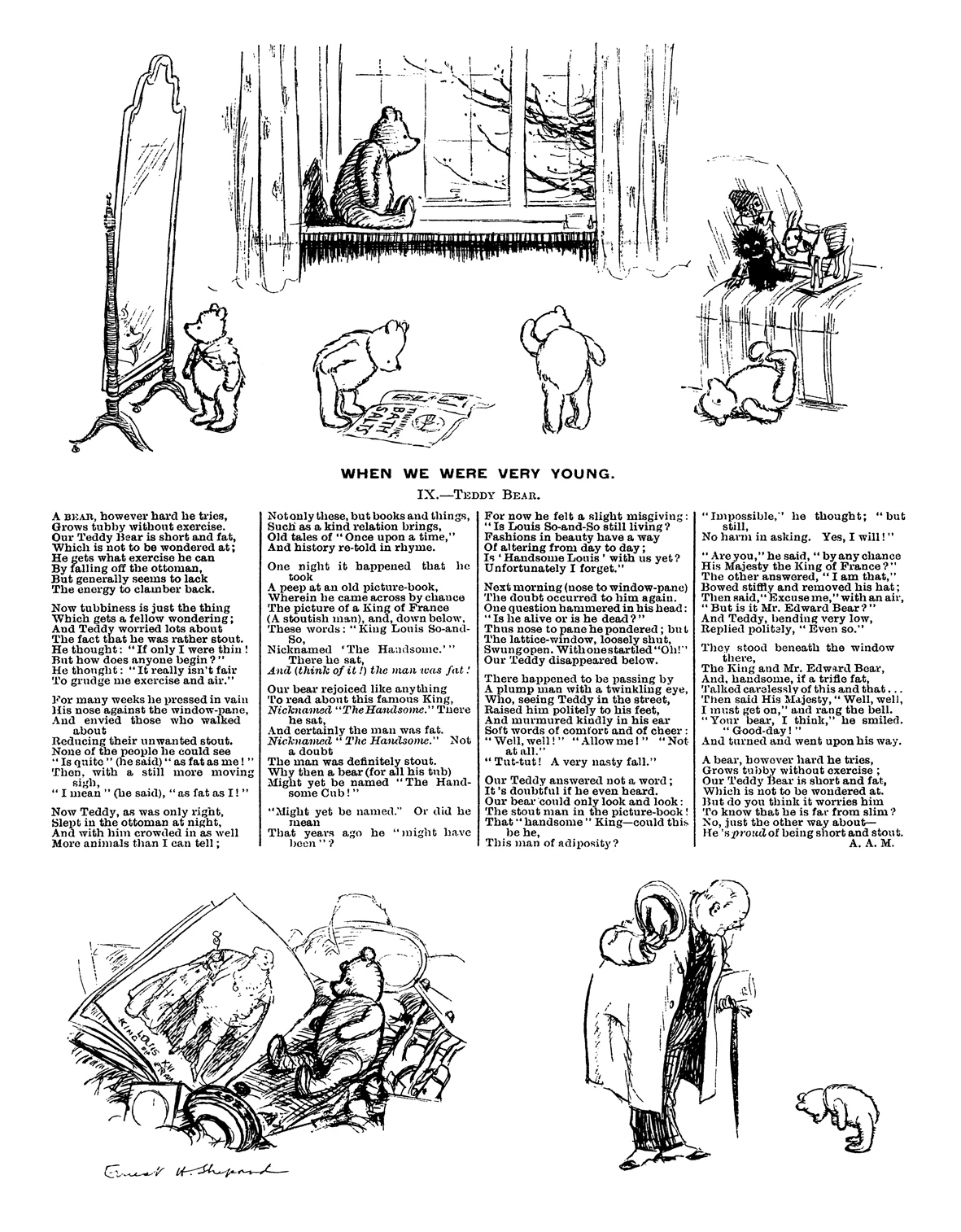
Although not yet named, Winnie-the-Pooh first appeared in A.A. Milne’s poem “Teddy Bear” (Poem IX in When We Were Very Young), which was originally published in Punch magazine in 1924.
3. H.G. Wells Was One of A.A. Milne’s Teachers
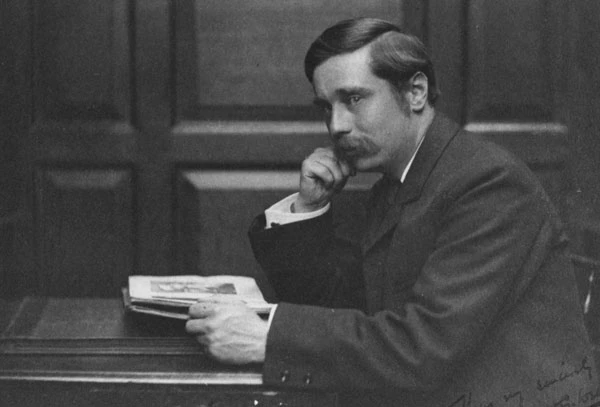
As a young student, A.A Milne attended a small school in London where his teacher was H.G Wells. For the uninitiated, H.G Wells is widely regarded as the father of modern science fiction. Wells taught Milne science, and the two writers remained friends for a long time. The gap between the chosen genres is what makes this link a surprising one.
4. Winnie-the-Pooh’s Success Became a Personal Burden for Milne
The publication of Winnie-the-Pooh brought Milne a level of fame and financial success he had not anticipated. Yes, the character and the world he created for them brought him immense financial success and fame. But according to Milne himself, he often felt trapped by these very characters. The concept of a creator feeling trapped by the creature he made for his son is not something one heard of every day.

As the years passed, Milne grew increasingly uncomfortable with being labeled solely as a children’s author. Beyond Winnie-the-Pooh, he had several works he’d rather be known for, including The Red House Mystery. However, public attention remained firmly fixed on Pooh.
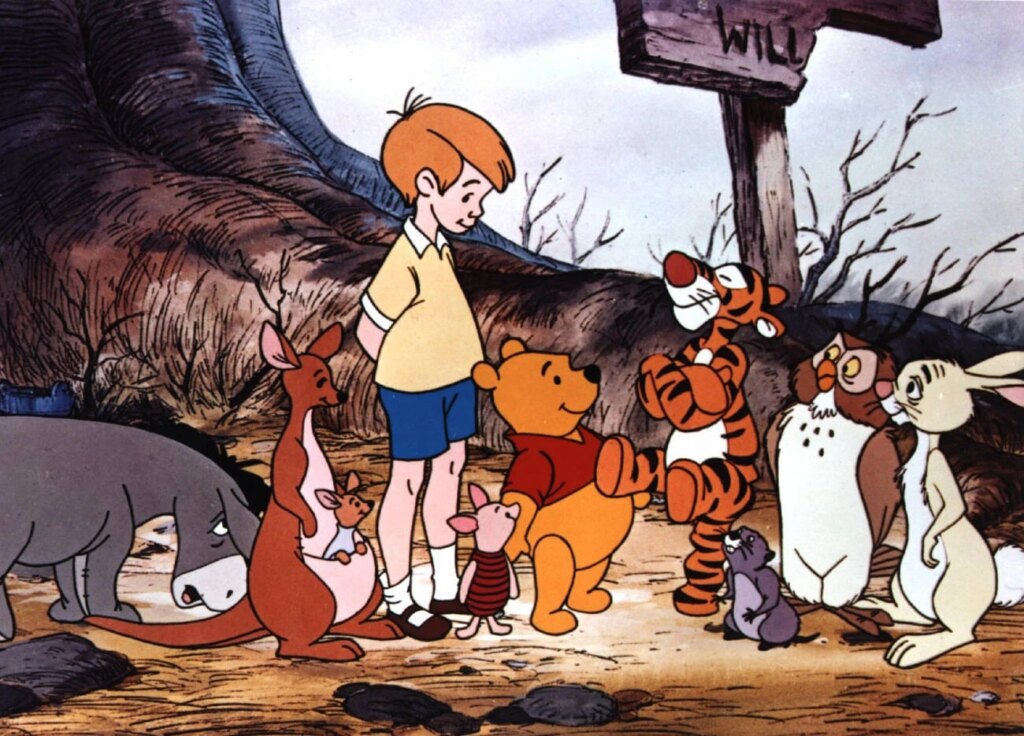
Beyond the fact that his children’s stories swallowed his grown-up comical literary reputation, Milne had a very strained relationship with his son. Christopher Robin struggled with the attention that came from his father’s fame and faced teasing at school, which deeply affected him. This reality stands in contrast to the gentle world portrayed in Winnie-the-Pooh.
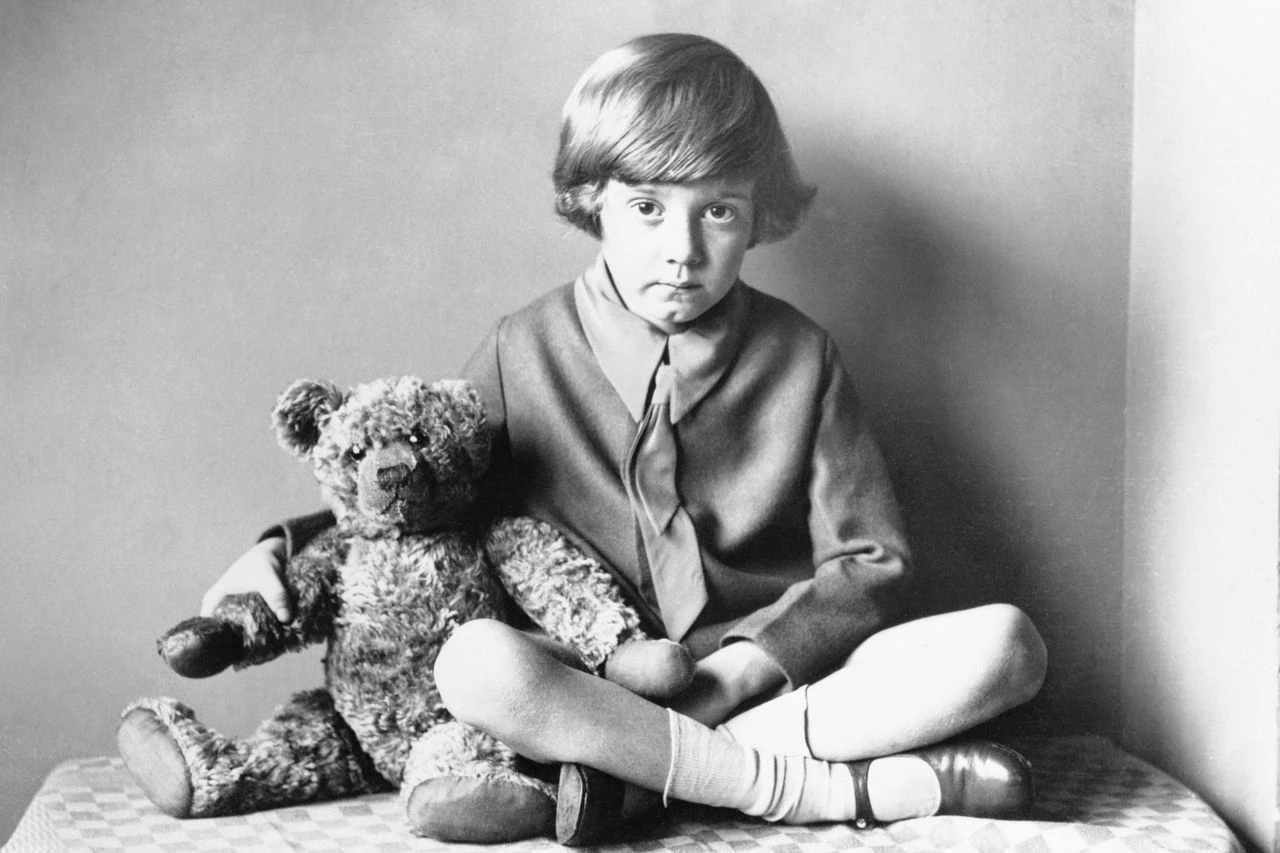
Christopher Robin later described his childhood as one shaped by his father’s success, feeling that it came at a personal cost. And till Milne’s death, the father-son relationship didn’t see much improvement.
5. A.A. Milne Served in Both World Wars and Wrote for the Stage
Typical of almost everyone who grew up in Milne’s era, he experienced the horrors of war firsthand. Unsurprisingly, the battle experiences shaped his worldview, evident in his writing.
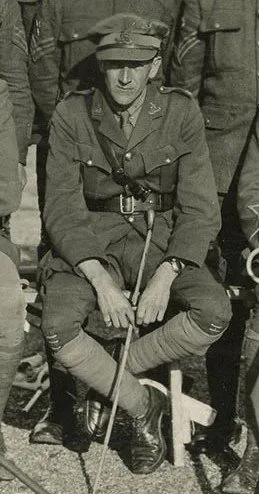
Milne served in both world wars, working as an officer in the Royal Warwickshire Regiment during World War I. He was present at the Battle of the Somme, where the British and French empires fought the Germans.
Though he was a pacifist at heart, his sense of duty caused him to serve. Following his time served in WWI, he wrote both Peace with Honour (1934) and War with Honour (1940). His sense of duty remained true during the Second World War, when he served in the Home Guard despite being in his late 50s.
Beyond ensuring the safety of his homeland, A.A Milne was deeply committed to the country’s entertainment. Between 1916 and 1935, he wrote and created about 25 plays, with the most famous being Mr. Pim Passes By. The play lit up the London stage, expected from someone deemed to be the master of the ‘drawing-room comedy’.
6. The Hundred Acre Wood Was Inspired by a Real English Forest

Many of the locations of the fictional Hundred Acre Wood derive directly from the real Five Hundred Acre Wood in Ashdown Forest, and these locations now serve as popular tourist spots. The forest, located in East Sussex, was a place Milne frequently visited with his son Christopher Robin, and several recognizable landmarks from the stories can still be found there today.
Fans can walk the same paths that inspired Pooh’s adventures, visit Poohsticks Bridge, and explore areas believed to have influenced key settings in the books. Over time, Ashdown Forest has become closely associated with Winnie-the-Pooh, attracting readers from around the world who want to experience the landscape that brought the Hundred Acre Wood to life.
Beyond the Honey Pot
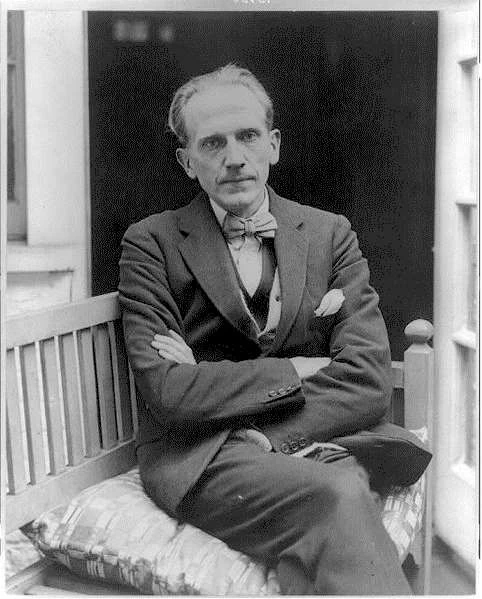
As with many figures defined by immense success, it is easy to view Milne solely through the lens of Winnie-the-Pooh. For instance, it’s easy to assume the writer was as sweet and simple as his stories. But far from that, Milne had his fair share of struggles, all completely masked by the literary success he enjoyed.
To gain a fuller understanding of the man and his work, his essays and novels, including The Red House Mystery, are well worth reading. Seeing through his struggles, wartime service, and life’s frustrations offers an appreciation for the amount of warmth he put into Winnie-the-Pooh.
More than anything, Milne’s life and work remind us that even the most joyful creations can emerge from lives shaped by complexity and quiet resilience.

Erica Sarah
Erica is a creative writer and editor with a love for books and the smell of libraries. When she’s not reading or writing, she’s doting on her cat, Felix, and daydreaming about ending global hunger.