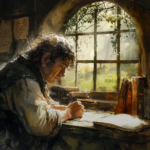

Kintsugi mends broken bowls with gold; wabi-sabi finds beauty in flaws. On envy, KPop Demon Hunters, and why an imperfect life is the only kind worth living.
It was movie night, and my daughter picked the film. K Pop Demon Hunters. Her second watch, my first, and I will be honest about my opening position: it looked silly, and I was there to connect with her, not with it. Then the music started. Somewhere in the second half, songs about shame and hiding and finally being seen, I caught my eyes going teary in the dark, and I was glad she was watching the screen and not her father.
A grown man, moved to tears by a pop cartoon. Why?
It took me most of the drive to work the next morning to work it out, and the honest answer took thirty-nine years to learn. This essay is that answer.
The Highlight Reel is Not a Life
To understand it, you have to meet a previous version of me. He grew up feeling different, misunderstood, a misfit. In his twenties, an accountant grinding up the corporate ladder, he idolized the people who seemed to have it together: the holidays, the car, the life that assembled itself while his own felt like a permanent renovation. The envy kept him working hard at a job he did not love, chasing a similar comfort.

Then, years later, long after I had traded that chase for work that meant something, a message arrived from the very friend I had idolized most: “Got a minute to chat? I’m going through a divorce.” I called him, and listened for the first time to the behind-the-scenes of a life I had only ever watched from the front row: struggles that had run for years beneath the holidays and the milestones, invisible from my seat. The man I had envied just needed someone to talk to. The pedestal was empty, and had been for years. And I would love to tell you the envy never visits anymore. It does, sometimes. It is just that now I recognise it at the door and rarely let it in.
The research is blunt about what that envy costs. In a well-known study of 584 Facebook users, researchers found that passively scrolling through other people’s lives bred envy, and that envy directly lowered life satisfaction. About a third of people reported feeling worse after simply browsing. And the details people envied most? The happiness of others, and the way they spent their holidays. The exact things the old me spent years coveting turn out to be the exact things the feed is engineered to amplify.

Here is what the feed never shows: the argument in the car before the beach photo, the loan behind the lifestyle, the marriage quietly ending behind the anniversary post. When we finally get close to the “perfect” people, the way I did on that phone call, we make the same discovery every time. Their lives are messier than ours, or at least messy in equal measure. Everyone is carrying something. Everyone has their scars. The grass, it turns out, is green on both sides, especially for those of us lucky enough to live far from real conflict.
The question is what to do with that discovery, and it happens that one culture spent five centuries turning the answer into an art form.
The Bowl That Came Back Broken
In fifteenth-century Japan, the story goes, the shogun Ashikaga Yoshimasa broke his favourite Chinese tea bowl. He sent it back to China for repair, and it returned mended with crude metal staples. Displeased, the legend says, he asked his craftsmen for something better, and they answered with lacquer and powdered gold, mending the bowl so that its cracks became rivers of light. The art was called kintsugi: golden joinery. The repair does not hide the break. It illuminates it. The bowl is not beautiful despite having been broken. It is beautiful, in part, because it was.
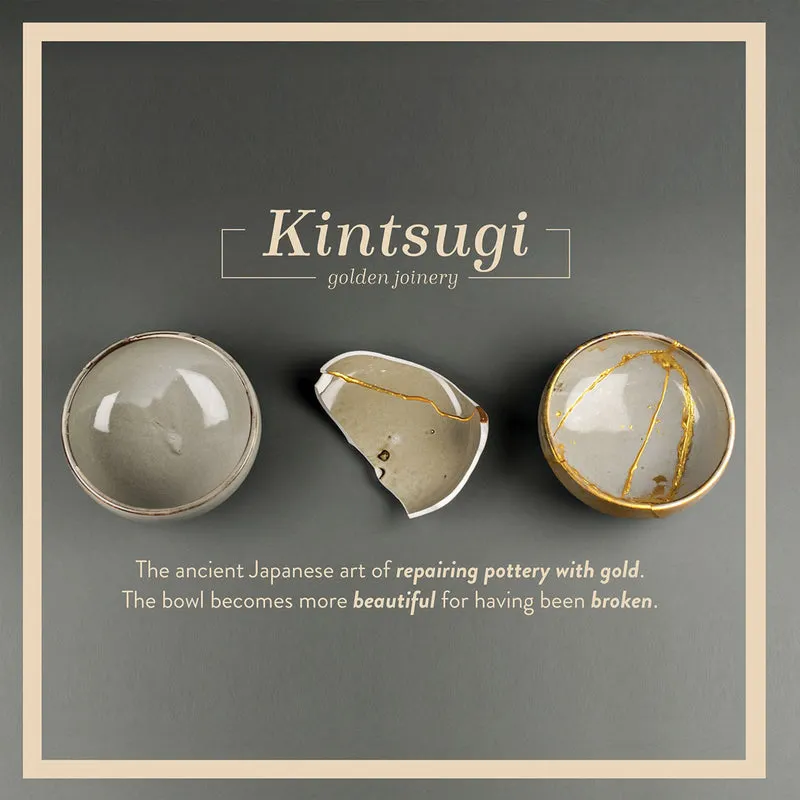
Historians will tell you the legend is probably too neat, and the documented truth is even better. The shogun’s stapled bowl survives to this day, and far from being discarded, it became one of Japan’s celebrated treasures, affectionately named the Bakōhan, “the locust clamp,” for the very staples that were meant to disfigure it. Even the ugly repair became beloved. Given enough love and enough time, there is apparently no such thing as damage. There is only history, made visible.
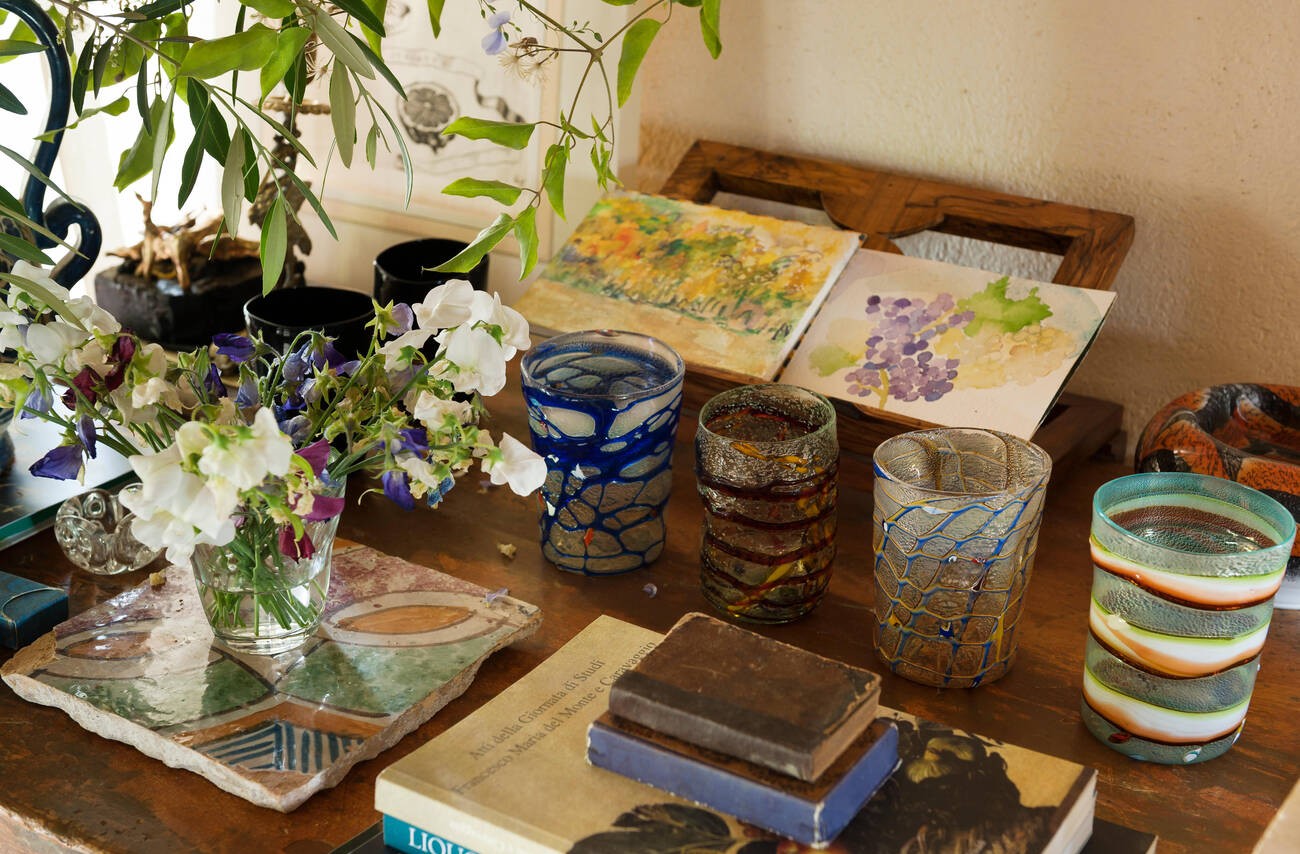
Collectors, it is said, grew so enamoured of kintsugi that some were suspected of breaking their pottery on purpose. We may smile at that, but it contains the whole philosophy: the crack is not the end of the object’s story. It is the beginning of its character.
Wabi-sabi, or the Beauty of the Unfinished
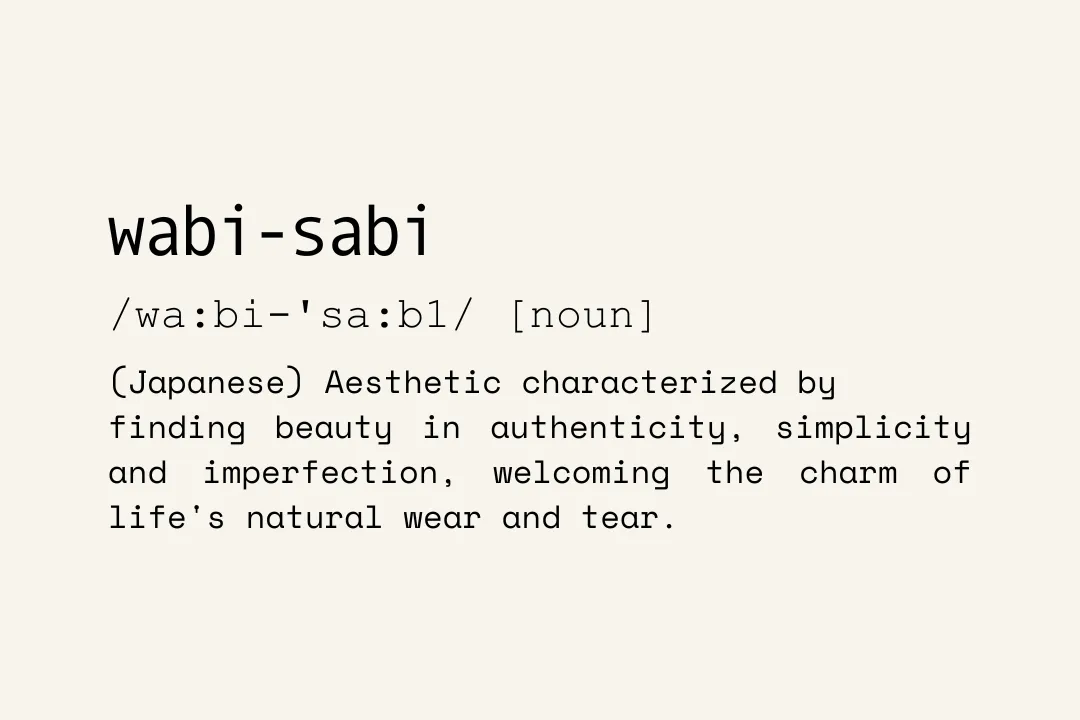
Kintsugi is the visible expression of something larger. Wabi-sabi, the aesthetic championed by the great tea master Sen no Rikyū, is Japan’s quiet rebellion against the ideal of flawlessness: a taste for the weathered over the polished, the asymmetric over the exact, the worn over the new. The scholar Leonard Koren, who introduced the idea to many Western readers, defined it in nine words:

“Wabi-sabi is the beauty of things imperfect, impermanent, and incomplete.” — Leonard Koren, Wabi-Sabi for Artists, Designers, Poets & Philosophers (1994)
Imperfect, impermanent, incomplete. Notice that this is also, point for point, an honest description of every human life, including the ones that photograph well. Wabi-sabi simply asks us to stop reading that description as an indictment and start reading it as a definition of beauty.
The Evidence Is Everywhere
If this sounds like consolation, look at what we actually love. The most beloved songs ever written are about heartbreak and grief; nobody’s favourite ballad celebrates a life that went exactly to plan, because pain, transformed, is where the beauty lives. In 1874, a critic named Louis Leroy mocked a hazy, “unfinished” painting of a sunrise by Claude Monet, sneering that embryonic wallpaper was “more finished than that seascape,” and coined the word “Impressionists” as an insult.
The insult became the name of the most adored movement in modern art. The paintings that draw millions to museums every year are, by the academic standards of their day, imperfect: loose, blurry, incomplete. That is precisely their life.
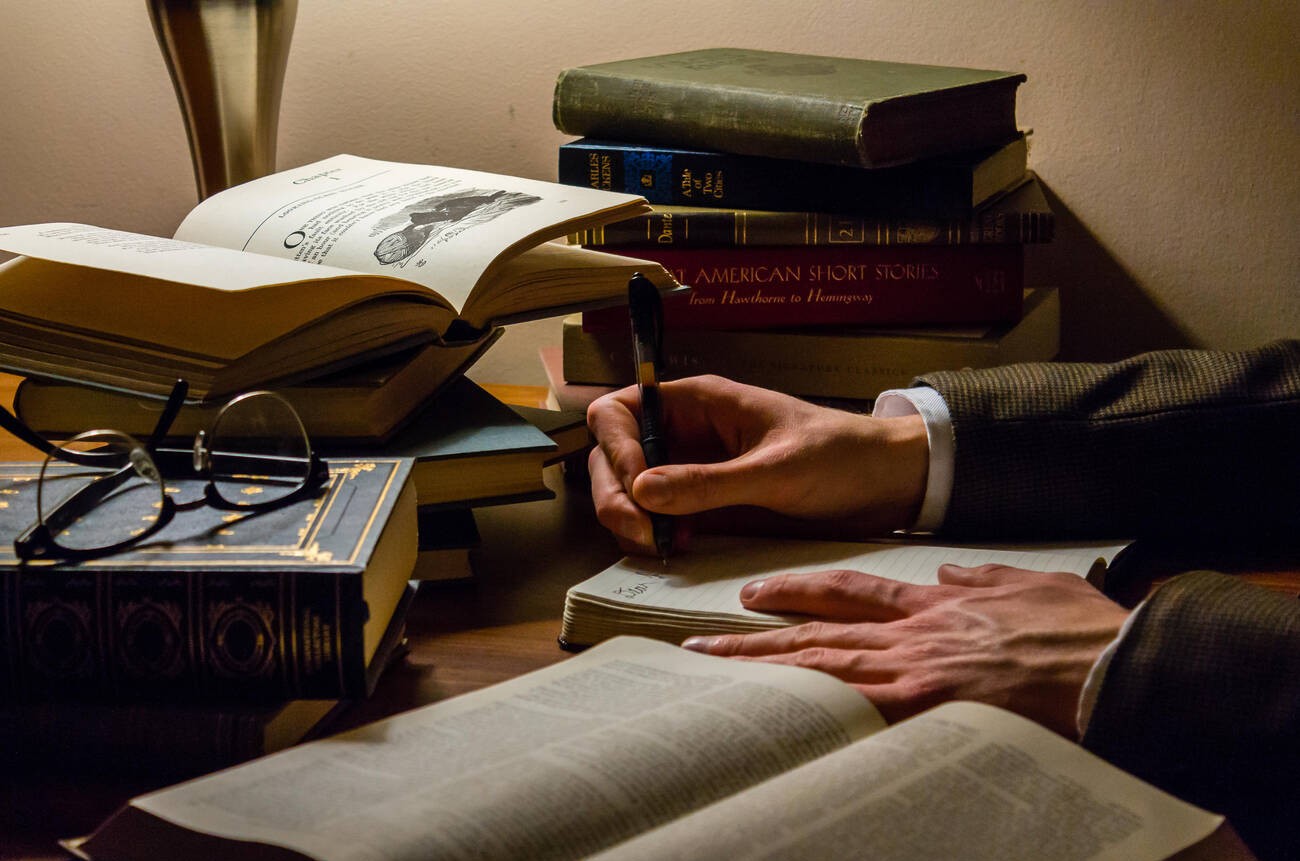
Or take something smaller. Set a page of flawless printed script beside a page of messy handwriting. The print is perfect and says nothing about its maker. The handwriting is crooked, inconsistent, alive; it is full of character because it is full of flaws. Character, in objects and in people, turns out to be another name for accumulated imperfection.
The Main Character Does Not Get a Perfect Script
Which brings me back to my living room, and the pop cartoon that ambushed me.
In KPop Demon Hunters, the most-watched film in Netflix’s history, the idol Rumi hides glowing patterns on her skin, the mark of her half-demon heritage, convinced they make her broken, shameful, unworthy of the group she leads. She has been taught her whole life to conceal them. And the film’s quiet insight is that the concealment, not the patterns, is what nearly destroys everything: her voice falters under the strain of the hiding, her friendships fracture around the secret.
The turn the entire story builds toward is not the removal of her marks but the owning of them, and in the moment she accepts that the patterns are part of who she is, the shield protecting her world blazes gold. It is kintsugi frame for frame: the crack, accepted, becomes the gold. The anthem at its centre is even called “Golden.” No wonder my eyes betrayed me in the dark. I was watching a story about a misfit who learns that the thing she hides is the thing that saves her, sitting beside my daughter, having taken thirty-nine years to learn it myself.

Why does the newest story on earth rhyme with a five-hundred-year-old repair technique? The mythologist Joseph Campbell would not have been surprised. Campbell spent his career reading the world’s myths side by side, and in 1949, in The Hero with a Thousand Faces, he reported his famous discovery: underneath their surfaces, humanity’s great stories are one story. A hero is called away from ordinary life, descends into trials and ordeals, is broken open by them, and returns transformed, carrying something of value home.
Campbell called it the monomyth, and it has since shaped everything from Star Wars to half the films you loved as a child, Rumi’s included. Notice what sits at the centre of the pattern, in every culture, in every century: the ordeal. There is no version of the hero’s journey where nothing goes wrong. The trials are not an interruption of the story. They are the story. A hero who never breaks is not a hero; he is a man standing still.
Campbell’s advice for living inside such a story was three words long: follow your bliss. Not your comfort, not your neighbour’s car. The thing that makes you feel alive. It took the old accountant most of two decades to make that trade, meaning over money, and it is the only golden repair I have ever performed that I would recommend without reservation.
So here is the whole philosophy, compressed. Our lives were beautiful from the start. Then we broke, as everyone does, as every hero must. And the quest, the fun of it, the actual adventure, is what we do next: to love the life we have, imperfections included, while reaching for more meaning, not more gold, and in doing so make the life more beautiful than it was before the break. The obstacle is the plot. The crack is where the story turns. A perfect life would be an unreadable one.
The Sing-Along

There will be more movie nights, and by all evidence, the same film, on loop, the way children rewatch the things that are telling them something. I find I no longer mind. Somewhere in those replays, without a single lecture from me, my daughter is absorbing the lesson it took her father over three and a half decades, one emptied pedestal, and a phone call to learn: that the marks you are taught to hide can turn out to be the source of your power, and that a life is not beautiful in spite of its cracks.
The Japanese mended their broken bowls with gold and set them proudly on the shelf.
Which of your cracks might be worth filling with gold, rather than hiding?


Vincent Phan
Vincent is the founder and Editor-in-Chief of 1000 Libraries Magazine. He is a Paris-born ex-corporate turned bookseller and philosopher, on a global mission to spread the joy of physical books in our age of digital technology.