
Explore the destinations that inspired classic and modern novels, uncovering the landscapes, cities, and landmarks that shaped unforgettable stories.
Every writer has to get their inspiration from somewhere, and the authors of classics and best-sellers are no exception; these are places that have inspired some of the most famous novels in the English-speaking world.
Rosslyn Chapel in Roslin, Scotland
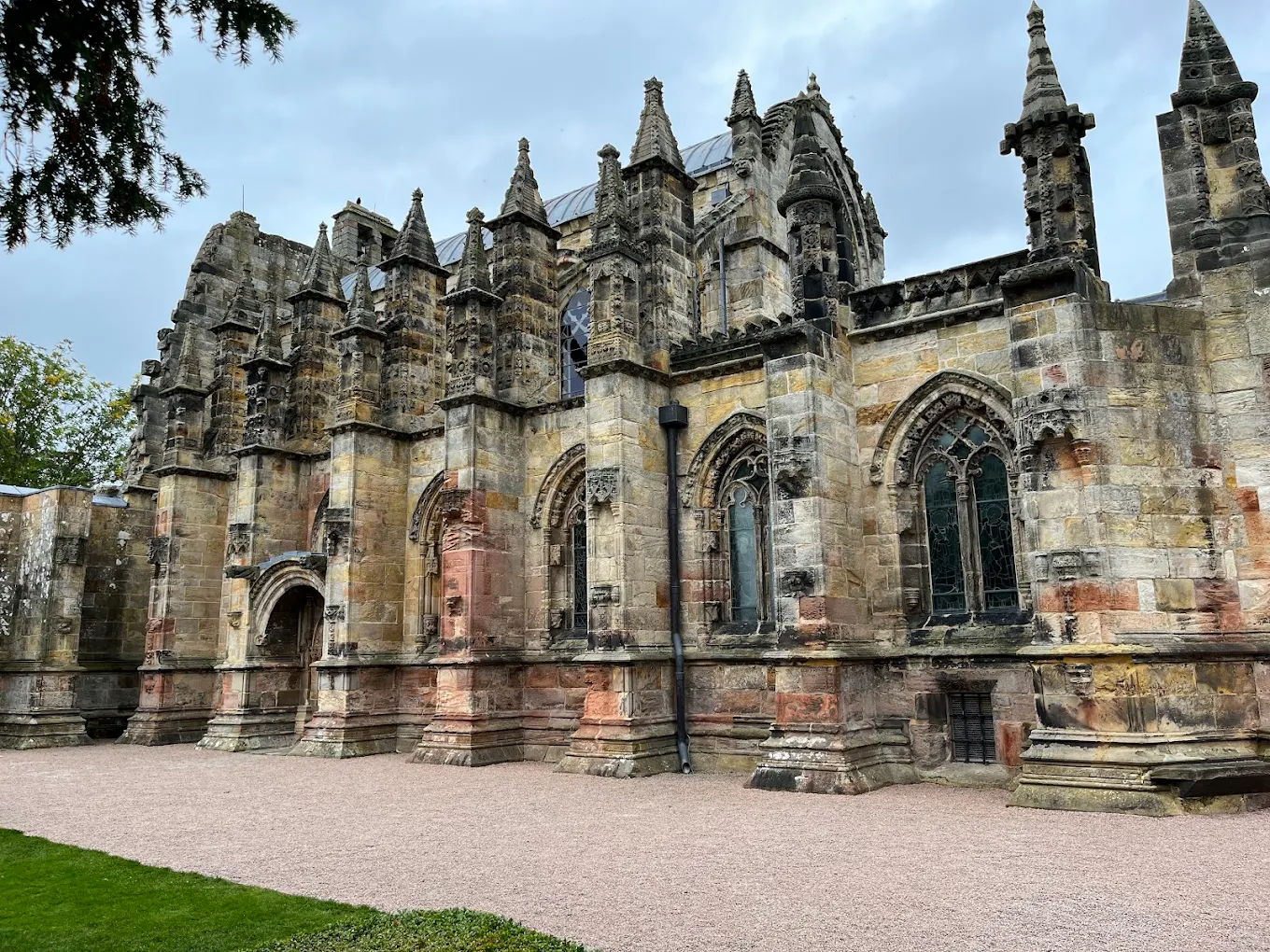
Founded in 1446 by Sir William St Clair just outside of Edinburgh, Rosslyn Chapel is astonishingly well-preserved with intricate stone carvings, a high ceiling, and stained glass windows with Christian imagery.
This chapel is featured in the finale of Dan Brown’s The Da Vinci Code, where the novel links it to the Knights Templar and the Holy Grail. There’s no actual historical evidence that the chapel has anything to do with the Holy Grail, but there’s also no denying the site’s architectural beauty, and it’s easy to see why it inspired Brown so much.
Address: Chapel Loan, Roslin EH25 9PU, United Kingdom
Opening hours:
– Monday to Saturday: 9AM – 5PM
– Sunday: 12PM – 5PM
Victoria Street in Edinburgh, Scotland
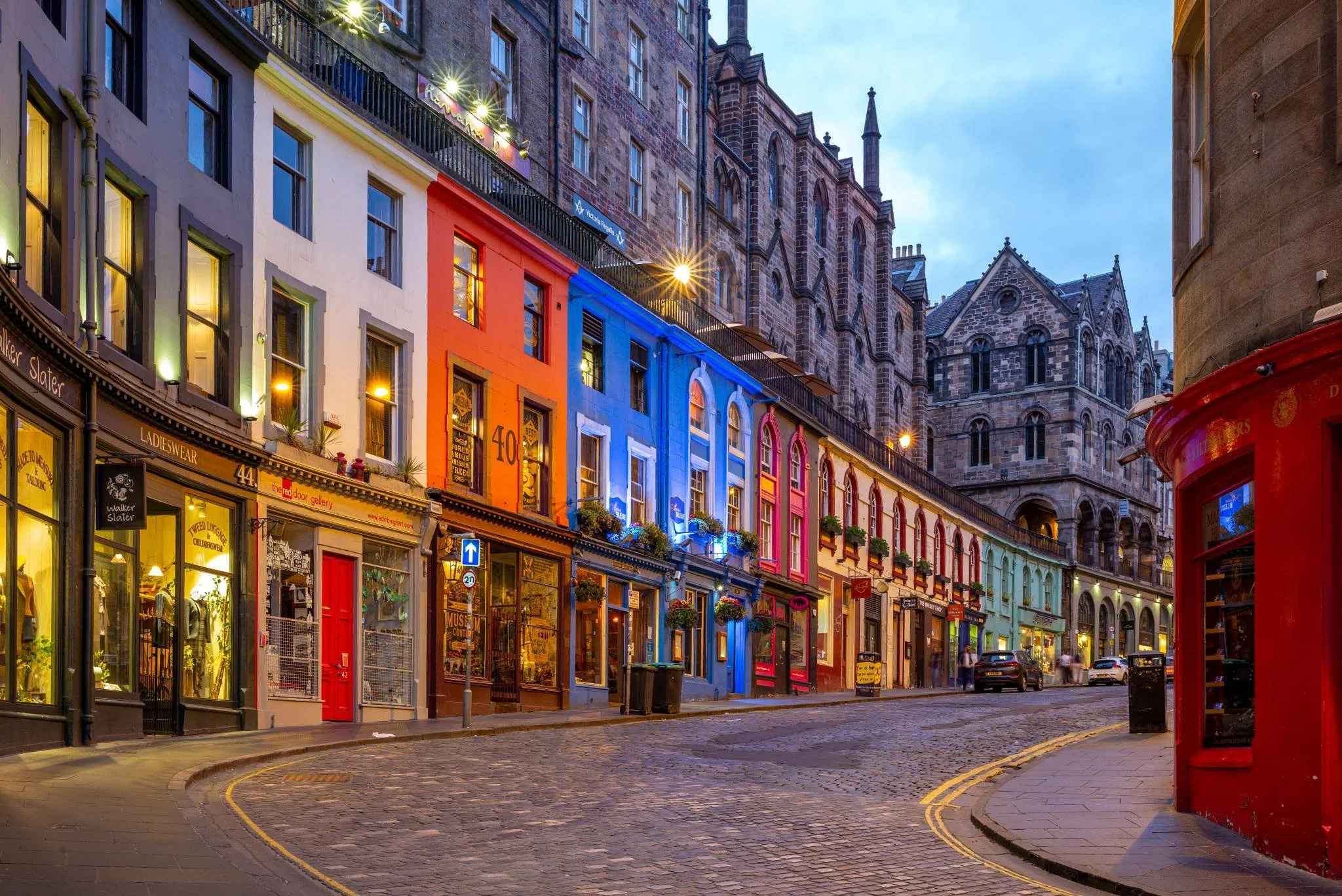
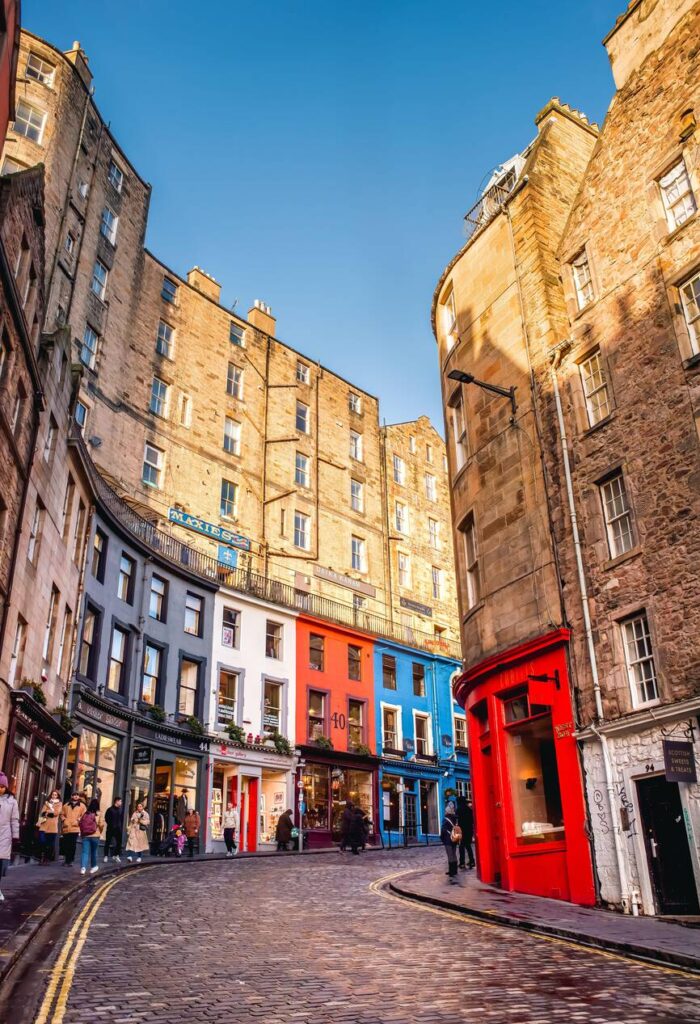
This is one of the most picturesque streets in Edinburgh’s Old Town, famous for its colorful shopfronts and cobbled pavement. A lot of people compare it to the description of Diagon Alley in the Harry Potter series because of its winding layout and quirky independent shops.
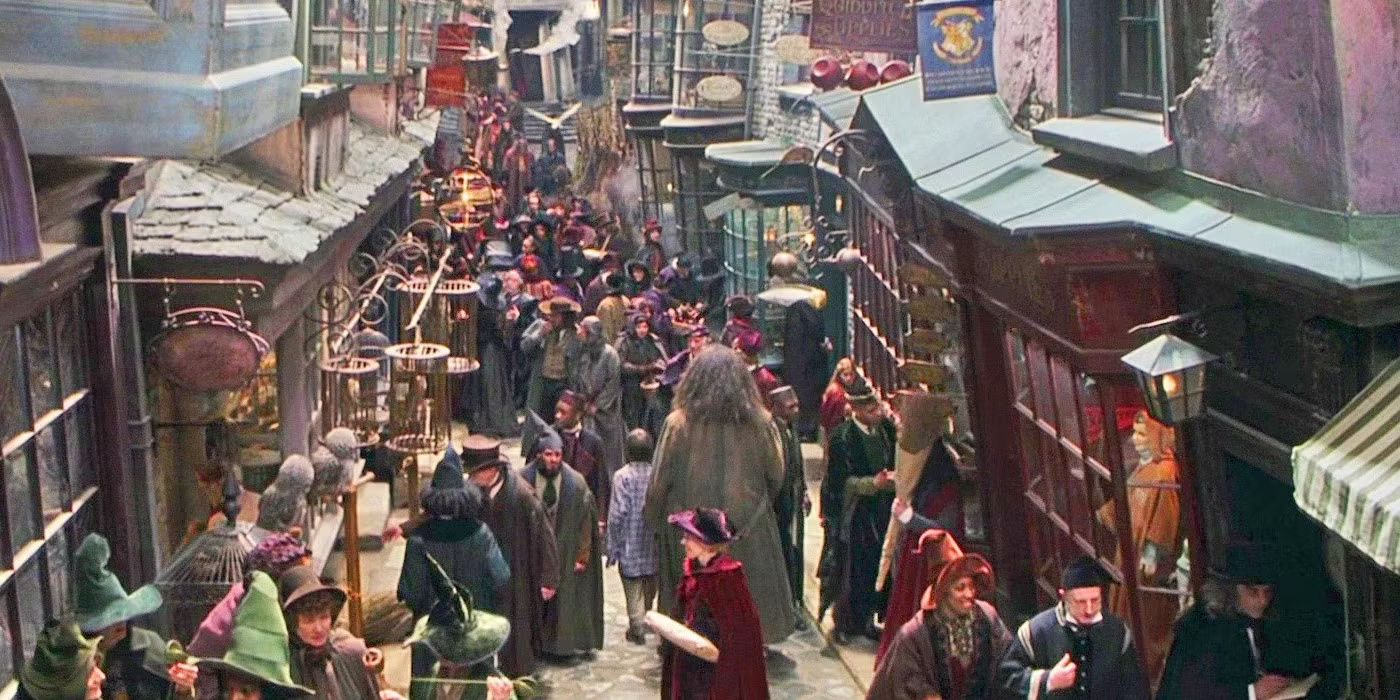
However, even though J. K. Rowling wrote much of the series while living in Edinburgh, she has said that no single real-world street inspired Diagon Alley. So, really, it’s best to think of Victoria Street as a place that captures the wizarding world vibe rather than a direct inspiration.
Address: Victoria St, Edinburgh, United Kingdom
Ashdown Forest in East Sussex, England
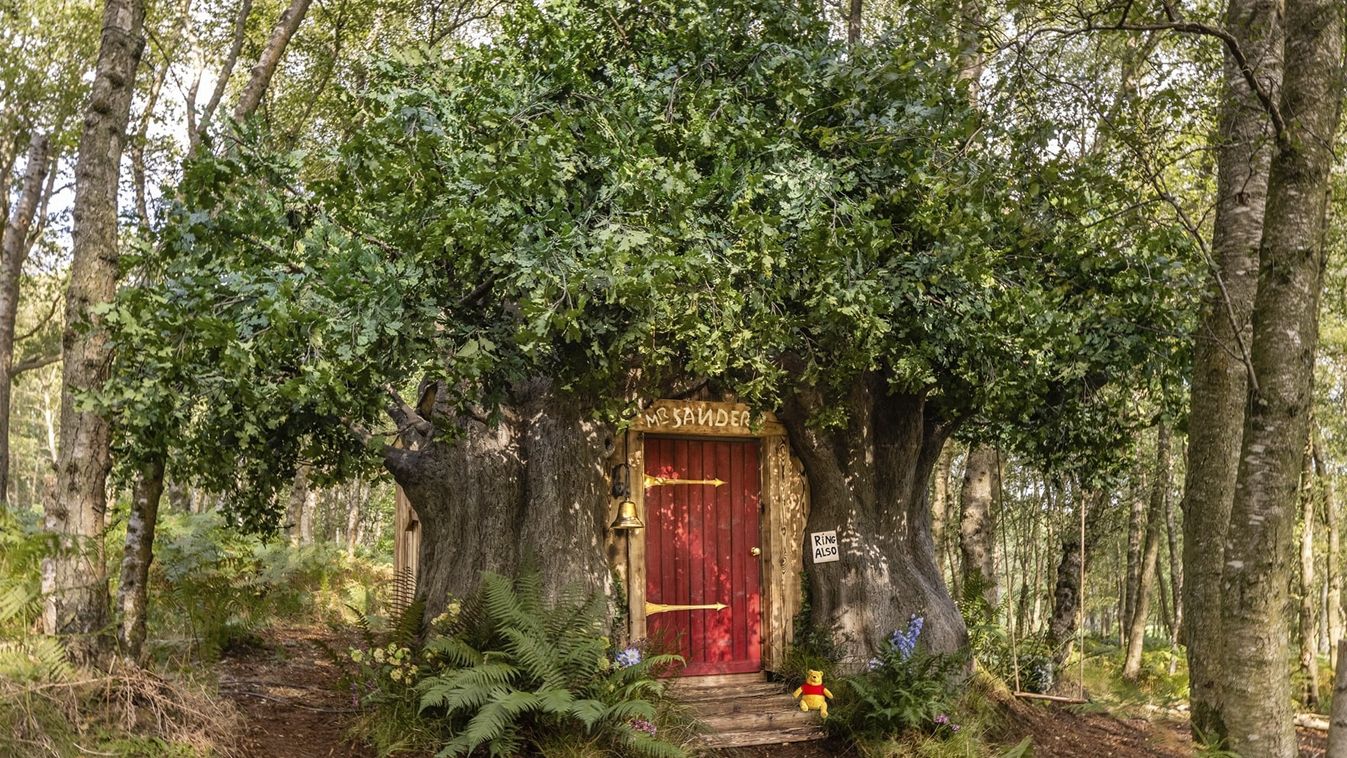
Ashdown Forest is a large area of heathland and woodland in East Sussex, and it’s the source of inspiration for the Hundred Acre Woods in A. A. Milne’s Winnie-the-Pooh stories.
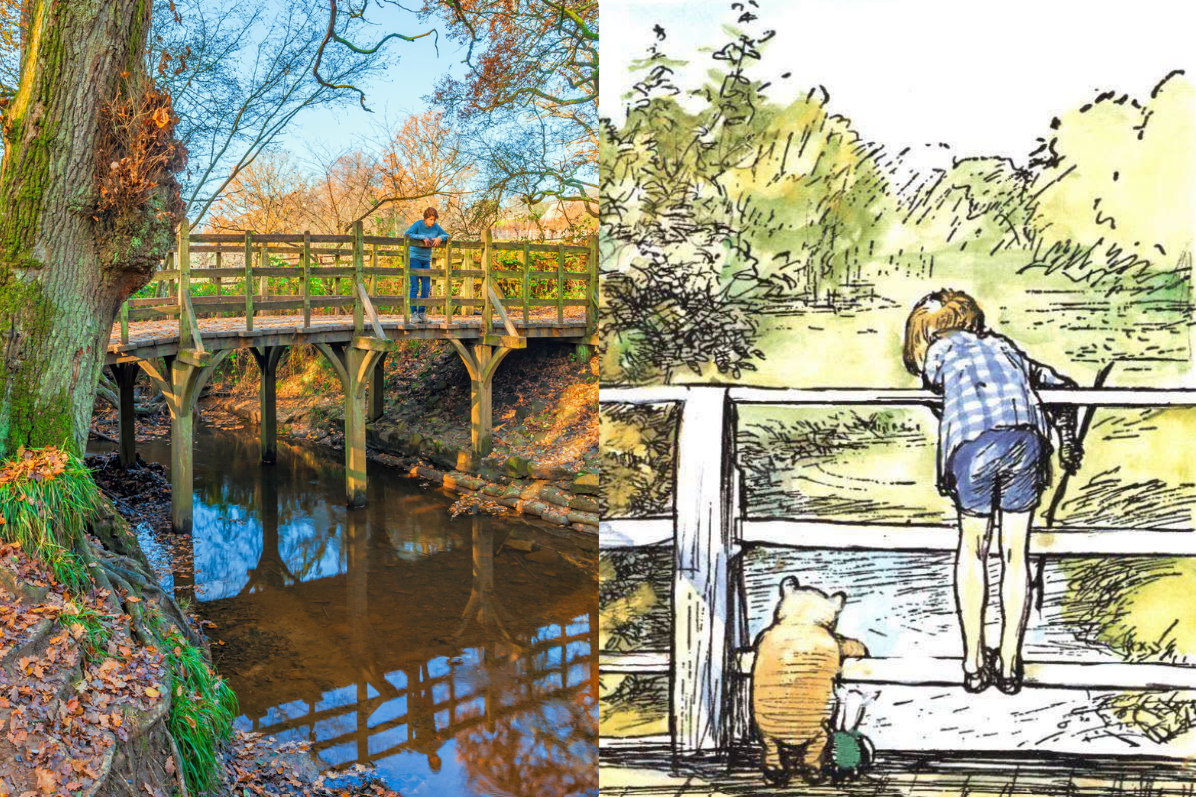
Once a spot for royal deer hunting, these woods actually cover 6,500 acres (not just a hundred). It offers scenic heathland with oft-traveled footpaths, wide open views, and wildlife. (Think foxes, rabbits, stoats, and badgers—no tigers or piglets, I’m afraid!) It remains one of the most popular open-access countryside spots in the area.
Address: Wych Cross, Forest Row RH18 5JP, United Kingdom
Opening hours:
– Monday to Thursday: 8:30AM – 5PM
– Friday: 8:30AM – 4:30PM
– Saturday and Sunday: 10AM – 5PM
Bath, England
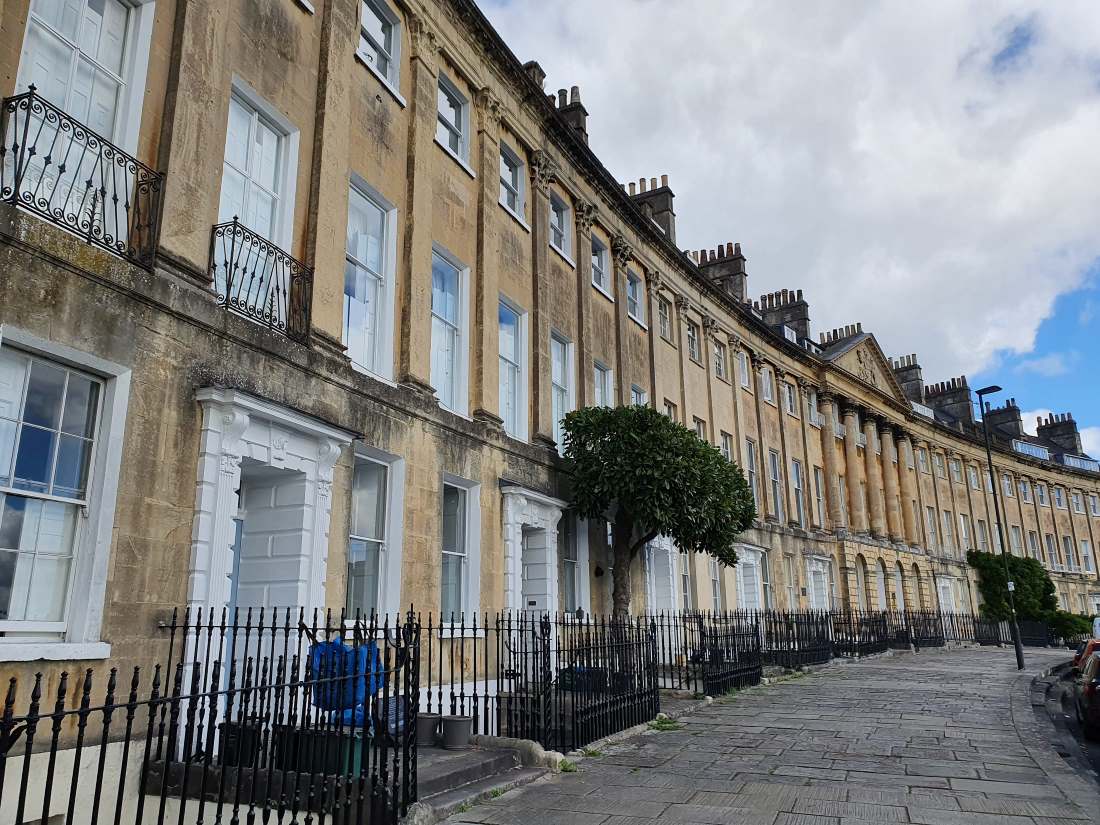
Fans of novels set in Victorian England will instantly recognize Bath. It was a fashionable getaway in the 18th century, home to Roman-built baths, Georgian architecture, and natural hot springs. It’s also a UNESCO World Heritage Site.
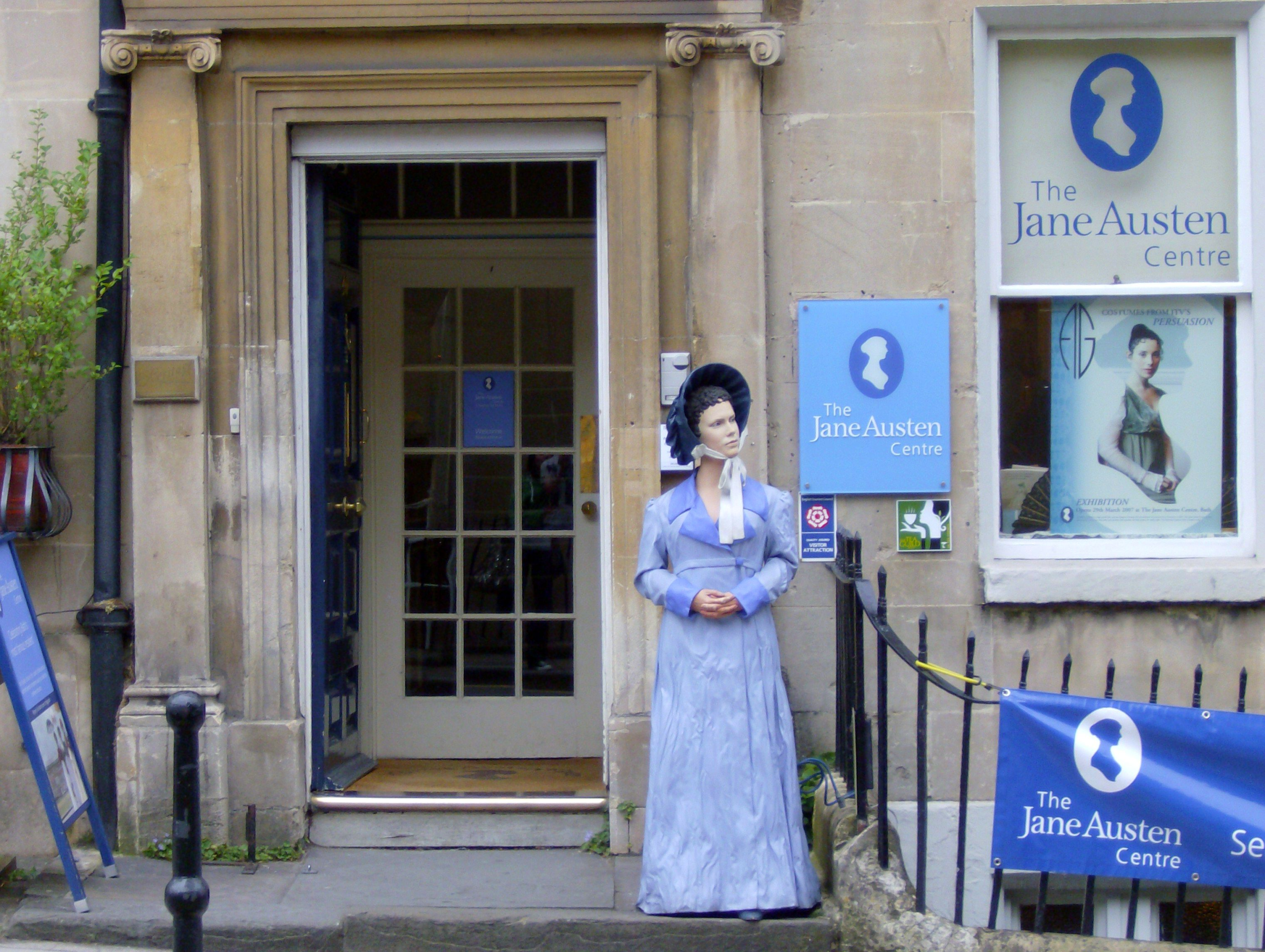
It also just so happens to be the city where the main characters of Jane Austen’s novel Persuasion relocated after financial trouble. Bath even has a small museum dedicated to the famous author called the Jane Austen Centre, which comes complete with a Regency-style tea room.
Address: 40 Gay St, Bath BA1 2NT, United Kingdom
Opening hours:
– Monday to Sunday: 9:45AM – 5:30PM
The Imperial Torquay in Torquay, England
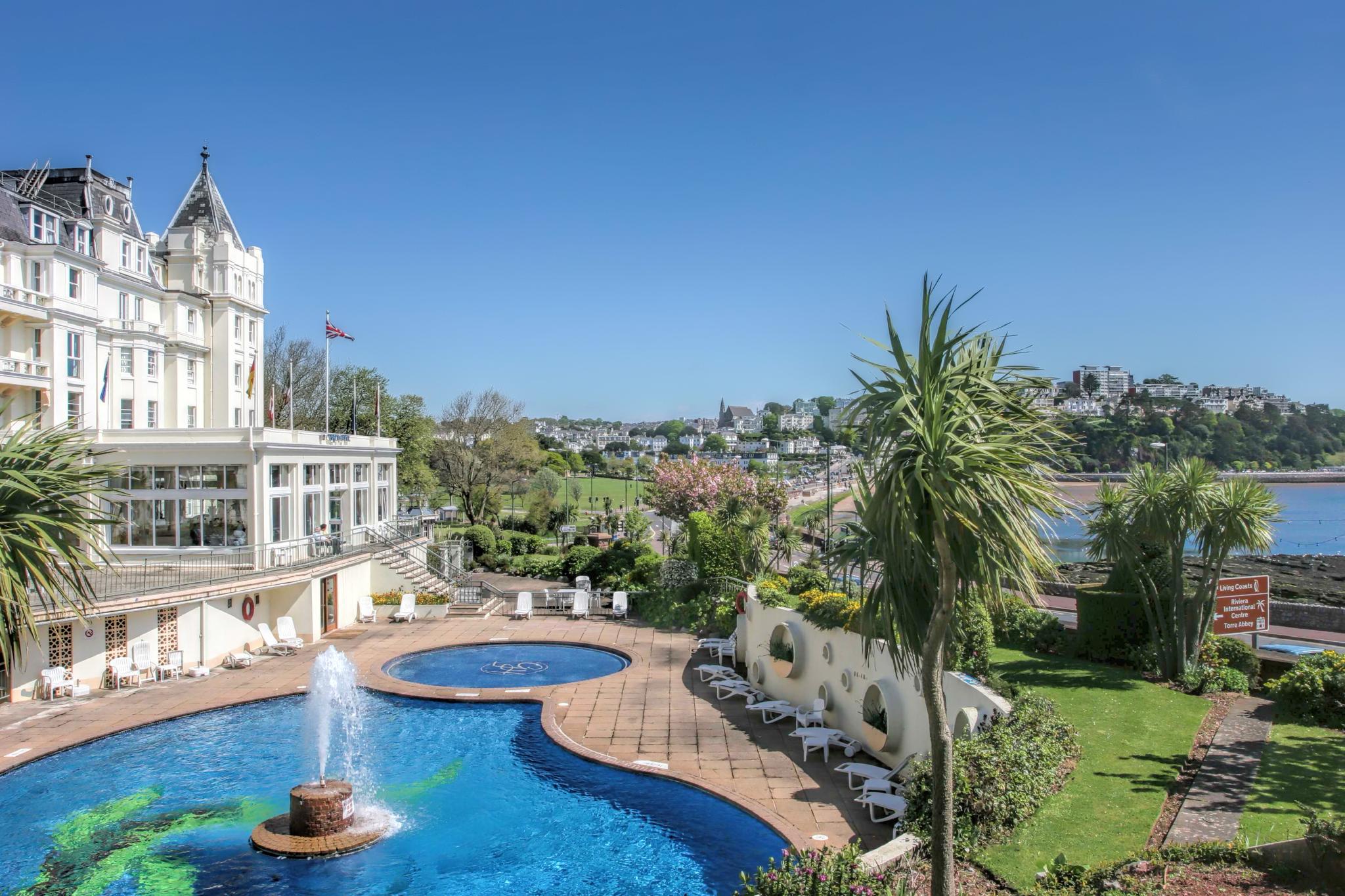
Agatha Christie grew up in Torquay, so it’s no real surprise that the area had a huge impact on her writing. One of the most notable real-life landmarks that appears in her novel (under the name “The Majestic Hotel”) is the Imperial Torquay, a Victorian-era four-star hotel.
The hotel has amazing views of the sea, plenty of modern amenities, and even an Agatha Christie-themed Afternoon Tea for a limited time in September. (The rest of the time, it’s just a regular Afternoon Tea.)
Address: Parkhill Rd, Torquay TQ1 2DG, United Kingdom
Opening hours:
– Check-in time: 3PM
– Check-out time: 11AM
Whitby Abbey in Whitby, England
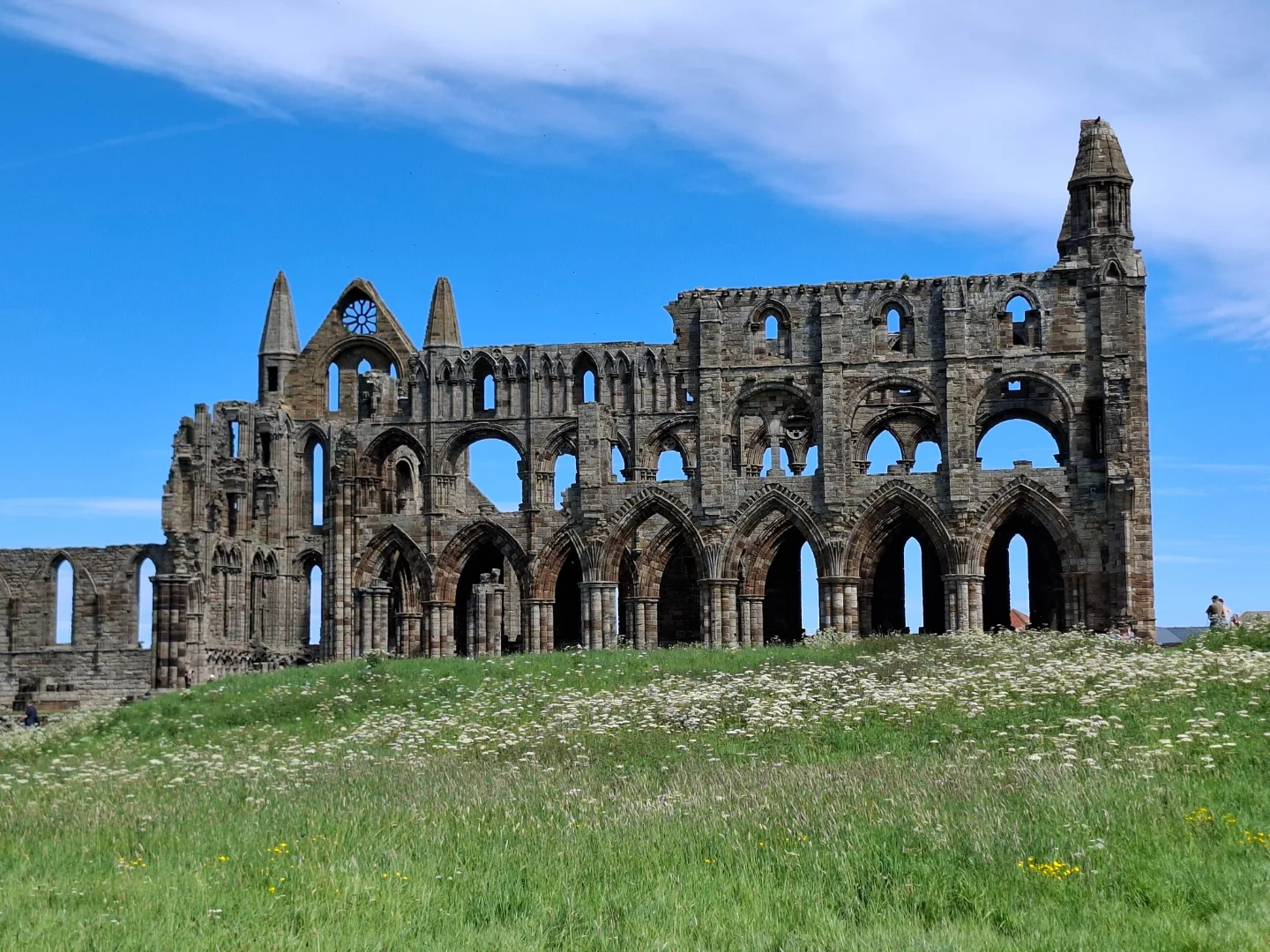
Curious about what might have inspired Bram Stoker’s Dracula? Take a trip to Whitby Abbey, an example of Gothic architecture steadily going to ruin in North Yorkshire. A perfect setting for one of the world’s most famous Gothic horror novels.
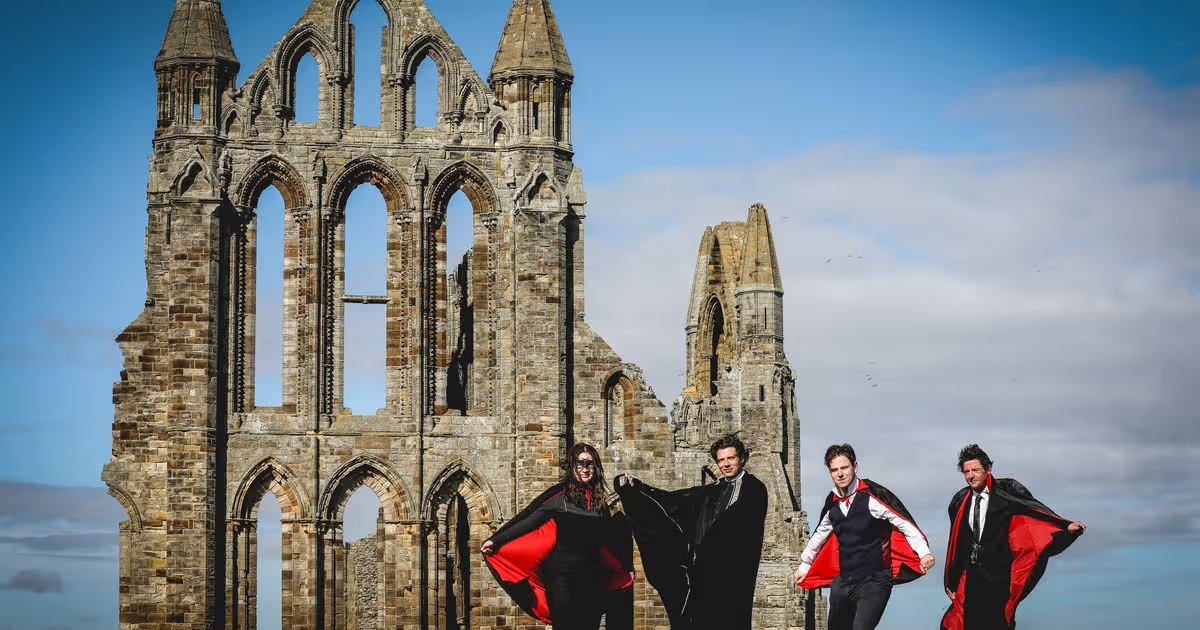
This old Benedictine abbey is surprisingly intact for ruins; the roof might be missing, but many of its walkways and high arches are still in very good condition, and it paints a very peaceful picture against the rolling green fields. It even has a gift shop for tourists.
Address: Abbey Ln, Whitby YO22 4JT, United Kingdom
Opening hours:
– Monday to Sunday: 10AM – 5PM
Forest of Dean in Gloucestershire, England
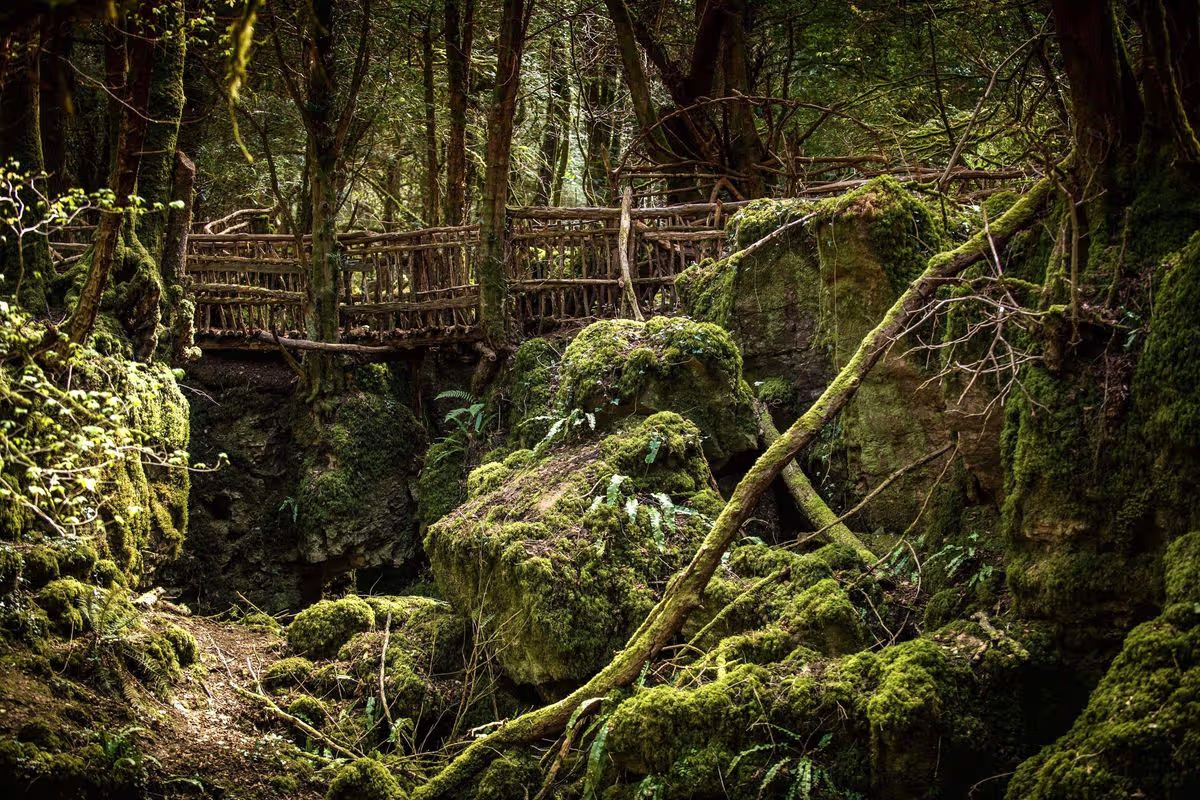
The Forest of Dean is an ancient woodland in western Gloucestershire, between the Rivers Severn and Wye. Once a royal hunting forest, it’s now known for rugged scenery, wildlife, and a long industrial history of coal and iron mining.
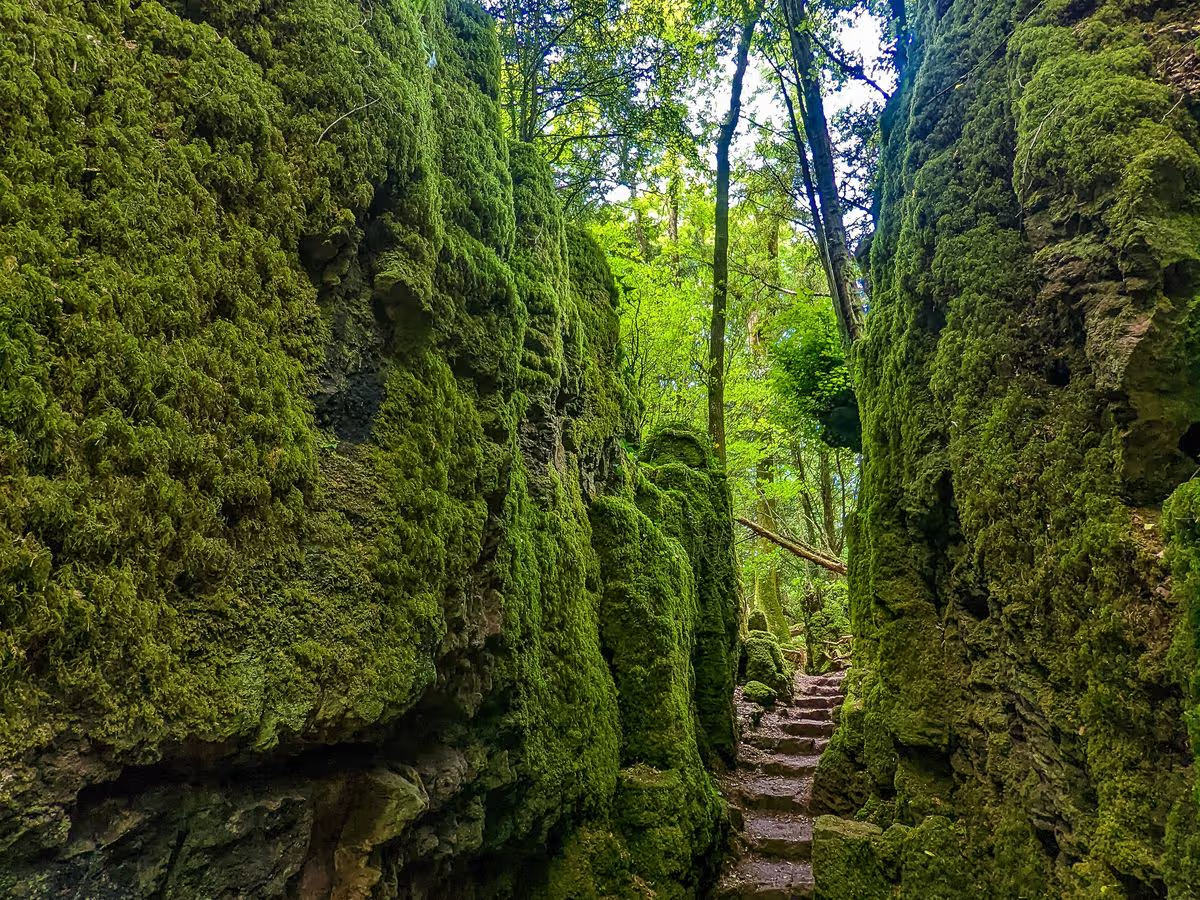
It also just so happens to be a source of inspiration for the two most famous fantasy novel series in the world: Harry Potter and The Lord of the Rings. The spindly, moss-covered branches give an untouched impression that feels far removed from human interference, so it’s no surprise it sparked the imagination.
Address: Gloucestershire, United Kingdom
Caves of Cheddar Gorge in England
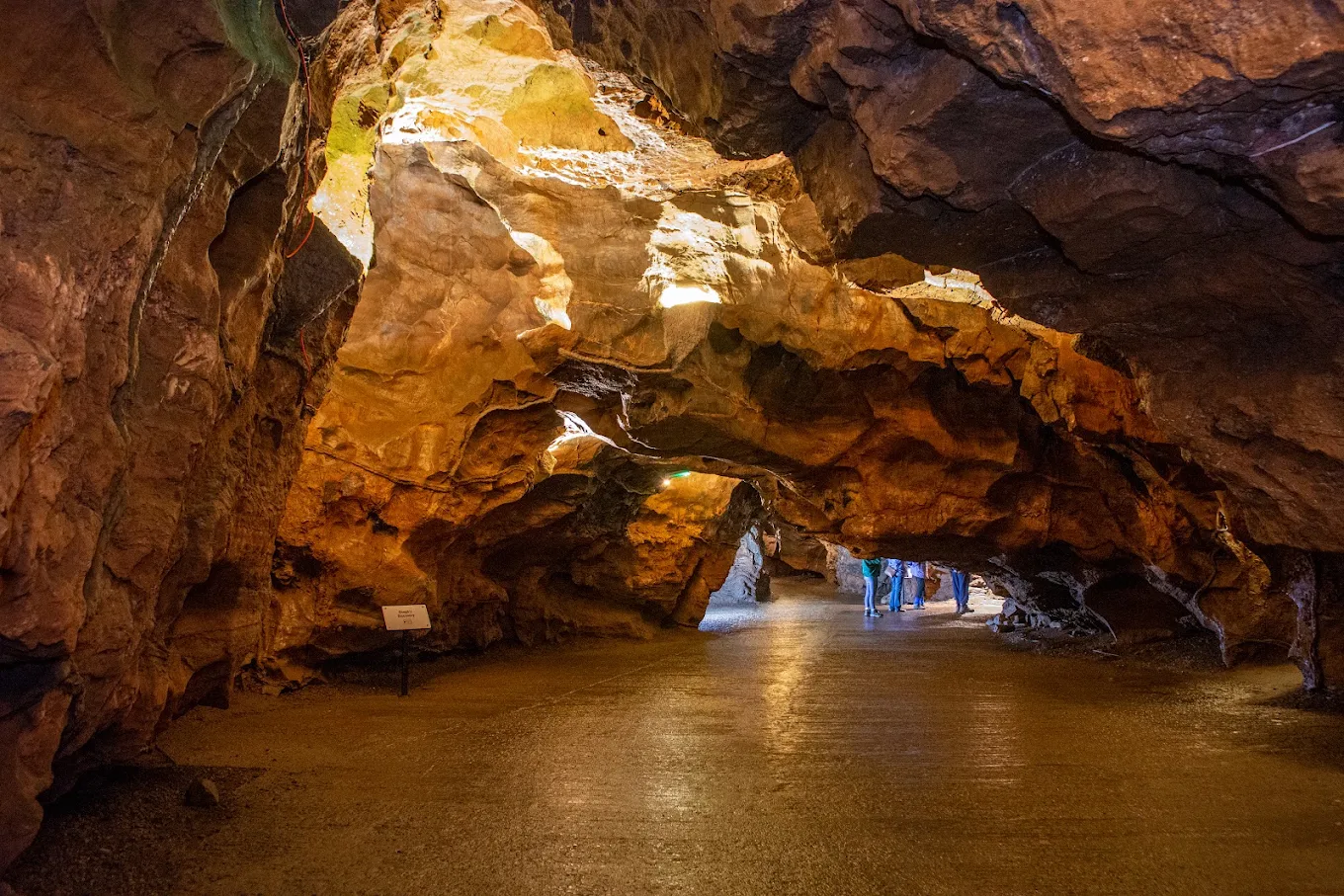
Dean wasn’t the only place that inspired The Lord of the Rings. It’s an expansive world, after all—and when you think of the Glittering Caves of Aglarond, just know that they were inspired by a real-life location: the Caves of Cheddar Gorge.
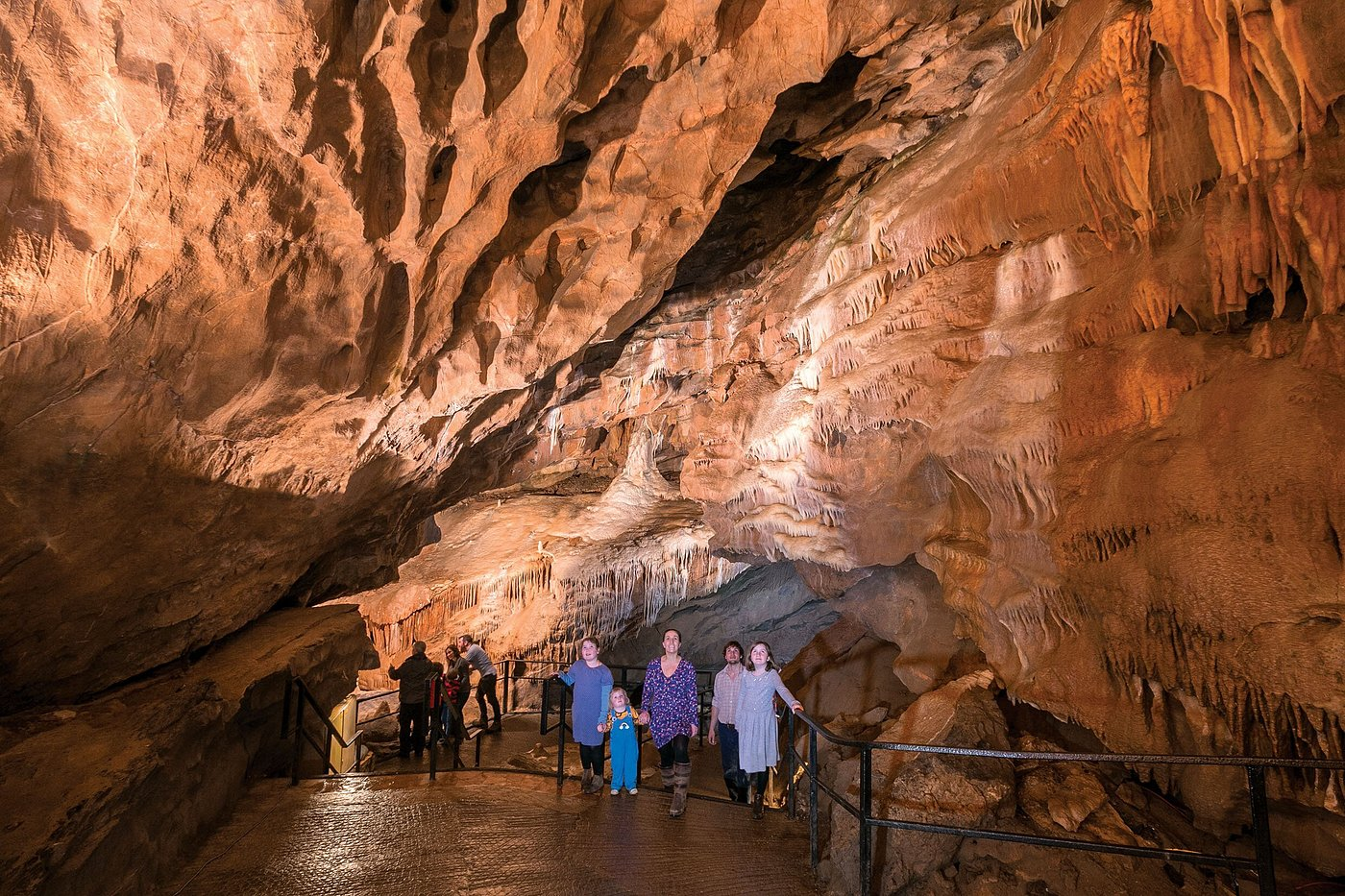
In this cave system, Gough’s Cave and Cox’s Cave especially fed Tolkien’s imagination with their fantastical formations and multicolored rock interiors. The caves have well-maintained stairwells and lighting as well, so you don’t have to worry about spelunking just to see them.
Address: The Cliffs, Cheddar BS27 3QF, United Kingdom
Opening hours:
– Monday to Sunday: 10AM – 5PM
Hadrian’s Wall in Brampton, England
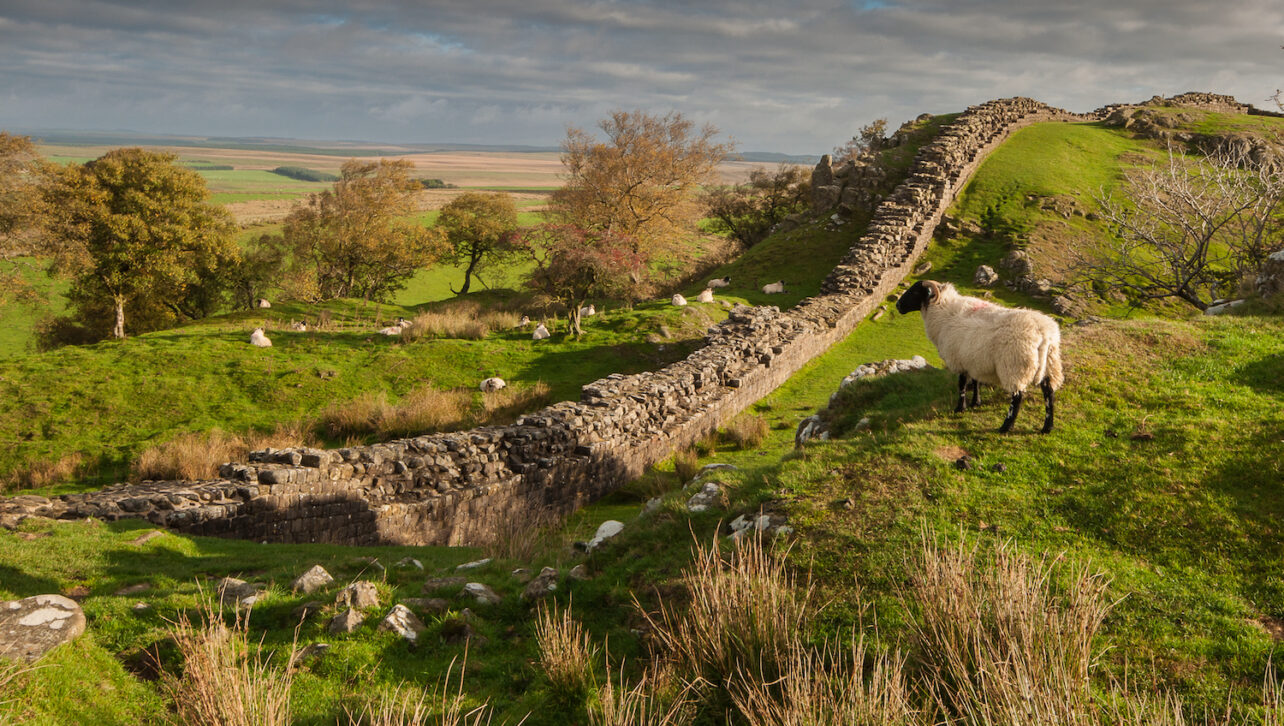
Originally built by the Romans beginning in AD 122 and stretching 73 miles across northern England, Hadrian’s Wall was intended to defend the empire’s frontier. George R. R. Martin said that visiting Hadrian’s Wall helped him imagine what it would feel like to stand at the edge of the known world.
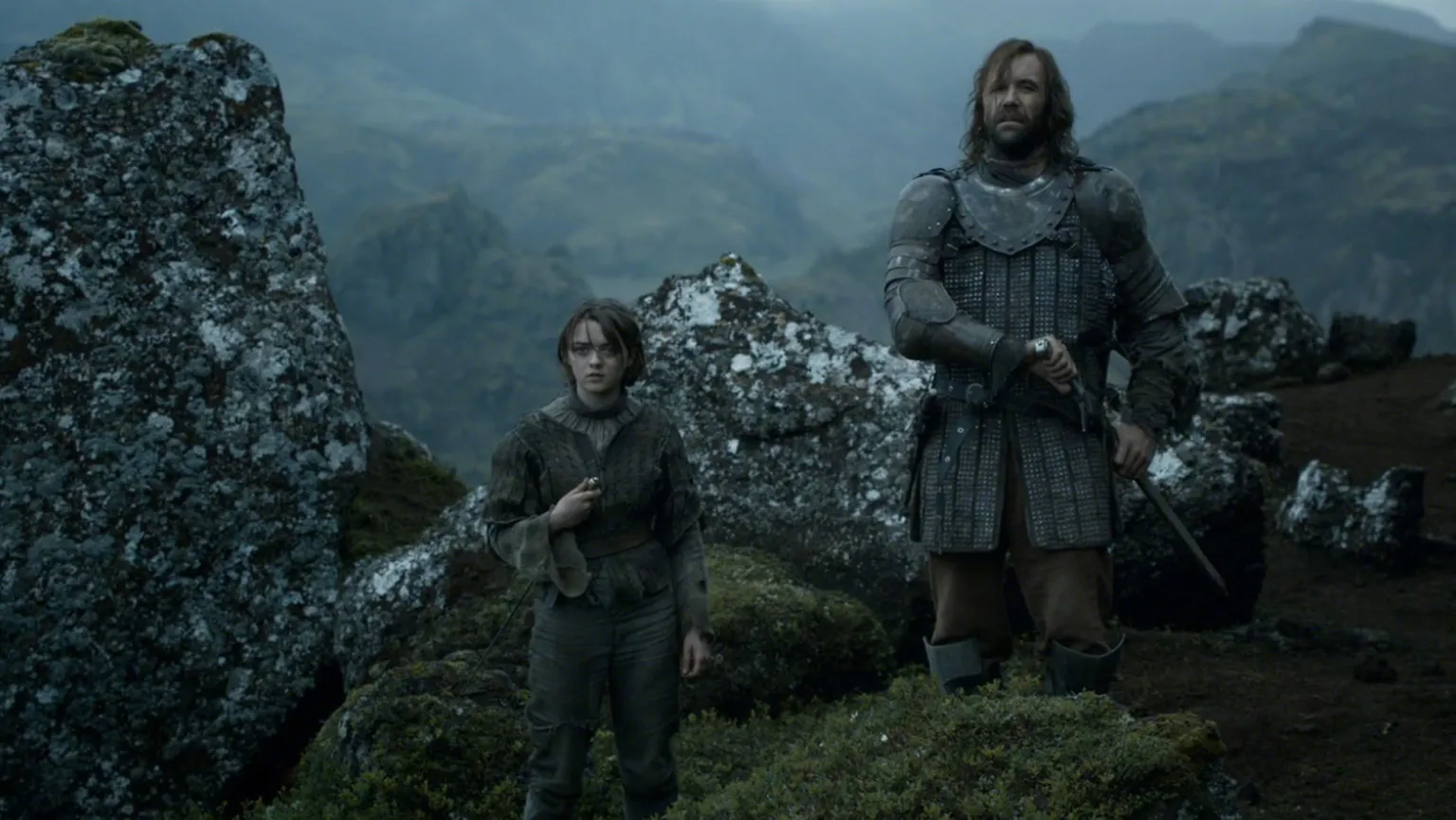
As such, many fans believe it’s a key inspiration for the Wall in A Song of Ice and Fire. In his novels, that ruined Roman fortification becomes a colossal, 700-foot-tall Wall of ice that separates the Seven Kingdoms from the dangers beyond.
Address: Brampton CA8 7DD, United Kingdom
Christ Church in Oxford, England
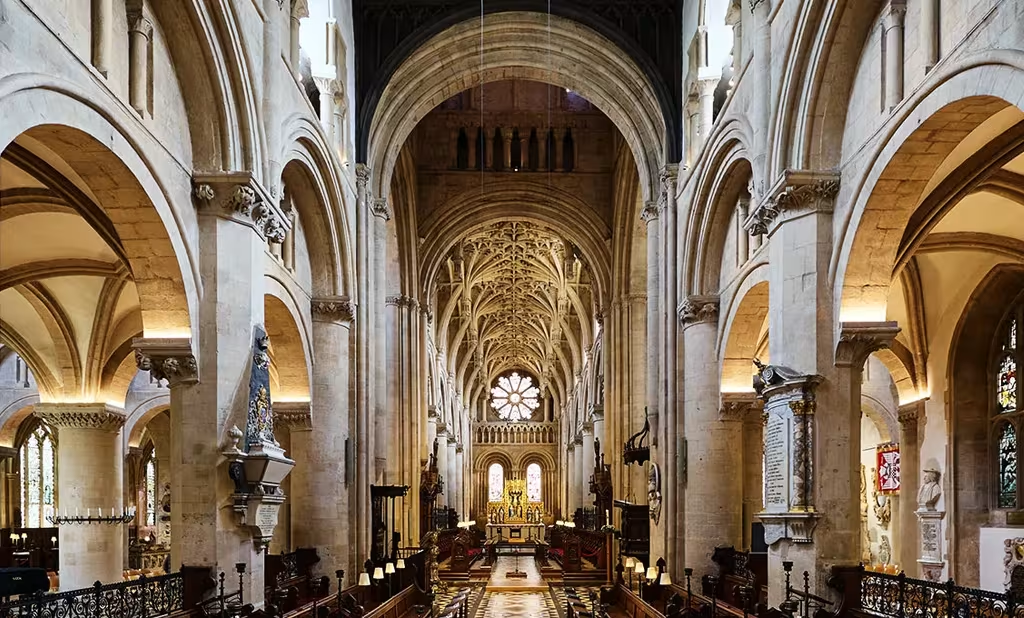
Despite its whimsical and often topsy-turvy nature, Alice’s Adventures in Wonderland was inspired by a surprisingly solemn location: Christ Church. More specifically, many believe that Christ Church Meadow and its surroundings gave Lewis Carroll his ideas for the story’s setting.
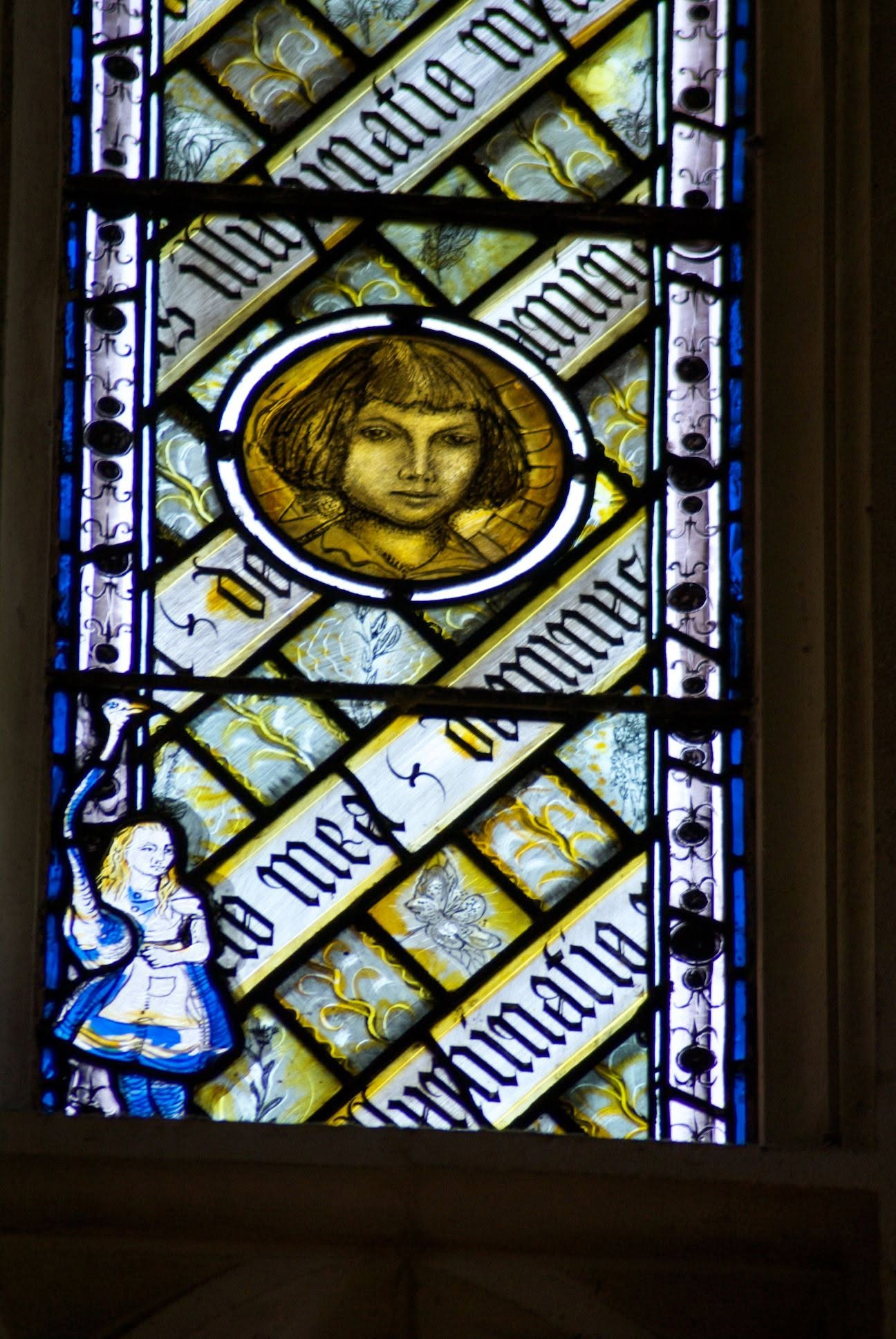
Tickets to the church itself are available a week in advance and can be booked online. Both guided tours and multimedia tours are available; guided tours are English only, but multimedia tours come in 12 different languages.
Address: St Aldate’s, Oxford OX1 1DP, United Kingdom
Opening hours (for the Great Hall):
– Monday to Friday: 10AM – 12PM & 2PM – 5PM
– Saturday: 10AM – 4:45PM (last entry 4:15PM)
– Sunday: 2PM – 5PM
The Kilns in Oxford, England
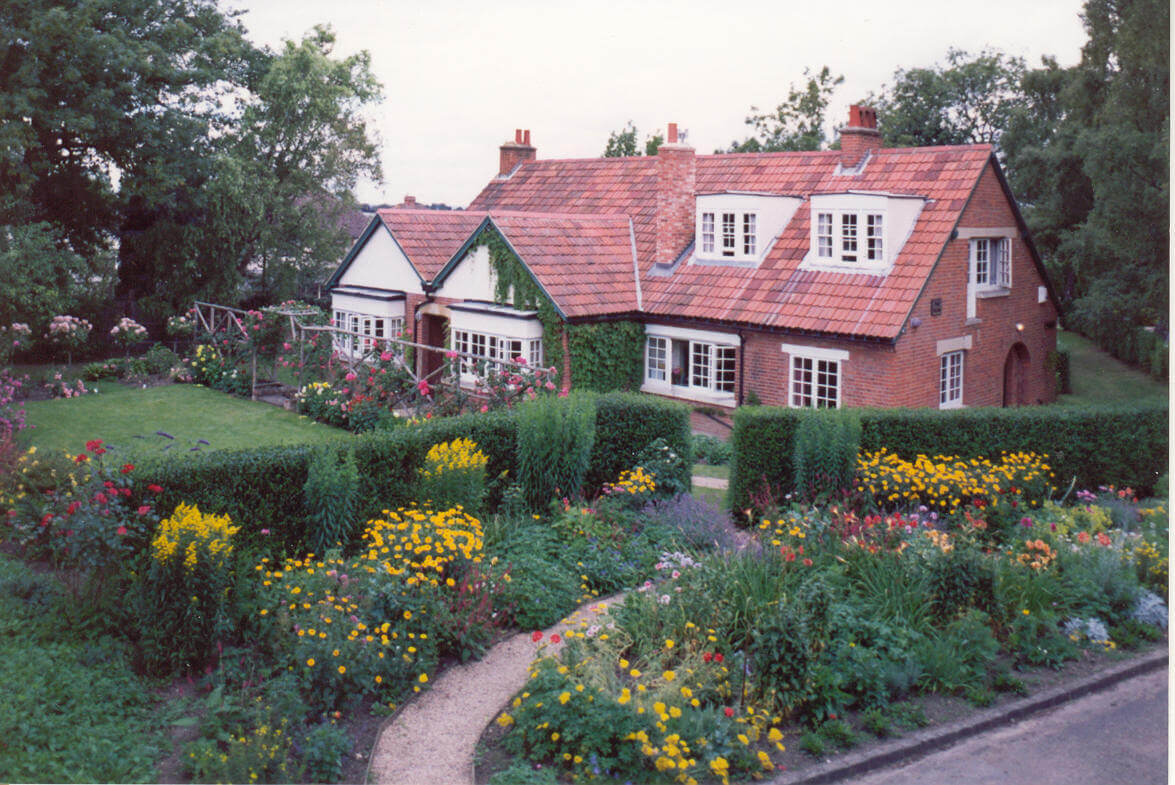
The Kilns refers to C. S. Lewis’s former home on the outskirts of Oxford, where he lived from 1930 until his death in 1963. Built on a former brickworks site, it’s closely tied to The Chronicles of Narnia, and the gardens, woods, and nearby pond are believed to have influenced Lewis’s descriptions of Narnia’s landscapes.
Nowadays, the Kilns is operated by the C. S. Lewis Foundation, and it hosts special summer seminars, a Scholars-in-Residence program, and reservation-only tours.
Address: Lewis Cl, Headington, Oxford OX3 8JD, United Kingdom
Days available for tours:
– Tuesday, Thursday, and Saturday
Magdalen College in Oxford, England
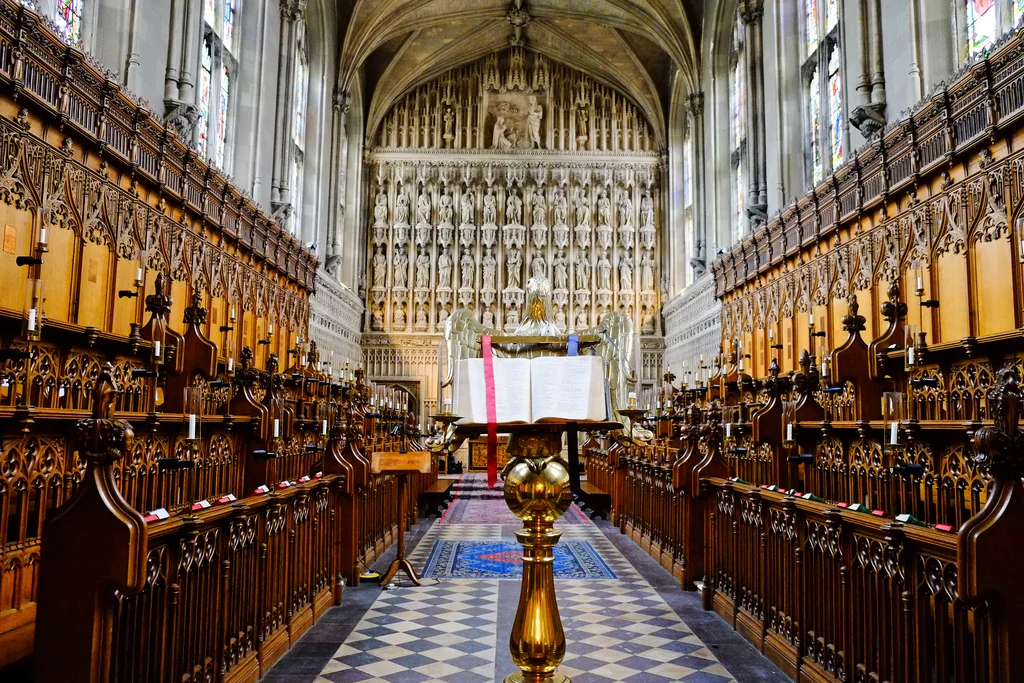
The Kilns is just one stop on Narnia’s list of inspirations. Another is Magdalen College, a historic constituent college founded in 1458 and noted for its Gothic architecture, Great Tower, and riverside grounds. (Special mention to its deer park and Addison’s Walk.)
Lewis worked as a tutor at this college for almost 30 years while writing the Narnia series, and Addison’s Walk in particular is where he liked to stroll through. Though the author never said he took direct inspiration from the college or its grounds, its tranquil atmosphere almost certainly influenced his works.
Address: Oxford OX1 4AU, United Kingdom
Opening hours:
January 5 to June & October to December 21:
– Monday to Sunday: 10AM – 5PM or dusk (whichever is earlier)
July to September:
– Monday to Sunday: 10AM – 6:30PM
December 22 to January 4:
– Closed
Dunluce Castle in Ireland
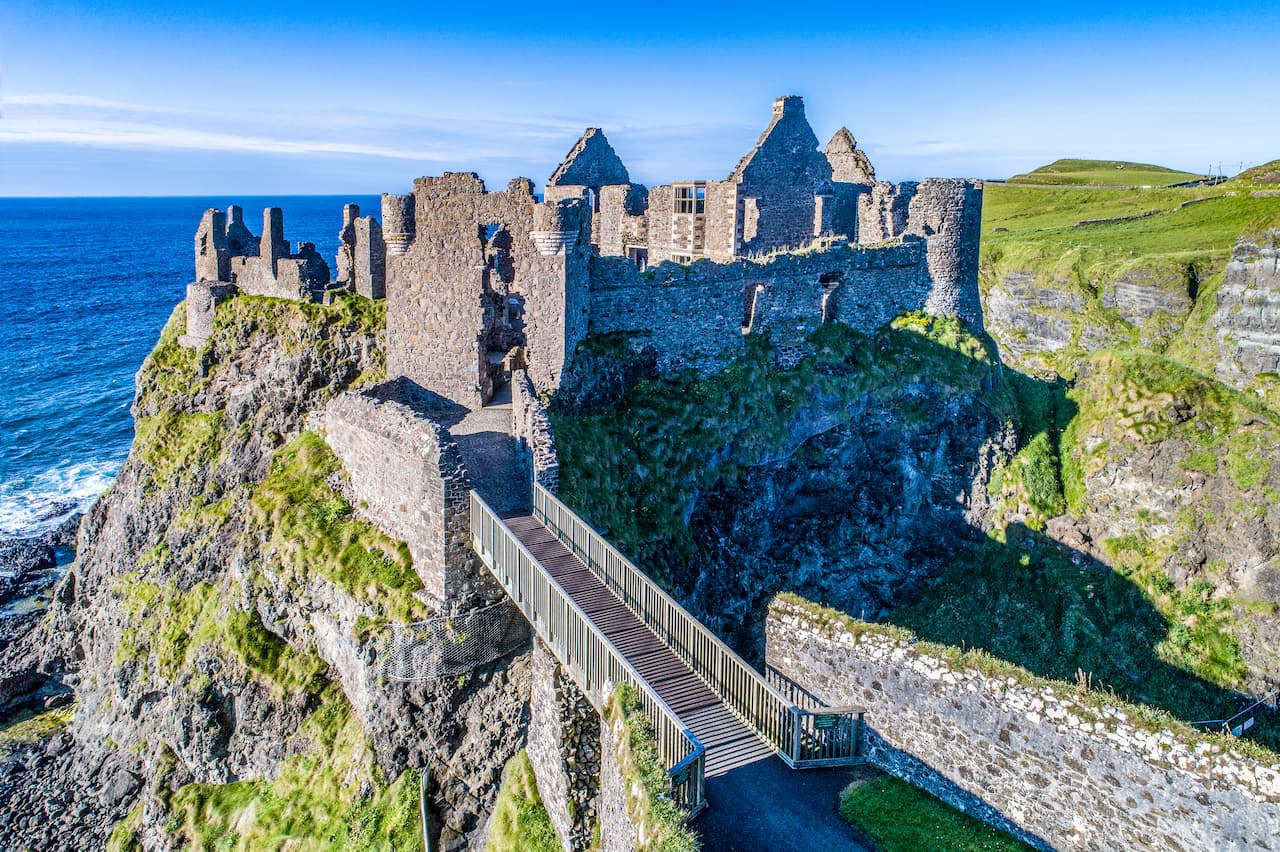
Dunluce Castle also likely played an important role in inspiring the setting of The Chronicles of Narnia. This ruined medieval castle stands at the edge of a cliff, overlooking a sheer drop into the ocean below, and it’s famous both for its dramatic views and legends.
C. S. Lewis never directly named Dunluce as inspiration, but he often visited the coast of Northern Ireland as a child, and many believe that both these castle ruins and the Mourne Mountains served as the perfect fertilizer for the seeds of Narnia.
Address: 87 Dunluce Rd, Bushmills BT57 8UY, United Kingdom
Opening hours:
– Monday to Sunday: 9:30AM – 4:30PM
Mourne Mountains in Northern Ireland
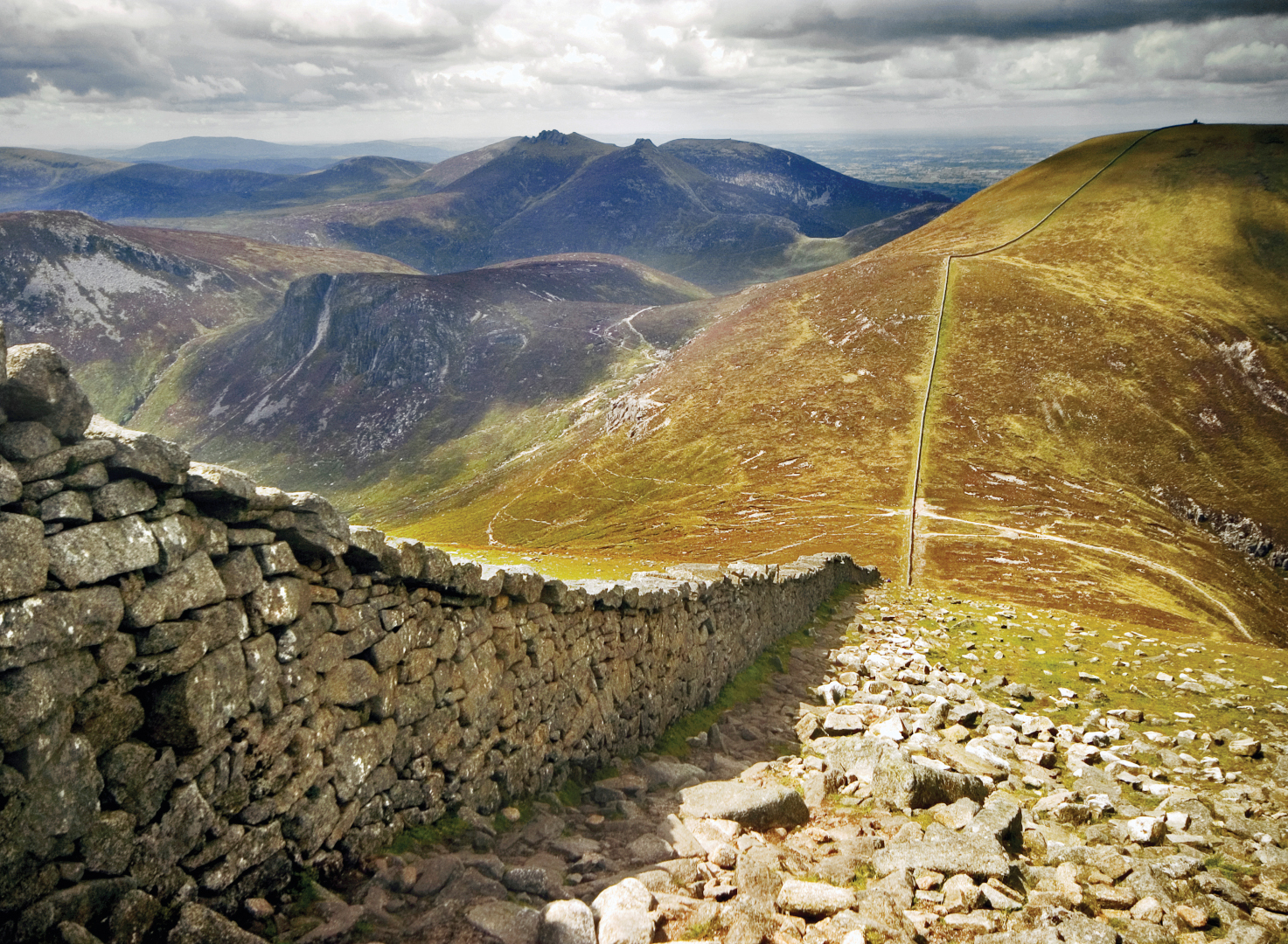
Speaking of the Mourne Mountains, these just so happen to be Northern Ireland’s highest and most dramatic mountain range. It has stunning views from granite peaks with countless hiking trails and wildlife flitting here and there.
Just north of the mountains is C. S. Lewis’s hometown of Belfast, which has its own guided C. S. Lewis Tour and the JACK Coffee Bar, which uses the nickname “Jack” that C. S. Lewis’s friends and family knew him by.
Address: Newry BT34 5XL, UK
Snaefellsjökull Volcano, Iceland
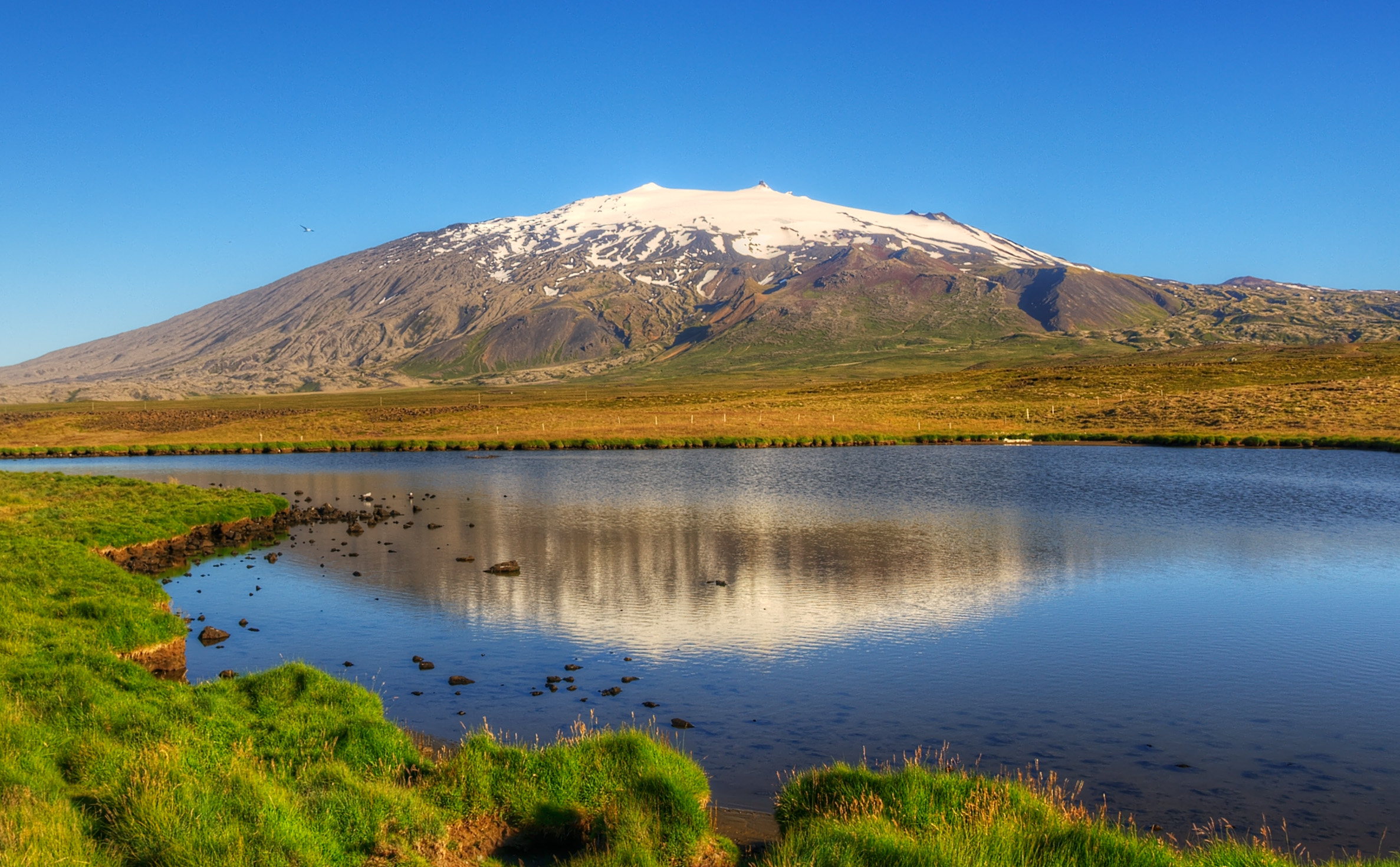
Snæfellsjökull is a glacier-capped volcano on the Snæfellsnes Peninsula in Iceland. It rises to 1,446 meters (4,744 feet) and has made an unforgettable mark in the classic novel Journey to the Center of the Earth, where Jules Verne set the entrance to the subterranean world.
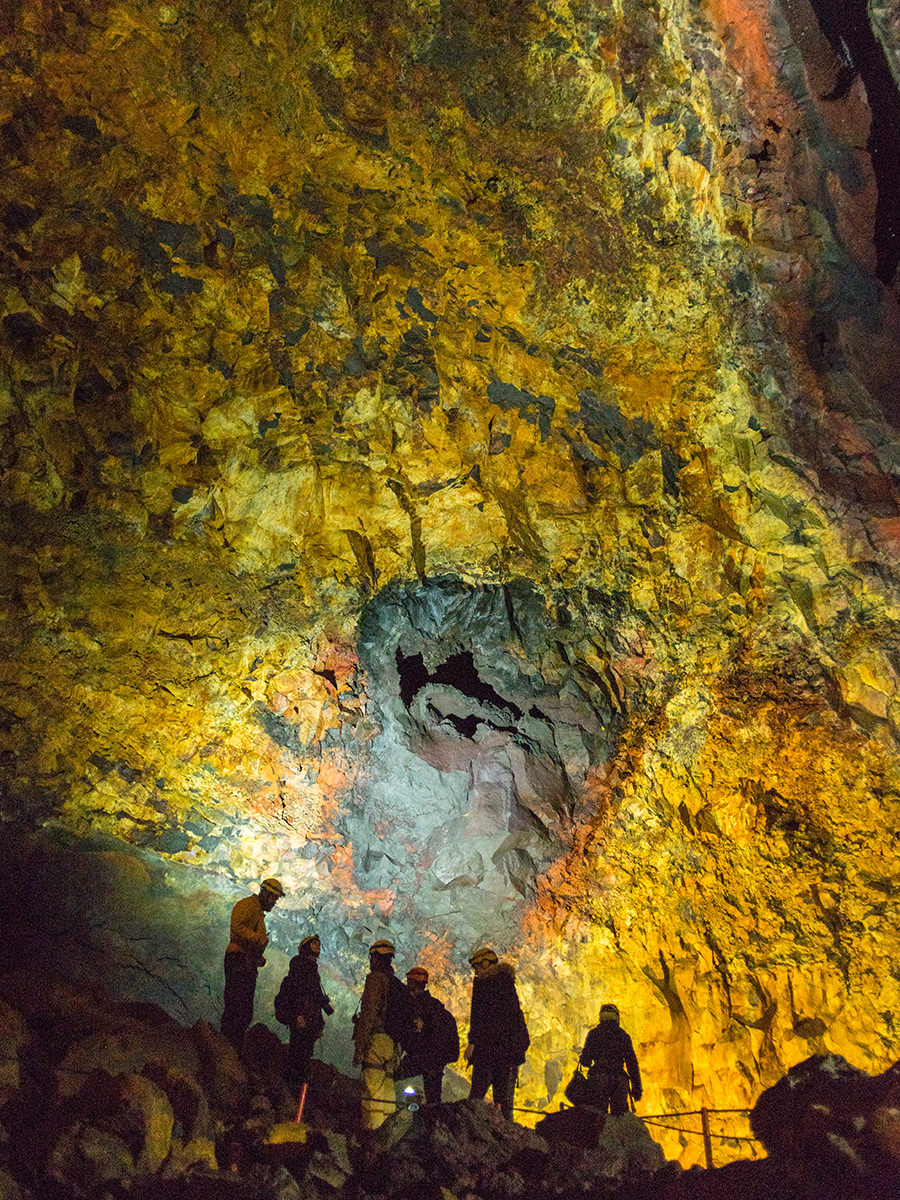
The volcano is one of Iceland’s most iconic natural landmarks, with beautiful views and unforgettable rocky formations. It also happens to be very close to Vatnshellir Cave, which can offer a similar experience to the novel’s descent into the earth.
Address: 356, Iceland
Castle Frankenstein in Mühltal, Germany
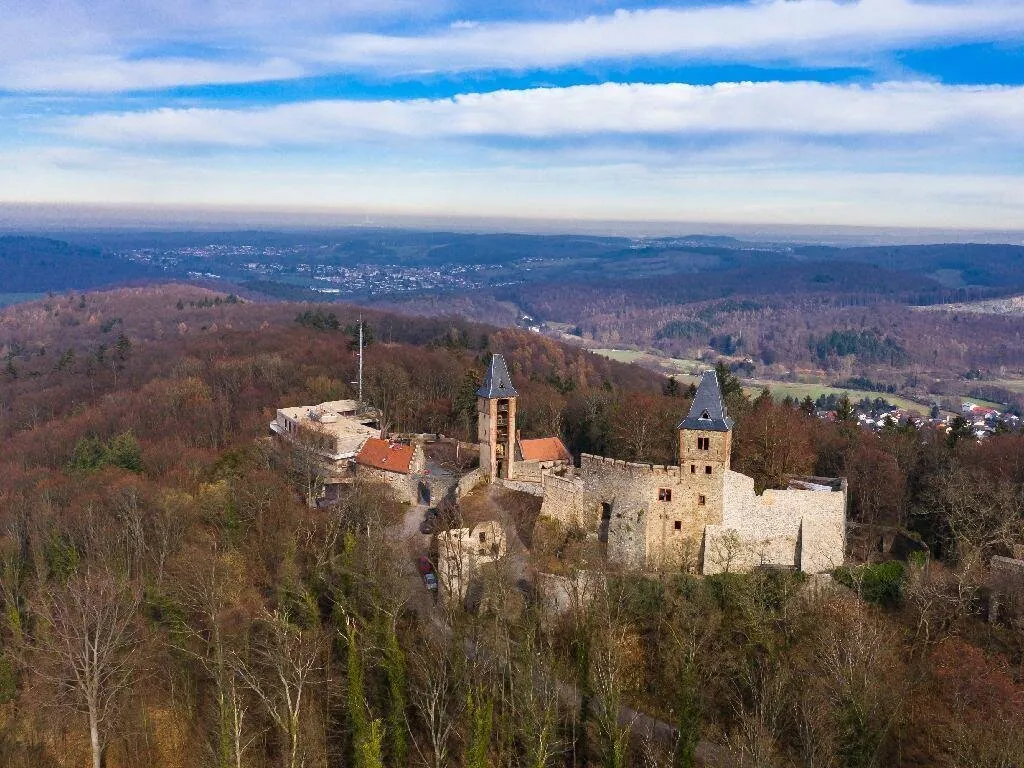
You can probably tell which novel this castle is connected to just from the name. Its main link to Mary Shelley’s novel Frankenstein is actually less the place itself, but the legends and history associated with the castle, especially the alchemist Johann Conrad Dippel. He was born there and famous for his controversial ideas and mysterious experiments.
Currently, it’s under renovation to reinforce and restore its walls, ensuring that the castle can remain strong for years to come while preserving its historic features.
Address: Burg Frankenstein, 64367 Mühltal, Germany
St. Petersburg, Russia
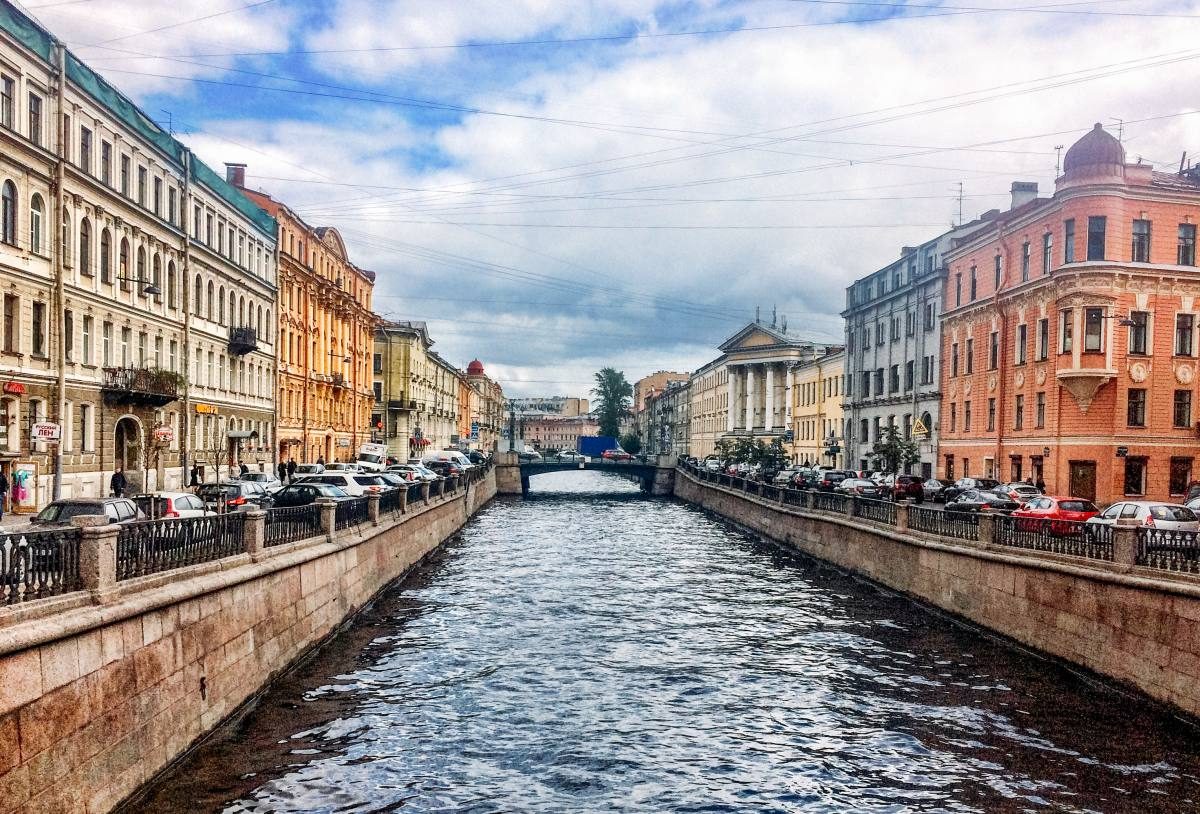
St. Petersburg is the city at the center of Dostoevsky’s Crime and Punishment. Dostoevsky uses its cramped streets, canals, taverns, and crowded apartments as a physical representation of the main character’s mental collapse as he constantly feels backed into a corner.
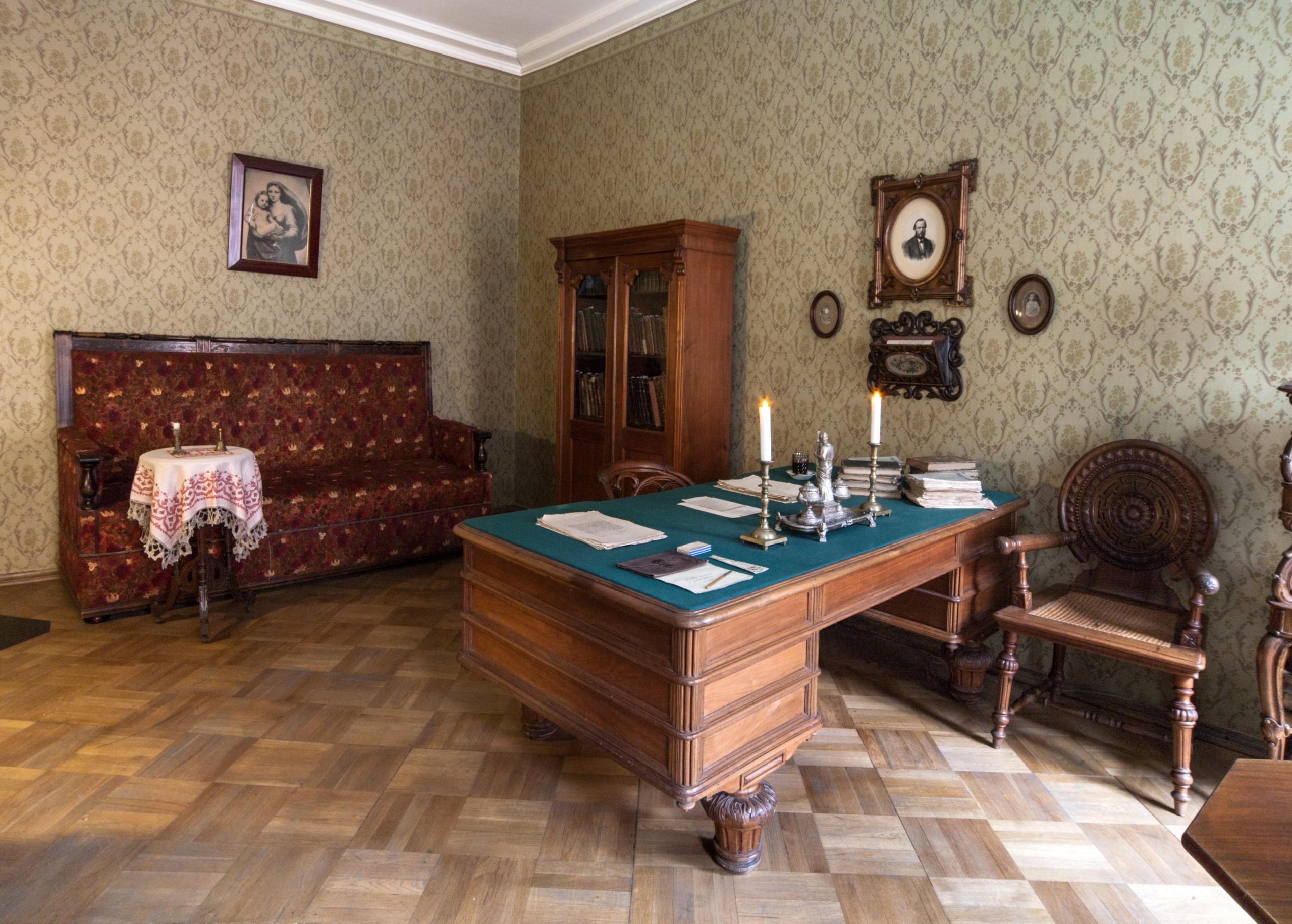
While the real-life setting is hardly so miserable a place, it is fascinating to view it through the lens that Dostoevsky creates. The city is also home to the Dostoevsky Museum, which is not only based in the writer’s former apartment, but features his life’s work.
Address: 5/2 Kuznechny Lane, St. Petersburg, Russia
Opening hours:
– Tuesday and Thursday to Sunday: 11AM – 6PM
– Wednesday: 1PM – 8PM
– Monday: Closed
Jackson’s Island near Hannibal, USA
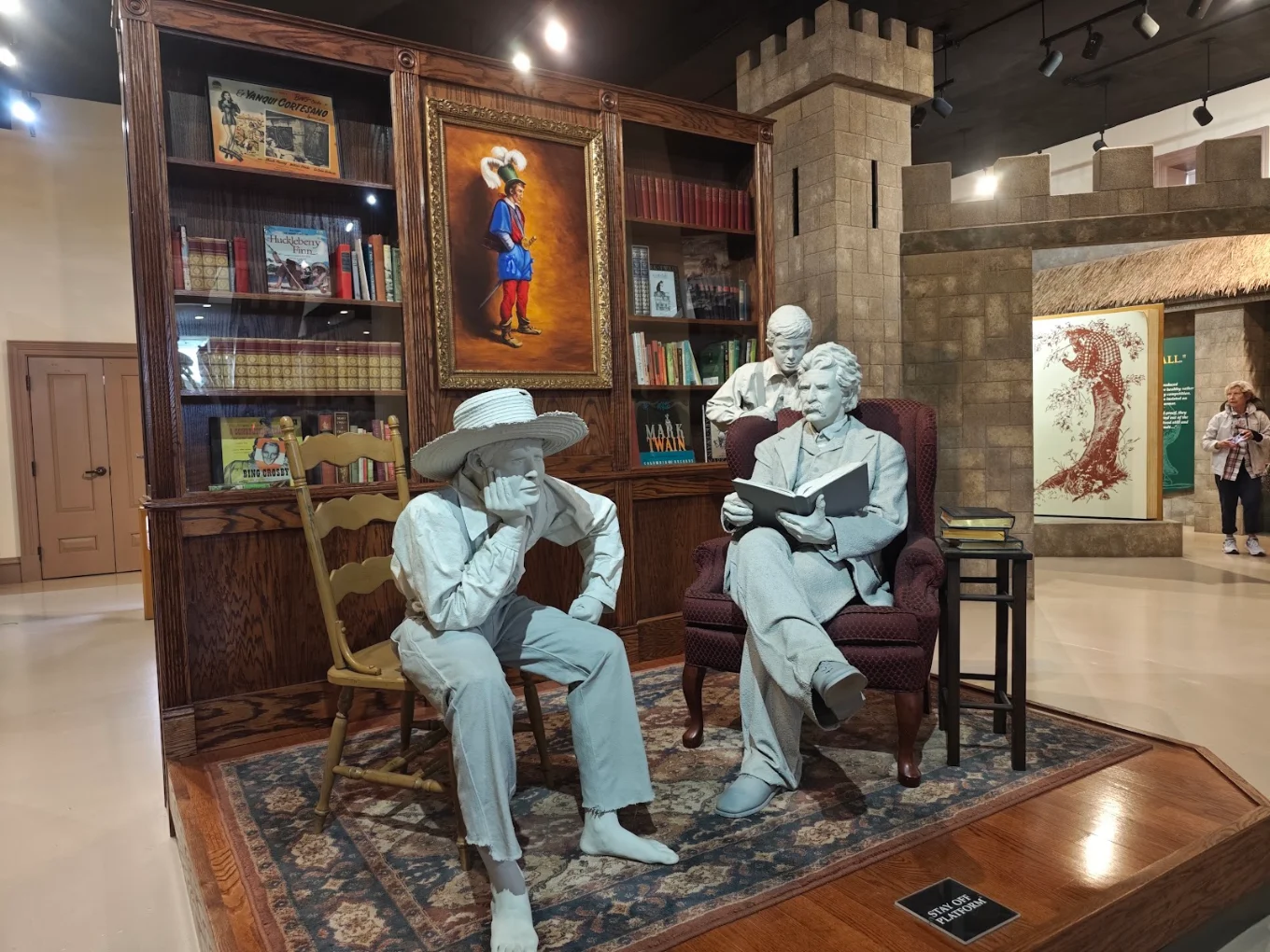
Jackson’s Island is a wooded island in the Mississippi River not far from Mark Twain’s hometown of Hannibal, Missouri. It inspired the fictional Jackson’s Island in The Adventures of Tom Sawyer, where Tom, Huck Finn, and Joe Harper ran away.
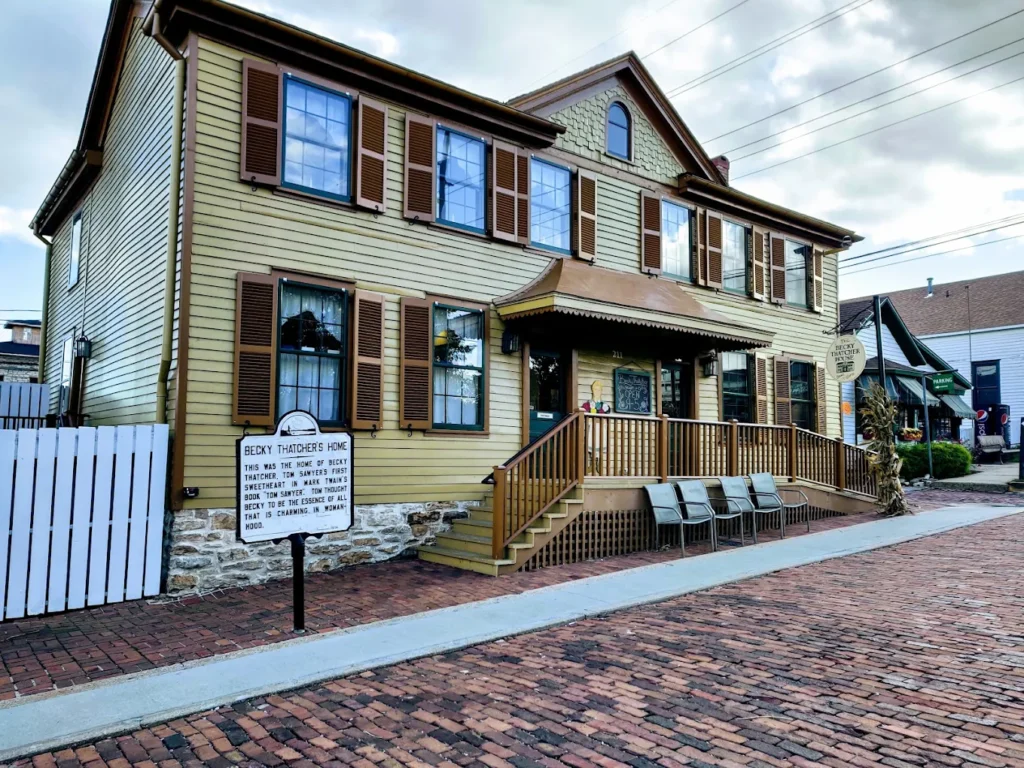
Growing up in Hannibal, Mark Twain explored the real island, using its secluded forests and river setting to create one of American literature’s most memorable childhood adventures. Today, visitors can view the island from Hannibal or take seasonal boat tours that glide past it and other memorable sites.
Address: 300 Riverfront Dr, Hannibal, MO 63401, United States
The Stanley Hotel in Estes Park, USA
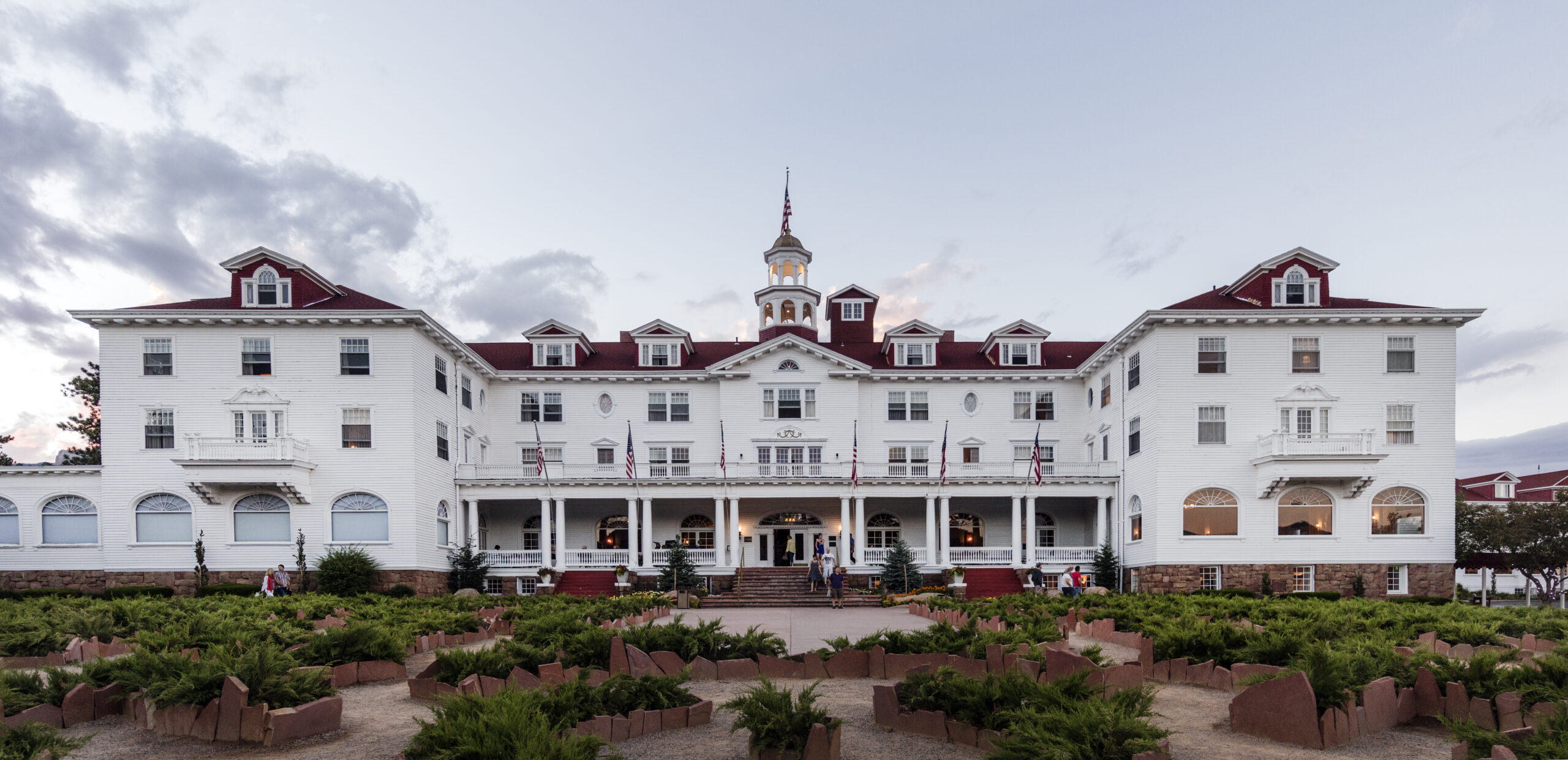
Now for a horror classic: The Shining by Stephen King. King decided to base the novel’s setting on the Stanley Hotel after staying there in 1974. The hotel itself opened in 1909 overlooking Rocky Mountain National Park, and is a grand, Colonial-style building.
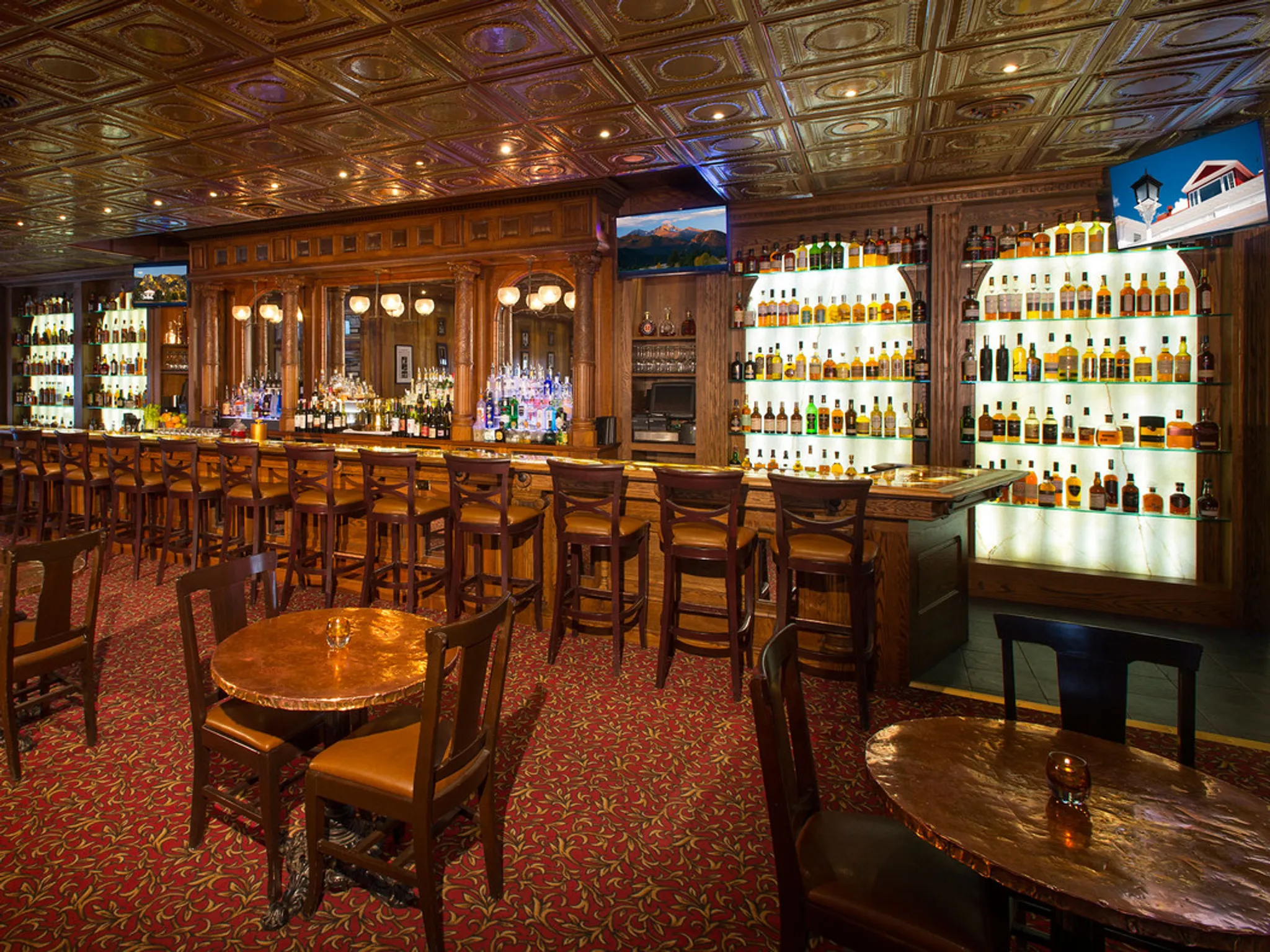
The hotel doesn’t shy away from being the inspiration for a horror novel, though. Instead, it embraces it by hosting ghost tours. Today, visitors come for its historic architecture, mountain views, restaurants, whiskey bar, and paranormal lore.
Address: 333 E Wonderview Ave, Estes Park, CO 80517, United States
Opening hours:
– Check-in time: 4PM
– Check-out time: 11AM
Bonus: Livraria Lello in Porto, Portugal
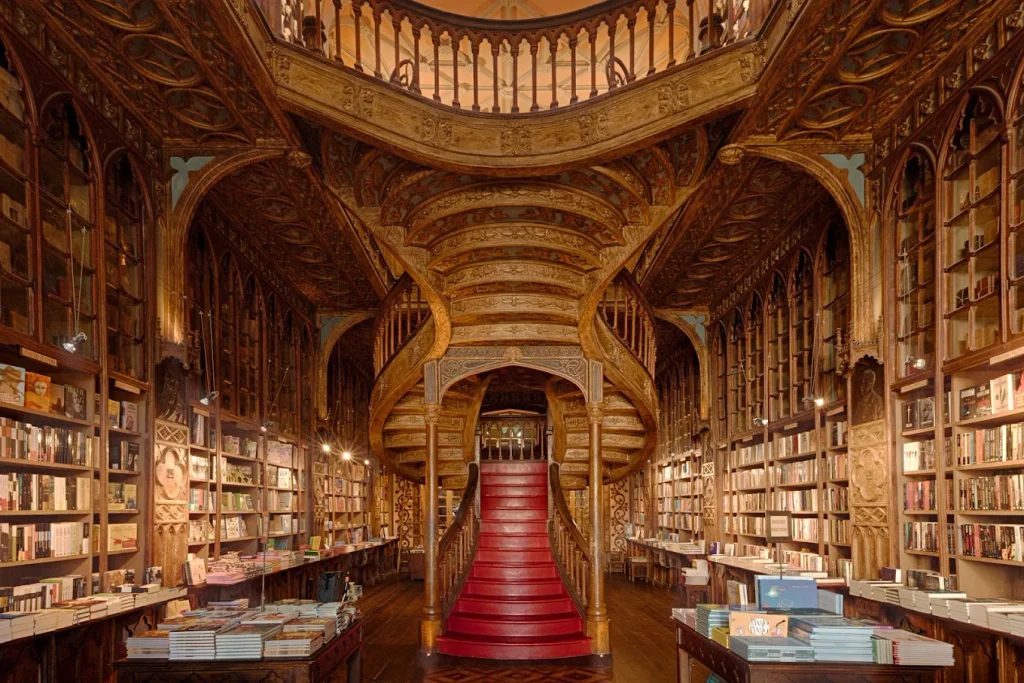
Livraria Lello is a famous bookstore in Portugal known for its majestic, sweeping red staircase and beautiful neo-Gothic interior. We’re cheating a bit by putting this one here, because even though many fans believe it inspired Hogwarts in Harry Potter, J. K. Rowling has directly said that’s not true. She never even visited the bookstore when she lived in Porto.
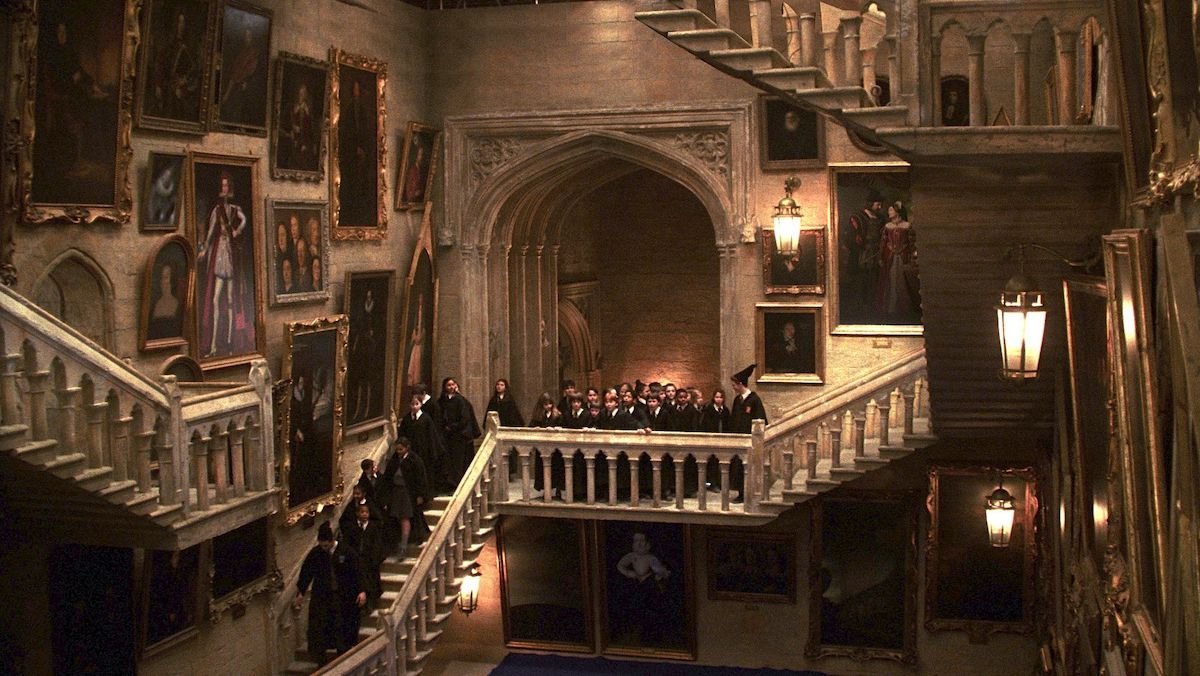
Still, it’s a fantastic bookstore in its own right, and continues as a popular literary myth most any Potterhead will be happy to grab at.
Address: R. das Carmelitas 144, 4050-161 Porto, Portugal
Opening hours:
– Monday to Sunday: 9AM – 7:30PM


K Lou
K. Lou is a writer born in the U.S. who found her way to Japan through a spiritual calling—or, more precisely, better access to tea. She writes about travel, culture, and the occasional creative piece, inspired by her enduring love of books. This love began in high school when K. Lou carried books around to avoid seeming odd while lost in thought. Once she started reading, she never stopped. With zero regrets, she continues to explore the written word and invites others to join her in celebrating its varied forms.