

Happy Family Literacy Day! On January 27, Canada celebrates literacy as a foundation for equity, inclusion, and lifelong learning.
Every year on January 27, Canada marks National Family Literacy Day, a day that carries a simple but powerful message: literacy grows strongest when it’s shared.
Family Literacy Day isn’t only about children learning to read. It’s about parents and caregivers building confidence, grandparents passing down stories, newcomers learning alongside their kids, and families finding connection through words, language, and learning… all together.
Why Literacy Deserves Its Own Day
National Family Literacy Day isn’t about perfection, grades, or test scores. It’s about everyday moments: reading before bed, telling stories at the dinner table, helping with homework, filling out forms side by side, or learning a new language as a family.

Stories have a quiet power. They connect generations, strengthen relationships, and create shared meaning across roles and experiences. This year’s theme for Canada Family Literacy Day, “Make mealtime family learning time,” invites families to turn everyday meals into opportunities for learning, sharing and connection.
Canada celebrates the idea that literacy doesn’t happen in isolation; it happens in homes, kitchens, libraries, and communities, often through small, consistent acts of togetherness, whether that’s reading a recipe, sharing stories at the table, or planning meals together.
In a country as vast and diverse as Canada, family literacy looks different everywhere. It can include:
- reading books, signs, and news together
- talking, listening, and storytelling across generations
- understanding instructions, school notes, and digital tools
- sharing cultural knowledge, oral traditions, and home languages
For many families, literacy isn’t just about enjoyment. It shapes access to education, employment, healthcare, and daily life, and it influences how confident parents feel in supporting their children. Family Literacy Day shines a light on the fact that literacy is relational, ongoing, and deeply tied to equity and belonging.
As we reflect on Family Literacy Day, it’s worth celebrating the organizations, educators, and advocates who help families learn with one another, not just individually.
ABC Life Literacy Canada: Literacy for Every Stage of Life

ABC Life Literacy Canada plays a vital role in advancing adult and family literacy nationwide. Their work highlights how financial literacy, digital skills, and workplace learning all affect family wellbeing.
Many adults struggle with literacy quietly, especially parents who want to support their children but feel unsure themselves. ABC Life Literacy Canada works to remove stigma and create supportive learning environments where adults can grow without shame.
Their advocacy reinforces a key Family Literacy Day message: literacy isn’t something you “complete” in childhood, it’s something families continue building together, at every stage of life.
Indigenous Literacy Advocates: Language, Culture, and Continuity
Family Literacy Day in Canada must also recognize Indigenous literacy advocates, whose work is deeply rooted in family, community, and cultural continuity.
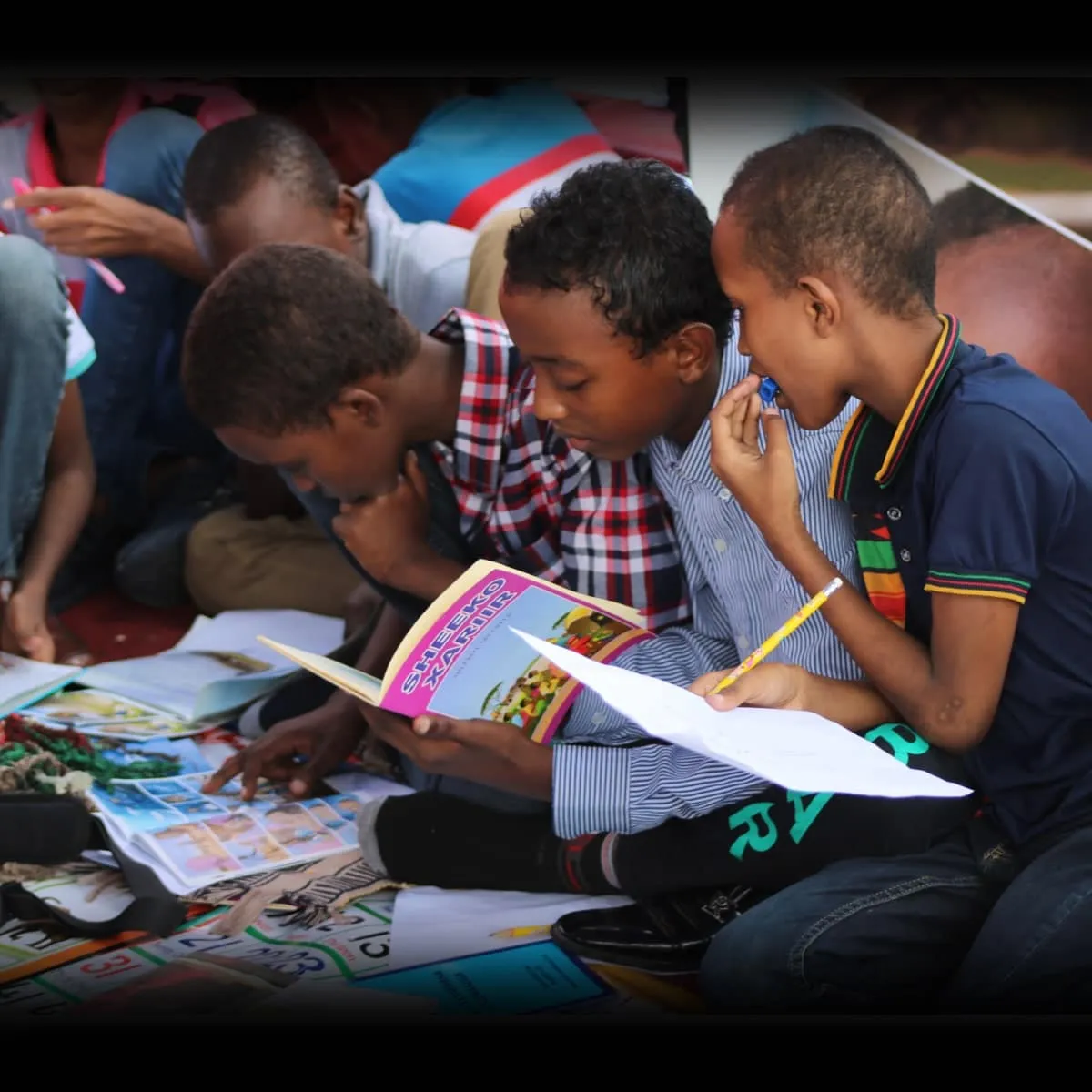
In many Indigenous communities, literacy includes oral storytelling, land-based learning, and the revitalization of languages suppressed by colonial policies. Elders, parents, and educators work together to pass down language, history, and knowledge across generations.
These efforts remind us that family literacy is not limited to English or French. It is about identity, memory, and strengthening family and community bonds through language.
Libraries and Librarians: Gathering Places for Family Literacy
Libraries across Canada are cornerstones of family literacy. Librarians create welcoming spaces where families can read together, attend storytimes, access digital help, and find resources without judgment or cost.

From parent-child programs to newcomer conversation circles, libraries support literacy as a shared experience. For many families, the library is where learning feels safe, joyful, and communal.
On Family Literacy Day, librarians deserve recognition as facilitators of connection, not just to books, but to one another.
Family Literacy Day Events Across Canada
Each year on January 27, communities across Canada mark Family Literacy Day with events designed to make learning feel welcoming, fun, and shared. These celebrations often take place in libraries, schools, community centres, early learning hubs, and settlement organizations, bringing families together through stories and activities.

Common Family Literacy Day events include:
- family storytimes and read-aloud sessions
- craft and literacy activity stations
- pajama parties and bedtime-reading events
- author visits and virtual story readings
- multilingual storytelling and cultural sharing circles
What makes these events special isn’t scale, it’s accessibility. Many are free, drop-in, and designed to meet families where they are, whether that means welcoming caregivers with limited literacy skills, supporting newcomers, or creating inclusive spaces for diverse learning needs.
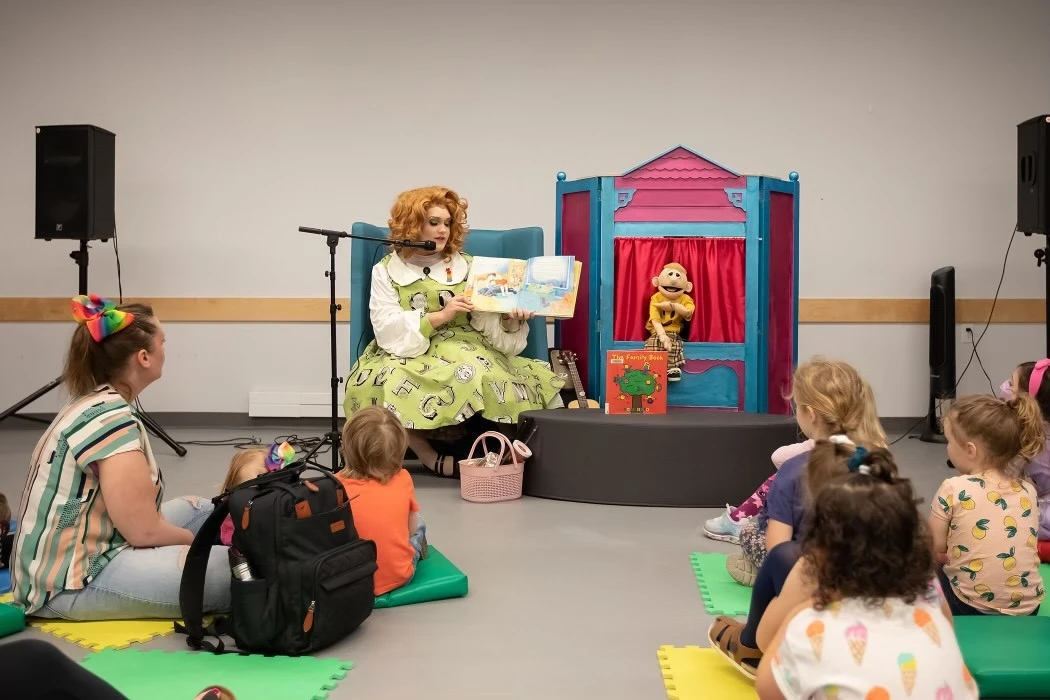
For Family Literacy Day 2026, families can expect a renewed emphasis on connection over curriculum. These events reinforce the idea that reading, talking, singing, and storytelling are all valuable literacy practices, and that there’s no “right” way to participate, only a shared willingness to show up together.
Ongoing Programs That Support Family Literacy Year-Round

While January 27 is a focal point, family literacy in Canada is supported year-round through community-based programs that help families build skills together over time.
Many organizations offer:
- parent-and-child literacy programs
- family homework clubs and reading circles
- family language support programs
- early years literacy and school readiness initiatives
- take-home book and activity kits
Public libraries, school boards, Indigenous organizations, and literacy nonprofits play a central role in delivering these programs. Their work recognizes that family literacy isn’t a one-day event; it is an ongoing relationship between caregivers, children, and learning.
Family Literacy Day helps shine a spotlight on these efforts, encouraging families to discover resources already available in their communities. It also reminds policymakers and funders that supporting families holistically, across generations, is one of the most effective ways to strengthen literacy outcomes.
As January 27 2026 approaches, Family Literacy Day serves as both a celebration and a call to action: to invest in programs that honour families as their children’s first and most important teachers, and to recognize that literacy grows best when it’s nurtured together.

Millie Ramm
Millie has been writing since she was a child, and has spent more time with her nose in books than anywhere else. She has been ghostwriting novels and editing for the past few years, and when not working she is curled up with her cats, looking for her next read.