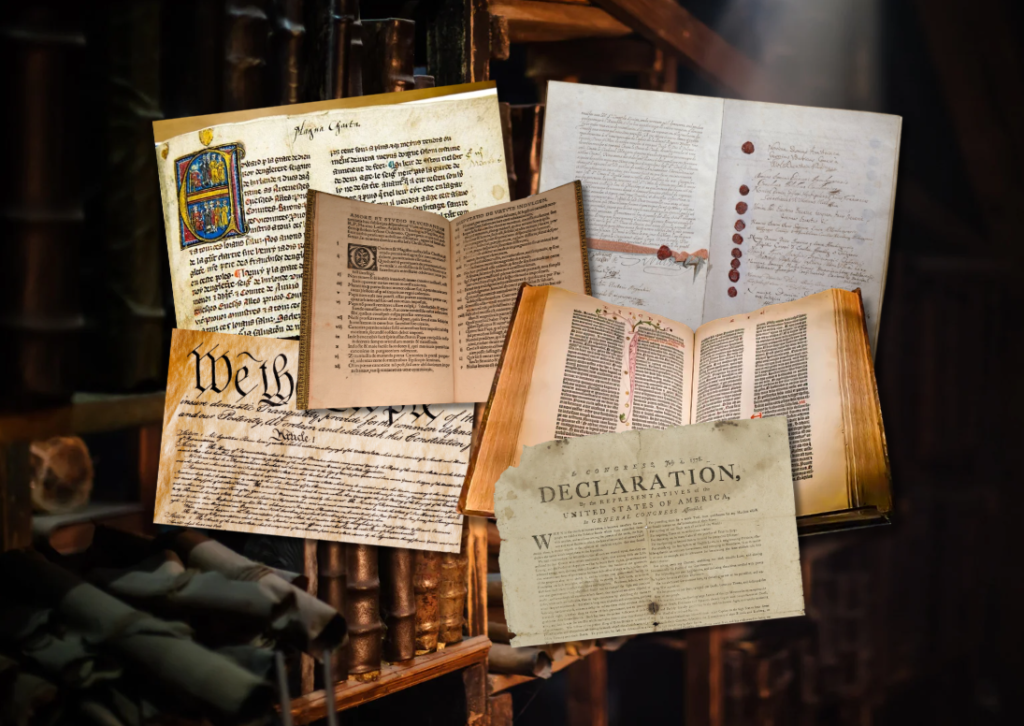

Some pieces of paper created freedom. Others triggered conflict. But every one of these historic documents altered history forever.
History is often remembered through battles, revolutions, and powerful leaders. But sometimes, the most world-changing moments begin not with weapons or armies, but with ink on paper. A single document can topple kings, reshape borders, inspire revolutions, or completely alter the course of human civilization.
The Magna Carta (1215)
When rebellious English barons forced King John to seal the Magna Carta in 1215, they probably had no idea how important the document would become. At the time, it was mainly intended to settle a political crisis between the king and his nobles. Yet one revolutionary idea emerged from its pages: even the king was subject to the law.
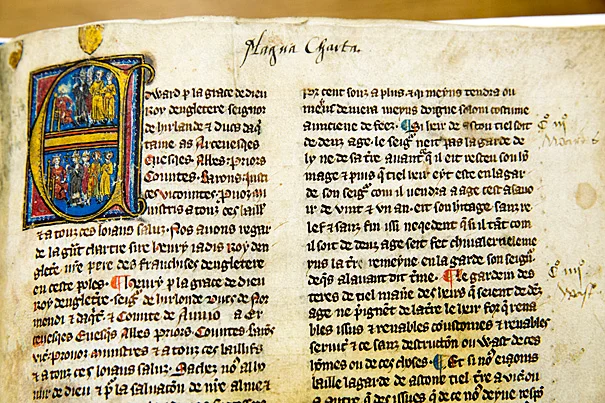
That principle changed history. Until then, monarchs were often seen as rulers chosen by God, free to act however they wished. The Magna Carta challenged that idea directly.
Although it didn’t instantly create democracy or equal rights, it planted the seeds for constitutional government, due process, and civil liberties. More than 800 years later, it remains one of the most influential legal documents ever written. It’s still cited today in modern debates and discussions.
The Gutenberg Bible (1450s)
Before Johannes Gutenberg’s printing press, books had to be copied entirely by hand. Producing a single manuscript could take months or even years, making books rare and incredibly expensive. Then came the Gutenberg Bible.
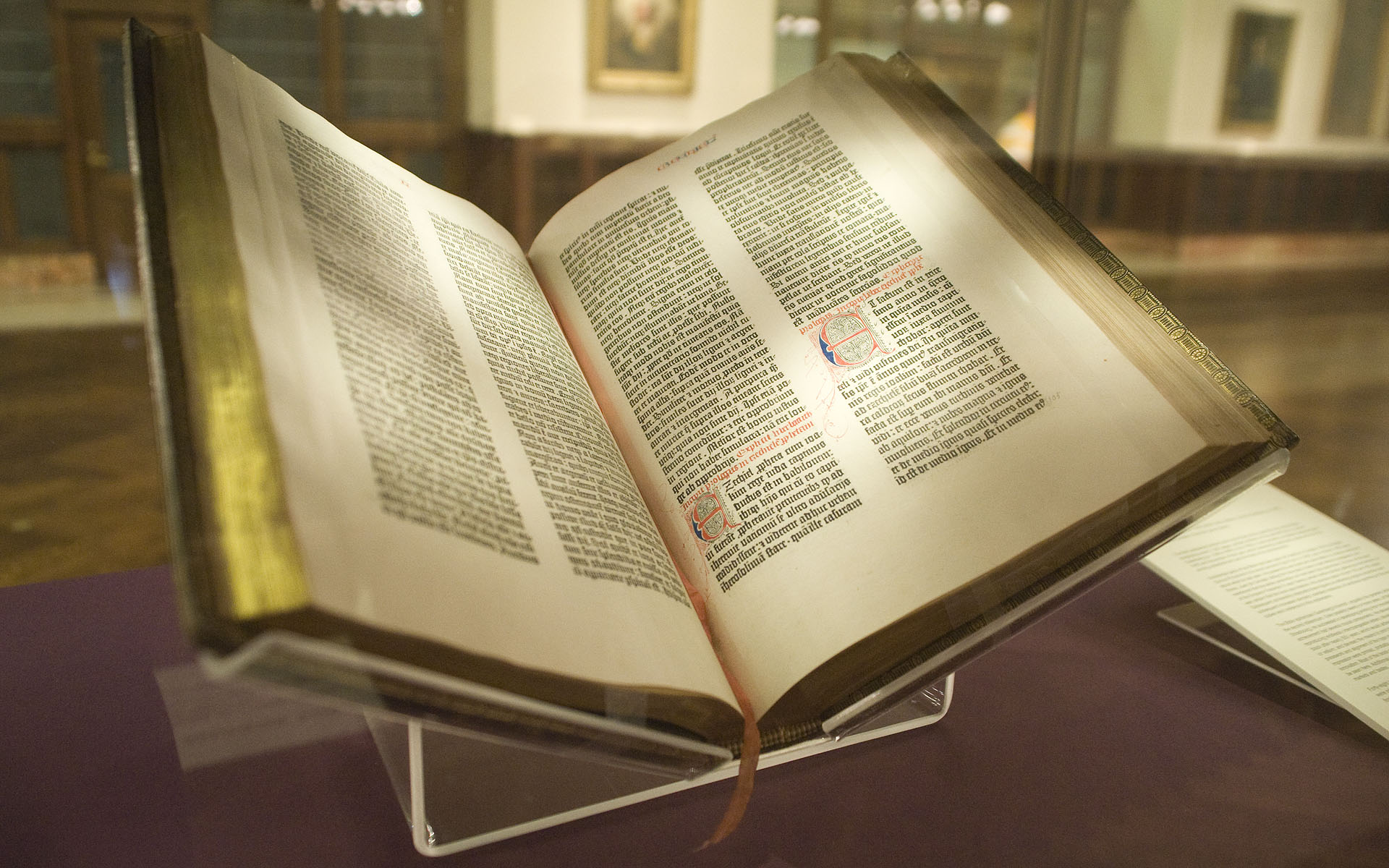
Printed in the 1450s using movable type, it became the first major book mass-produced in Europe. The significance went far beyond religion. Gutenberg’s invention transformed communication itself.
Suddenly, ideas could spread faster, cheaper, and farther than ever before. Knowledge was no longer limited to monasteries and elites. Literacy expanded, universities grew, and information began circulating across continents at unprecedented speed.
Luther’s 95 Theses (1517)
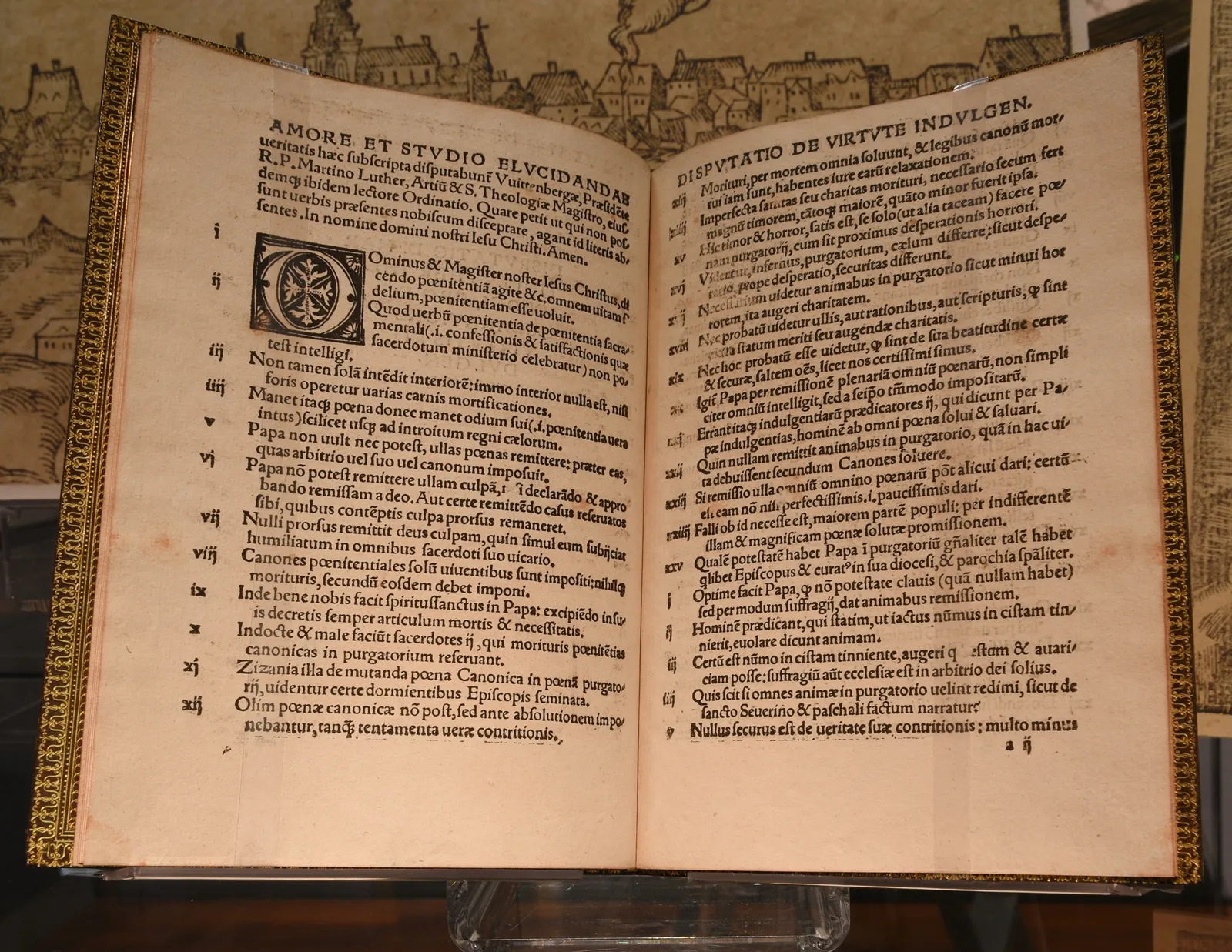
In 1517, a German monk named Martin Luther wrote a list of criticisms aimed at the Catholic Church. Known as the 95 Theses, the document challenged practices such as the selling of indulgences and questioned the authority of church leaders. Luther nailed the pages to a church door in Wittenberg.
Thanks to the printing press, copies spread rapidly across the continent within weeks. Luther’s protest ignited the Protestant Reformation, permanently dividing Christianity and weakening the power of the Catholic Church.
The movement sparked religious wars, political upheaval, and sweeping social changes that reshaped Europe for centuries.
The Treaty of Westphalia (1648)
After 30 years of devastating war across Europe, diplomats gathered to negotiate peace. The result was the Treaty of Westphalia, signed in 1648.
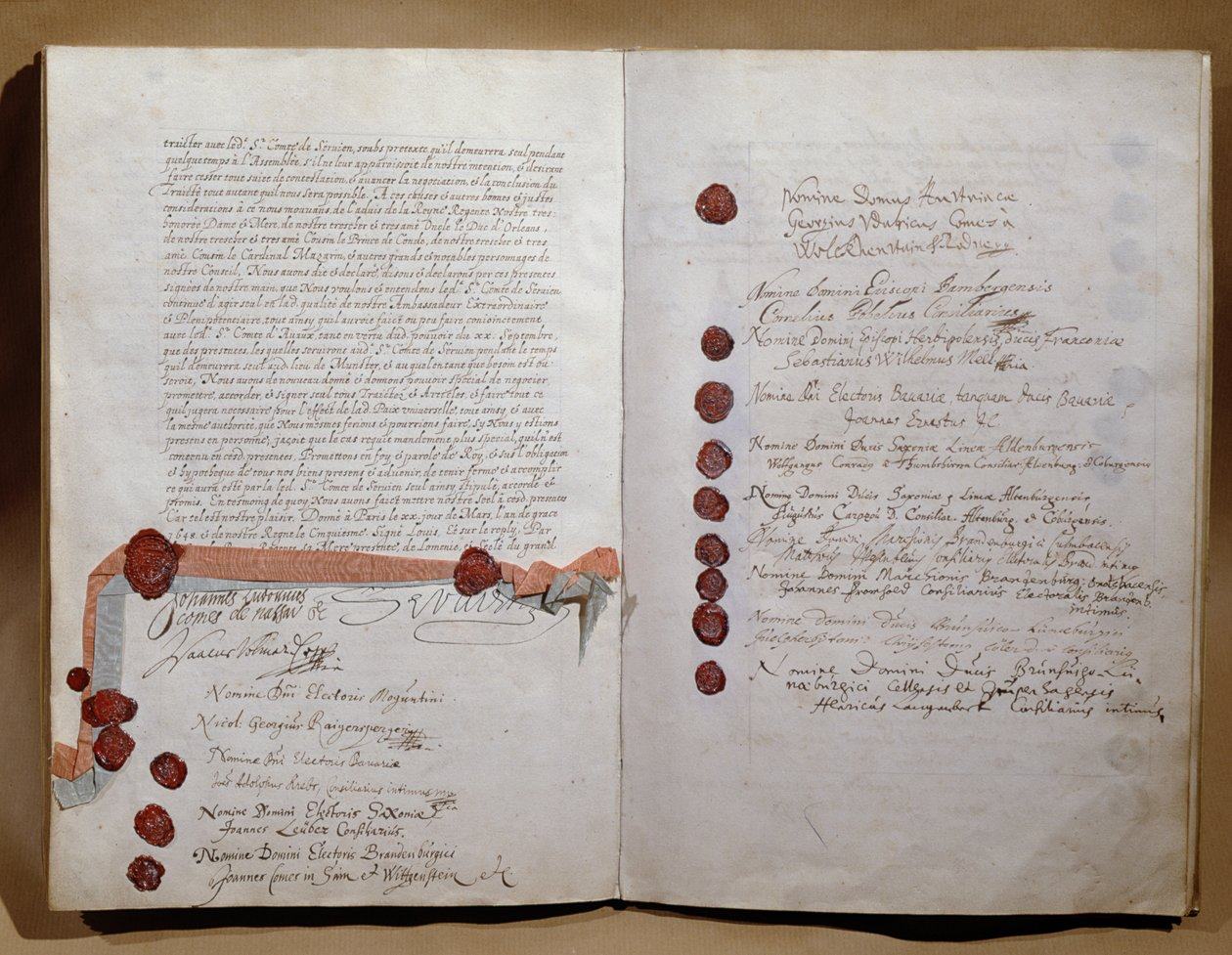
The treaty did more than end a brutal conflict. It introduced a new political idea that still defines the modern world: state sovereignty.
For the first time, nations formally recognized each other’s right to govern without outside interference. Borders became more clearly defined, and independent states gained legitimacy.
The modern international system, with countries existing as sovereign political entities, can largely trace its origins back to this document.
In many ways, the world map as we know it began here.
The Declaration of Independence (1776)
In just 1,320 words, America’s founding fathers challenged one of the most powerful empires on Earth. Adopted in Philadelphia in 1776, the Declaration of Independence announced that the American colonies would no longer accept British rule. But its true power came from the ideas inside it.
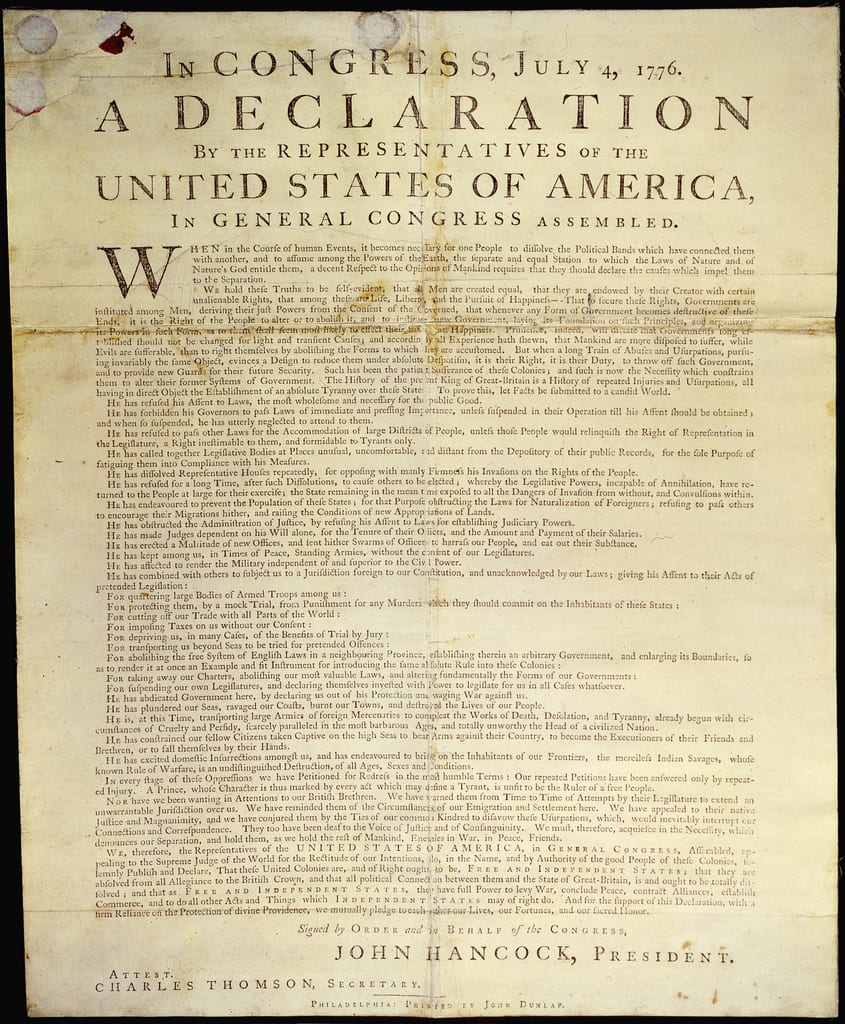
The declaration argued that governments derive their authority from “the consent of the governed” and that people possess natural rights that cannot be taken away.
The document inspired revolutions and independence movements across the globe, influencing political systems far beyond the United States. It became one of history’s clearest statements that ordinary people had the right to shape their own governments.
The United States Constitution (1787)
Winning independence was one thing. Building a stable nation was another.
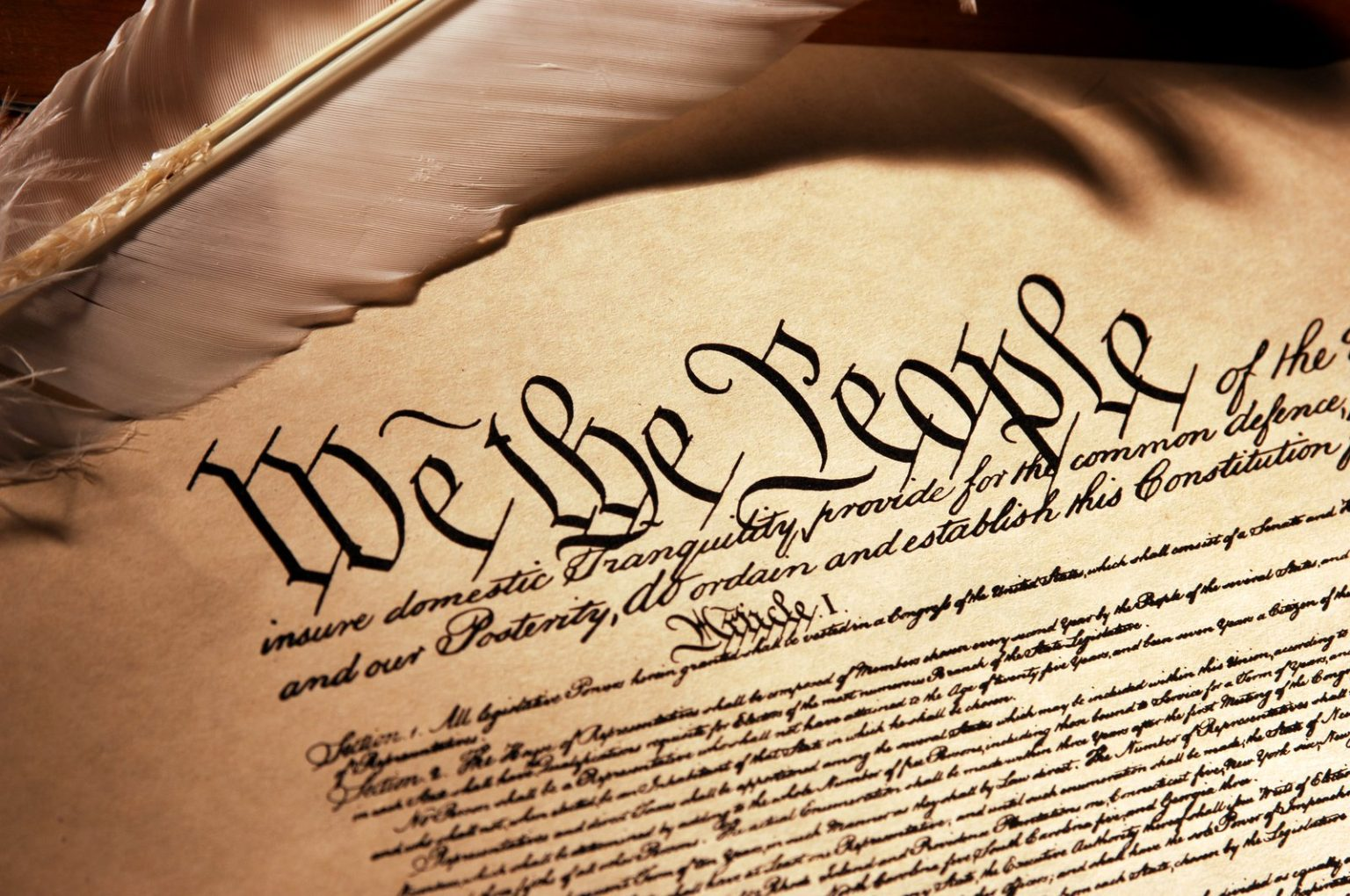
Just eleven years after the Declaration of Independence, American leaders drafted the US Constitution to create a functioning government strong enough to survive. The document established the separation of powers between the executive, legislative, and judicial branches.
It also created a system of checks and balances designed to prevent any one group from becoming too powerful.
Remarkably, the Constitution remains the oldest surviving written constitution still in active use today. Its influence has stretched far beyond America, inspiring constitutional systems around the world.
The Emancipation Proclamation (1863)
On January 1, 1863, President Abraham Lincoln signed a document that transformed the American Civil War. The Emancipation Proclamation declared freedom for enslaved people living in Confederate-controlled territories. While it did not immediately end slavery everywhere, it fundamentally changed the purpose of the war.

The conflict was no longer only about preserving the Union. It became a fight over human freedom itself. The proclamation also opened the door for nearly 200,000 Black soldiers to join the Union Army, strengthening the North’s war effort while redefining America’s future.
In only 719 words, Lincoln altered the moral direction of an entire nation.
The Treaty of Versailles (1919)
The Treaty of Versailles officially ended World War I, but its consequences would prove to be disastrous.
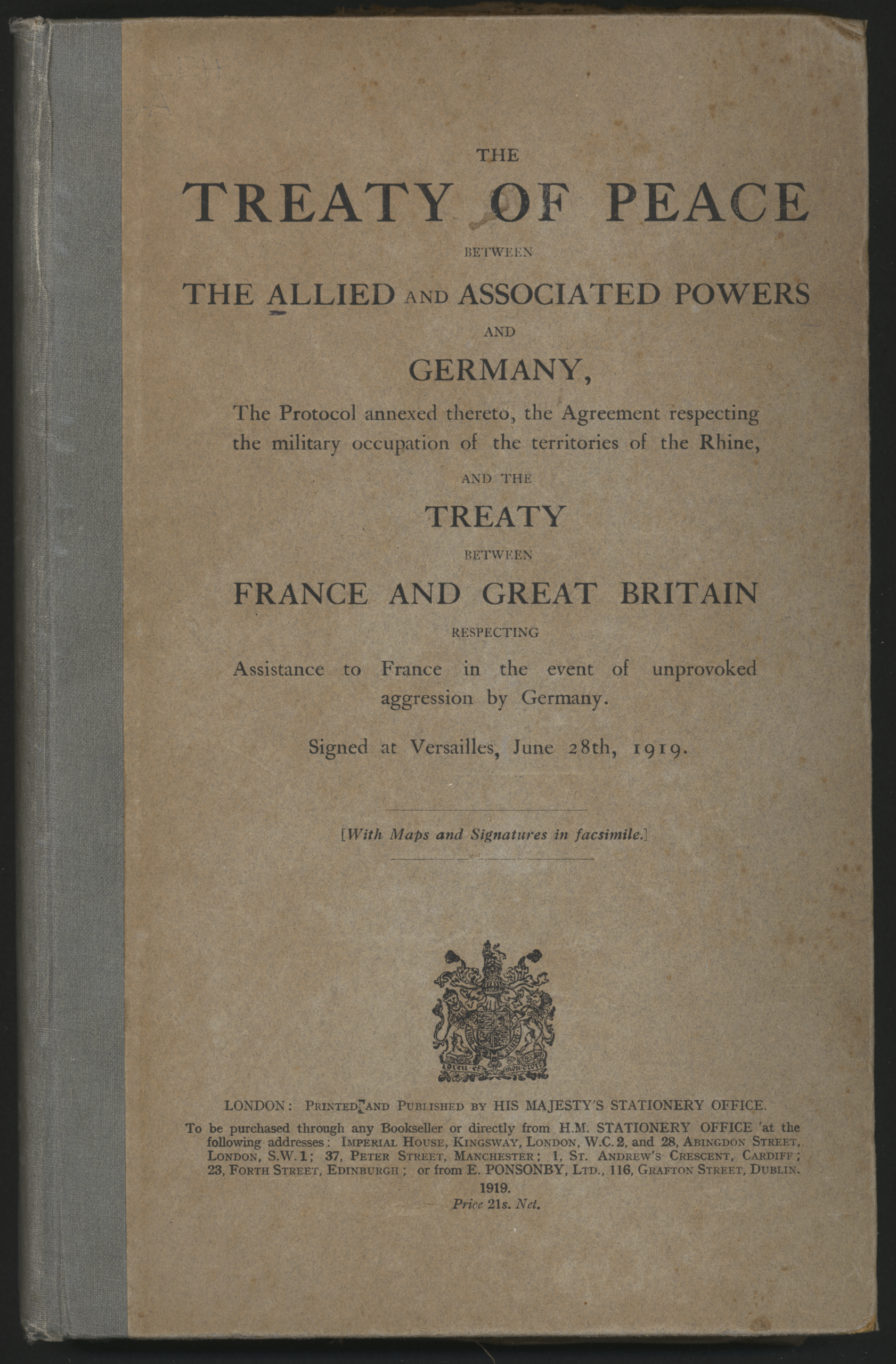
Signed in 1919, the treaty imposed some truly harsh penalties on Germany, including enormous reparations, territorial losses, and military restrictions. Many Germans viewed the agreement as humiliating and unfair. In Germany, economic collapse and political resentment quickly arose.
Instead of securing lasting peace, the treaty actually helped create the conditions that fueled the rise of Adolf Hitler and the outbreak of World War II just two decades later.
It remains one of history’s clearest examples of how peace agreements can sometimes plant the seeds for future conflict.
The Munich Agreement (1938)
Few political documents have become such a powerful symbol of failure as the Munich Agreement. Signed in 1938 by Britain, France, Germany, and Italy, the agreement allowed Adolf Hitler to annex the Sudetenland region of Czechoslovakia in hopes of avoiding war.
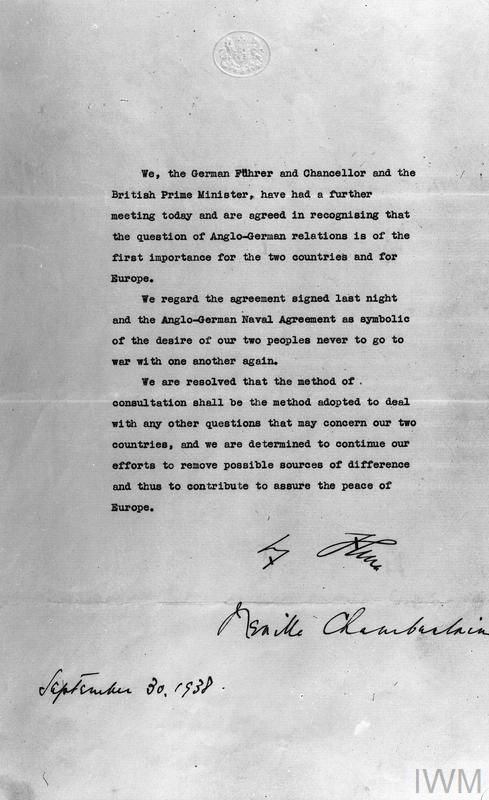
British Prime Minister Neville Chamberlain famously returned home promising “peace in our time.” Unfortunately, that peace didn’t last.
Within a year, Hitler invaded Poland, and Europe descended into World War II. The Munich Agreement became synonymous with appeasement: the dangerous belief that aggressive dictators can be satisfied through concessions.
The United Nations Charter (1945)
After two catastrophic world wars, global leaders wanted to prevent humanity from repeating the same mistakes. In 1945, representatives from 50 countries gathered in San Francisco to sign the United Nations Charter.
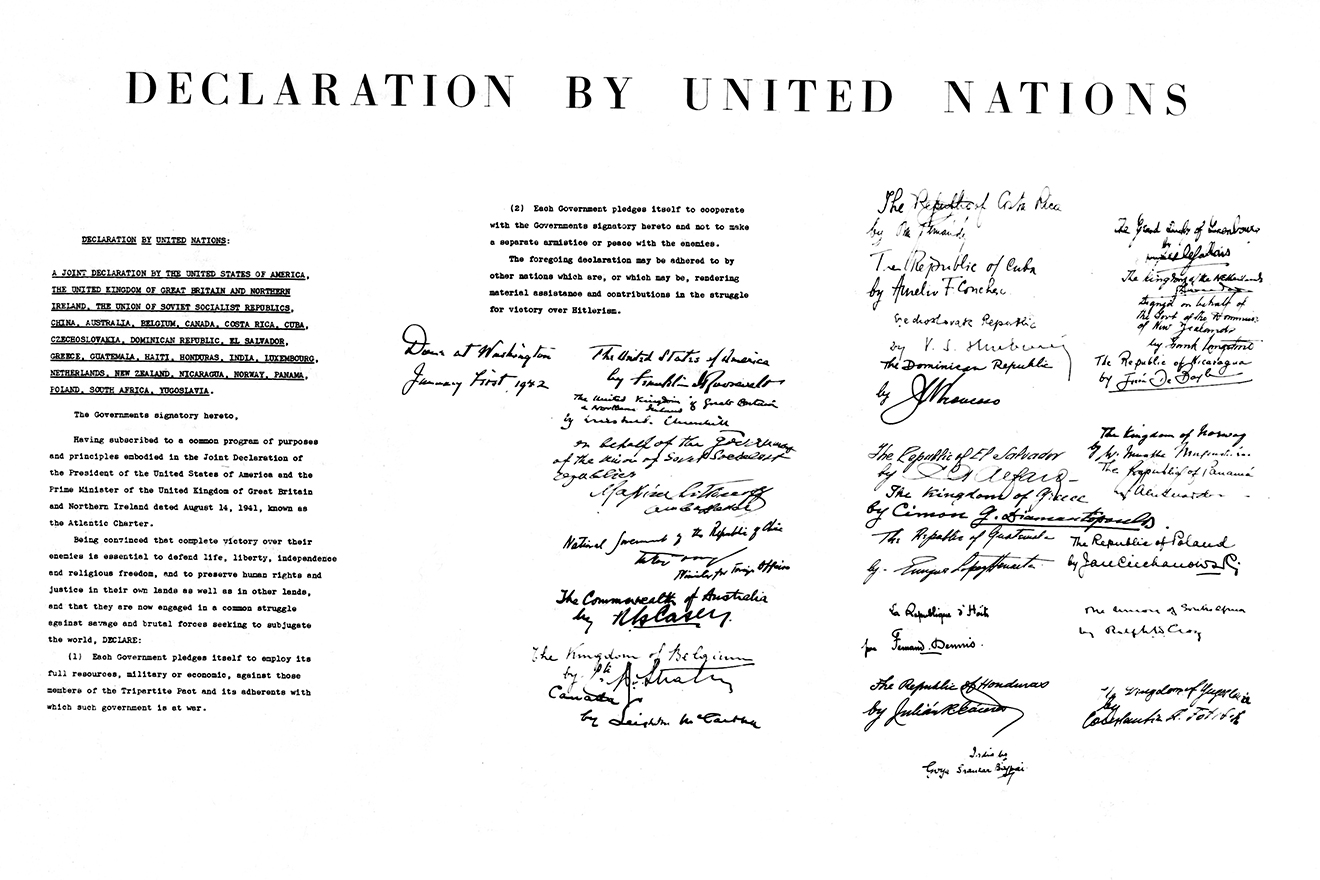
The document created the United Nations and established a framework for international cooperation, diplomacy, and collective security. The ultimate goal was simple, albeit ambitious: to prevent another world war.
While the UN has faced criticism and political challenges over the decades, the Charter still underpins modern international relations nearly 80 years later. It created institutions where countries could negotiate, debate, and cooperate instead of immediately resorting to war.

Millie Ramm
Millie has been writing since she was a child, and has spent more time with her nose in books than anywhere else. She has been ghostwriting novels and editing for the past few years, and when not working she is curled up with her cats, looking for her next read.