
Discover 10 timeless quotes from classic books reveal what literature can teach us about time, travel, memory, wonder, and living a slower, more meaningful life.
A train passes a window. Someone is reading in a café. A child runs through a library aisle. An old man on a bench watches people come and go without once checking the time.
We spend so much of modern life trying to save time that we forget what time is for.
Literature has been asking this question for centuries. Its characters wait, wander, lose, remember, regret, and discover that the ordinary moments they overlooked were the ones that mattered most. These ten passages were written in different centuries and circumstances, yet together they form a coherent philosophy: pay attention, stay curious, accept that life changes, and do not be so busy moving forward that you forget to live.
The cognitive neuroscientist Maryanne Wolf calls the slow, effortful reading these passages ask for deep reading, and argues it is the first thing we surrender to the scroll, which is reason enough to take them slowly, ideally on a slow morning.
Time and What It Is For
Three writers, separated by three centuries, arriving at the same conclusion: you do not choose your century, only what you do inside it.
1. “Wait and Hope”
“There is neither happiness nor unhappiness in this world; there is only the comparison of one state with another. Only a man who has felt ultimate despair is capable of feeling ultimate bliss. It is necessary to have wished for death in order to know how good it is to live… the sum of all human wisdom will be contained in these two words: Wait and Hope.” — Alexandre Dumas, The Count of Monte Cristo (1844 to 1846)
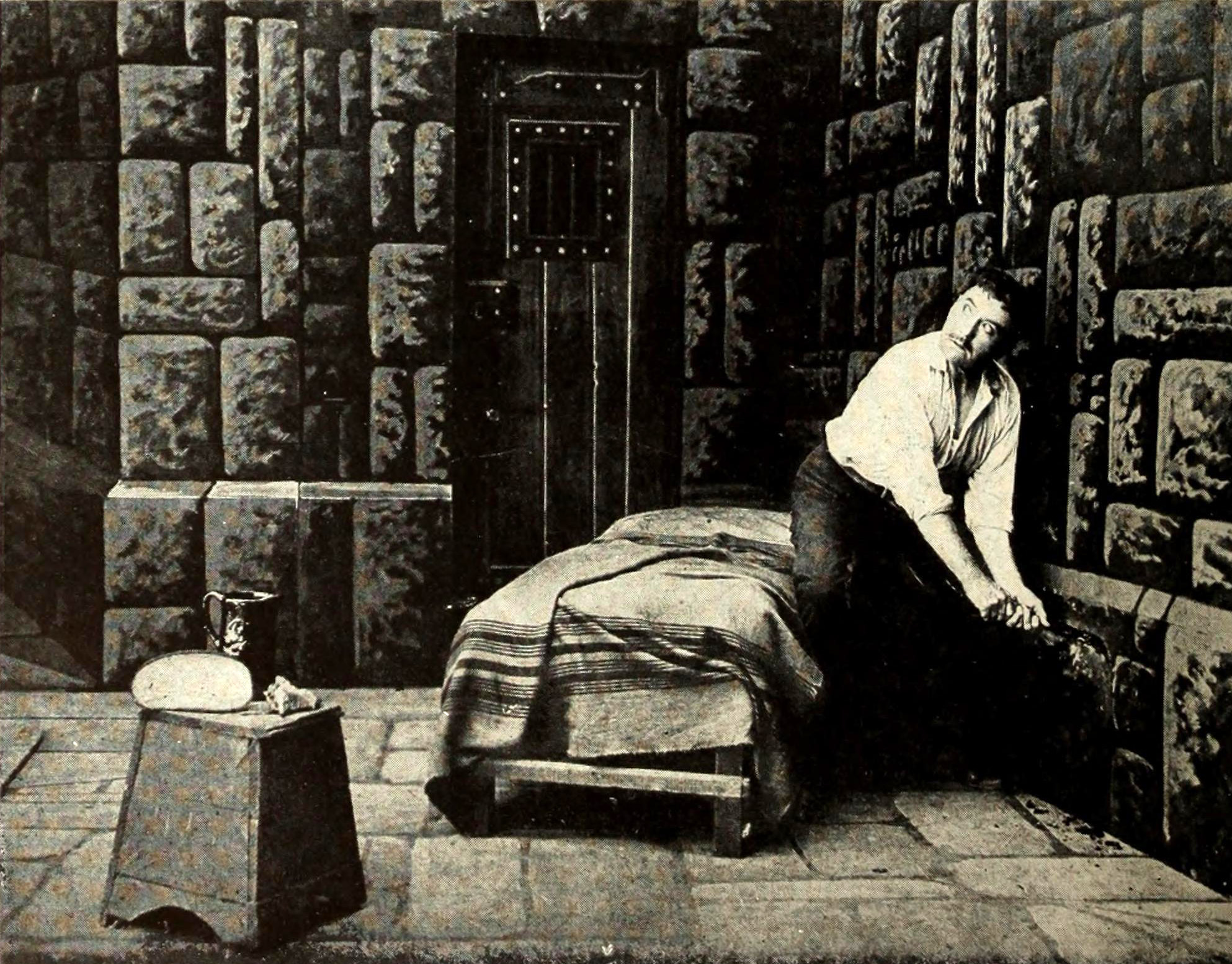
The last thing Edmond Dantès says in a farewell letter in the final chapter, after fourteen years in a cell and more than a thousand pages of patient revenge. In French, attendre et espérer. Not a shrug but a training regime: waiting is the interval in which a person is assembled. Dumas, grandson of a French nobleman and an enslaved woman from Saint-Domingue, waited too. France moved him to the Panthéon only in 2002, in a ceremony where President Chirac named the racism he had endured in life and after it.
2. “What to Do With the Time That Is Given Us”
“I wish it need not have happened in my time,” said Frodo. “So do I,” said Gandalf, “and so do all who live to see such times. But that is not for them to decide. All we have to decide is what to do with the time that is given us.” —J.R.R. Tolkien, The Fellowship of the Ring (1954)
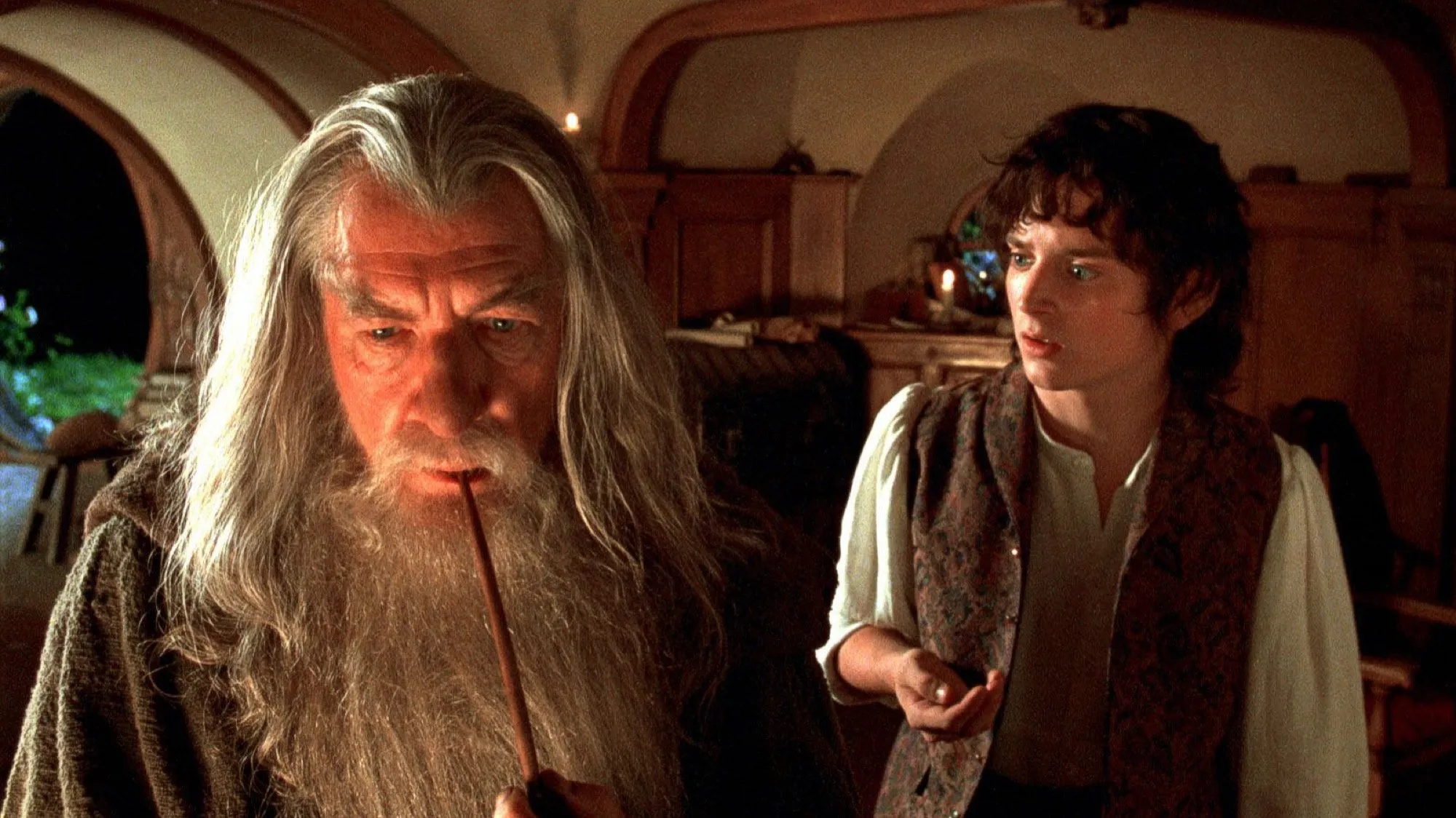
Frodo wishes none of it had happened in his lifetime. Gandalf agrees, then closes the door on the wish: everyone who lives to see such times feels that way, and what is actually ours to decide is “what to do with the time that is given us.”
Tolkien fought at the Somme in 1916 and lost nearly all his closest school friends there, which is where the authority comes from. The consolation is narrow and therefore usable.
3. “I Was a Different Person Then”
“It’s no use going back to yesterday, because I was a different person then.” —Lewis Carroll, Alice’s Adventures in Wonderland (1865), Chapter 10
Alice says it shyly to a Gryphon and a Mock Turtle, explaining that she can begin her story from this morning but no earlier. A child’s logic that turns out to be serious philosophy of identity, and the friendliest argument ever made against being embarrassed by your former selves.
The Company of Others
One passage about the person who constitutes us, and one about what it feels like when that structure gives way.
4. “Whatever Our Souls Are Made Of, His and Mine Are the Same”
“he’s more myself than I am. Whatever our souls are made of, his and mine are the same… If all else perished, and he remained, I should still continue to be; and if all else remained, and he were annihilated, the universe would turn to a mighty stranger.” —Emily Brontë, Wuthering Heights (1847), Chapter 9
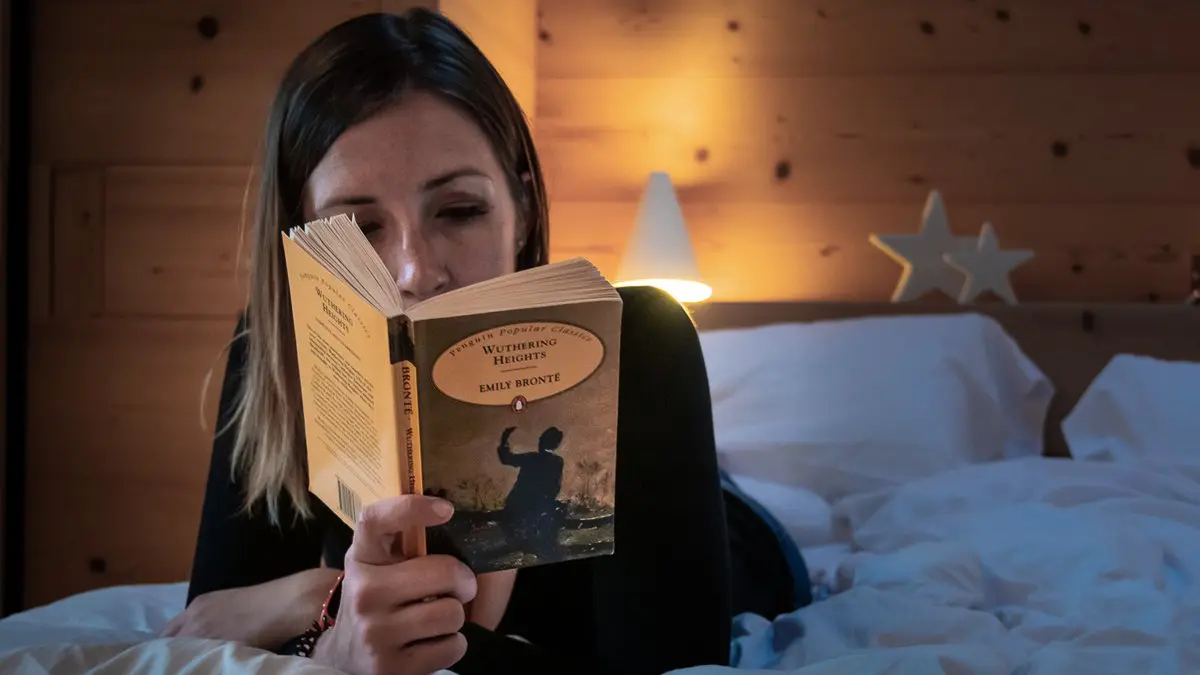
Catherine to the housekeeper Nelly, on the night she announces her engagement to Edgar Linton and says Heathcliff must never know she loves him. Circulated as romance, closer to metaphysics, and in context closer still to a betrayal. She is not saying she loves him most. She is saying he is the ground she stands on. Brontë published it as Ellis Bell and died the following year, aged thirty.
5. “The Loneliest Moment in Someone’s Life…”
“The loneliest moment in someone’s life is when they are watching their whole world fall apart, and all they can do is stare blankly.” —Attributed to F. Scott Fitzgerald
Tied constantly to The Great Gatsby, yet the wording appears in none of his novels, stories, or letters, and researchers cannot trace it anywhere online before the mid-2000s. While its precise origin remains uncertain, the quotation has endured because it captures a feeling that is very much in keeping with Fitzgerald’s recurring themes of loneliness, loss, and disillusionment.
Longing and the Unlived Life
Two warnings aimed at the same failure: wanting so hard that you never begin.
6. “But We Never Get Back Our Youth”
“But we never get back our youth… The pulse of joy that beats in us at twenty becomes sluggish. Our limbs fail, our senses rot. We degenerate into hideous puppets, haunted by the memory of the passions of which we were too much afraid, and the exquisite temptations that we had not the courage to yield to.” —Oscar Wilde, The Picture of Dorian Gray (1890, revised 1891), Chapter 2
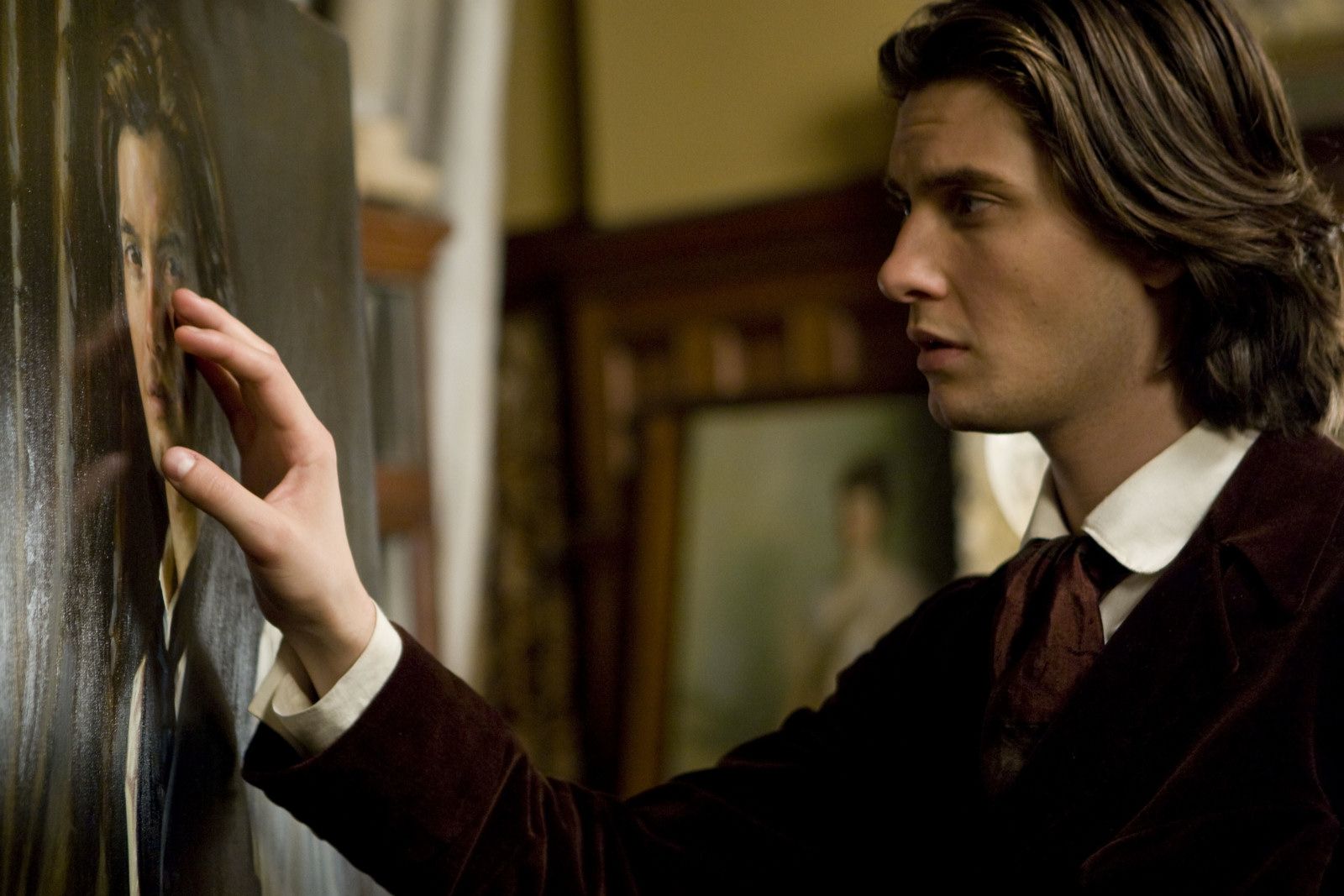
Lord Henry to Dorian in the garden, in the speech that starts the catastrophe. The sting is the final clause, usually dropped: what haunts the old is not the sins but the courage they lacked. Wilde’s editor had quietly cut around five hundred words before the magazine version reached readers, and Wilde added six chapters for the book.
7. “You Began to Hate Everything Around You”
“You sensed that you should be following a different path, a more ambitious one, you felt that you were destined for other things but you had no idea how to achieve them and in your misery you began to hate everything around you.” —Fyodor Dostoyevsky, Netochka Nezvanova (1849), translated by Jane Kentish
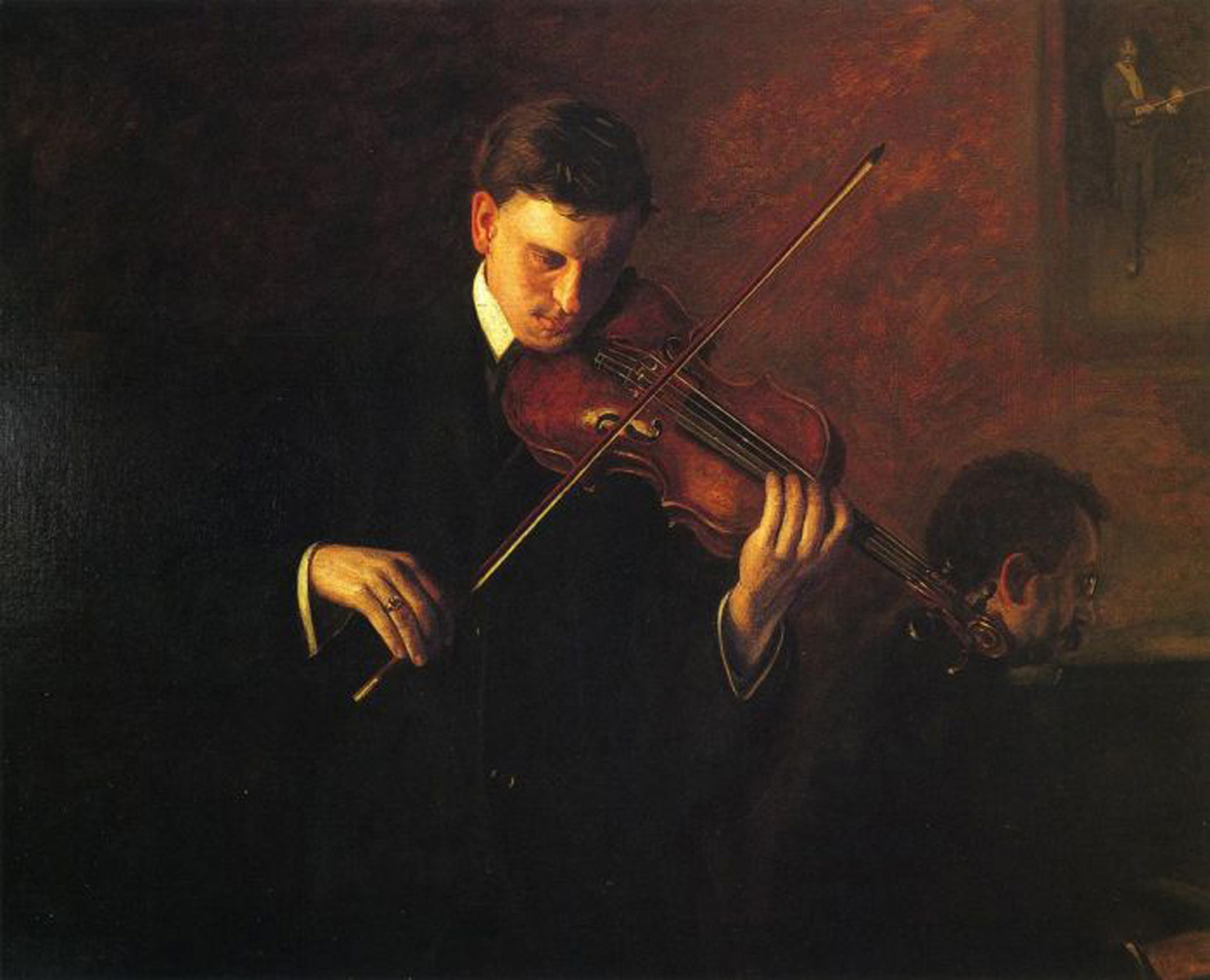
Spoken to Efimov, a ruinously gifted violinist who believes himself a neglected genius. Dostoyevsky diagnosed, 150 years early, the misery of measuring your unrealised potential against other people’s visible output. He never finished the book. He was arrested that same year, marched out for execution, reprieved at the last possible moment and sent to Siberia. What survives was meant to be only a prologue.
What the Mind Does With Suffering
The hardest three. Each offers a consolation, then declines to guarantee it.
8. “The Mind Is Its Own Place”
“The mind is its own place, and in itself can make a heaven of hell, a hell of heaven.” —John Milton, Paradise Lost (1667), Book I, lines 254 to 255
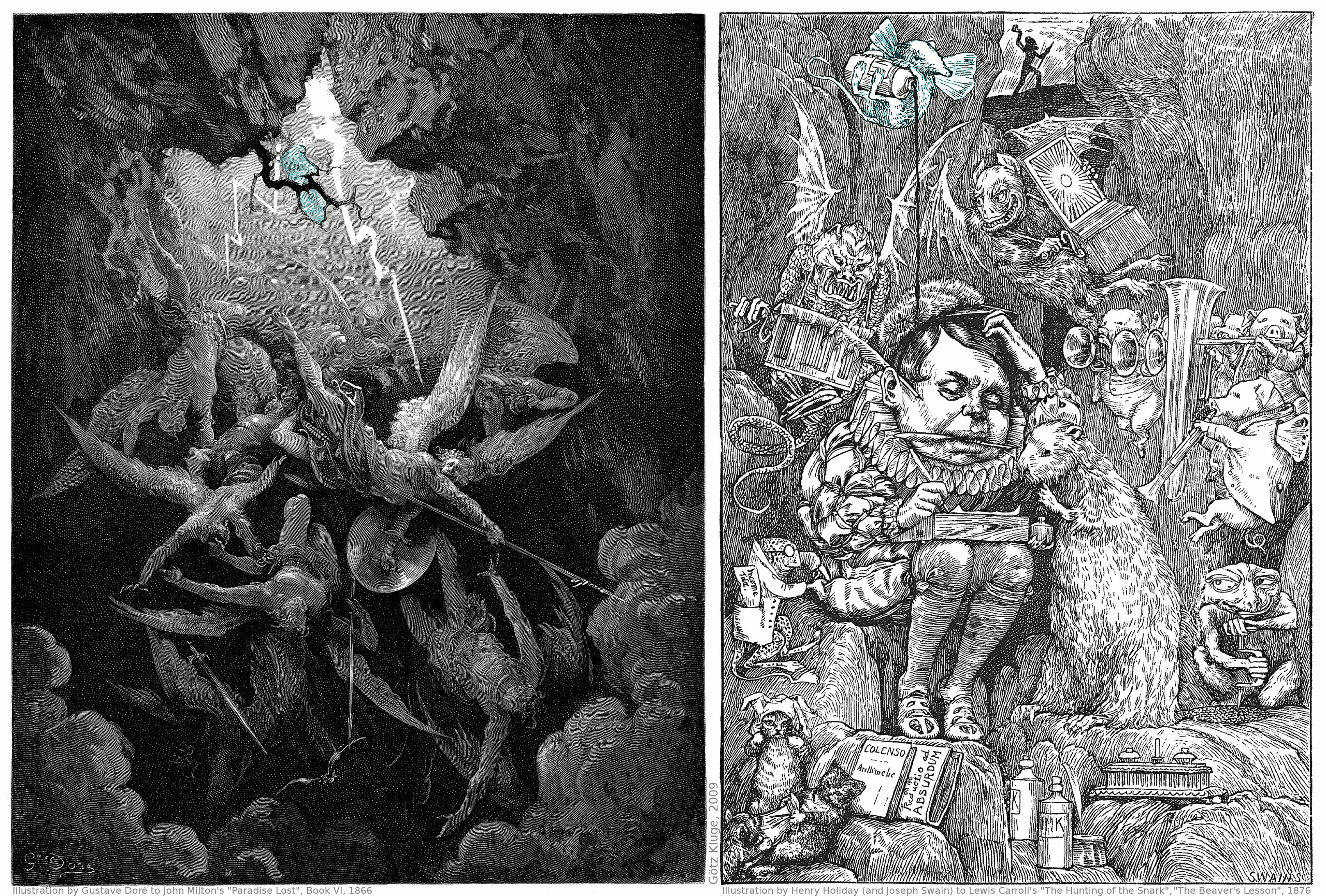
Not a novel but an epic poem, and not the poet speaking. Satan says it on the burning lake, a detail that vanishes the moment a line enters the motivational quote economy. Milton, blind and dictating to whoever was at hand, lets him state a real truth about interior freedom, then spends eleven more books showing the same faculty building the cell.
9. “You Forget What You Want to Remember”
“You forget what you want to remember, and you remember what you want to forget.” —Cormac McCarthy, The Road (2006)
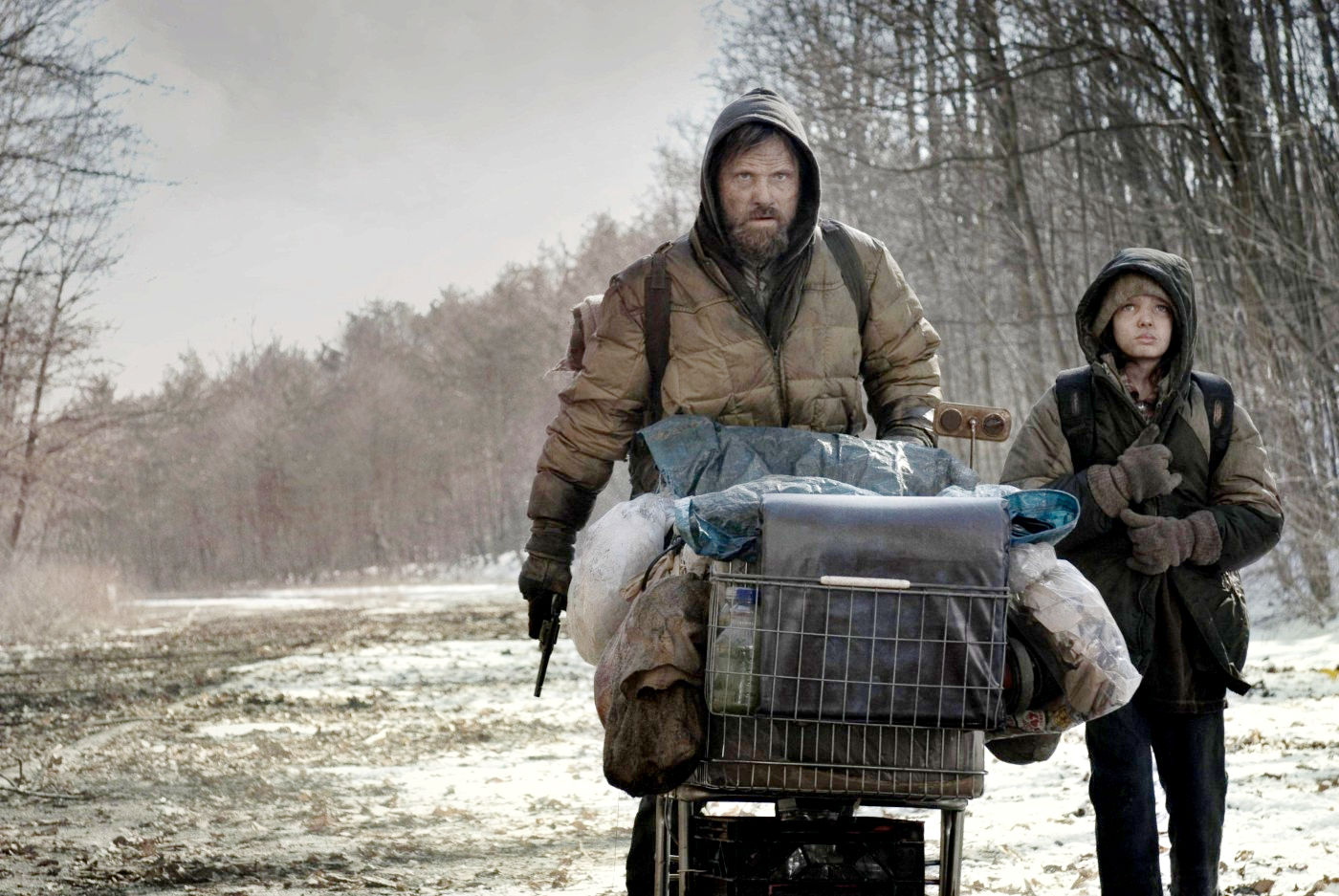
A father tells his son the plain, terrible thing about memory: we lose what we meant to keep, and keep what we meant to lose. The youngest entry here by half a century, and included on weight rather than age. Memory in this book is not an archive but weather. The mind hoards what wounds and misplaces what would comfort, which is why the father keeps rehearsing the old world aloud for a son who never saw it.
10. “Strong at the Broken Places”
“The world breaks everyone, and afterward many are strong at the broken places. But those that will not break it kill. It kills the very good and the very gentle and the very brave impartially. If you are none of these, you can be sure it will kill you too, but there will be no special hurry.” —Ernest Hemingway, A Farewell to Arms (1929), Chapter 34
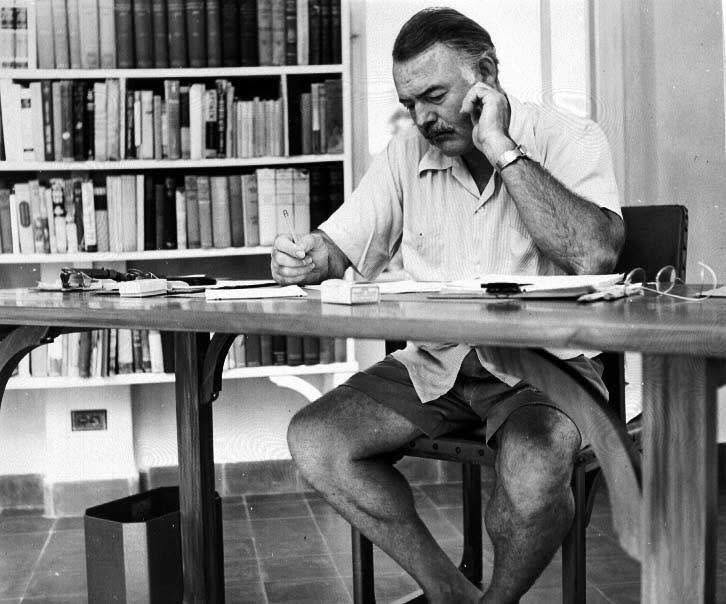
The first sentence is quoted everywhere as encouragement, invariably with the rest deleted. Read whole, the comfort is withdrawn before it settles. Hemingway told The Paris Review he rewrote the book’s ending thirty-nine times, trying to get the words right. The resilience is real, and it is not a promise.
What Literature Reminds Us
Taken together, these lines are less about having the right answers than about noticing what time does to us. We wait, change, remember, lose, regret, and keep going. Some of these writers offer hope; others refuse it. None suggest that life becomes meaningful only when something extraordinary happens.

That may be the simplest lesson to take from them: do not overlook the ordinary while waiting for the important part to begin. Read the page in front of you. Take the walk. Sit a little longer. The moments that feel uneventful now may be the ones you remember most clearly later.


Vincent Phan
Vincent is the founder and Editor-in-Chief of 1000 Libraries Magazine. He is a Paris-born ex-corporate turned bookseller and philosopher, on a global mission to spread the joy of physical books in our age of digital technology.