
Happy Birthday, William Shakespeare! Celebrate April 23 by discovering the mystery, myths, and genius behind the world’s most intriguing playwright.
Every year on April 23rd, the literary world pauses to celebrate William Shakespeare, a man whose works have shaped language, theatre, and storytelling for over four centuries. But what many people might not know is that, as much as we all celebrate him, Shakespeare is actually a delightful historical mystery. From missing records to surprising quirks about his writing, Shakespeare isn’t just a writer; he’s a puzzle.
1. The Birthday That Might Not Be Real
Let’s start with something basic: Shakespeare’s birthday. The general assumption is that Shakespeare was born on April 23rd. I mean, that’s what we’ve started this off with. But as it turns out, that might not even be true.
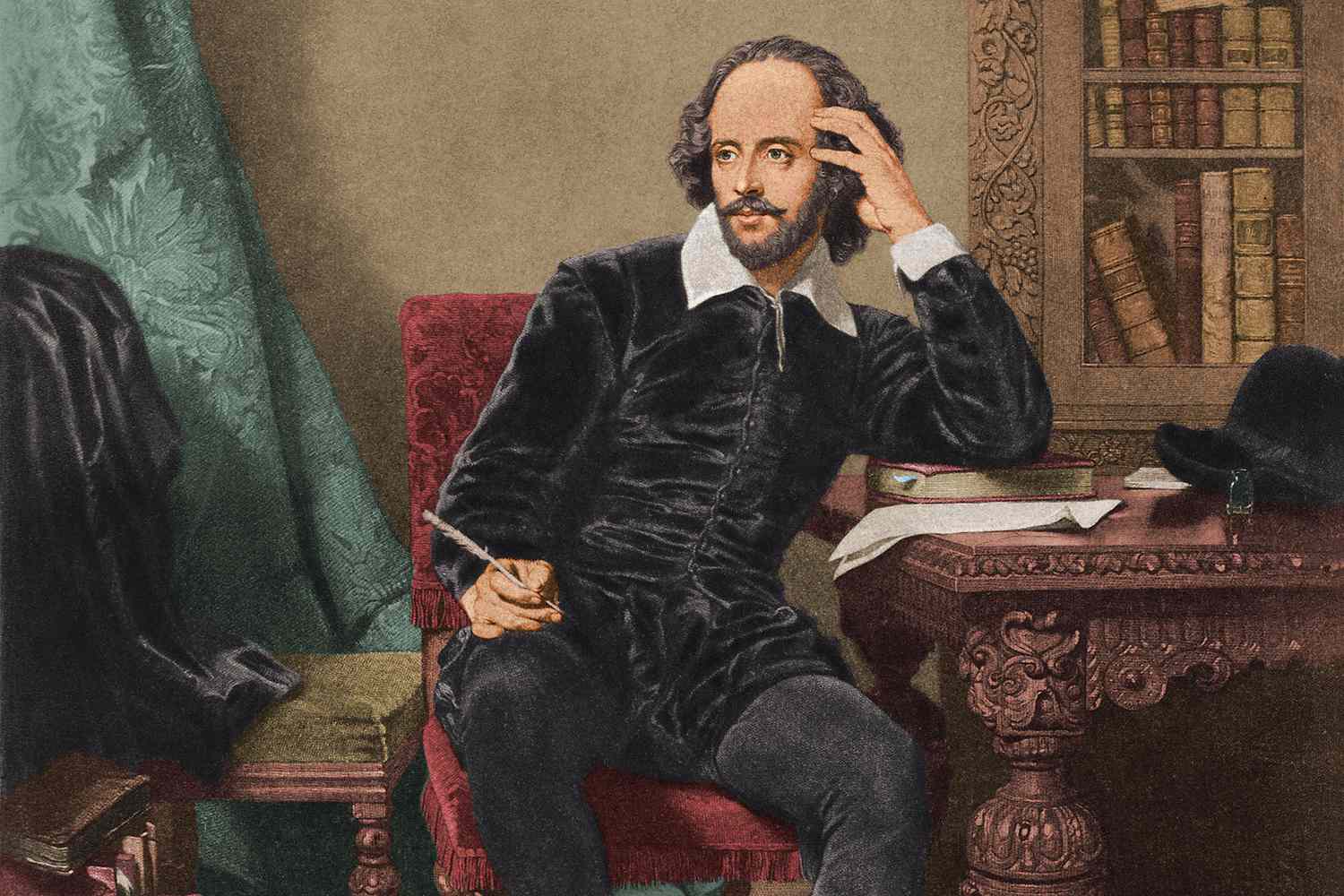
There’s no official birth record for old Bill Shakespeare. What we do know is that he was baptized on April 26, 1564, and historians have simply guessed his birth date based on traditions at the time.
Even more poetic (or suspicious, depending on how you look at it), he also died on April 23rd, 1616.
2. The “Lost Years” No One Can Explain
Imagine someone today becoming world-famous… and yet we have almost no idea what they did for nearly a decade of their life.
That’s Shakespeare.
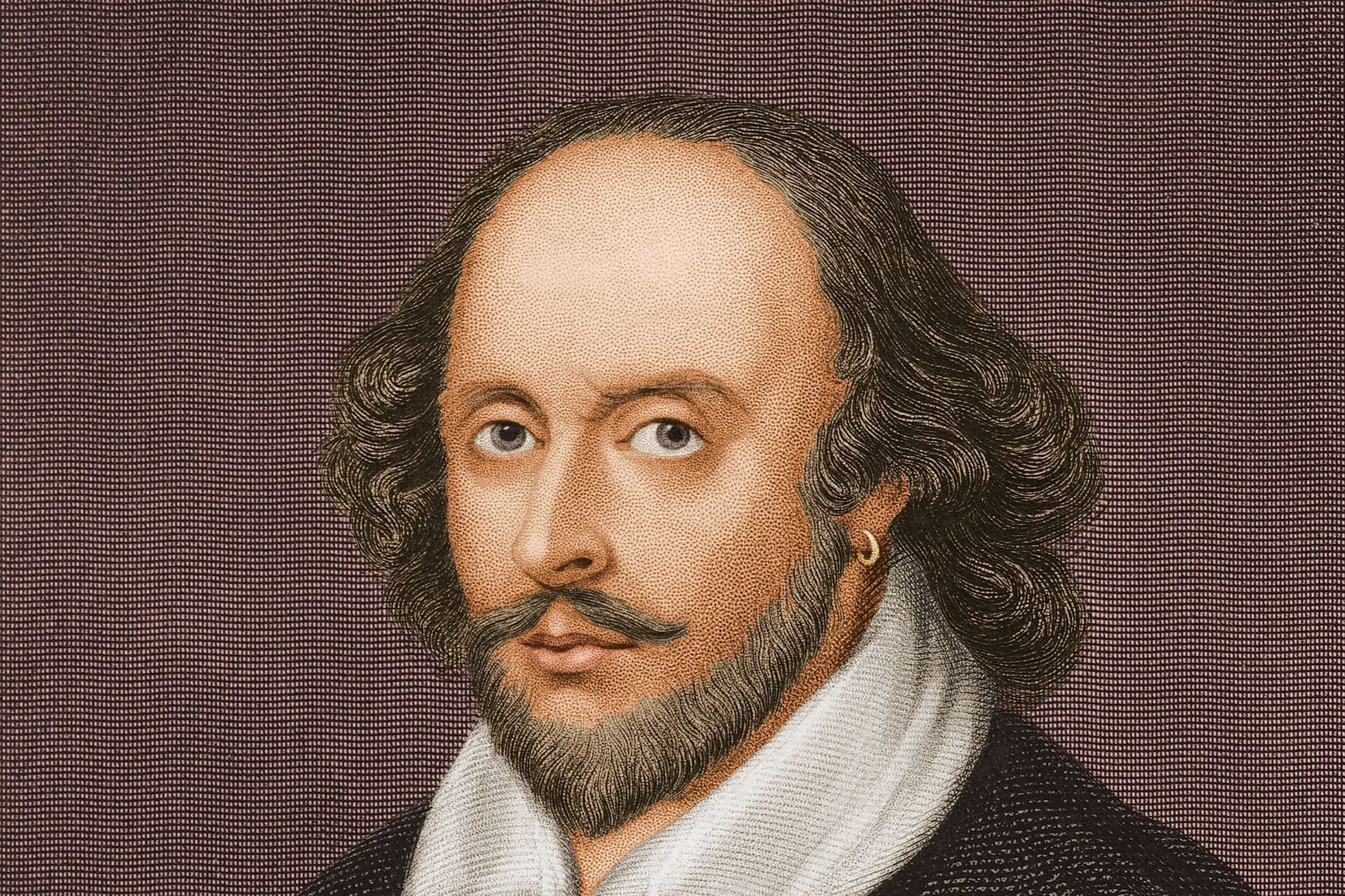
Between 1585 and 1592, he completely disappears from historical records. These are known as his “lost years,” and historians have spent centuries guessing what he might have been up to. Top guesses include teaching, traveling, and even fleeing trouble.
Then we know that in 1592 he was described as an “upstart crow” in a pamphlet by a famous thespian, marking his sudden reappearance in historical records as an already established figure in London’s theatre scene.
No one really knows. And that gap only adds fuel to the idea that Shakespeare might not be as straightforward as we think.
3. A Young Husband and Father of Three
Shakespeare married Anne Hathaway in 1582, and she was already expecting a child at the time. He was only 18 then, while Anne was about 26. Their daughter Susanna was born soon after, followed by twins, Hamnet and Judith.
By the mid-1580s, he was a young husband and father of three, which makes his sudden disappearance from records even harder to explain.
Even outside of those lost years, we have very little to go on. There are no personal letters, very few records, and almost nothing when it comes to his thoughts or personality.
4. Did Shakespeare Even Spell His Own Name the Same Way?
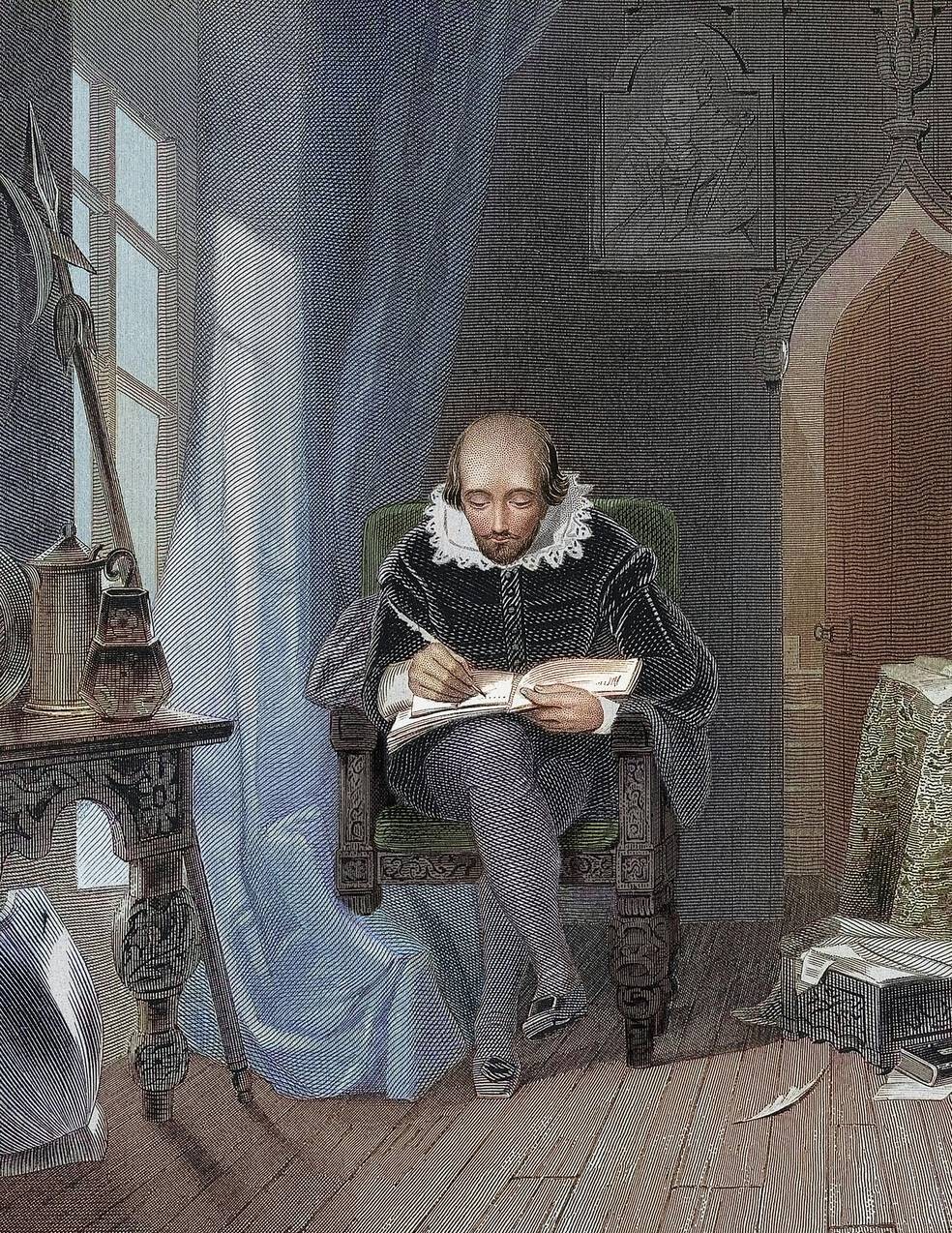
Here’s a fun one. We don’t even think Shakespeare spelled “Shakespeare” consistently. In fact, his name appears in multiple variations across documents. Sometimes the spellings are so different that it barely looks like the same name.
That might sound odd today, but spelling wasn’t standardized back then. Still, it adds a quirky layer to his identity!
5. The Man Who Changed the Way We Speak
If you’ve ever said things like “wild goose chase,” “heart of gold,” or “break the ice,” congratulations, you’ve been quoting Shakespeare.
He’s credited with introducing (or at least first recording) over 2,000 words and phrases into English.
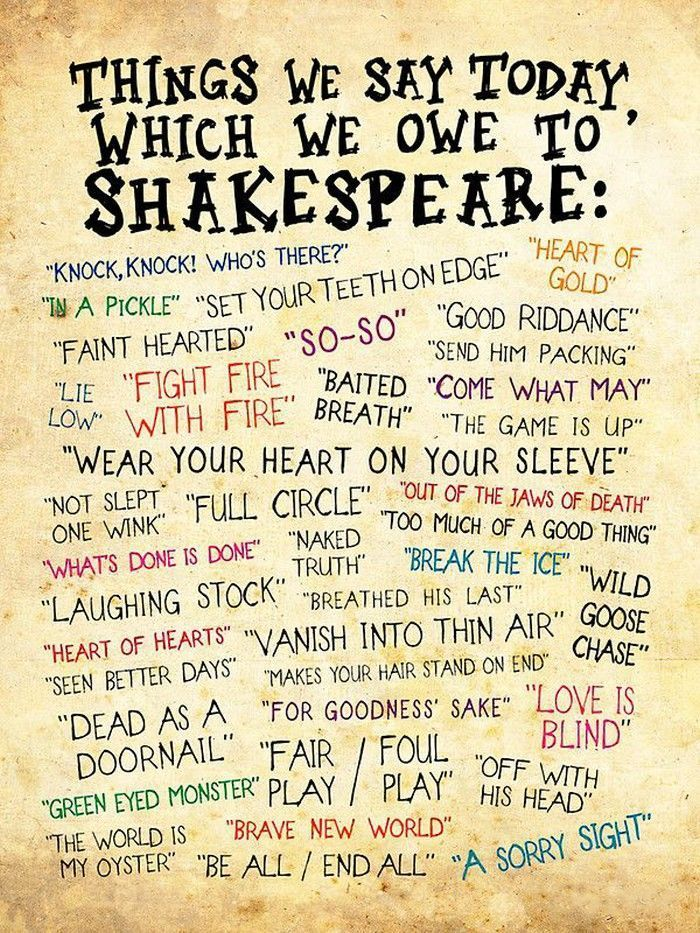
And here’s the kicker: he didn’t just invent words. He really bent the rules, turning nouns into verbs, borrowing from other languages, and basically playing with English like it was clay. And if he didn’t, who knows what our language would look like today?
Next time you casually say, “It’s all Greek to me,” you’re keeping his legacy alive.
6. His Plays Were the Blockbusters of Their Time
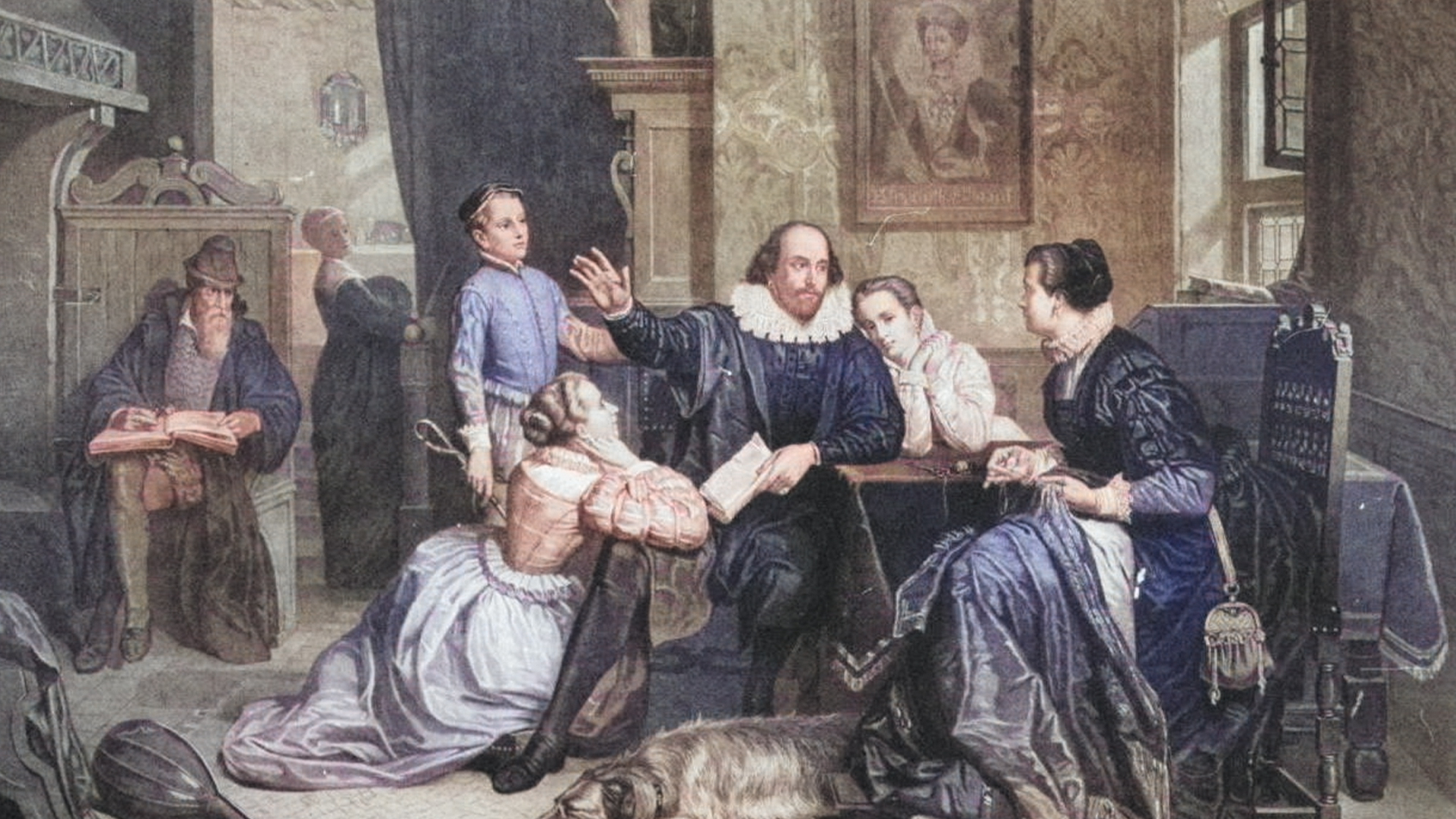
We often think of Shakespeare as “high culture,” but in his own time, he was far more accessible and widely enjoyed.
His plays were frequently performed and reached a broad audience, attracting not just the upper class but ordinary people as well. Going to the theatre was a lively, popular form of entertainment, more similar to modern blockbuster films than the formal productions we imagine today.
In fact, his popularity helped cement his influence on the English language, especially as literacy increased in the centuries after his death.
7. Did Shakespeare Really Write His Own Plays?
During his lifetime, Shakespeare was widely accepted as the author of his plays, with no real debate surrounding his work at the time. Questions about authorship only emerged much later as interest in his life grew.
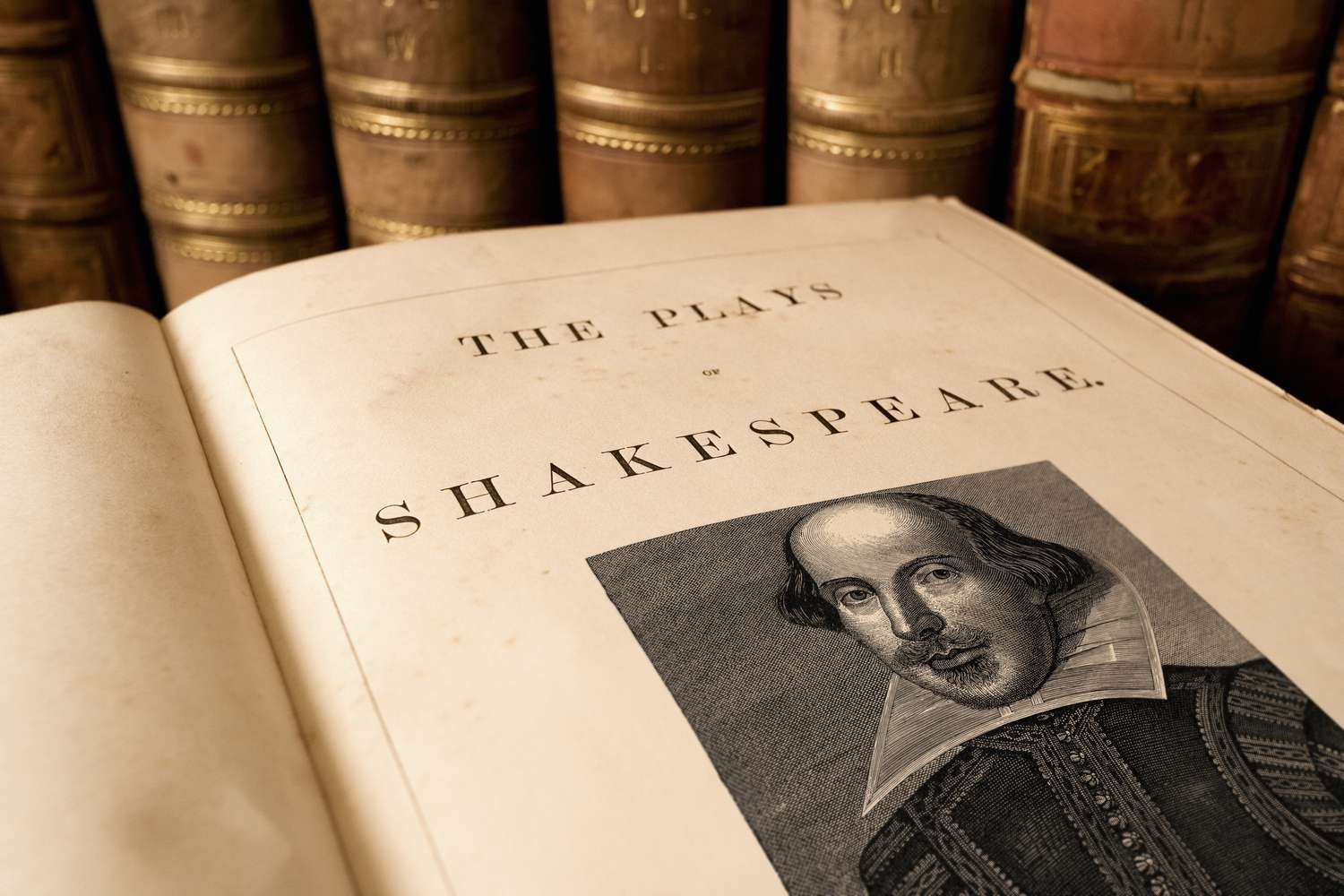
Some critics argued that Shakespeare, who came from a modest background, could not have written such complex works. However, most scholars believe he was the true author of his plays, and these doubts likely reflect later critics more than Shakespeare himself.
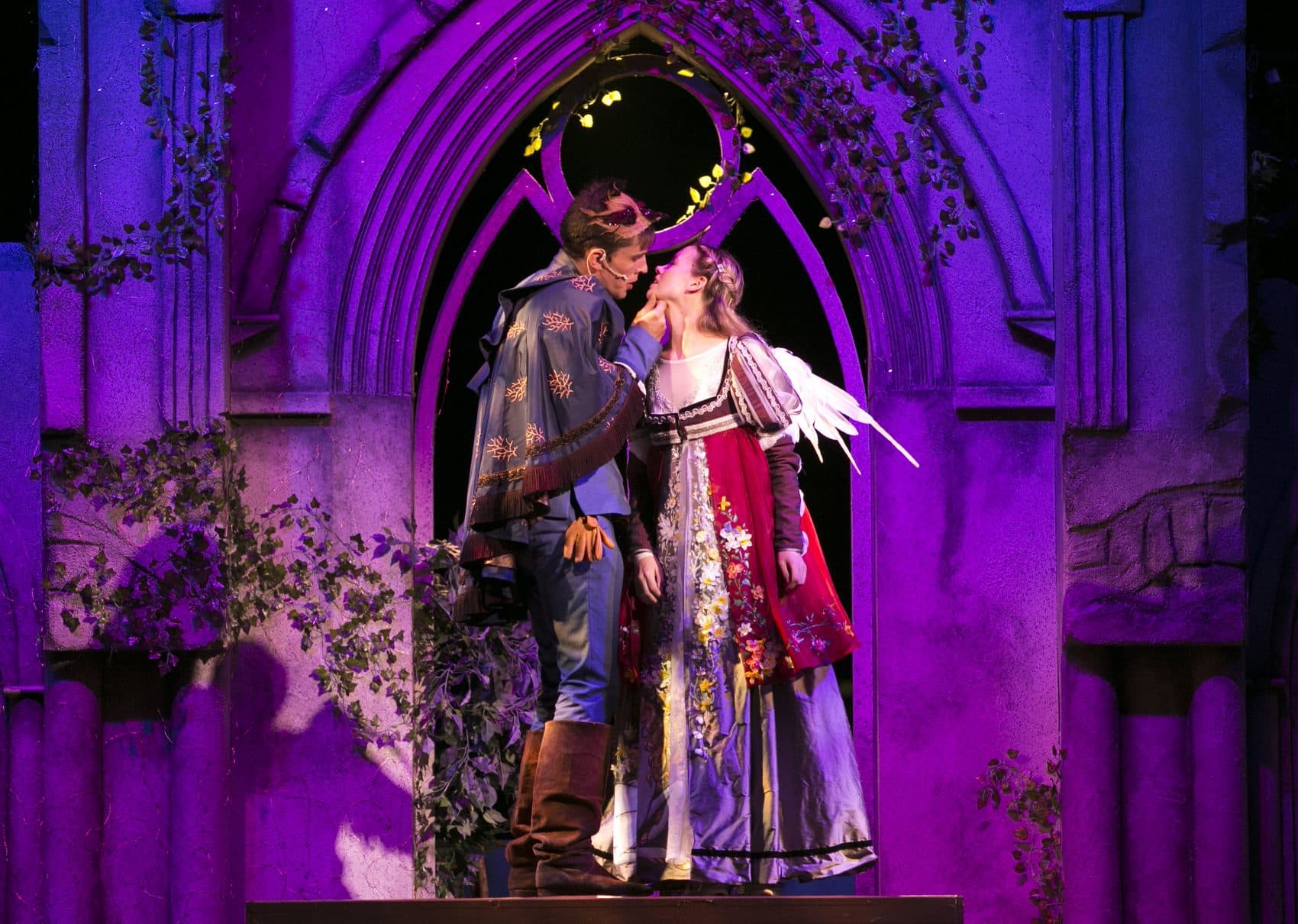
Another interesting aspect to consider is how his plays would have originally sounded. The pronunciation and speech patterns of his time were quite different. As language evolved, modern performances have naturally taken on a different tone from what early audiences would have heard.
8. A Tragic Personal Life
Behind the brilliance, there was also heartbreak.
Shakespeare’s son, Hamnet, died at just 11 years old. Some scholars believe this loss may have influenced his later tragedies, adding emotional depth to works like Hamlet (notice the similar name?).
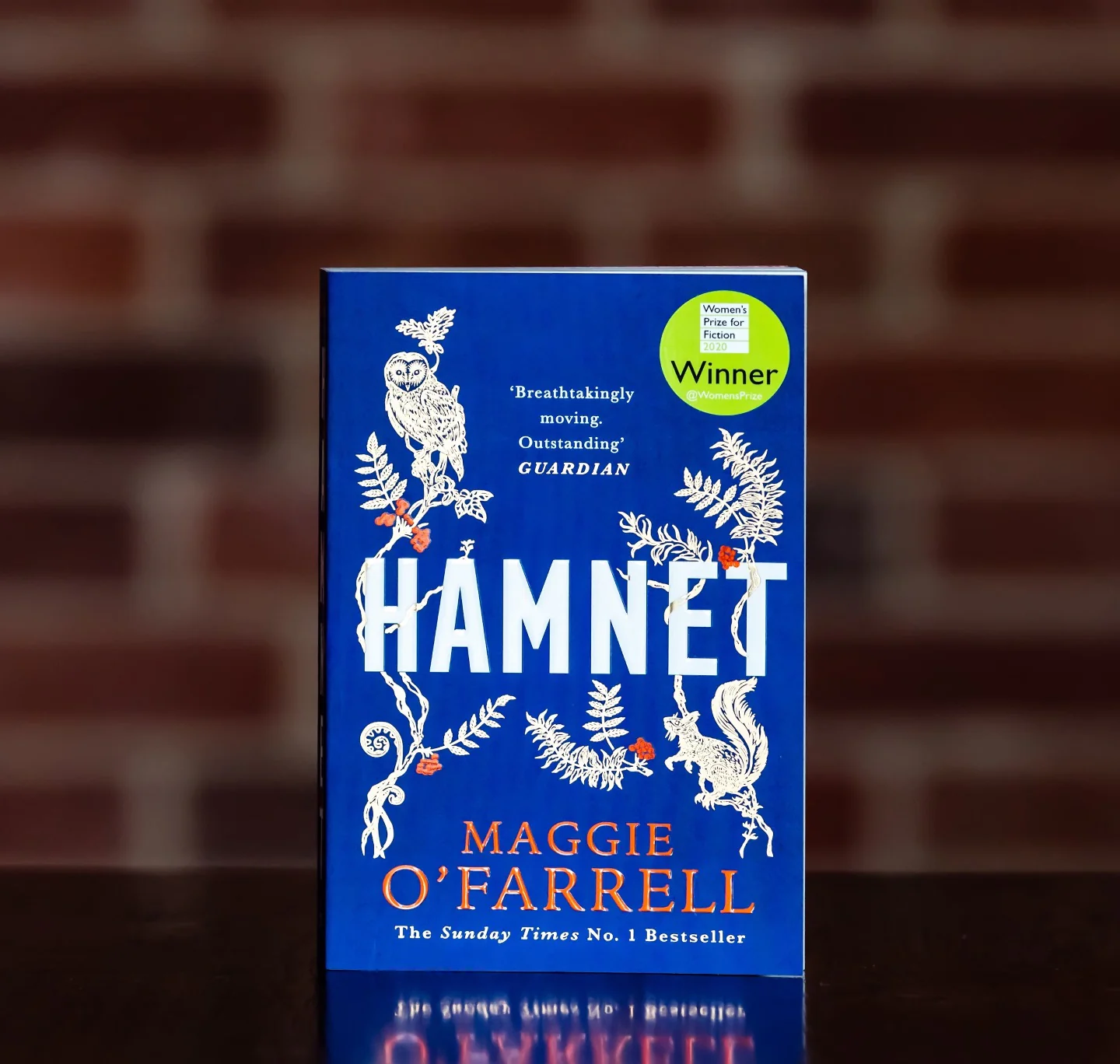
Okay, this might not be the biggest surprise, given that a film about this has just swept the awards shows. (Congratulations, Jessie Buckley and Paul Mescal!). Even before that, the book Hamnet by Maggie O’Farrell has been breaking hearts and Goodreads records since it came out in 2020.
9. His Father Went Bankrupt
So we don’t have loads of information about Will’s life, but we do know that his father, John Shakespeare, lived a rollercoaster of a life. He was a catholic, and a wealthy man when William was born. Working as an alderman on Stratford’s government, and then as a bailiff, and then as a magistrate, before becoming the town Mayor in 1566.
He made money in lots of ways; he worked as a glover, and also sold property, farmed, sold wood and grains, and lent money. As a result, William Shakespeare got a better education than most people at the time. But by the time Shakespeare was 14, his father’s success started to falter. He had been taken to court over his interest rates twice and stripped of his town positions.
10. Was Shakespeare Gay?
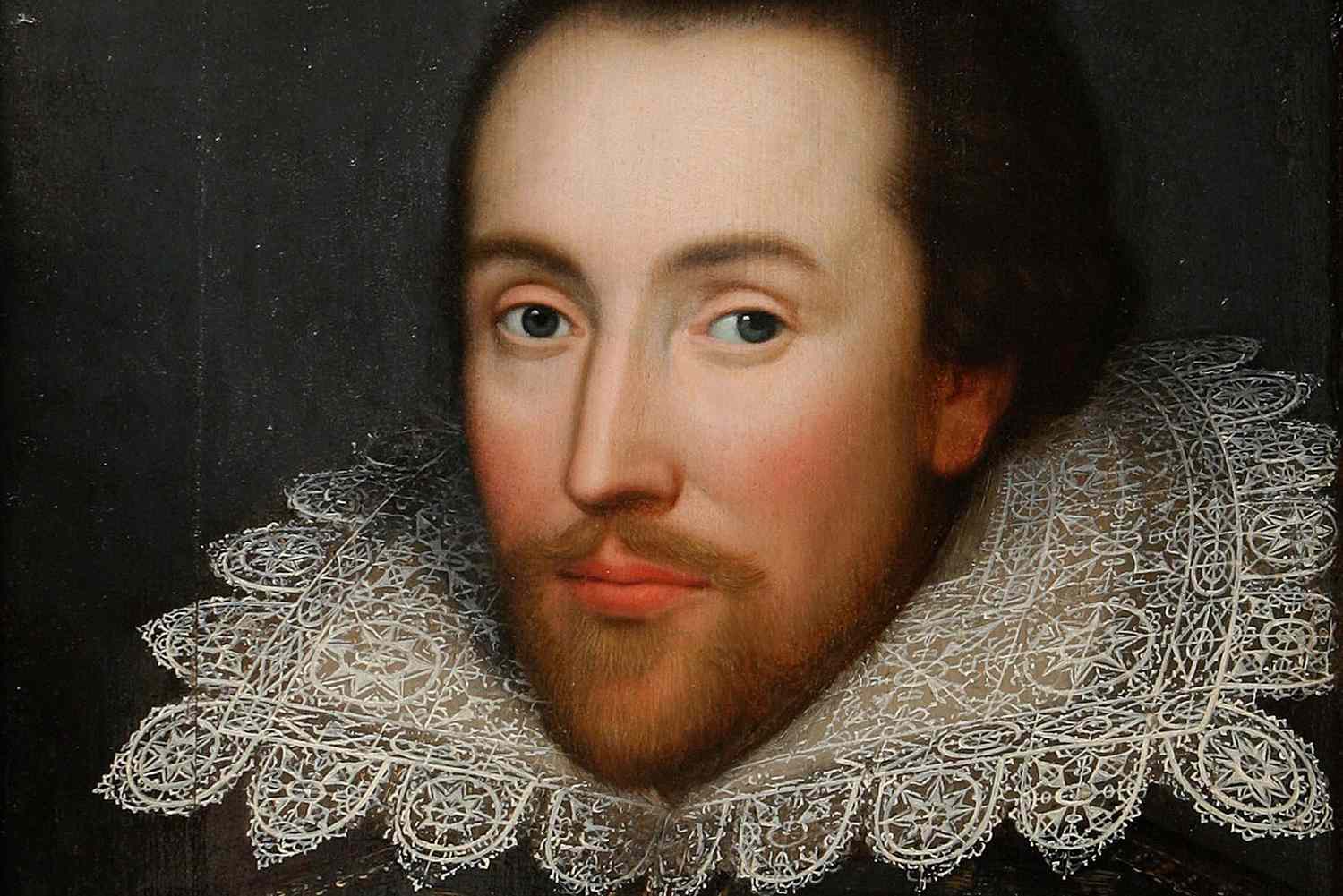
Yes, he had a wife, but one of the biggest mysteries out there is Shakespeare’s sexuality. And here’s why:
“And often is his gold complexion dimm’d;
And every fair from fair sometime declines,
By chance or nature’s changing course untrimm’d
But thy eternal summer shall not fade,”
That’s Sonnet 18, and it is addressed to a man. It has been causing debate among Shakespeare scholars for as long as they have existed. In total, 126 of Shakespeare’s sonnets are addressed to men, but whether that is because he held them in high regard or because he loved them remains up for debate.
11. What Did Shakespeare Really Look Like?
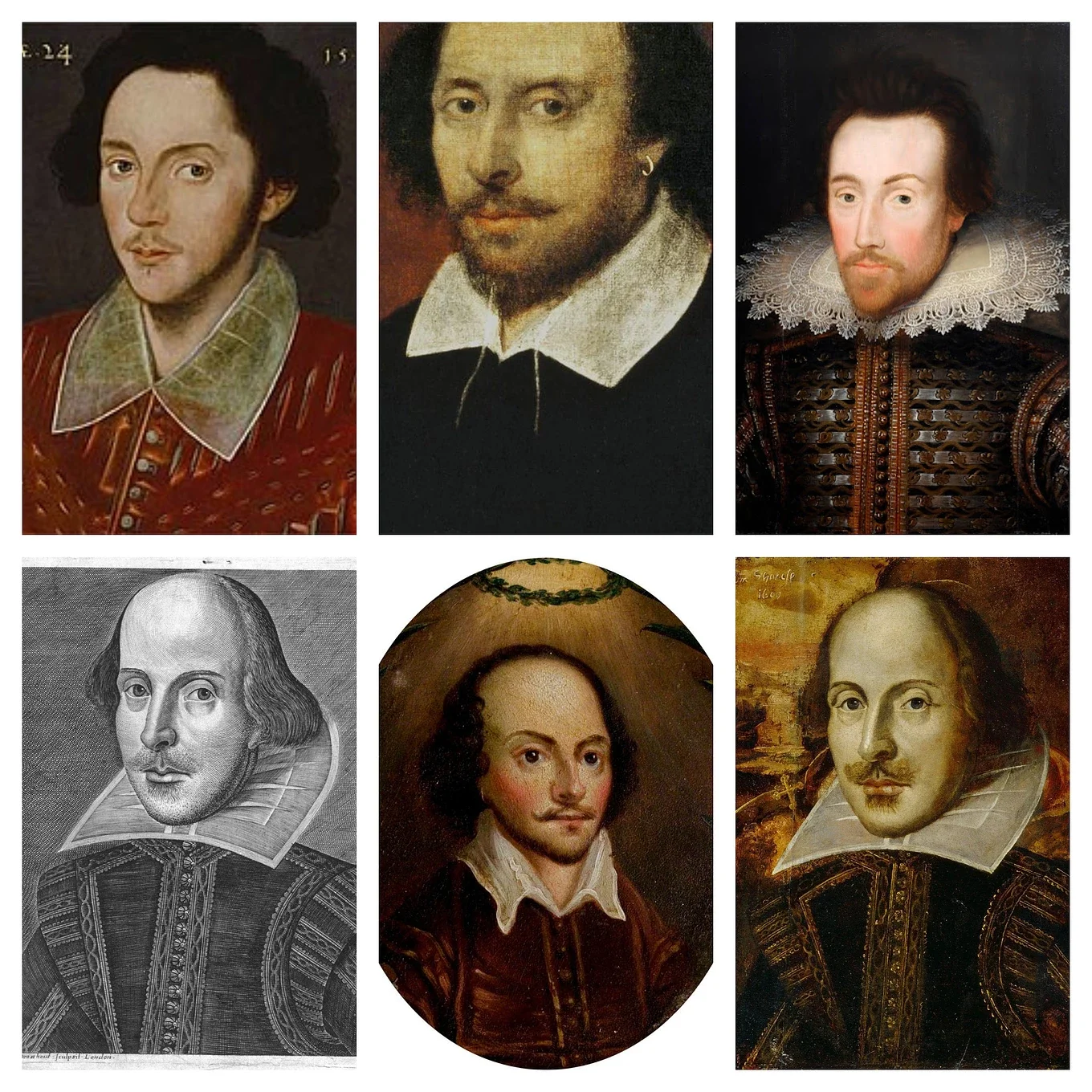
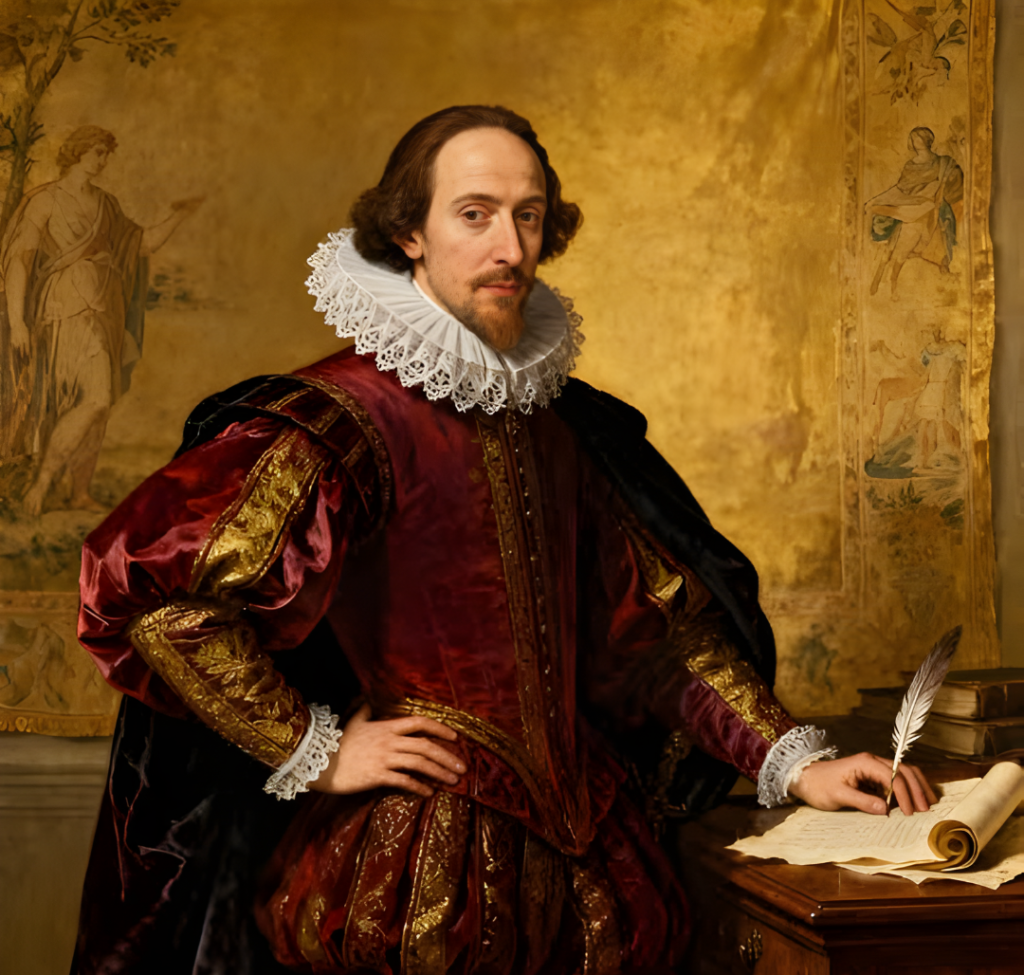
Another mystery tied to Shakespeare is something much simpler: what he actually looked like. The images we associate with him today were created after his death, and there’s no confirmed portrait made during his lifetime. While they give us an idea of his appearance, it’s entirely possible that the face we recognize isn’t completely accurate.
In the end, Shakespeare remains as much a mystery as he is a legend. Despite his lasting impact on language, theatre, and storytelling, so many details of his life are still uncertain. Perhaps that’s part of what makes him so fascinating, the idea that even after more than 400 years, there is still more to discover about the Bard.

Millie Ramm
Millie has been writing since she was a child, and has spent more time with her nose in books than anywhere else. She has been ghostwriting novels and editing for the past few years, and when not working she is curled up with her cats, looking for her next read.