
Why are people returning to books, DVDs, and film? Discover the surprising reasons behind the comeback of physical media.
Belle might have been trapped in the Beast’s castle, but the moment she stepped into the library he built for her, it was as if she finally felt understood. Rows of old bookshelves, filled with all the tales and counts and novels she could possibly imagine. Pages she could feel between her fingertips, stories to get lost in. It was a grand profession of adoration and respect, a gesture that could only be made from love.
French author Jeanne-Marie Le Prince de Beaumont created the most well-known version of La Belle et la Bête in 1756, but the library scene evoked here was shown in Disney’s 1991 animated adaptation, Beauty and the Beast. Many of us can resonate with Belle, her love for reading and literature, no matter what anyone else in her little town thought. How wonderful, then, how dreamy, to have a library made just for you, stories that you know are waiting just for you to read them.
The Decline of Physical Spaces
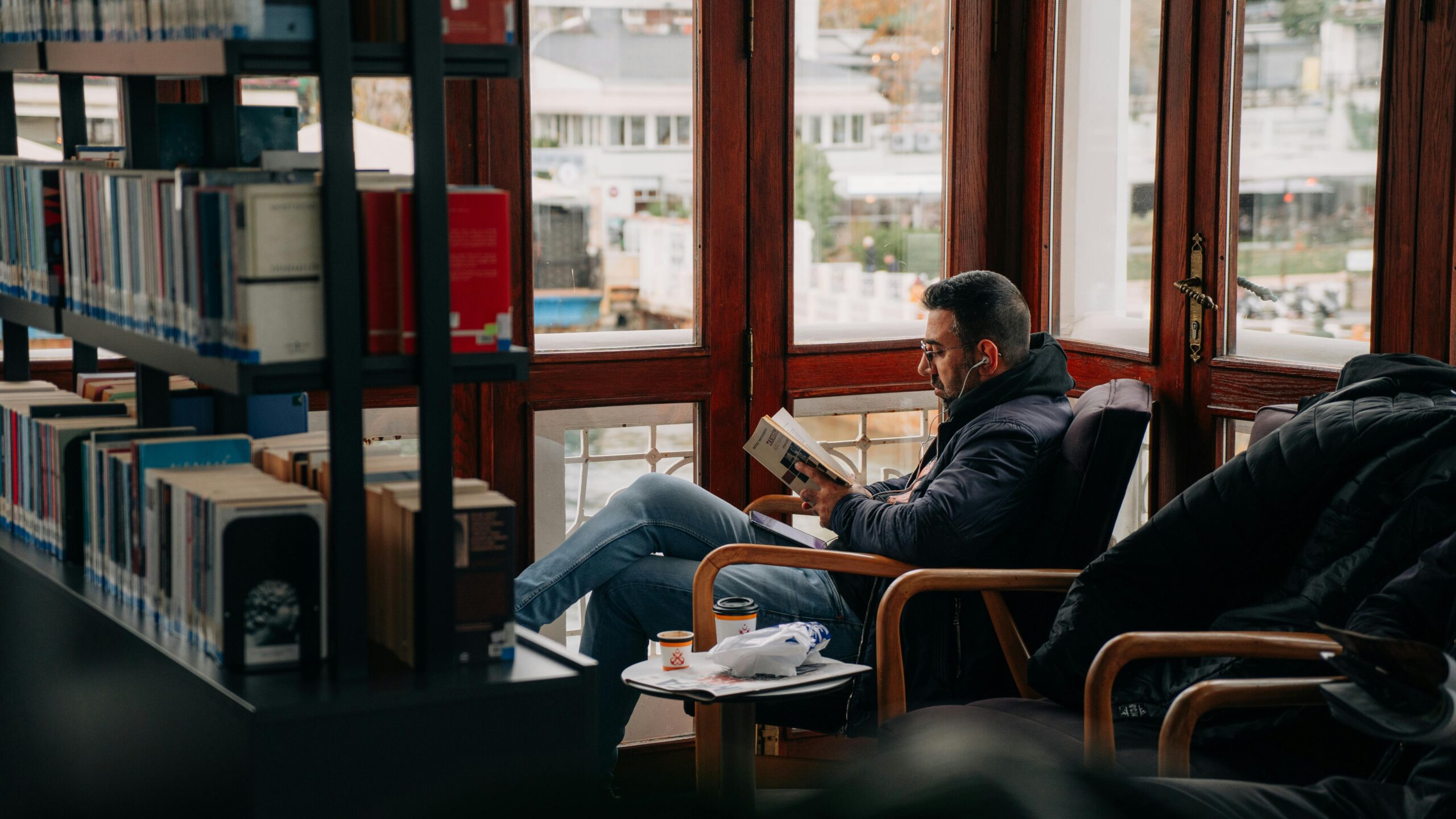
It is a childhood memory for many of us – our first bookstore, the thrill of knowing there was a seemingly endless list of possibilities (for when we were children, it really did feel endless). Whilst, thankfully, libraries still and always will exist, our world today is more and more void of physical spaces like these. Our books are often bought online, our music streamed like our movies, our lives shifting onto an unknown, online sphere.
Unread Books, Infinite Possibility
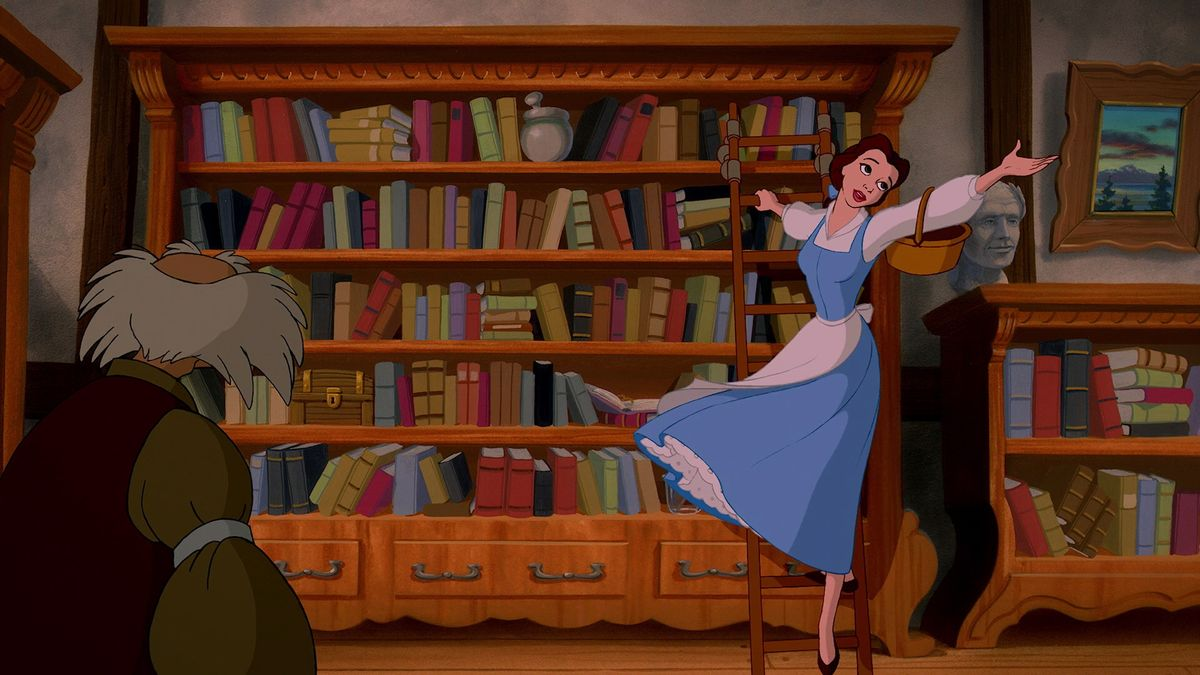
Belle, you could say, was practising a little bit of tsundoku, the Japanese art of collecting books you haven’t gotten around to reading. Most readers are guilty of it, but can we be blamed? There is nothing quite like the feeling of reading a blurb, seeing a cover, or even the name of an author, and ensuring that book comes home with you.
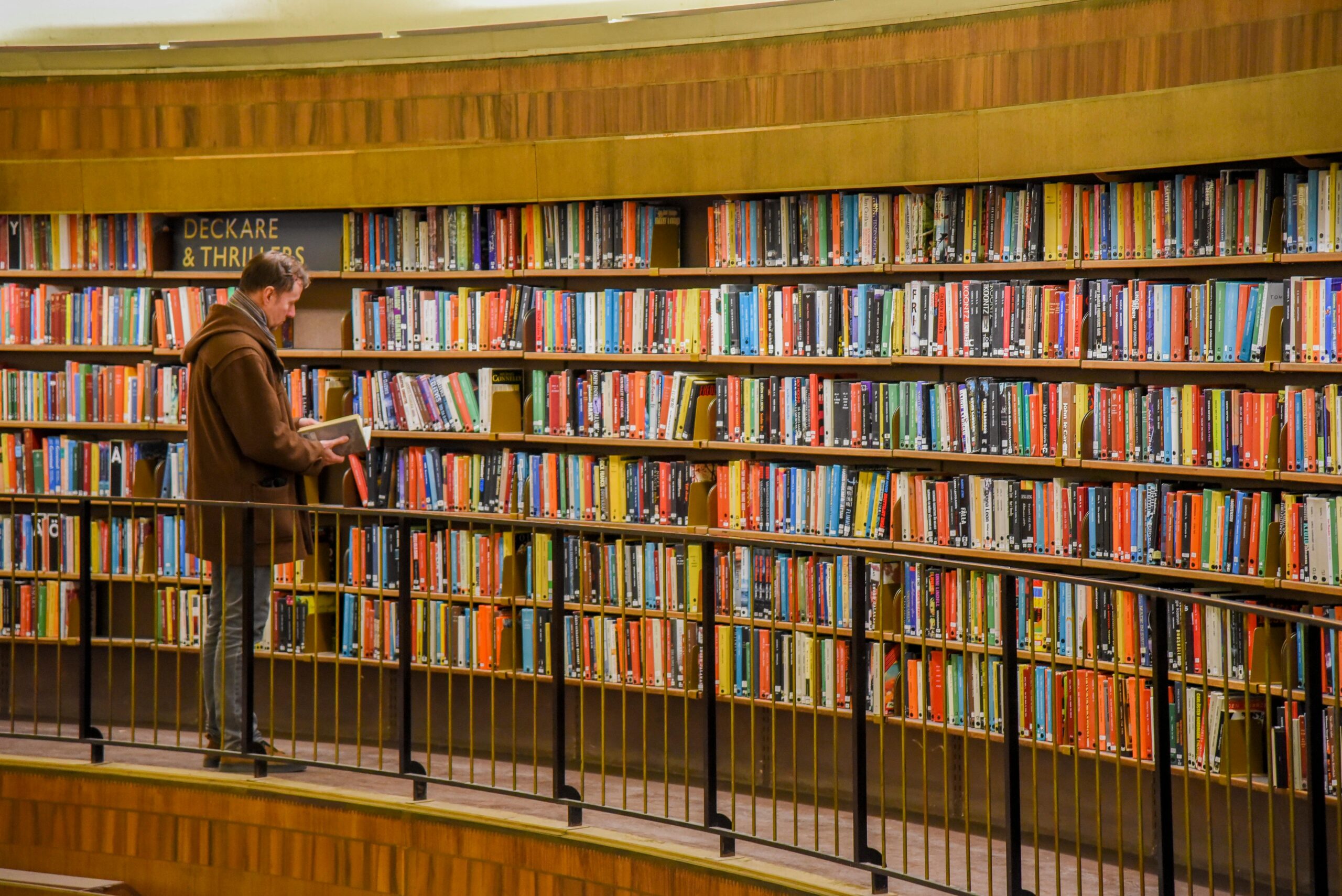
Walking to a second-hand book shop and finding a well-loved copy of a classic novel with the pages peeling, or being gifted a book that perfectly reflects how you feel at that very time in your life. Feelings that require physicality, feelings that cannot be downloaded or streamed or virtually manufactured.
Tsundoku can be broken down into tsun, meaning ‘to pile up,’ and doku (derived from dokusho), meaning ‘reading’ in English. Simply, it refers to the act of buying or collecting books that end up piling up, similar to that never-ending ‘to-read’ pile that sits patiently on your bookshelf.
Unlike other addictions, tsundoku is not often perceived negatively or with a lot of stigma. Books are not regular material items; they are secret doors to knowledge, wisdom, and imagination. They allow us to escape, explore, and grow as people; they increase our wealth of knowledge.
Streaming and the Age of Excess
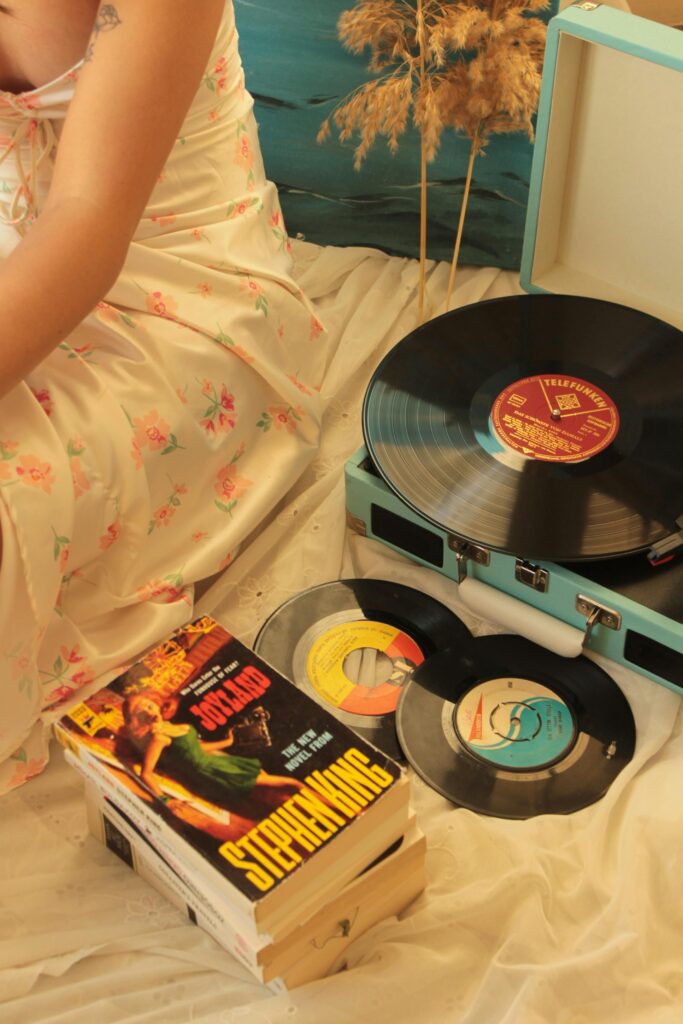
Many of us find comfort in the tactile; in the collection of things that we can call ours. The 21st century brought streaming services, art accessible at the click of a button, but it stole something too – the joy of physical media. Generations ago, the streets were lined with vinyl stores bursting with new records, hubs for people to rush upon the newest release, and along the way, even find community.
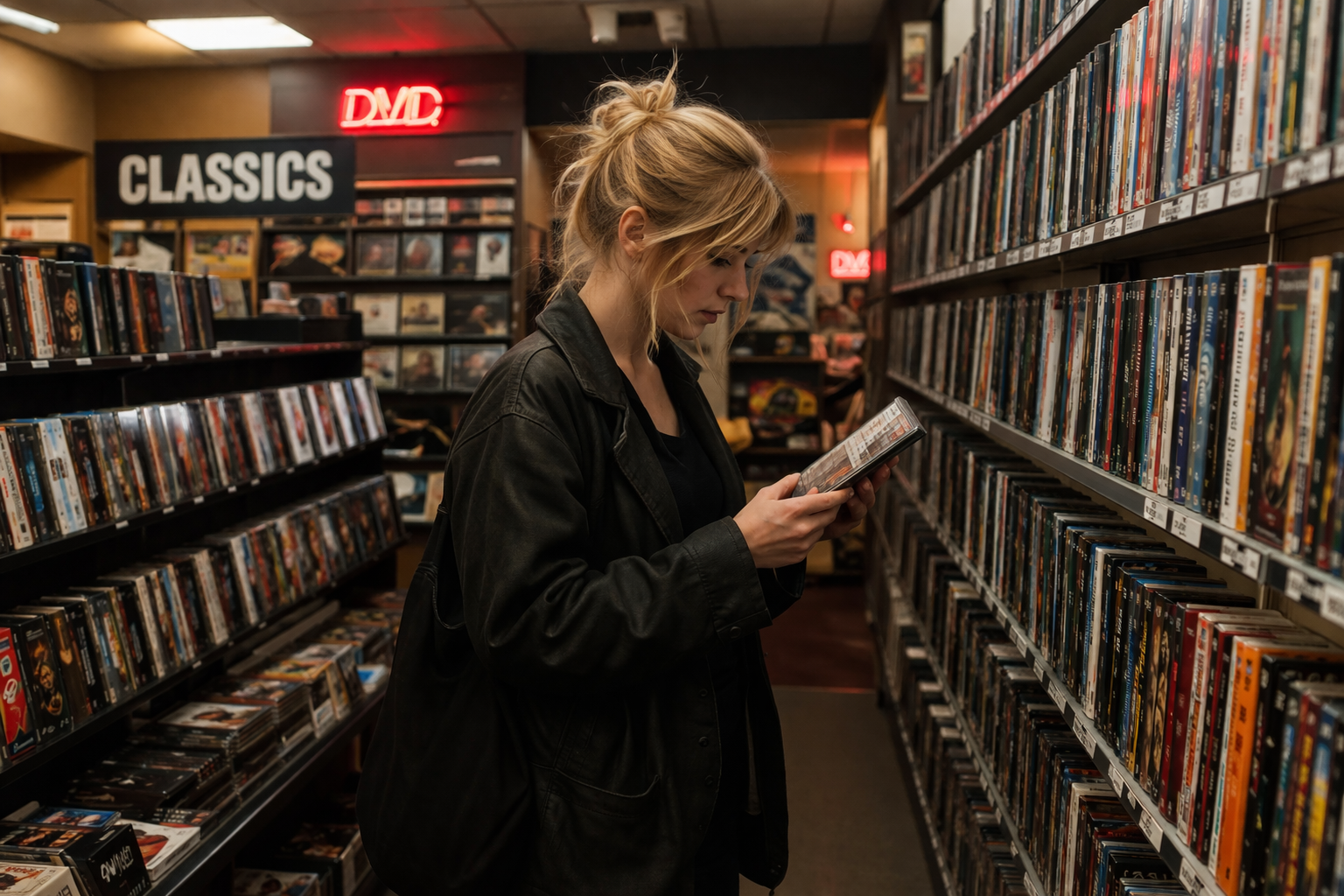
Teenagers would go to their local video stores and spend hours walking up and down the aisles, trying to pick the films they would watch that evening. Everything felt special, like an occasion that was purposeful and felt truly valuable. It wasn’t so easily accessible.
Compare this image to our modern lives. We are spoilt for choice; movies are no longer only released in cinemas, but now also straight onto big platforms, ready for watching. Of course, it can be seen as a form of progress, but at what cost?
The Analogue Resistance
You would think that the young generation is accustomed to this new way of life, but recently we have seen reports of a new trend developing. Generation Z is slowly resisting; they are yearning for physical media. Some video stores are calling it a ‘Golden Age’ of physical media, reporting higher foot traffic and video rentals than ten years ago.
The digital age is no doubt here, but it seems that the age of analogue is fiercely resisting. Humans long for physical collection, just like Belle with her library or Ariel with her underwater cavern of treasures.
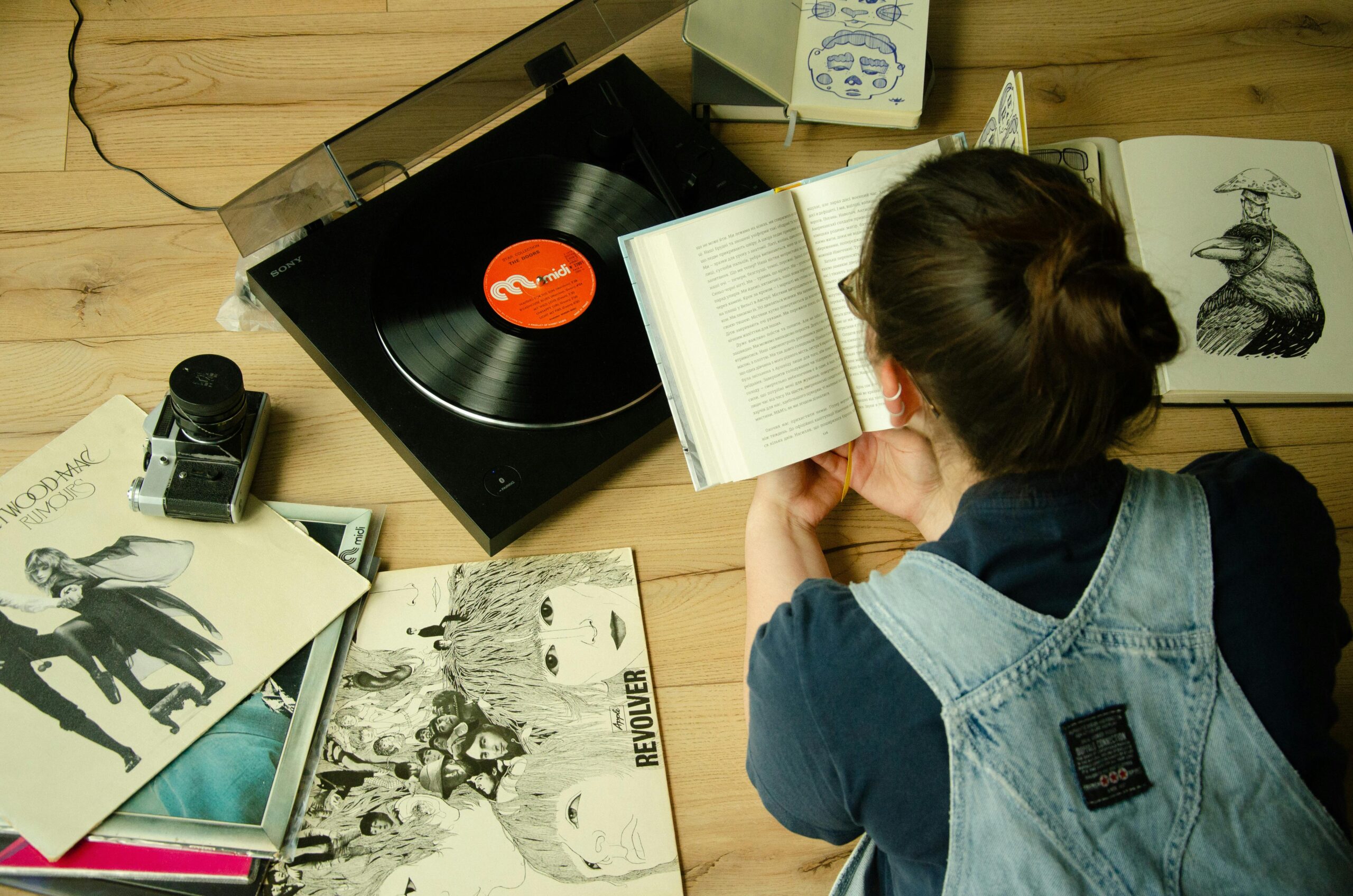
Unlike on streaming platforms, where we are likely to experience decision fatigue, physical media like discs, CDs, vinyls, or books offer us a sense of permanency. They do not overwhelm us with choice or leave us wondering if they will still be available tomorrow. In a world so contaminated with ephemerality, with quick-passing moments, our brains are hungry for a sense of longevity. For things that last.
What We Choose to Keep
Take books, for example. There’s something about keeping a small collection of books with you your whole life. Perhaps the first book you loved, the one you read one hundred times in childhood, the first novel that guided your own life and dreams. The type of books you may read once every few years, just to see how much has changed, how much you have grown from the person you are.
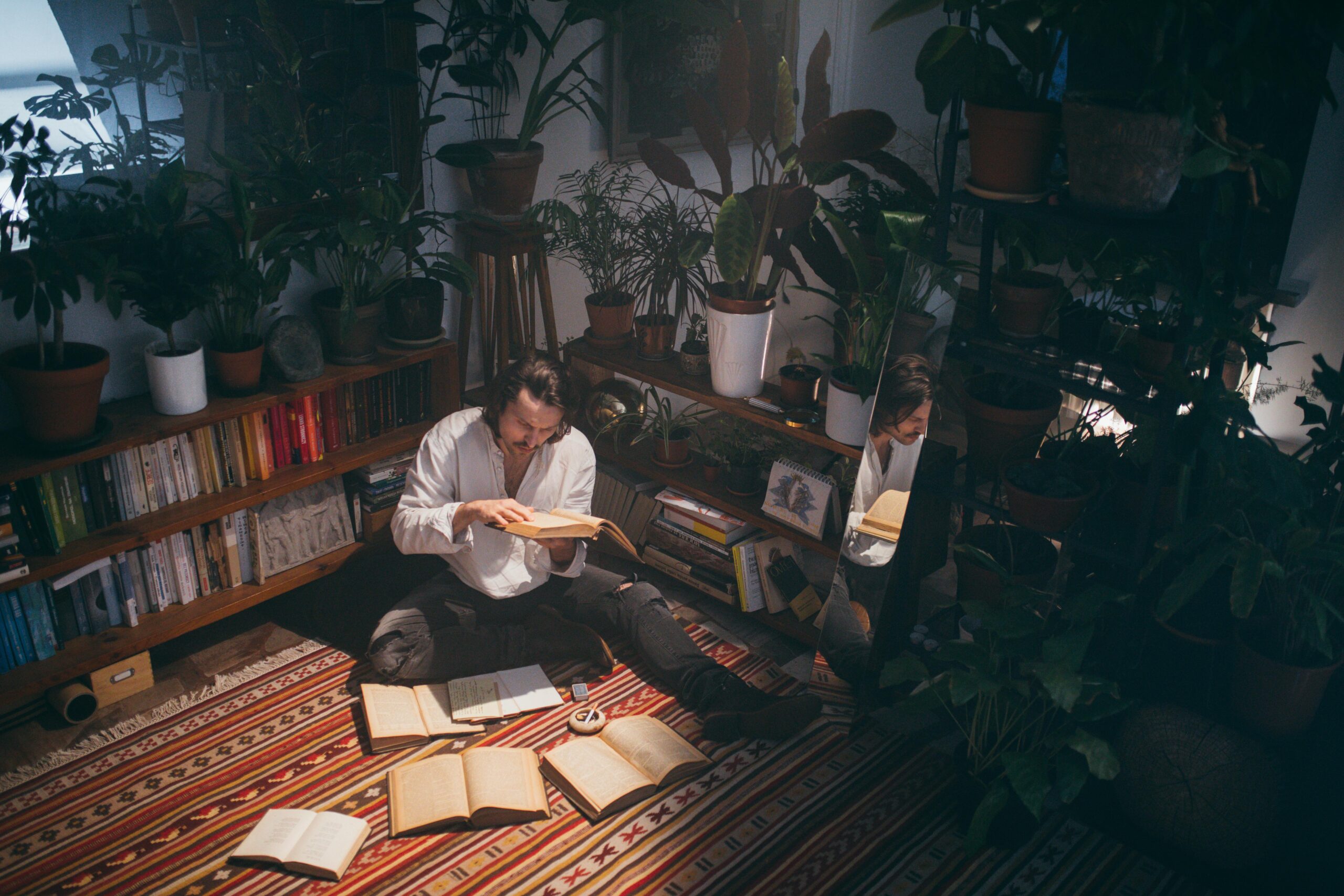
I try to be mindful of the things I collect, the material objects I keep in my own space, but I, too, am prone to a little tsundoku. Knowing that, by my bedside, I have an untapped stack of knowledge, stories, and wisdom, keeps my heart alight and humming.
The digital world might whisper that the version of yourself online is the most important of all, but we are still able to resist. Put the screen down, turn the phone off, disappear from that online sphere, and return to reality – the only one that really matters.

Vincent Minatozaki
Vincent is the founder and Editor-in-Chief of 1000 Libraries Magazine. He is a Paris-born ex-corporate turned bookseller and philosopher, on a global mission to spread the joy of physical books in our age of digital technology.