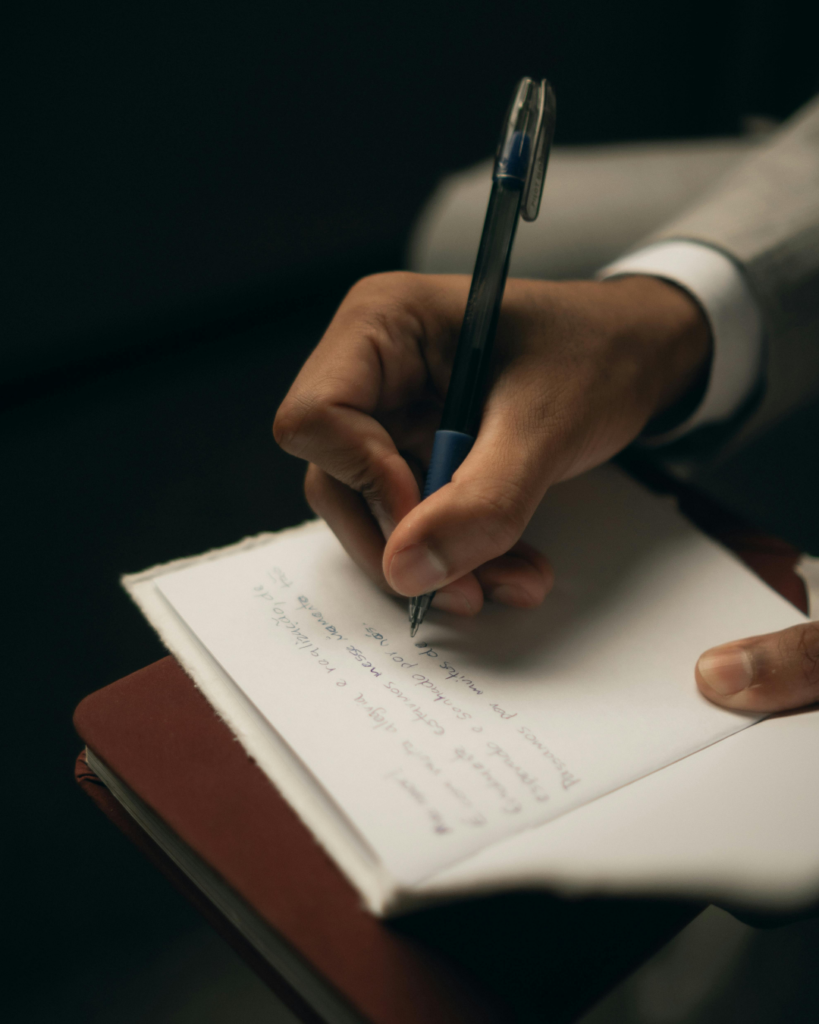

Discover why writing by hand makes the brain work harder, remember more, and process information deeper than typing on any keyboard.
Dear Juliet,
I’m writing to you, in this beautiful city of Verona, to tell you of my own tale of love. Everyone has heard the story of you and Romeo and fallen quite in love with it, although in truthfulness we hope our own affairs have gentler endings. I am here, putting pen to paper, because some tales deserve effort. And because, even if I don’t admit it to myself, writing down such details makes them all the more real.
For the lovers and romantics out there, a letter like this might ring familiar. In the city of Verona, Italy – the backdrop for Shakespeare’s Romeo and Juliet – there exist those who still believe in the power of handwritten letters.
The ‘Secretaries of Juliet’ are the guardians of love letters, and they have been since 1972. In the 1930s, Ettore Solimani, the guardian of Juliet’s Tomb, noticed he was receiving letters addressed to Juliet. These powerful letters of love touched Solimani in such a way that he never left one unread. They moved him so much that he began to reply to each notelet of love, and thus he became the original ‘Juliet’s secretary.’
Why Handwriting Feels Human
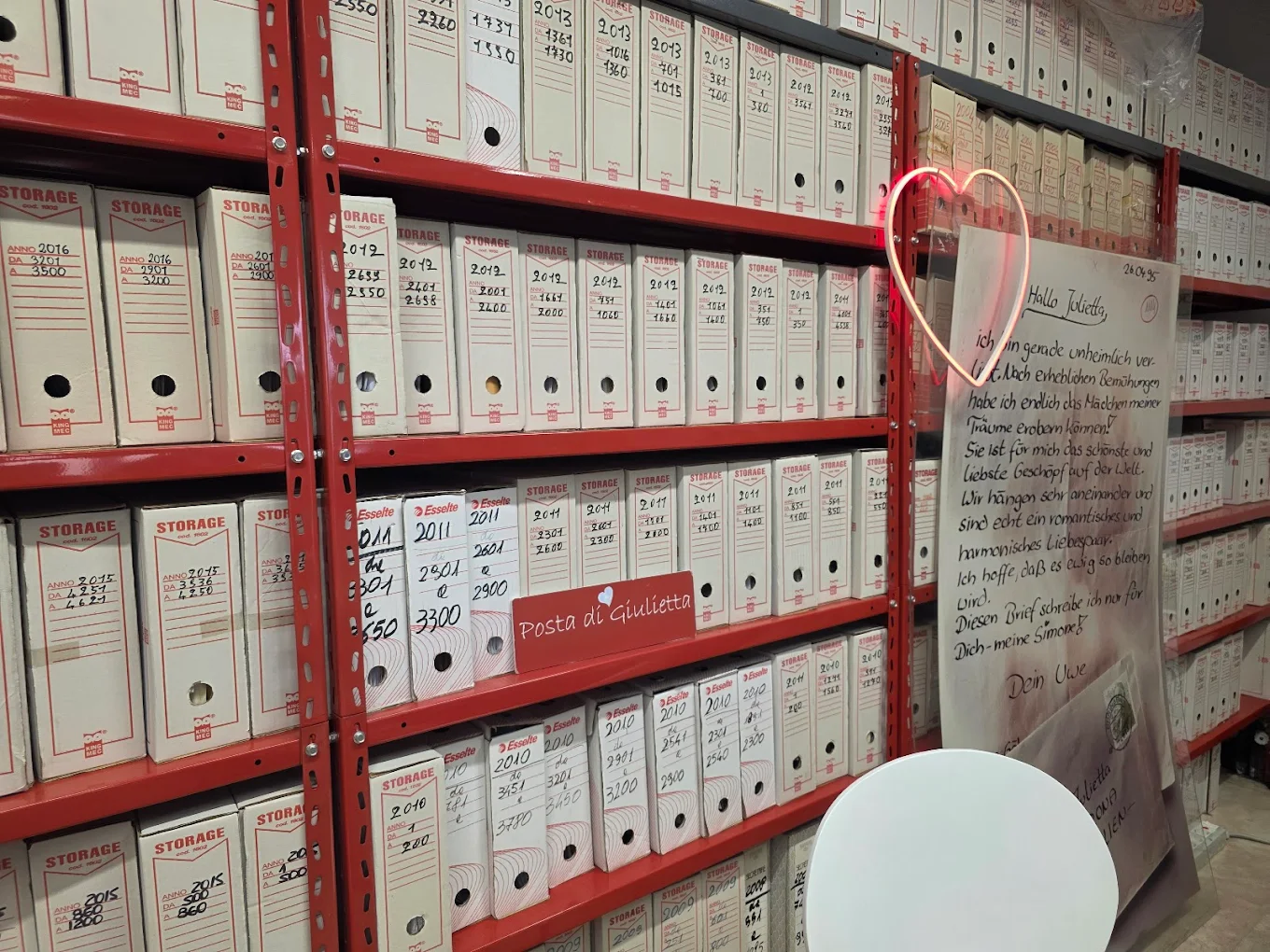
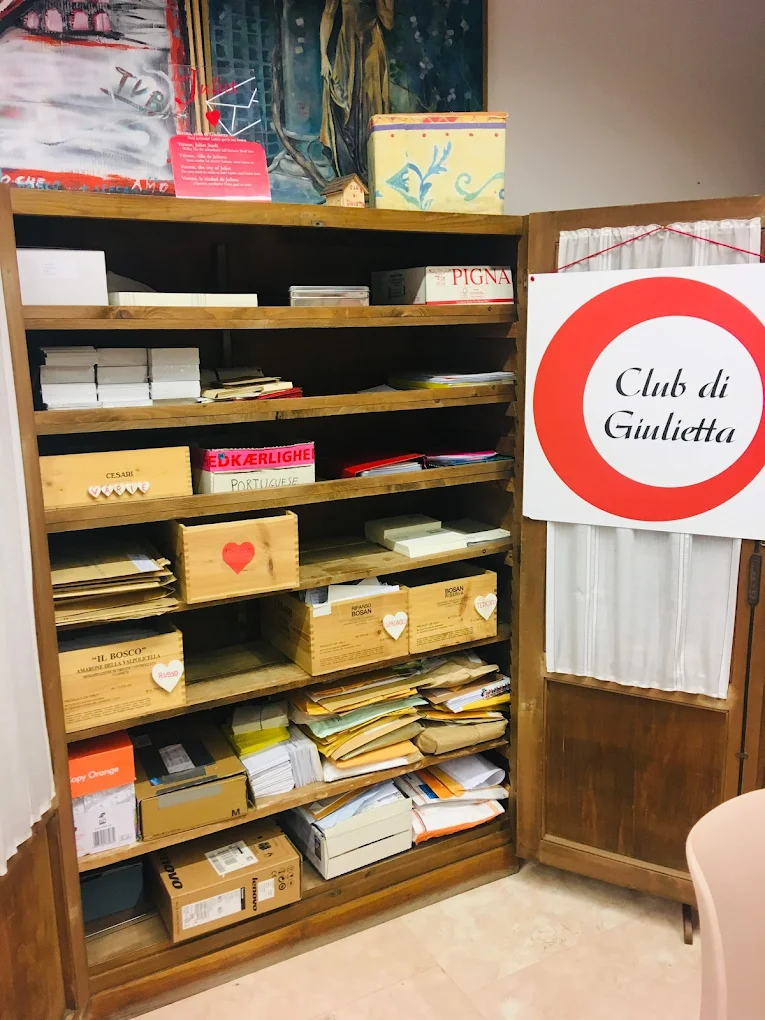
Each year, the ‘Juliet Club’, a club made up of many such secretaries of Juliet, receives tens of thousands of letters. All of them are simply addressed to ‘Juliet, Verona’, and each one of them ends up read, translated, and responded to. People from all cultures, who speak all languages, have poured their hearts out and into their ink, all to be read by a stranger, often on the other side of the world.
These letters contain something rarely seen in our digital age – a sense of vulnerability and raw imperfection. Unlike a laptop or computer, handwritten notes or letters cannot be easily erased or started again. You have to carefully consider the things you want to say and accept that they might not be what we consider ‘perfect’. Humans, or any non-robotic entity, have flaws.
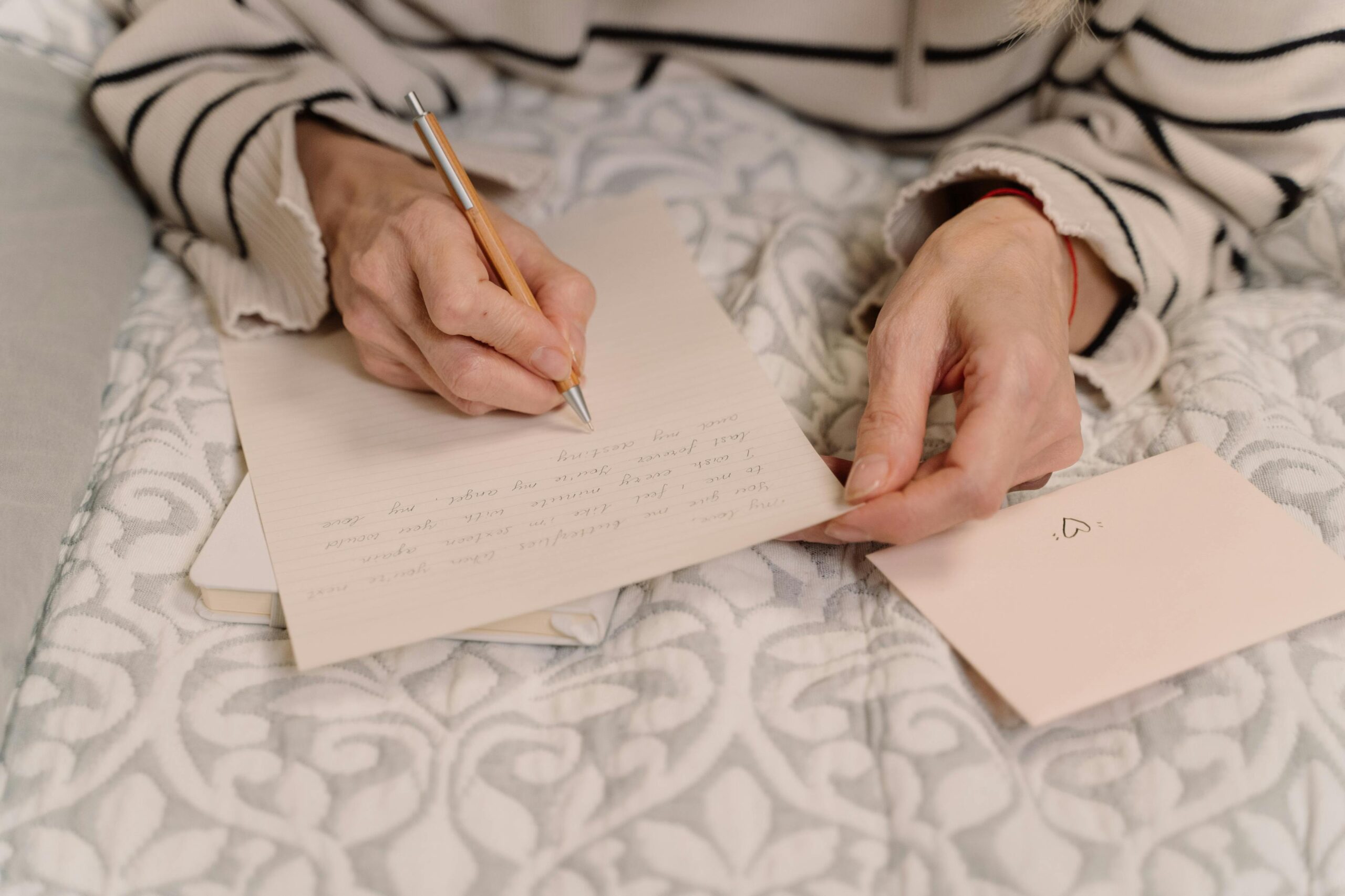
We put our own human fingerprint into everything we do, mostly without realising it. Yet this only adds to the beauty. Anyone can create and read AI-generated articles or stories, but most of us are (thankfully) more drawn to things crafted by human beings, imperfections and all.
Why the Brain Prefers Pen and Paper
The beauty of the handwritten extends past just the human fingerprint. Beyond literary appeal, handwriting is often better for our brains. Despite most of our lives – professional, academic, and personal – moving onto screens, one cannot deny the scientific evidence that suggests a return to the era of analogue.
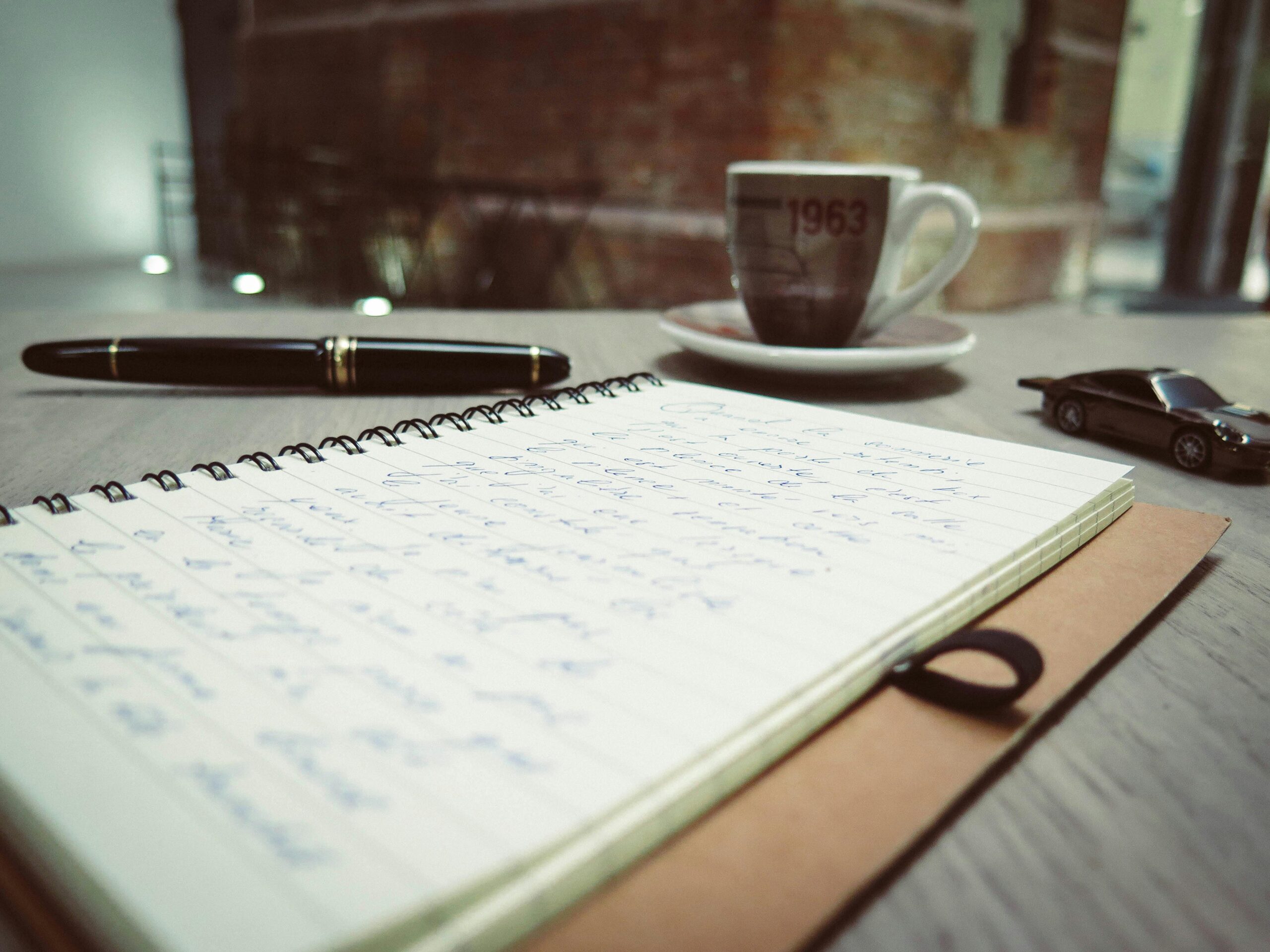
Typing takes mere seconds, but handwriting takes much longer. Some may see this as an inconvenience, time wasted, but neuroscience argues that this added time embeds the information into our brains. Writing out each word in pencil or ink doesn’t just look better but slows our minds down enough to consider what we are writing.
We think about the ideas, the information, and the meanings contained within them. Such an activity engages our motor, visual, and language skills, and aids us in truly understanding and memorising the content of our writing.
What Neuroscience Says About Writing by Hand
Schoolchildren who grew up having to physically write all of their notes and assignments might have complained about such labour, but perhaps they were able to better retain the information they wrote. In fact, if we were to look at the scientific literature, we could say they definitely retained this information better. Audrey van der Meer, professor of neuropsychology at NTNU, found that students of this generation were often ‘typing without thinking’. Hearing the words and repeating them on their screens, with little interaction with their content. Prioritising swiftness rather than subject matter.

To further test this hypothesis, researchers set up a test that examined the brain activity of a group of students as they were writing. The first time they ran the test, students wrote by hand; the second time, they typed. The difference was astounding. Handwriting lit up brains like a summer carnival, whilst typing produced minimal activity. Unlike a key on a keyboard, a person writing feels the difference between each letter. There is a bodily experience for each new word or phrase. Experiences like these help inform the brain of a person’s next action and give them the necessary information on how best to act in their environment.

So, whilst critics might complain that writing is ‘outdated’, can we really call it ‘progress’ if it achieves worse results? The digital age has brought many undeniable benefits – but that was never in contention. Now we should perhaps question how much digitalisation is too much and allow the simple pleasures of handwriting to slow down our brains.
Slowing Down in a Digital Age
I am not claiming to exist sans technologie, but I know my mind thanks me for returning to ink and paper every so often. I truly believe we are all continual learners. Graduating from school does not mean graduating from life – and being the best, most empathetic versions of ourselves means being an eternal student. So, when I find a subject that I am intrigued by, I make a note to write down whatever I learn by hand. After all, often the smallest changes make the biggest difference.
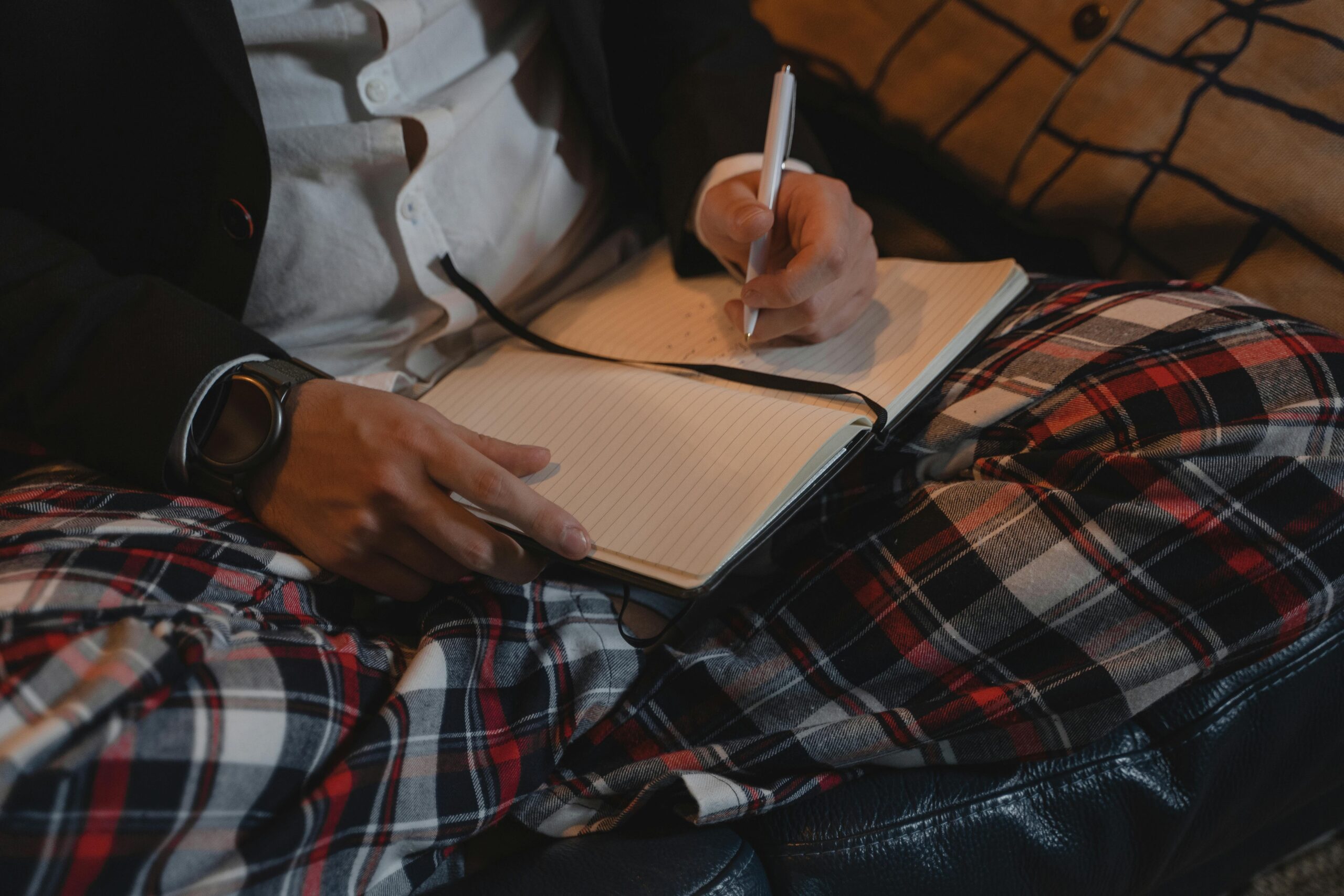
Perhaps people still write handwritten letters to Juliet because they know love deserves time. Our innermost thoughts – whether they are full of light or darkness – are those that demand to be written.


Vincent Phan
Vincent is the founder and Editor-in-Chief of 1000 Libraries Magazine. He is a Paris-born ex-corporate turned bookseller and philosopher, on a global mission to spread the joy of physical books in our age of digital technology.