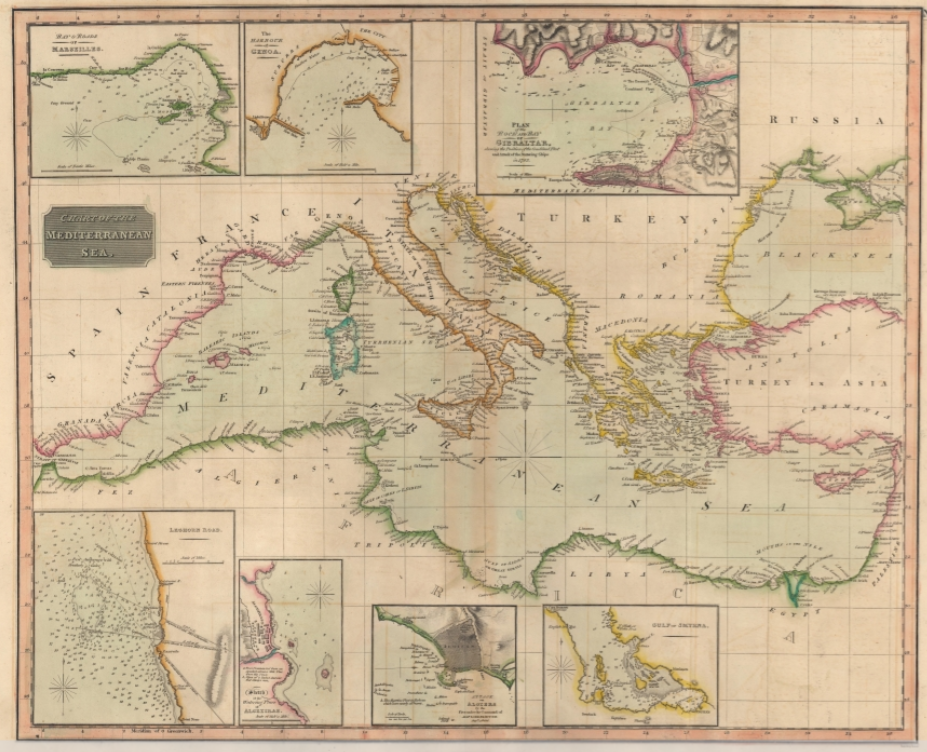

Explore the Mediterranean through the places that inspired legendary writers, from Homer and Dante to Camus and Cavafy.
The oldest journey story we have, the one every road trip novel and quest saga still secretly imitates, is about a man trying to get across the Mediterranean. Homer set the pattern nearly 3,000 years ago, and the sea has been collecting writers ever since. Virgil on the Bay of Naples. Camus in the blinding light of Algiers and Oran. A Greek clerk in Alexandria, writing after office hours, producing some of the finest poems of the twentieth century. The Mediterranean is not just a setting, but literature’s oldest recurring character: restless, generous, always promising another harbour.
This map is for the traveller who believes that standing where a great book was born is one of the most meaningful ways to see the world. It traces a long arc from Greece through Italy and France to North Africa and Egypt. The Mediterranean’s literary history begins on the island of Ithaca and ends, three millennia later, with a poem called “Ithaka,” coming full circle.
Pack a paperback. The journey begins where literature itself began.
Ithaca, Greece: Homer
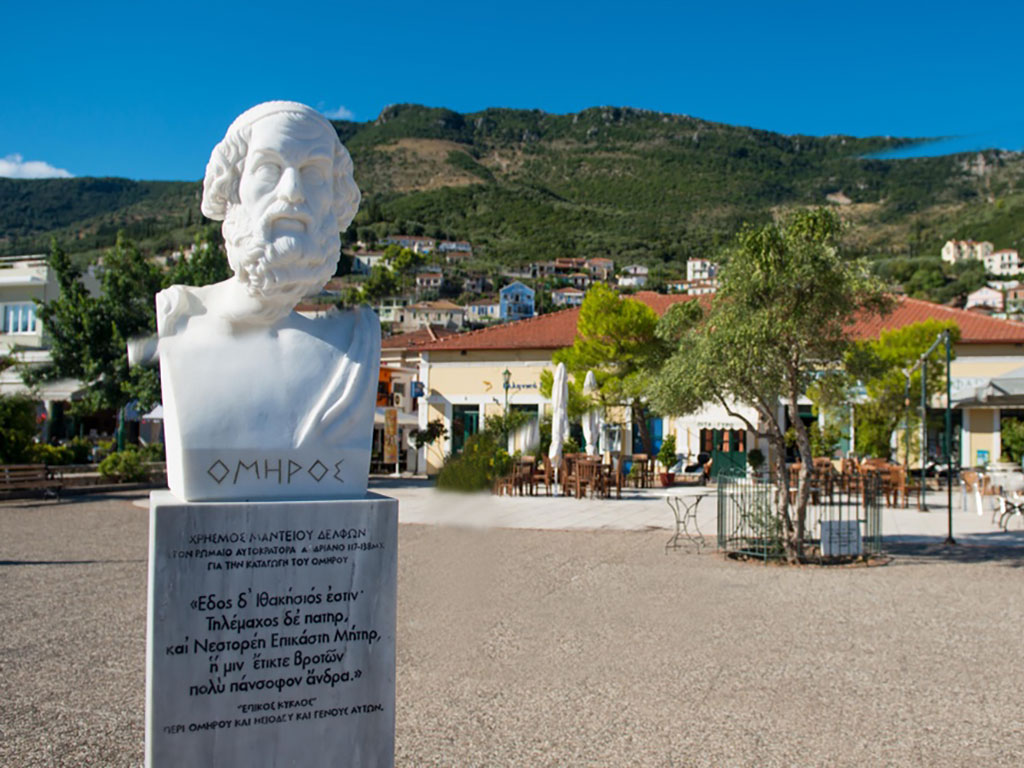
Every journey narrative ever written owes something to the Odyssey, and the Odyssey belongs to Ithaca. This small Ionian island of olive groves, quiet harbours and goat paths is usually attributed to be the home Odysseus spent twenty years trying to reach.
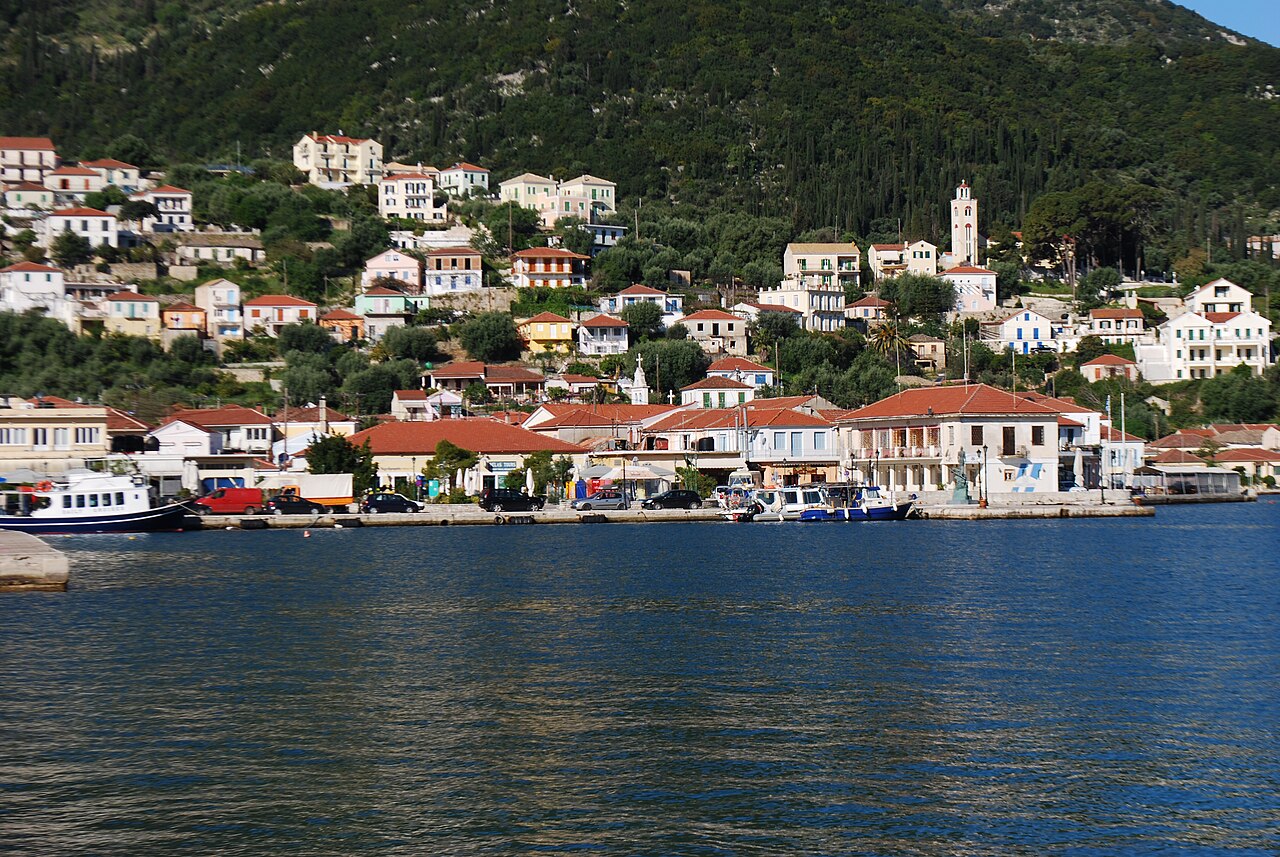
Here, you can visit the Bay of Vathy, climb Aetos’ hill to the ruins long associated with his palace, and find the Cave of the Nymphs, where the hero hid his treasure on finally coming home. Ithaca rewards the unhurried traveller; fitting, considering the island’s founding text is a twenty-year argument against the direct route.
Athens, Greece: Sophocles
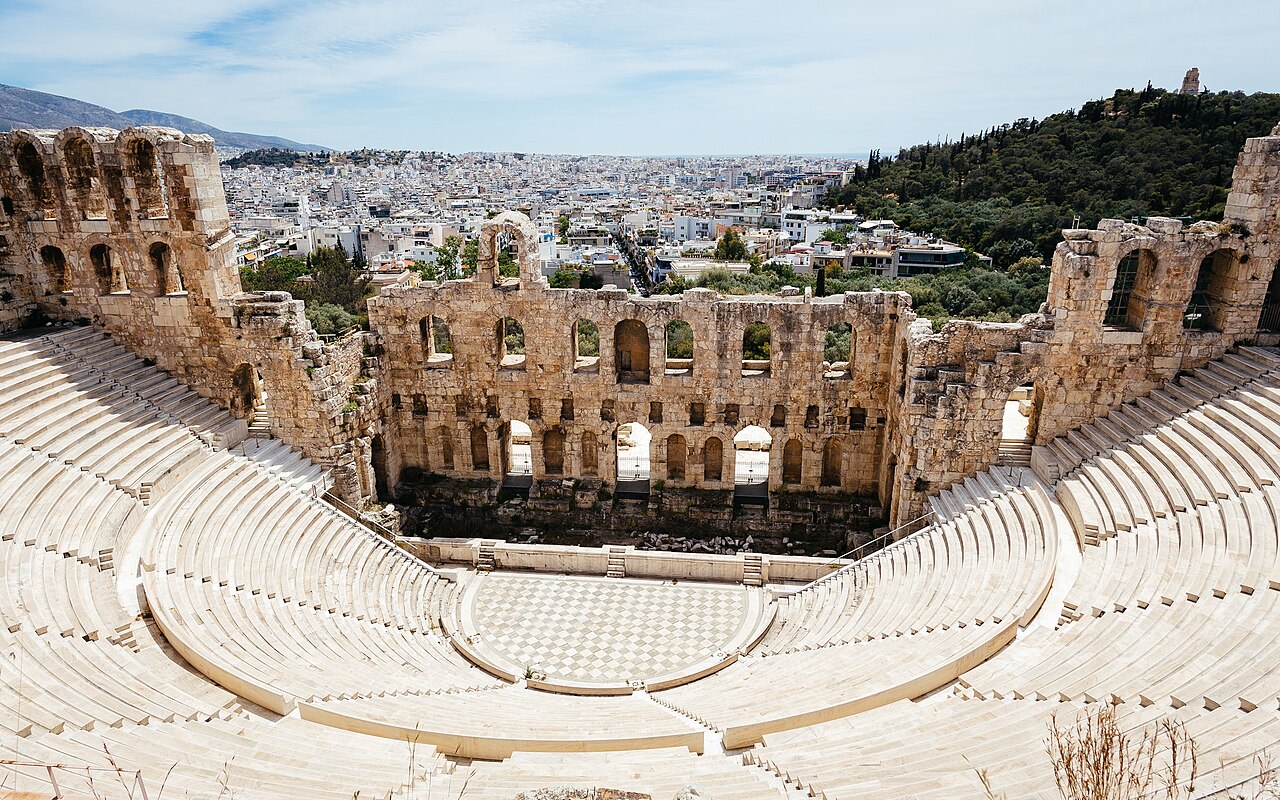
Theatre was invented here, in the open air. Sophocles, born in Colonus on the city’s edge, gave the world Oedipus Rex and Antigone, still performed on stages everywhere 25 centuries later.
Stand in the Theatre of Dionysus on the southern slope of the Acropolis, where his plays premiered, and consider what the stones have witnessed: the origin point of Western theatre, in a space smaller than most cinema foyers.
Naples, Italy: Virgil
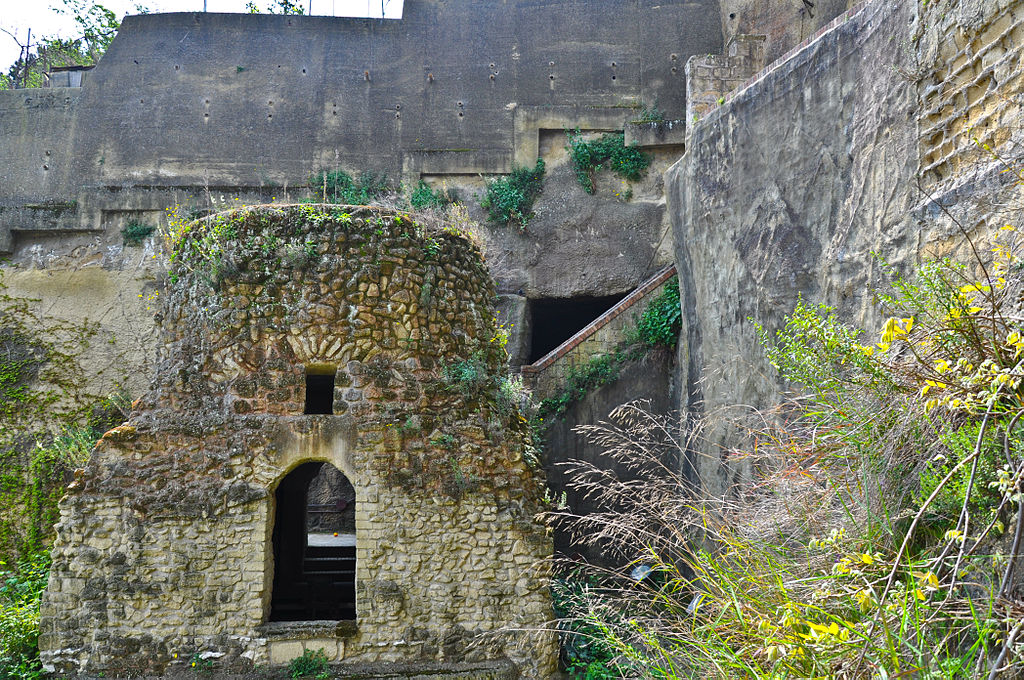
Virgil composed much of the Aeneid, the epic that gave Rome its founding myth, while traveling throughout Italy. This almost certainly included Naples, where he owned a villa and asked to be buried while on his deathbed, and the city has claimed him ever since.
Today, his tomb rests in the Parco Vergiliano in Piedigrotta, a quiet green refuge above the city’s glorious chaos. Travelers have made the climb to pay their respects for two thousand years. Few literary pilgrimages anywhere are older, and even fewer come with such a magnificent view of such a historic city.
Rome, Italy: Keats
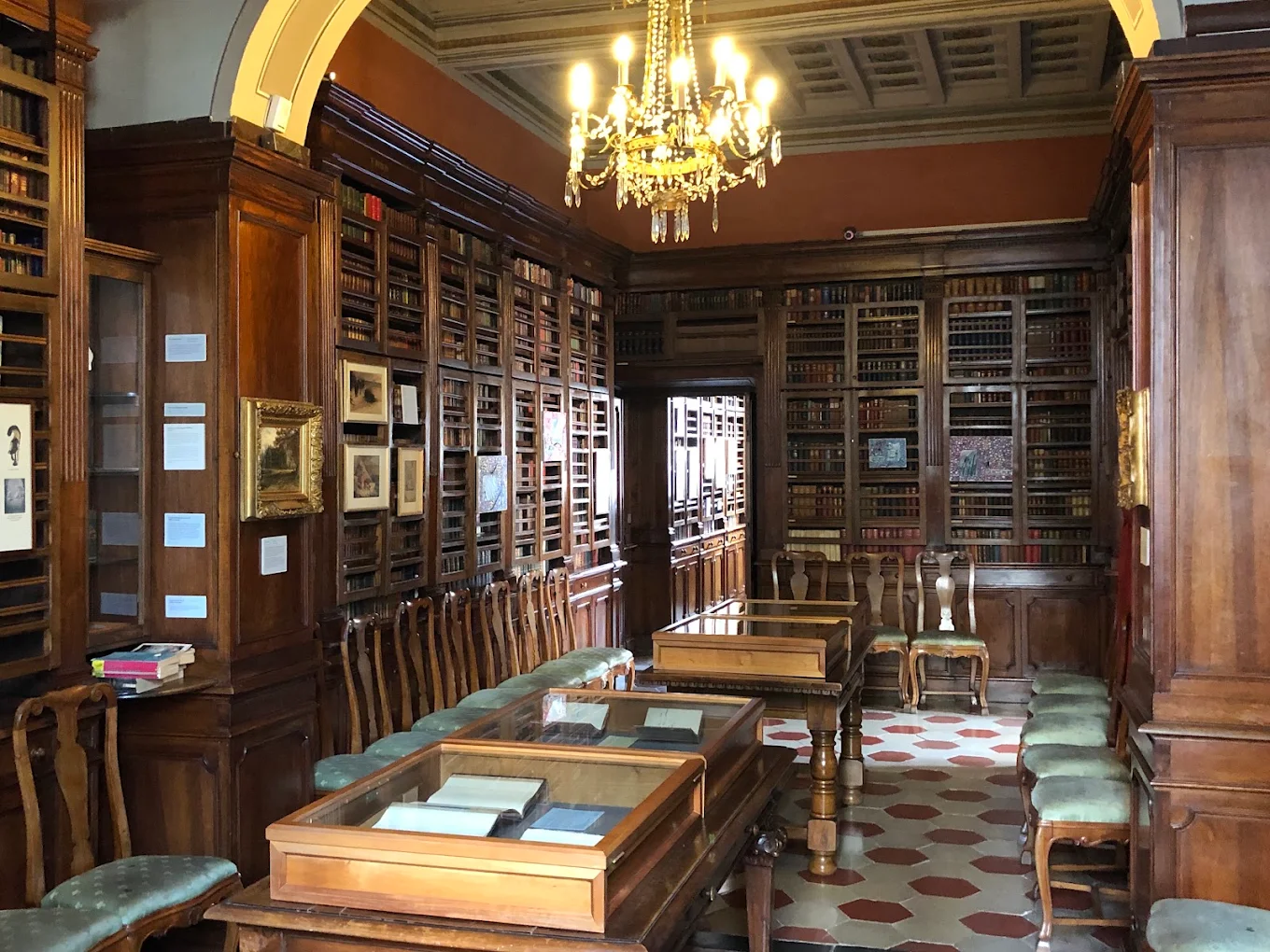
At the foot of the Spanish Steps stands the house where John Keats died of tuberculosis in February 1821, aged just 25. Today it is the Keats-Shelley House, a museum holding one of the world’s finest collections of Romantic literature, with Keats’s small bedroom preserved much as it was.
His grave in Rome’s Non-Catholic Cemetery bears the epitaph he chose himself, about a name “writ in water.” He believed his impact on the world was meaningless. The pilgrims who arrive daily, two centuries on, beg to differ.
Florence, Italy: Dante
No writer and city are more inseparable, or more bitterly divorced. The Divine Comedy is dense with Florentine streets, feuds and faces, a city transfigured into the architecture of the afterlife by a poet the city itself had exiled.
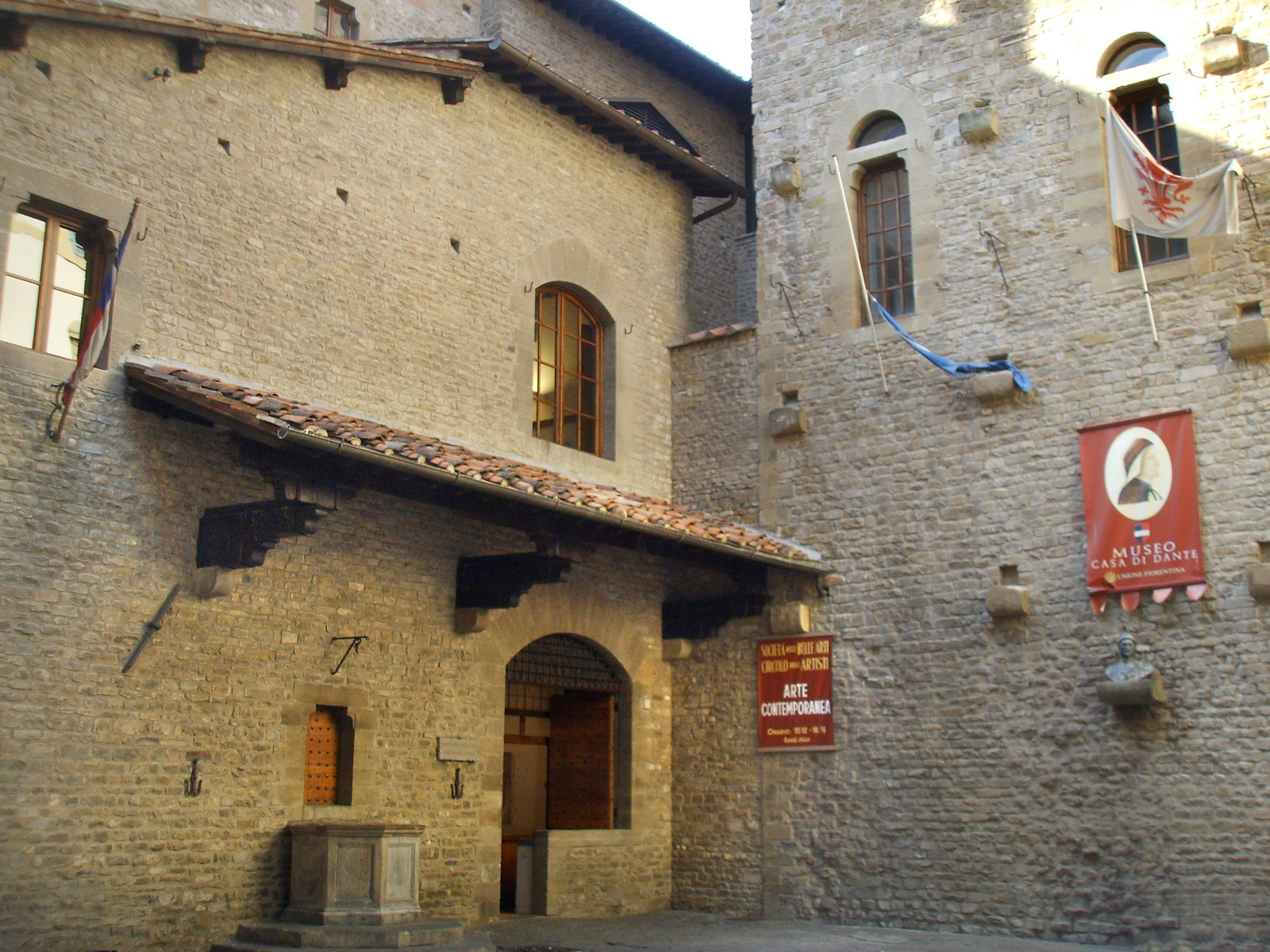
Visit the Casa di Dante near Via Santa Margherita, step into the small church where he is said to have first seen Beatrice, and pause at his grand cenotaph in Santa Croce. It is a monument built by a city still asking forgiveness of its greatest son. His bones remain in Ravenna, which has so far declined to give them back.
Tuscany, Italy: Boccaccio
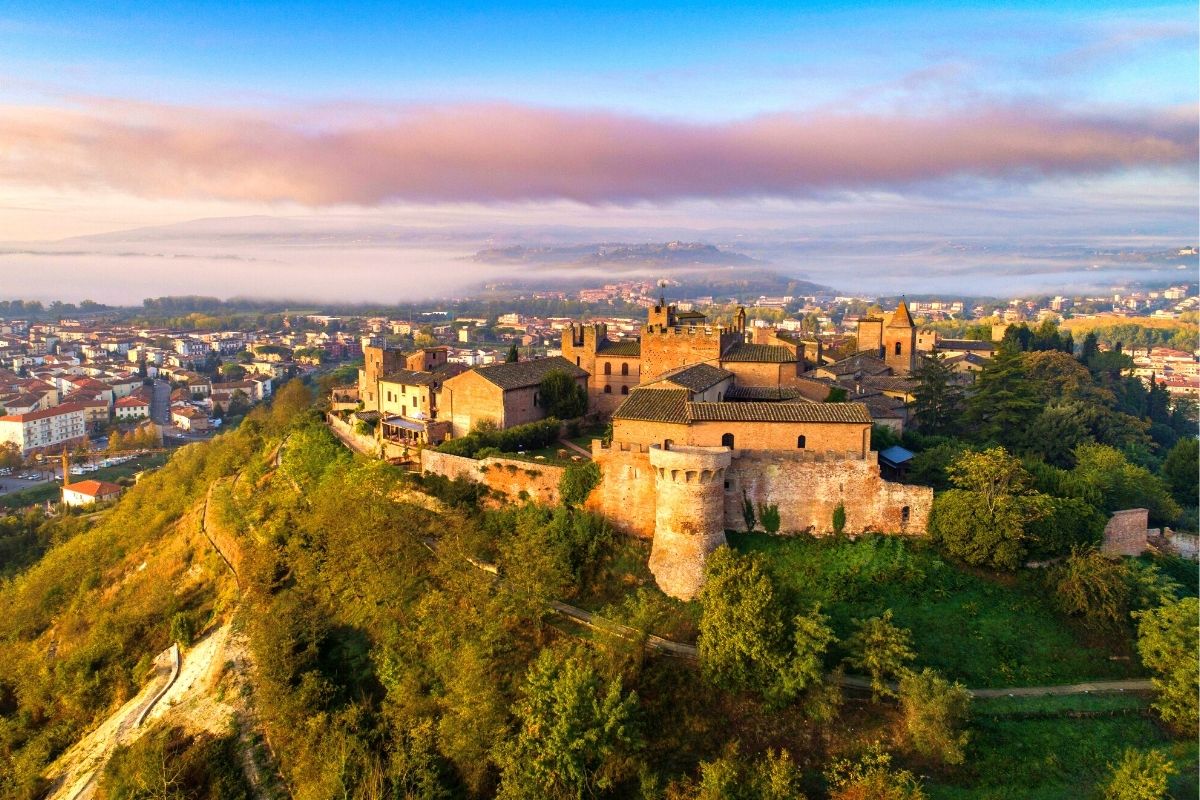
When plague struck Florence in 1348, Boccaccio imagined 10 young storytellers escaping to the Tuscan hills, passing the days by telling one hundred tales. The Decameron helped invent modern prose fiction, and its landscape is still entirely there: cypress-lined roads, honey-coloured farmhouses, and the hill town of Certaldo, where Boccaccio spent his final years and now rests. His premise has aged into plain fact: a slower life in beautiful country really does make room for better stories.
Sicily, Italy: Goethe
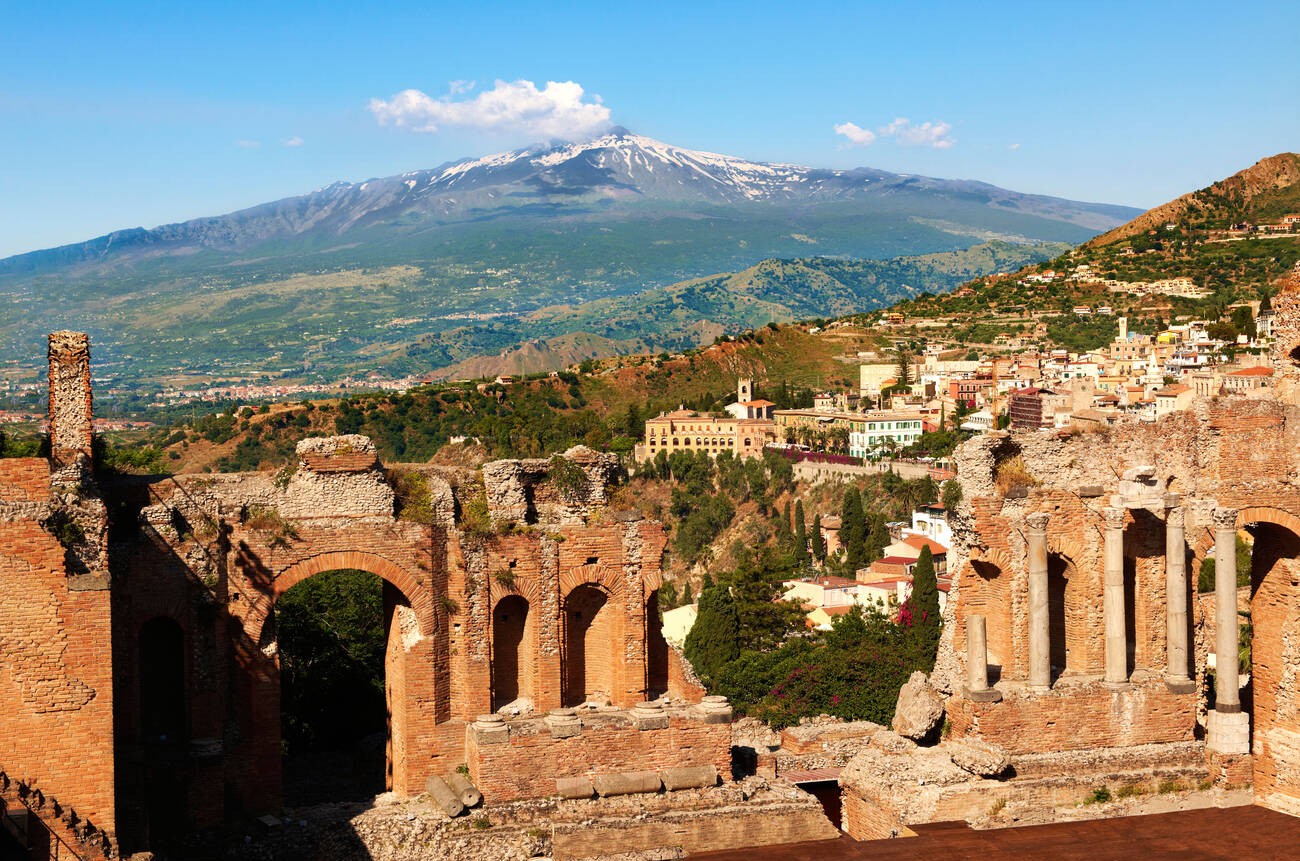
When Goethe toured Italy in the 1780s, Sicily struck him as the key to everything, the place where Europe, Africa, and antiquity meet. His Italian Journey lingers over the Valley of the Temples at Agrigento and the Greek Theatre at Taormina, Mount Etna smoking on the horizon. Follow his route today, and his conclusion may well become yours: Sicily was never the detour. It was always the destination.
Corfu, Greece: Gerald Durrell
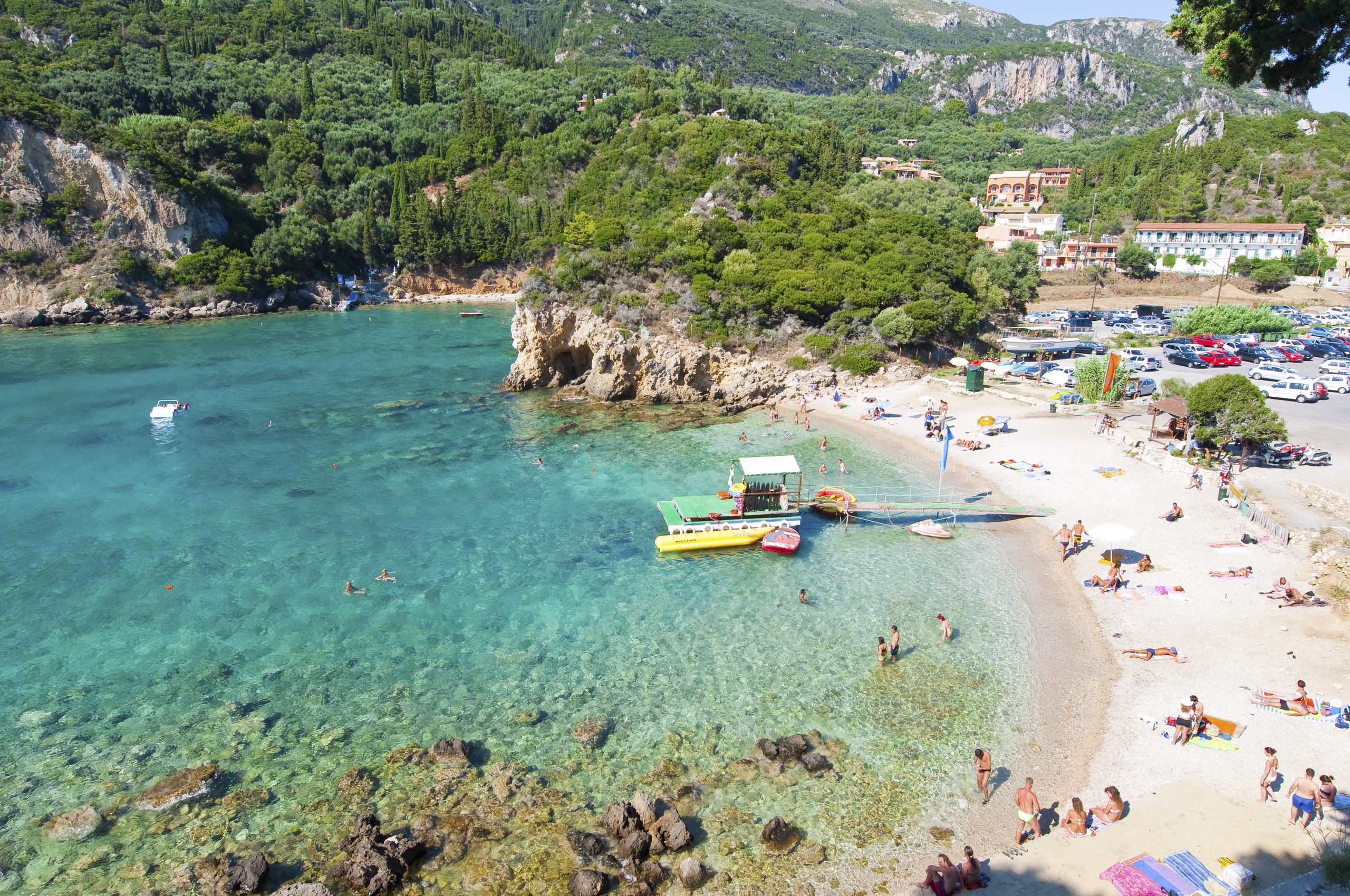
Few books radiate more pure joy than My Family and Other Animals, British naturalist Gerald Durrell’s memoir of a 1930s childhood spent chasing insects, tortoises and sunlight across Corfu. The island’s olive groves and turquoise bays remain gloriously recognisable.
Corfu is the lighthearted chapter of this map, and a useful reminder: wonder, curiosity and close attention to the natural world are themselves a kind of poetry. Durrell just immortalized his as prose.
Crete, Greece: Kazantzakis
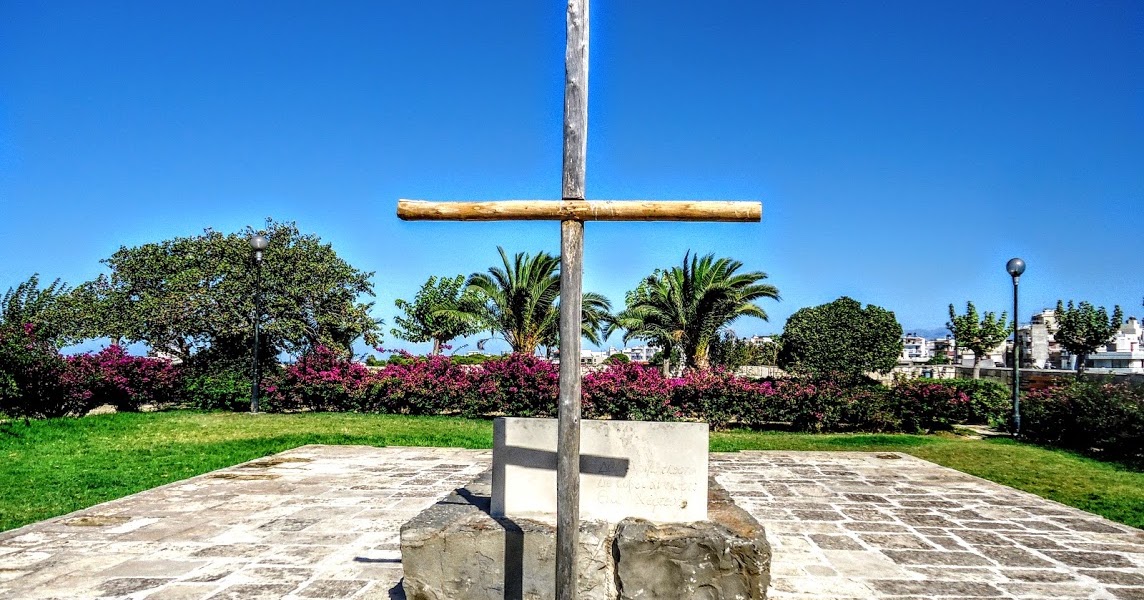
Nikos Kazantzakis, author of Zorba the Greek and The Last Temptation of Christ, was born in Heraklion and buried there in 1957 on the Martinengo Bastion of the old Venetian walls, after the Orthodox Church refused him a cemetery plot. His self-chosen epitaph reads: “I hope for nothing. I fear nothing. I am free.”
For maximum impact, visit at sunset, when the whole city softens below the grave, then drive out to the Nikos Kazantzakis Museum in the village of Myrtia. The Church kept him out of the cemetery, but his final resting place has a much better view.
Avignon, France: Petrarch
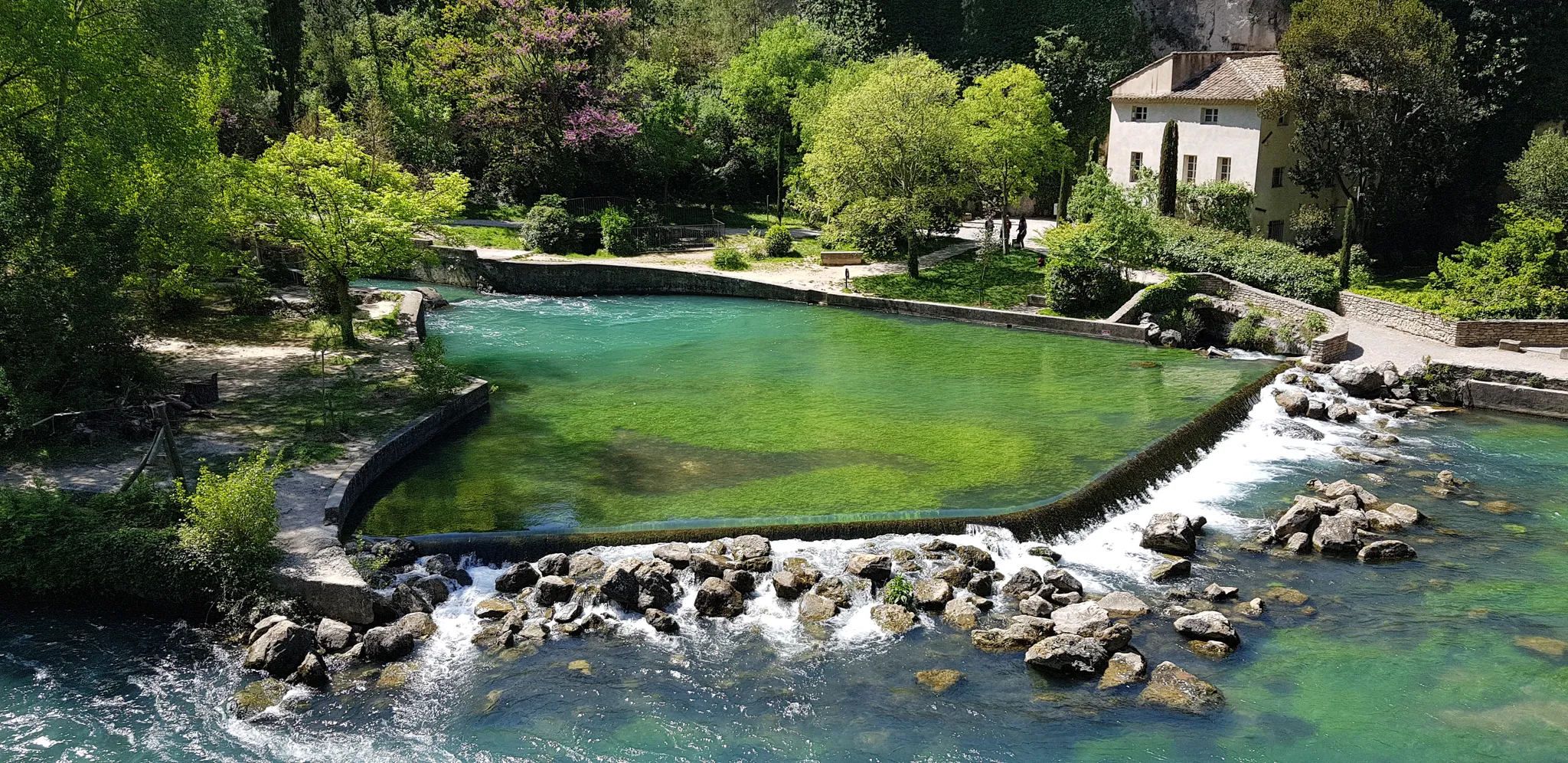
Petrarch, the 14th-century scholar and poet credited with perfecting the sonnet, spent his formative years in and around papal Avignon. Here, he first glimpsed Laura, the muse of the Canzoniere, the poem cycle that shaped European love poetry for centuries. A short trip east lies Fontaine de Vaucluse, the emerald spring where he lived and wrote in cherished solitude.
It remains one of the loveliest places in France to sit beside water with a book, which is precisely how Petrarch would have wanted the site remembered.
Tangier, Morocco: Paul Bowles
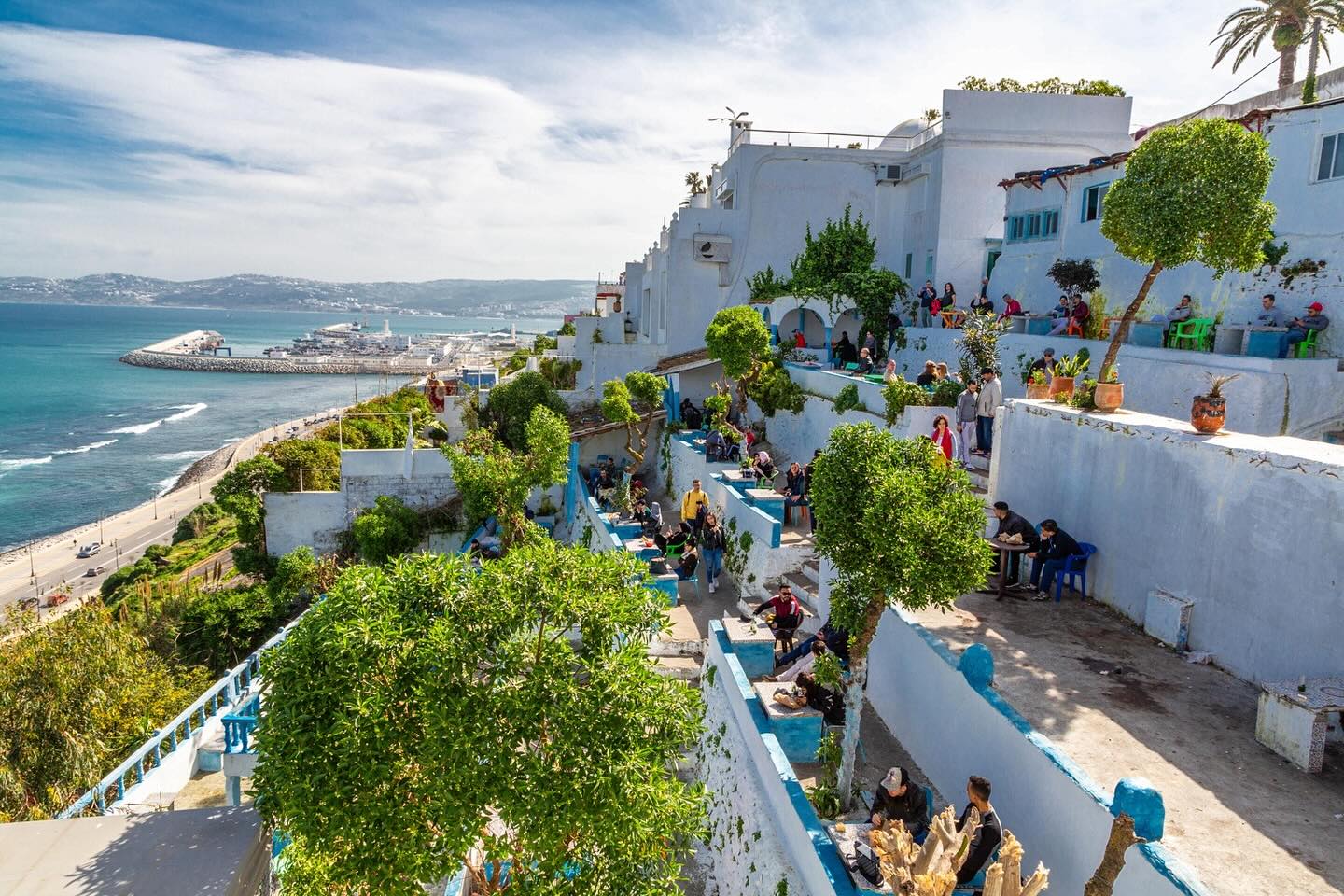
The American writer Paul Bowles arrived in Tangier in 1947 and stayed for more than half a century, writing The Sheltering Sky and drawing a generation of writers after him. His world survives: the labyrinthine medina, the clifftop Café Hafa with its mint tea and long sea views, and the American Legation Museum, which preserves his memory.
This is where the map opens onto another continent, and another way of seeing. Bowles crossed the sea and simply never saw a reason to cross back.
Oran, Algeria: Camus
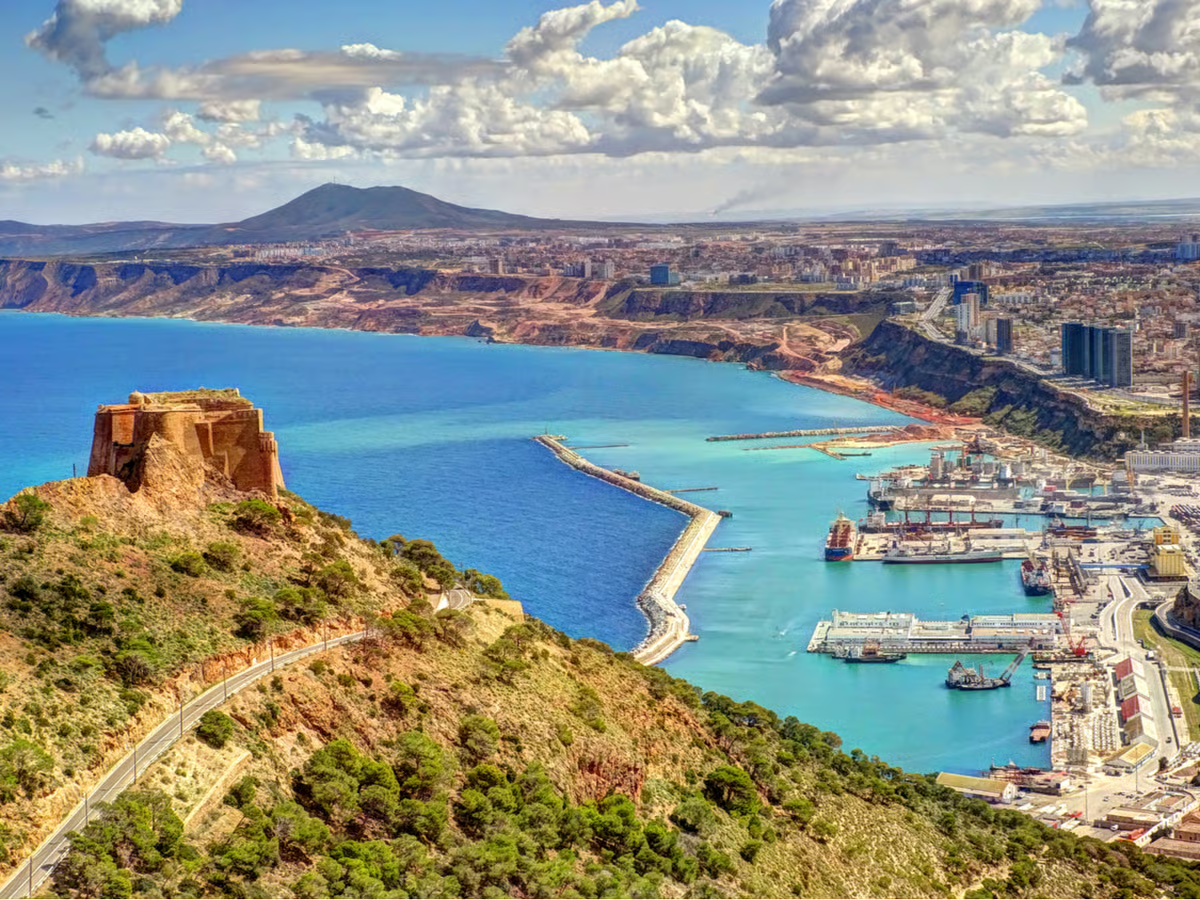
Albert Camus set The Plague, one of the twentieth century’s essential novels, in the Algerian port of Oran, transforming an ordinary seaside town into a universal parable of solidarity in dark times.
The seafront, the hillside Santa Cruz Fort, and the bright Mediterranean light all seep through the novel’s pages. Camus was born into poverty on this coast and carried those memories through everything he wrote. Of all the writers on this map, none owed the sea more, or repaid it better.
Alexandria, Egypt: Cavafy
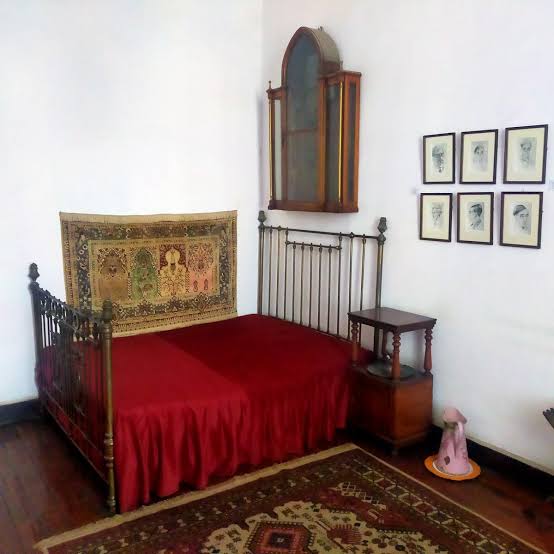
The map ends, fittingly, with the poet of memory. Constantine Cavafy spent nearly his whole life in Alexandria, an insurance-office clerk by day, writing poems that layered the modern city over its ancient, vanished selves. His apartment on the former Rue Lepsius is now the lovingly restored Cavafy Museum.
Meanwhile, his most beloved poem is called “Ithaka,” which is where this journey began. Its counsel closes the circle better than any guidebook could: the destination matters less than the long, marvellous road toward it.
The Sea That Keeps On Writing
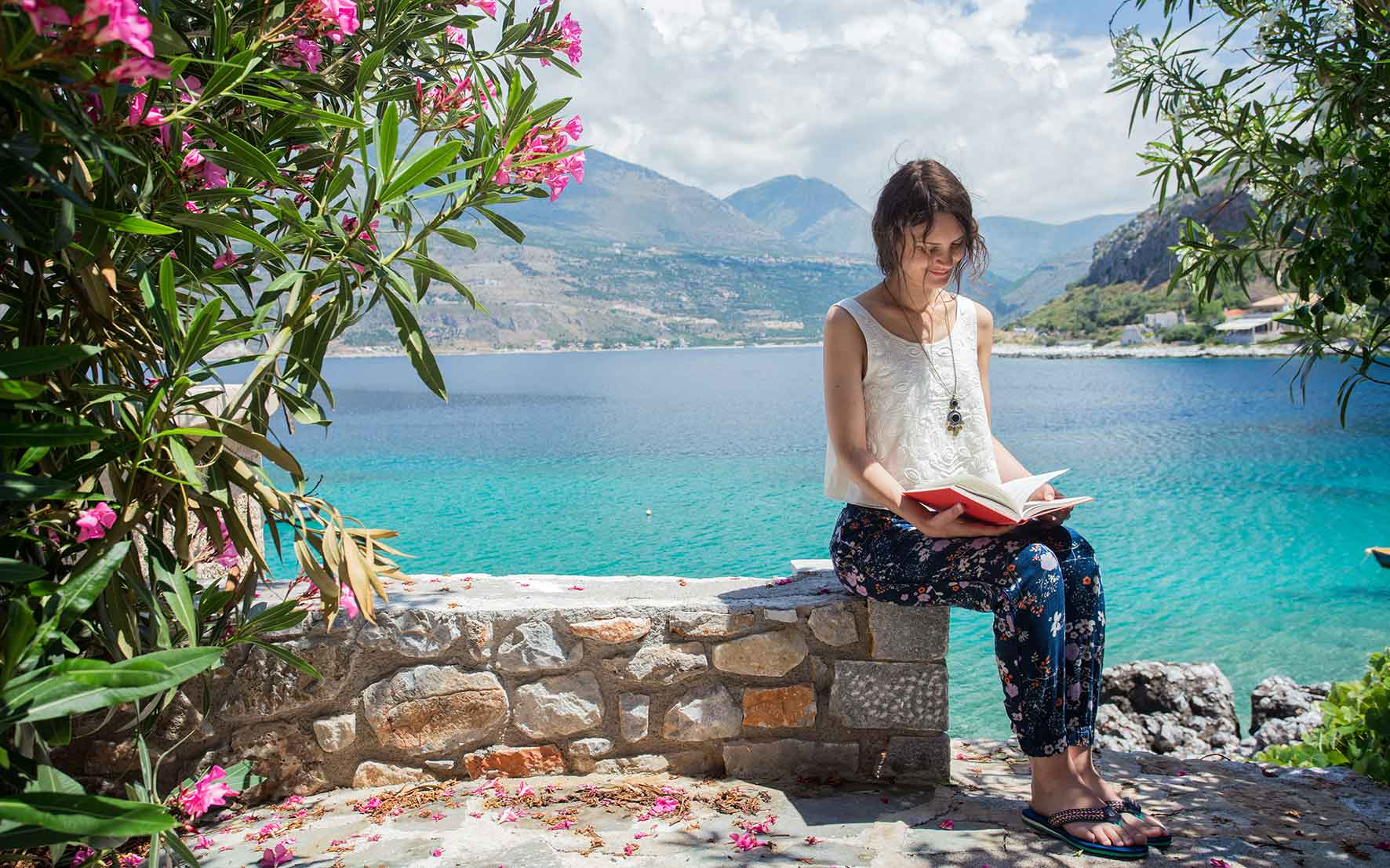
Thirteen places, thirteen writers, one sea, and a route that ends where it started. What binds them is not geography alone but a shared conviction that places shape stories, and stories, in turn, reshape places. Oran will always be partly Camus’s now, Corfu partly Durrell’s, Ithaca forever Homer’s. Venture forth with a book in hand and no hurry whatsoever, and you join the Mediterranean’s oldest tradition of turning a journey into a story worth telling.


K Lou
K. Lou is a writer born in the U.S. who found her way to Japan through a spiritual calling—or, more precisely, better access to tea. She writes about travel, culture, and the occasional creative piece, inspired by her enduring love of books. This love began in high school when K. Lou carried books around to avoid seeming odd while lost in thought. Once she started reading, she never stopped. With zero regrets, she continues to explore the written word and invites others to join her in celebrating its varied forms.