
Happy 72nd Anniversary, The Fellowship of the Ring! Celebrate the journey that turned Tolkien’s epic into one of fiction’s greatest legends.
On July 29, fantasy fans around the world have a remarkable literary anniversary to celebrate. It was on this date in 1954 that The Fellowship of the Ring, the first volume of J.R.R. Tolkien’s epic The Lord of the Rings, was published in the UK. Seventy-two years later, Tolkien’s masterpiece continues to captivate readers, inspire filmmakers, and shape almost every fantasy story that has followed.
Yet here is the strange part: almost no one expected it to succeed. The publisher braced to lose money on it. The first printing was tiny. And what began as a modest gamble on an overlong “fairy story” for adults went on to become one of the best-selling novels ever written. This is the story of how that happened, along with a few facts even devoted fans may not know.
A Book Decades in the Making
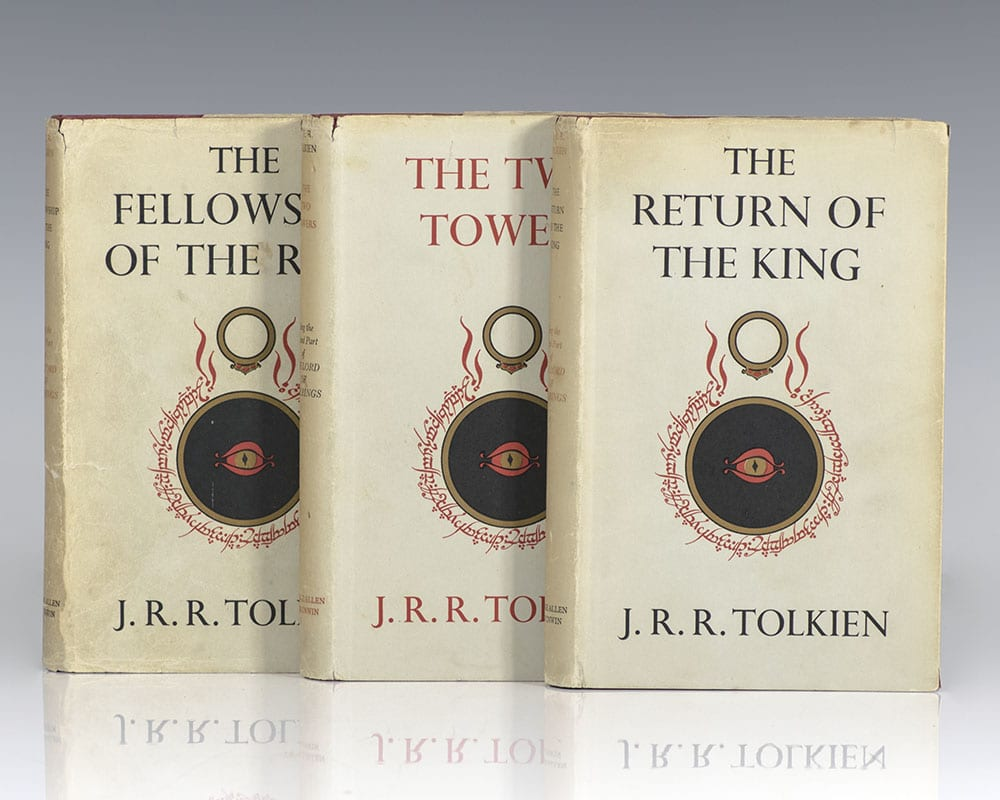
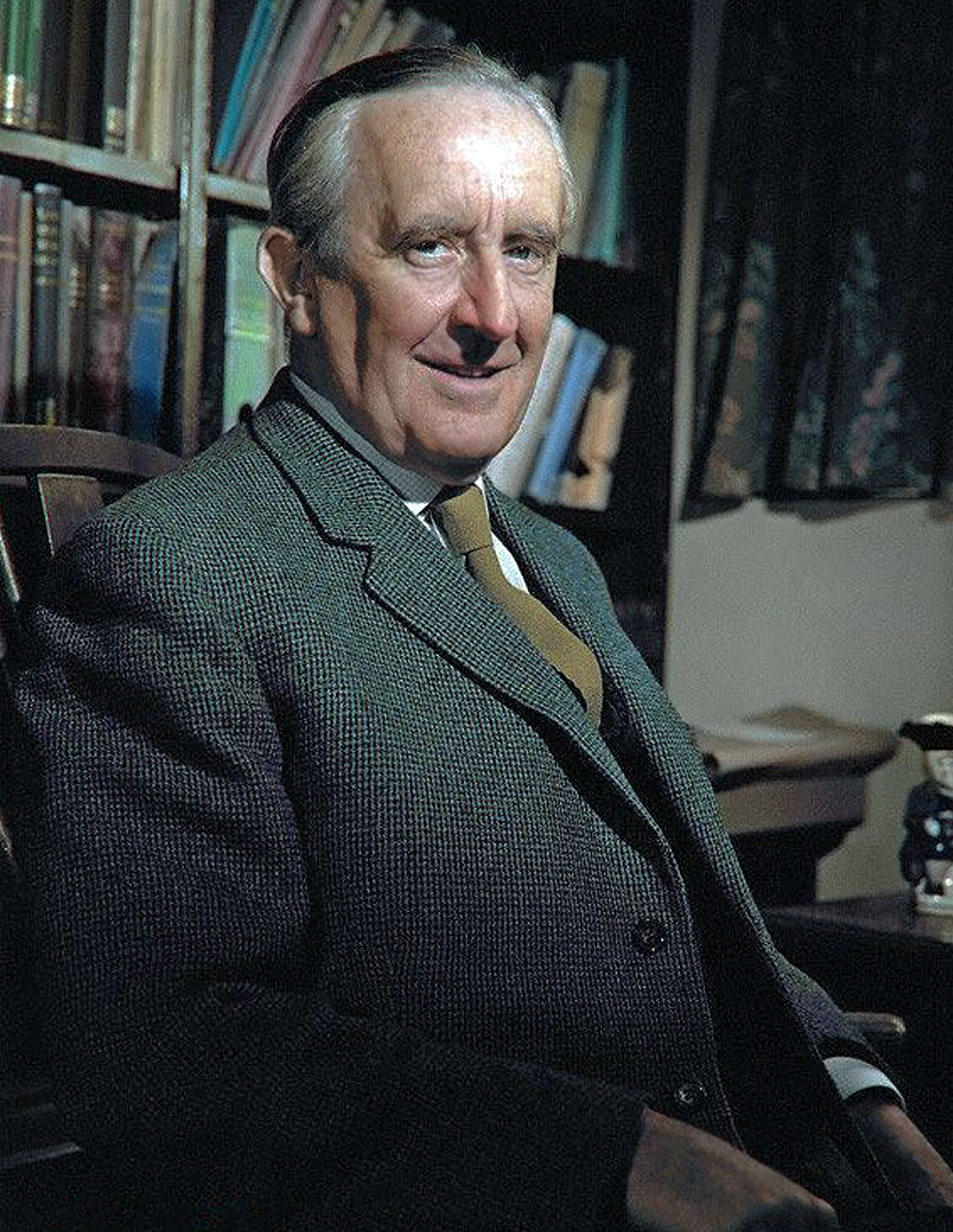
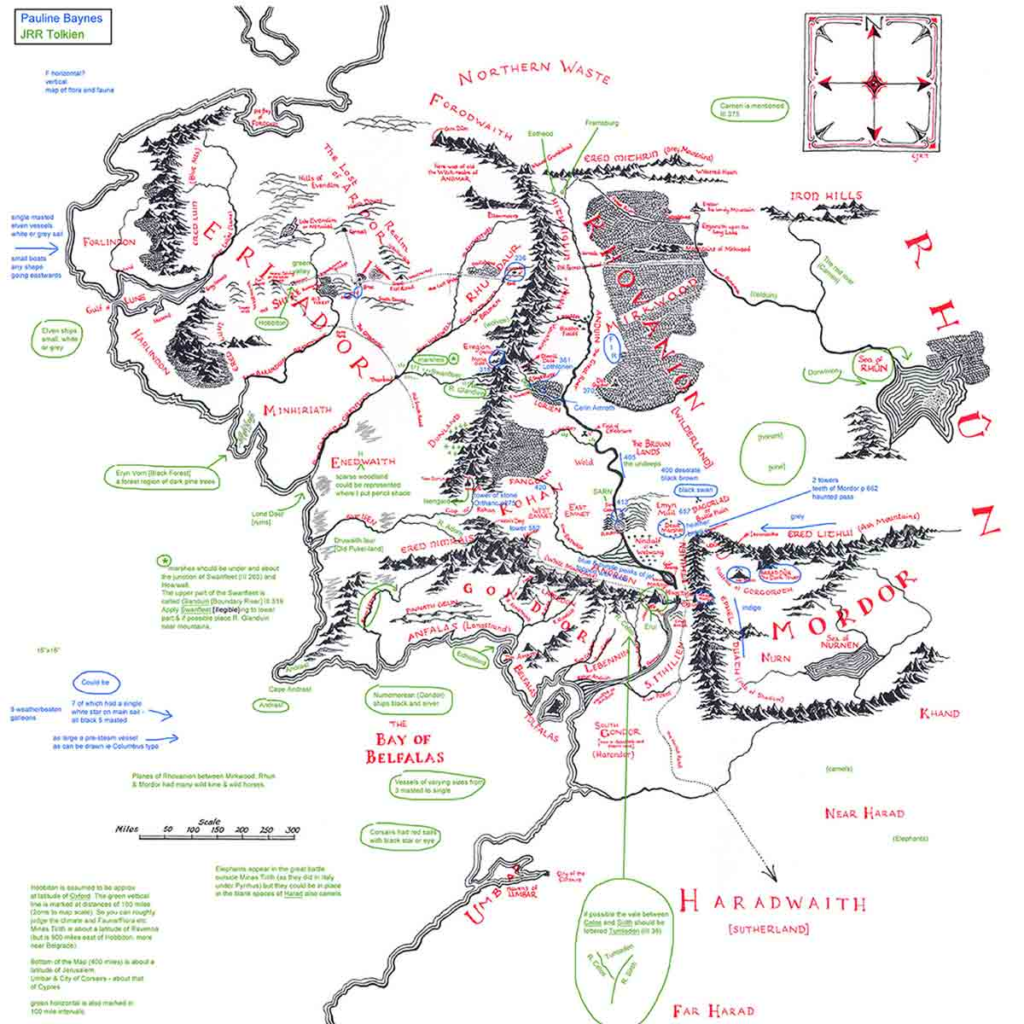
Although The Fellowship of the Ring was published in 1954, the foundations of Middle-earth had been taking shape for decades. Tolkien was not simply writing a novel; he was building an entire world. As the Merton Professor of English Language and Literature at Oxford, he had a lifelong fascination with myths, legends, and ancient languages. Long before Frodo Baggins set off with the One Ring, Tolkien had already created histories, genealogies, cultures, and even complete languages for the peoples who inhabited his imaginary world.
According to Tolkien scholars, Middle-earth grew from a desire to craft a mythology rooted in the traditions he loved: Northern European legends, medieval literature, and ancient heroic tales. Rather than inventing a setting to serve a story, Tolkien often worked the other way around. The world came first, and the stories emerged from it.
That painstaking approach is one reason Middle-earth feels so real. Readers encounter not only characters and adventures but thousands of years of history stretching beyond the pages of the novel. By his son Christopher’s account, Tolkien reached the end of the book only “after seventeen years, at the cost of immense pains.”
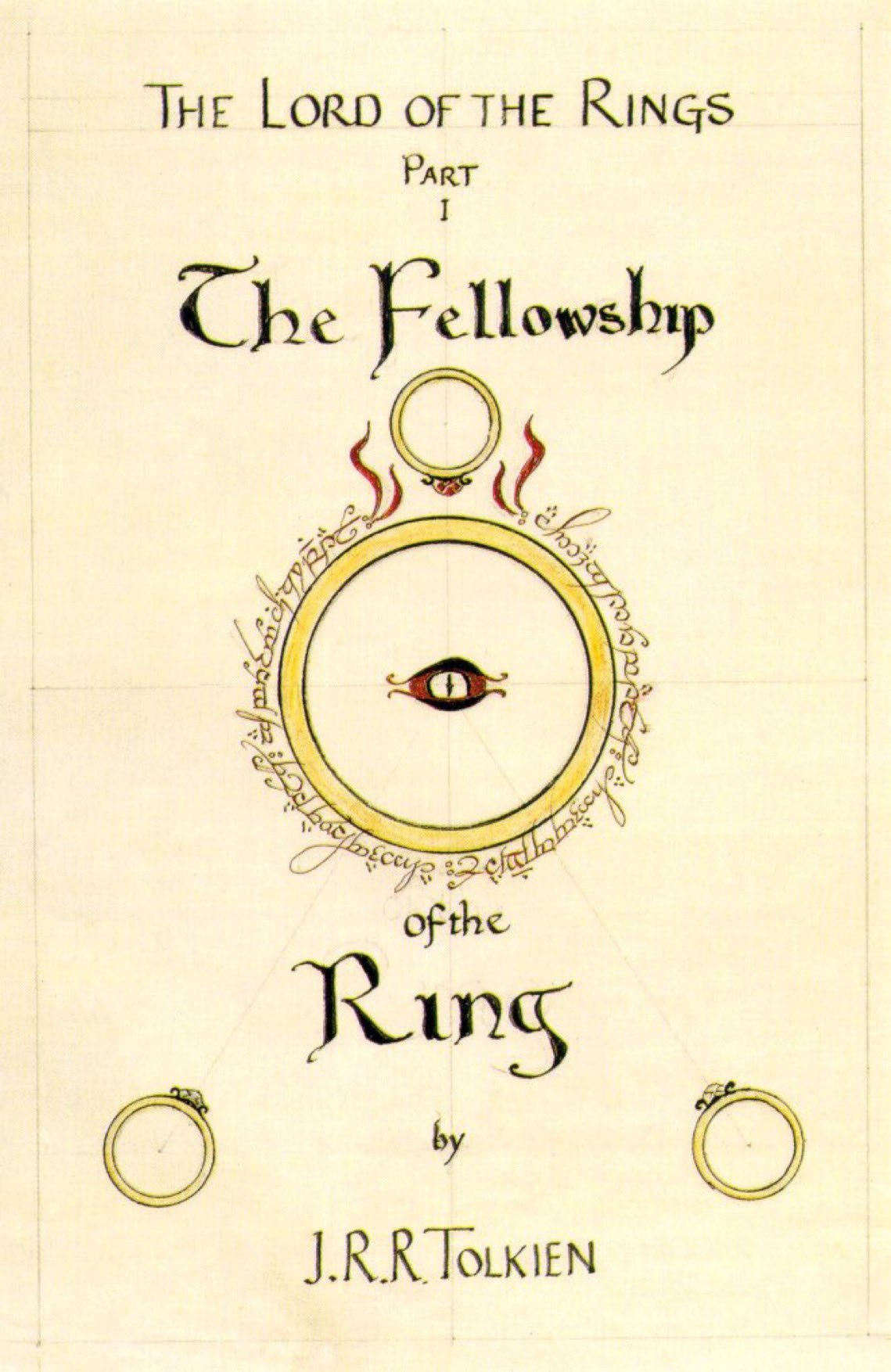
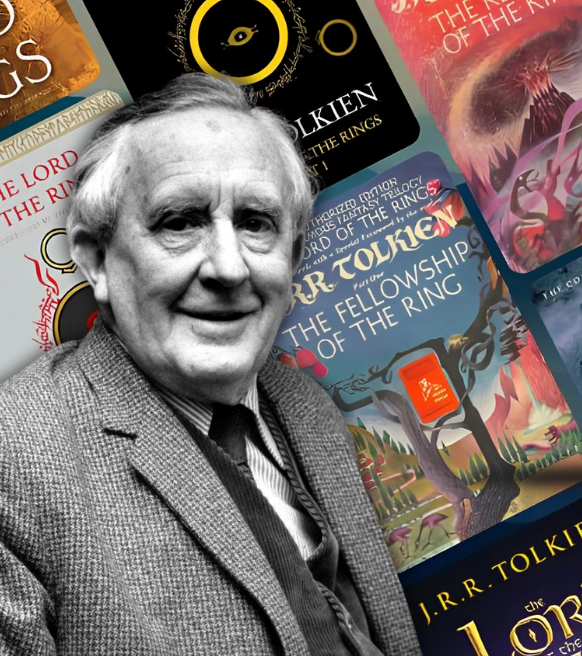
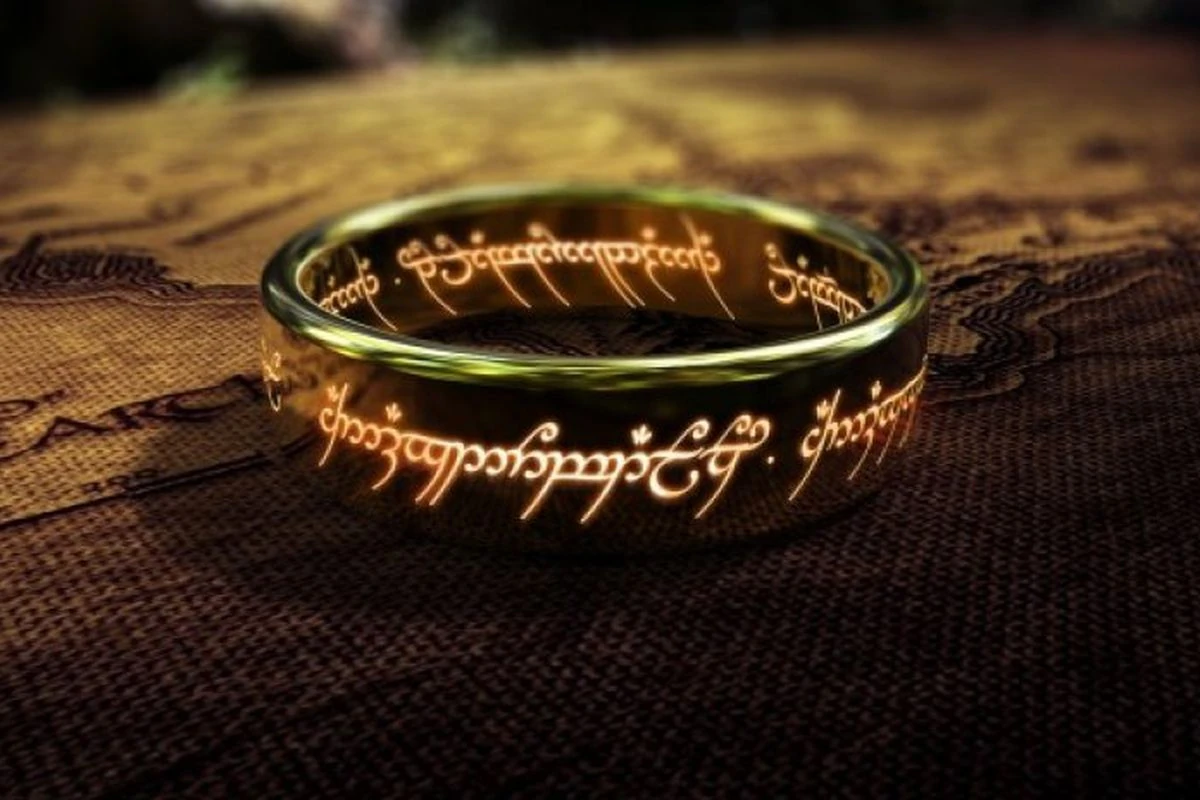
His involvement went beyond the words on the page. Tolkien designed the dust jackets himself, drawing the artwork for the first editions in early 1954, including the now-iconic Eye of Sauron and the Ring-inscription that would come to symbolise the whole saga.
An Unexpected Sequel
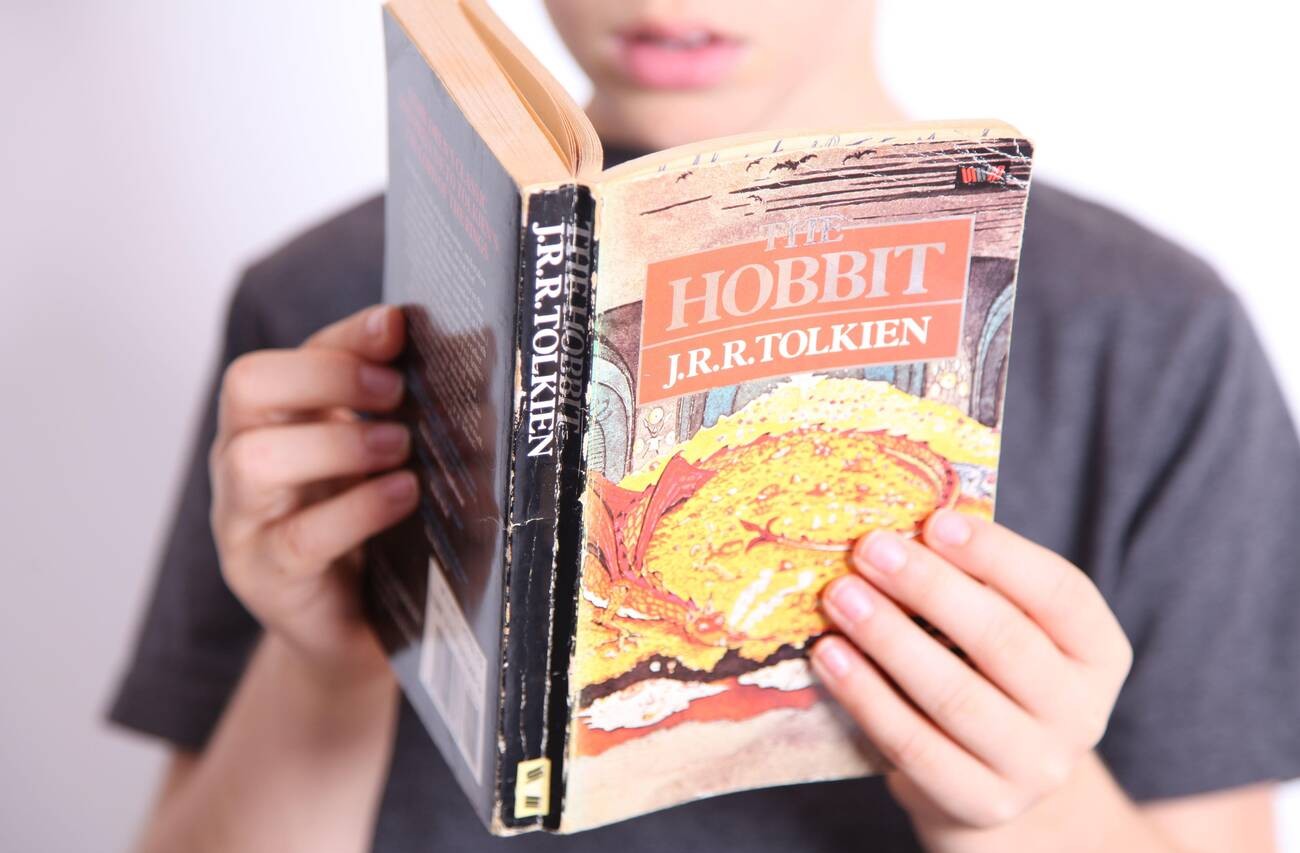
When The Hobbit was published in 1937, it became a surprise success, selling out its first printing by Christmas. Tolkien’s publisher quickly asked for a follow-up, expecting another light-hearted adventure featuring hobbits.
They weren’t expecting the fantasy epic that would go on to shape all future fantasy epics. Tolkien spent well over a decade writing what became The Lord of the Rings, and as the story developed it grew darker, deeper, and far more ambitious than its predecessor. The magical ring Bilbo had found in The Hobbit evolved into the central object of a vast struggle between good and evil.
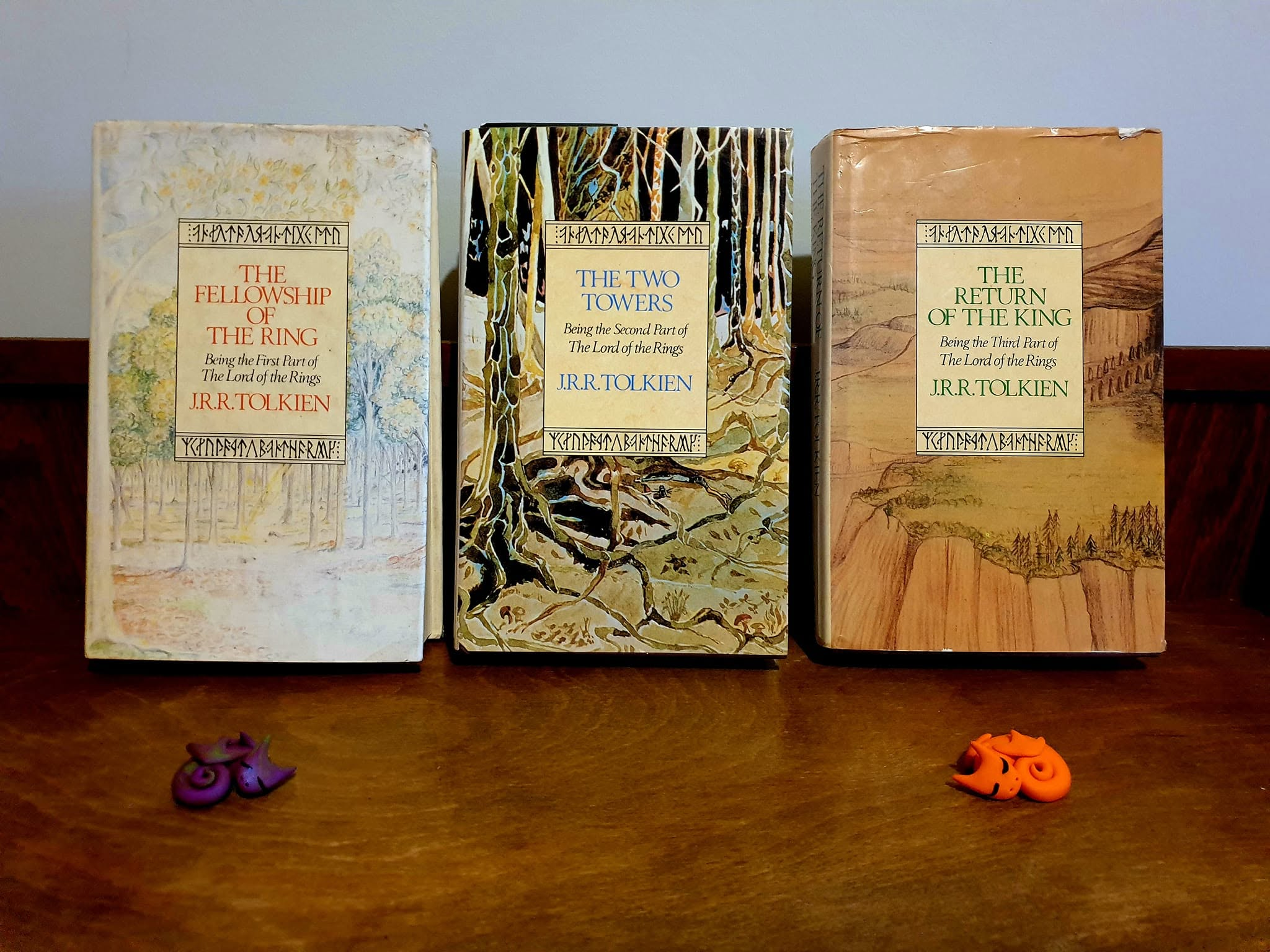
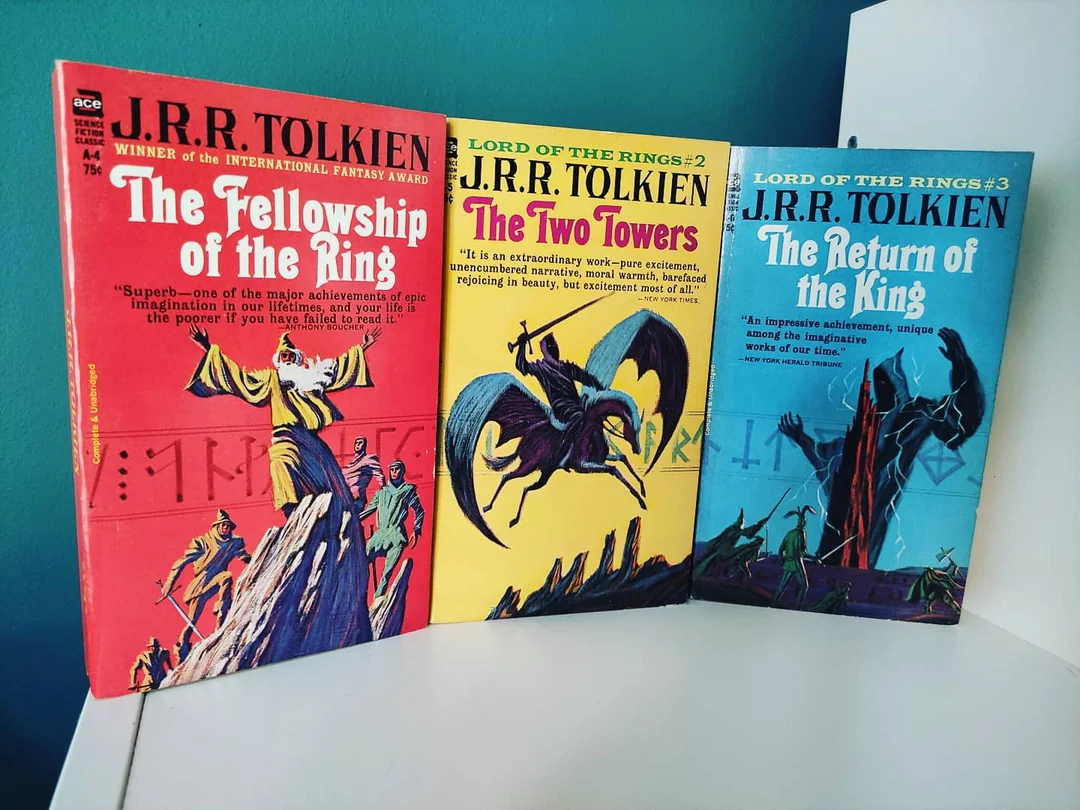
Here’s a fact that surprises many readers: The Lord of the Rings is not really a trilogy at all. Tolkien conceived it as a single novel in six books. It was split into three volumes for practical reasons, and this is why it has ever since been “wrongly considered a trilogy,” as the Tolkien Estate puts it. The Fellowship of the Ring arrived first on 29 July 1954, followed by The Two Towers on 11 November 1954 and The Return of the King on 20 October 1955, the final volume delayed while Tolkien laboured over its appendices, maps, and index.
The Book Nobody Expected to Sell
This is where the legend almost never happened. When Tolkien’s publisher, George Allen & Unwin, prepared to release the book, they were deeply uncertain that such a long, strange work would find an audience, despite the popularity of The Hobbit. In fact, Rayner Unwin, who ran the firm day to day, believed it was the work of a “genius” but warned it would be risky. His father, Stanley, the head of the house, agreed to proceed with a blunt prediction: “If you believe it is a work of genius, then you may lose a thousand pounds.”
To limit the risk, they made two careful bets. First, they split the story into three volumes, a staggered release that limited how much they had to commit up front. Second, they offered Tolkien a half-profits agreement, under which he would not see any profit until the books had first paid for themselves. Post-war paper was expensive, sales were expected to be small, and everyone involved kept their expectations low.
Just how low? The first printing of The Fellowship of the Ring on 29 July 1954 ran to only 3,000 copies. The Two Towers followed with 3,250, and The Return of the King with 7,000. A book that would one day be read by hundreds of millions of people began its life with a print run smaller than the crowd at a modest concert. Those tiny first editions are now among the most prized treasures in book collecting.
The gamble, of course, paid off beyond anyone’s wildest imagining. The Lord of the Rings has since sold more than 150 million copies, making it one of the best-selling novels of all time.
Ancient Roots Behind Middle-earth
Part of what makes Tolkien’s work so enduring is that it feels both fresh and ancient at once.
So many of the ideas behind The Lord of the Rings can be traced back to myths and legends that are centuries old. Tolkien drew inspiration from Norse sagas, Anglo-Saxon poetry, Finnish mythology and medieval romances. Elements of these traditions can be seen throughout Middle-earth. The heroic quests, enchanted swords, ancient kingdoms and epic battles all echo stories that have been passed down through generations.
But Tolkien never simply copied old myths. Instead, he blended his influences and transformed them into something entirely new.
One especially important influence was the Old English epic Beowulf, which Tolkien studied and taught for years, and whose themes of courage, sacrifice, and the struggle against overwhelming darkness run through both works.
More Than a Fantasy Adventure
It is easy to think of The Lord of the Rings as an adventure story filled with wizards, elves, and dragons. But beneath the action lies a surprisingly thoughtful exploration of human nature. At its heart, the novel asks difficult questions about power and responsibility. The One Ring offers immense power, yet it corrupts nearly everyone who comes into contact with it, and the characters are constantly forced to choose between personal gain and the greater good.
Tolkien also explores friendship, loyalty, and resilience. His heroes are not mighty warriors or kings; the fate of Middle-earth rests largely in the hands of ordinary hobbits who possess courage rather than physical strength. That focus on everyday heroism remains one of the story’s most appealing qualities. Frodo, Sam, Merry, and Pippin are relatable precisely because they begin as ordinary people thrust into extraordinary circumstances.
From Cult Classic to Global Phenomenon
Interestingly, The Lord of the Rings was not an immediate global sensation. It received strong reviews, but its reputation grew gradually over the following decade, and its explosion into a genuine phenomenon had an unlikely trigger: piracy. In 1965, the American publisher Ace Books exploited a copyright loophole to release cheap, unauthorized paperback editions, which sold around 100,000 copies and put the book into the hands of a generation of American college students. An indignant Tolkien revised the text, and in 1966 Ballantine issued an authorized paperback, urging readers to buy the official version. The controversy only fueled the fire, and Middle-earth became a countercultural touchstone.
From there, its popularity never stopped expanding. New editions, translations, and adaptations introduced Middle-earth to successive generations. Then came Peter Jackson’s film trilogy in the early 2000s, which brought Tolkien’s world to an even larger audience. The final instalment, The Return of the King, swept all 11 of its Academy Award nominations in 2004, tying the record for the most Oscars ever won by a single film. For many younger fans, the movies became a gateway back to the original novels.
Why We Still Love It, 72 Years Later
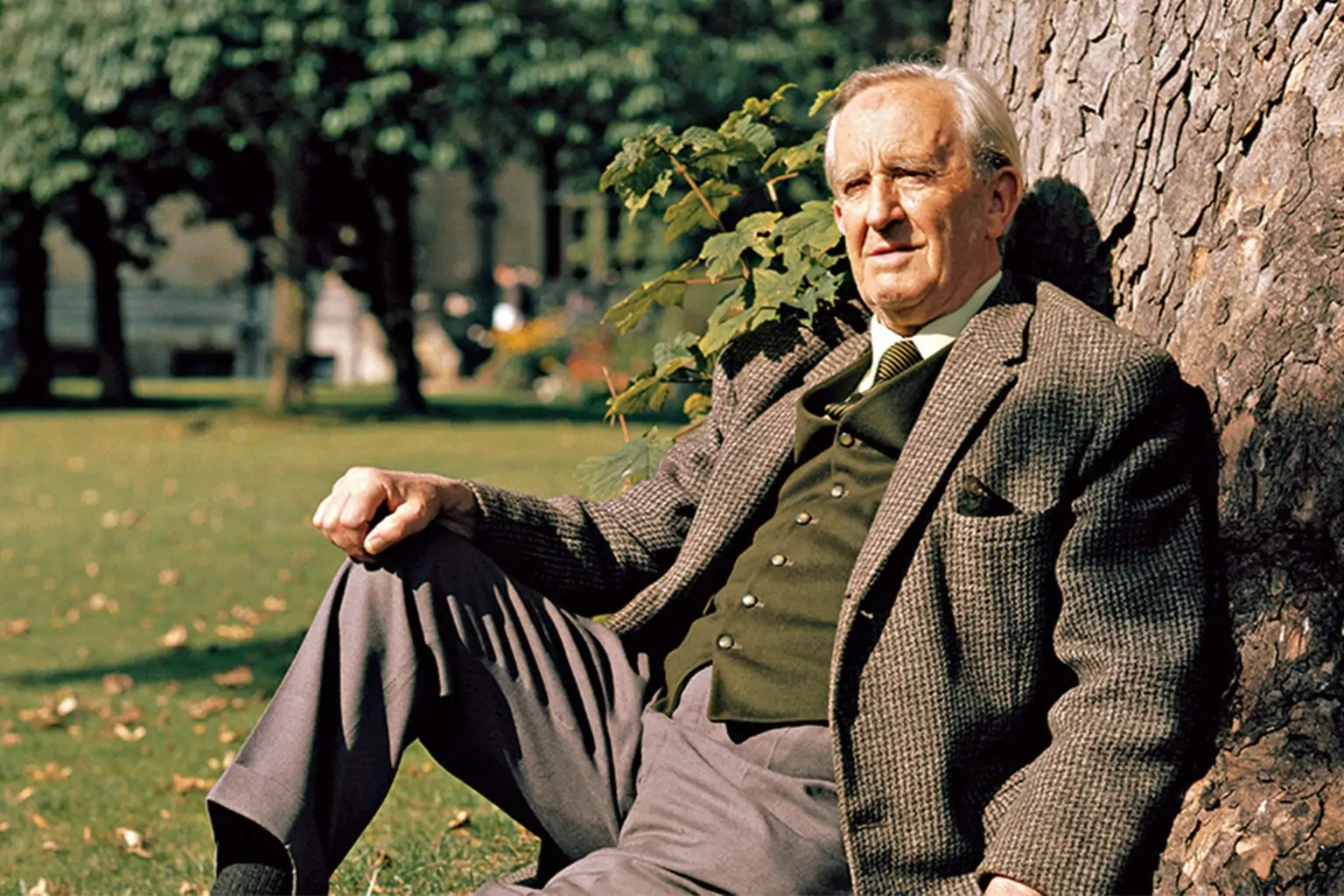
Seventy-two years after The Fellowship of the Ring first appeared in bookshops, its appeal shows no sign of fading. Part of its everlasting magic lies in Tolkien’s extraordinary attention to detail; Middle-earth feels like a place that genuinely exists, complete with its own languages, histories, and cultures. But the story also endures because its themes are universal. Readers keep returning to its messages about friendship, hope, and perseverance in the face of darkness. It is little wonder the BBC once named it Britain’s best-loved novel of all time.
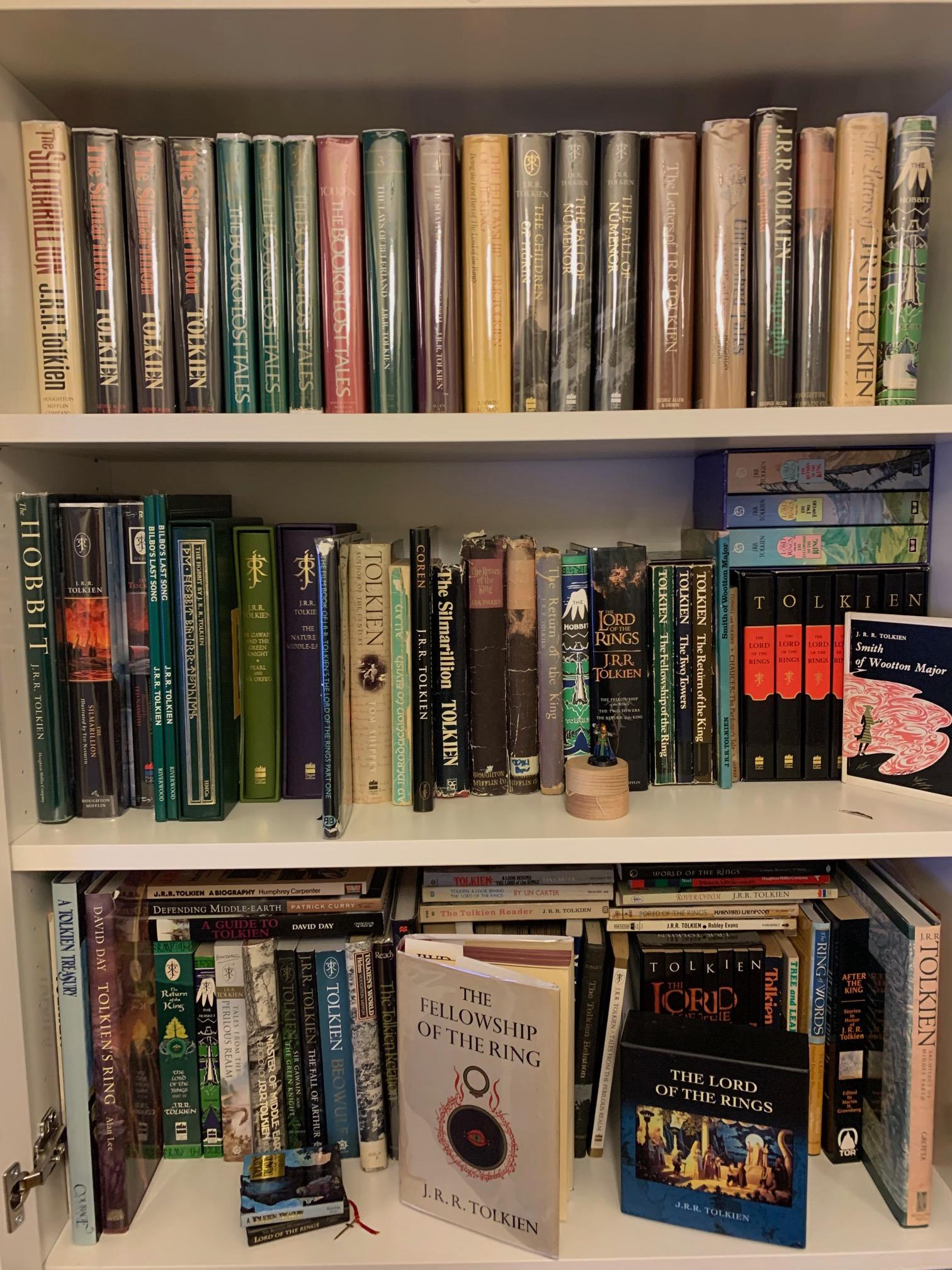
The challenges facing Frodo and his companions may be fantastical, but the emotions beneath them are deeply human, and their fears, doubts, and quiet acts of courage remain as resonant today as they were in 1954. A publisher once expected to lose money on 3,000 modest copies. Instead, without quite meaning to, Tolkien created the perfect epic. And now, more than seven decades later, the road still goes ever on.

Millie Ramm
Millie has been writing since she was a child, and has spent more time with her nose in books than anywhere else. She has been ghostwriting novels and editing for the past few years, and when not working she is curled up with her cats, looking for her next read.