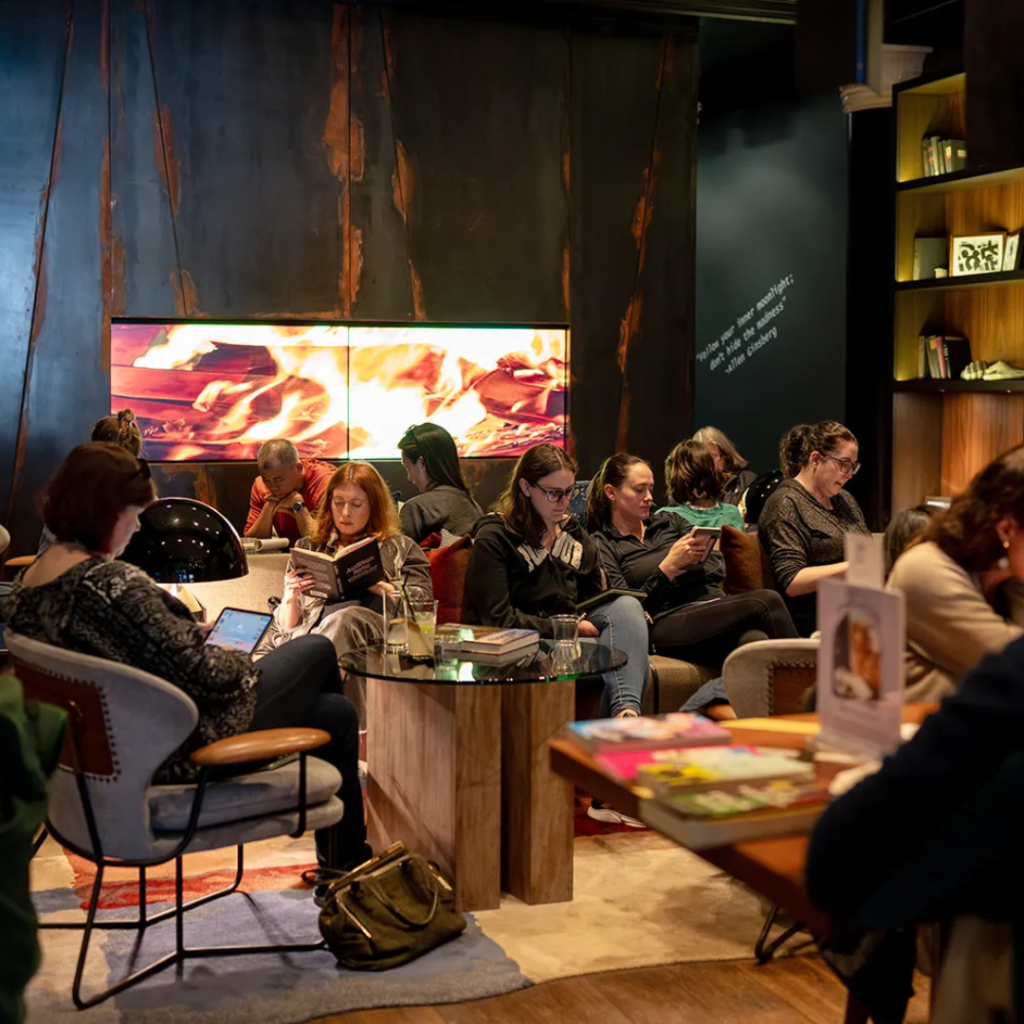

Happy National Book Lovers Day! From scrolls to codices to record-breaking bestsellers, explore the surprising history behind the books we love.
If you’re reading this, chances are you already know the joy of getting lost in a good book. You’re a book lover, a bibliophile, a devoted page-turner, and there’s a whole day made just for you. From fiction to poetry, paperback to Kindle, August 9th is a chance to pause and celebrate the hobby we’ve all grown to love. It’s National Book Lovers Day!
But how much do you actually know about the books you love, about where they came from and how they quietly changed the world? This Book Lovers Day, let’s take a journey through the surprising history of the book, along with a few facts even devoted readers may not know.
What Is Book Lovers Day?
Book Lovers Day is celebrated every year on August 9th. It’s not a public holiday (not yet, anyway), but it’s a day that encourages bibliophiles to indulge their favorite hobby, and gently nudges people who may have fallen out of love with reading to pick a book back up.

The day appears to have been created by avid readers who wanted one simple thing: to share their love of reading with the world. Over time the tradition has spread, and now people everywhere mark the date by starting a new story, revisiting an old favorite, or simply setting aside a quiet hour to read.
Ways to Celebrate
People celebrate Book Lovers Day in a myriad of ways. Libraries and bookstores will often host special events like book readings, author signings, and discussion groups. Booktok and Bookstagram creators will likely make a video on their favorite books or what got them into reading. Some schools even set the curriculum aside for the day to focus on the books children actually love.
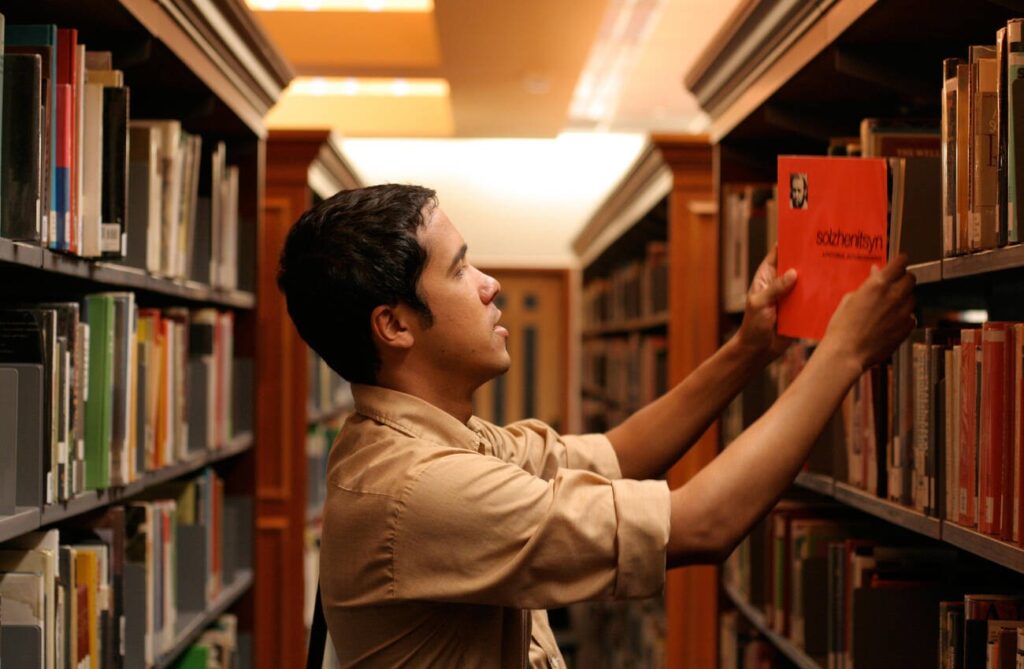
If you’re looking for different ways to celebrate Book Lovers Day, then you’re in luck. The truth is, there’s no wrong way to celebrate, and if you’re a little lost for ideas, we’ve got plenty.
One of the simplest ways to celebrate is to visit your local library. Lots of libraries are desperate for people to visit, and what better day to do so? Take a book or two out, chat to the librarians, see what events they have coming up. Maybe even volunteer some of your time to help out!
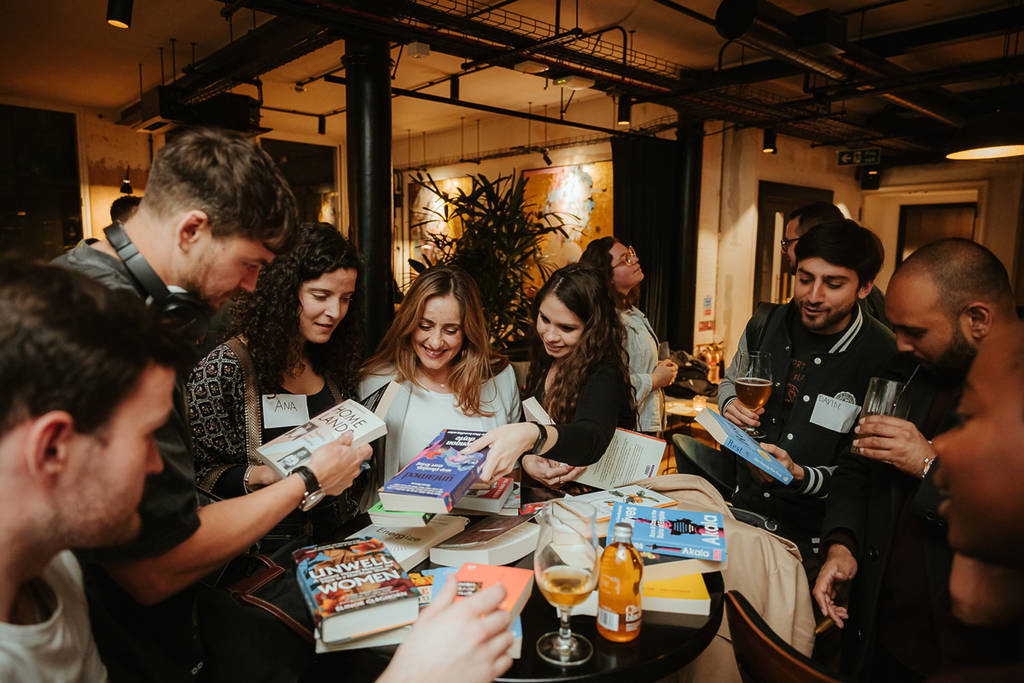
If the library isn’t your thing, you could host your own book club instead. Get a few friends to read the same title ahead of August 9th, then gather with some snacks and share what you thought.

Prefer to keep your reading a little more private? Pick up an old favorite for a re-read, or ask a bookseller to recommend something based on a book you love and see if you can find a new all-time favorite.

And if you’re able to, Book Lovers Day is also a wonderful chance to give back. Literacy charities like Book Aid International and Books For Africa work tirelessly to put books and stories into the hands of people who might otherwise go without, changing lives in the process.
How Books Changed Everything
Sure, we all love them, but how much do you actually know about books? About how they shaped the world and completely changed everything?
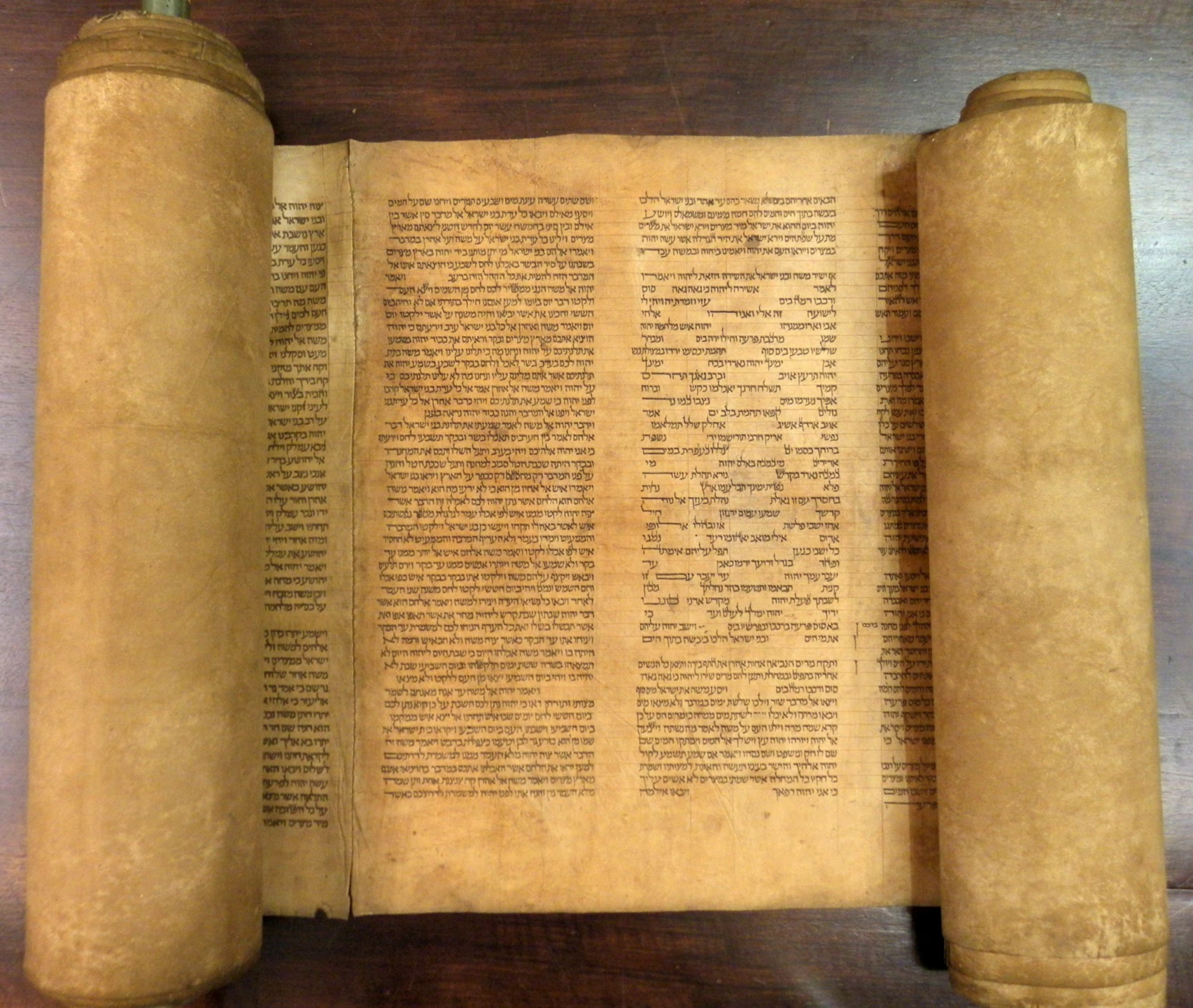
Books haven’t always looked the way they do now. In the ancient world, long before spines and covers, texts were written by hand on scrolls, sometimes called bookrolls. The words were arranged in columns, and you read by unrolling the scroll from one side while rolling it back up on the other, a fiddly business, especially since some scrolls stretched several meters long. Worse, there was no cover to protect the text, so a scroll left unrolled was a scroll at risk.
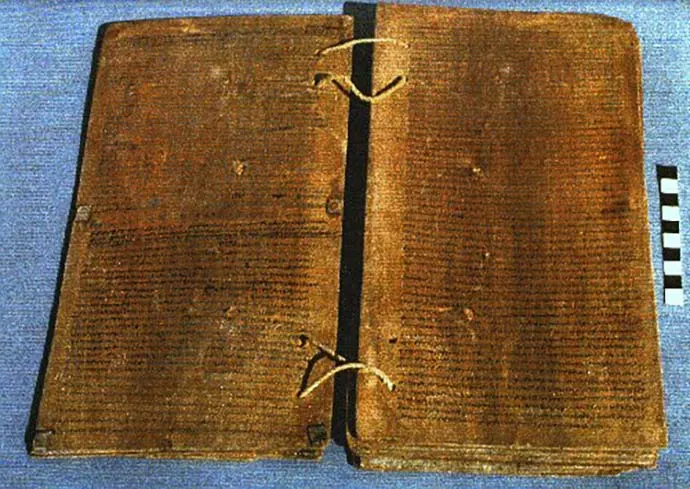
The big leap came with the Romans, who developed the format we’d still recognize today: the codex. Instead of one long roll, the codex used stacked, bound pages, allowing both sides of each sheet to be written on. It was cheaper to produce, easier to protect, far simpler to navigate, and it could be made in almost any size. Early Christians embraced the codex for their scriptures, which helped cement it as the dominant form and gradually pushed the scroll aside.
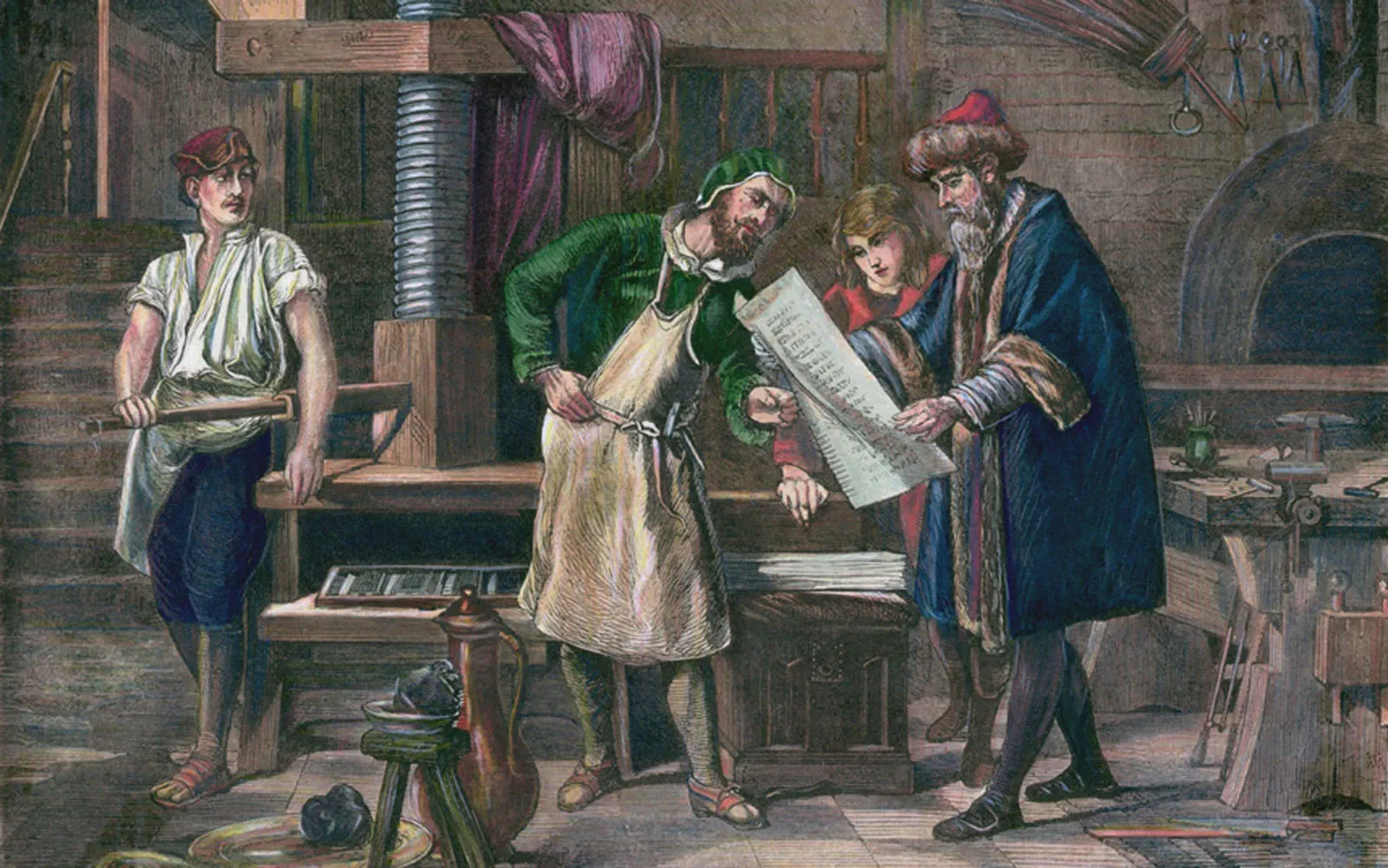
Then came the invention that changed everything. Around the 1450s, Johannes Gutenberg introduced movable-type printing to Europe, and with it the ability to produce books quickly and in large numbers. Before Gutenberg, every book had to be copied out by hand, a painstaking process that made books rare and expensive. Afterward, books could reach ordinary people for the first time, spreading knowledge, literacy, and ideas on a scale the world had never seen. Almost every book on your shelf is a descendant of that revolution.
Facts Every Reader Should Know
For those of us who love a good tidbit, this Book Lovers Day comes with a few genuinely surprising facts worth sharing.
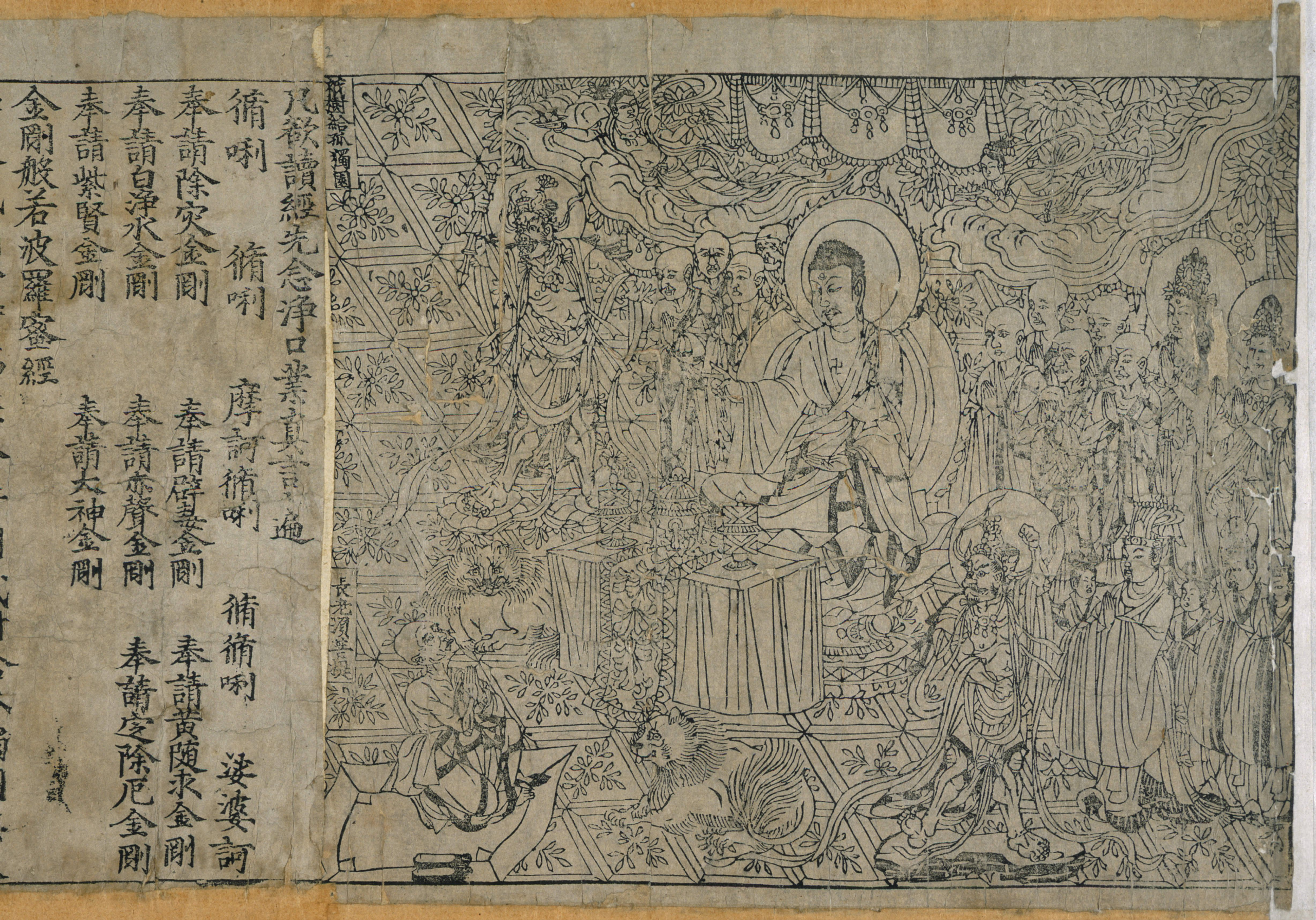
Take the world’s oldest dated printed book, the Diamond Sutra, a Buddhist text printed in China on 11 May 868, nearly six centuries before Gutenberg’s press. Remarkably, it ends with a line dedicating it “for universal free distribution,” which many consider history’s earliest known public-domain notice.
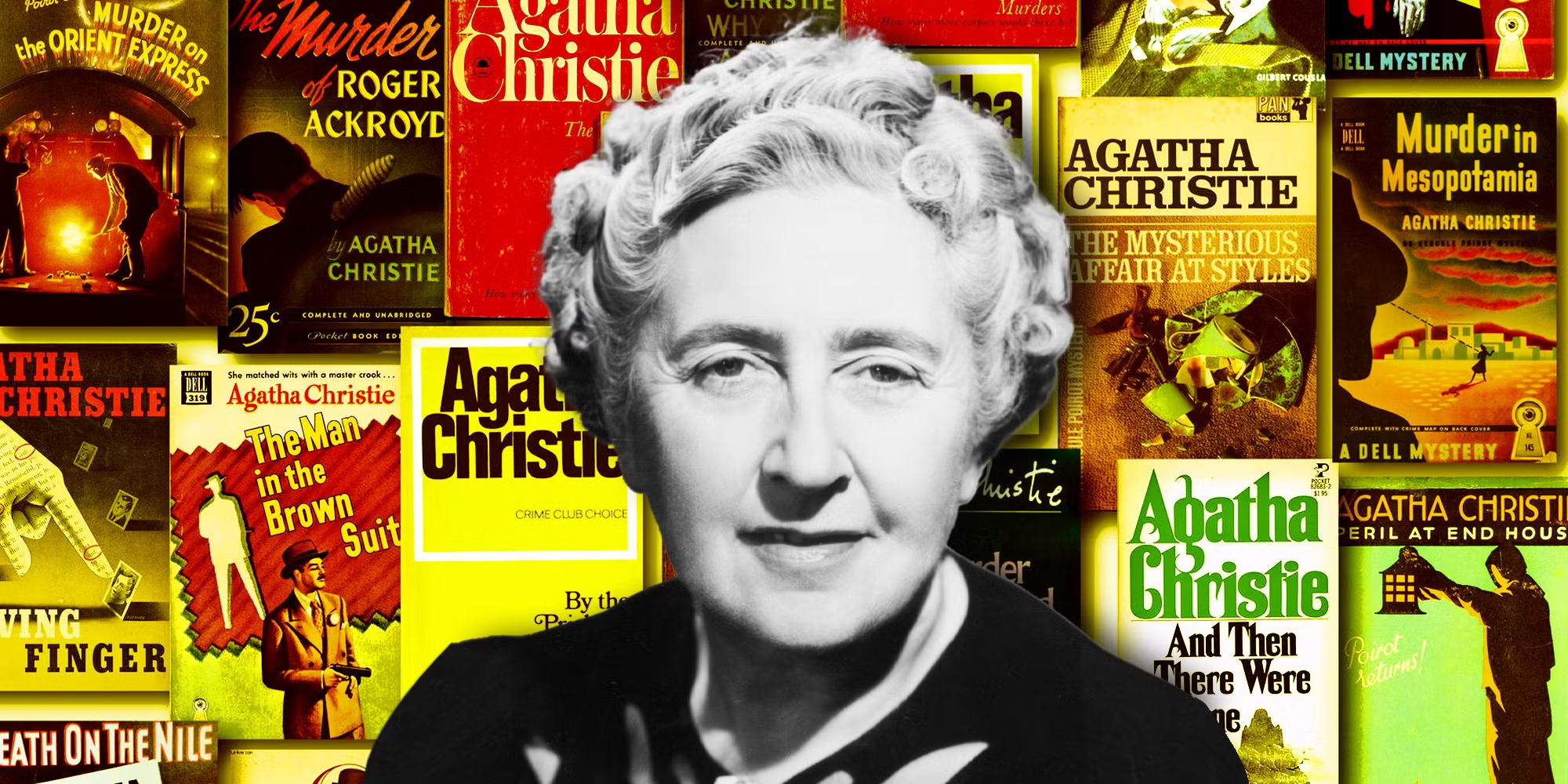
Fast forward through the centuries, and books became not just older curiosities but record-breaking bestsellers. The Bible tops them all as the best-selling book of all time, with estimates ranging upward of five billion copies. Among novels, Agatha Christie is often named the best-selling novelist in history, her books selling in the billions of copies and translated into more than 100 languages.
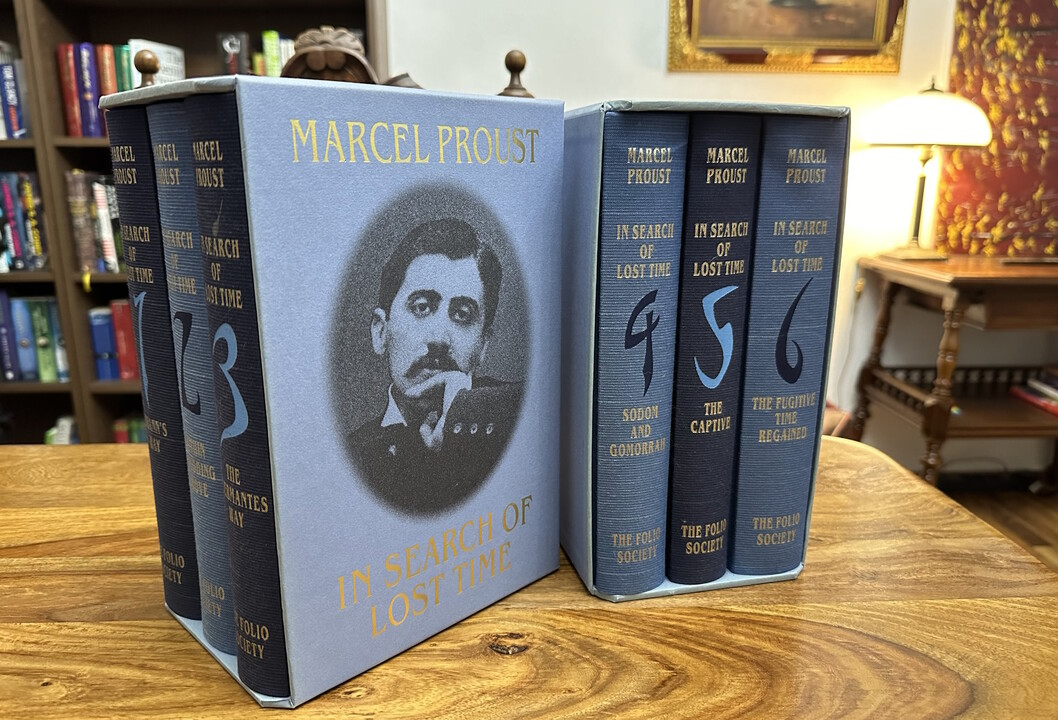
Then there’s sheer size. The longest novel ever written is widely considered to be Marcel Proust’s In Search of Lost Time, which runs to roughly 1.2 million words across seven volumes, so long it holds a Guinness World Record and takes most readers years to finish.
Famous Books, Surprising Stories
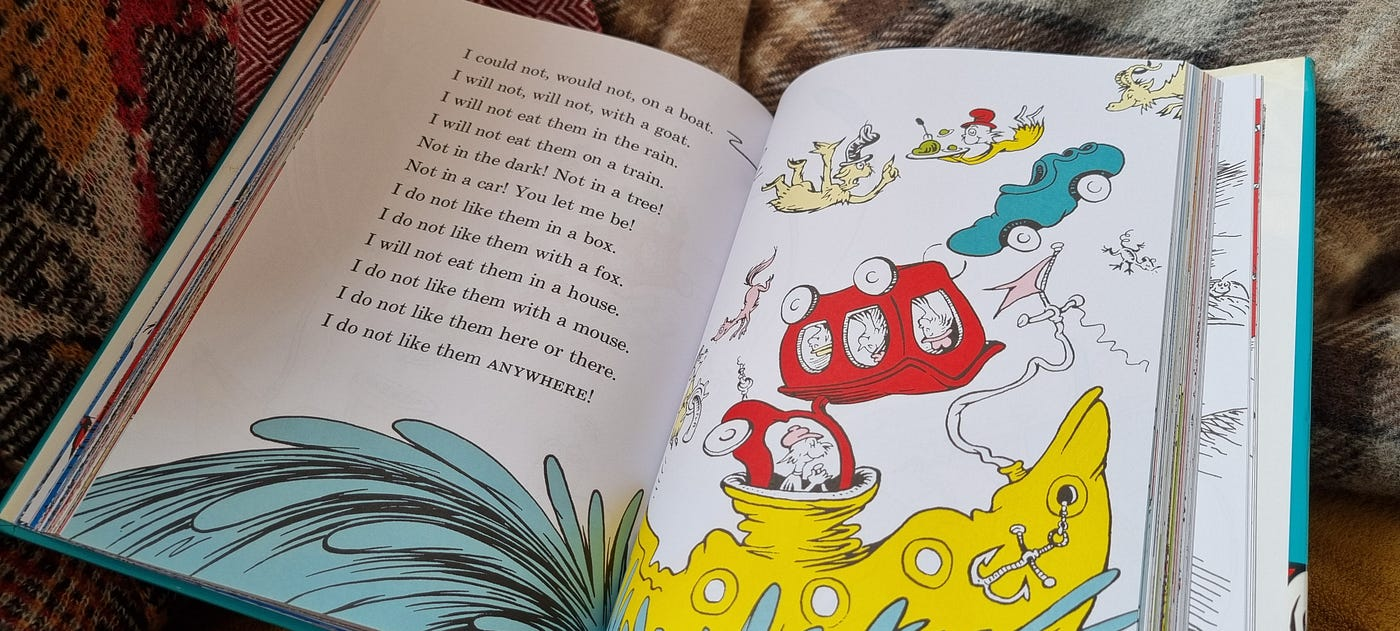
Some of the most beloved books in the world have stranger backstories than their plots, the kind that surprise even lifelong readers. Take Green Eggs and Ham, which exists because of a bet. Dr. Seuss’s editor, Bennett Cerf, wagered him fifty dollars that he couldn’t write an entertaining children’s book using only fifty different words. Seuss won, the book uses exactly fifty, and it went on to become one of the best-selling children’s books ever written.
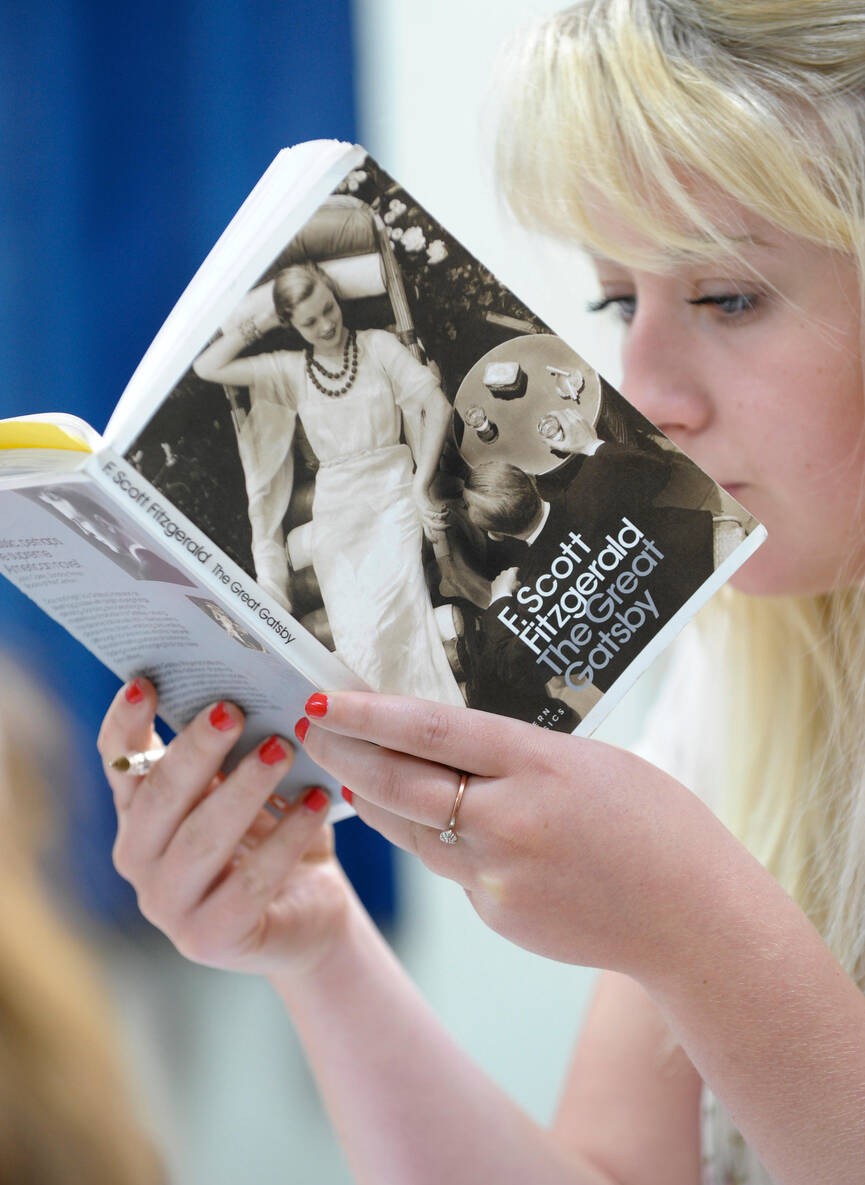
Not every classic was loved right away, though. Some of the most celebrated novels in history were dismissed in their own time. The Great Gatsby, now considered one of the great American novels, was a commercial disappointment in F. Scott Fitzgerald’s lifetime, and he died in 1940 believing himself a failure, with copies still unsold. Its soaring reputation came largely after his death, helped along when free copies were handed to American soldiers during World War II. Moby-Dick met a similar fate, selling poorly and largely dismissed in Herman Melville’s lifetime, only to be rediscovered and hailed as a masterpiece decades after he had died in relative obscurity.
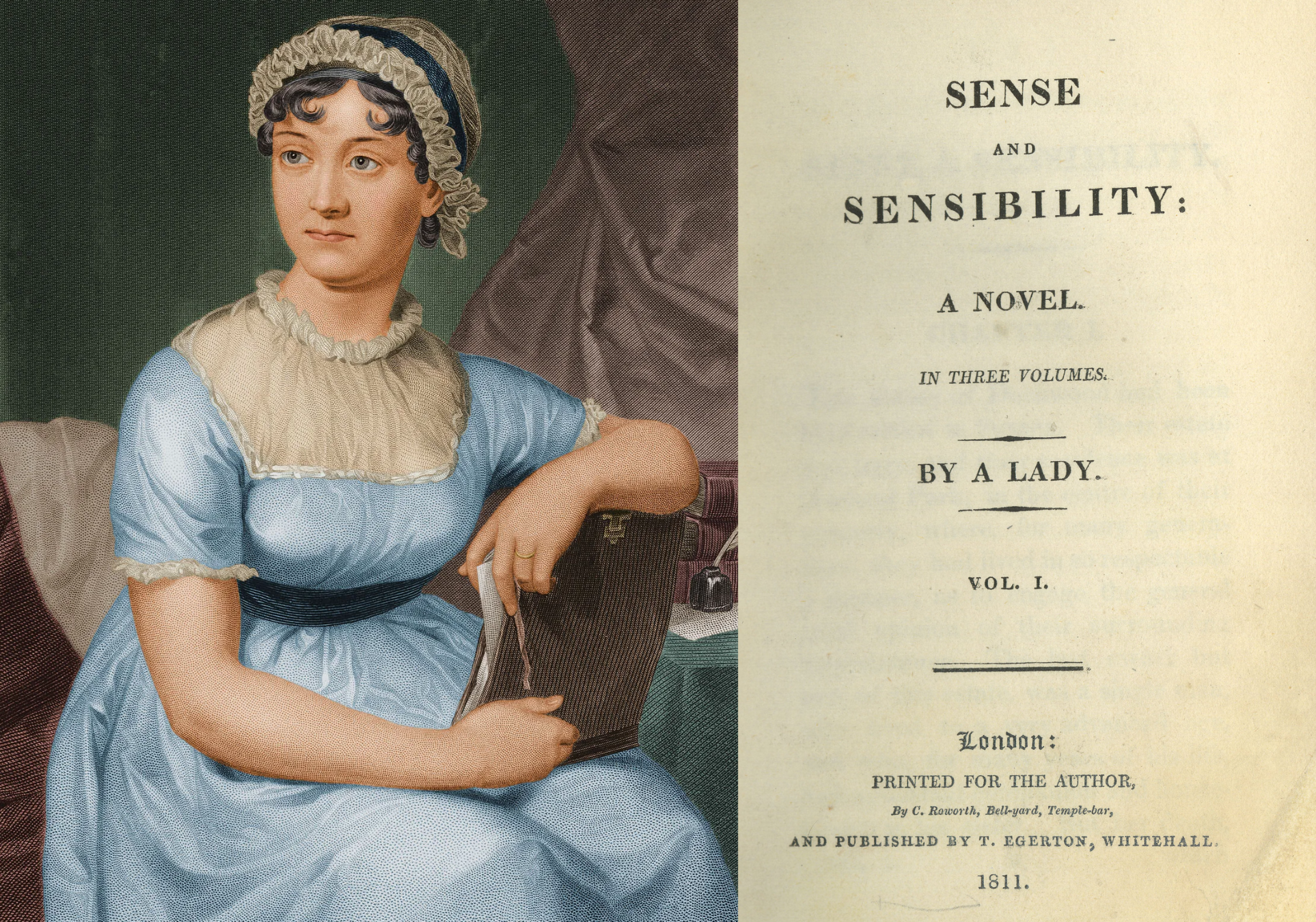
Other authors had complicated relationships with their own creations. Arthur Conan Doyle grew so tired of Sherlock Holmes that he killed the detective off in 1893, only for distraught readers to pressure him into bringing Holmes back to life, proof that fans have always held sway over their favorite characters. Jane Austen, meanwhile, never saw her own name on her novels at all. During her lifetime, her books were published anonymously, credited simply to “A Lady,” and her authorship wasn’t made public until after her death.
Why It All Still Matters
From a fragile scroll unrolled by candlelight to the paperback tucked in your bag, the book has been quietly reinventing itself for thousands of years, and yet its purpose has never changed. It still carries ideas across centuries, still hands one person’s imagination to another, still opens doors to worlds we’d never otherwise reach.
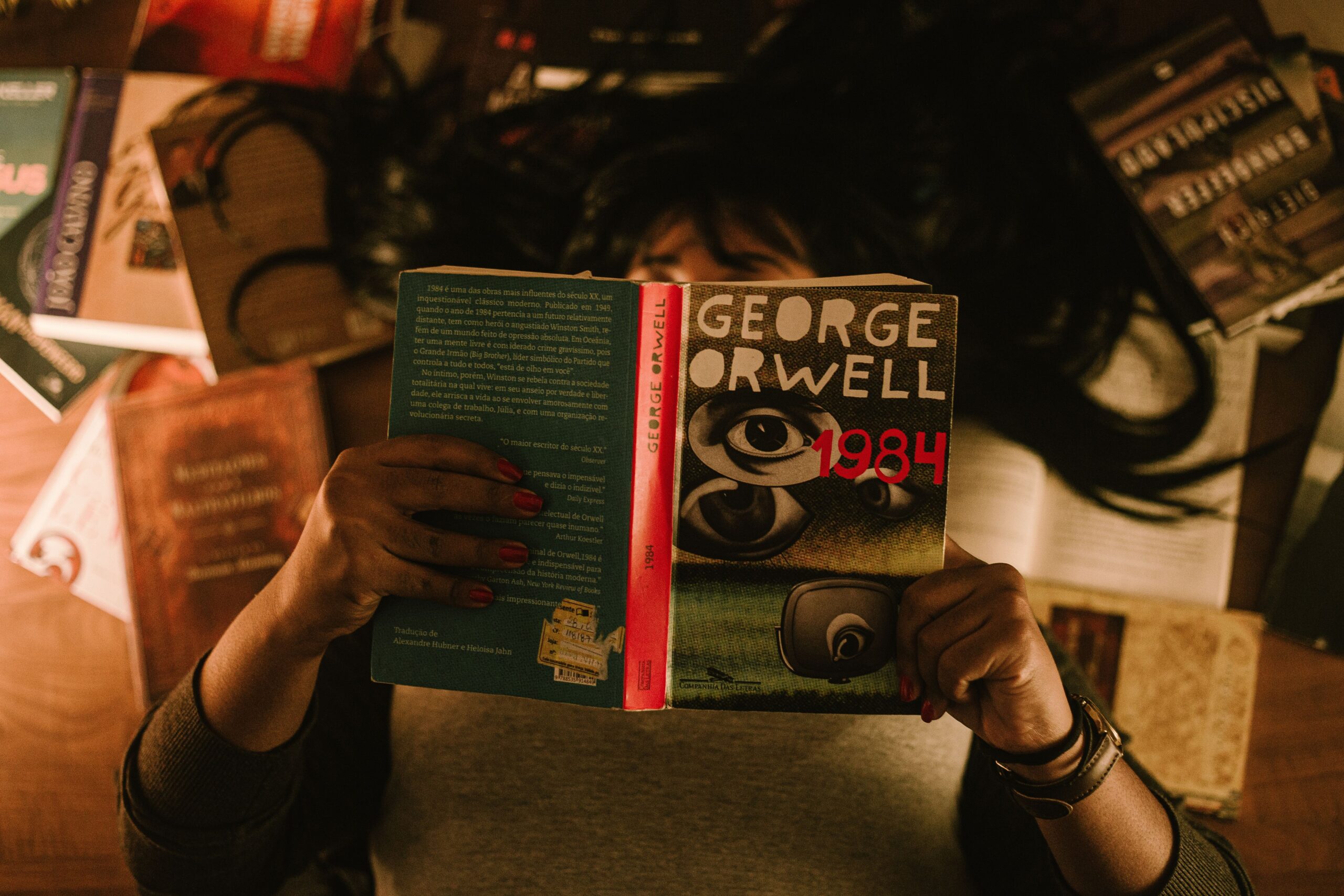
So however you choose to celebrate this August 9th, whether you visit your local library, start a book club, revisit a beloved classic, or donate to a literacy charity like Book Aid International, remember that you’re taking part in one of humanity’s oldest and most enduring love stories.

Millie Ramm
Millie has been writing since she was a child, and has spent more time with her nose in books than anywhere else. She has been ghostwriting novels and editing for the past few years, and when not working she is curled up with her cats, looking for her next read.