
Buried by Vesuvius in 79 AD, the Herculaneum scrolls were unreadable for centuries. Now AI and particle accelerators are recovering lost ancient books.
In an age when we can summon any book in seconds, perhaps the most exciting reading news of our time concerns books no one has been able to open for nearly two thousand years…
In the summer of 79 AD, Mount Vesuvius erupted and buried the Roman seaside town of Herculaneum under some sixty feet of volcanic material. In a grand villa at the edge of town, a library of papyrus scrolls was flash-heated into charcoal, then sealed away from oxygen and time. That act of natural violence, paradoxically, was also one of preservation.
Everywhere else in the classical world, papyrus rotted, burned, or was simply thrown away; the Villa of the Papyri holds the only library known to survive intact from Greco-Roman antiquity. And this June, researchers announced something bibliophiles and history buffs have dreamed about for centuries: entire lost books recovered from scrolls long dismissed as unreadable, including works whose titles no living person had ever seen.
A Library Found, Then Nearly Lost Again
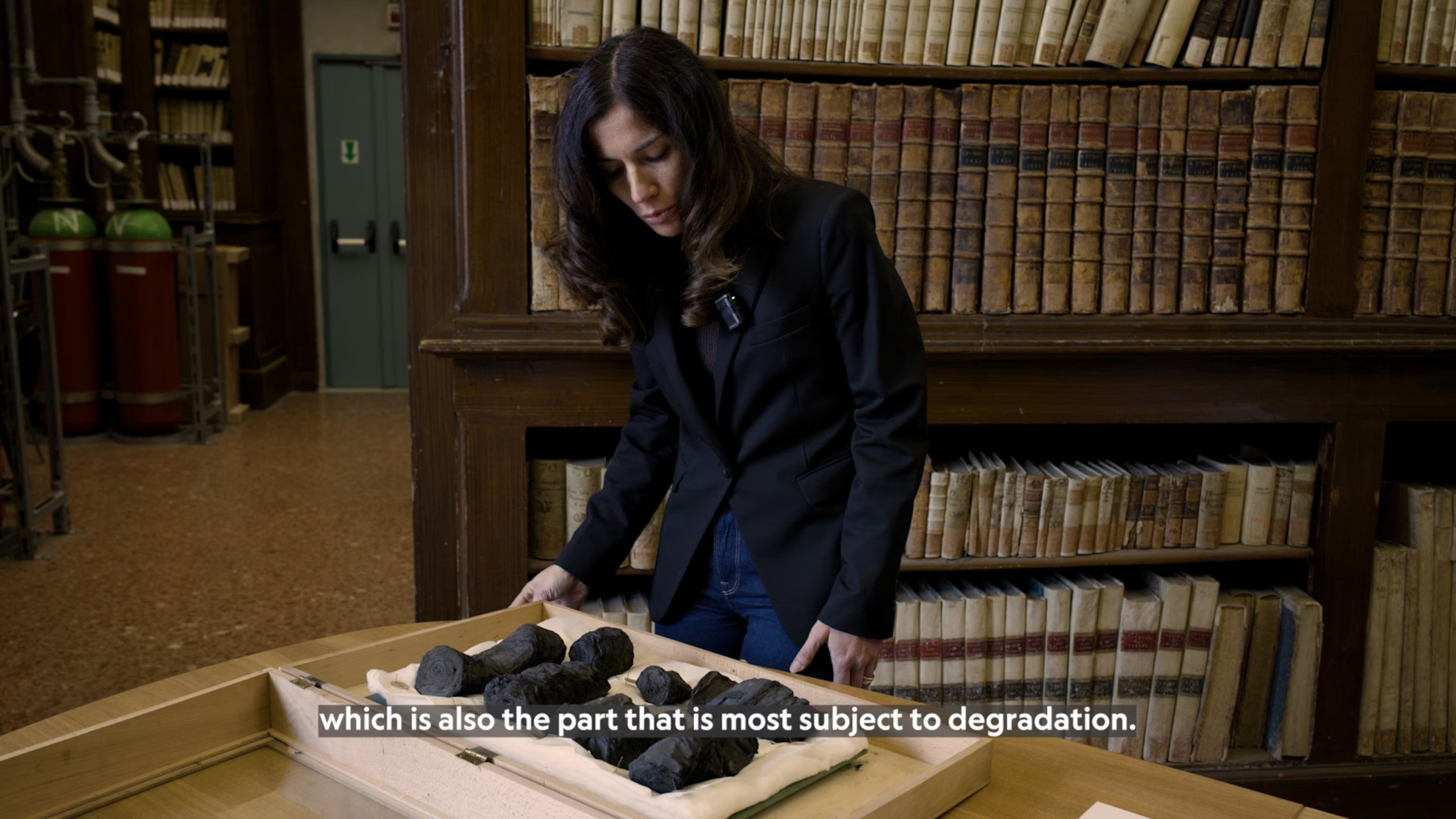
The scrolls were discovered in the 1750s, when workmen tunneling through the buried town for the King of Naples broke into rooms lined with wooden cabinets. Inside lay roughly 1,800 blackened cylinders that looked, at first, like sticks of charred firewood. The villa is widely believed to have belonged to Lucius Calpurnius Piso Caesoninus, the father-in-law of Julius Caesar, and its working library was largely assembled around Philodemus of Gadara, an Epicurean philosopher whose circle influenced Roman poets including Horace and, many scholars believe, Virgil.
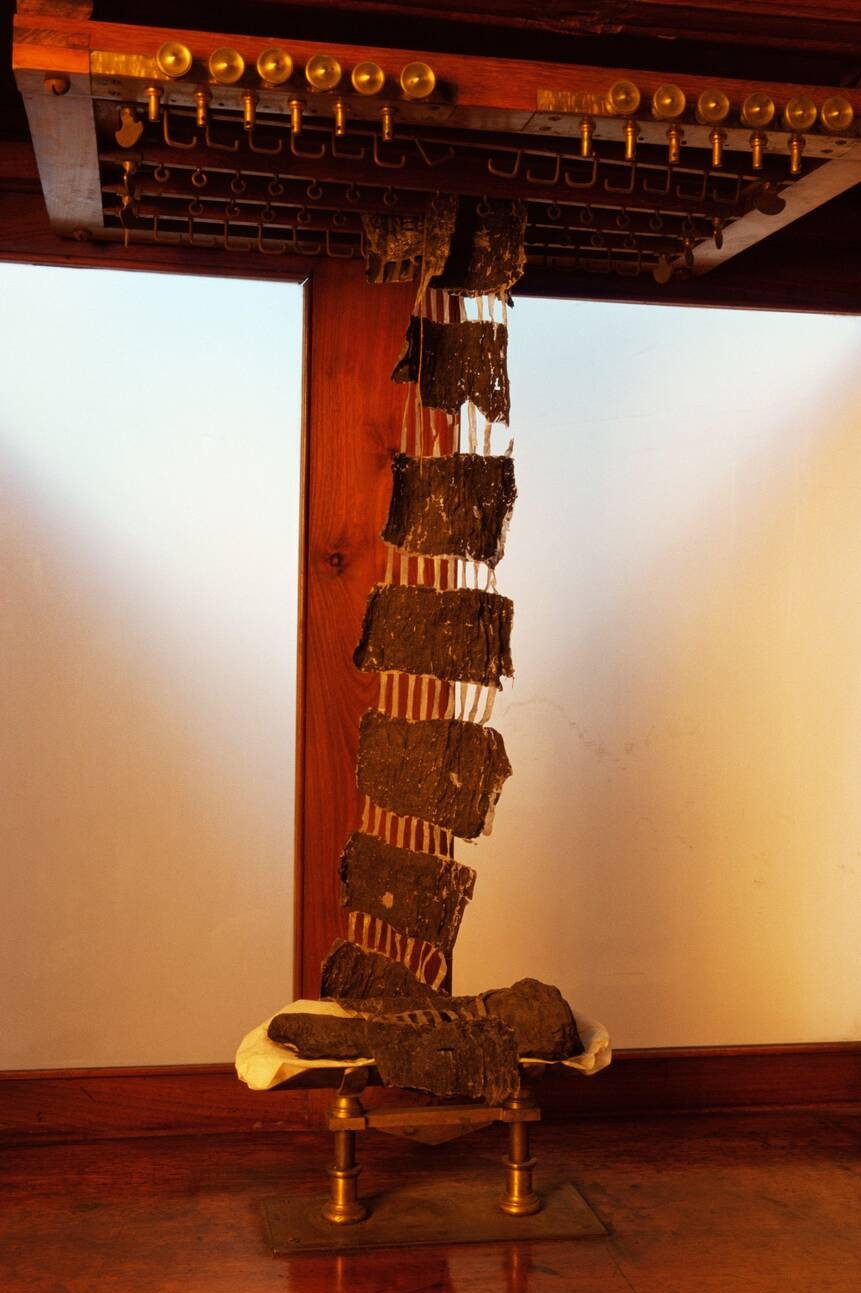
What followed was one of history’s most painful lessons in patience. Eighteenth-century scholars, desperate to read the scrolls, sliced some open with knives and watched them crumble. In 1753, a Piarist monk named Antonio Piaggio built an ingenious machine that unrolled scrolls by silk threads at a rate of centimeters per day, and it worked, barely, at terrible cost to the originals. Every generation since has faced the same wager: open the scrolls and risk destroying them, or wait for a technology that did not yet exist. The scrolls that were pried apart gave us most of what we know of Philodemus. The hundreds left rolled became one of the great locked doors of world literature.
Teaching Light to Read
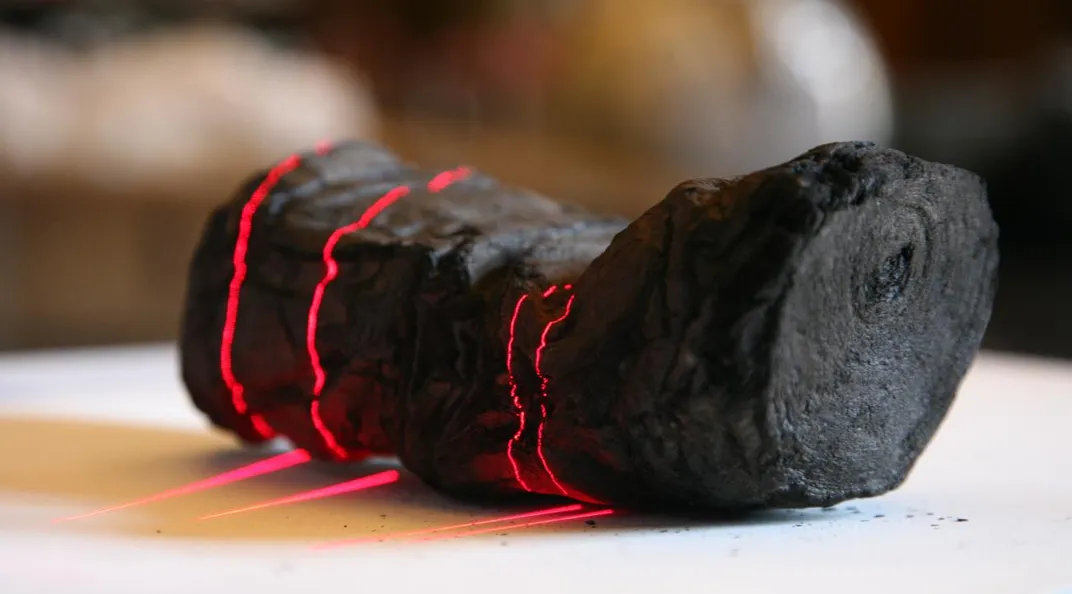
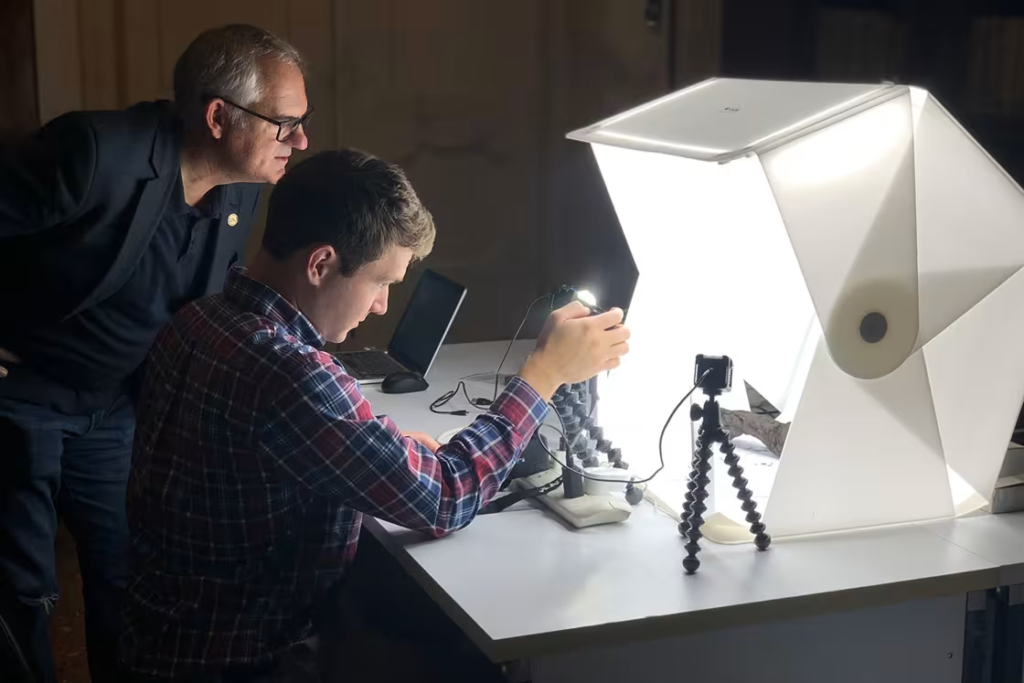
The key, when it finally came, was assembled from particle physics, computer science, and a global community of volunteers. Brent Seales, a computer scientist at the University of Kentucky, spent two decades developing what National Geographic calls the virtual “unwrapping” of the scrolls: scan a rolled papyrus in a particle accelerator at resolutions finer than a human hair, map the crumpled layers in three dimensions, flatten them digitally, and then train machine-learning models to detect the faint signature of carbon ink on carbonized papyrus, a task akin to reading black ink on black paper.
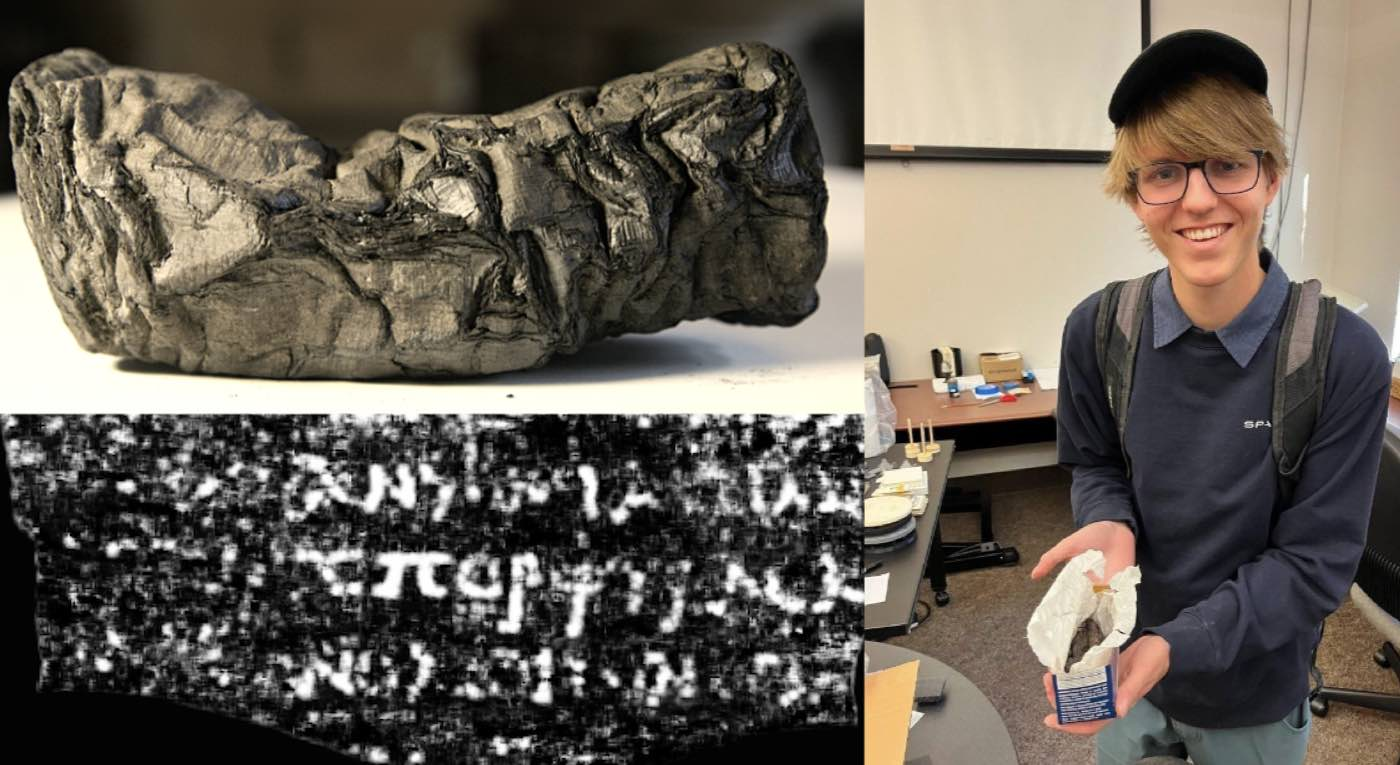
In March 2023, Seales and the technology investors Nat Friedman and Daniel Gross turned the problem into an open competition, the Vesuvius Challenge, publishing the scan data and offering more than a million dollars in prizes to anyone on Earth who could make the scrolls speak. That October, Luke Farritor, a twenty-one-year-old student from Nebraska, became the first person in nearly two millennia to read a whole word from inside an unopened Herculaneum scroll.
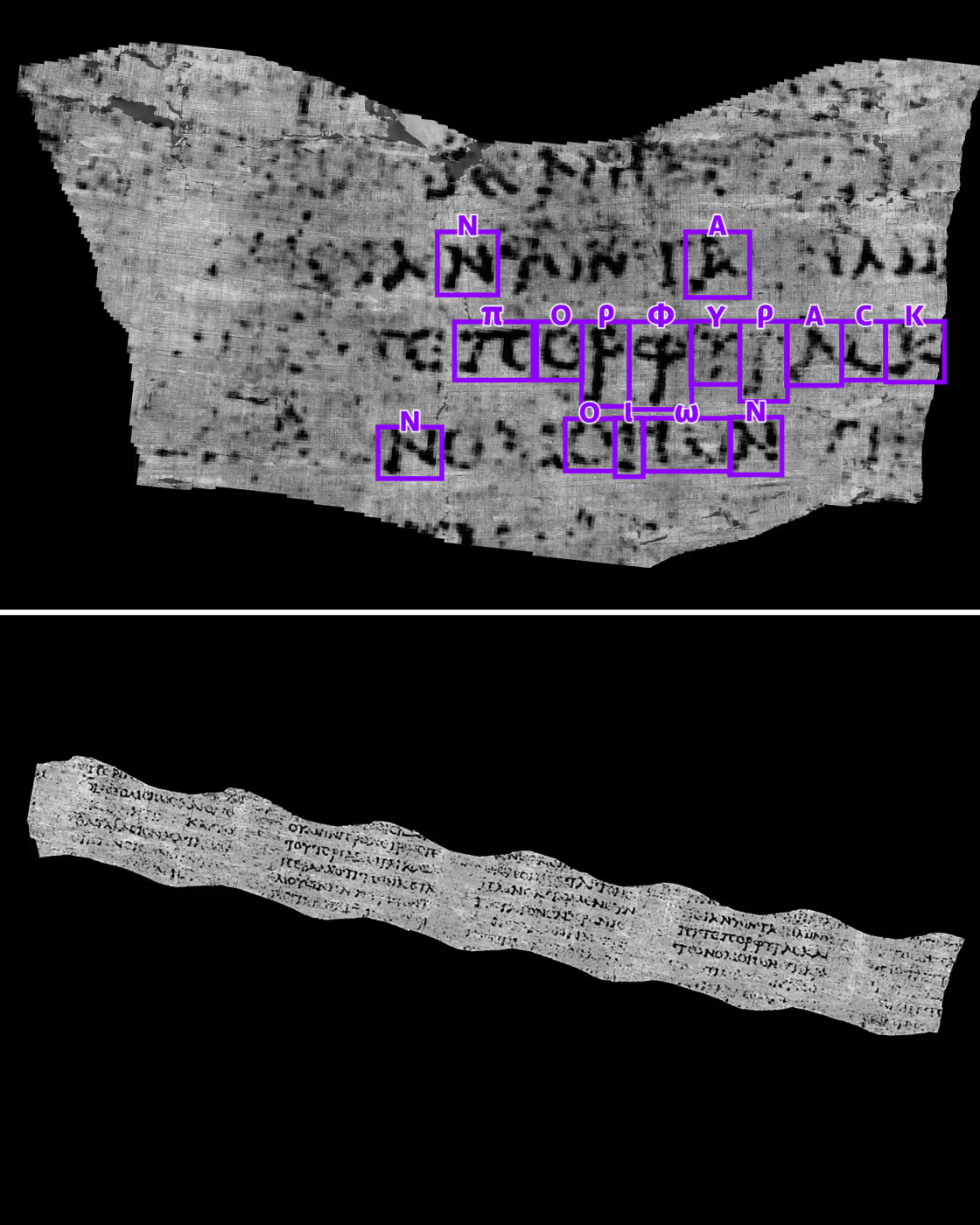
The word, fittingly gorgeous, was porphyras: purple. By February 2024, Farritor had joined forces with Youssef Nader, an Egyptian doctoral student in Berlin, and Julian Schilliger, a Swiss robotics student, and the trio won the $700,000 grand prize for recovering more than two thousand characters of a lost text in which an ancient author muses on pleasure, music, and food. A student in Nebraska, a student in Berlin, a student in Zurich, reading a Greek philosopher entombed in Italy: it is hard to imagine a lovelier picture of world citizenship.
The Books Come Back
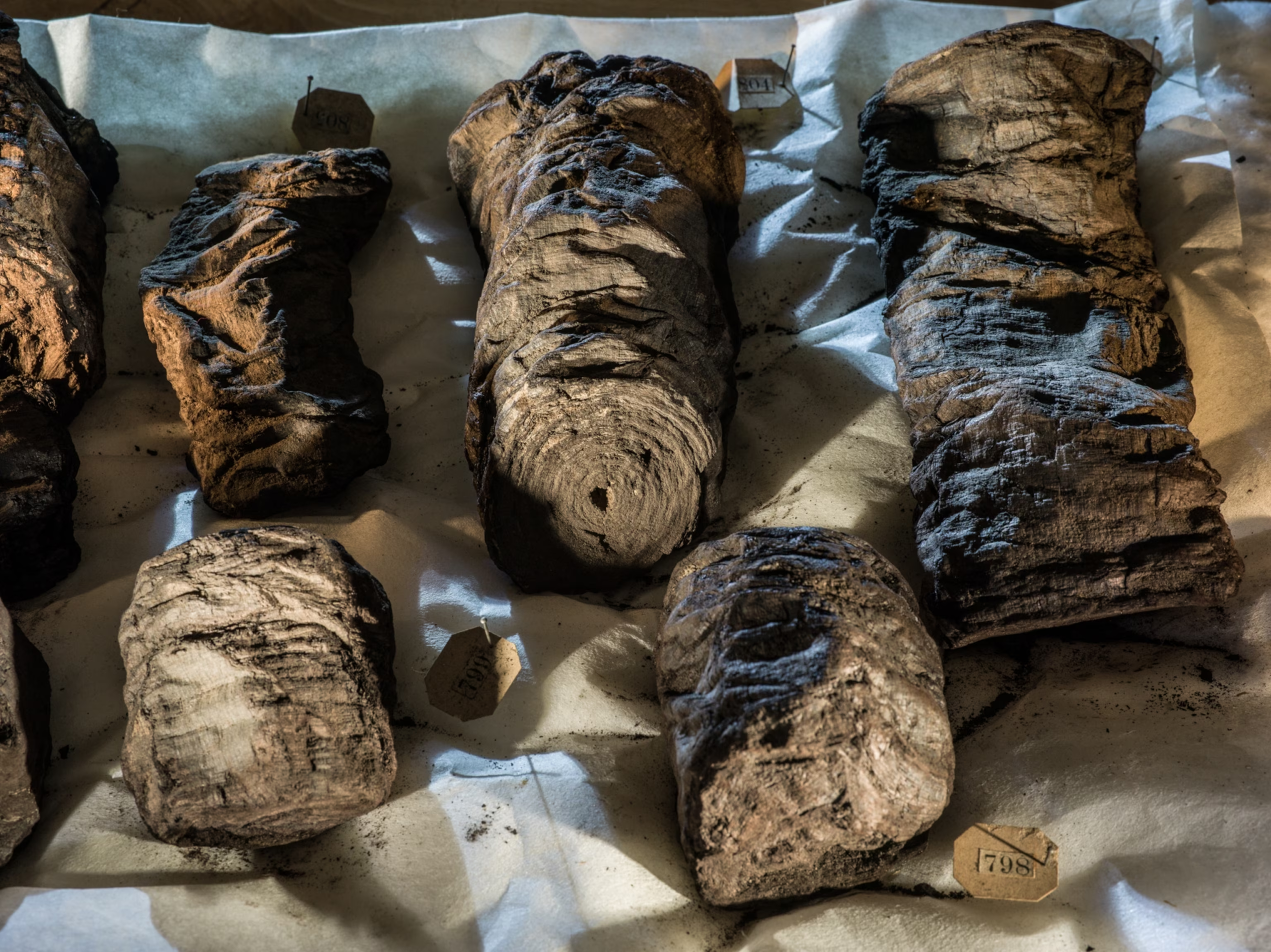
That was the proof of concept. This June brought the harvest: the most significant recovery of Herculaneum text since the first scrolls were physically opened more than two centuries ago, whole works readable as books rather than fragments.
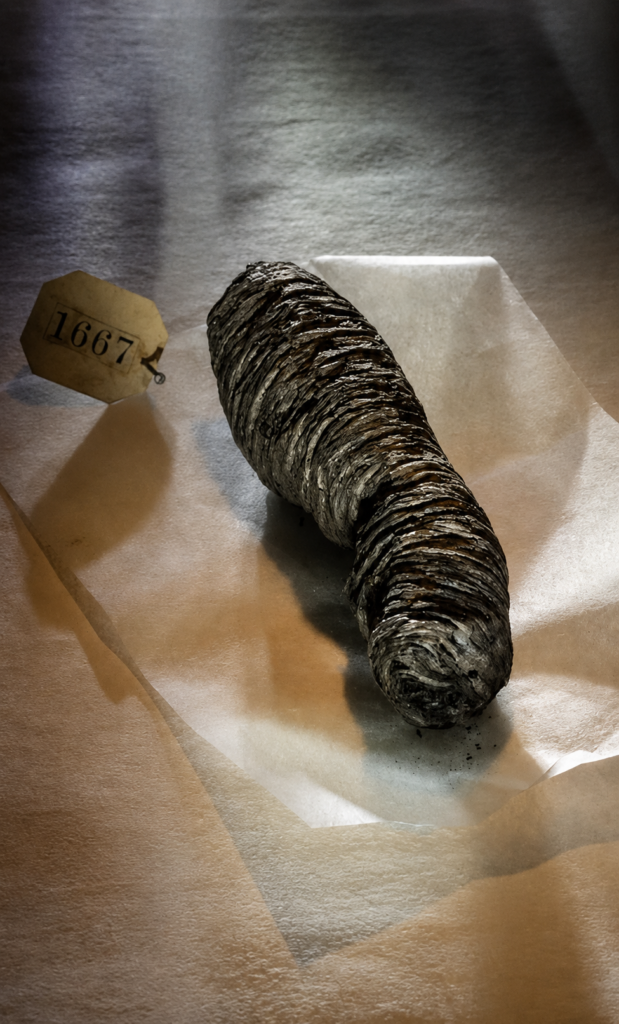
The centerpiece is a modest scroll catalogued as PHerc. 1667, kept in Naples and written off as completely unreadable after a failed opening attempt in the 1980s. Its entire surviving text has now been virtually unwrapped, nearly a meter and a half of continuous Greek across roughly twenty columns. As Smithsonian Magazine reports, it turns out to be a philosophical treatise on ethics, and a surprise: in a library dominated by Epicureans, this text reads as Stoic, discussing hormē, the impulse that moves us to act, and phronēsis, practical wisdom, the art of choosing well.
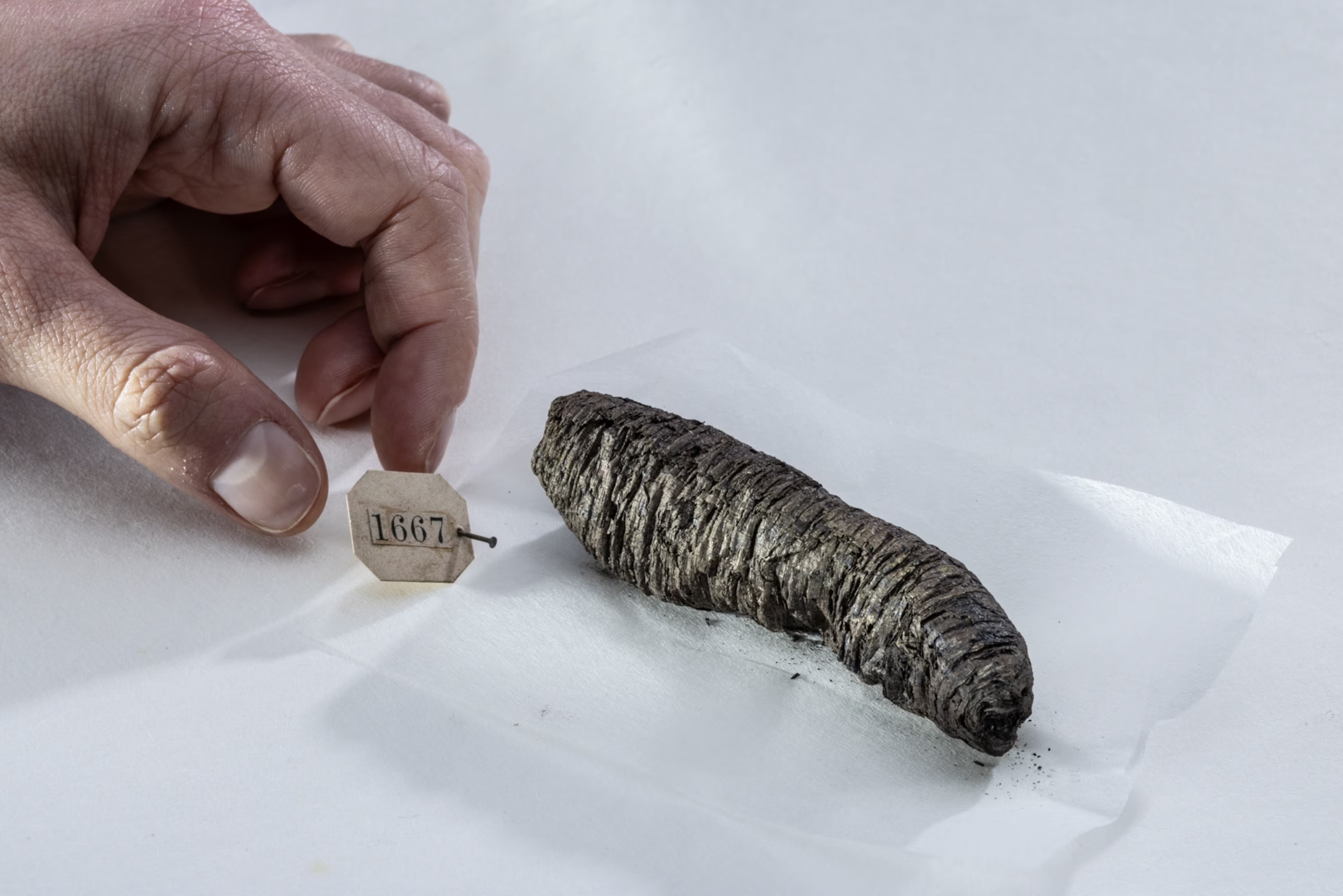
Its handwriting suggests it is among the oldest scrolls in the collection, copied in the second or possibly late third century BC. The text names Aristocreon, nephew and pupil of the Stoic master Chrysippus, and scholars are cautiously wondering whether Chrysippus himself, a foundational philosopher whose hundreds of books survive only in quotations by others, may finally have a work back in circulation. One recovered sentence, unread for two thousand years, advises that we cannot truly grasp anything if we depart from our own nature. It is counsel about attention and self-knowledge, delivered across twenty centuries to the most distracted civilization that has ever lived.
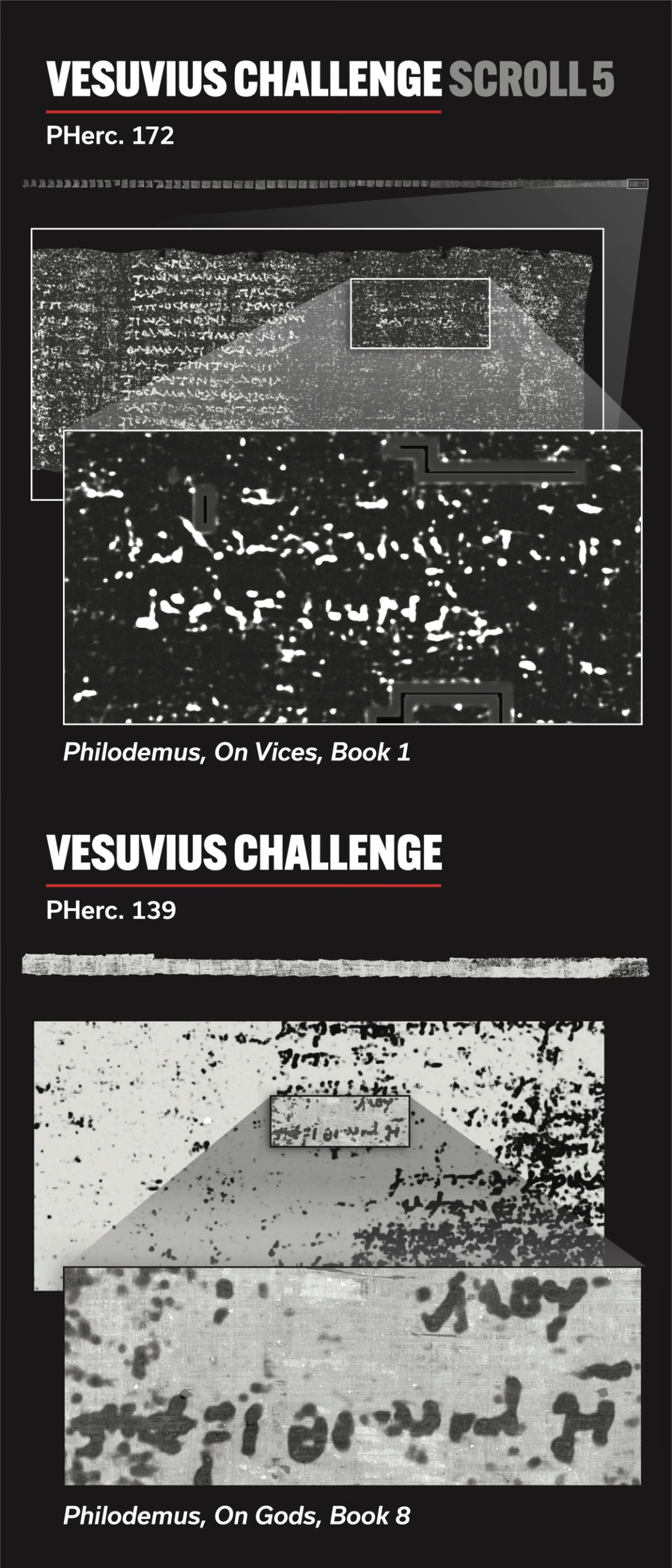
Two more titles emerged alongside it. A scroll at Oxford’s Bodleian Library, scanned with synchrotron X-rays at the Diamond Light Source, yielded more than seventy columns and an end-title identifying it as On Vices, Book 1, by Philodemus. Another revealed itself as Philodemus’s On Gods, Book 8, proof that his treatise on theology was far larger than anyone knew. These are new books from the ancient world, entering the human library for the first time.
Why Old Souls Should Celebrate
There is a deeper lesson here for those of us who love slow things. The scrolls survived because they could not be rushed; every attempt to force them open destroyed them, and the door yielded only to two hundred and seventy years of accumulated patience, craft, and cooperation across borders and generations. “It’s been a long time since the classical period, and we feel a distance from that culture,” Seales told NBC News. “And then you read the words, and then the distance shrinks immediately.” The ancients in these pages were worried about how to live a good life, which is to say they share the exact same worries as many of us.
And the story is only beginning. Researchers estimate that just 10% of the library has been read so far; more than six hundred scrolls remain unopened, and papyrologists such as Federica Nicolardi of the University of Naples Federico II are now doing the work no machine can: reading, editing, and understanding, the oldest of humanistic crafts applied to the newest of images. Some scholars even hope that future excavation of the villa’s unexplored levels could yield lost Latin literature.
Every book on your shelf is a survivor of fire, flood, censorship, and indifference. The Herculaneum scrolls are simply the most dramatic proof of what readers have always known: that a book is a message launched toward strangers not yet born, and that somewhere, someone will take the trouble to receive it. Two thousand years from now, may we be so lucky, and may our own words find readers so devoted.

Millie Ramm
Millie has been writing since she was a child, and has spent more time with her nose in books than anywhere else. She has been ghostwriting novels and editing for the past few years, and when not working she is curled up with her cats, looking for her next read.