
Meet 91-year-old Eiko Kadono, author of Kiki’s Delivery Service, and discover her story on slow living, world citizenship, and finding your magic.
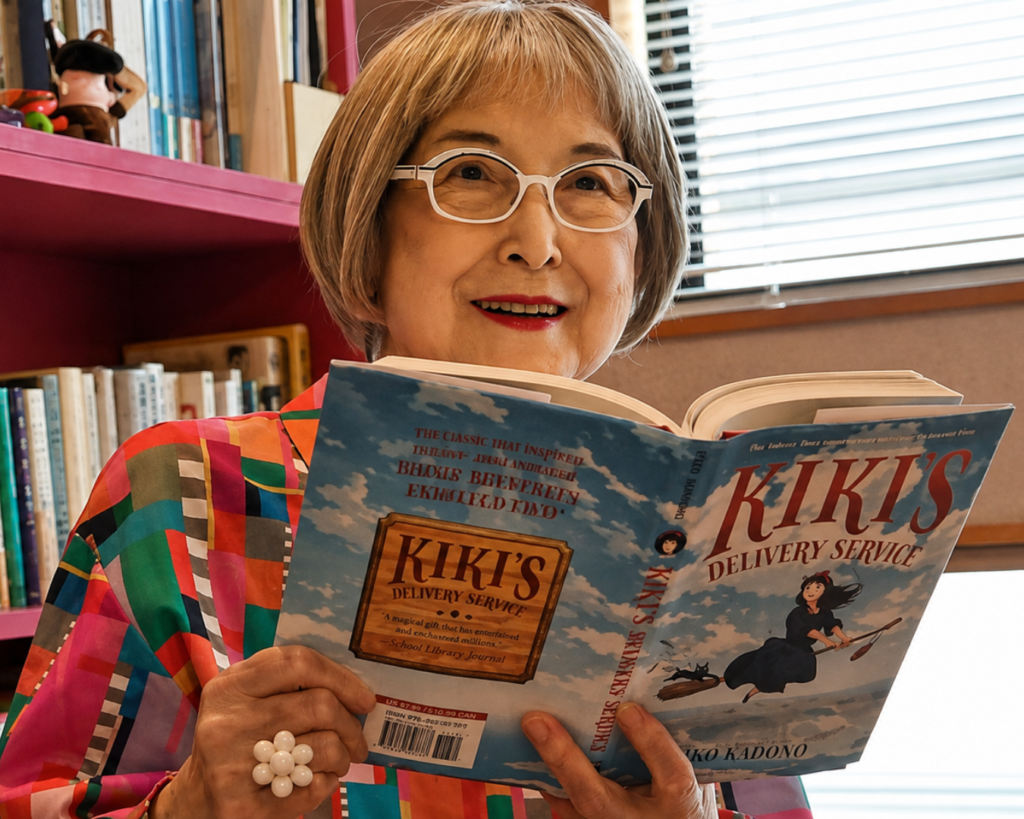
There is a house in Kamakura, an hour’s train ride south of Tokyo, with a little pink gate. Behind it: books in every direction, pink chairs, a small congregation of animal figurines. And at a desk is a 91-year-old woman in a bright smock her daughter designed for her, the sleeves elastic so they can be pushed clear when she writes. The stairs give her trouble now, but she doesn’t let that stand in her way. She works every morning, wears red lipstick, laughs that she never stopped being a child, and has not fallen out of love with pink or with the printed page.
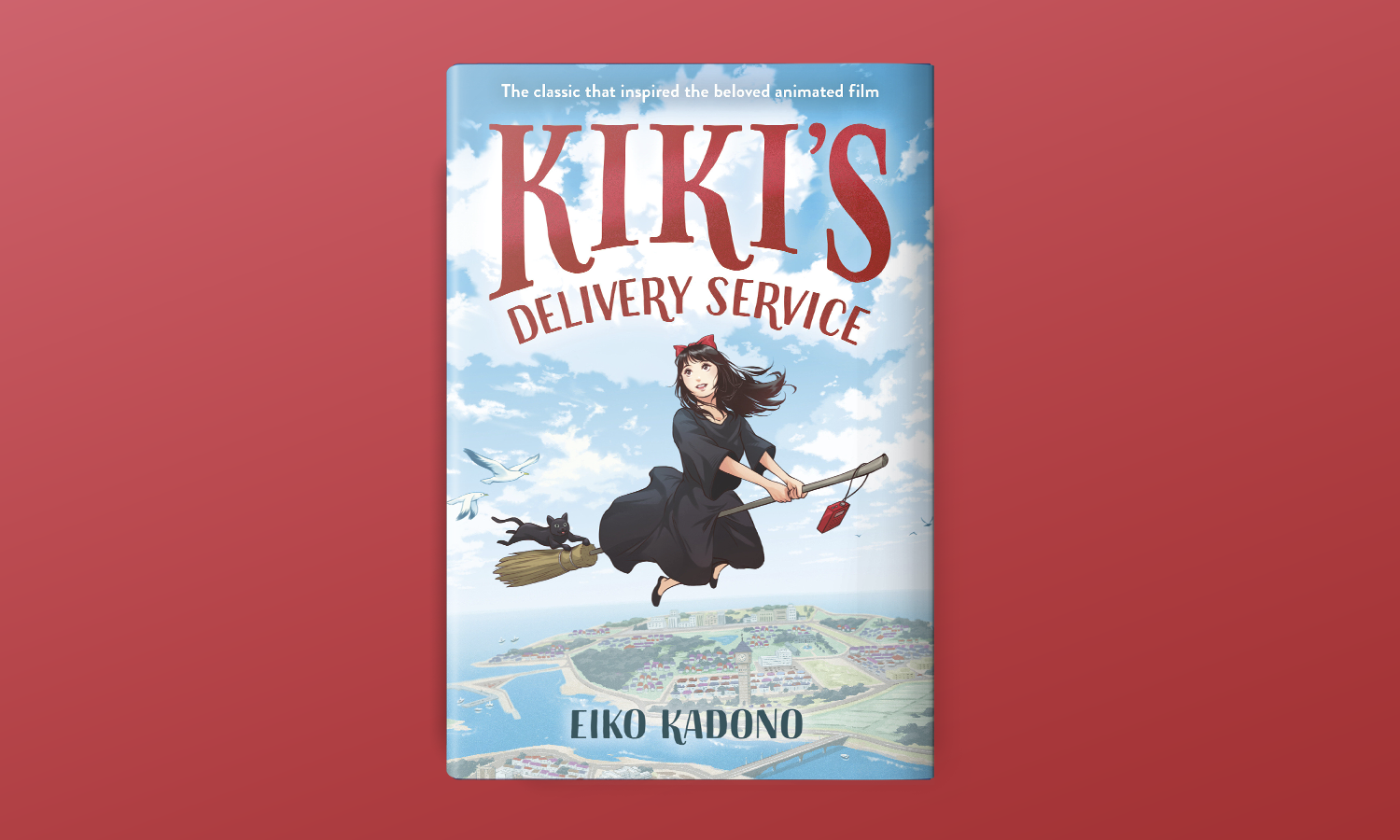
Her name is Eiko Kadono, and 41 years ago she wrote a slim book about an almost-13-year-old witch who leaves home with a black cat and one modest talent. Kiki’s Delivery Service has since been translated into twenty-five languages, became one of Studio Ghibli’s best-loved films, and won its author the closest thing children’s literature has to a Nobel Prize.
But the film is one summer of a story that runs a full year, and for half a century, Kadono has been consistent on something that the rest of us are only now catching up to: that slowness is a method, that curiosity about other countries is a form of citizenship, and that everybody carries a magic they have not gone looking for yet.
From an Air-Raid Childhood to a Drawing Board Around Her Neck
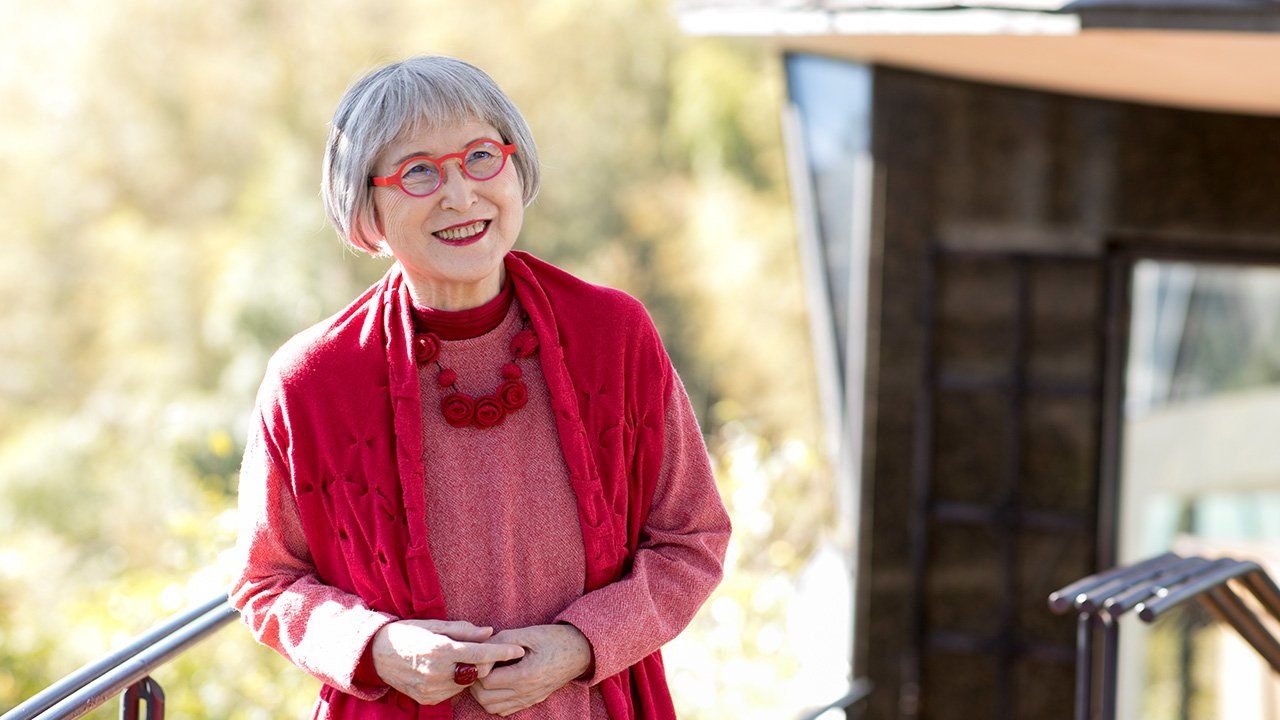
Kadono was born in Tokyo in 1935. At 10, she was evacuated to northern Japan during the war, and that experience sits at the root of her lifelong commitment to peace. When the war ended, she fell in love with the foreign culture pouring in, and began studying British and American literature. She worked for a publisher, married a designer, and moved with him to Brazil for two years, spending her savings on travel. Being freed from wartime restriction, she said, was “such a great joy.”
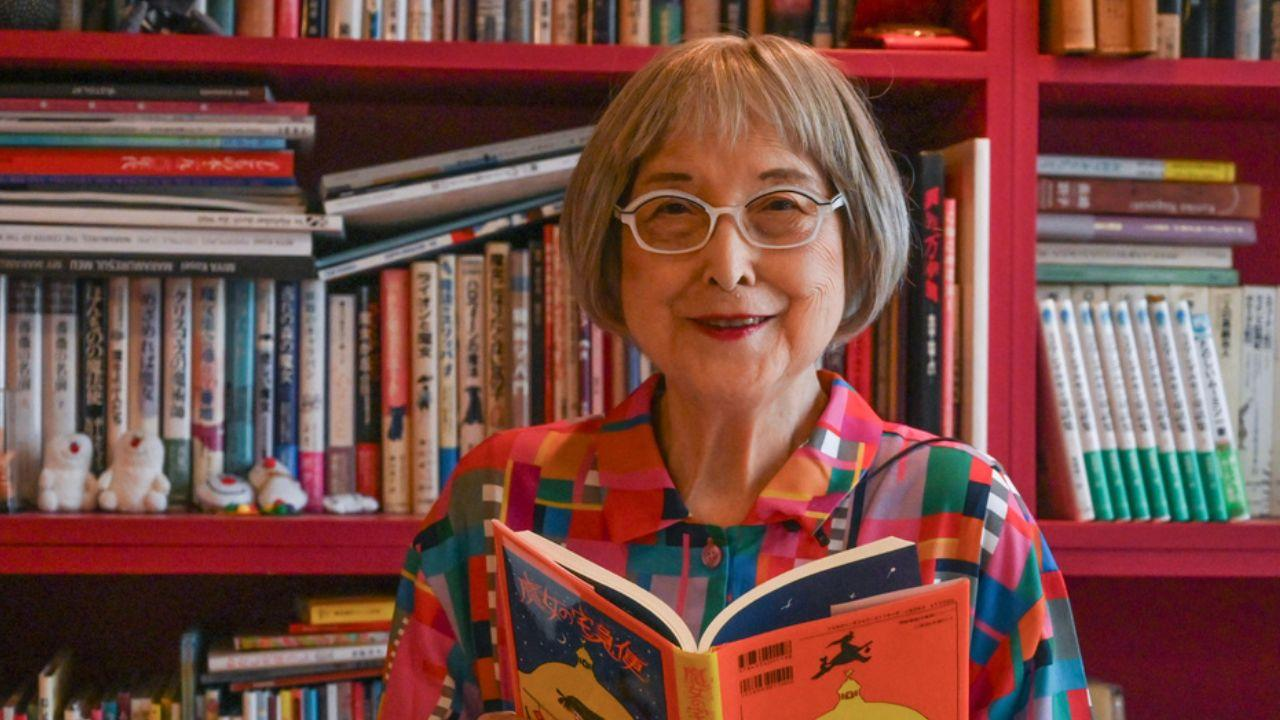
She never planned to write. Asked to describe Brazil, she discovered, at 34 and with a small daughter underfoot, that she loved it. She wrote on a drawing board hung from her neck between rounds of childcare, and has since published close to 200 original works.
Her career began late in the cracks of an ordinary domestic day.
The Witch Her Daughter Drew
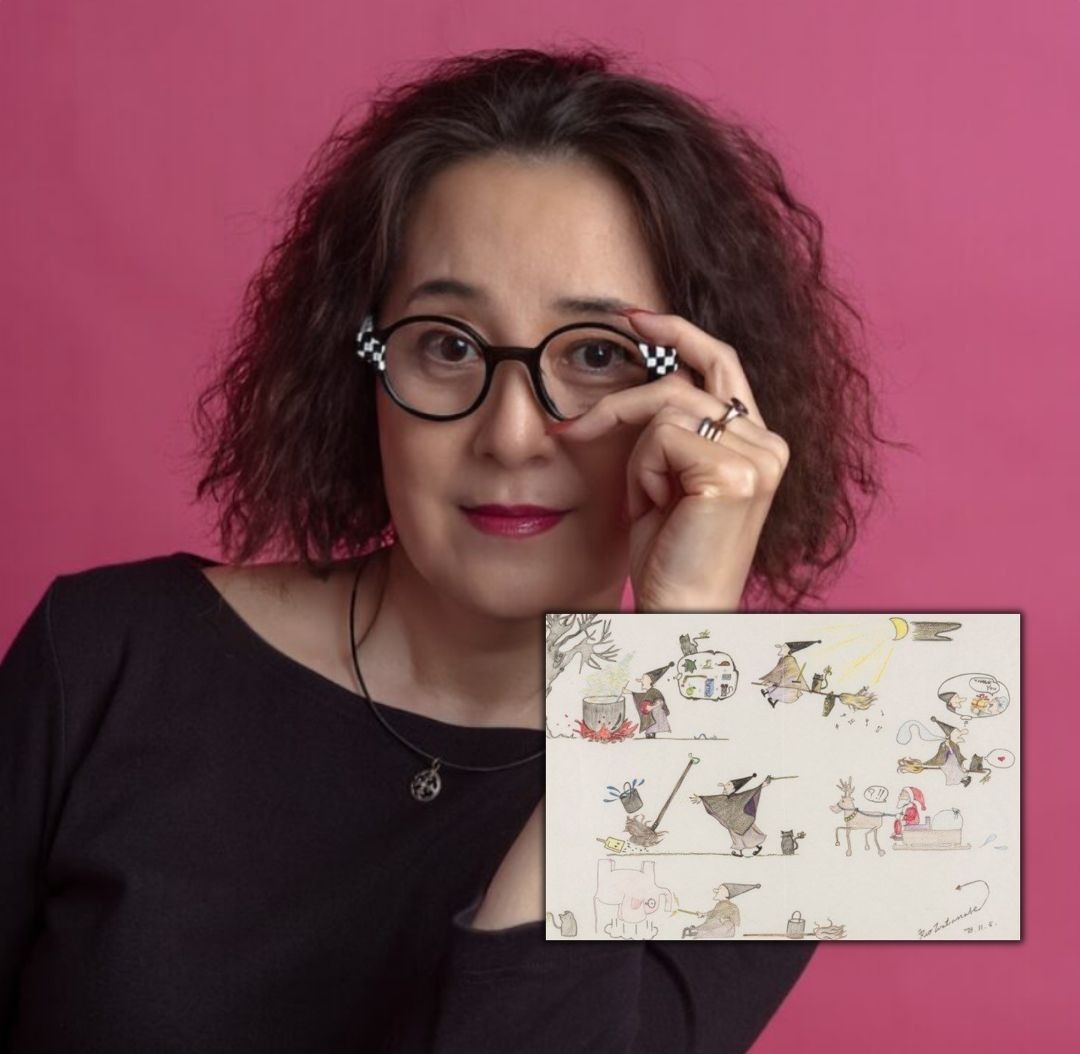
Kiki arrived by accident. In the book’s preface, Kadono explains that her 12-year-old daughter had drawn a witch flying through the sky, listening to a radio, musical notes dancing around her. Out of that doodle came a half-witch who leaves home for a year, as witches must, with one talent and a black cat named Jiji.
As she revised over and over, she realized she loved writing, resolved to keep at it as long as she lived, and, in her own words, “sensed the magic inside myself.” Everybody, she insists, has a magical ability. Find the thing you like, do it daily, and you will shine.
Koriko Is Everywhere: A Slow Traveler’s Map of Kiki’s World
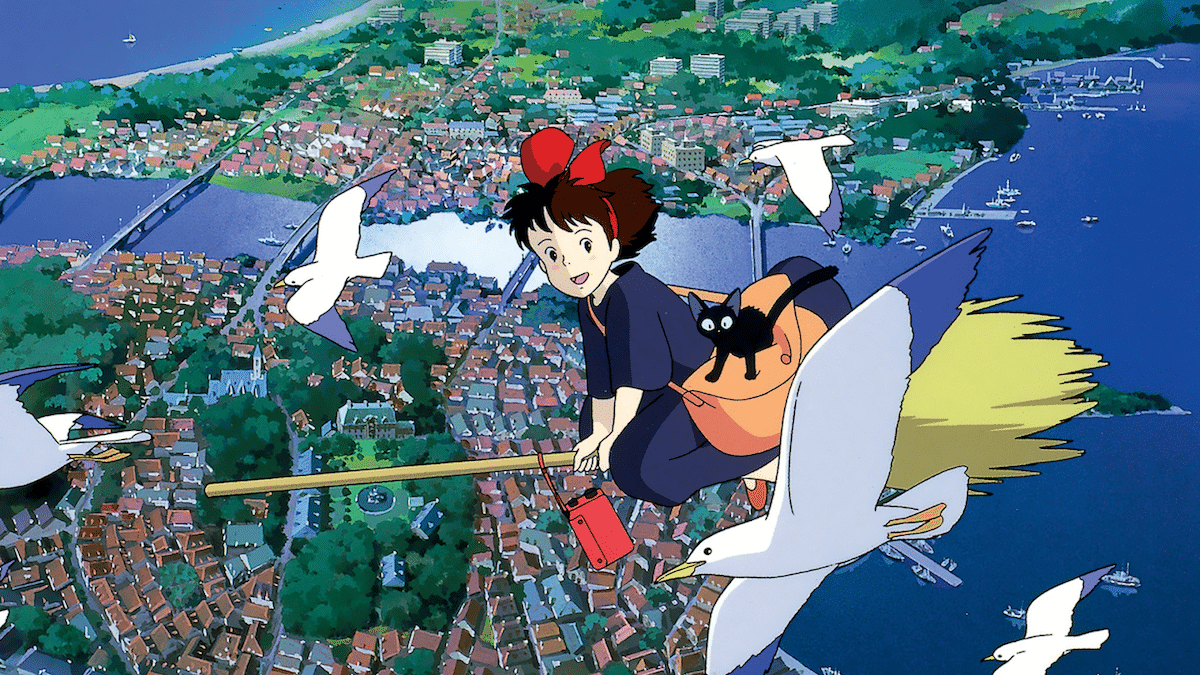
Kadono set the story in an unnamed northern European country, which is why Kiki’s world became an open invitation: a place readers go looking for on foot. Miyazaki’s team went looking too. In 1971, he travelled to Sweden hoping to meet Astrid Lindgren about a Pippi Longstocking adaptation. Lindgren never came. Instead, he turned to Stockholm’s architecture and, more powerfully, to the medieval town of Visby on Gotland, where a few hours among pebbled alleys and ancient walls changed him. Visby became the visual inspiration for Koriko. Walk the UNESCO-listed Hanseatic town of Visby today and you walk it at Kiki’s pace, which is to say slowly.

Fans go further afield than the evidence allows. For decades, they have found their way to a bakery in Tasmania, convinced it is the inspiration for Osono’s, though Ghibli’s artists never went there. The provenance is wrong, but the pilgrimage is real, which is a fair description of how culture travels.
The true destination is Tokyo. In November 2023, Kiki’s Museum of Literature opened in Edogawa, the ward where Kadono grew up, a village of small pink and white boxes stepping down a hill. It holds some 9,000 children’s books, weighted toward short titles so a visiting child can finish one during their visit. A five-year-old visitor named Tsukiko Fukuda gave the Associated Press the shortest possible review, “The books are fun, and pink is her favourite colour too.”
What She Asked Miyazaki to Keep
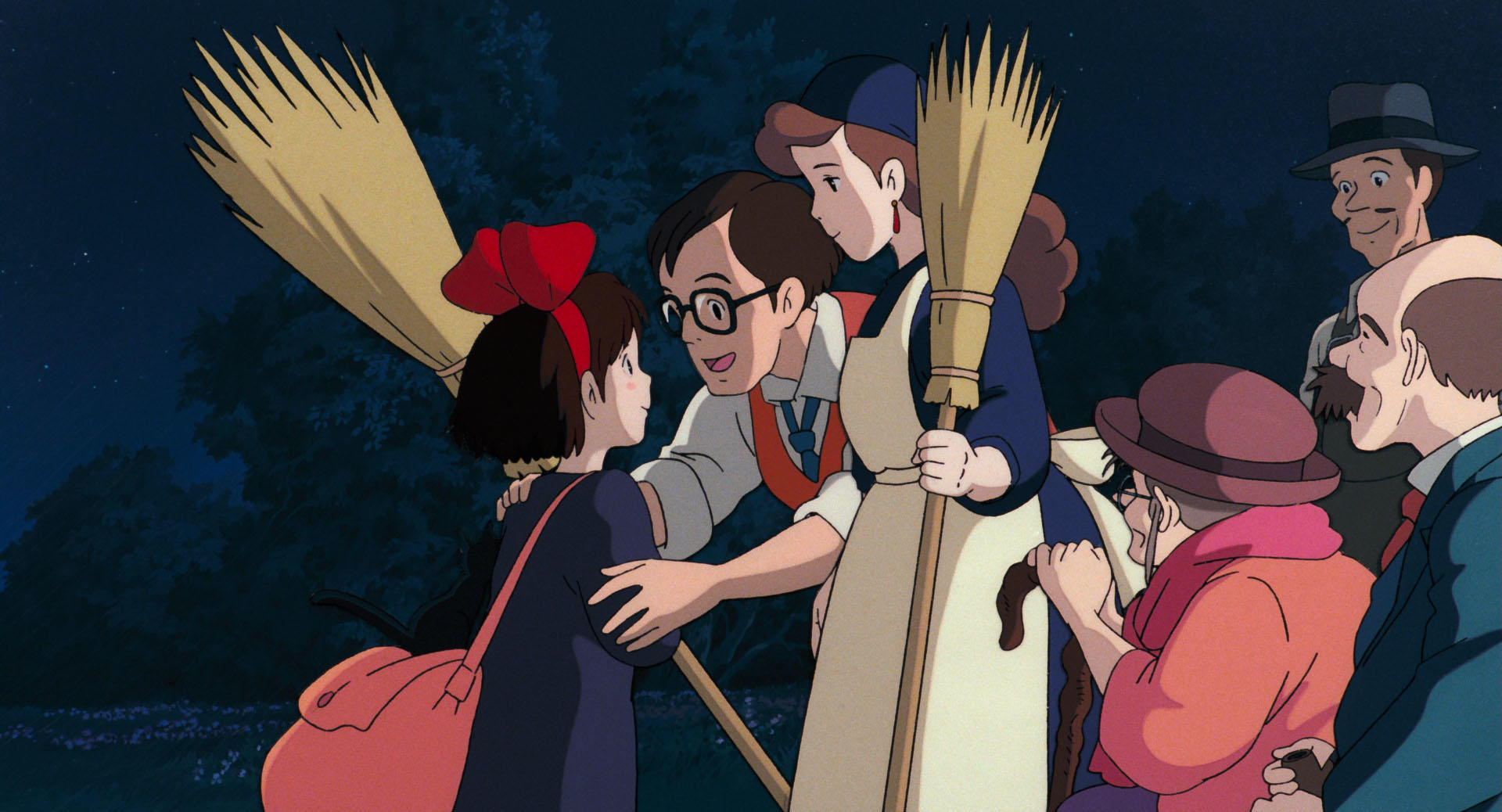
Kadono’s novel is episodic and gentle: small deliveries, small kindnesses, nothing terrible or climactic. The film needed a more dynamic arc, so Miyazaki added the crows, the airship, and the loss of Kiki’s powers. Kadono has never pretended her book or the movie are the same thing, or wanted them to be. Anything made into a film or a play becomes a different work, she says. She asked for three things only: that “the title and the story’s world view be kept,” and that Kiki would stay recognizably herself. Then she waited for the film like everyone else.
She was, by her own account, a woman of print with little interest in animation. It was her daughter, the girl who drew the witch in the first place, who was adamant she agree. She watched the result as Miyazaki’s work rather than her own, enjoyed it, and was “relieved that the world of the story hadn’t changed.”
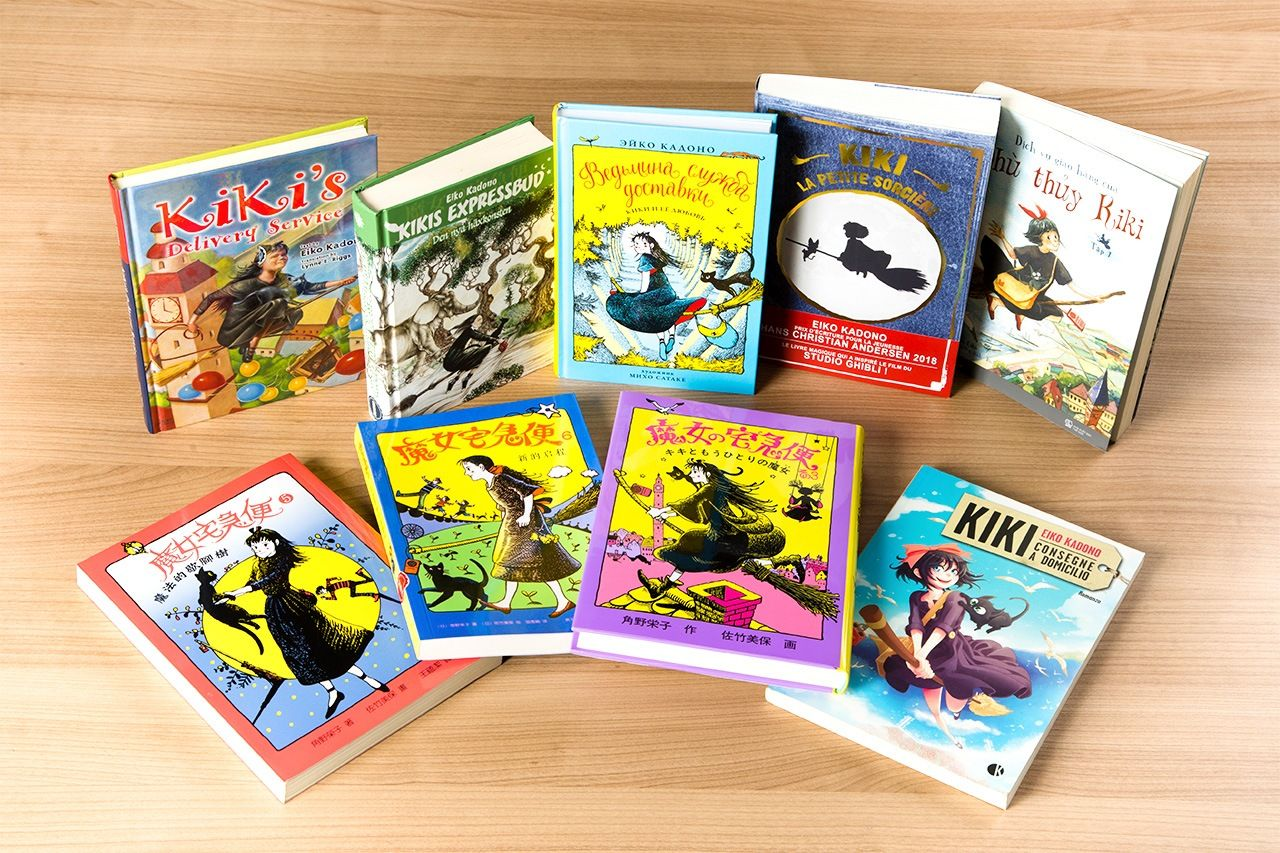
The film became Ghibli’s first hit; the book became six volumes.
Why This Matters Now: The Numbers Behind the Magic
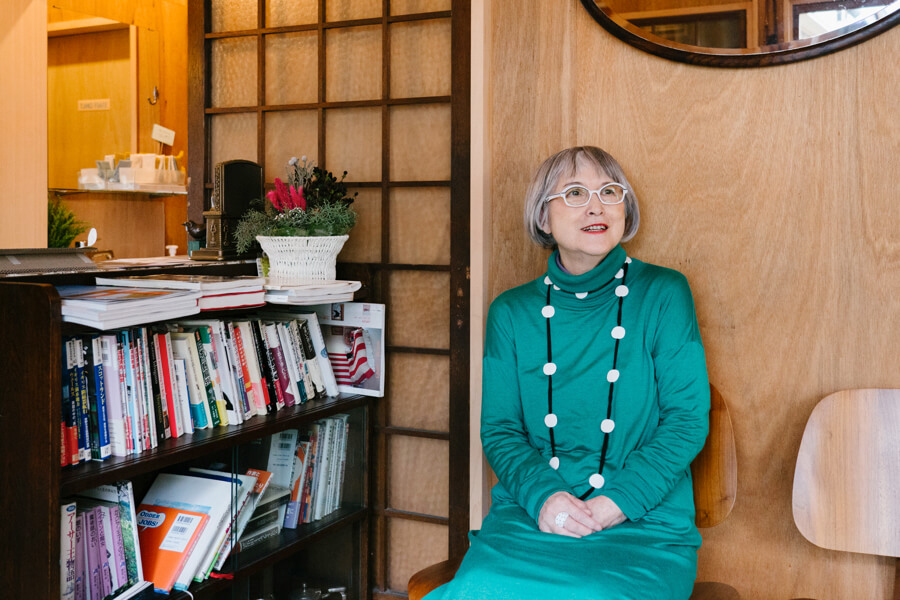
Kadono is not sentimental about the present. The woodland walks that fed her earlier imaginations have largely vanished, replaced by digital diversions. So, she concludes, children must read. “Books are the only thing now that can bring about creation and imagination,” she says. Thinking for yourself, she argues, is what being human consists of, and books are what teach it. She has standing to say so. She was a child in 1945, in a country short of food and shorter of books, and she has watched Japanese childhood change across eighty years. In Japan, Kiki has now been read by four generations. She hopes good writers of children’s books keep arriving, and at 91, she believes this decade may decide whether they do.
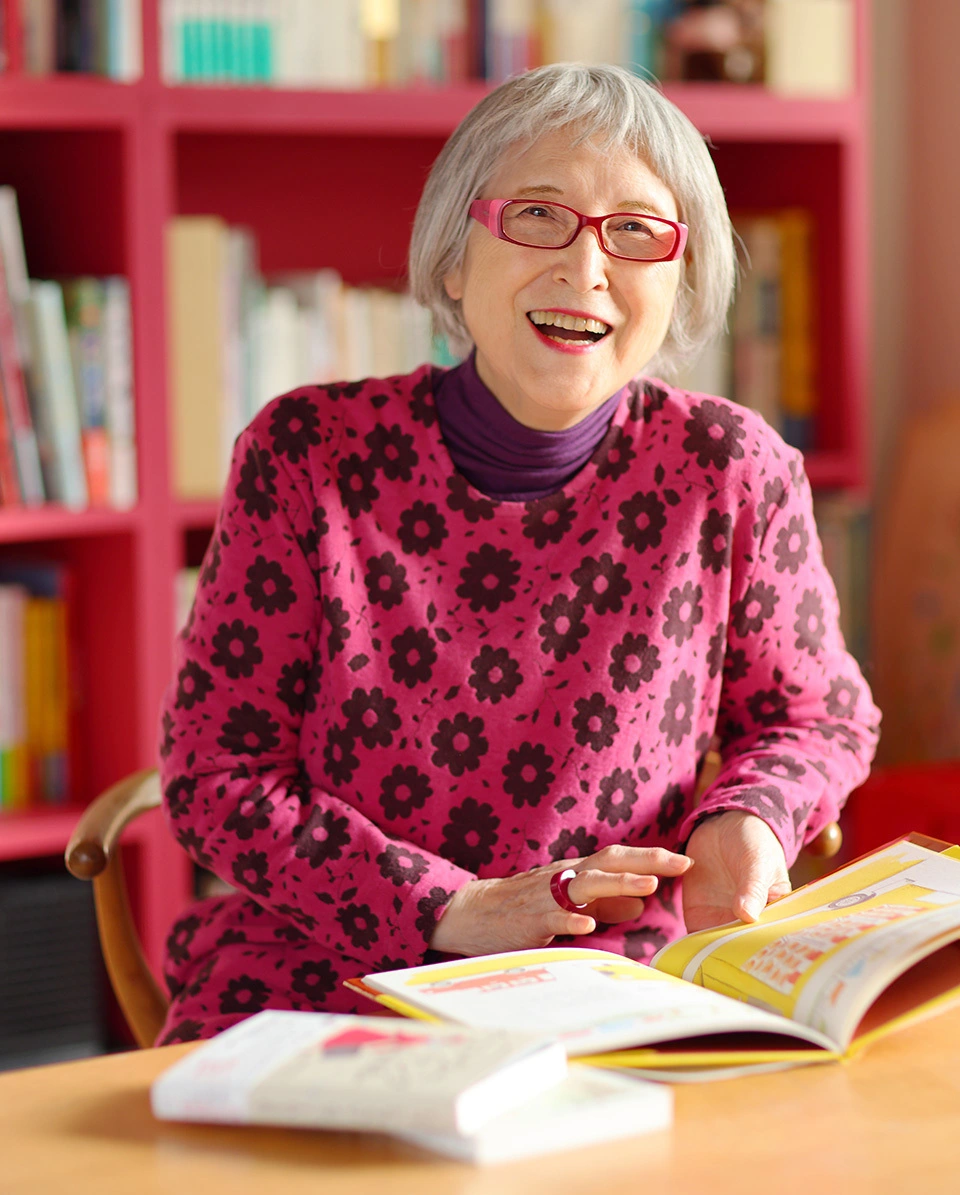
The numbers explain her urgency. A survey by Japan’s Agency for Cultural Affairs found a record 62.6% of respondents had not read a book in a month, a majority for the first time. Japan’s bookstore count fell to 9,993 by the end of March 2026, below ten thousand for the first time and down nearly 60% from its 1998 peak. Roughly 30% of municipalities have no bookshop at all.
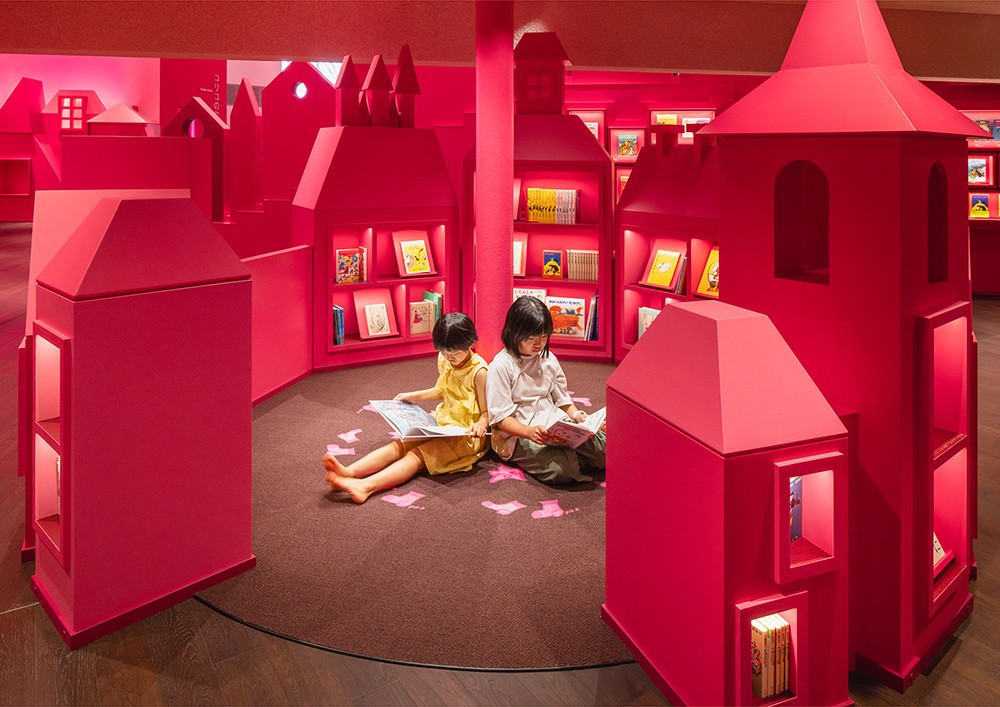
This recasts a pink museum full of short books as something other than whimsy. It is infrastructure to support literacy.
Kiki Flies Again in August
Kadono won the 2018 Hans Christian Andersen Award, the highest international honour in children’s literature, when she was 83. The jury praised the “ineffable charm, compassion, and élan” of her writing.
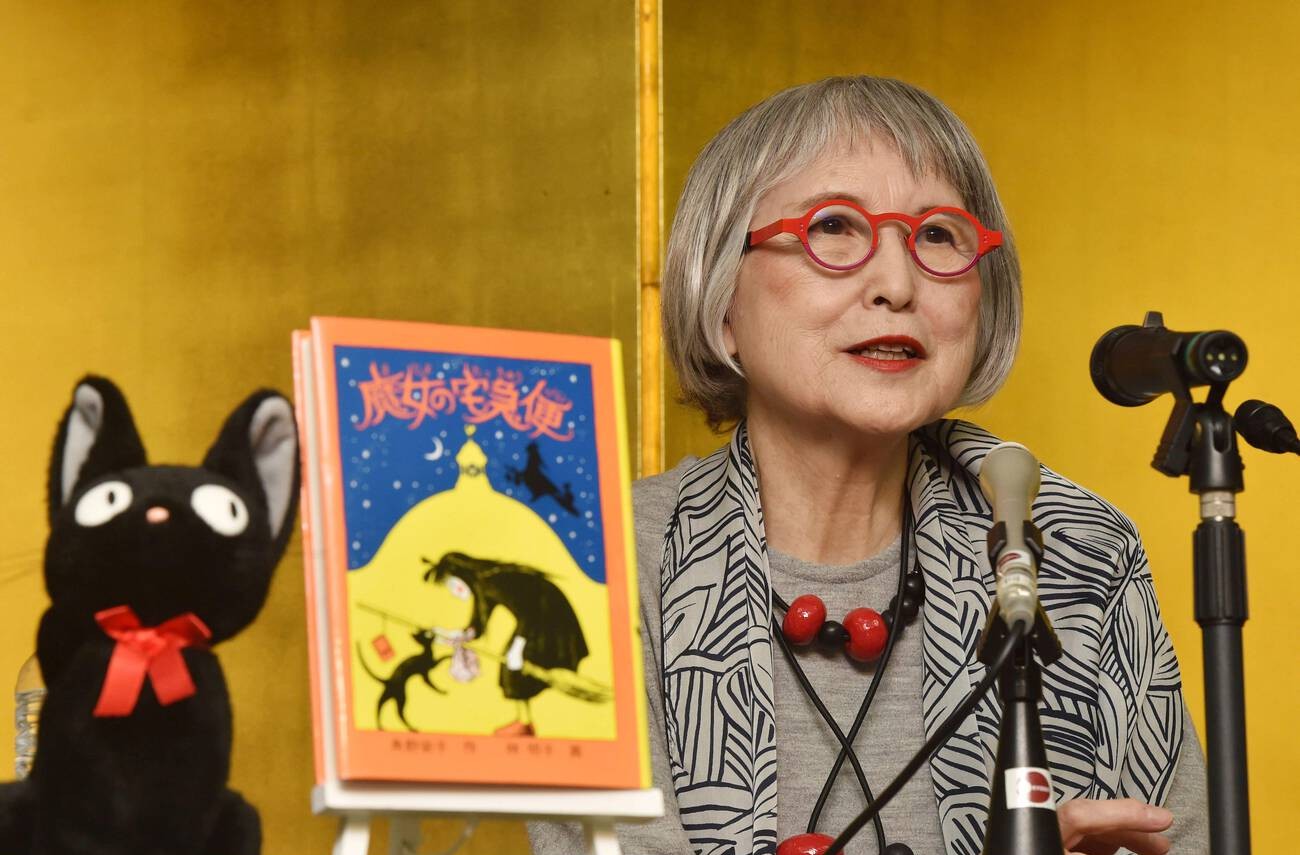
That award prized the series into English: Emily Balistrieri’s translation appeared in 2020. On August 25, 2026, Kiki and the New Magic arrived in English for the first time, illustrated by Yuta Onoda, alongside a deluxe edition of the original.
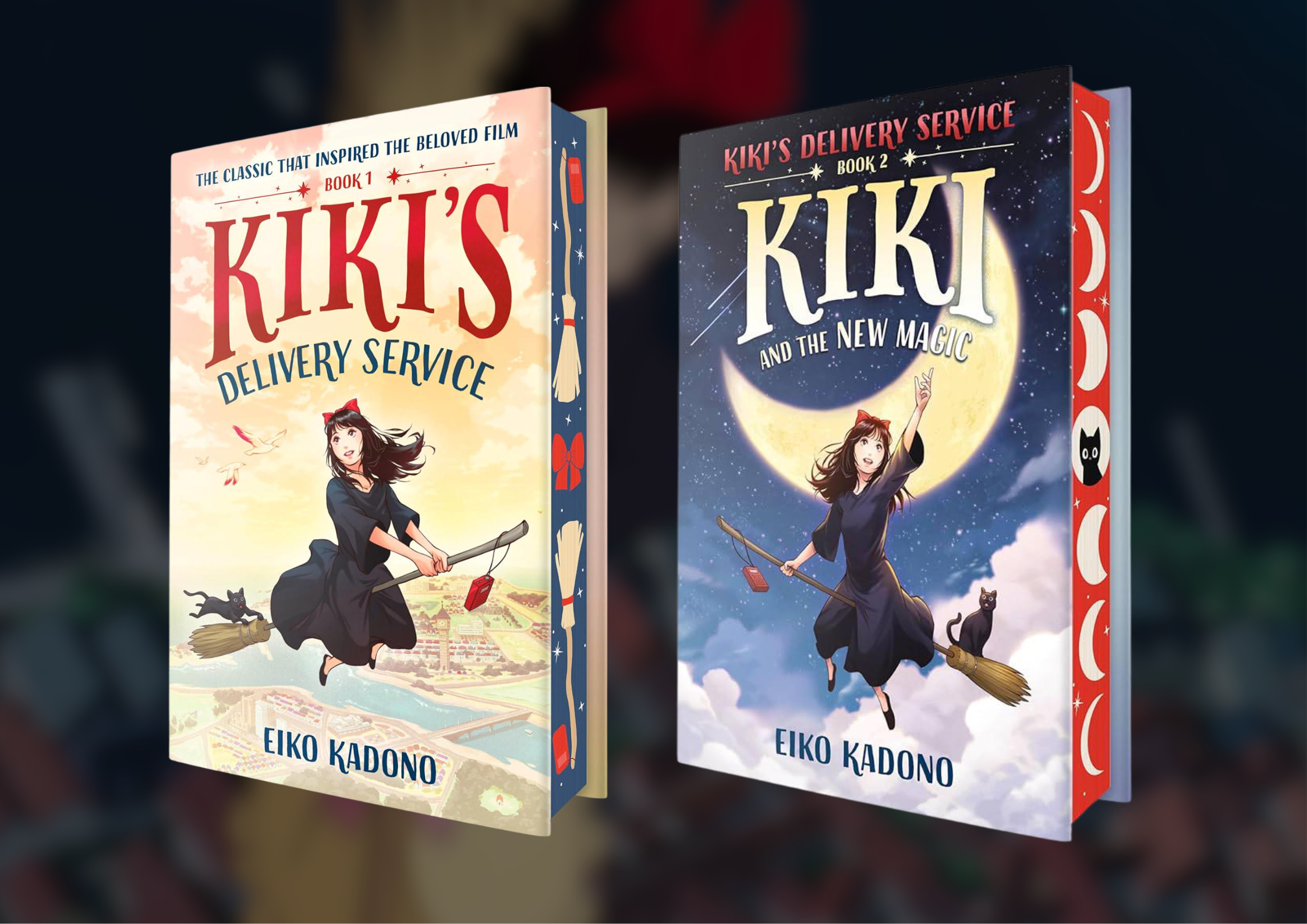
A year on, Kiki is a minor celebrity, her friendships strained, and she must find a different kind of magic. Kadono wrote that novel after the film made her famous, which is either coincidence or the best kind of joke. The award came at 83, the first English Kiki at 85, this sequel at 91. Her milestones are arriving late, but they keep coming.
Find Your Magic
“Opening a book is like opening the door to different worlds,” Kadono wrote for her Andersen citation, and the last page, she added, is not a door closing but others opening.
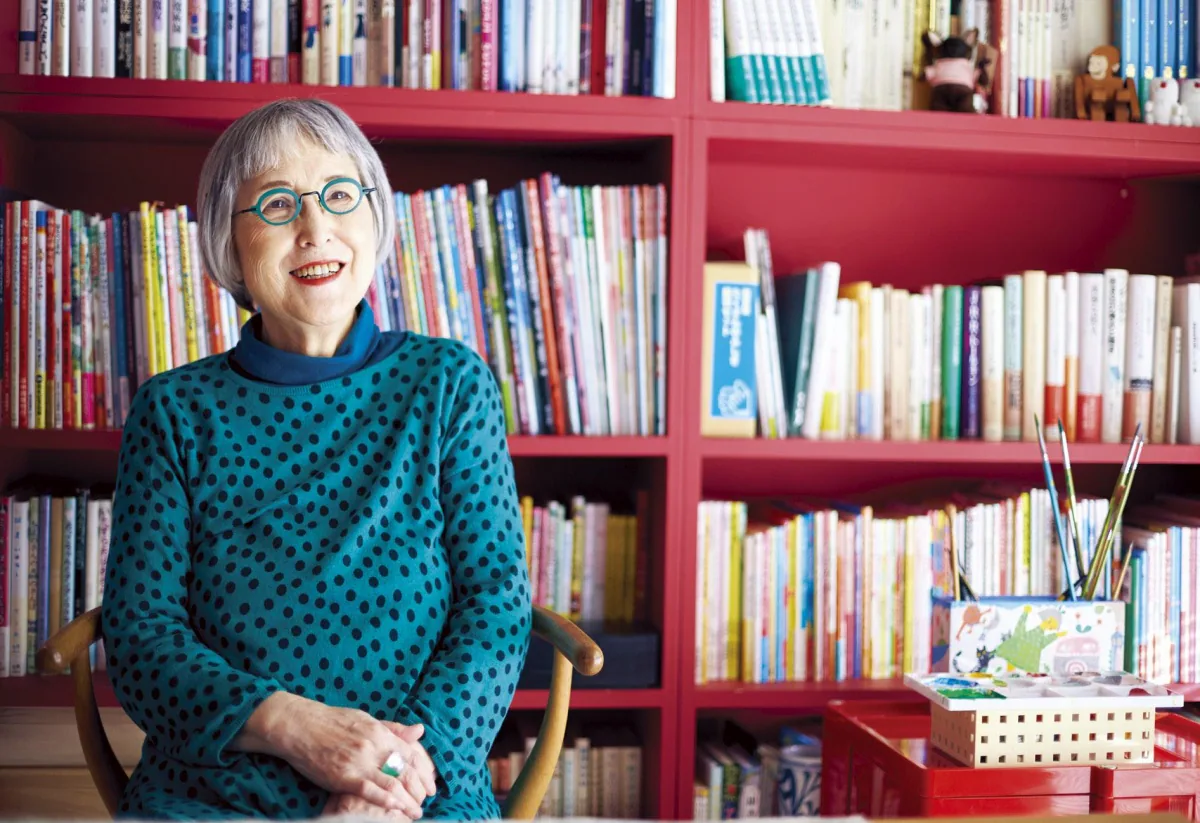
Her method has barely changed in half a century, but her prose has. Looking back at her early books, she finds them wordier than what she writes now. The style she has now is the leanest she has ever had. Most careers get described as winding down; hers reads as a long sharpening. She still drafts by hand before turning to the keyboard, and still draws her scenes so readers can picture them. She says she never tires of it.
If you prefer a train to a plane, a paperback to a feed, or a long conversation to a quick one, she is your evidence of the success of analogue. A woman who began at 34, in a country recovering from catastrophe, with her daughter’s drawing on the desk, still at the desk at 91. The magic was never the broomstick. It was the daily practice of the thing she loved.


K Lou
K. Lou is a writer born in the U.S. who found her way to Japan through a spiritual calling—or, more precisely, better access to tea. She writes about travel, culture, and the occasional creative piece, inspired by her enduring love of books. This love began in high school when K. Lou carried books around to avoid seeming odd while lost in thought. Once she started reading, she never stopped. With zero regrets, she continues to explore the written word and invites others to join her in celebrating its varied forms.