
Emma Watson, Mr Darcy, Bilbo and Katniss, plus the pizza-store study that changed how psychologists see quiet people. Why introverts never needed to come out of their shells.
In 2013, at the height of her fame from the Harry Potter films, Emma Watson gave an interview to the teenage magazine Rookie and said something that most of the people who read it had been waiting a long time to hear. She was, she said, “a real introverted kind of person just by nature”, and she had recently read a book that explained her to herself. Then she described the feeling that book had named: if you are anything other than an extrovert, “you’re made to think there’s something wrong with you.” She called that the story of her life.
The book was Quiet, by the American writer Susan Cain, published the year before. Its argument is simple and has not been seriously answered since. Somewhere in the twentieth century, Western culture adopted what Cain calls the Extrovert Ideal, the belief that the ideal self is “gregarious, alpha, and comfortable in the spotlight”, and introversion became, in her phrase, “a second-class personality trait”. The strange part is how many people this demotes. Cain’s figure is a third to a half of the population, and the number behind it is real: a 1996 sample of 914,219 people found 50.7 per cent of them tested as introverts. Half the room has spent a century being told to come out of its shell.
This piece is about what that half gets right. The instinct to hang back, think first, keep your own company and answer to your own inner weather is a strategy, a very old one, and some of the most loved characters in fiction have been demonstrating it for two hundred years.
The Talent Mr. Darcy Said He Did Not Have
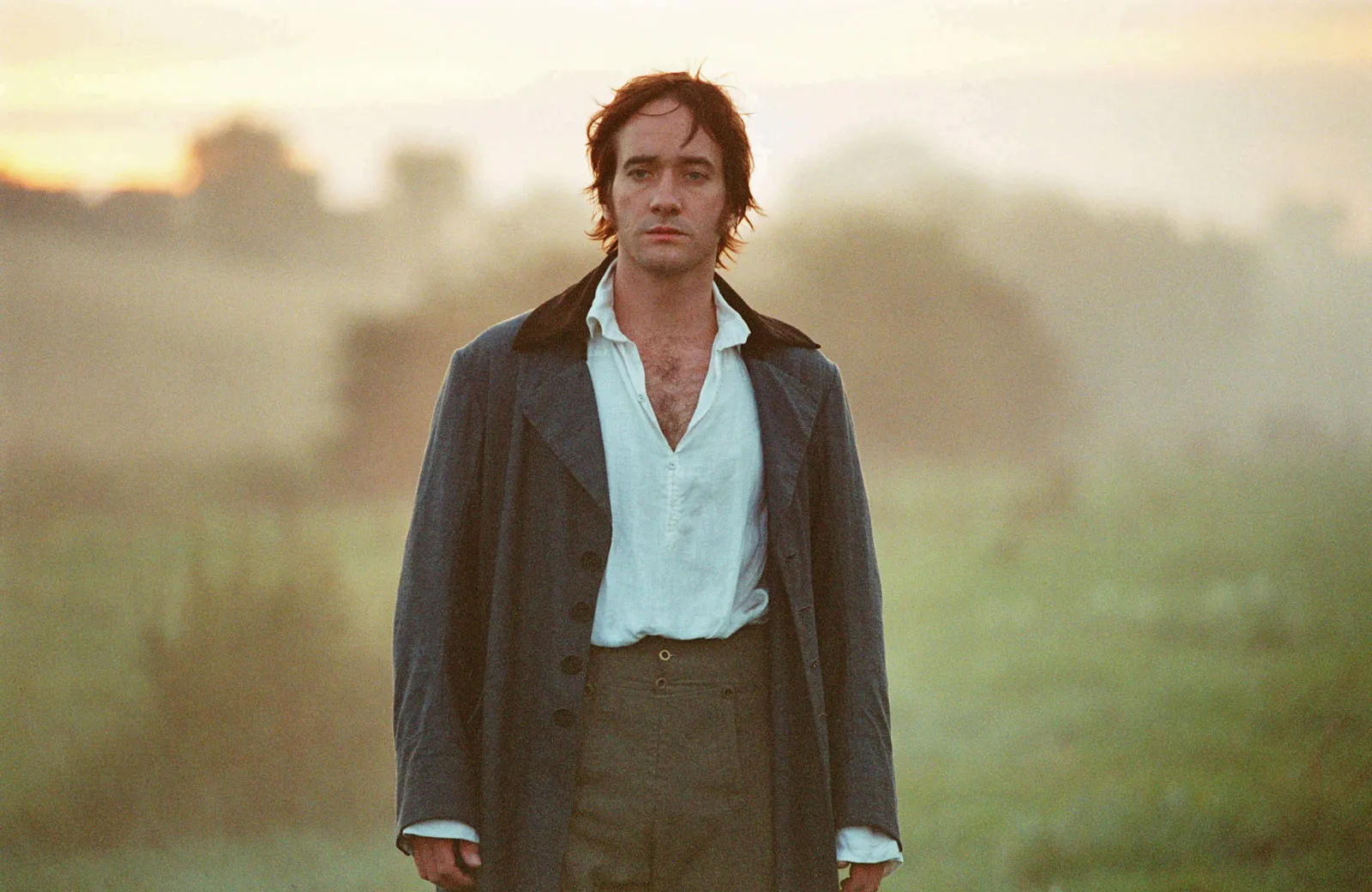
Start with the most famous introvert in English literature, though nobody called him that in 1813. In Jane Austen’s Pride and Prejudice, a rich and handsome young man arrives in a country town and, at the first ball, refuses to dance with anyone he has not already met. The town decides he is proud. The heroine, Elizabeth Bennet, decides he is unbearable, and is soon charmed instead by a newly arrived officer named Wickham, who talks easily to everyone and tells her a moving story about how Darcy wronged him. The novel then spends three hundred pages reversing every one of those first impressions. Wickham is a liar and a seducer. Darcy, silent and awkward, is the one who has been good all along.
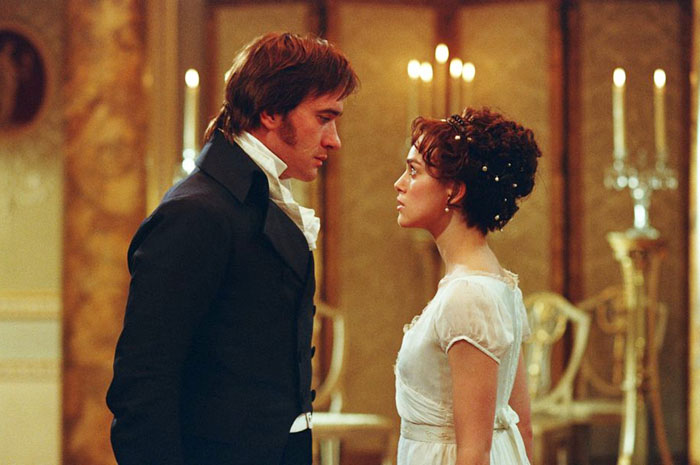
Halfway through, Elizabeth teases Darcy for his behaviour at that first ball, and he gives the plainest description of introversion in the language. He says he lacks the talent some people have “of conversing easily with those I have never seen before”, that he cannot catch their tone or appear interested in their concerns as he sees others do. Readers have recognised themselves in that sentence ever since; Book Riot and most lists of fictional introverts open with him.
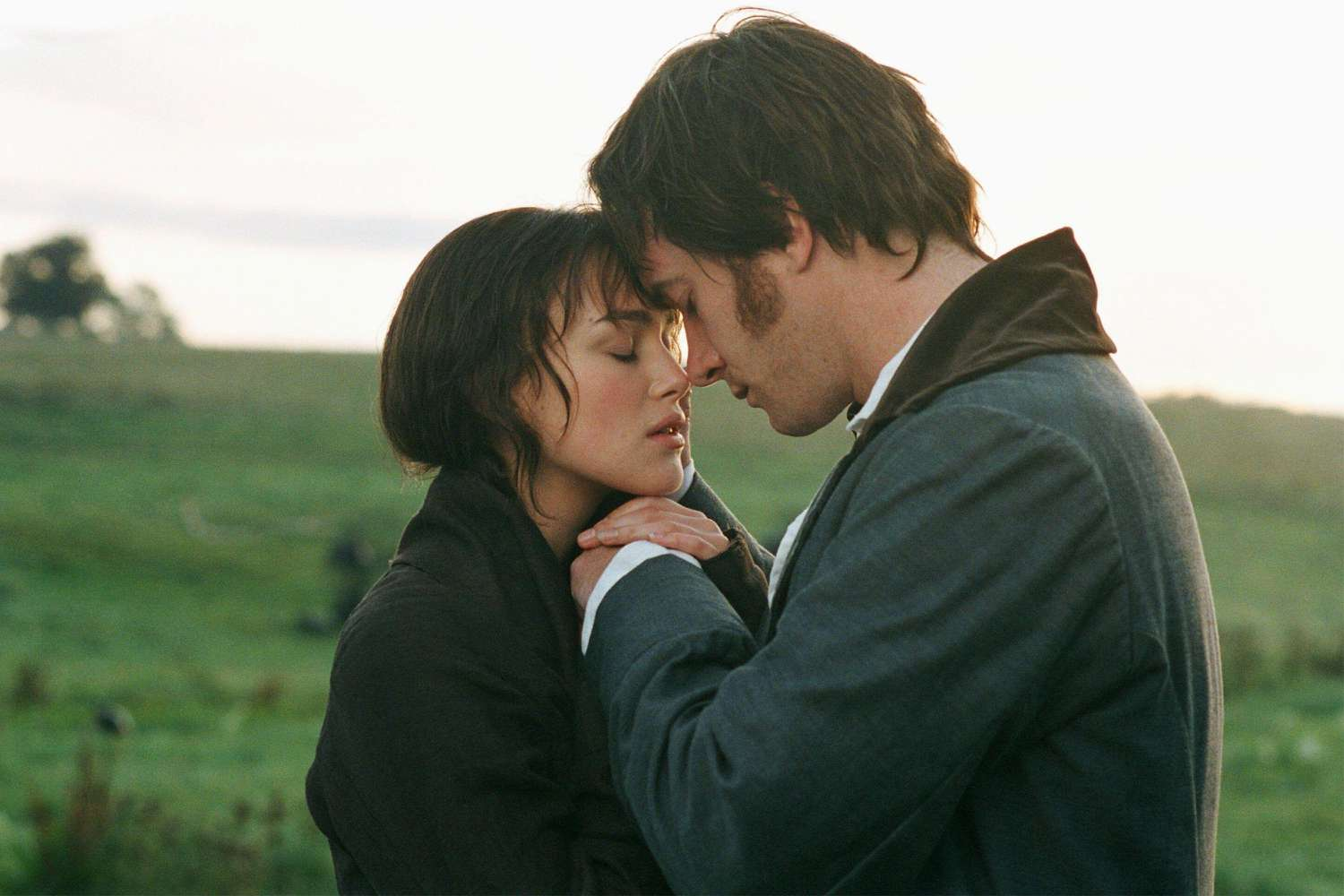
What the novel understands is that Darcy’s slowness with strangers is the same faculty as his accuracy about them. He is not fooled by Wickham because he does not warm to anyone quickly, and Elizabeth is fooled because she does. Cain made the same point about the animal kingdom in a 2011 essay for the New York Times. Across many species, she wrote, between 15 and 20 per cent of individuals are “sitters”, watchful and slow to warm up, while the rest are “rovers”. In one study of pumpkinseed sunfish, the researcher lowered a trap into a pond and the bold rovers swam straight in to investigate; the sitters hung back and survived. In a novel full of charming officers, the sitter is the one who reads the room correctly.
“Somewhere Where I Can Finish My Book”
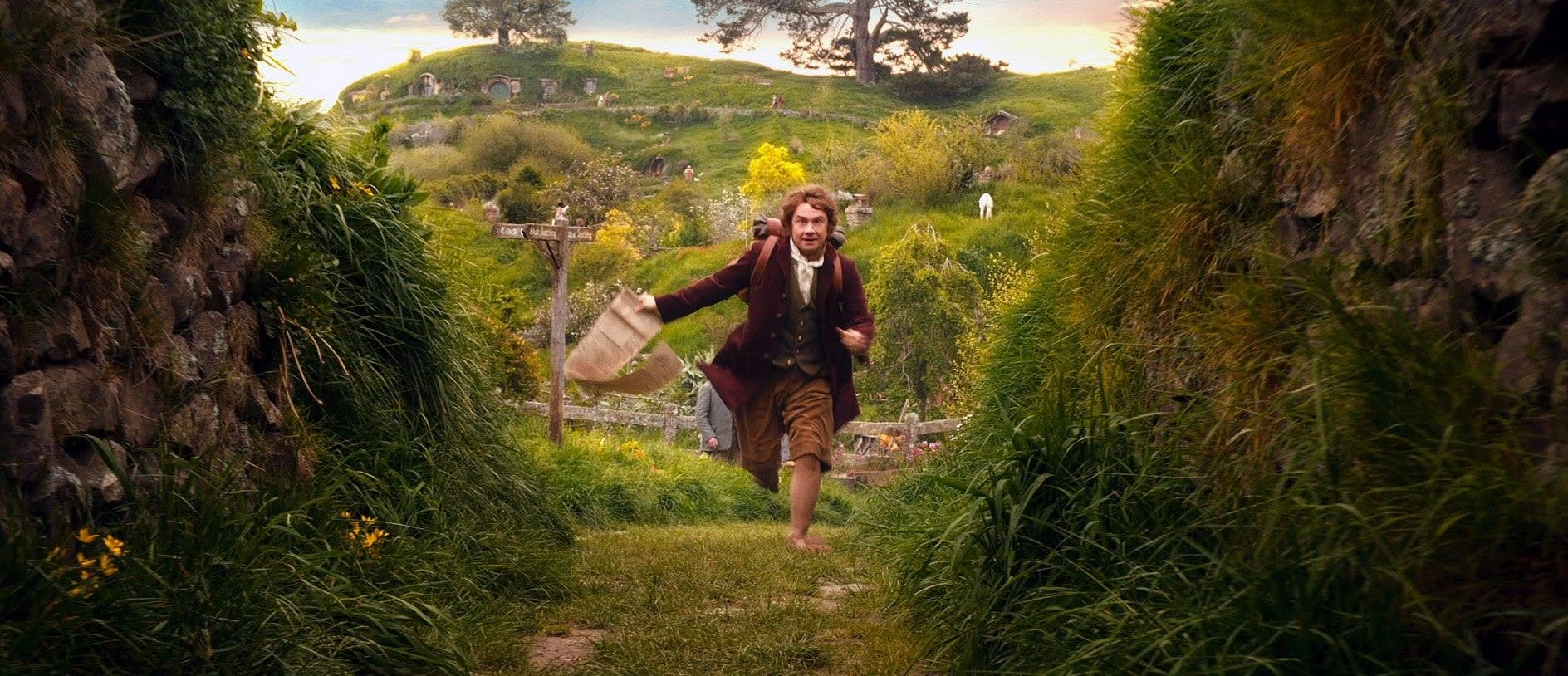
J. R. R. Tolkien’s The Hobbit (1937) begins with a small, comfortable person who wants nothing to happen to him. Bilbo Baggins lives in a well-stocked hole in the ground, likes his meals, and is horrified when the wizard Gandalf and thirteen dwarves arrive to recruit him for a journey to steal treasure back from a dragon. He goes anyway, and the story’s quiet joke is that the reluctant homebody turns out to be the most useful member of the party: the one who slips past guards, talks his way around the dragon, and finds the ring that the rest of Tolkien’s world will turn on. When we meet him again at the start of The Lord of the Rings, older and famous, his wish has not changed. He wants to see mountains, he tells Gandalf, and then “find somewhere where I can finish my book”.
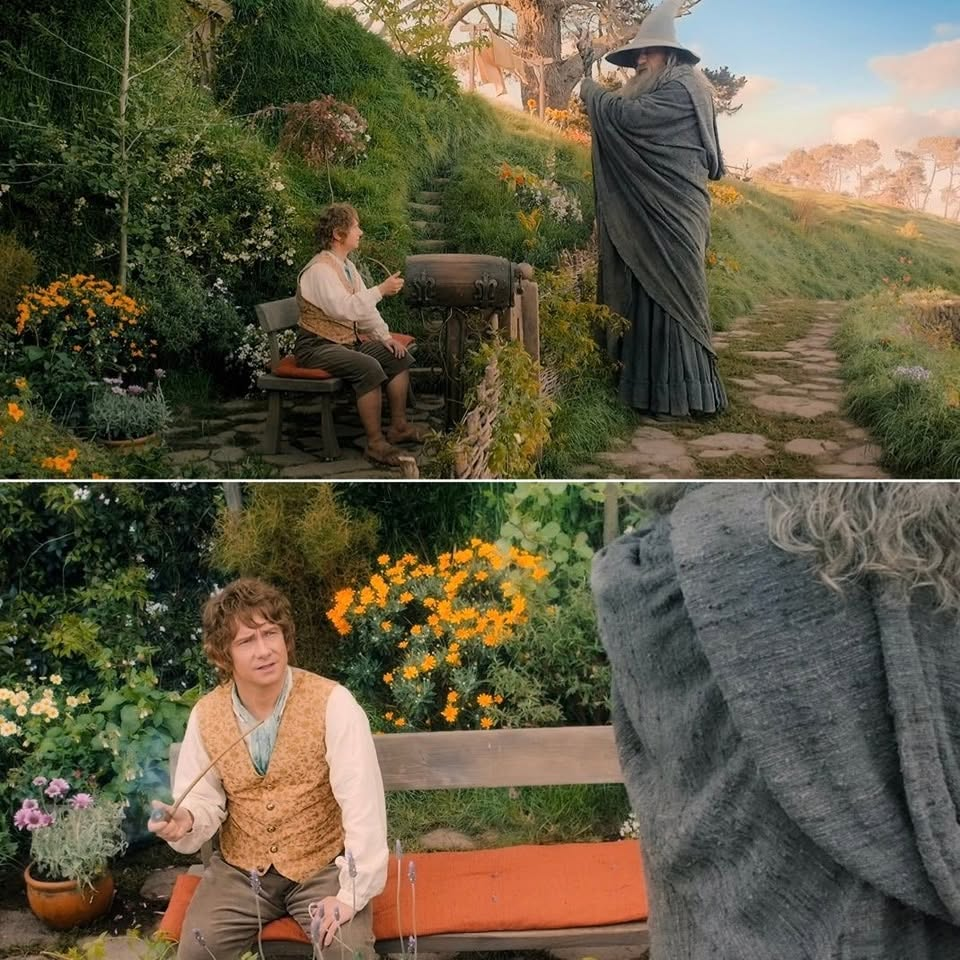
Lists of introverted characters return to Bilbo for that reason. He knows what he wants, and what he wants is small and inward and his own, and he never apologises for it. The assumption that a person like that must be missing out runs against the evidence, where it has been measured. In 2011 Adam Grant, Francesca Gino and David Hofmann published a study in the Academy of Management Journal that followed 57 pizza franchises and their managers over seven weeks. Where the staff were passive, the extroverted managers did better. Where the staff had ideas of their own, the extroverted managers’ stores earned 14 per cent less, and in a follow-up experiment their teams folded 28 per cent fewer T-shirts, because the leader who fills the room leaves no space for anyone else’s initiative. Gino’s explanation was that the extroverted leaders ended up doing all the talking and none of the listening. The same paper notes that 65 per cent of 1,500 senior executives surveyed still considered introversion a barrier to leadership.
Katniss Can Put on a Show, and Pays for It Afterwards
The most common confusion about introverts is that they are shy. Cain separates the two carefully: shyness is fear of judgement, introversion is a preference for less stimulation, and a person can have either without the other. The character who makes the distinction visible to a hundred million readers is Katniss Everdeen.
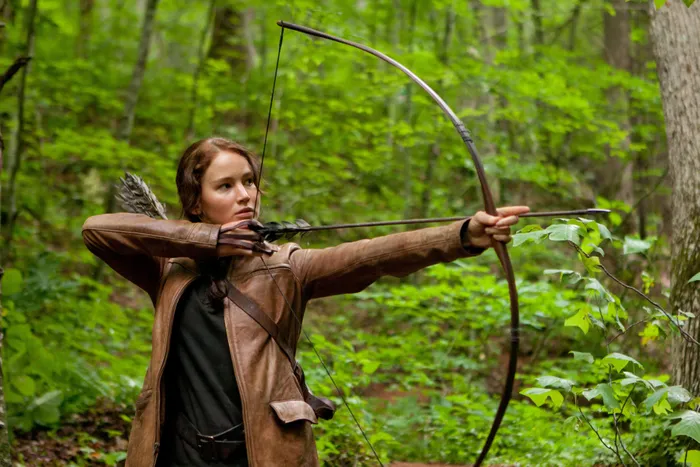
In Suzanne Collins’s The Hunger Games (2008), a sixteen-year-old girl from the poorest district of a future America volunteers to take her younger sister’s place in a televised fight to the death. Half the ordeal is the arena. The other half is the performance around it: the interviews, the costumes, the need to be liked by a watching nation so that sponsors will send her food. Katniss, a hunter used to silence, is bad at this and has to be coached into smiling for the cameras. The lists that name her an introvert notice the same thing: she is quiet without being shy, and she can perform when she has to, at a cost the reader can feel.
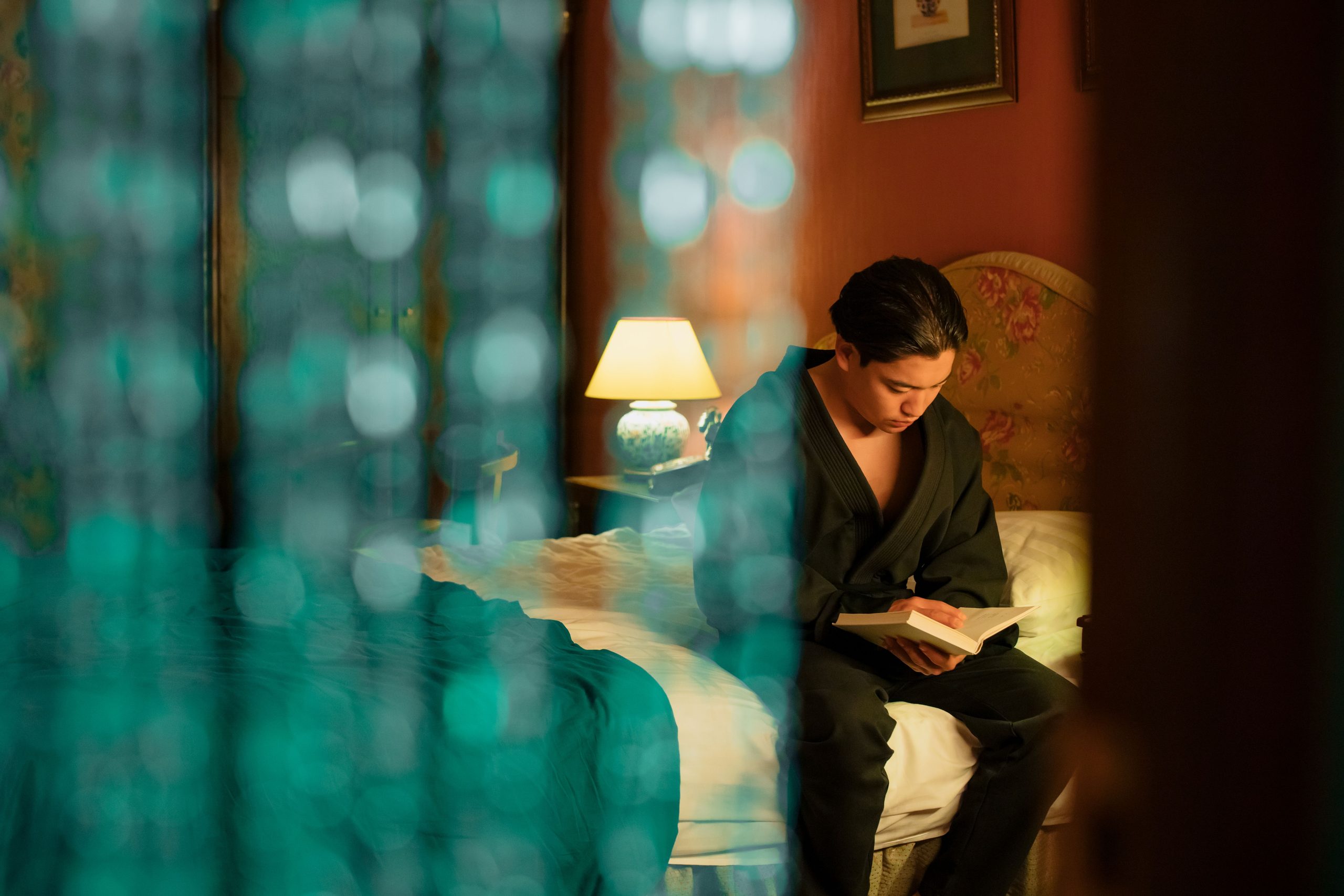
That cost has now been measured. In a seven-day trial at the University of Melbourne, psychologists prompted people through their phones to behave more extroverted than usual: to be bolder, more talkative, more assertive. In the moment, almost everyone reported feeling better, introverts included. When the introverts looked back on the week, the picture changed. They reported more fatigue, more negative emotion and a sense of not having been themselves, and the momentary gains did not survive into memory. A widely reported American study from the same year found the same short-term lift and conceded that the costs of faking it “could emerge after longer study periods”. Put together, the two studies give the honest version of “come out of your shell”. You can. It works for an afternoon. Then the bill arrives, and Katniss, back in her room with the cameras off, is the picture of paying it.
The Line Jane Eyre Says with Nothing Left
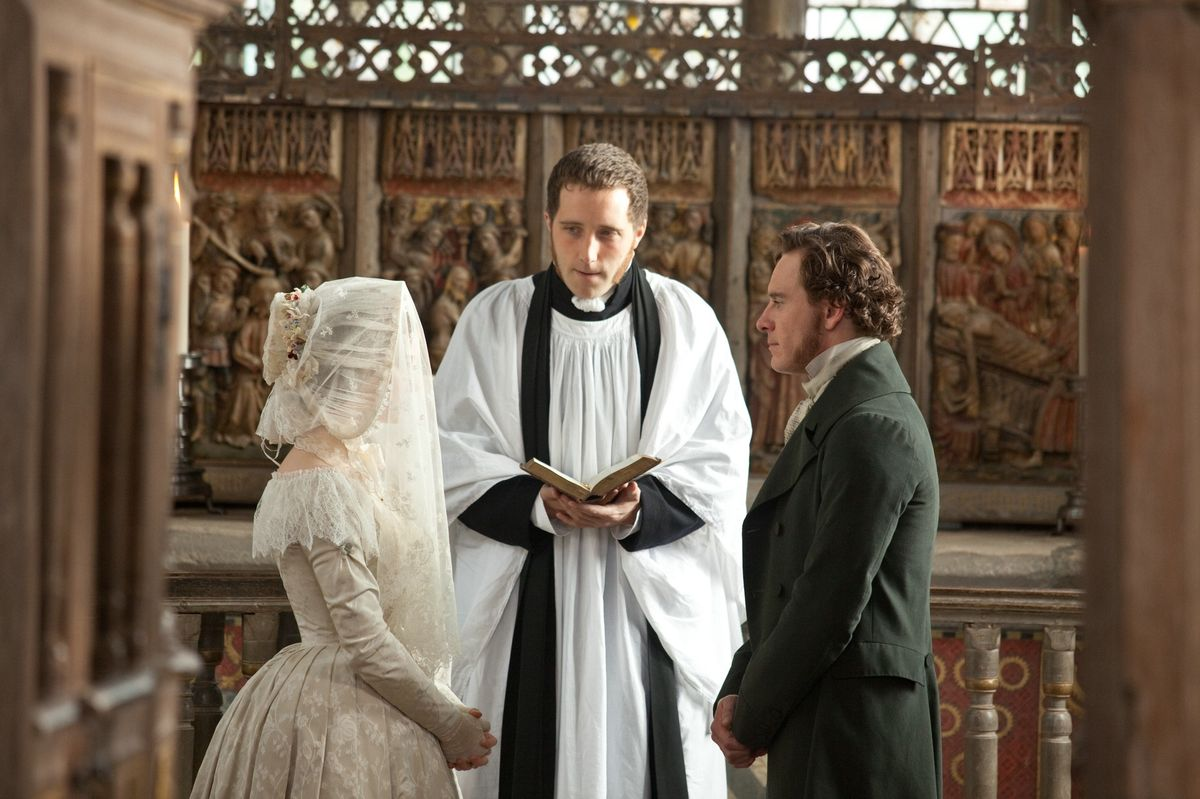
Charlotte Brontë’s Jane Eyre (1847) is the story of a plain, poor, clever orphan who is sent to a brutal charity school, becomes a governess at a great house, and falls in love with its owner, Mr Rochester. On the morning of their wedding, she learns he already has a wife, mad and locked in the attic. Rochester begs her to stay with him anyway, in all but name. Jane, who has no money, no family and nowhere to go, refuses, and the sentence she says to herself as she decides is the one that Writer’s Digest calls the mark of “a classic introvert”: the more friendless and unsupported she is, “the more I will respect myself”.
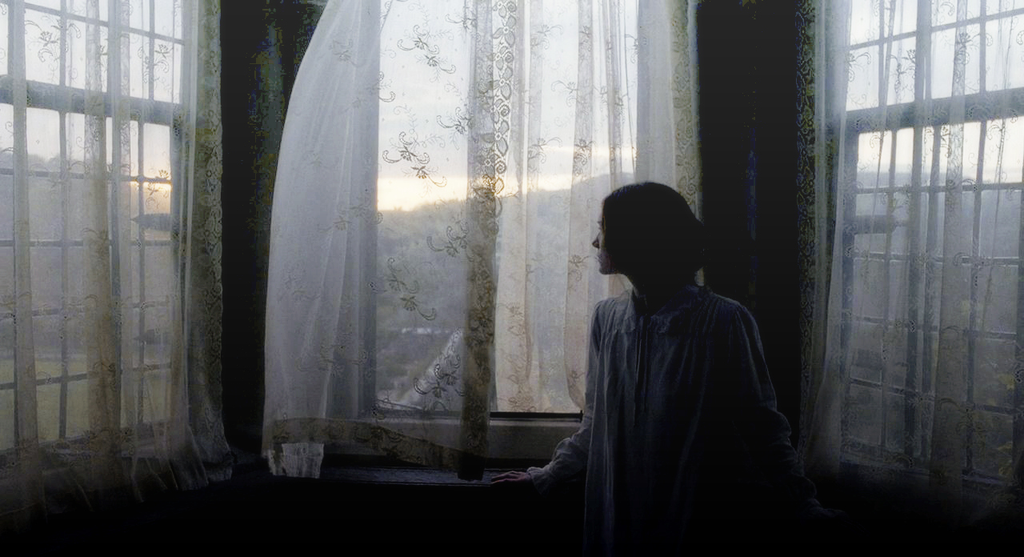
It is the purest statement in fiction of what introverts get right about fulfilment. Jane’s sense of who she is does not live in the room. It lives somewhere Rochester cannot reach and cannot take away, and because of that she can walk out of the house with nothing and still be intact. The philosophers had been recommending the arrangement for a long time. Montaigne, writing in the 1570s, advised keeping “a back shop all our own”, a private room behind the public one where our real liberty lives and where nothing that happens outside can follow. Pascal, a century later, thought most human unhappiness came from being unable to sit quietly in a room. The psychiatrist Anthony Storr, in his 1988 book Solitude, made it clinical: some of the most profound and healing experiences a person has take place internally, and owe little or nothing to other people.
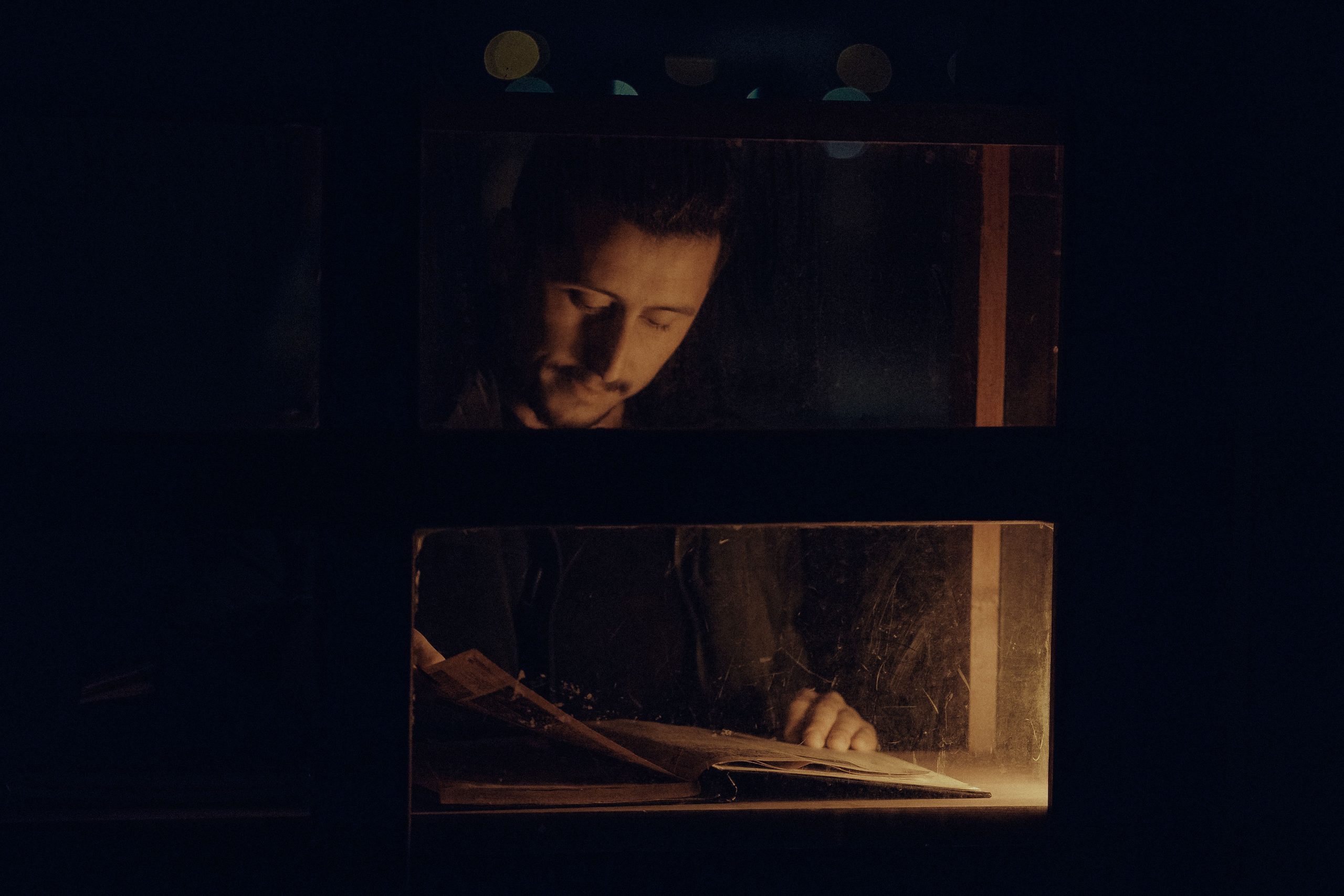
The recent science is on their side, with one refinement. The benefit of time alone depends on whether you chose it and what you do inside it. In a series of experiments at the University of Rochester, fifteen minutes of solitude changed the intensity of people’s inner experience, and the benefit was largest when they had decided for themselves what to think about. A 2025 diary study of 400 adults found that the people with the healthiest profile of all were the “thinking introverts”, who seek solitude for insight rather than escape. Jane Eyre, alone on the moor, is consulting the back shop.
Where the Inner World Goes: 295 Students, and a Man Who Built Computers Alone
The last thing introverts get right is what they do with all that interior. Steve Wozniak, who designed the first Apple computers, wrote in his memoir that most of the inventors and engineers he had met were like him: “they’re shy and they live in their heads”, and the best of them were artists, and artists work alone. Cain built a second New York Times essay around that claim and the research behind it: the psychologists Mihaly Csikszentmihalyi and Gregory Feist found that the most spectacularly creative people in many fields were often introverts, and a famous study of programmers found that 62 per cent of the best performers had a private workspace, against 19 per cent of the worst.

The cleanest evidence came in 2017 from the University at Buffalo, where the psychologist Julie Bowker asked 295 young adults why they withdrew from other people and sorted the answers into three motives: shyness, avoidance, and plain unsociability, meaning a preference for your own company with no fear in it. Shyness and avoidance both predicted lower creativity. Unsociability predicted higher creativity, and Bowker concluded that it may be “a potentially beneficial form of social withdrawal”. For a great many people the inner world is the workshop, and the art and ideas the rest of us enjoy were made in it, by someone who would rather have stayed in that night and did.
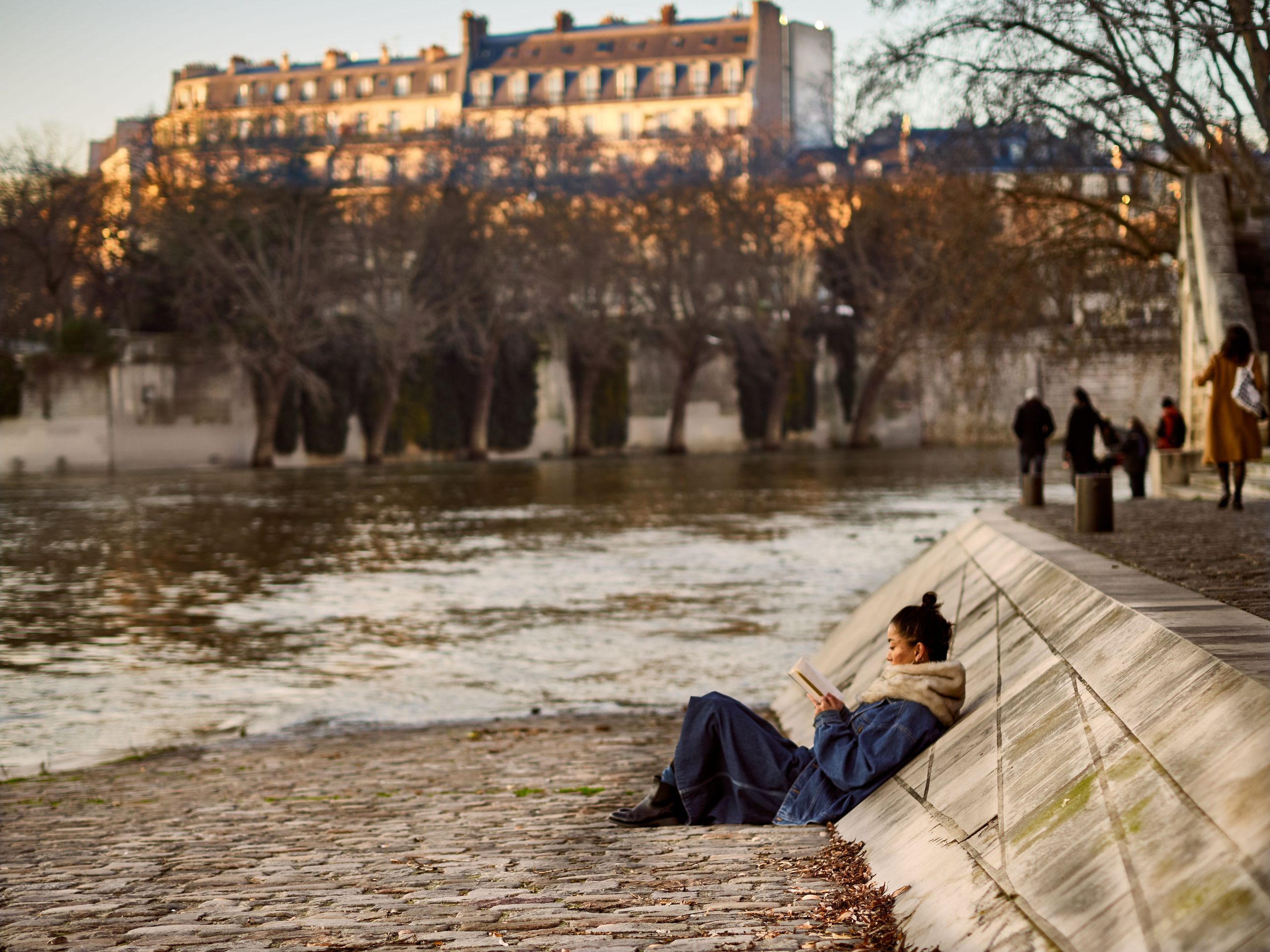
Cain opens Quiet with Rosa Parks, whom she counts, along with Chopin, Dr Seuss and Wozniak, among the introverts to whom we owe the most. Parks did not make a speech on the bus in Montgomery. She sat where she was and declined to move, and the refusal was enough. That is the shape of the whole argument. Darcy reads the room by holding back from it. Bilbo saves the party by being the one who thinks. Katniss survives the cameras and then closes the door. Jane keeps a room nobody can enter. None of them came out of their shells, and it is hard to name what any of them would have gained by trying. The shell was where the good work was being done.


Vincent Minatozaki
Vincent is the founder and Editor-in-Chief of 1000 Libraries Magazine. He is a Paris-born ex-corporate turned bookseller and philosopher, on a global mission to spread the joy of physical books in our age of digital technology.