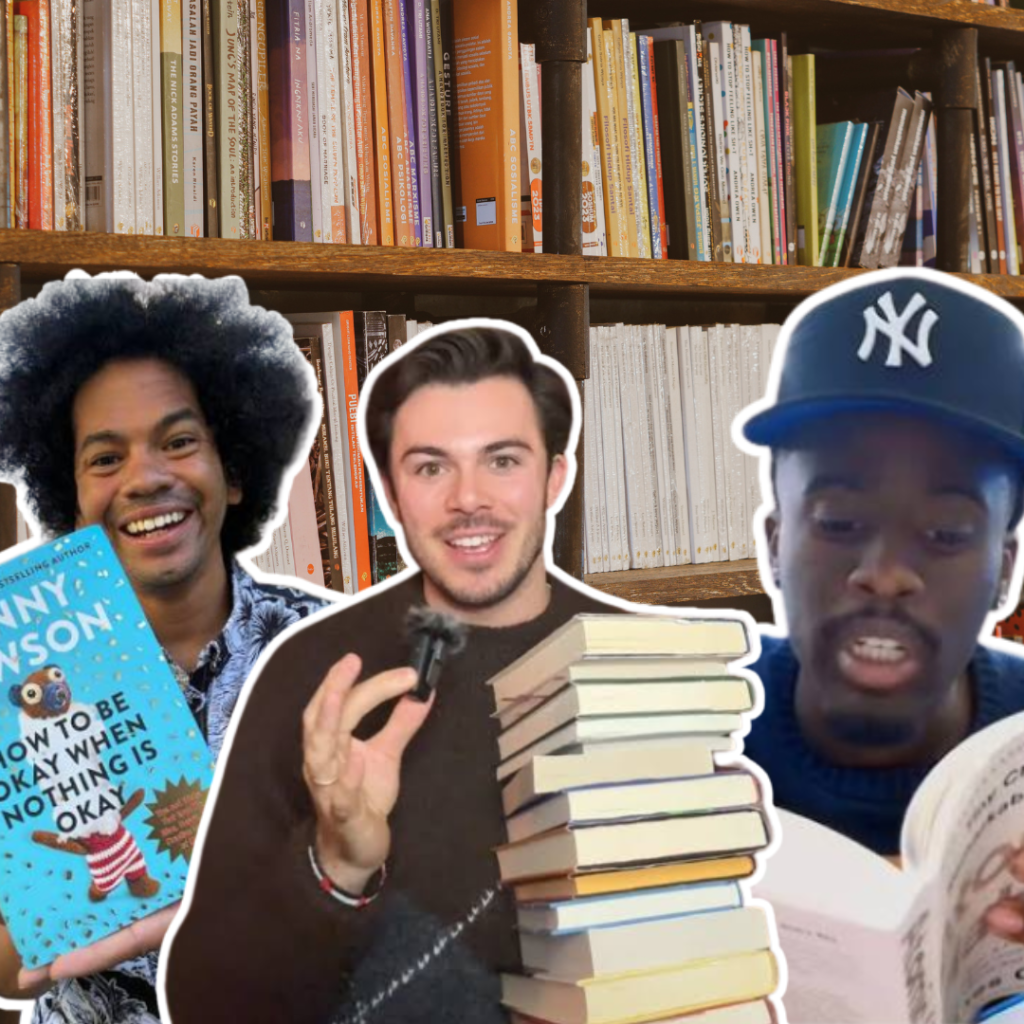

From Twitch to TikTok, creators are making books feel social, fun and impossible to ignore. Which of your favorite streamers is taking part?
For years, people have been sounding the alarm about declining attention spans, shrinking reading habits, and a growing literacy crisis. Teachers blame smartphones. Parents blame TikTok. Everyone blames social media in general. But now, in a slightly unexpected twist, the internet might also be trying to save reading.
What Is Bookstreaming?
Bookstreaming is a trend where creators livestream themselves reading books, discussing literature, or reacting to stories in real time online. Think Twitch streams, YouTube Lives, or marathon reading sessions where viewers tune in the way they would for gaming content.
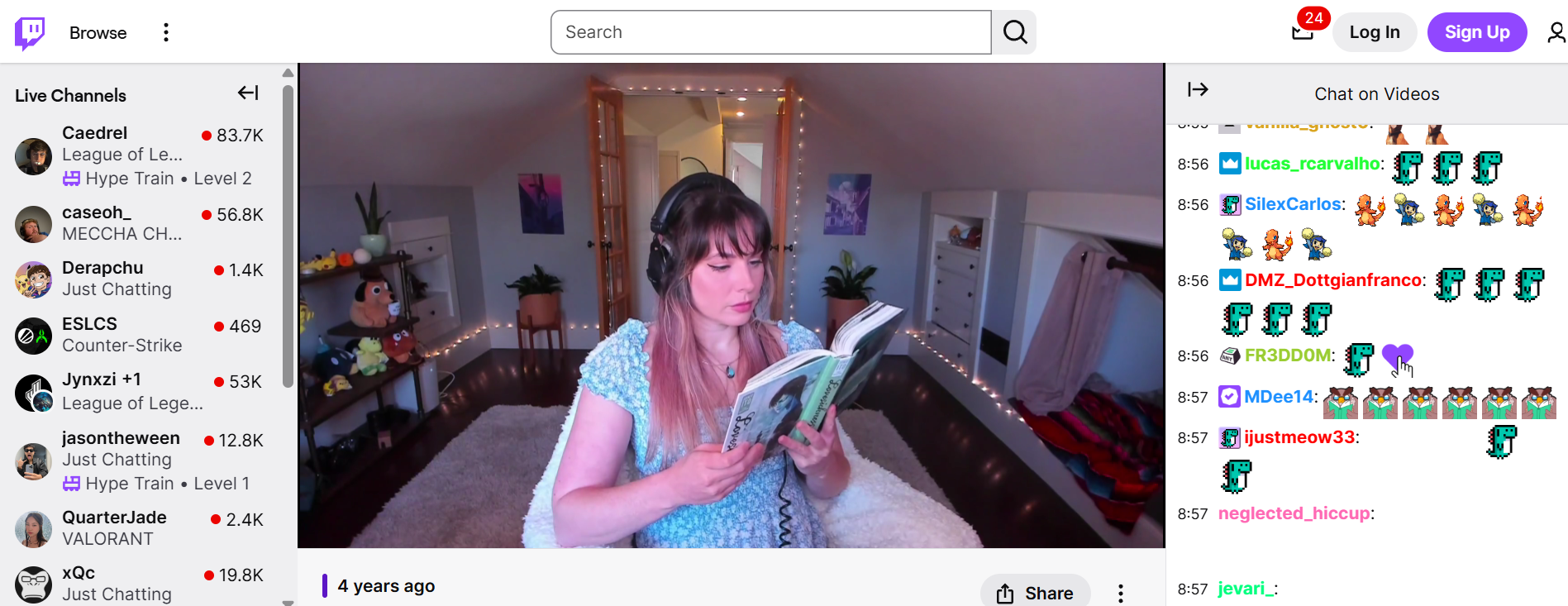
The format has roots in the broader live-streaming culture that exploded during and after the pandemic. Twitch, which launched as a gaming platform in 2011, had already proven that people would watch strangers do just about anything live, from cooking to coding to sleeping. The “Just Chatting” category, where streamers simply talk to their audience, has consistently been one of the platform’s most watched categories in recent years. Bookstreaming is, in many ways, a natural extension of that: the quiet, communal experience of watching someone read.
It sounds niche, maybe even a little odd, but supporters think it could become one of the most interesting ways to get younger audiences excited about books again.
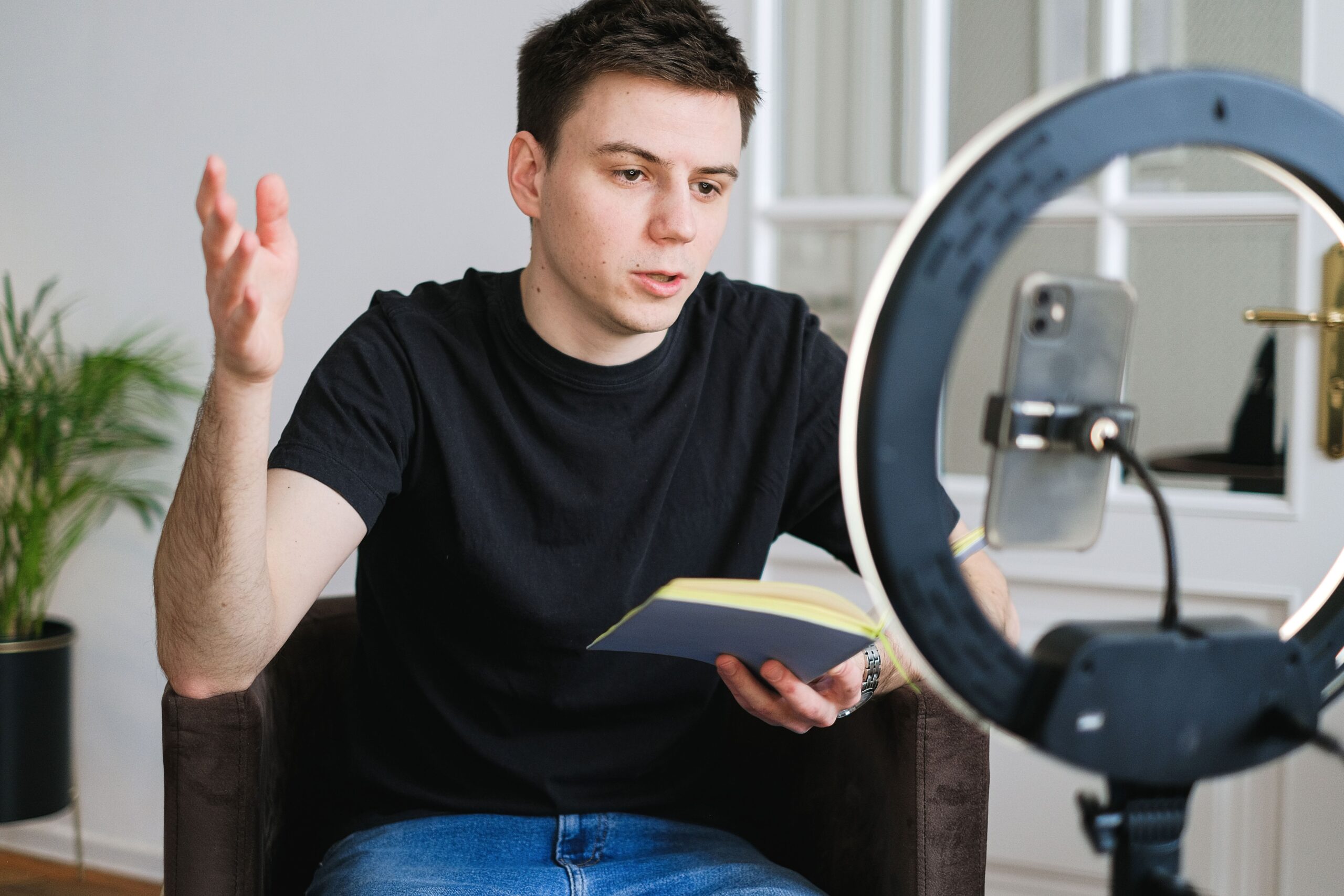
What does a bookstream actually look like? Picture a streamer sitting with a physical book held up to the camera, reading aloud, or reading quietly while their chat scrolls live on screen. Viewers send comments in real time, arguing about a plot twist, asking what a word means, urging the streamer to keep going past the timer they have set. When a chapter ends, the streamer might pause to react, laugh, or share what they thought, and the audience reacts with them. Sessions regularly run for two to four hours. It is less like watching a book review and more like reading alongside someone, a digital version of what a library has always tried to be.
Why It Could Make A Difference
The excitement around bookstreaming is tied closely to concerns about literacy. Across several countries, reading rates among younger people have been falling, while attention spans appear increasingly fragmented by short-form content.
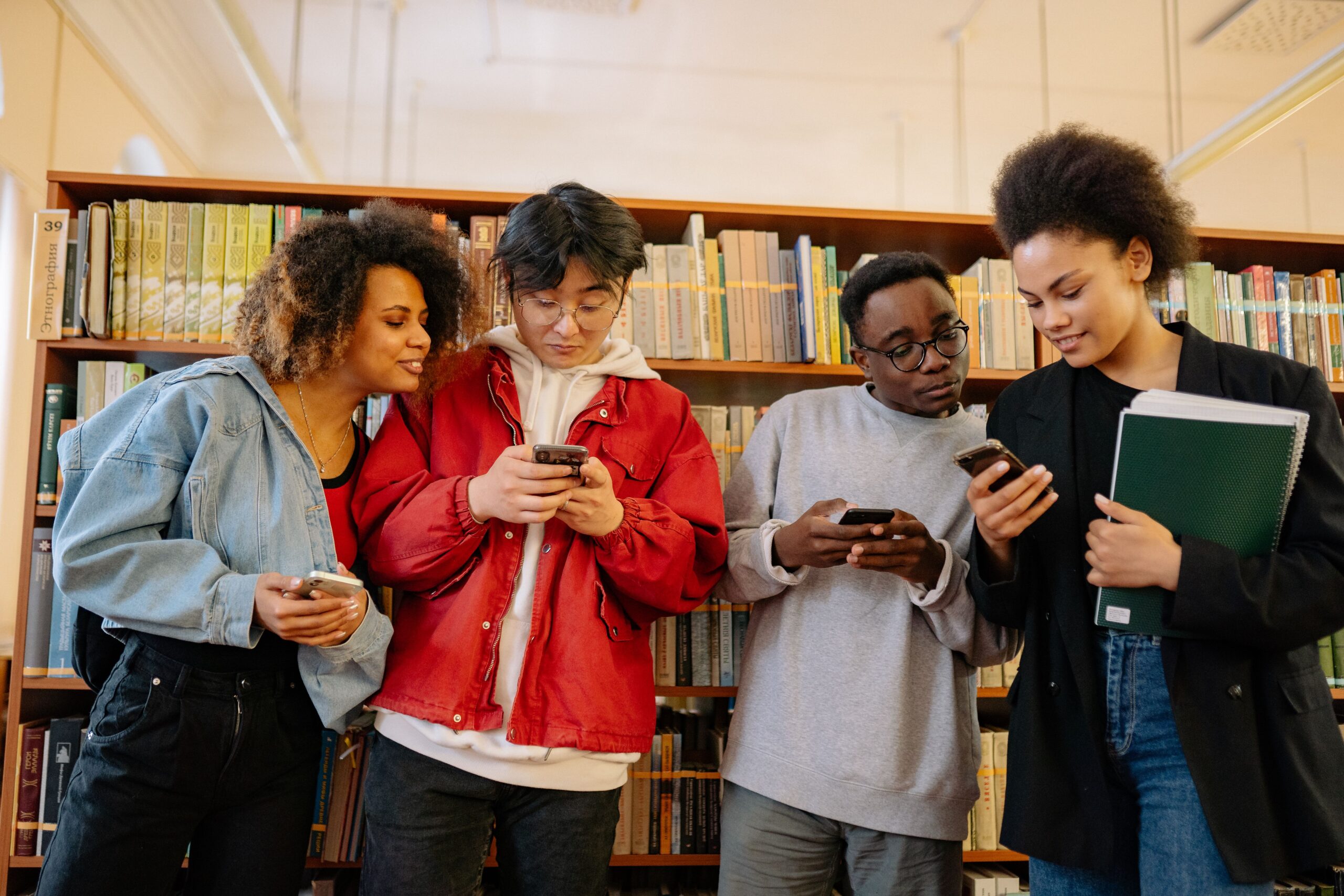
That is where bookstreaming supporters see an opportunity. Instead of fighting against digital culture, they argue, why not use it? If young audiences already spend hours watching livestreams, maybe books need to meet them there instead of demanding they abandon the platforms entirely.
One of the biggest changes social media brought to music, fashion, and gaming was visibility. People could suddenly see others participating in hobbies in real time. Reading, by comparison, has often remained invisible because it is usually private. You rarely know what strangers are reading on the train anymore. Bookstreaming changes that dynamic by turning books into shareable experiences.
Reading As Content
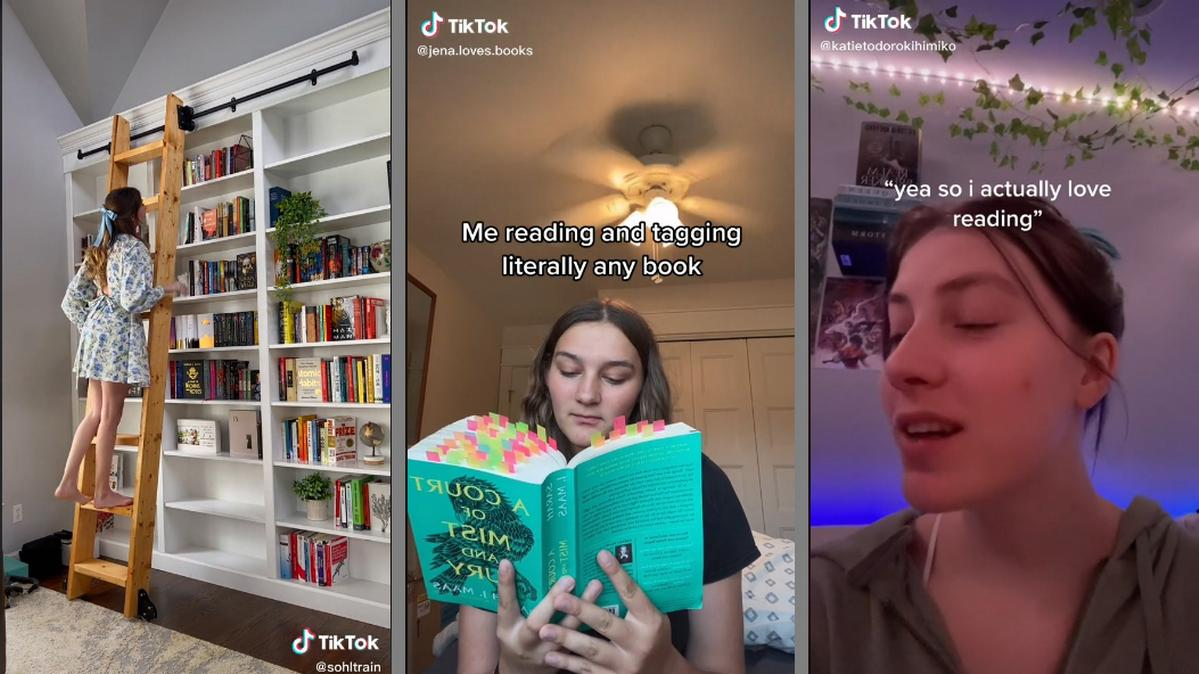
Social media has already transformed books before. BookTok helped turn relatively unknown novels into international bestsellers almost overnight. Romance publishing exploded online because readers began recommending books with the same enthusiasm usually reserved for TV shows.
Bookstreaming is a kind of logical next step.
Livestreams are different from BookTok or BookTube. They can last hours. Audiences build their routines around tuning in to their favorite streamers and feel a genuine connection to them. In the case of bookstreaming, that connection extends to the book itself.
That connection matters enormously. Reading habits are often shaped socially; people are more likely to pick up a book if they feel part of a cultural conversation. When we see people we respect reading, we are more likely to join in.
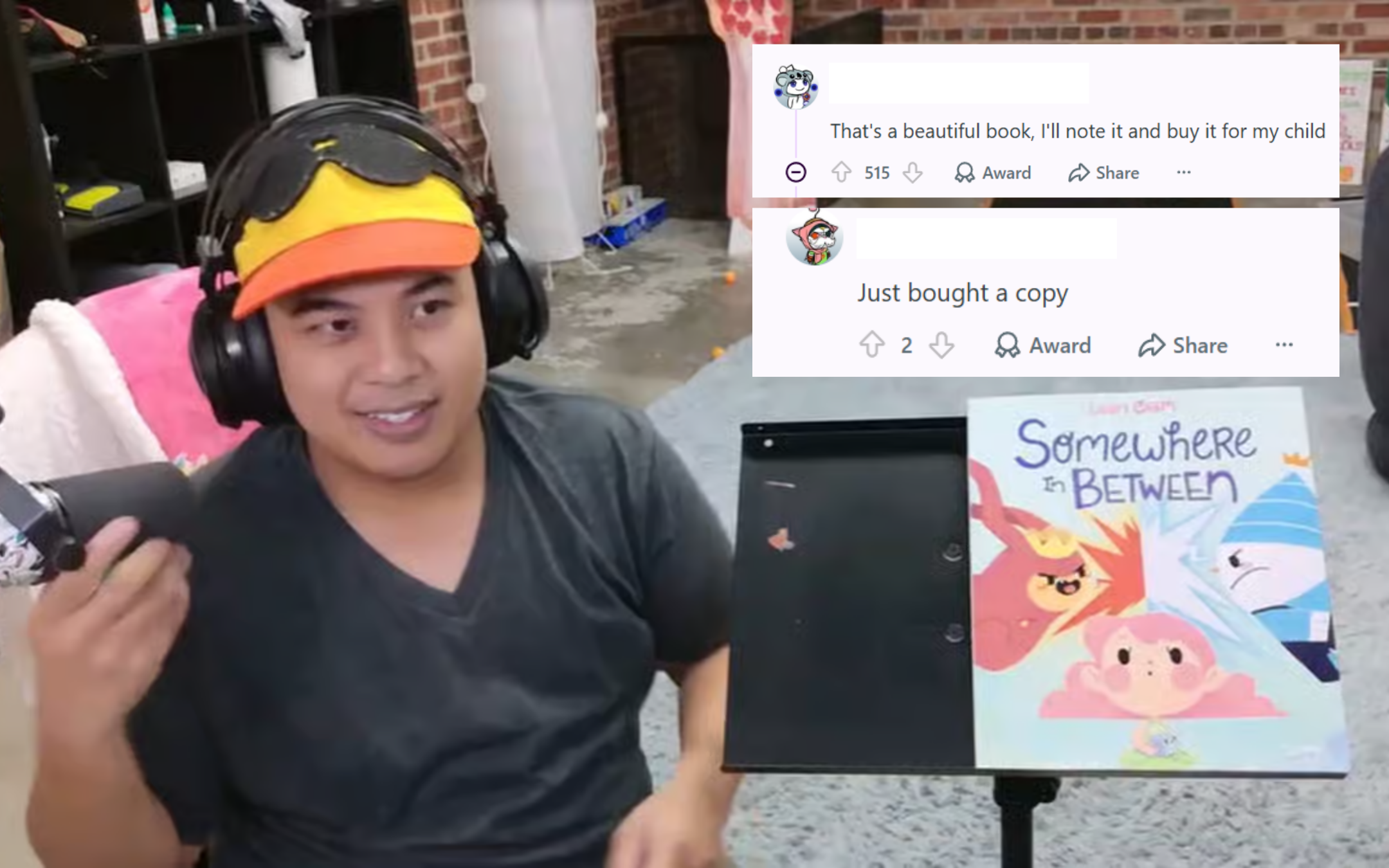
The effect can be immediate and measurable, and it was visible even before the biggest streamers got involved. In July 2024, a smaller Twitch streamer known as DuckBoxing discovered that one of his viewers, Laan Cham, had written and illustrated a children’s book, Somewhere In Between. He bought it and read it aloud on stream as a bedtime story, with Cham herself watching and chatting along. A clip of the moment took off on Reddit, where a thread celebrating the “wholesome” gesture drew over a thousand upvotes, and viewers rushed to buy the book too, several commenters saying they were ordering copies for their own children. One shopper reported it had briefly sold out on Amazon, something another called a testament to “the power of the internet.”
This is especially important for younger audiences, who often only interact with books when they are assigned as homework. Watching creators laugh, cry, and enjoy a book strips away that association and repositions reading as something people choose, not something they are forced to do.
Not only that, but Bookstreaming also removes an element of intimidation. There is no need to talk academically, no debate over the pathetic fallacy of it all.
Viewers can ask any questions they want and enjoy whatever books they genuinely like, rather than the ones that make them look well-read.
The Big Names
@oliverspeaks1 Leanrimg how to read. Im reading Charlotte web. #booktok ♬ original sound – Oliver James
Some creators have built their entire online presence around reading. Oliver James, for example, is a young man documenting his journey of learning to read on TikTok. By sharing his progress honestly and without embarrassment, he has drawn a following of 359,600 (as of writing) — people who tune in not for expert commentary, but for something more valuable: the experience of watching someone grow.
If James shows what bookstreaming looks like from the ground up, others bring the weight of the institutions behind it. Mychal Threets, known online as Mychal the Librarian, who has over one million followers across TikTok and Instagram. He went viral for his warm, enthusiastic videos advocating what he calls “library joy,” championing access to books and the belief that everyone belongs in a library.
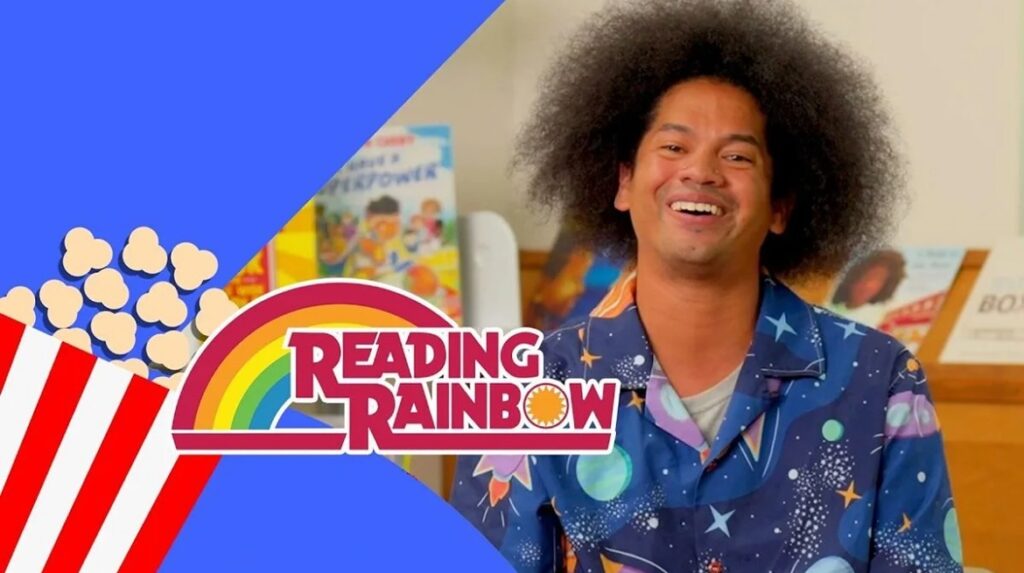
His reach now extends well beyond the app. In September 2025, PBS announced that Threets would host the digital revival of Reading Rainbow on the KidZuko YouTube channel, nearly 20 years after the original series hosted by LeVar Burton ended in 2006. His presence at the intersection of social media and children’s literacy makes him one of the most important figures in this space.
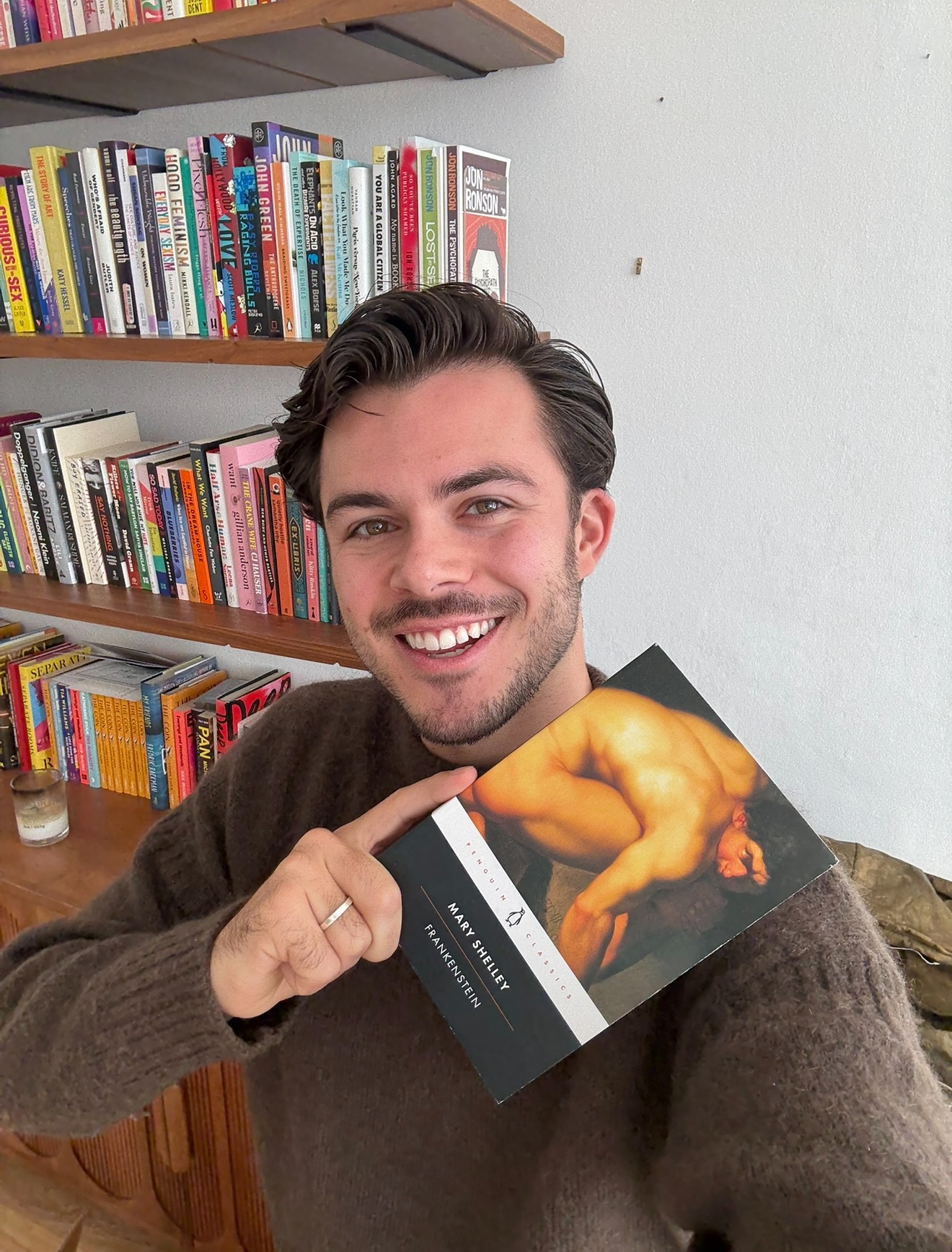
Then there are the tastemakers, the creators whose word alone can move a book. Jack Edwards, known online as the internet’s resident librarian, is an English YouTuber, author, and social media influencer from Brighton who has been posting about books, popular culture, and university life since 2016. He has over 1.5 million subscribers on YouTube and more than one million followers across TikTok and Instagram, and is associated with the BookTube, BookTok, and EduTube communities.
@jack_edwards #stitch with @Jack Edwards okay guys i read dosteovsky’s white nights and….. they were right. I’m obsessed. #booktok #classicliterature ♬ original sound – Jack Edwards
His reach is genuinely staggering: when he recommended an obscure Dostoevsky story, White Nights, it moved from the back room to the front tables of bookshops almost immediately. Edwards was invited to host the 2024 International Booker Prize ceremony and to livestream it, a moment that illustrated exactly how far book content creators have come. He is proof that a deep, genuine passion for literature, delivered through a camera, can shape reading habits on a very large scale.
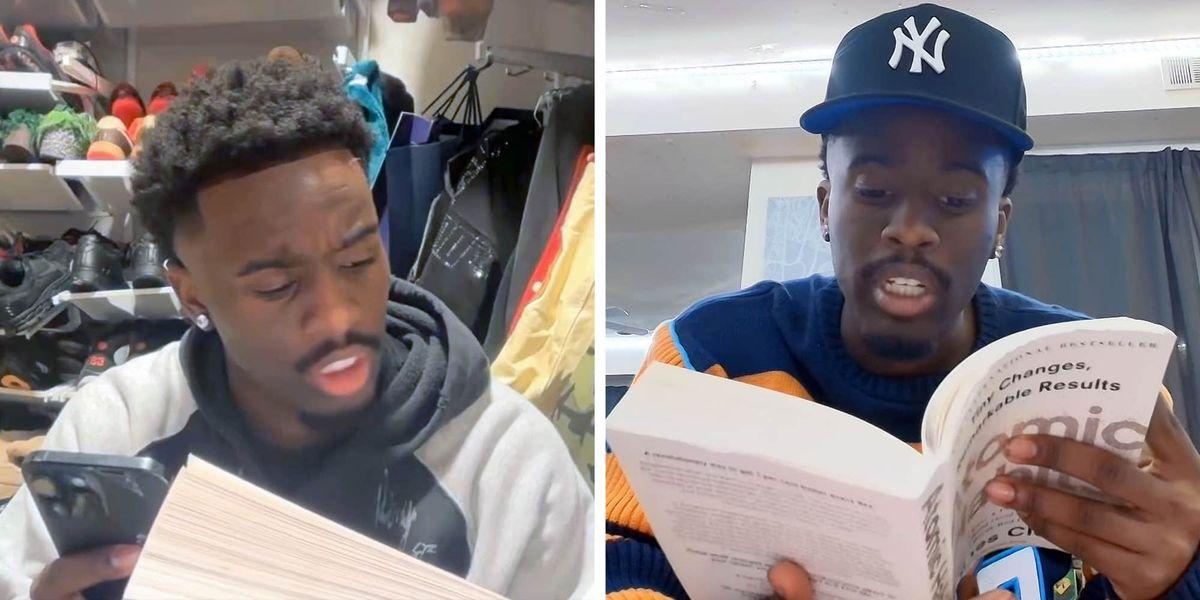
But bookstreaming’s biggest leap is that it is no longer confined to book people at all. Its biggest name never built his career on reading. Kai Cenat, after a months-long hiatus, returned to Twitch with a book in hand, working through titles like Don Miguel Ruiz’s The Four Agreements, James Clear’s Atomic Habits, and Frantz Fanon’s The Wretched of the Earth.
His reading streams became instantly popular, and part of the appeal is how vulnerable he is on them: admitting when he needs to look up a word he does not know, reading past the timers he sets whenever a book pulls him in. It is heartwarming, and no surprise that people are invested. He has said the videos are an attempt to “articulate [himself] better.”
The fact that reading books on stream has become a viral topic bc of @KaiCenat ..is really SO cool!😆📖
— Safiverse (@safiverse) January 15, 2026
I’ve been reading bedtime stories to my viewers recently & I was feeling isolated in that bc I didn’t see anyone else do it.. I was just doing it bc my soul wanted to.. pic.twitter.com/UzGMLUiZJg
And the effect ripples outward. Cenat’s colleagues took notice. Safiverse, another major streamer, began reading bedtime stories to her viewers, crediting Cenat for making that kind of content feel mainstream and saying it made her feel less alone for bookstreaming. One creator picking up a book, it turns out, can give dozens of others permission to do the same.
More Than Just Content?
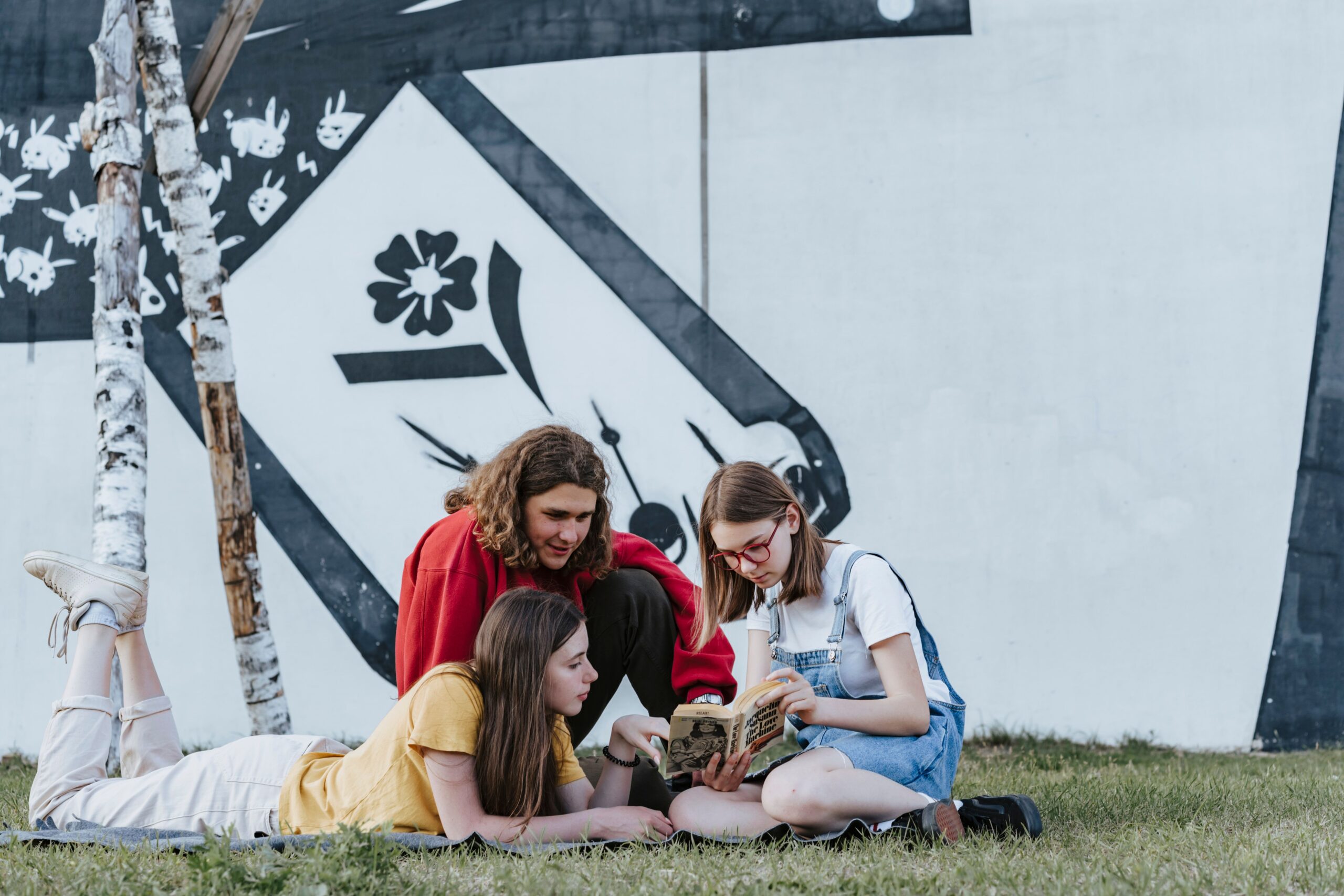
Some argue that the rise of bookstreaming could make a real difference to literacy rates and shrinking attention spans. The data is sobering, and the decline is well documented. But could a trend like this genuinely help reverse it?
Critics have argued that watching someone read or talk about a book is not the same as actually reading it. And they’re kind of right, the reduced literacy crisis can’t be solved solely through internet trends. But nobody’s claiming that bookstreaming is a miracle cure. It’s just a gateway, and a good one at that.
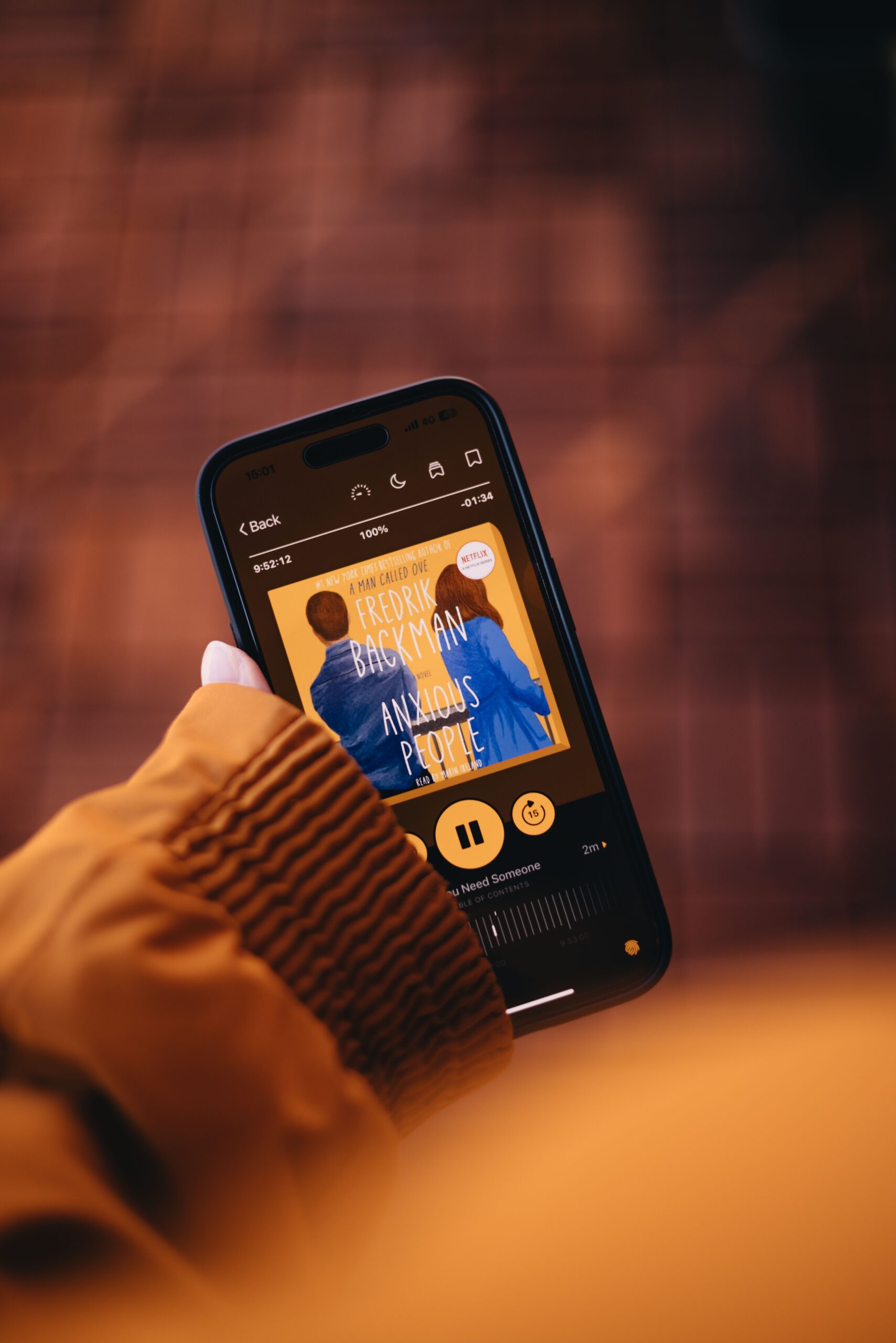
There is a useful precedent here. Audiobooks were once dismissed by many book purists as an inferior format or a shortcut that did not really count as reading. That stigma has largely faded. Audiobooks are more popular than ever, and many readers use them alongside print and ebooks to read more overall.
If a livestream encourages someone to finish their first novel since leaving school, or introduces a teenager to Frantz Fanon or a Dostoevsky story they would never have found in a classroom, that is a genuine win. The goal was never to replace the act of reading. It is to make people want to read in the first place.
The literacy crisis is real, and it will not be solved by a trend alone. But trends shape culture, and culture shapes habits. And right now, one of the biggest streamers in the world is sitting in front of a camera, reading a book, and looking up the words he does not know. That matters. That is, in fact, a start.

Millie Ramm
Millie has been writing since she was a child, and has spent more time with her nose in books than anywhere else. She has been ghostwriting novels and editing for the past few years, and when not working she is curled up with her cats, looking for her next read.