
Through mist and wind, the Japanese filmmaker gives readers a compelling reason to revisit Shakespeare and discover the traditions behind his plays.
The fog arrives before anyone speaks. In the opening minutes of Throne of Blood, mist drifts across the black volcanic slopes of Mount Fuji while a flute and a slow drum, composed by Masaru Sato, set a rhythm older than cinema. Readers of Macbeth will recognize the story almost at once: a warrior, a prophecy, a wife with a terrible patience. Every sound and image belongs to medieval Japan.
Akira Kurosawa adapted Shakespeare three times over nearly three decades. Each film reads like a long letter between two artistic traditions. Steven Spielberg once called him “the pictorial Shakespeare of our time,” a phrase the British Film Institute uses to open its study of these films.
For anyone who loves books, theater, and the patient work of understanding another culture, the three films reward a slow evening, ideally with the plays close at hand.
A Painter Who Read Everything
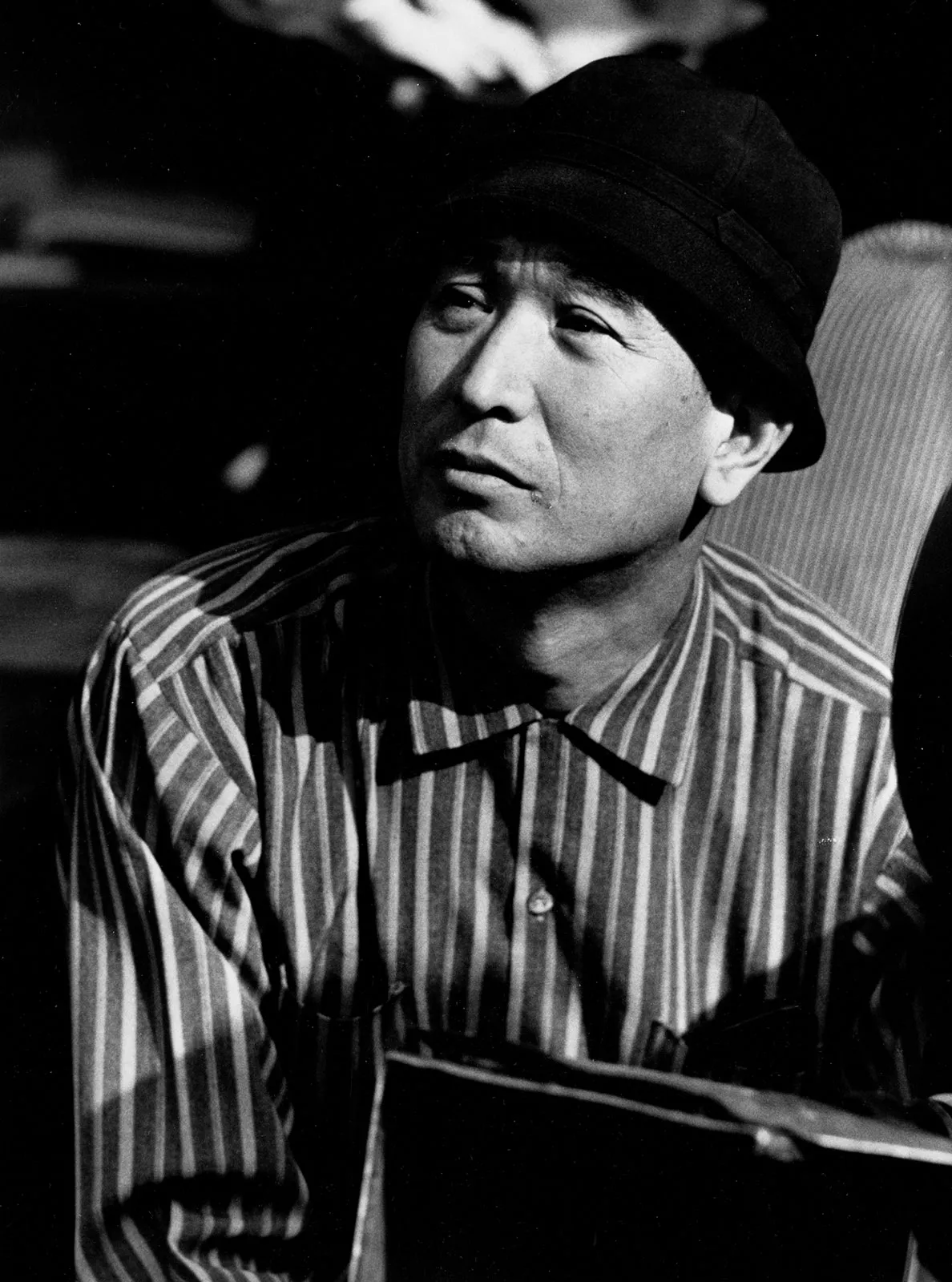
Akira Kurosawa was born in Tokyo in 1910 and first hoped to become a painter. According to the Japanese Film Database, he joined the P.C.L. studio, the forerunner of Toho, as an assistant director in 1936. He became an international name when Rashomon won the Golden Lion at Venice in 1951.
In Something Like an Autobiography, he describes himself as a reader with a wide, unfussy appetite, moving freely between Japanese and foreign books, classic and contemporary. Dostoyevsky and Shakespeare were his favorite authors, as a Smithsonian essay notes.
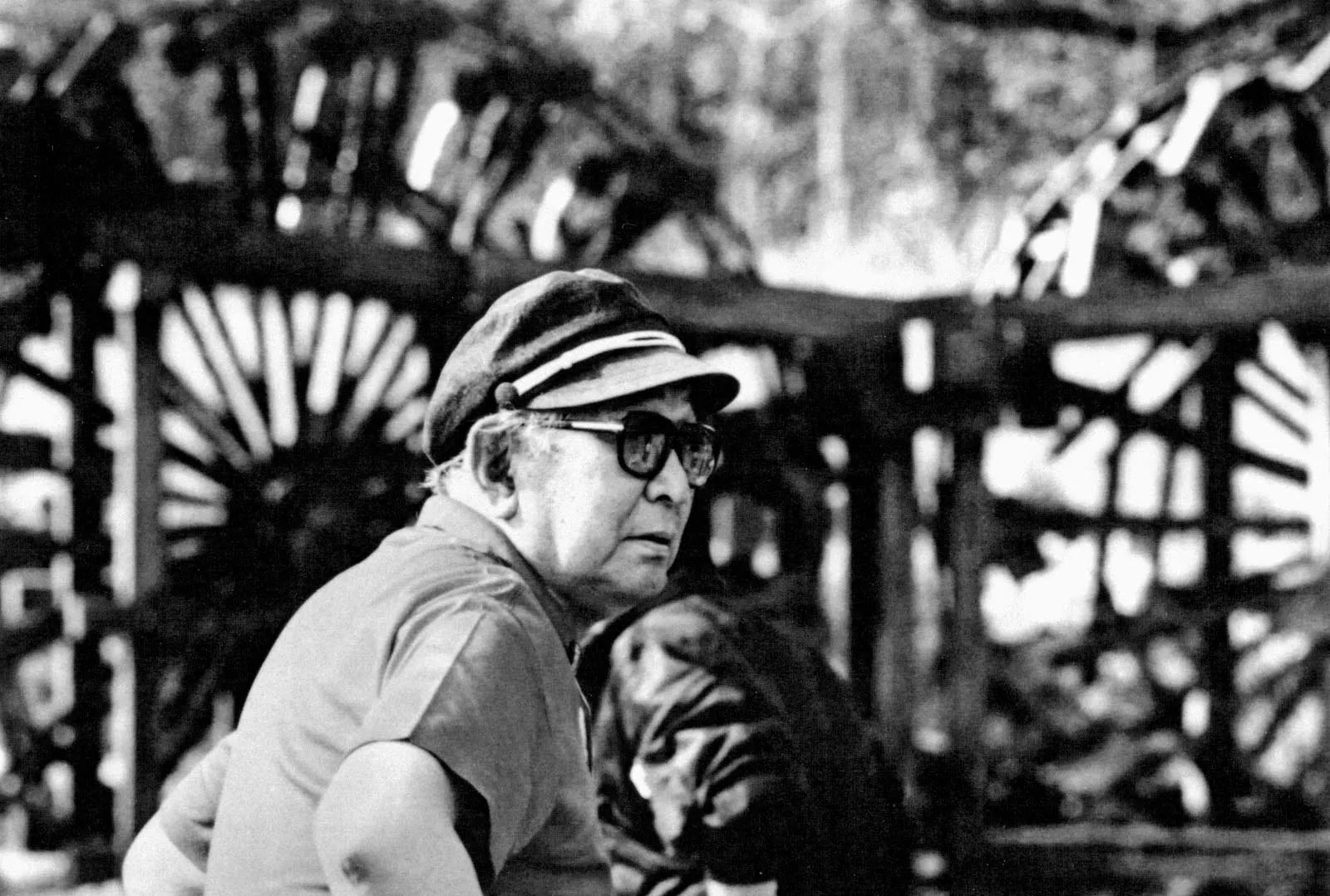
Japan had been preparing a place for Shakespeare long before Kurosawa arrived. Japanese readers had encountered the plays throughout the nineteenth century. In 1928, the scholar Tsubouchi Shōyō, then about seventy, completed the first Japanese translation of the complete works, an achievement recorded by the National Diet Library.
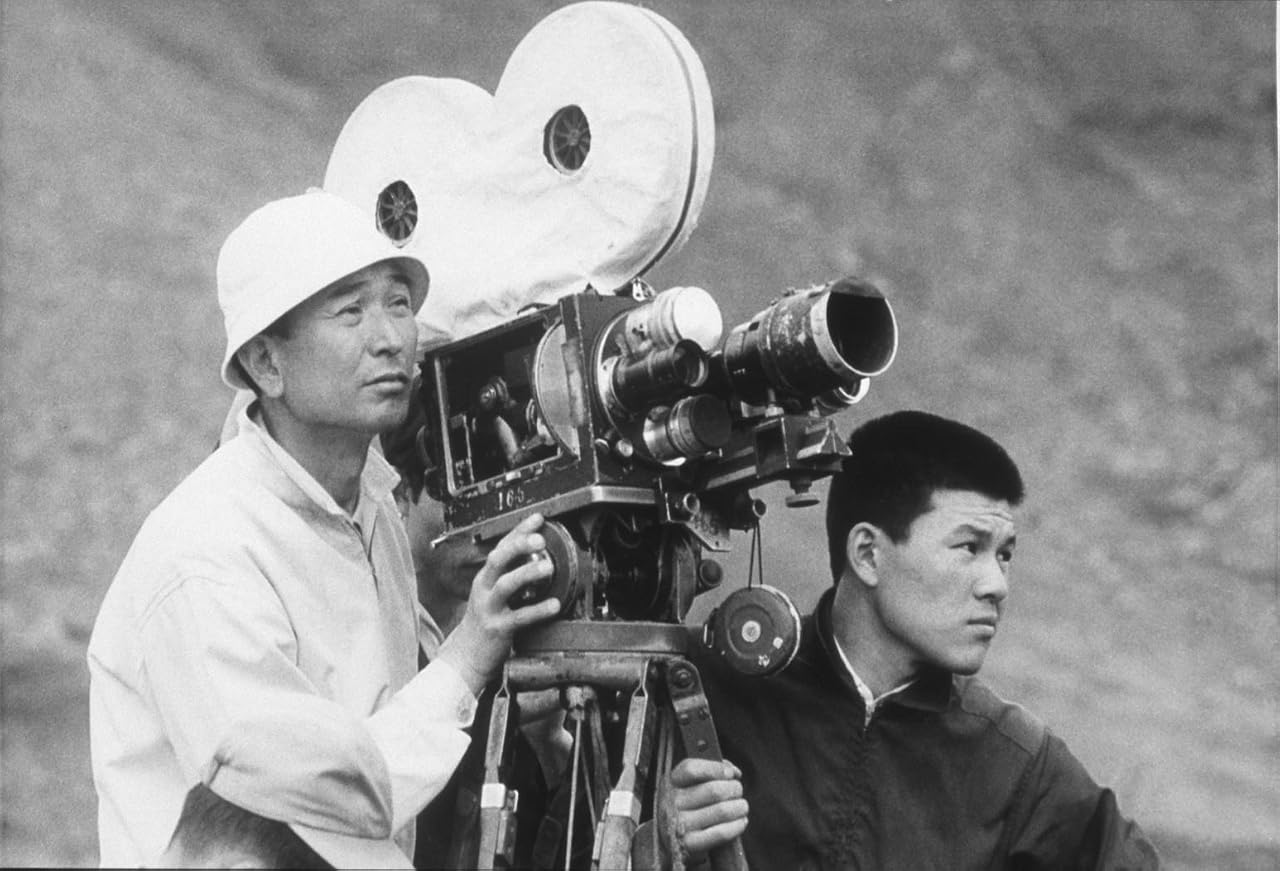
That year, Waseda University also opened the theater museum that carries his name. As the University of Birmingham describes it, Shakespeare in Japan became naturalized through generations of translation, performance and study. Kurosawa grew up in a country where the Bard was already a familiar guest.
Throne of Blood (1957): Macbeth in The Language of Noh
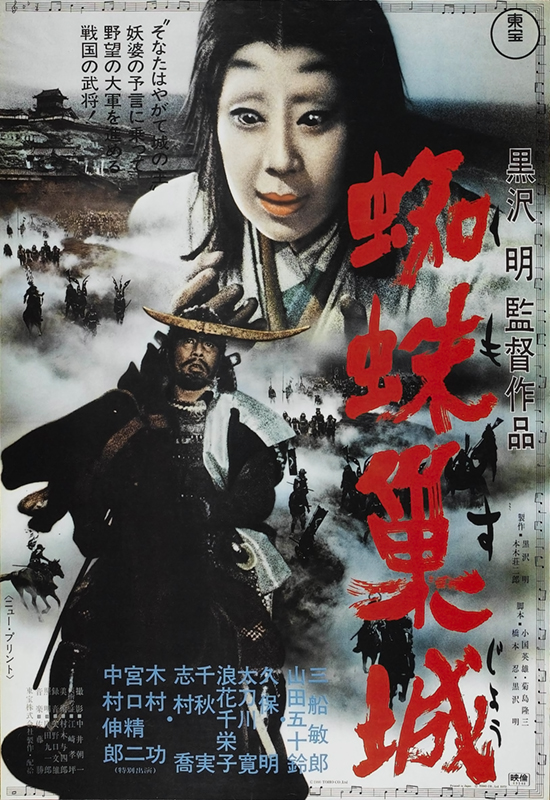
Macbeth was Kurosawa’s favorite Shakespeare play. He hoped to film it soon after Rashomon, then set the project aside when he learned of Orson Welles’s 1948 version. The Japanese title, Kumonosu-jō, means “Spider’s Web Castle,” and the film moves Scotland’s thanes into a world of warring barons, haunted forests, and fortresses on Fuji’s flanks.
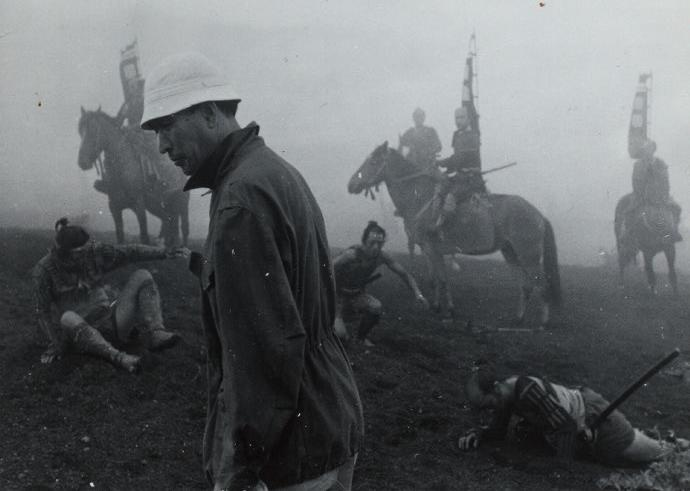
Production designer Yoshiro Muraki chose high mountain locations for their fog and dark volcanic soil. He also built interiors with low ceilings and squat pillars so that the rooms would press down on the hero’s mind. Toshiro Mifune plays Washizu, the Macbeth figure, with electric intensity. Isuzu Yamada’s Asaji, his Lady Macbeth, moves with the stillness of a Noh performer, and the BFI observes that both characters resemble specific Noh masks.
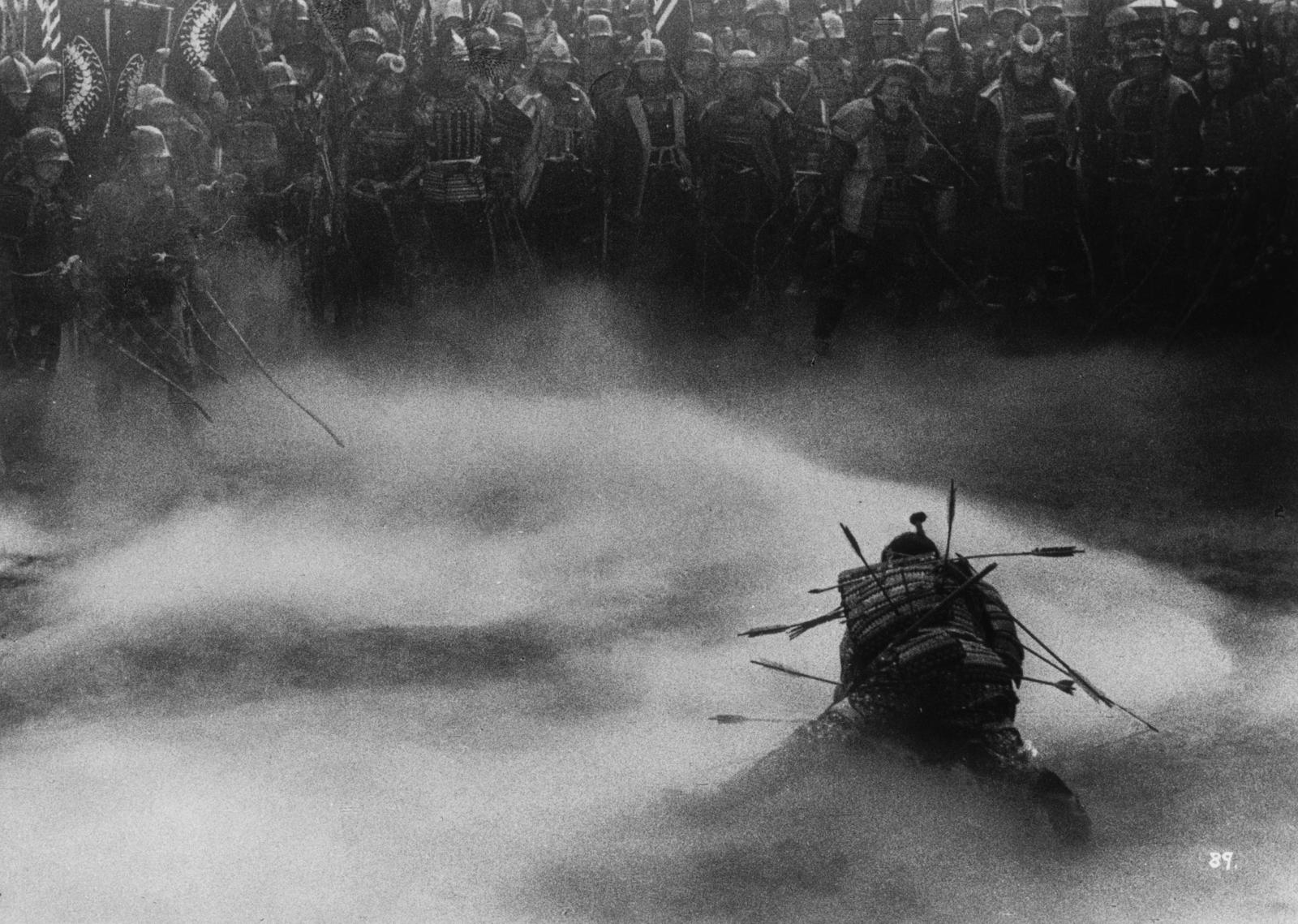
Nōgaku, the masked theater that flourished in the fourteenth and fifteenth centuries, now appears on UNESCO’s list of intangible cultural heritage, and shapes the film’s pacing, music, and sense of fate. Scholar Erin Suzuki argues that Washizu follows a pattern, repeating his lord’s violent rise and yielding to the forest spirit’s prophecy.
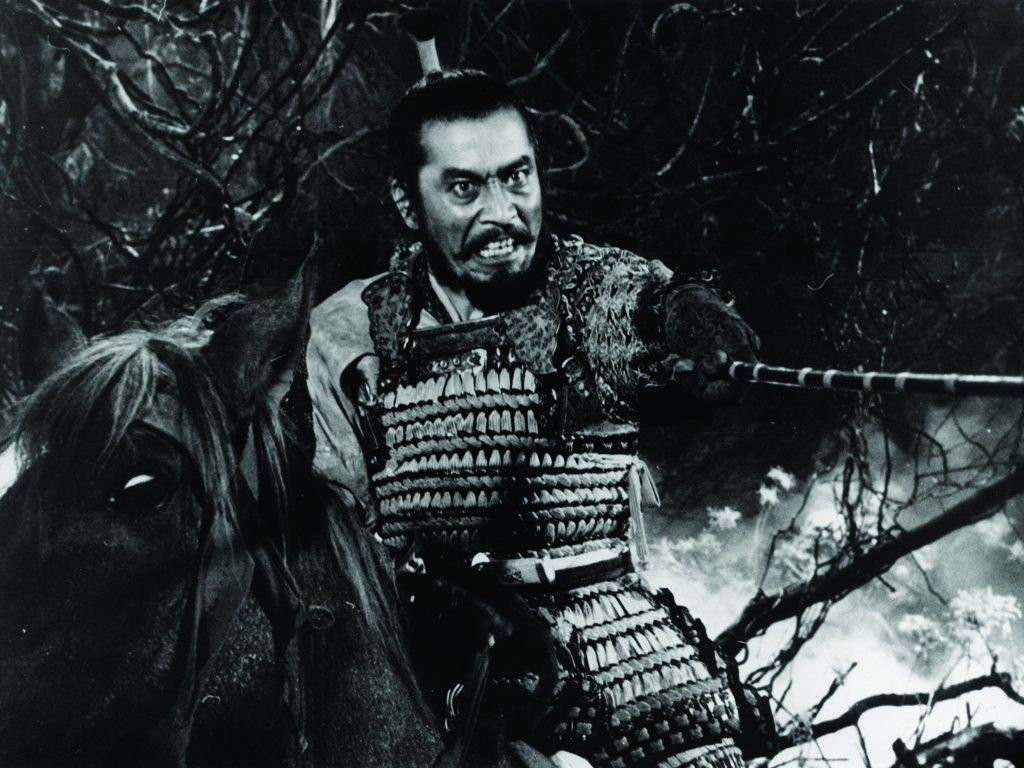
The ending is one of cinema’s most famous sequences. Cornered on his ramparts, Washizu is engulfed by a storm of arrows, and the Criterion Collection confirms they were real. The Berkeley Art Museum and Pacific Film Archive has suggested that some of the terror on Mifune’s face came from the experience itself.
The Bad Sleep Well (1960): Hamlet in a Business Suit
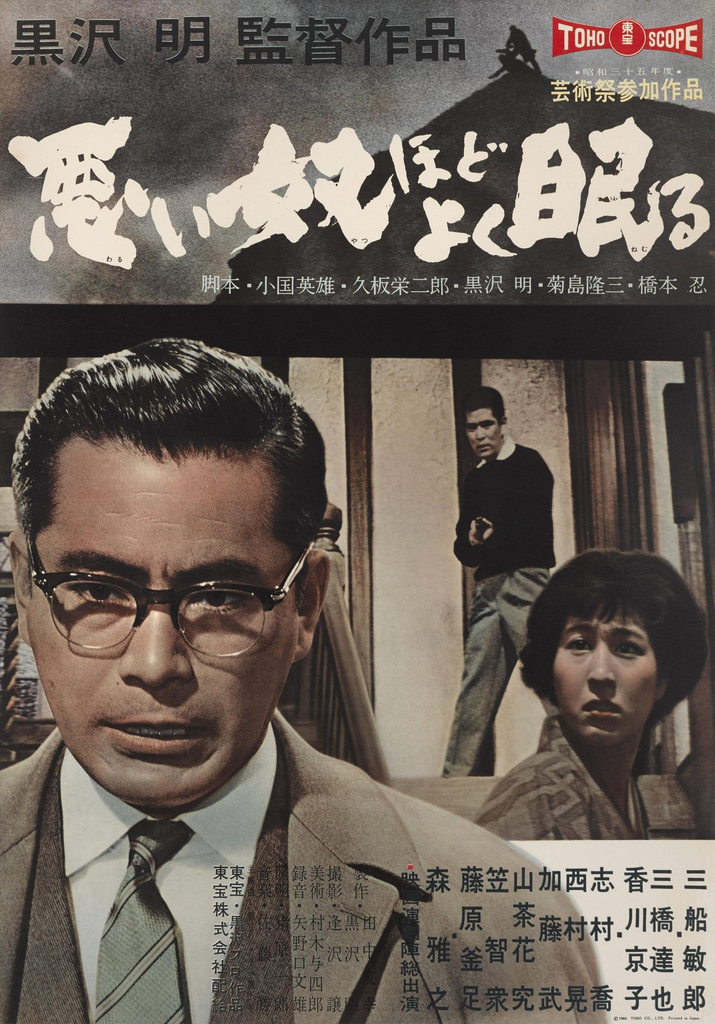
Three years later, Kurosawa brought Shakespeare into the present. The Bad Sleep Well, whose Japanese title translates to “The worse they are, the better they sleep,” was the first film from his independent company, Kurosawa Productions, founded in 1959. In one of his sixteen films with Kurosawa, Toshiro Mifune plays Nishi, a young man who marries into a corporate dynasty. He did so to avenge his father, whose death the company’s executives staged as a suicide.
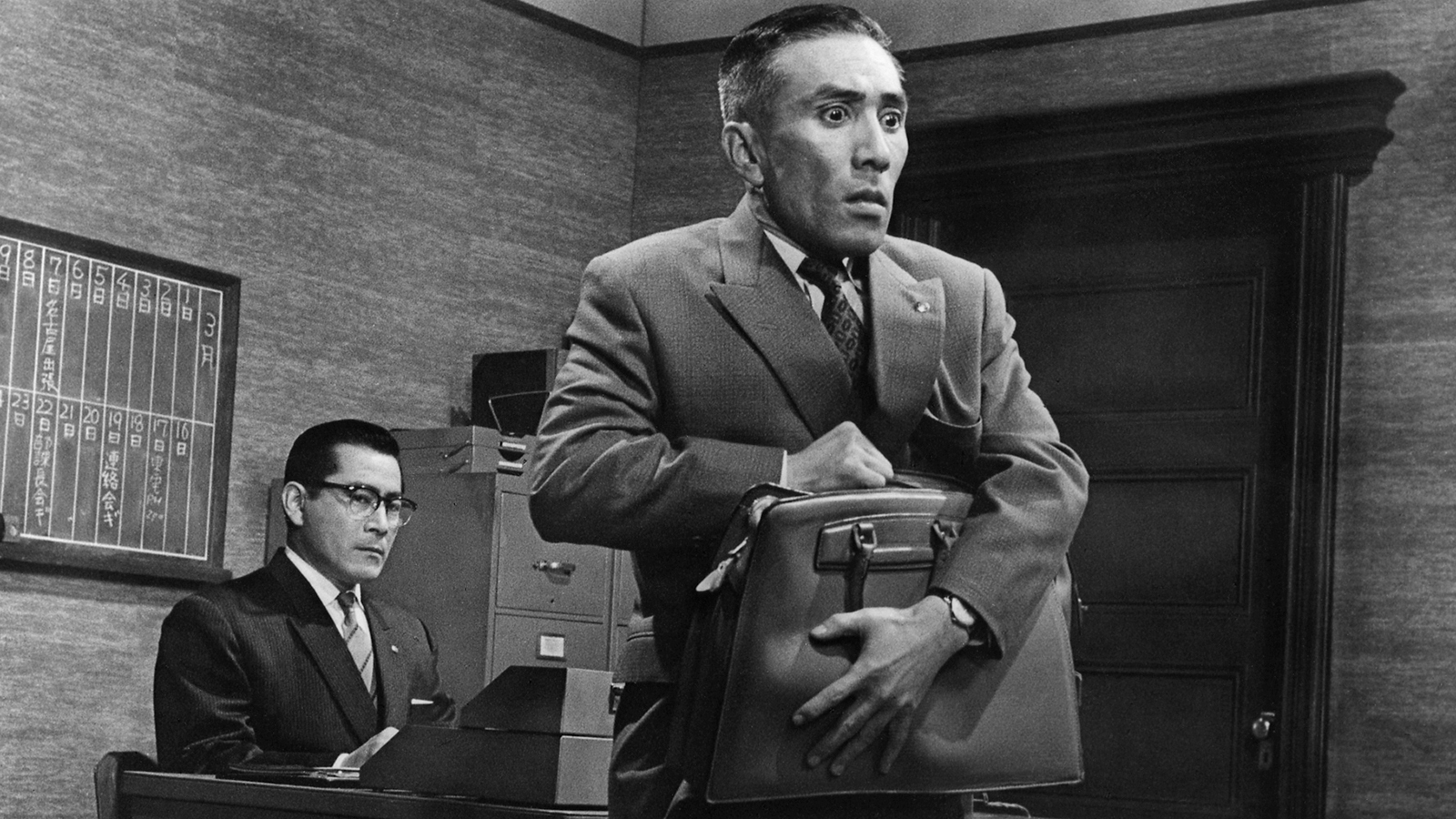
Scholars still debate how much Hamlet the film holds. A Smithsonian essay traces the question to critic Donald Richie. Richie’s 1965 study, The Films of Akira Kurosawa, was the first English-language academic book on a Japanese director, and it identified the play as the film’s source. Later writers found the parallels arriving only halfway through.
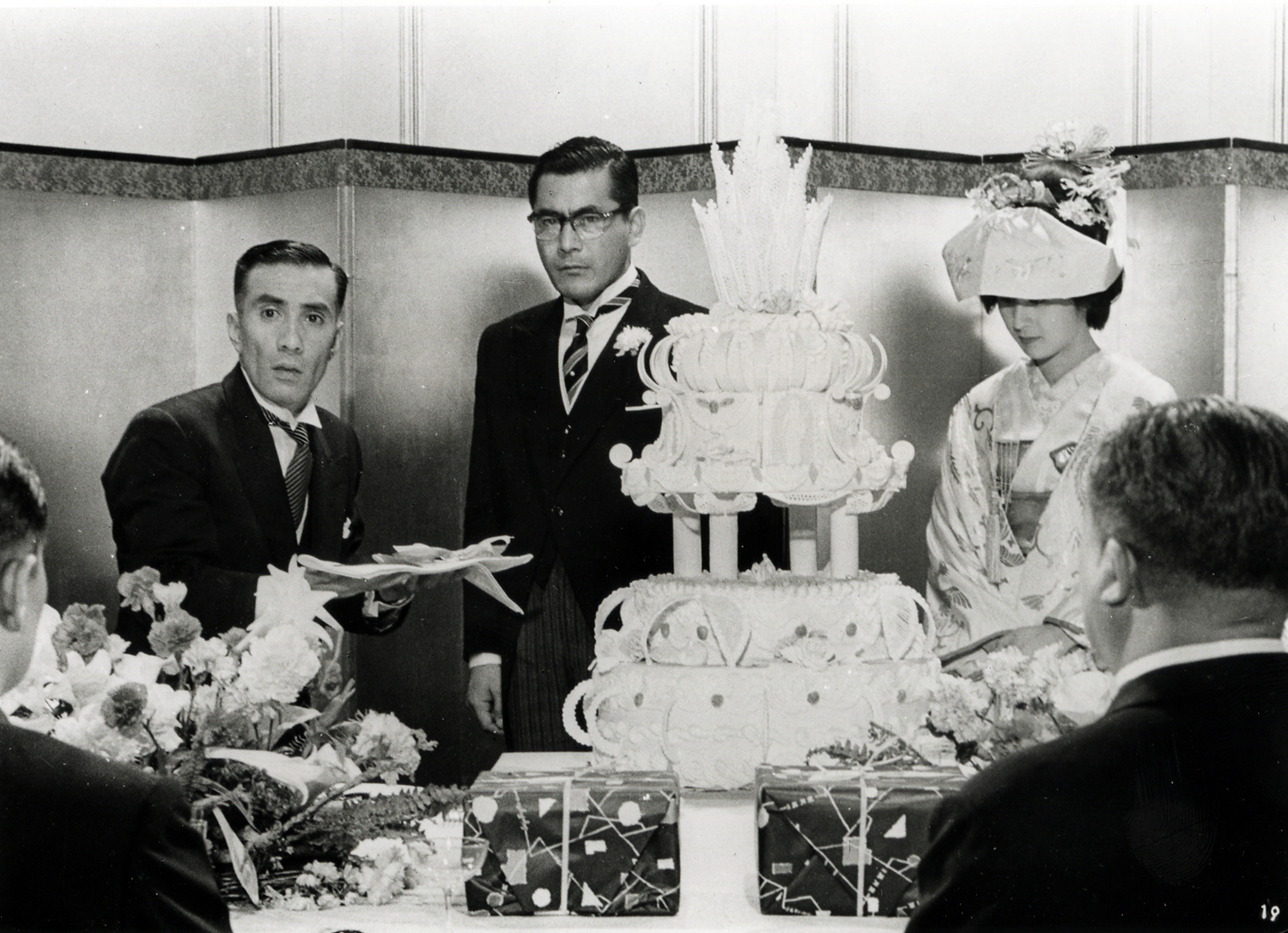
The echoes linger all the same. The film opens with a roughly twenty-minute wedding reception that reads as a reimagining of Hamlet’s play-within-a-play, culminating in an ominous wedding cake. Later, Nishi stages his own ghost, using a living man believed dead to haunt the guilty. Kurosawa wraps it all in the shadows of American film noir to expose the corruption of postwar corporate Japan.
Ran (1985): King Lear on the Slopes of Mount Fuji
The last and grandest adaptation began with a Japanese legend. In the 1970s, Kurosawa read about the sixteenth-century warlord Mōri Motonari, remembered for three loyal sons and a lesson in unity: one arrow breaks easily, while three bound together hold firm. Japanese schoolchildren still learn the parable, which is probably apocryphal.
A real letter in which Motonari urges his sons to act as one survives in the Mohri Museum collection. Kurosawa imagined what might have happened if those sons had been treacherous, and only later saw how closely his story mirrored King Lear. The title, Ran, means chaos or turmoil.
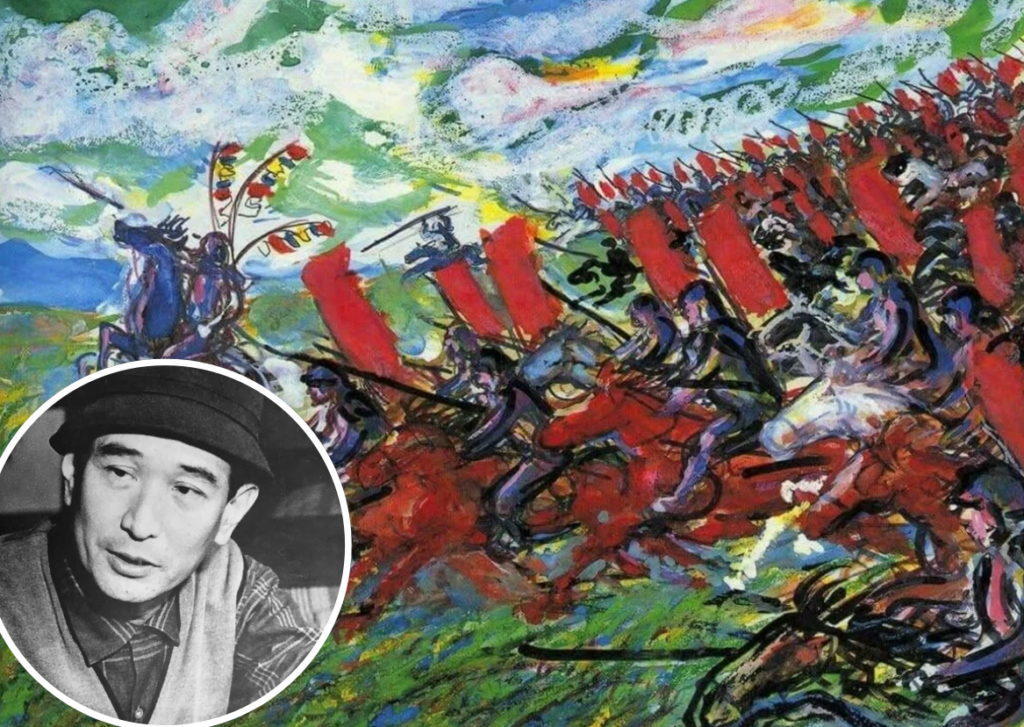
Lear’s daughters become Lord Hidetora’s sons, played by Tatsuya Nakadai, and the old king’s test of spoken devotion becomes a test of arrows. Kurosawa, then 75, painted the entire film in his own watercolors as storyboards, and the on-screen color is unforgettable, with each son’s army marching beneath its own banner shade. Costume designer Emi Wada worked with Kurosawa on some 1,400 uniforms and suits of armor, handmade by master tailors.
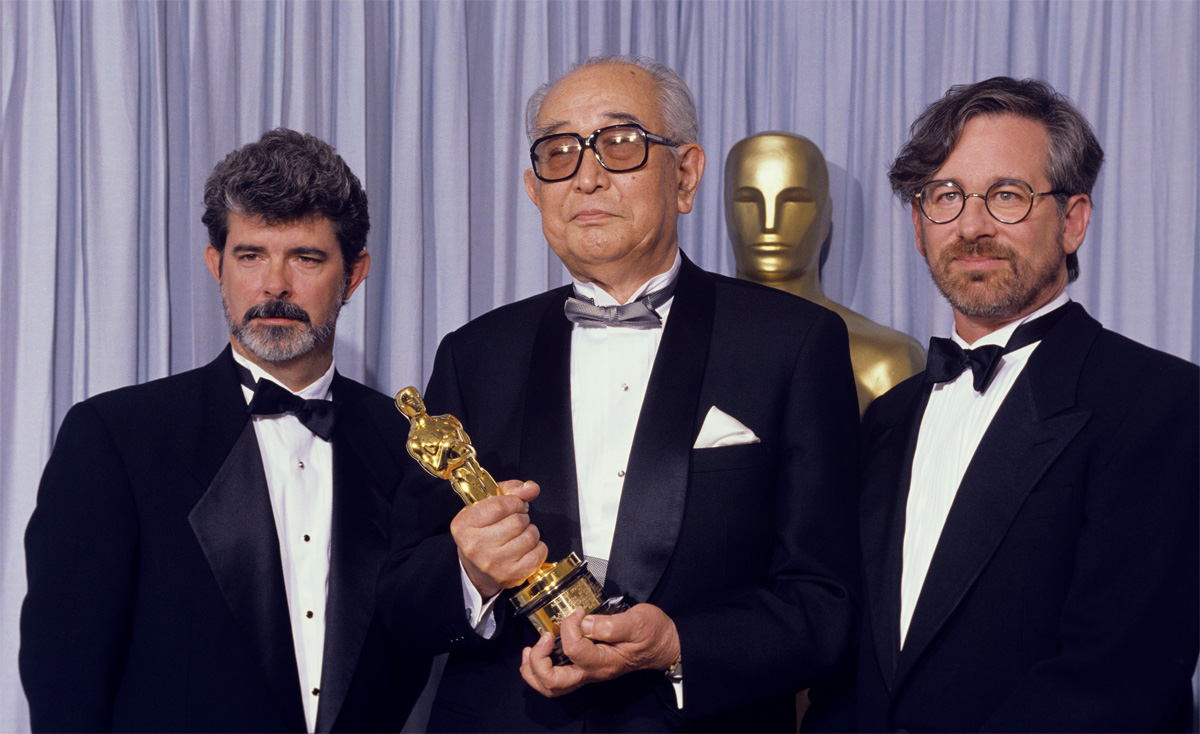
At the 1986 Academy Awards, Wada won Best Costume Design, and Kurosawa received his only Oscar nomination for Best Director. Yoshiro Muraki, who had designed the fortress of Throne of Blood, shared a nomination for art direction.
With a budget of about $11 million to $12 million, Ran was the most expensive Japanese film made up to that time. Kurosawa built a real castle on the slopes of Fuji and burned it. During the great siege, the sounds of battle fall away, leaving only Tōru Takemitsu’s plaintive score until a single gunshot, as Film Forum describes it.
Hidetora’s make-up grows more stylized as his mind fails, until his face settles into something like a Noh mask of madness. Shakespeare gave Lear the line “this heart / Shall break into a hundred thousand flaws.” Nakadai conveys that breaking almost entirely through posture and gait.
The Stories That Travel
Kurosawa’s Shakespeare films offer a quiet education in world citizenship. A Stratford playwright, a theater form refined in medieval Japan, and a director nourished by Russian novels and American Westerns meet in these frames and enrich one another. Some critics at home found Kurosawa too Western, while audiences abroad embraced him as Japan’s great cinematic voice. The films themselves show how great stories travel, gathering new meaning wherever they settle.
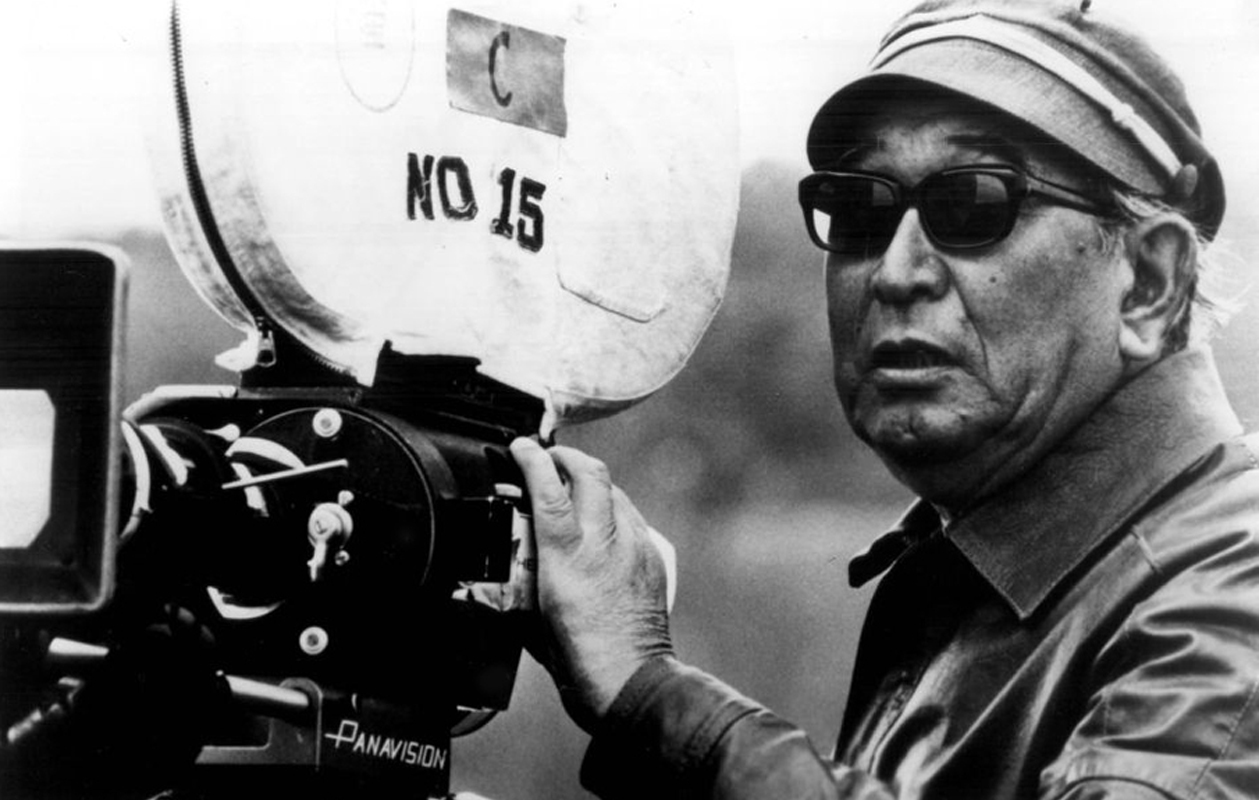
The best way to meet them is slowly. Borrow a book you loved in high school, like Macbeth from your library, and read the witches’ scenes before the fog rolls in. Watch Ran on the largest screen you can find; its 4K restoration still tours repertory cinemas. Then sit with what remains: the arrows, the burning castle, and the sense that one bundle of human stories, bound across centuries and oceans, holds remarkably firm.

Adam Ryan
Adam is a distinguished content writer, bookworm, and full-time adventurer with a constant craving for coffee. When he's not working, he loves exploring remote corners of the world, immersing himself in different cultures, and writing about his experiences.