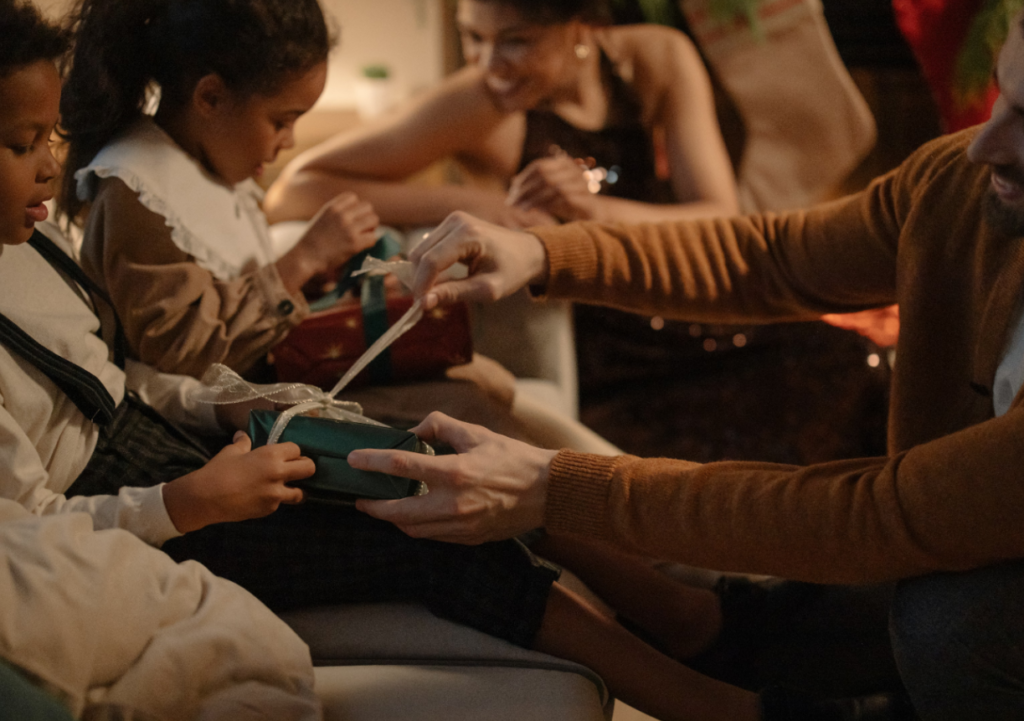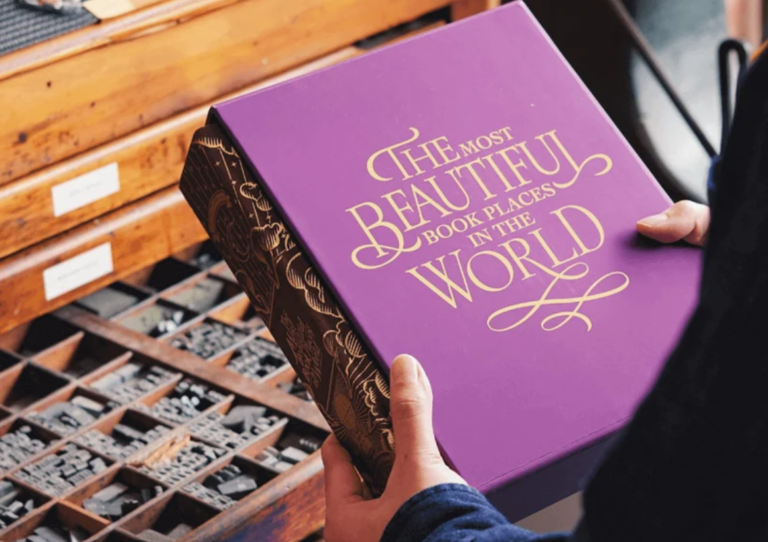

Why do we give gifts? Crows, toddlers, Roman Saturnalia, La Befana, Iceland’s book flood, and The Gift of the Magi are among the oldest ways of saying “you matter.”
One of the things that makes me happiest in the world is making someone feel so seen, so special, that they cry. I have been told I have a gift for it, and I will admit that if you get close enough to me, I may try. Sometimes I do it with words. Most often I do it with a gift. I listen carefully to people, to the book they mentioned once, the place they miss, the story they told me about their childhood, and then I go looking for the small thing that will tell them I was listening.
Maybe it comes from wanting that feeling myself. Not many people have given me presents that made me feel special, and I am not talking about expensive ones. I mean the little things that say I was thinking of you. Thinking about this, and about Christmas, made me wonder why we give gifts at all. Where does the habit come from? Do animals do it too? Why does it feel so natural? Why do we do it so much in December, and why does it matter to us as much as it does?
A Girl in Seattle Fed the Crows, and They Brought Her a Pearl-Coloured Heart

The most charming answer to the first question comes from a garden in Seattle. In 2011, a four-year-old girl named Gabi Mann started dropping food for the crows near her house. By the time she was eight, the crows had begun leaving things for her in return: an earring, a hinge, a polished rock, a pearl-coloured heart. She kept them in a box she described as “more valuable than gold.”

The crows even returned her mother’s lost camera lens cap. A crow scientist at the University of Washington, John Marzluff, explained that if you want to form a bond with a crow, you need to “be consistent in rewarding them,” though he added that he could not promise they would always bring presents.
Other animals give too, often for courtship. Researchers studying wild chimpanzees in Côte d’Ivoire found that males who shared meat with females doubled their mating success over the long term. Male nursery web spiders present a female with an insect wrapped in silk, and, in a detail that will amuse anyone who has received a disappointing present, some males wrap up worthless items instead and still win the female’s attention.

The famous story of penguins proposing with the perfect pebble turns out to be mostly romance; scientists say the pebbles are nest material, and evidence for the proposal is “hard to come by.” Even so, the instinct to offer something to another creature, to win them, feed them or bond with them, runs deep in the animal world.
Toddlers Under Two Are Happier Giving Their Treats Away Than Receiving Them
In humans, the instinct appears astonishingly early. In a study at the University of British Columbia, researchers gave toddlers under the age of two some treats and watched how happy they looked when receiving them, and when giving them to a puppet. The children were happier when giving treats to others than receiving treats themselves, and happiest of all when they gave away treats that were their own. Other researchers found that babies of eighteen months will spontaneously help an adult who has dropped a peg, with no reward at all.

The pleasure lasts into adulthood. In one experiment, adults were handed five or twenty dollars and told to spend it by evening, either on themselves or on someone else. Those who spent it on others were happier at the end of the day, whatever the amount. Brain-imaging studies of people donating to charity found that giving lights up the brain’s reward system much as receiving money does, and even more strongly when the giving was voluntary. Giving feels natural because, in a sense, it is how we were made.
Every Gift, Said Marcel Mauss, Comes With Three Obligations

Gifts also hold societies together. The French anthropologist Marcel Mauss argued in 1925 that gifts operate through three social obligations: to give, to receive, and to reciprocate. A gift can strengthen a relationship, create expectations, and sometimes even produce anxiety or a sense of debt. That is why our reasons for giving are mixed. We give to make people happy, and also to be liked, to say sorry, to keep a relationship smooth, or to win a favour. A businesswoman interviewed about Japan’s year-end gift season in 1984 put it with refreshing honesty: “I give to people who are useful to me.”

Most of the time, though, the obligations Mauss described are what bind us. A gift asks to be answered, and the answering goes on for years: between friends, between families, between generations.
Romans Gave Candles and Little Figurines in the Week Before Christmas
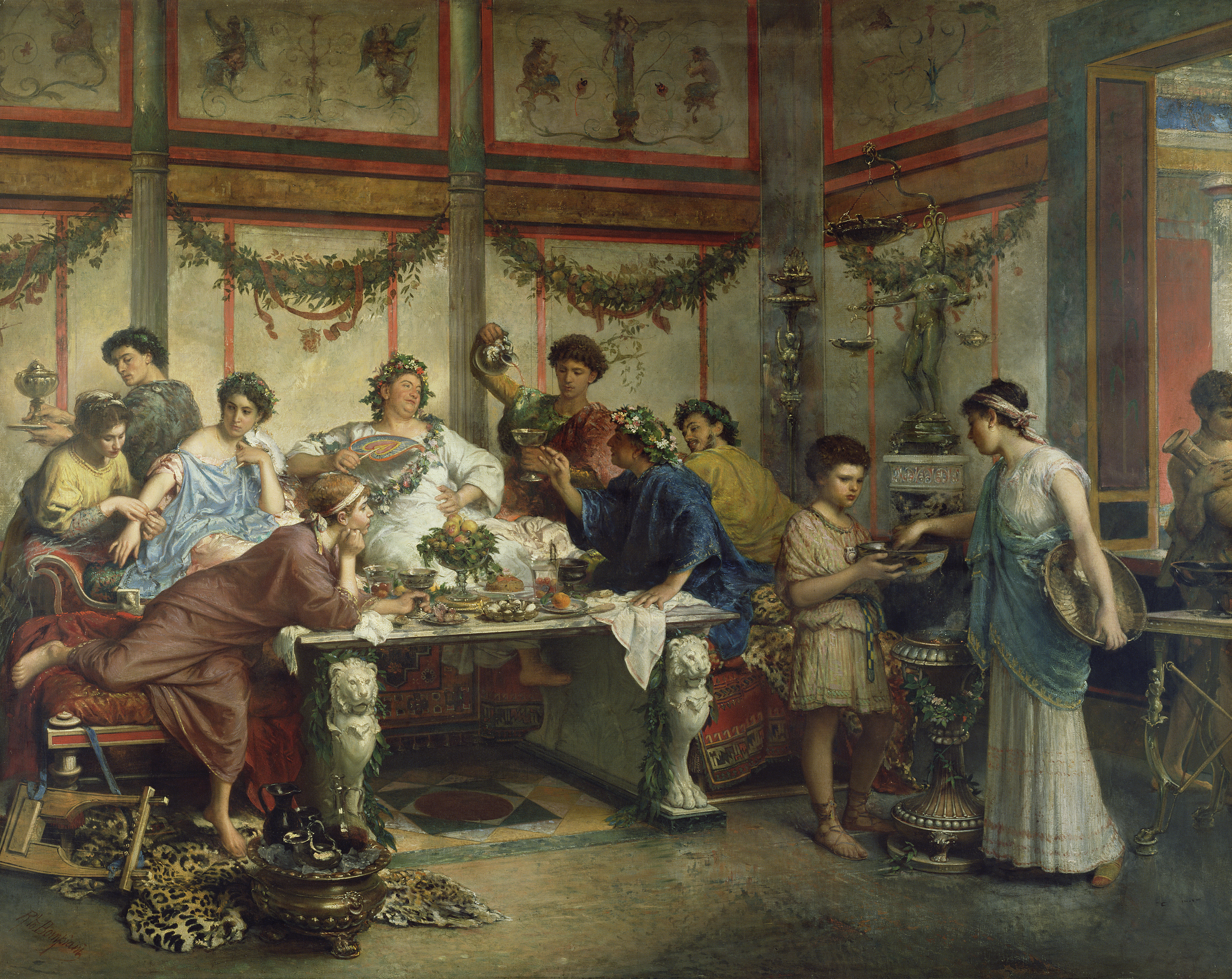
The midwinter gift is far older than Christmas. In ancient Rome, the festival of Saturnalia was held between the 17th and 23rd of December, and it ended with the giving of candles and small figurines bought at a special market. One museum notes that gifts were usually exchanged on 19 December, and some, according to one history, were “intended to amuse or confuse.”
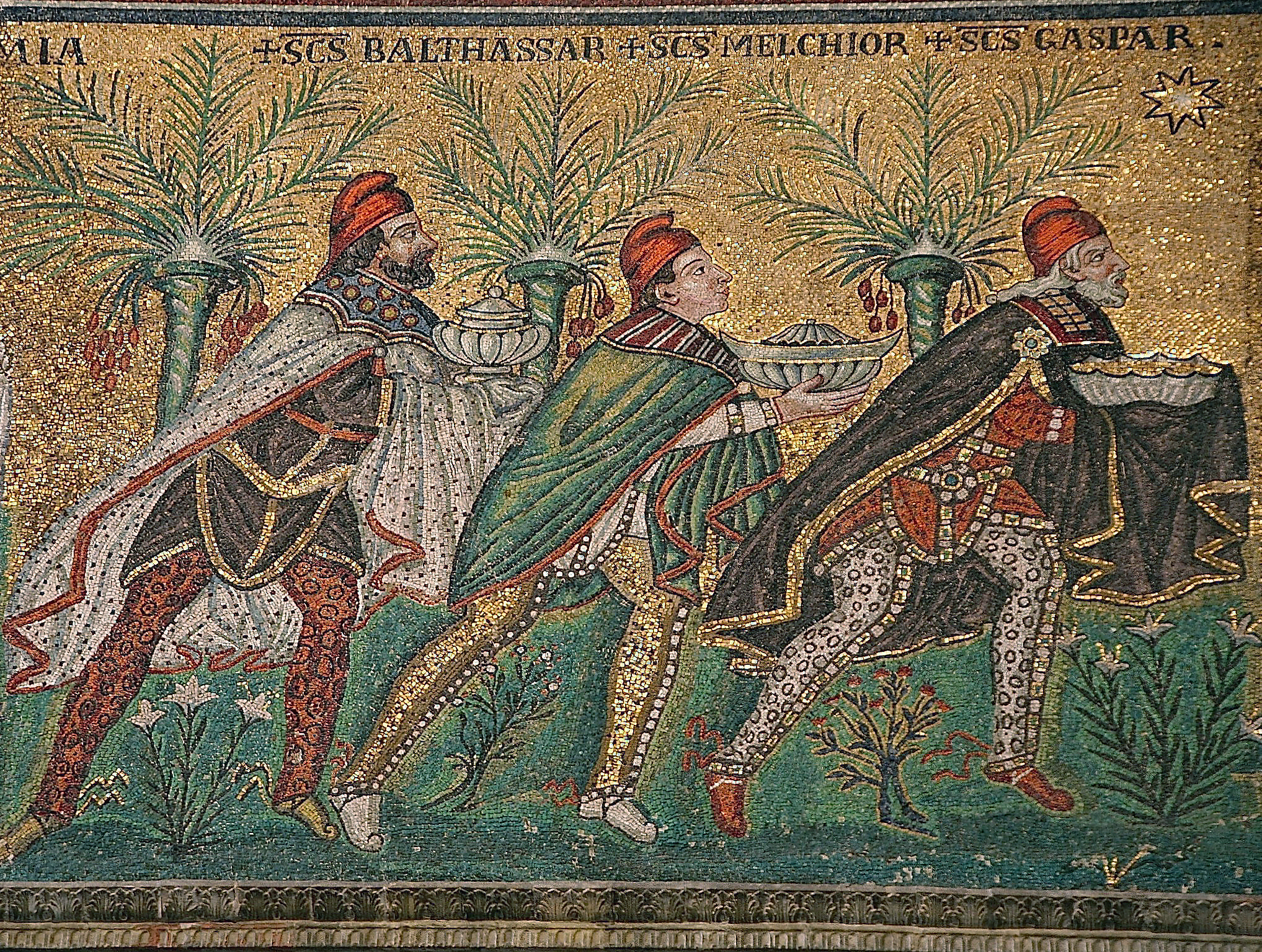
Christianity added its own stories. The Magi, the wise men of the Gospel, brought gold, frankincense and myrrh to the infant Jesus. A later legend tells of Nicholas, a bishop of Myra, who heard of a poor father unable to pay dowries for his three daughters. Coming secretly by night, he tossed a bag of gold into the house, where, the story goes, it landed in a stocking hung by the fire to dry. Nicholas begged the family to keep his name a secret.
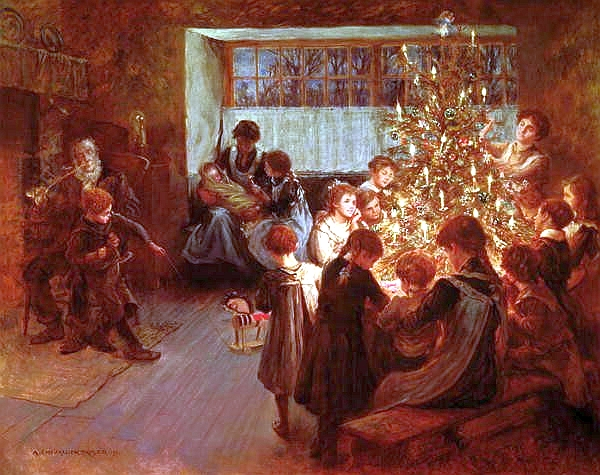
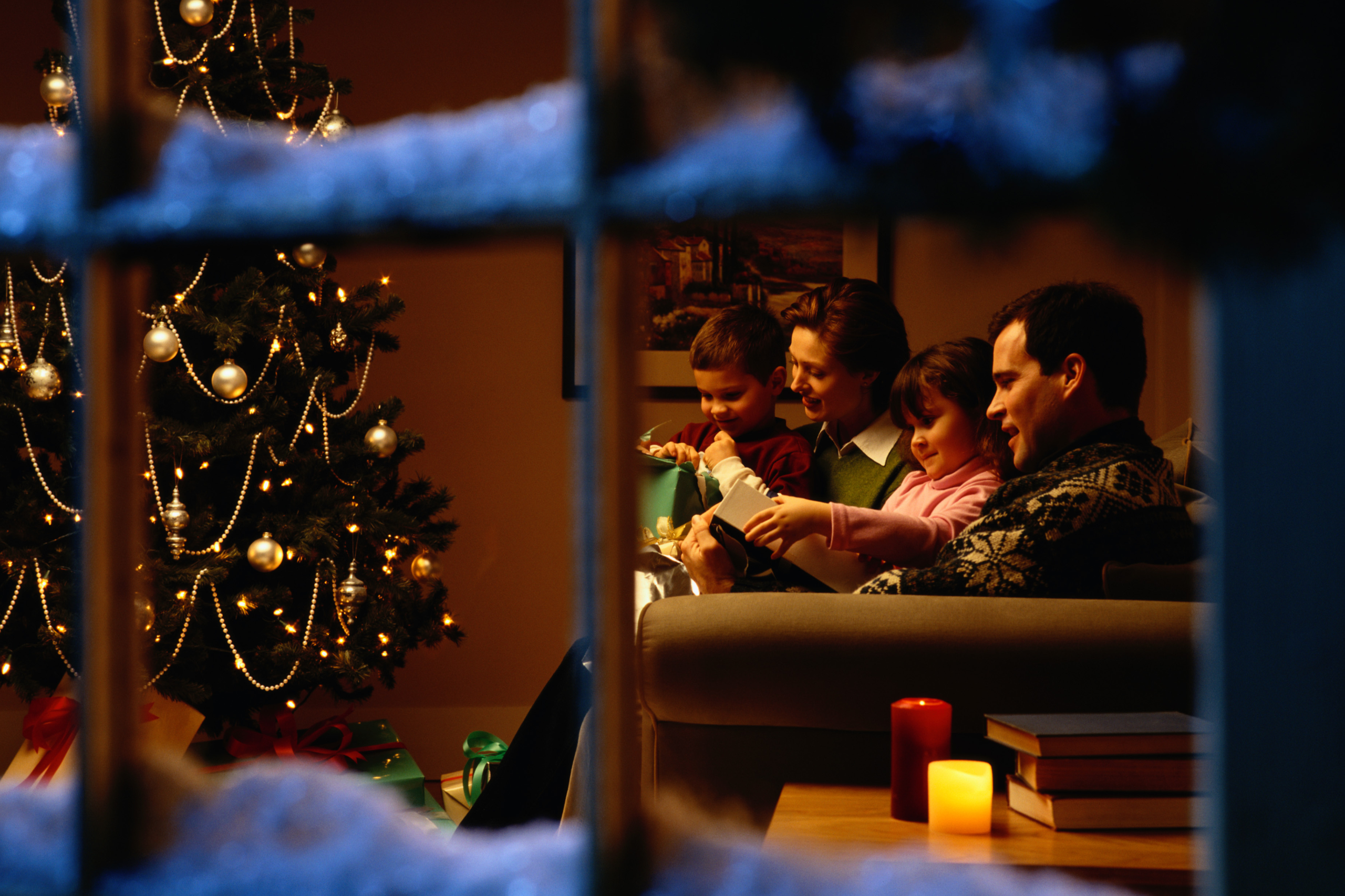
For a long time, Christmas was a rowdy public festival. In America, the historian Stephen Nissenbaum has shown, reformers in the nineteenth century reshaped it into a family-centred holiday with presents for children, and Clement Clarke Moore’s poem “A Visit from St. Nicholas,” published in 1823 and now known as “‘Twas the Night Before Christmas,” helped set the scene. In Victorian Britain, Christmas likewise became a more private and domestic holiday. The presents under the tree are, in that sense, a celebration of home.
Shoes by the Window, a Witch on a Broomstick and Books on Christmas Eve
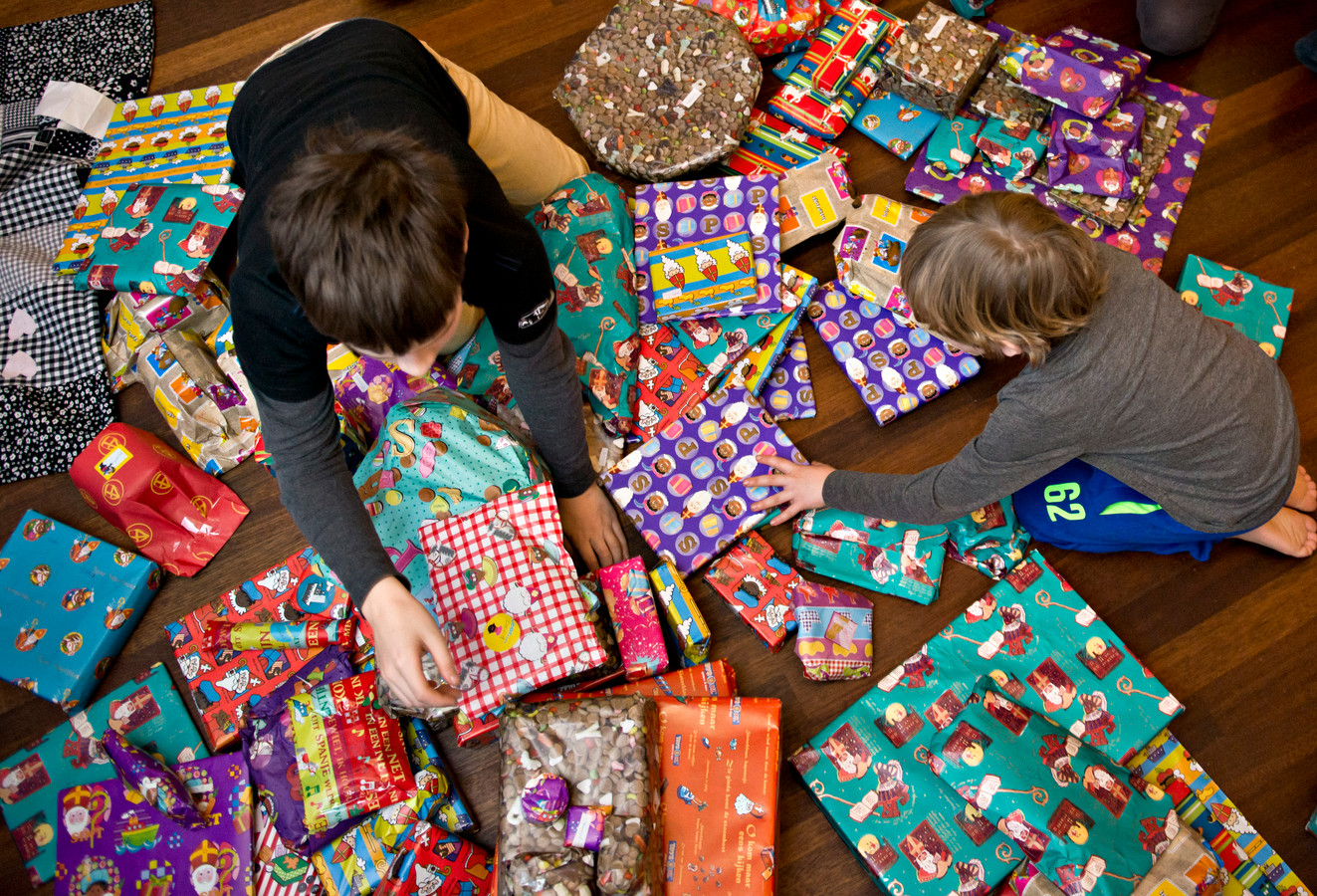
Every country has found its own way of giving. In the Netherlands, children leave their shoes by the fireplace or window for Sinterklaas, and on 5 December families exchange presents, each one paired with a self-written poem about the person receiving it. In Italy, the presents arrive on 6 January, carried by La Befana, a kindly old witch who brings presents for the good and coal for the bad.
In Spain and much of Latin America, children clean their shoes on the night of 5 January and leave straw and water for the camels of the Three Kings. In Germany, gifts are delivered by the Christkind, an angel-like messenger, and in Australia, where I live, Christmas means the beach, lunch in the backyard and plenty of seafood.
In Iceland, a catalogue of new books has been sent to every household each year since 1944, and on Christmas Eve, as one publisher explained, “we give the presents on the night of the 24th, and people spend the night reading.” In China, at Lunar New Year, adults give children red envelopes filled with money, red “to symbolise good fortune and prosperity for the coming year.” In Japan, people send gifts to teachers, doctors and relatives twice a year to express “gratitude and appreciation.” The calendars and the wrapping change from place to place. The gesture is the same everywhere.
The Grinch Stole Every Present, and the Whos Sang Anyway
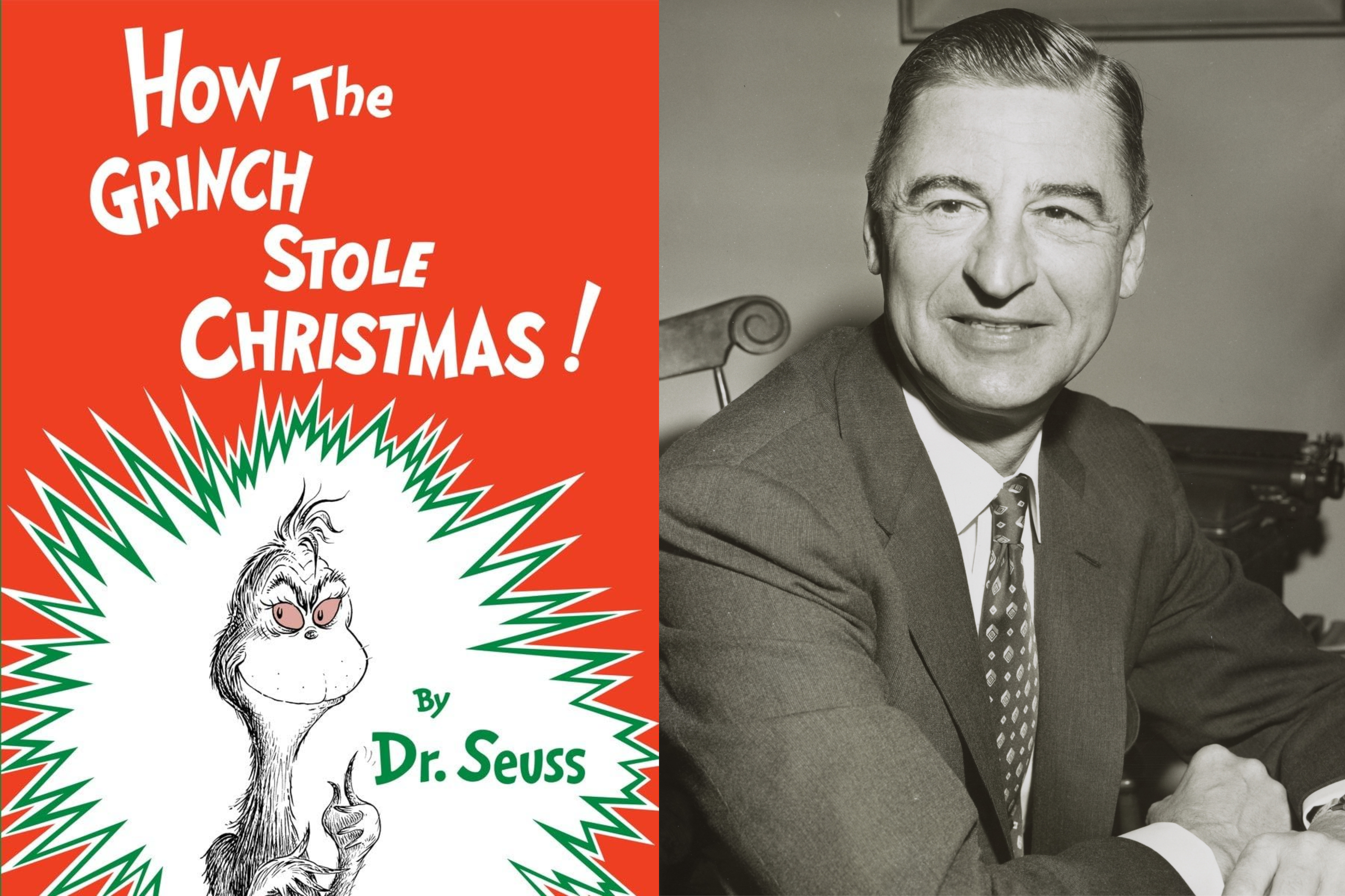
Two famous Christmas stories are about what happens when the presents are taken away, or given at last. In Dr Seuss’s How the Grinch Stole Christmas! (1957), a sour green creature steals every present, decoration, and feast in Whoville, certain that Christmas will not come without them. On Christmas morning, he hears the Whos singing anyway, realises that Christmas means “a little bit more,” and his heart grows three sizes.

In Charles Dickens’s A Christmas Carol (1843), the miser Ebenezer Scrooge is visited by the ghost of his old partner, Jacob Marley, and by three spirits who show him the lonely end his meanness will bring. He wakes on Christmas morning a generous man, and his change of heart shows itself through giving. The Australian radio programme The Minefield has described the book as a case for generosity over scarcity, summed up in Marley’s regretful line: “Mankind was my business.”
One Dollar and Eighty-Seven Cents: The Wisest Gift Ever Given
The story I return to every December is O. Henry’s “The Gift of the Magi,” first published in 1905. Della and Jim are a young married couple in New York with almost no money and two treasures: her long, beautiful hair and his gold watch. On Christmas Eve, Della has “one dollar and eighty-seven cents.” She sells her hair to buy Jim a chain for his watch. That evening, Jim gives her a set of combs for the hair she no longer has. He has sold his watch to pay for them.
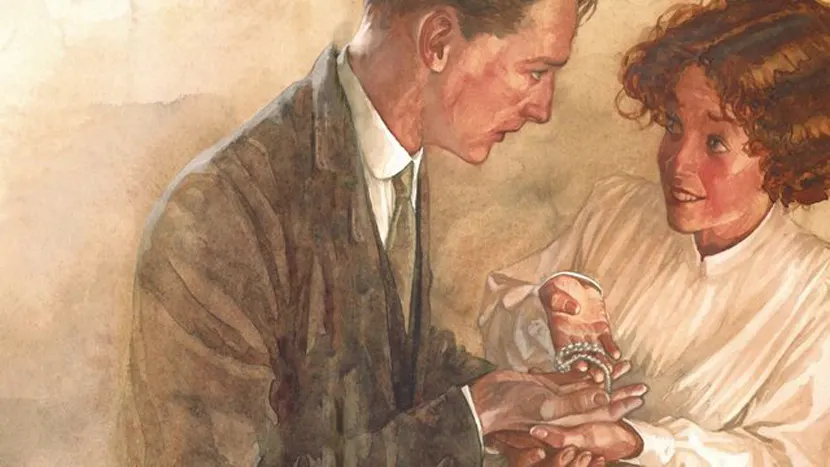
Both presents are useless, and both are perfect. As one reading of the story puts it, “Although their presents are useless, they’ve demonstrated, through sacrifice, their great love for one another.” O. Henry calls the couple “two foolish children,” and then ends with a verdict that has outlived everything else he wrote: “of all who give gifts these two were the wisest.”
That is why gifts matter so much. Behind the crows’ trinkets, the toddlers’ treats, the Roman candles, and the presents under the tree is the same message: I see you, and I am glad you are here. We often hesitate to say it out loud. Psychologists at the University of Chicago found that people who wrote letters of gratitude underestimated how positive the recipients would feel and overestimated how awkward they would be. The words mean more than we imagine. The most valuable gift any of us can give needs no wrapping at all. It is to say, plainly and in time, thank you for existing in my life, and I love you.

Vincent Minatozaki
Vincent is the founder and Editor-in-Chief of 1000 Libraries Magazine. He is a Paris-born ex-corporate turned bookseller and philosopher, on a global mission to spread the joy of physical books in our age of digital technology.