
Seven lessons hidden in Ocarina of Time: lost childhood, the Triforce, Kierkegaard, Confucius, Aristotle and Wordsworth on our own hero’s journey.
On 5 November, Nintendo released a remake of The Legend of Zelda: Ocarina of Time, the 1998 adventure still often cited as one of the greatest video games ever made. I was ten, growing up in a suburb of Paris, when my favourite uncle, a writer who had travelled the world, gave me a Nintendo 64 and this game, and it has stayed my favourite ever since.
The story follows the oldest pattern in storytelling. The mythologist Joseph Campbell described it in 1949: “A hero ventures forth from the world of common day into a region of supernatural wonder,” faces great forces, and comes home able to help others. Each of us lives a version of that journey in an ordinary life. Hidden inside Ocarina of Time are seven lessons for living it well.
1. “The Children of the Forest Always Remain as Children,” and Link Was Never One of Them
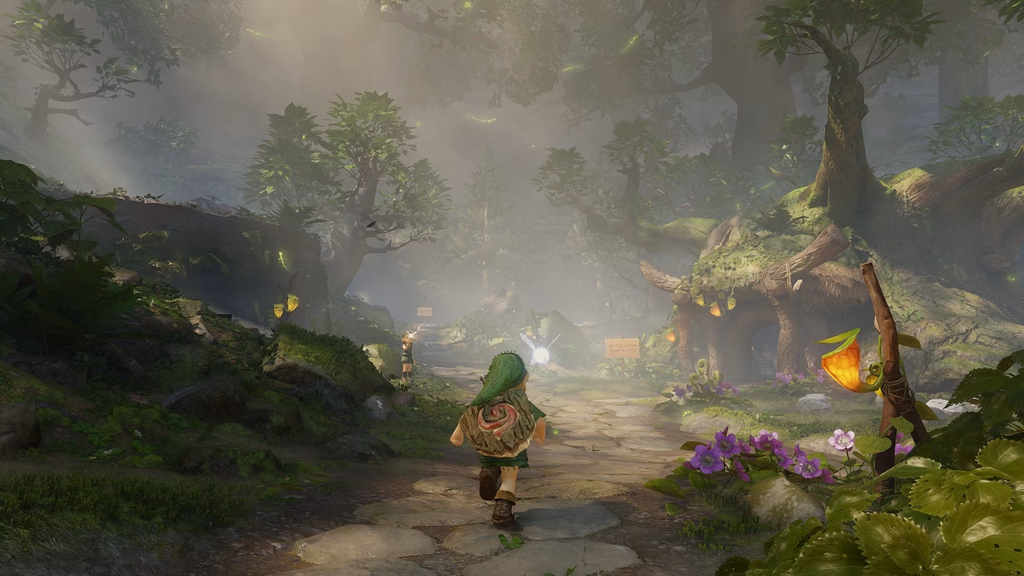
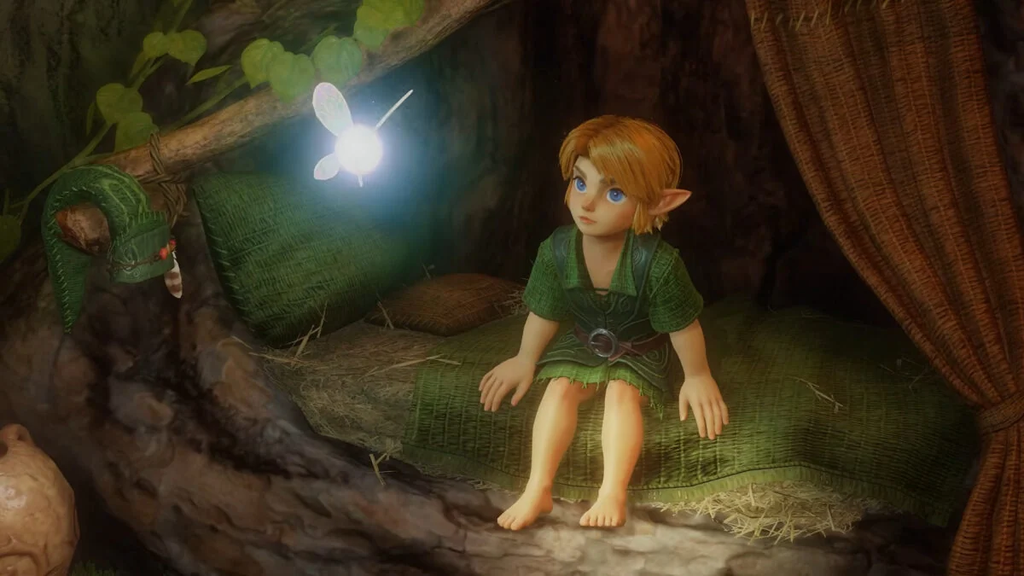
For anyone who has never played it: the game begins in Kokiri Forest, a hidden woodland where, as one long-running reading of the series puts it, “the children of the forest always remain as children.” Each Kokiri child has a fairy companion. A boy named Link is the only one without a fairy, until the forest’s guardian, a giant talking tree called the Great Deku Tree, sends him one named Navi. The tree has been cursed by a sorcerer named Ganondorf, and it dies after sending Link out to find Princess Zelda.
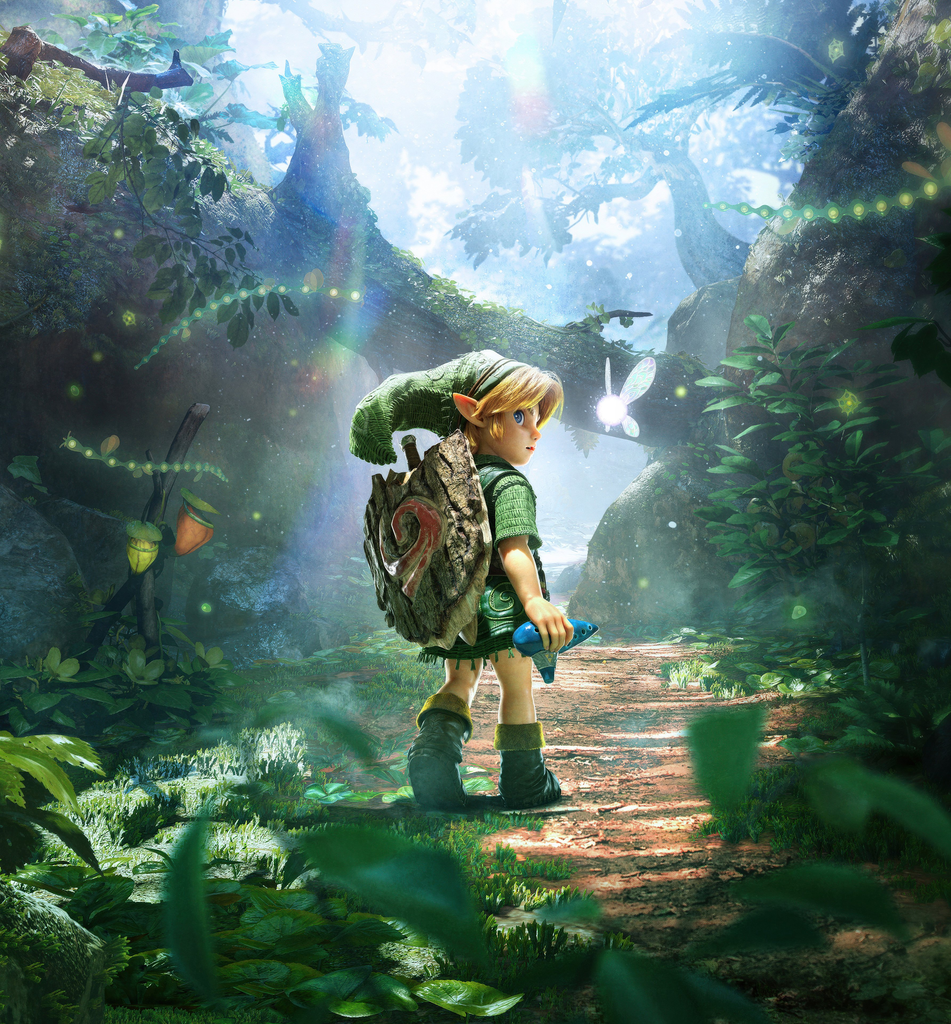
Spoiler alert: The game later reveals that Link was never a Kokiri at all. He is a Hylian, an ordinary mortal, which is why his friends stay young while he must grow up, and why his closest friend, Saria, has to say goodbye. The writer Dan Merrill has called the Zelda games “stories about the beauty of mortality, the journey from childhood to adulthood and from life to death.” The first lesson is the simplest. Growing up is the price of being human, and the condition of having a story at all.
2. The Master Sword Locks Childhood Behind a Stone Door
In the Temple of Time, Link pulls a legendary blade, the Master Sword, from its pedestal, and his spirit is sealed away for seven years, “until he was old enough to wield the Master Sword.” He wakes as a young man in a kingdom Ganondorf has seized. A writer for Nintendo Life put it perfectly: “Gaining the Master Sword locks childhood away behind a stone door.” In Kotaku, Kenneth Shepard pointed out that the choice was never his: “Link doesn’t get to make that decision; it is thrust upon him.”
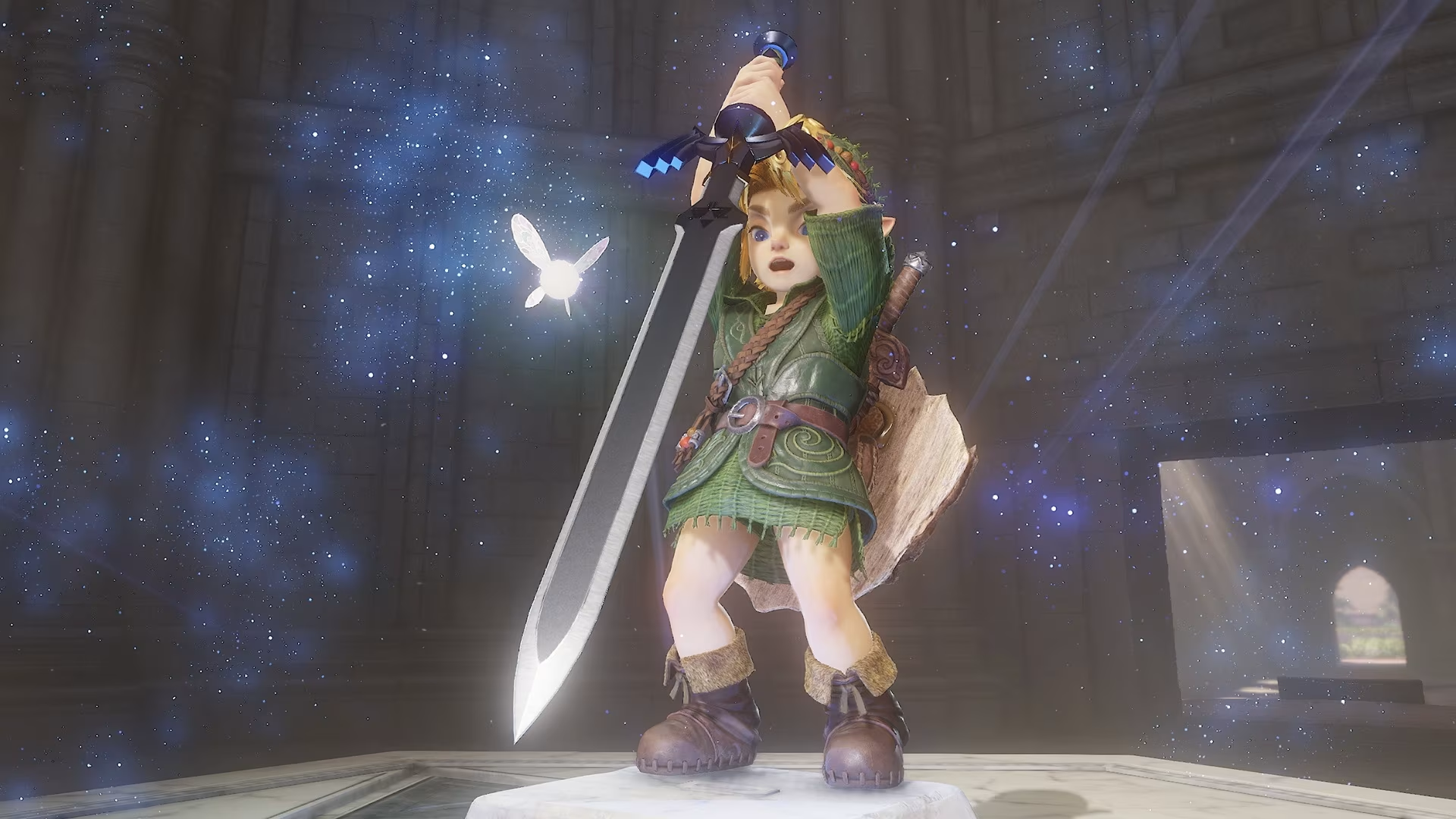
That is how childhood ends for most of us. A move, a death, or a family crisis arrives, and nobody asks our permission. The Danish philosopher Søren Kierkegaard wrote in his journals around 1843 that “Life can only be understood backwards; but it must be lived forwards.” Link is the rare hero who can do both, travelling back to his childhood and forward again to repair what went wrong. The rest of us move in one direction, and we understand our childhood long after the door has closed. One essay on the game draws the lesson from this: “Adulthood is the time to make up for our mistakes.”
3. Some Children Pull the Sword Early
In real life, there are no giant demons to fight. We face life as it comes, and that is our own hero’s journey. Sometimes it asks us to take on a role that others expect of us. Fiction is full of children like this. In Suzanne Collins’s novel The Hunger Games (2008), Katniss Everdeen loses her father, her mother sinks into grief, and at eleven Katniss starts hunting to feed her family. As one reading puts it, “While her mother is succumbing to grief, Katniss becomes the provider her family needs.”
When that role belongs to a parent, psychologists call it parentification: a child “placed in the role of a parent or caregiver to their own parents or siblings.” England’s 2021 census counted about 120,000 young carers aged five to eighteen, who can “miss school, have limited time to spend with their friends” and feel stressed or anxious. One of my good friends had to step up like this for her family when she was very young, and I saw firsthand all the ordinary things she could not do that I did.
The research also holds hope. A 2023 review of the studies found that “positive outcomes in the form of resilience and positive coping were reported,” and that support from others made the difference between floundering and thriving. Link is never entirely alone either. He has Navi at his side, Sages to guide him, and Zelda beside him at the end.
4. Saria’s Song: The People We Leave Behind Travel With Us
At the edge of the forest, Saria gives Link a small wooden ocarina and asks, “We’ll be friends forever… won’t we?” When the adult Link returns, she is still a child, now one of the seven Sages who guard the kingdom, and she tells him, “It is destiny that you and I can’t live in the same world.” Most of us have friends like Saria, the ones who stayed at the edge of the forest when life carried us somewhere else. As a child, I followed my parents from Paris to Laos and eventually to Melbourne, and every move left a few of them behind.
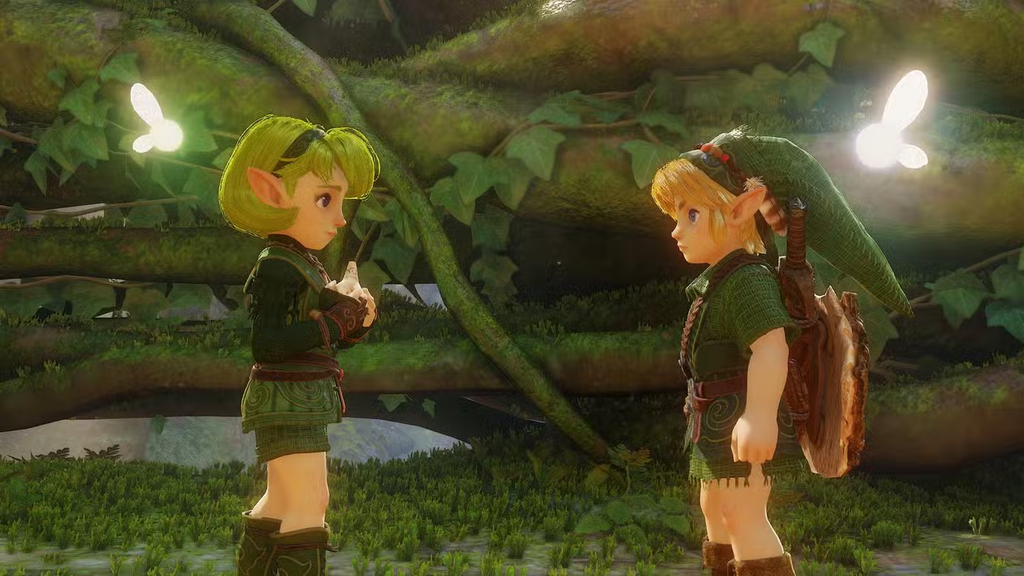
The game is honest about that loss, and it lets Link keep something of her. He can still hear Saria’s voice through the song she taught him. The writer Andrew Pair reads this as the game’s quiet consolation: growing up means accepting change, and “Sometimes that change hurts,” while the people we love stay with us in what they gave us. A song, a book, a game handed to a child: these are the ways people go on travelling with us.
5. Ganondorf Had All the Power and None of the Wisdom
At the centre of the Zelda world sits the Triforce, a golden relic made of three triangles. In Nintendo’s telling, three goddesses created the world: “Din, the goddess of strength, created the land,” “Nayru, the goddess of wisdom, created order,” and “Farore, the goddess of courage, created life.” Whoever touches the Triforce “must possess a balance of strength, wisdom, and courage,” or it splits into three.
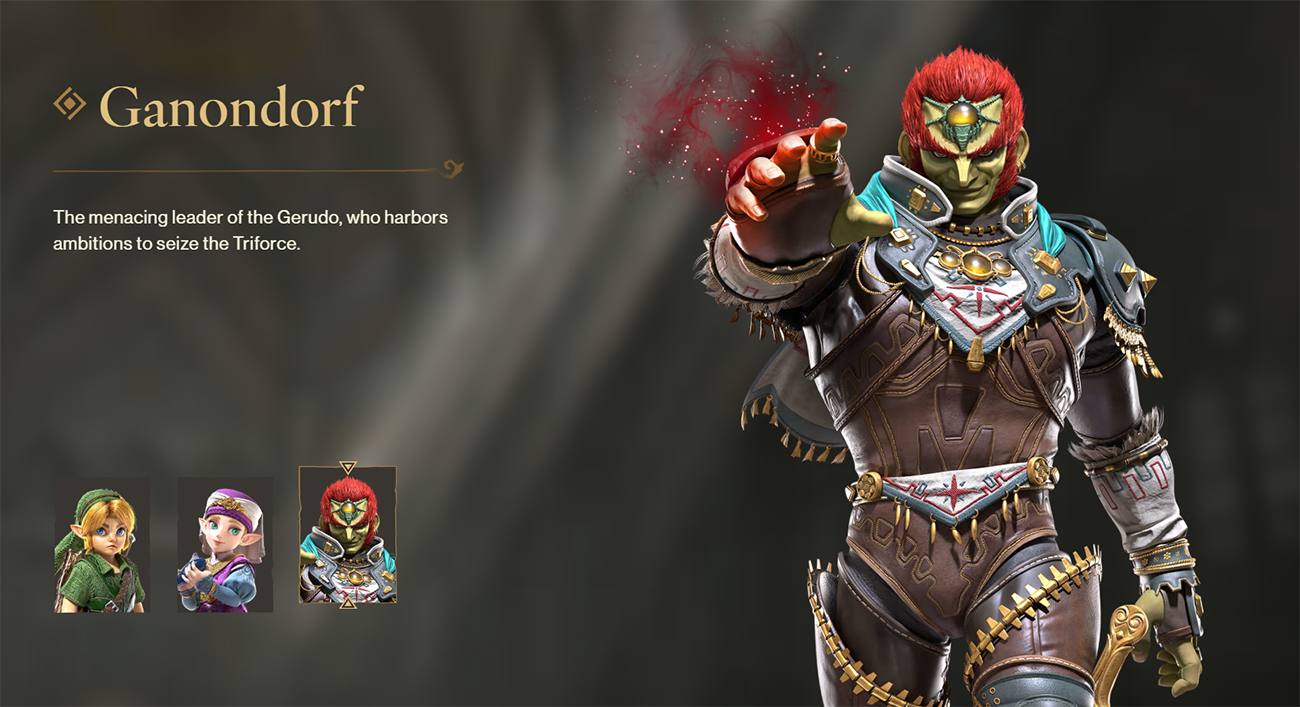
When Ganondorf reaches for it, it does exactly that. He keeps Power, Zelda receives Wisdom, and Link receives Courage. Fans have long read this as a theory of virtue in which “only through a harmonious balance between the three can the world be kept safe and prosper.”
The Chinese philosopher Confucius arrived at a triangle that looks remarkably like Hyrule’s: “The wise are free from perplexities; the virtuous from anxiety; and the bold from fear.” The classic text known as the Doctrine of the Mean names the three: “wisdom, jen, and courage, but they are practiced in unison.”
Two of the three match the Triforce exactly. In the third place, where Hyrule puts power, Confucius puts jen (also written ren), humaneness or benevolence. Ganondorf is what happens to a person who chooses power where Confucius would have chosen kindness. The fullest version of the Triforce may be one that holds both: the strength to protect others, and the mercy to be gentle with those who have not yet found their wisdom.
6. The Boy With No Fairy Earns His Courage One Dungeon at a Time
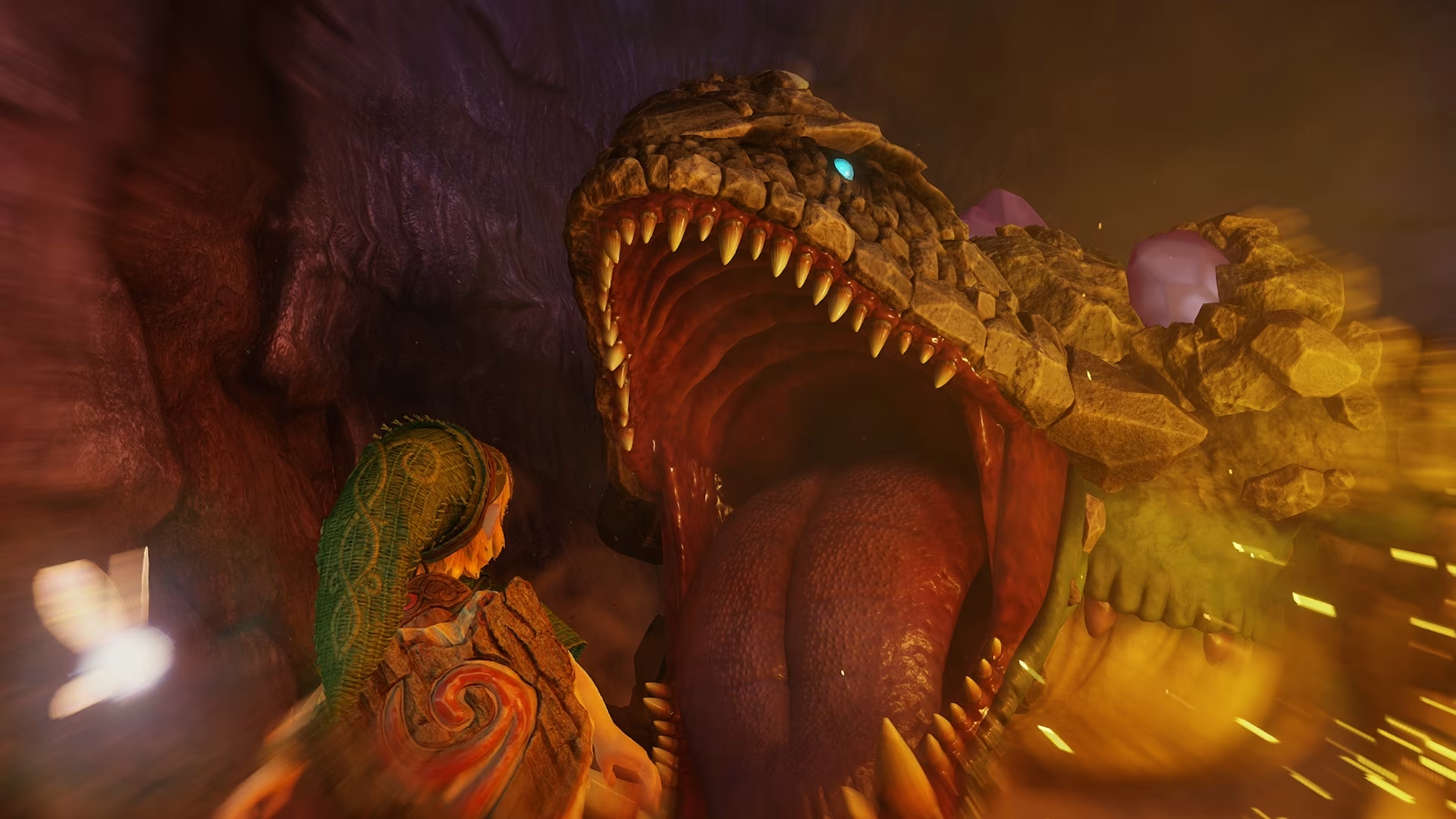
The Greek philosopher Aristotle taught that each virtue sits between two vices, so that courage lies between cowardice and recklessness, and that virtue is learned through practice. As one essay on the Triforce puts it, “Aristotle did not believe that people were born virtuous,” and we become brave by doing brave things until they become part of who we are.
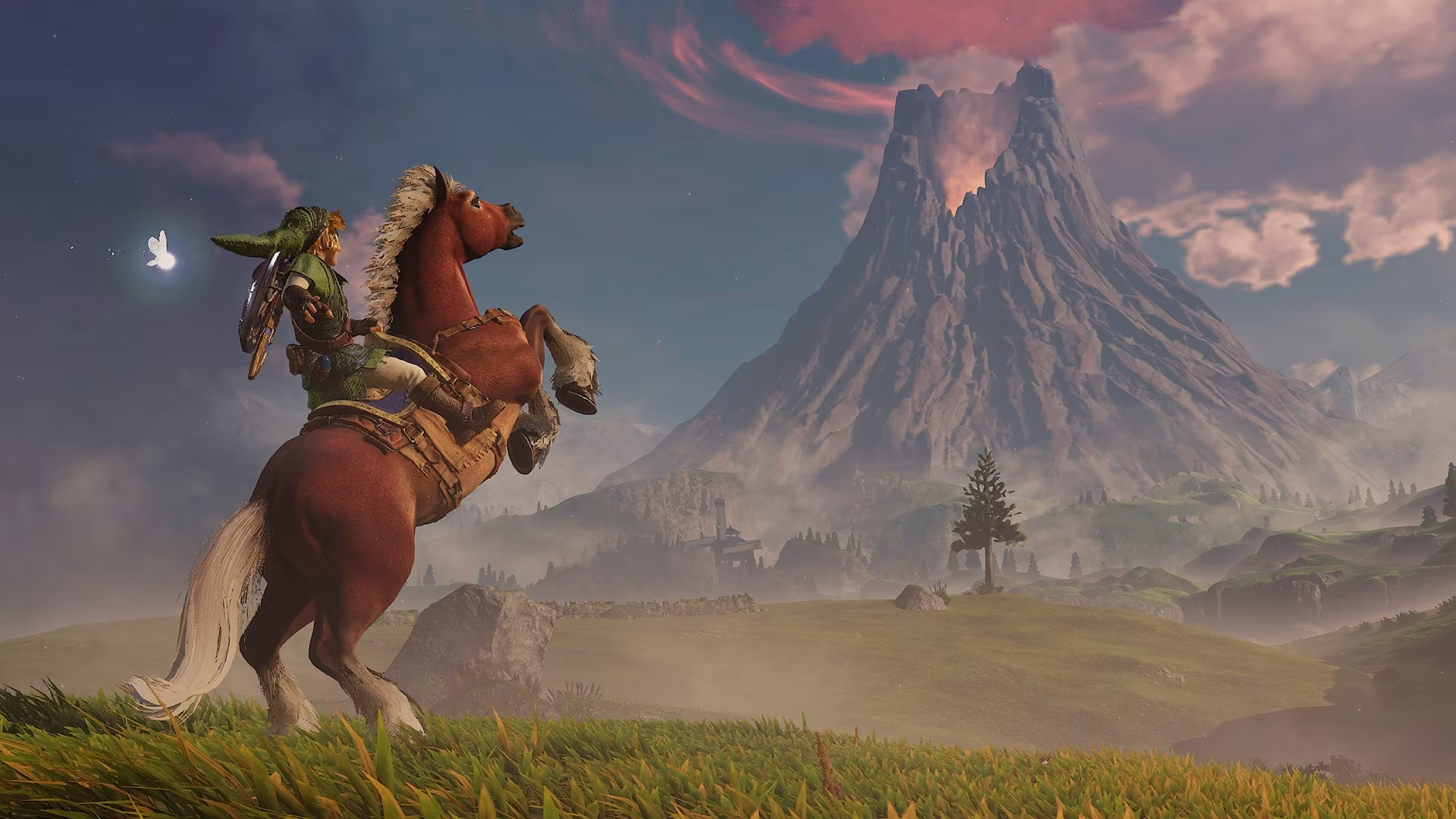
Link begins as the one boy in the forest without a fairy, and the game never hands him courage in a single moment. He earns it temple by temple, failing and trying again. The 2025 collection The Legend of Zelda and Philosophy: Link Outside the Box, edited by the philosopher Luke Cuddy, devotes chapters to how the three virtues relate and to whether Link’s life is meaningful. The game’s answer seems to be that meaning comes from the practice itself.
7. “The Child is Father of the Man”
Zelda games are full of prophecies, and Saria calls their parting destiny. The French philosopher Jean-Paul Sartre gave the strongest reply to that idea: “existence precedes essence,” meaning that we exist first and define who we are through our choices. Nobody chooses the moment childhood ends. What we do with the sword afterwards is ours to decide.
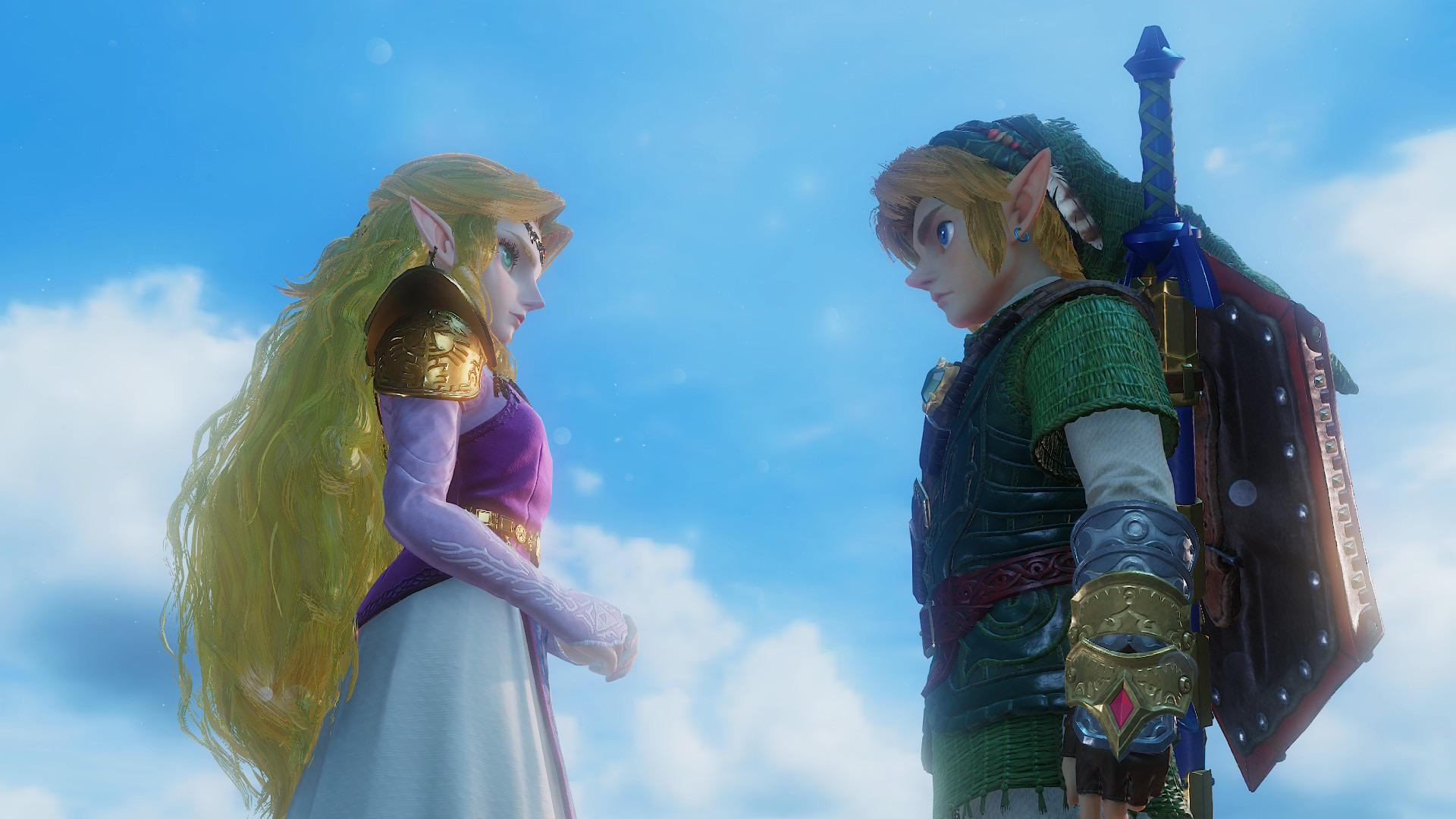
At the end of the game, Zelda plays the ocarina and sends Link back to his childhood. Navi flies away, and the young Link walks into the castle garden carrying everything he has learned. In 1802, the poet William Wordsworth wrote one of the most famous lines in English: “The Child is father of the Man.” The critic Oliver Tearle reads it as a paradox in which the child we were goes on shaping the adult we become. Link’s final journey makes the paradox literal: the man walks back into the boy, and the boy carries the man inside him.
The game’s designer, Shigeru Miyamoto, has said Link is so called because he connects people together. My uncle, who later died of leukaemia and is still remembered in Paris for his kindness and his stories, was that kind of link, and the game he gave a ten-year-old became one of the ways his kindness travelled on. That may be the deepest lesson hidden in Ocarina of Time. Every hero’s journey begins with losing a childhood, and every one of them is carried forward by what other people placed in our hands: a song, a story, and a little courage, wisdom, and strength.

Vincent Minatozaki
Vincent is the founder and Editor-in-Chief of 1000 Libraries Magazine. He is a Paris-born ex-corporate turned bookseller and philosopher, on a global mission to spread the joy of physical books in our age of digital technology.