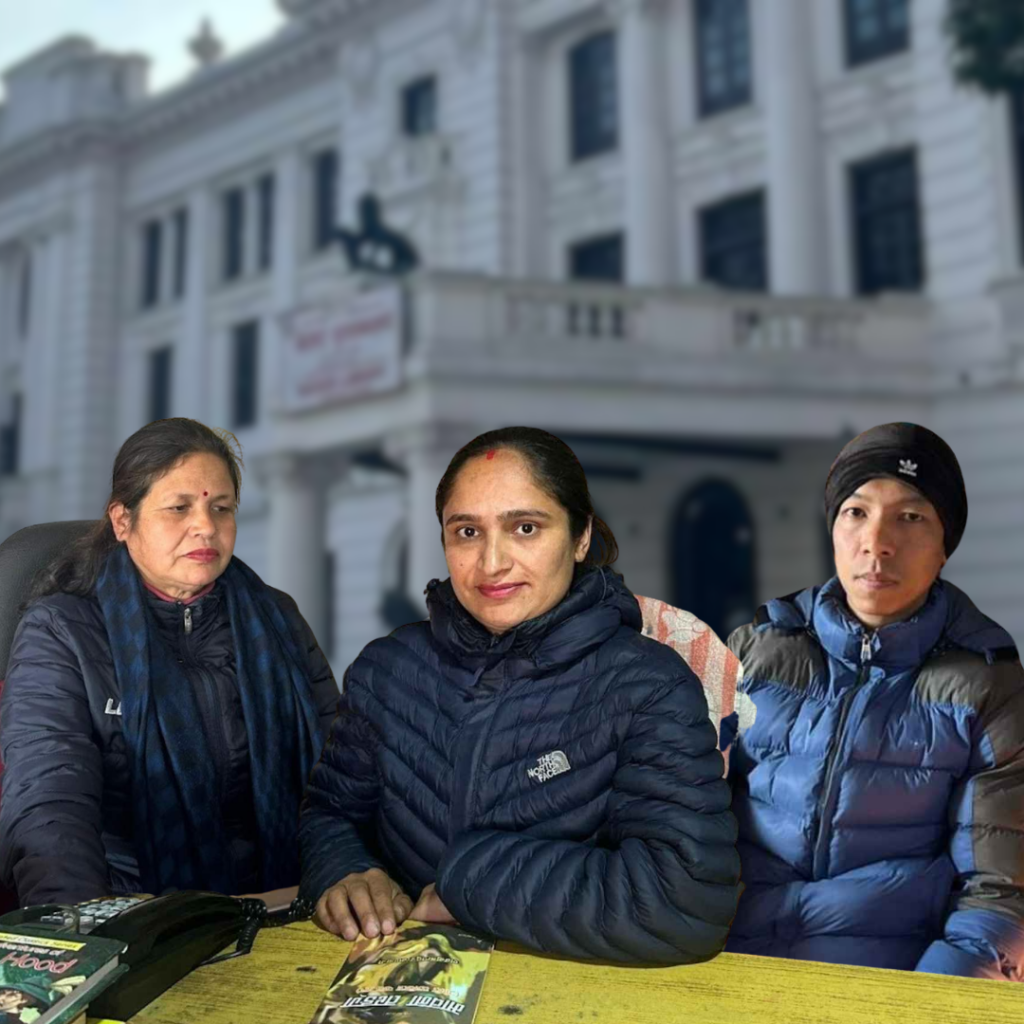

Behind dusty shelves and cracked walls, Kathmandu’s librarians are doing extraordinary work to keep stories, history, and hope alive.
If you picture a librarian, you might imagine someone quietly shelving books, occasionally shushing noisy readers. But spend a little time inside Kathmandu’s struggling public libraries, and that image quickly falls apart. Here, librarians are multitaskers, caretakers, organizers. They’re quiet heroes holding fragile institutions together.
Kathmandu’s libraries aren’t just places to read. They’re sanctuaries, staffed by people who refuse to let books, and the knowledge they hold, fade away.
More Than Just Bookshelves
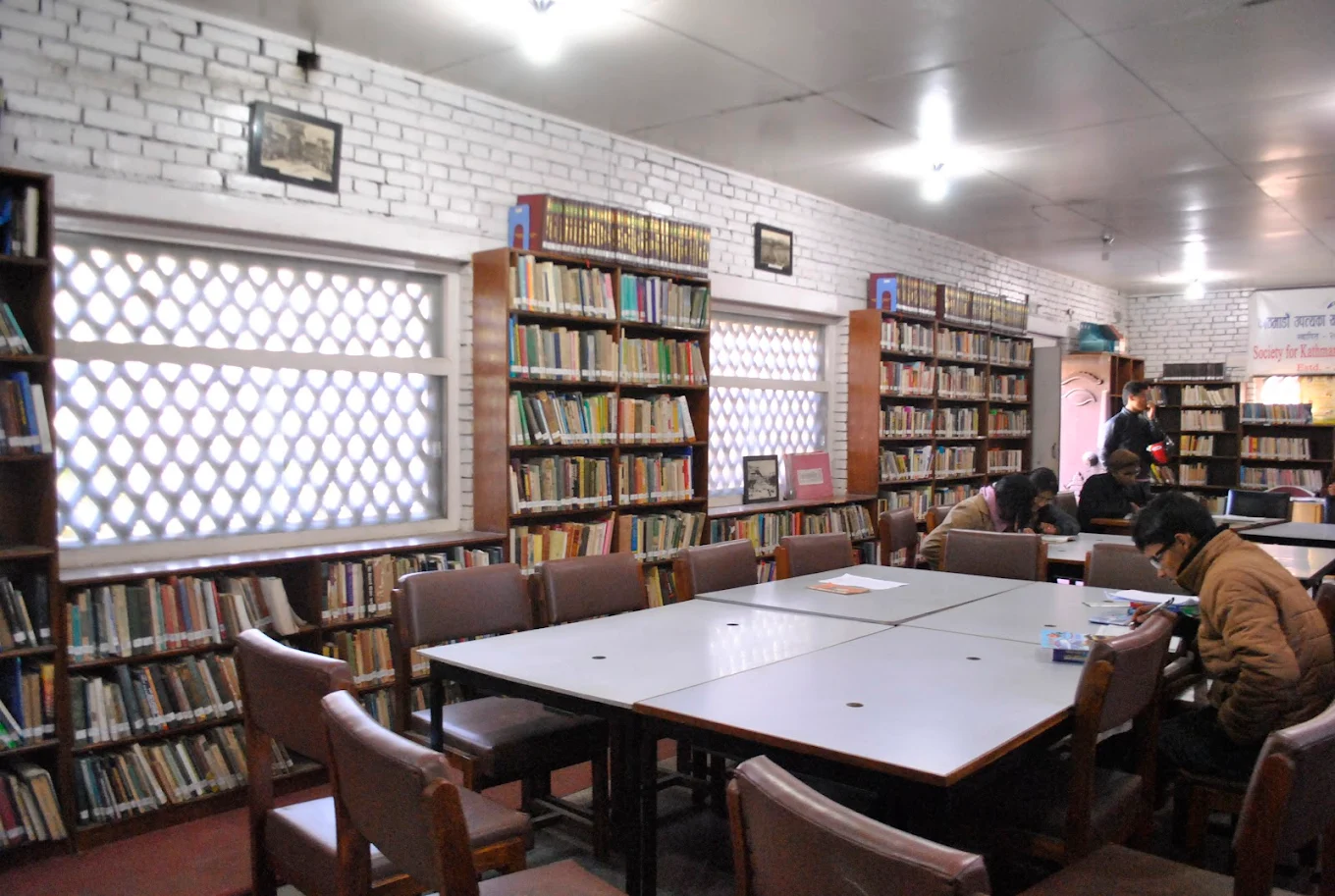
One of the libraries in Kathmandu is the Kathmandu Valley Public Library (KVPL). Tucked away in the corner of Bhrikutimandap, it could easily be dismissed or forgotten. But in reality, the KVPL is buzzing with life. It’s where students prepare for competitive exams, researchers dig through texts, and, on a typical day, at least 100 people pass through its doors. Each year, KVPL sees around 22,000 people.
It all sounds great, right?
But unfortunately, the library is pushed to its limits. It was founded in the hopes of providing the locals with resources, and even aspired to mirror the U.S. Library of Congress, but demands are growing, and the resources simply aren’t keeping up.
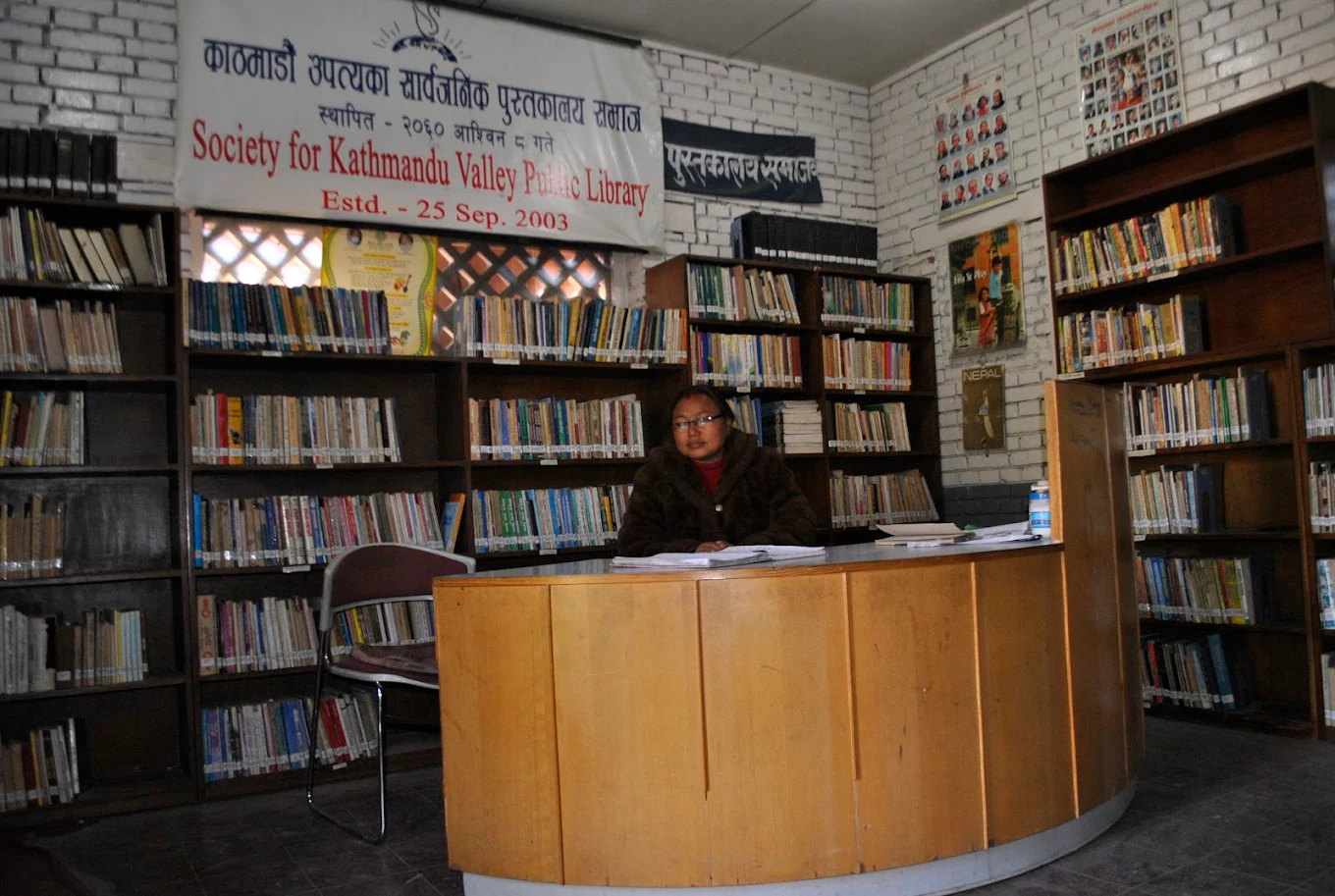
Luckily for everyone, the librarians who keep Kathmandu Valley Public Library open don’t give up easily.
KVPL’s Faces Behind the Desk
One such legend is Ritesh Shrestha, who has worked at KVPL for nearly 15 years. Growing up, he’d never wanted to be a librarian. He’d actually dreamed of going into business. But one day, 15 years ago, he joined the library as a volunteer. The rest, they say, is history.
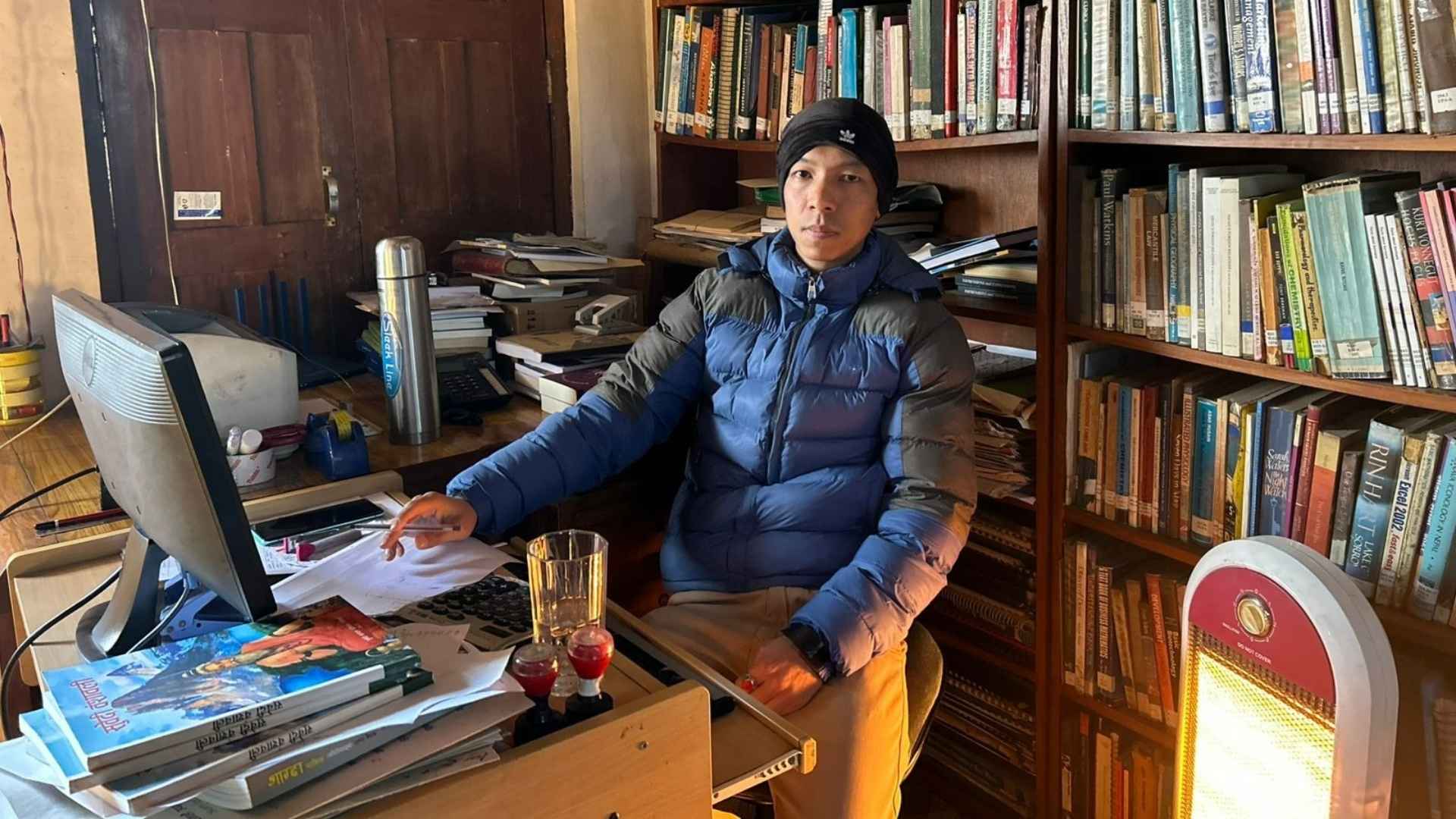
The books at KVPL are more than just stories to Ritesh. He sees each title at the library as a coded entry in a much larger network of knowledge. He’s responsible for cataloguing, record keeping, collection management, and reader support.
In an interview, Ritesh took a moment to set the record straight about the role of librarianship. He said that too often, people think his role is an easy desk job, but that actually it’s a complex, ever-changing position, especially when the library is pushed to its limits like KVPL.
Keeping It Together
KVPL isn’t the only library in Kathmandu, of course. One of the other popular libraries is the Dilli Raman Regmi Memorial Library, which is home to over 43,000 books.
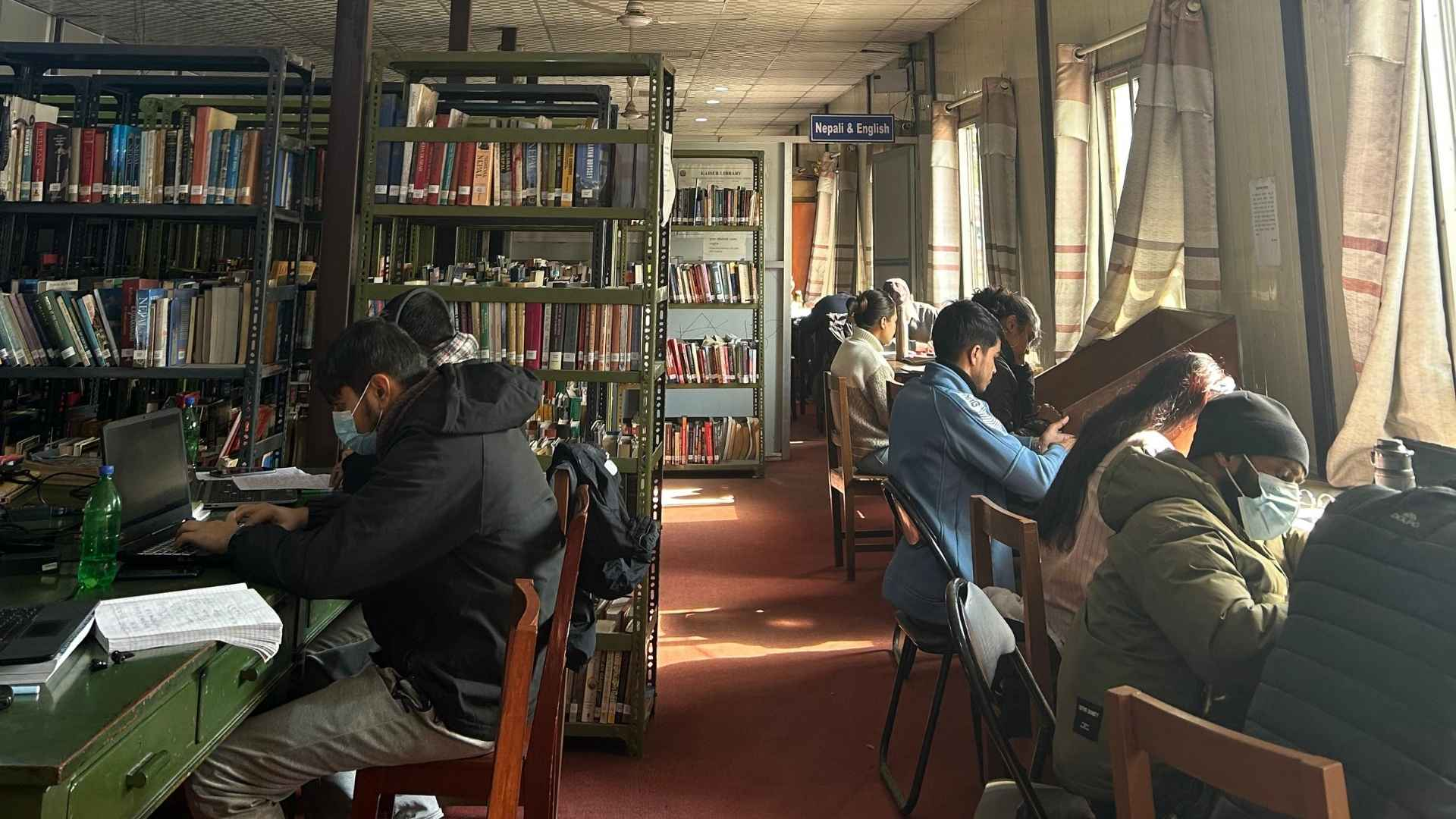
Unfortunately, the Memorial Library is also struggling. The building itself is in an alarming condition. In 2015, Nepal suffered a magnitude 7.9 earthquake that took thousands of lives, and a lot of the buildings that were damaged by the earthquake have struggled to make repairs. The Memorial Library is no exception. There have been plans made for renovation, but legal disputes have stalled progress.
Dilli Raman Regmi Memorial Library isn’t the only library with damage left behind by the earthquake. There are plenty of libraries and centers of culture across Nepal that bear the scars of the disaster.
And yet, despite the literal crumbling building around them, the librarians at all of these sites keep pushing on. They keep enabling education, growth, and community. If that’s not a hero, what is?
Dilli Raman Regmi Memorial Library’s Faces Behind the Desk
Pujan Dahal is one of those resilient heroes. She’s the assistant librarian at Dilli Raman Regmi Memorial Library and has worked there for 11 years. She first started as a receptionist and has now been the assistant librarian for two years.
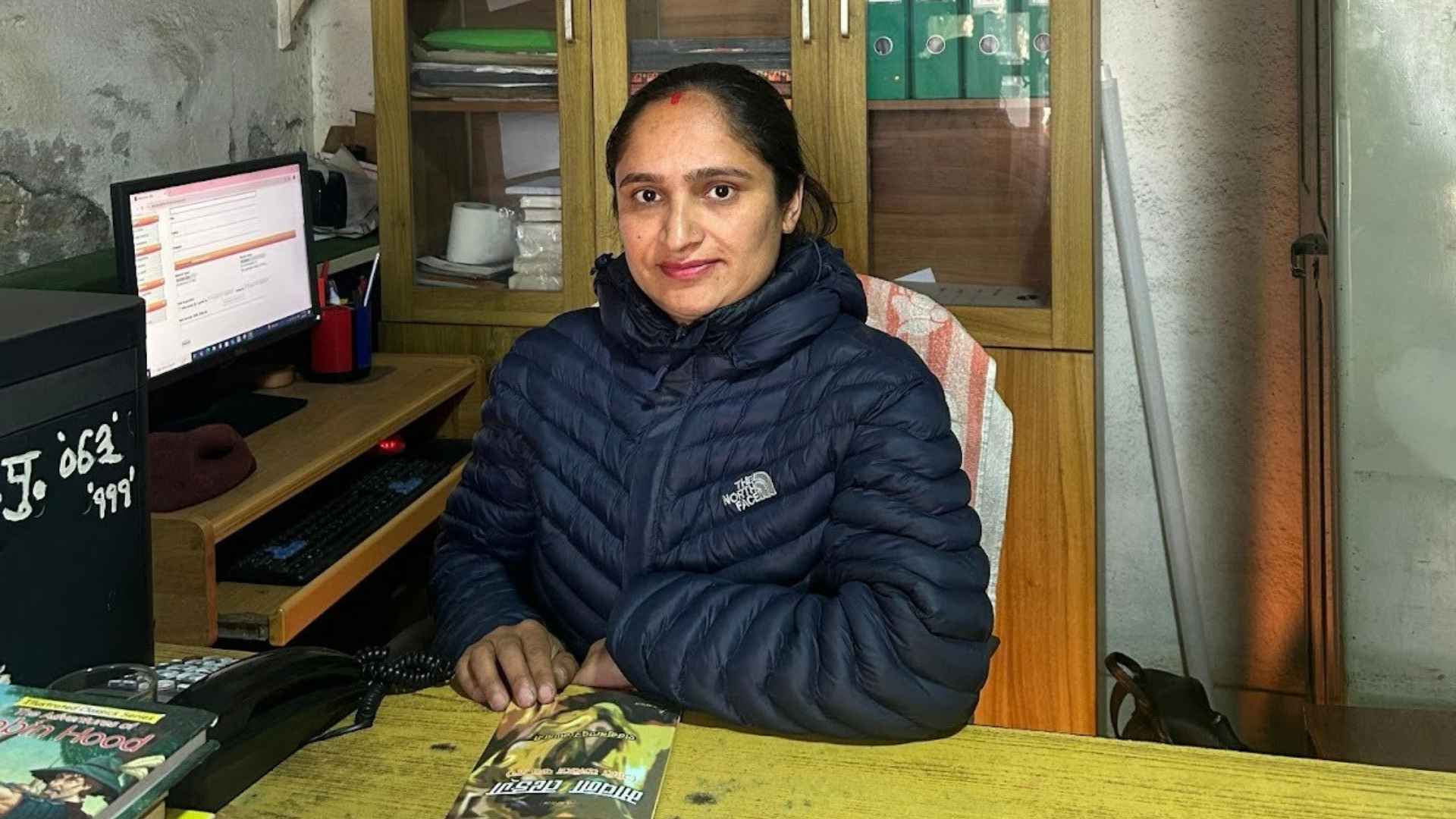
When asked about her current role, she spoke about handling multiple tasks and how much there is to learn as a librarian. Just like Ritesh, just like every librarian, she’s got her hands full on a daily basis.
Dahal is well aware of the role of her library. She calls libraries “community hubs” and has lamented about wanting to do more but being held back by external forces and resources.
Sobhita Dhital and Kaiser Library
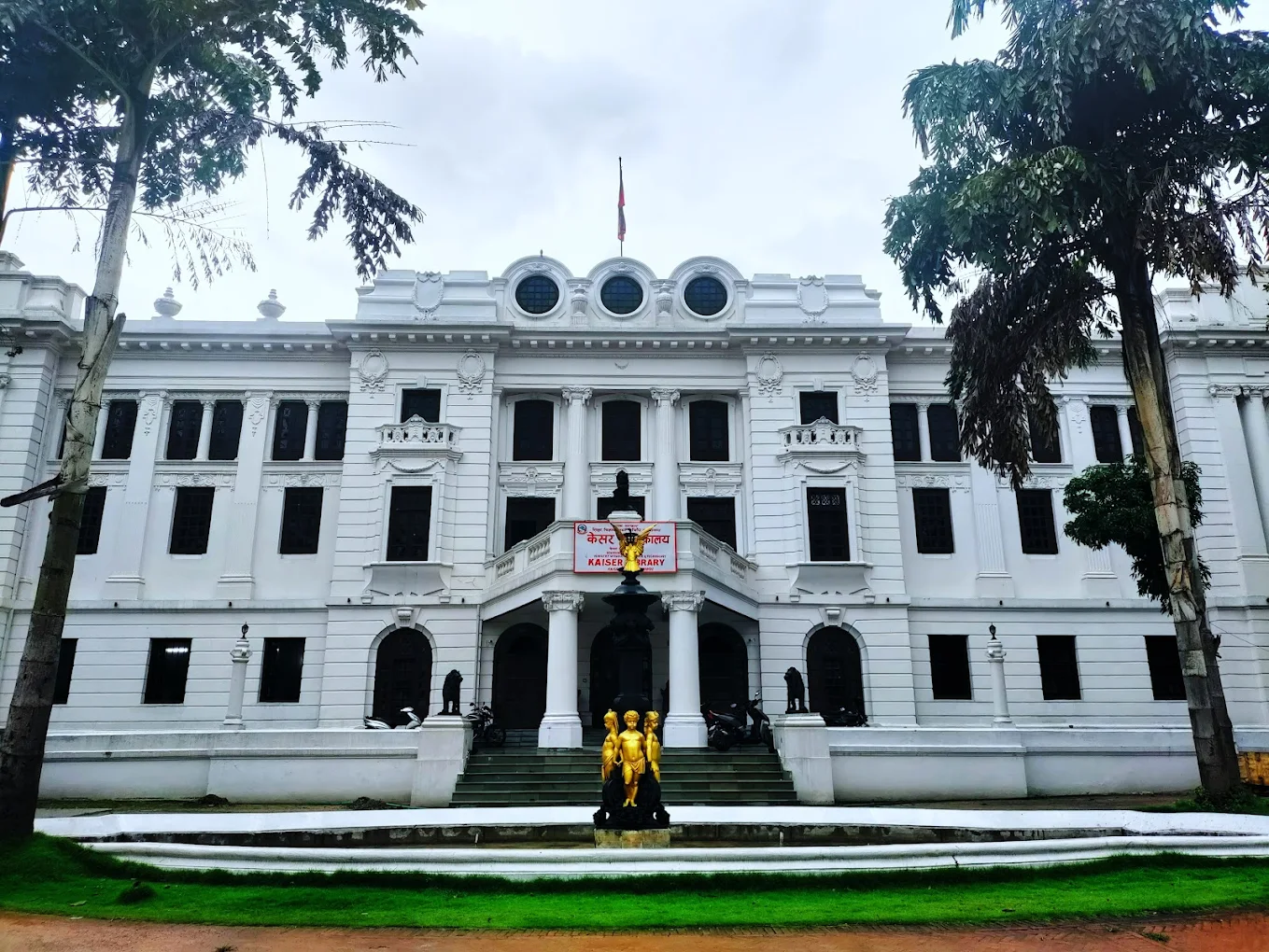
Another library within the capital is the Kaiser Library, which is where Shobita Dhital works as the assistant librarian. Kaiser Library is so busy that she barely gets to finish a sentence without interruption, with readers constantly approaching her for help locating and inquiring about books.
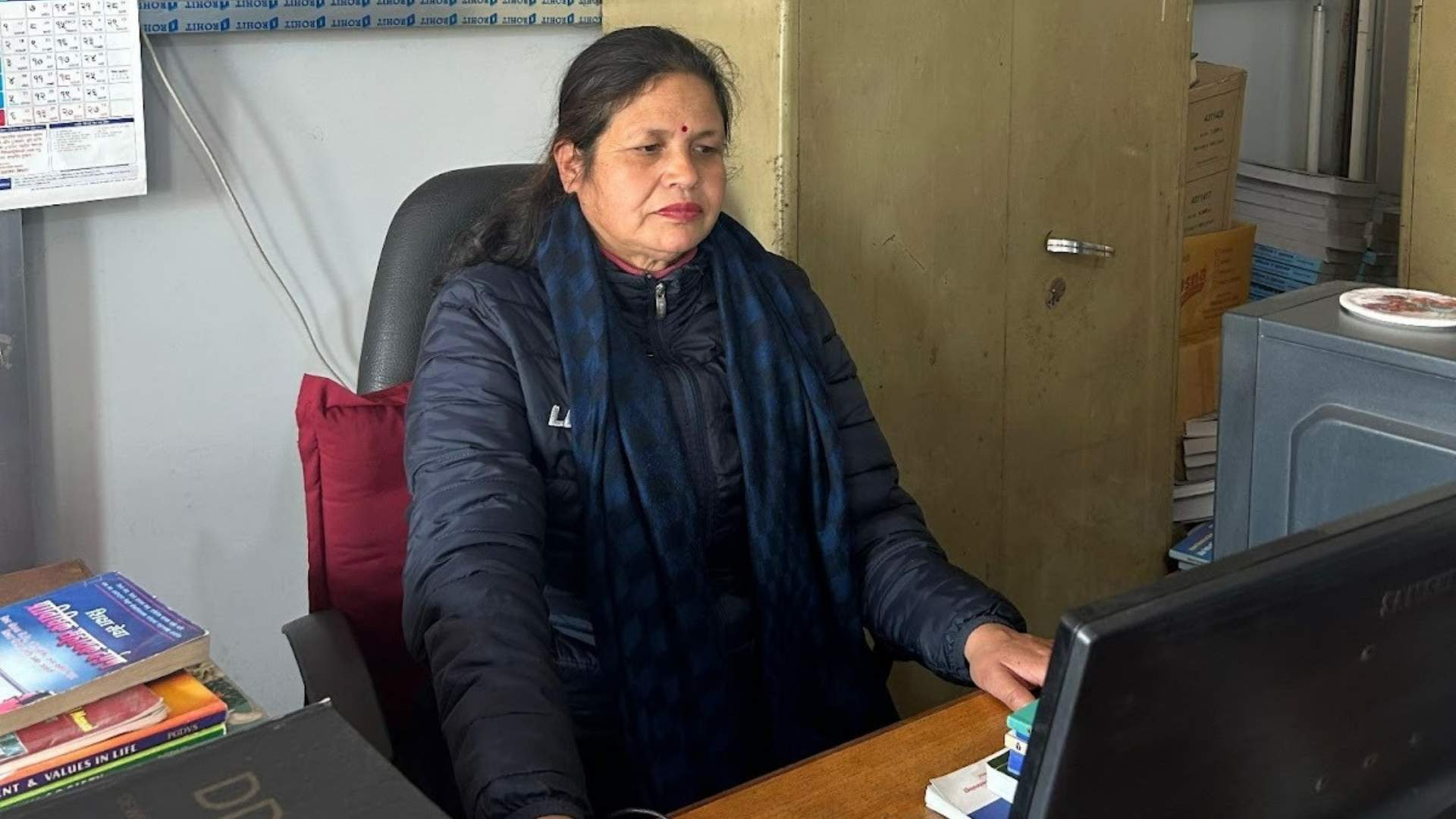
Shobita doesn’t mind; unlike Ritesh, working in a library was always her dream. She trained with the Tribhuvan University Library Science Students’ Alumni Association to get into the role. Just like the others, Shobita describes her position as involving numerous tasks and being essential for the functioning of any library. She also recognizes that their work often goes unnoticed.
During her time as a librarian, Shobita has had the chance to visit libraries outside of the valley, and said that “there is a slow improvement but so much inadequacy.”
She believes that a library “should be relevant to its time,” and acknowledges that her local libraries are “still far behind.”
Not All Doom and Gloom
Kathmandu’s libraries might be struggling, but it isn’t all bad news. Thanks to the tireless efforts of librarians like Ritesh, Pujan, and Shobita, they’re still providing essential services to their communities.
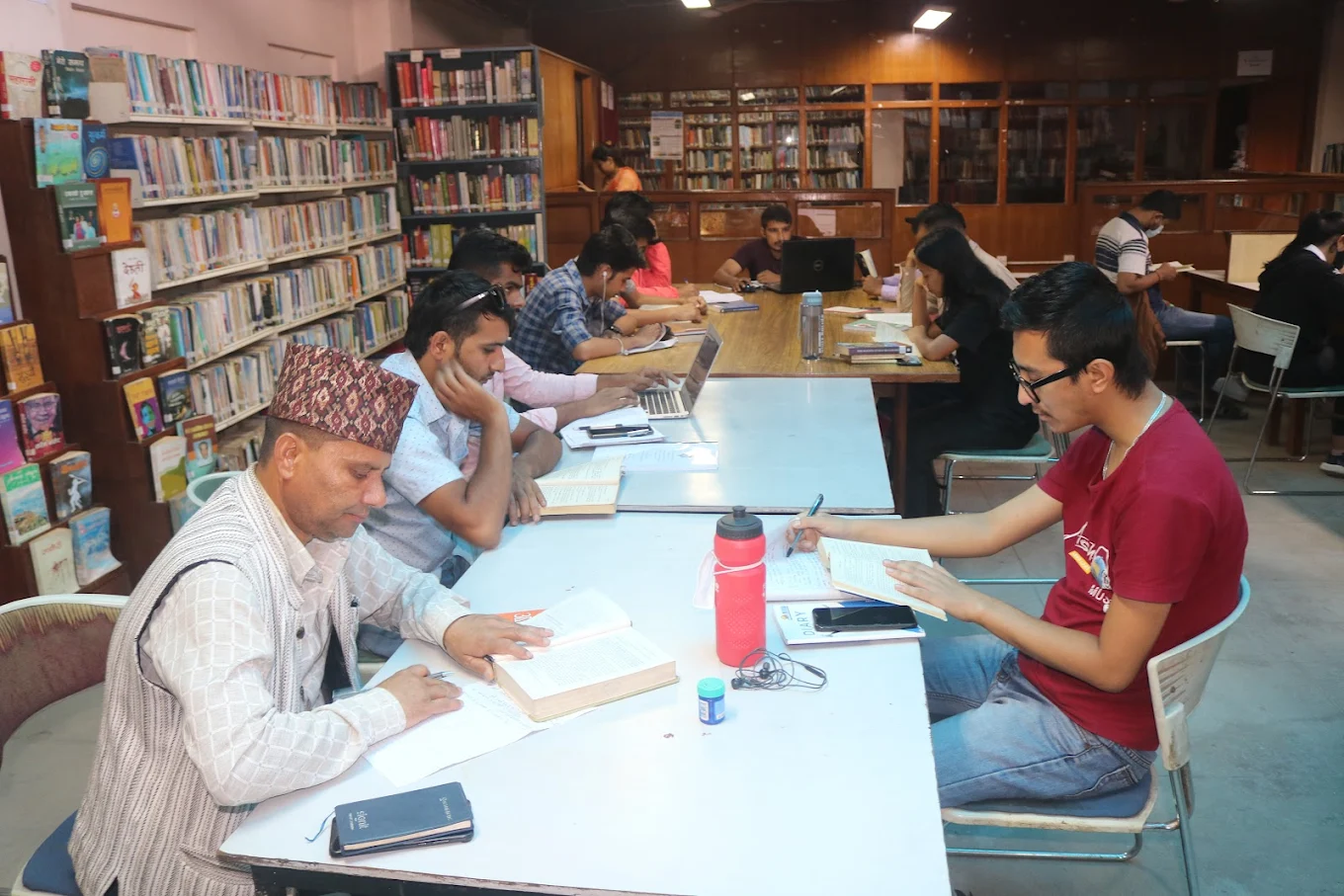
Just like any library, the Kathmandu libraries are more than just places with bookshelves. They’re spaces where people can stay as long as they like without having to spend money. They’re community centers where students can prepare for their civil service exams, where parents can find children’s activities, and where people can improve their knowledge, learn new skills, and spend time around others.
Hard work? Sure.
Worth it? Absolutely.

Millie Ramm
Millie has been writing since she was a child, and has spent more time with her nose in books than anywhere else. She has been ghostwriting novels and editing for the past few years, and when not working she is curled up with her cats, looking for her next read.