
Explore the beauty of bibliomania and why physical books continue to inspire, comfort, and shape the way we think in a fast-paced digital world.
Jo March, the second eldest of the March sisters, had her own dreams. She wanted to be a writer, to create something meaningful, and to live a life she felt was hers. The problem? Jo lives in 1860s Massachusetts, where girls are expected to be pretty, married, and definitely not employed. Despite such societal expectations, Jo March doesn’t lose hope.
She writes and writes, and if she needs to escape, she escapes in her world of books and literature. It isn’t easy, but the things we love aren’t often handed to us – they must be fought for. Jo knew the power her words could have, a thought that impassioned her throughout her entire young life.
Literature’s Heroines and the Love of Reading
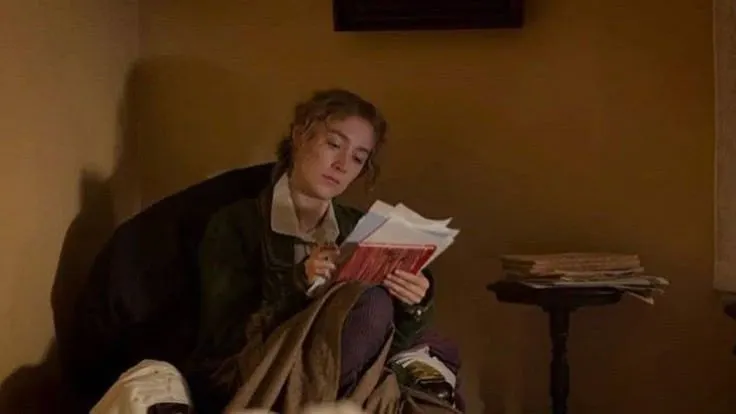
If you are unfamiliar with this story, it is one that has guided many young lovers of writing for generations. I mean, of course, the acclaimed and semi-autobiographical novel by Louisa May Alcott – Little Women. Like many other young women in literature – Hermione Granger, Belle, Elizabeth Bennet – Jo March was accused of liking books and tales a little too much. But what is too much when it comes to literature?
The Fragility of Knowledge: From Alexandria to Now
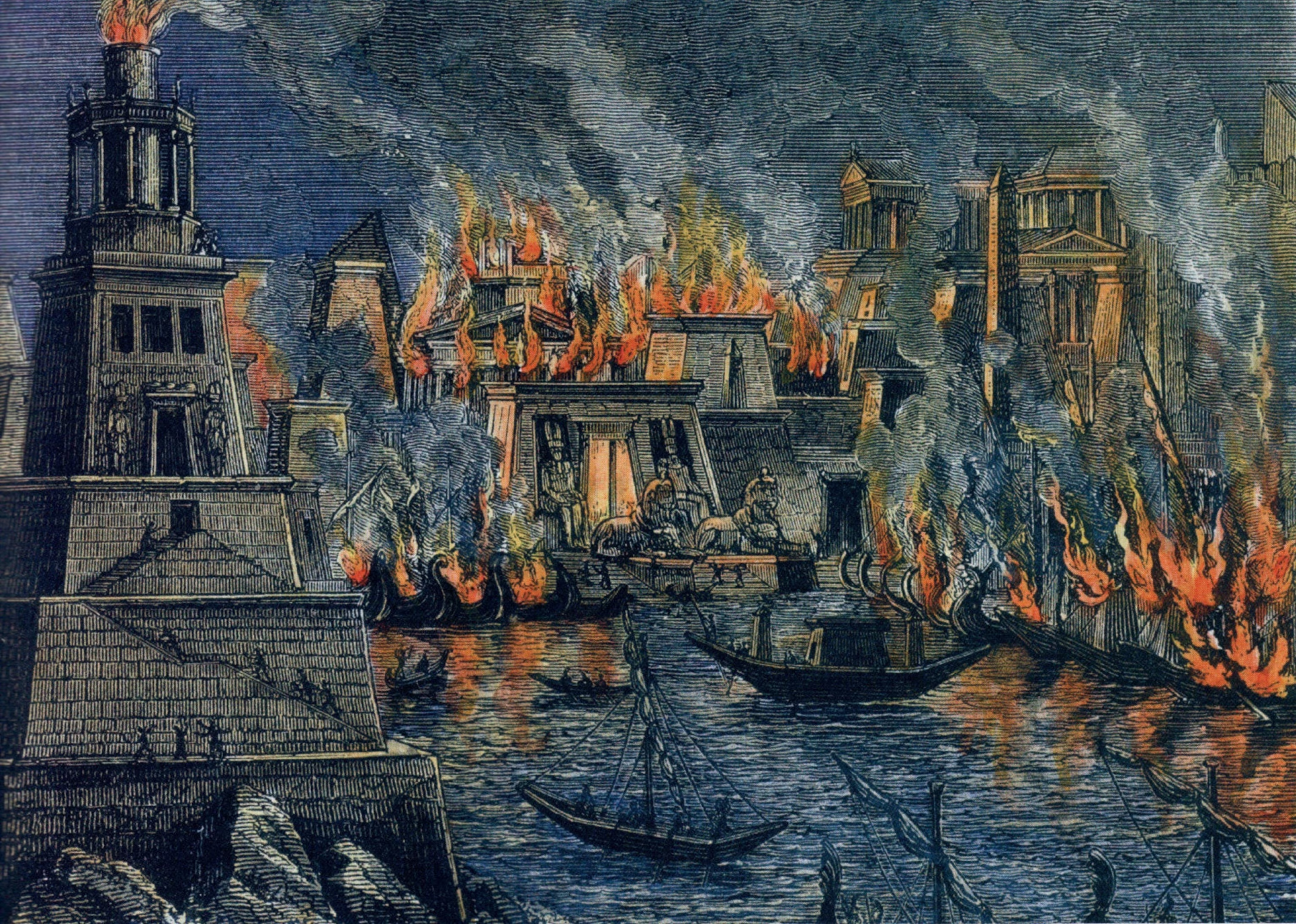
The several burnings of the great Library of Alexandria were said to have been so catastrophic that they drastically set civilisation back. Knowledge lost in blazes. Knowledge that had been built over years, through people and ages; knowledge that was the key to any real progress. Unlike anything that exists online or on a screen, physical books have staying power.
Even throughout oppressive governments and disastrous events, books have been stolen, saved, and shared. They are human pockets of wisdom and documentation of human process, pockets that cannot be replicated through a humming, fluorescent screen.
Books vs. the Digital World
People often say that the internet came with unlimited access to knowledge. It is undeniable that we can access a great many things with the help of a search engine, but, unlike a library, the internet can be cut very simply. The words do not exist on a physical page, and with one faulty connection or digital restriction, that access can become extremely limited.
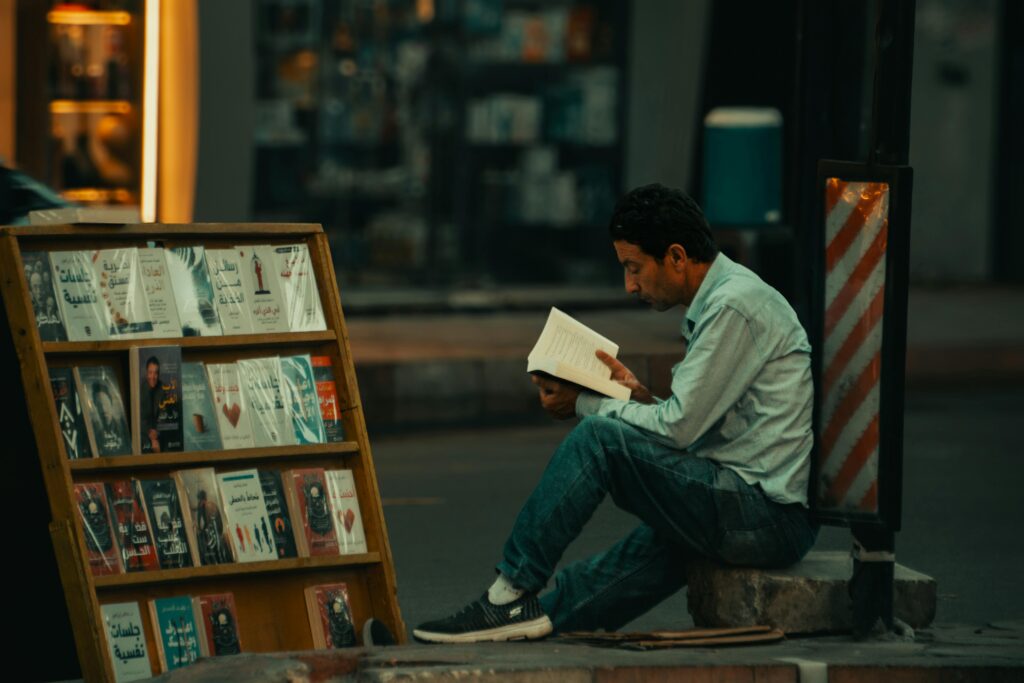
Our world today feels overwhelming. We are constantly bombarded with news stories, messages, and updates from every corner of the world. Distrust has been planted through social media and news sources, and, unsurprisingly, people are now turning towards the old analogue world to find solace. Turning towards objects that we can trust because we can see them and feel them, they are not theoretical or controlled by others.
Why Physical Books Still Matter
Psychological studies have even shown that humans retain more information from a physical source, rather than reading it online. Some research suggests that reader comprehension is almost 8 times better with physical books in comparison to e-readers. Yes, the digital world provides a plethora of texts, but they do not allow for the same quality of reading as a paper book.
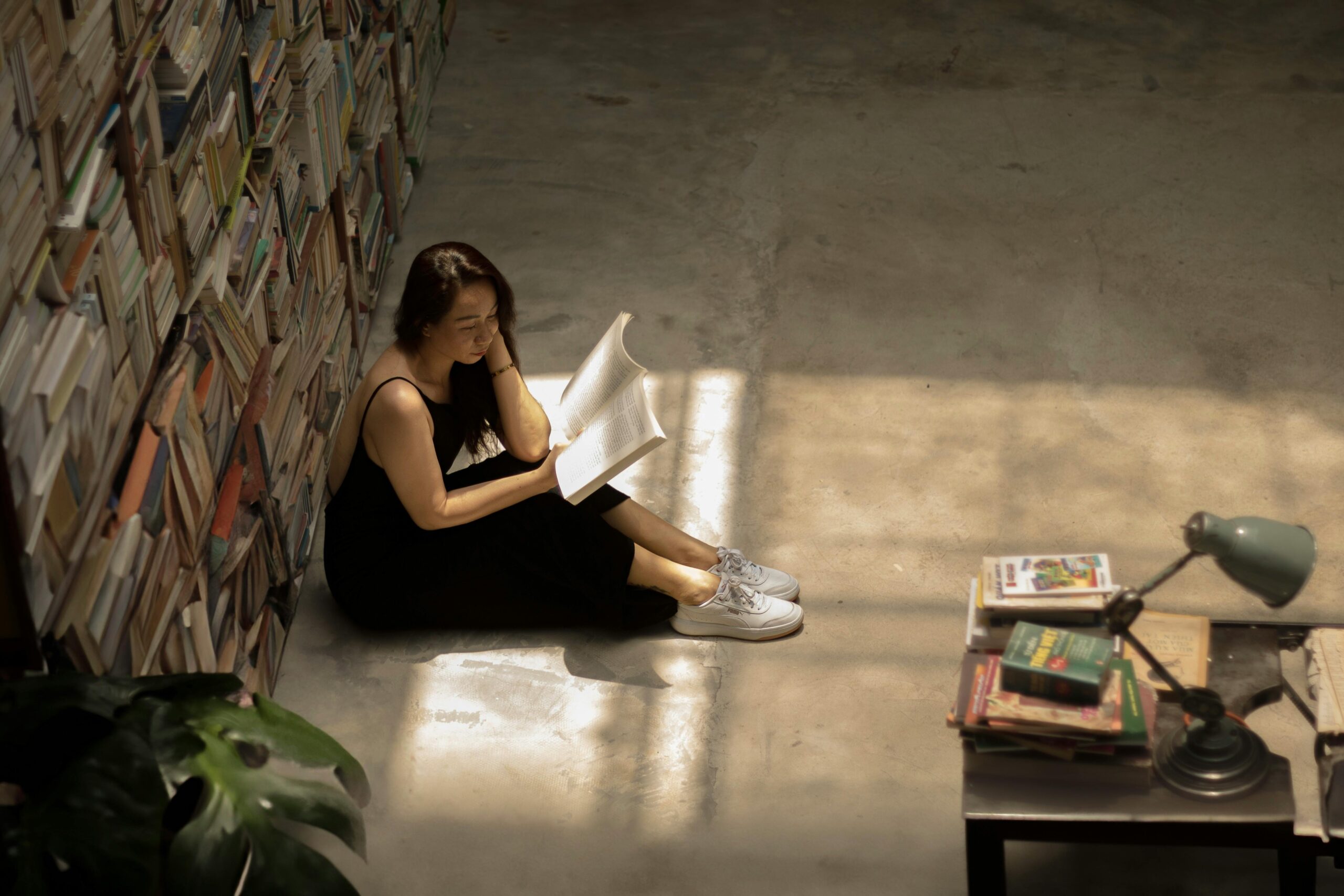
Even reading your favourite book for the hundredth time can still deliver another unique read – little details you didn’t pick up before, or themes you hadn’t yet considered. Our brain undeniably connects more fully with real objects because it can see and interact with them. As humans, we yearn for things that seem purposeful, that feel like something we decided rather than something online and involuntary.
Bibliomania: A Human Obsession
The love of books can, more often than not, transform from a love to a full-blown devotion. It is so common that we even have a word for it – Bibliomania. Whilst bibliomania might sound like some kind of psychosis, it is, in reality, something most of us are guilty of. Bibliomania, most simply, is the excessive love of books, and despite what some might say, it isn’t a flaw.
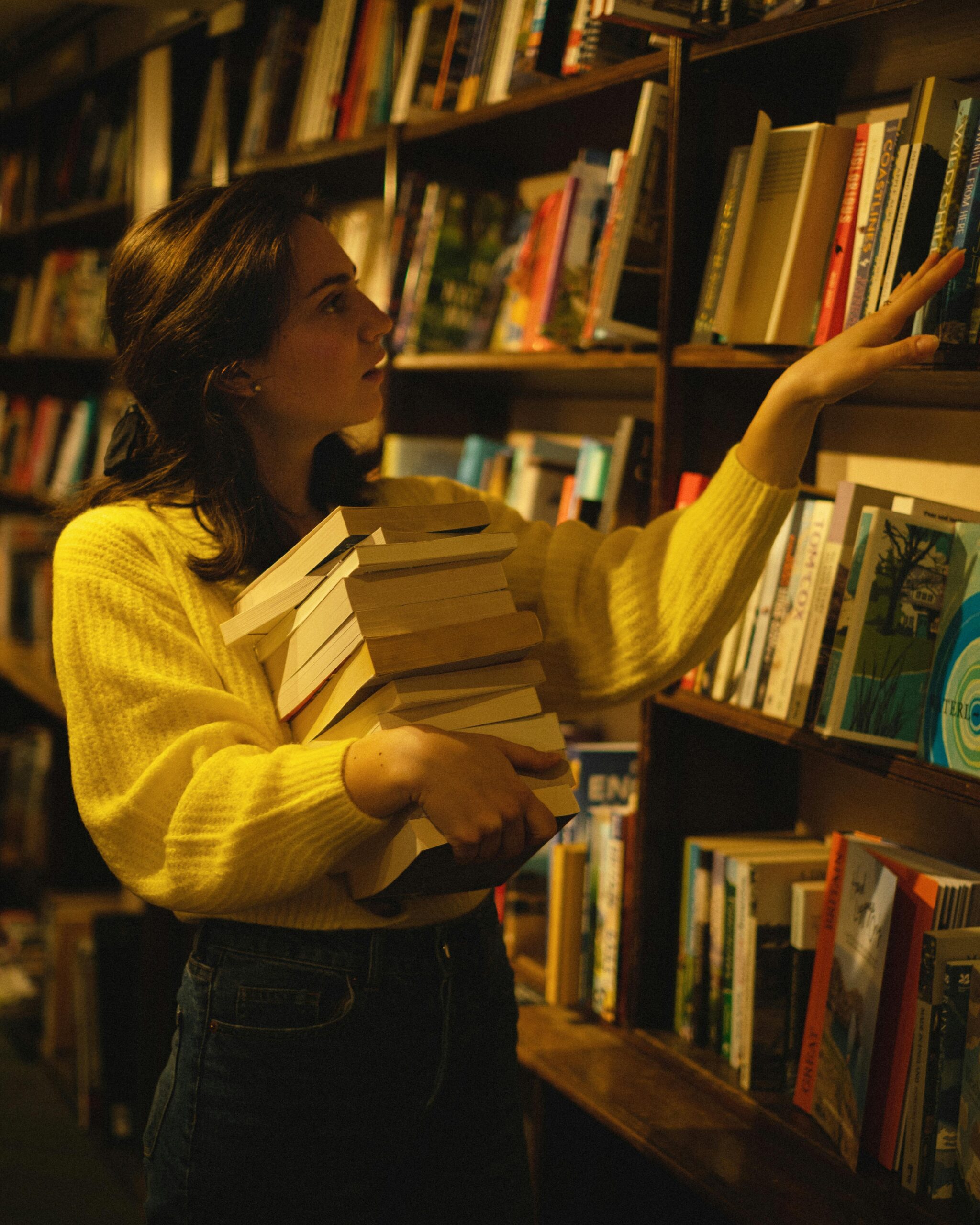
All of us, real or fictional, have our dedications, passions, hobbies, and rituals. Devoting ourselves to the written word, to gaining and considering ideas we find through literature, is a devotion valued throughout human history. From the very first tales in Mesopotamia to the ones shared around warm campfires or under moonlight, stories have preserved human communities and cultures for centuries.
Reading as Survival and Resistance
In Harper Lee’s award-winning novel, To Kill a Mockingbird, Scout Finch says, ‘Until I feared I would lose it, I never loved to read. One does not love breathing.’
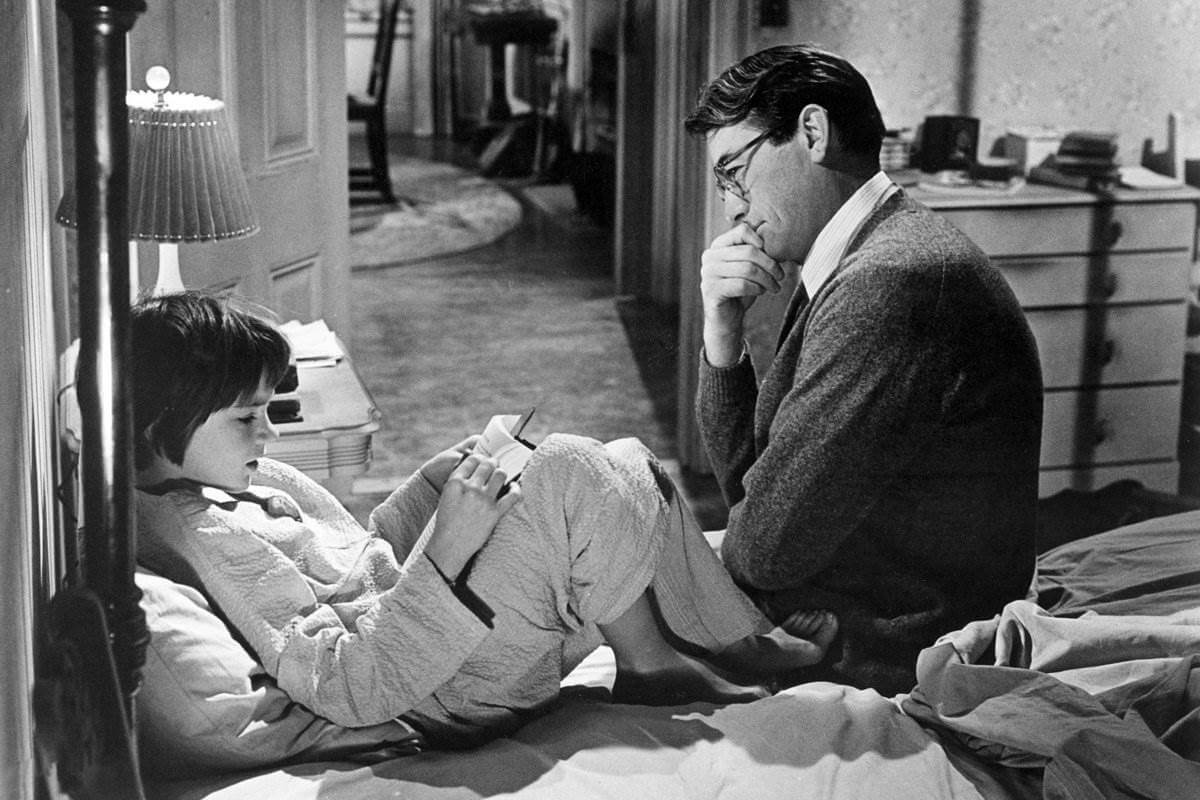
Our world seems more and more precarious; the more our lives become technologically dependent, the less control we feel over ourselves. Scout Finch takes reading for granted; for her, it is like water or sleeping or food, it is a human function that nourishes her body and her mind. Growth of any kind cannot take place without knowledge, without challenge, and without learning. The type of knowledge that always has, and always will, be guarded by the collection of books.
A Personal Devotion to Books
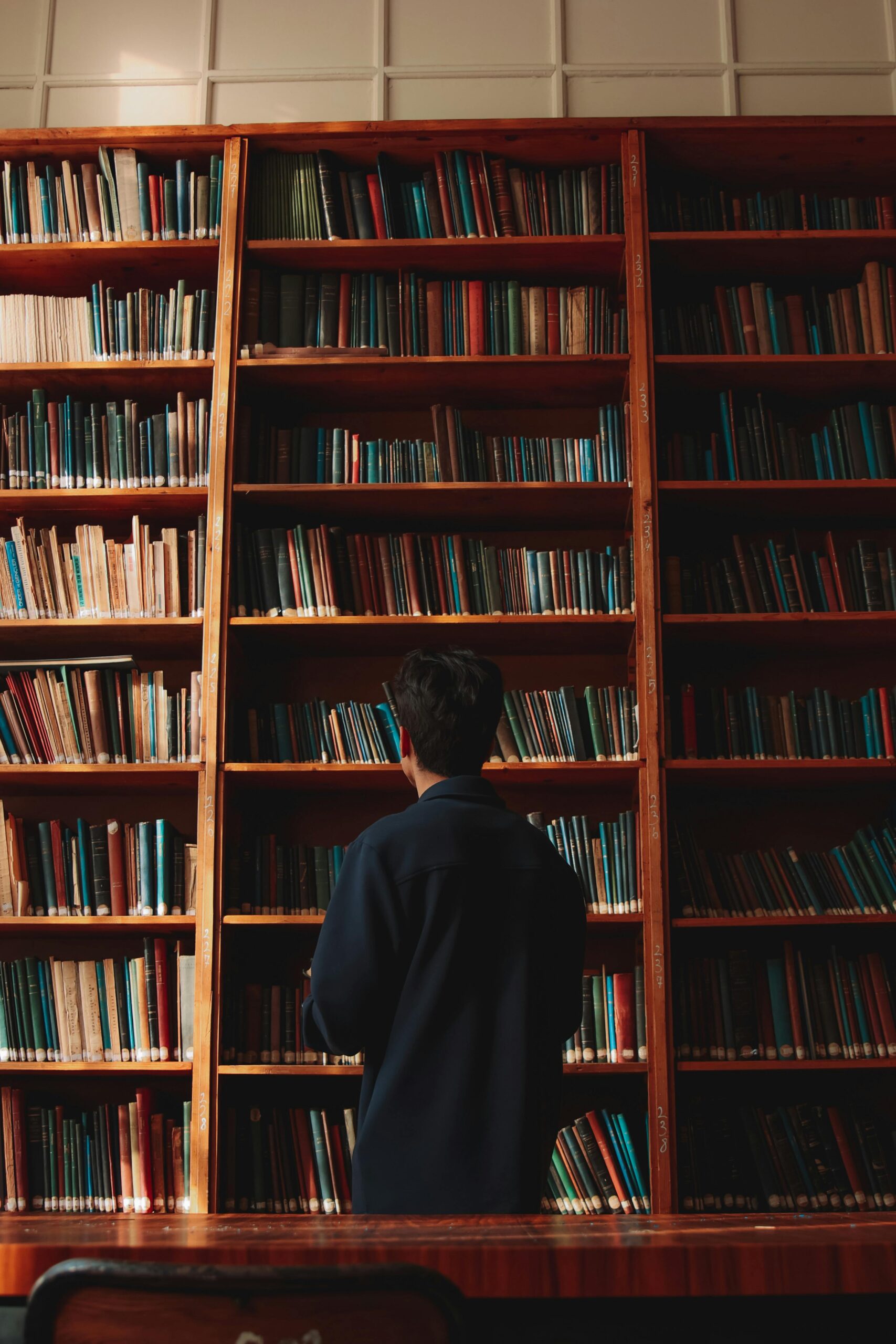
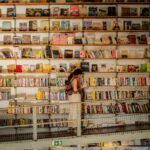
There is something about seeing my personal library collection grow in my own home. Even if all the books are not yet read, it provides me comfort knowing they physically exist. I personally can never find the same joy in reading online as I do with a book in my hands. The smell, the feel beneath my palms, the intention. I identify completely as a bibliomaniac; I worship books because they truly have changed my life.
No matter what time you live – whether you are Jo March or Hermione Granger or another such budding reader – you will find that books are vital for human survival. They capture the stories of our own time that will one day be shared with the next generation of devoted, and ever-curious, bibliomaniacs.

Vincent Phan
Vincent is the founder and Editor-in-Chief of 1000 Libraries Magazine. He is a Paris-born ex-corporate turned bookseller and philosopher, on a global mission to spread the joy of physical books in our age of digital technology.