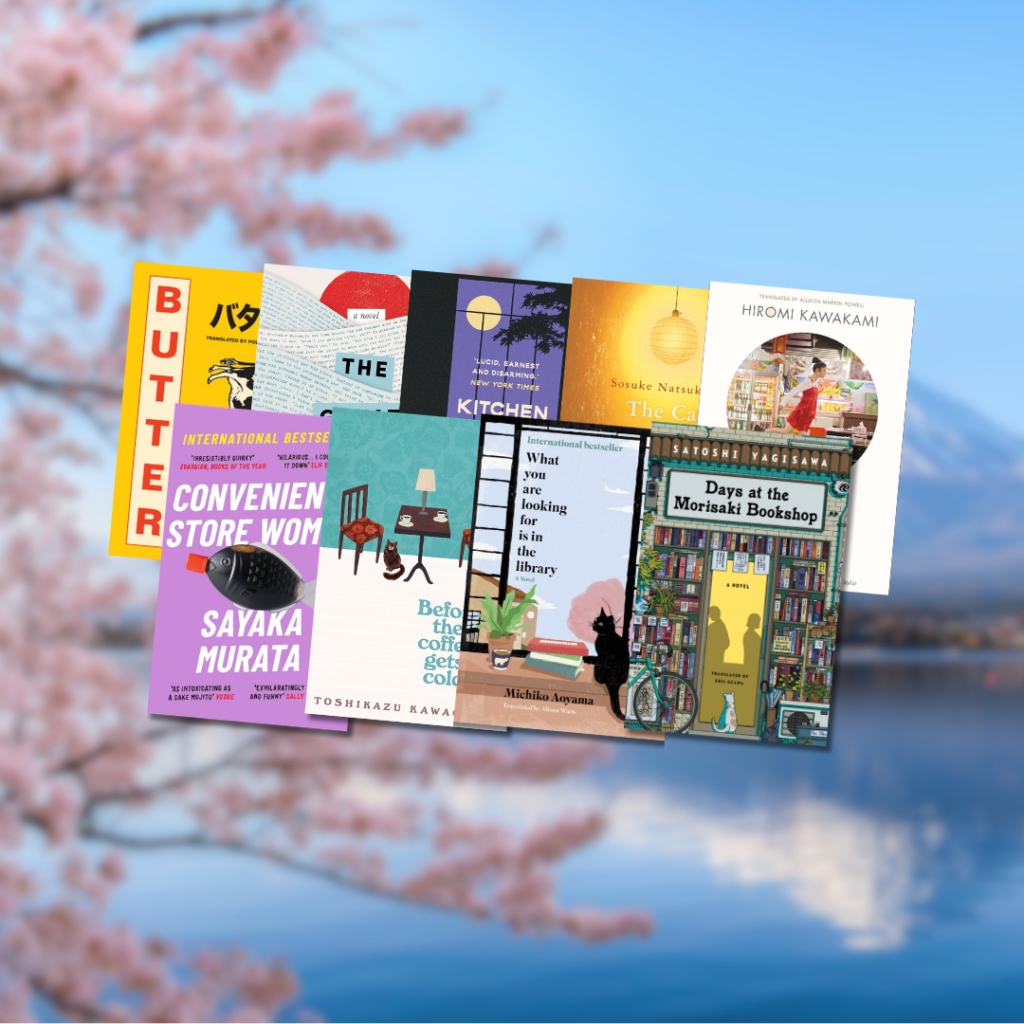

From time-traveling cafés to vintage editorial rooms, these nine exceptional books will instantly transport you to the heart of Tokyo’s most enchanting neighbourhoods.
There is a distinct magic in the way a city can transcend its geography to become a living, breathing character. Tokyo, with its neon-drenched skyscrapers, quiet rain-slicked side alleys, and ancient shrines tucked precariously between convenience stores, handles this duality beautifully. For decades, Western readers largely encountered the metropolis through the lens of hyper-modern alienation or gritty noir.
However, the contemporary surge of “healing fiction” (iyashi-kei) has uncovered a gentler, more intimate side of the metropolis: Tokyo not as an overwhelming concrete jungle, but as a sanctuary of quiet connections, hidden bookstores, and small, life-altering encounters.
To read these books is to be instantly transported to its streets, not as a hurried tourist, but as a quiet observer learning how to slow down. If you are looking to pull the atmosphere of Tokyo right through your pages, these nine exceptional books offer the perfect literary gateway.
Days at the Morisaki Bookshop by Satoshi Yagisawa
Set in the quiet, paper-scented streets of Jimbocho, Tokyo’s world-famous network of secondhand bookshops, this gentle novel is an absolute love letter to the restorative power of literature and found community. When twenty-five-year-old Takako is left utterly heartbroken by a sudden betrayal, she reluctantly moves into a tiny room above her eccentric uncle’s bookstore.

“I don’t think it really matters whether you know a lot about books or not. That said, I don’t know that much myself. But I think what matters far more with a book is how it affects you.”
Surrounded by stacks of old pages and the gentle rhythm of a neighborhood frozen in time, she slowly learns to piece her life back together. Her story reminds readers that healing is rarely a straight line, but rather a slow gathering of courage.
Takako’s time among the shelves doesn’t end here; her journey continues in the equally charming sequel, More Days at the Morisaki Bookshop.
Before the Coffee Gets Cold by Toshikazu Kawaguchi
Tucked away in a windowless basement alley in Tokyo is a café that offers its patrons a legendary chance: the ability to travel back in time. But the rules are famously rigid; you cannot change the present, you can only meet someone who has visited the café, and you must return before your cup of coffee grows cold. Kawaguchi uses this magical-realist premise to explore the heavy ache of regret and the simple, transformative power of a single, honest conversation.
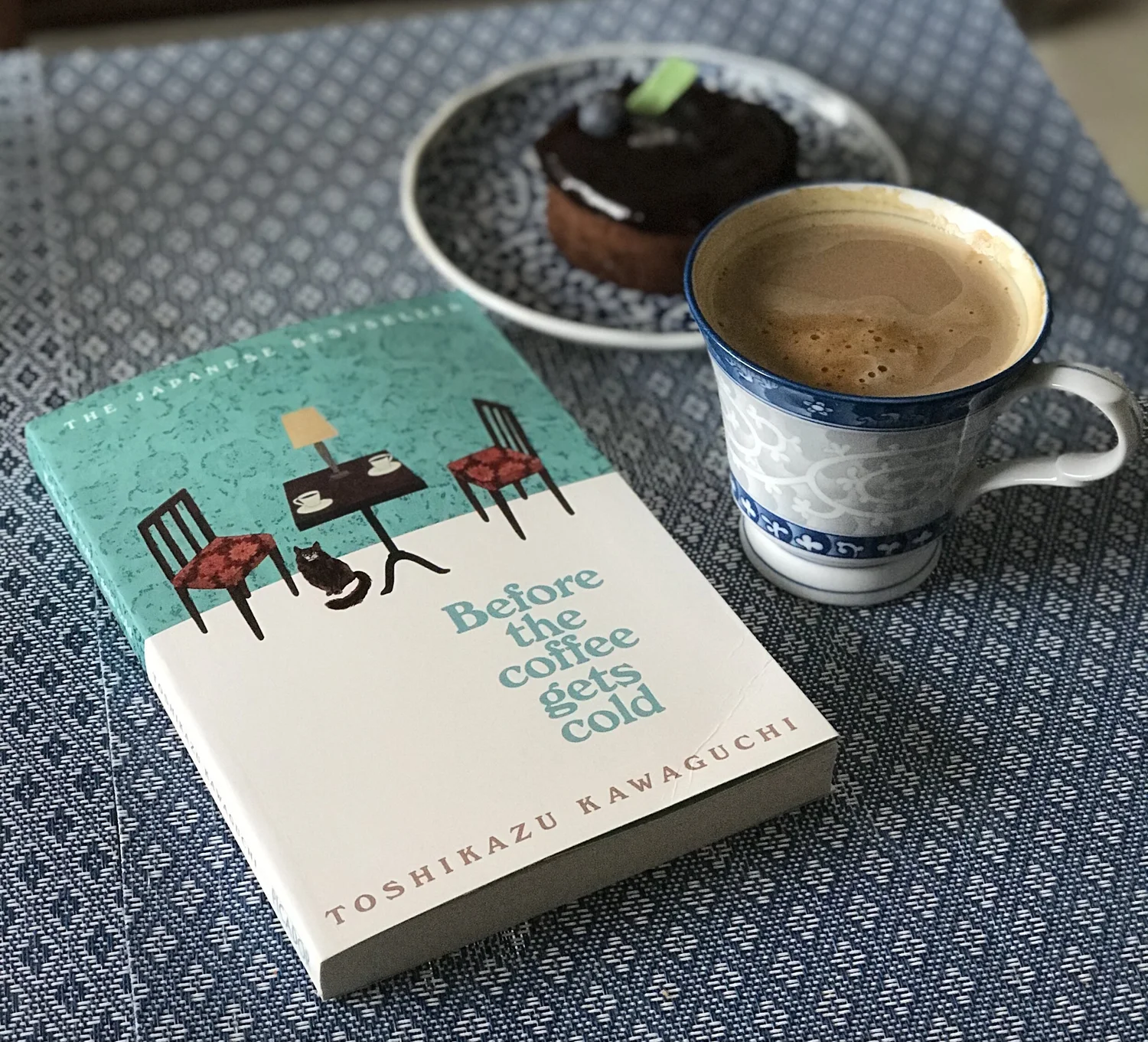
“Water flows from high places to low places. That is the nature of gravity. Emotions also seem to act according to gravity. When in the presence of someone with whom you have a bond, and to whom you have entrusted your feelings, it is hard to lie and get away with it. The truth just wants to come flowing out. This is especially the case when you are trying to hide your sadness or vulnerability. It is much easier to conceal sadness from a stranger, or from someone you don’t trust.”
This book serves as the gateway to a beloved, expansive series, followed by Tales from the Cafe, Before Your Memory Fades, Before We Say Goodbye, and more.
What You Are Looking for is in the Library by Michiko Aoyama
This beautifully structured novel follows five Tokyo residents at various personal crossroads. Each wanders into a quiet neighborhood community center where they encounter Sayuri Komachi, an enigmatic librarian who crafts unexpected reading lists. Along with standard book requests, she slips in one entirely unrelated recommendation—be it an old children’s book or an atlas—that triggers a profound shift in each patron’s life.
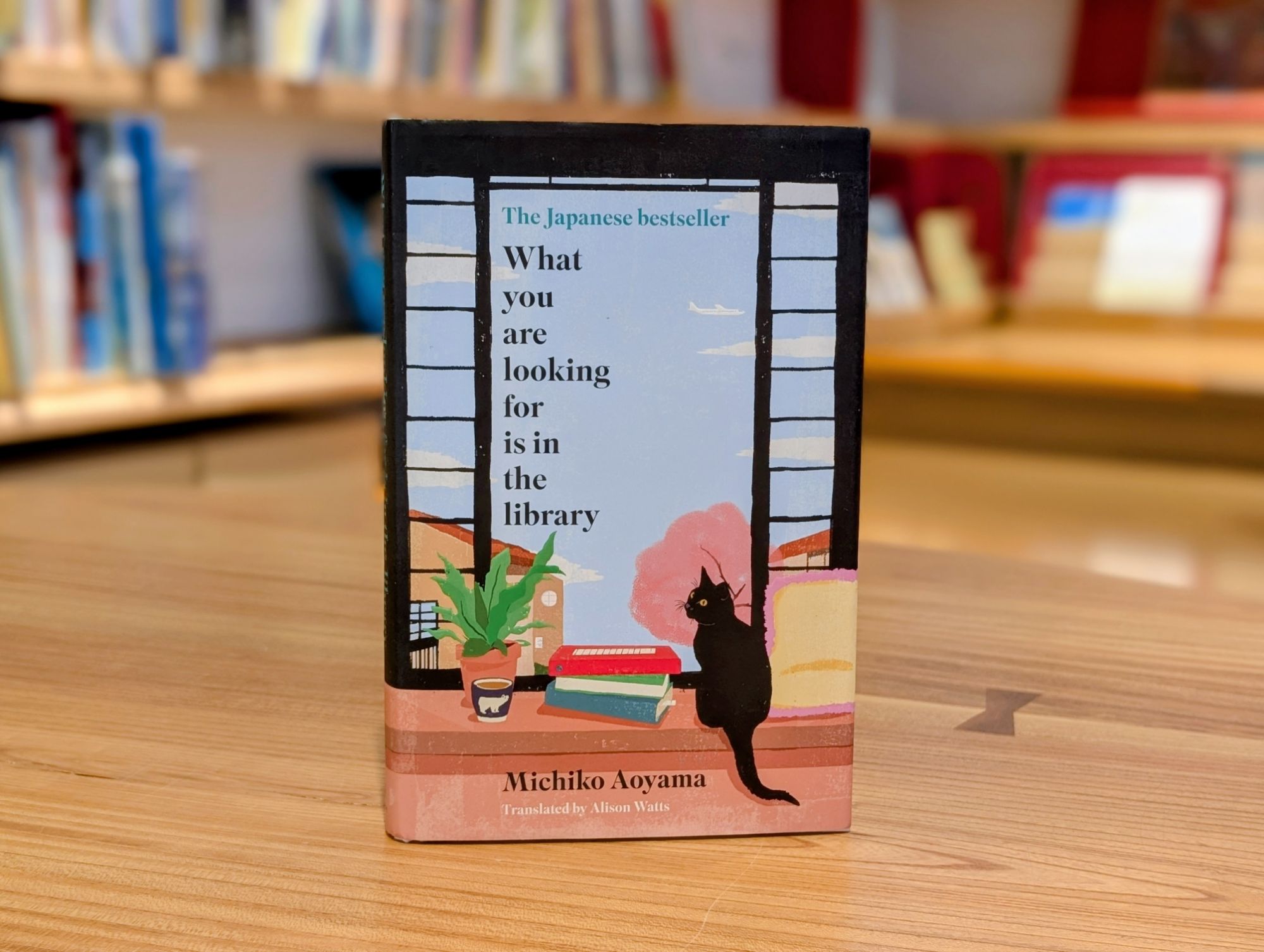
“You may say that it was the book, but it’s how you read a book that is most valuable, rather than any power it might have itself.”
In a world that constantly demands we move faster, Aoyama’s quiet masterpiece acts as a gentle hand on the shoulder, reminding us that the answers we seek are rarely found in frantic running. Sometimes, all it takes to completely shift your trajectory is a moment of quiet reflection, an open mind, and the simple courage to turn the first page.
Strange Weather in Tokyo by Hiromi Kawakami
For an atmospheric taste of Tokyo’s izakaya (traditional pub) culture, this quiet, bittersweet romance is unparalleled. Tsukiko, a woman in her late thirties drifting through a lonely corporate life, accidentally runs into her old high school teacher. Over cold draft beers, grilled mushrooms, and seasonal delicacies, an unconventional, deeply tender relationship blossoms between them against the backdrop of changing Tokyo seasons, capturing the beauty of slowing down in a fast-paced world.
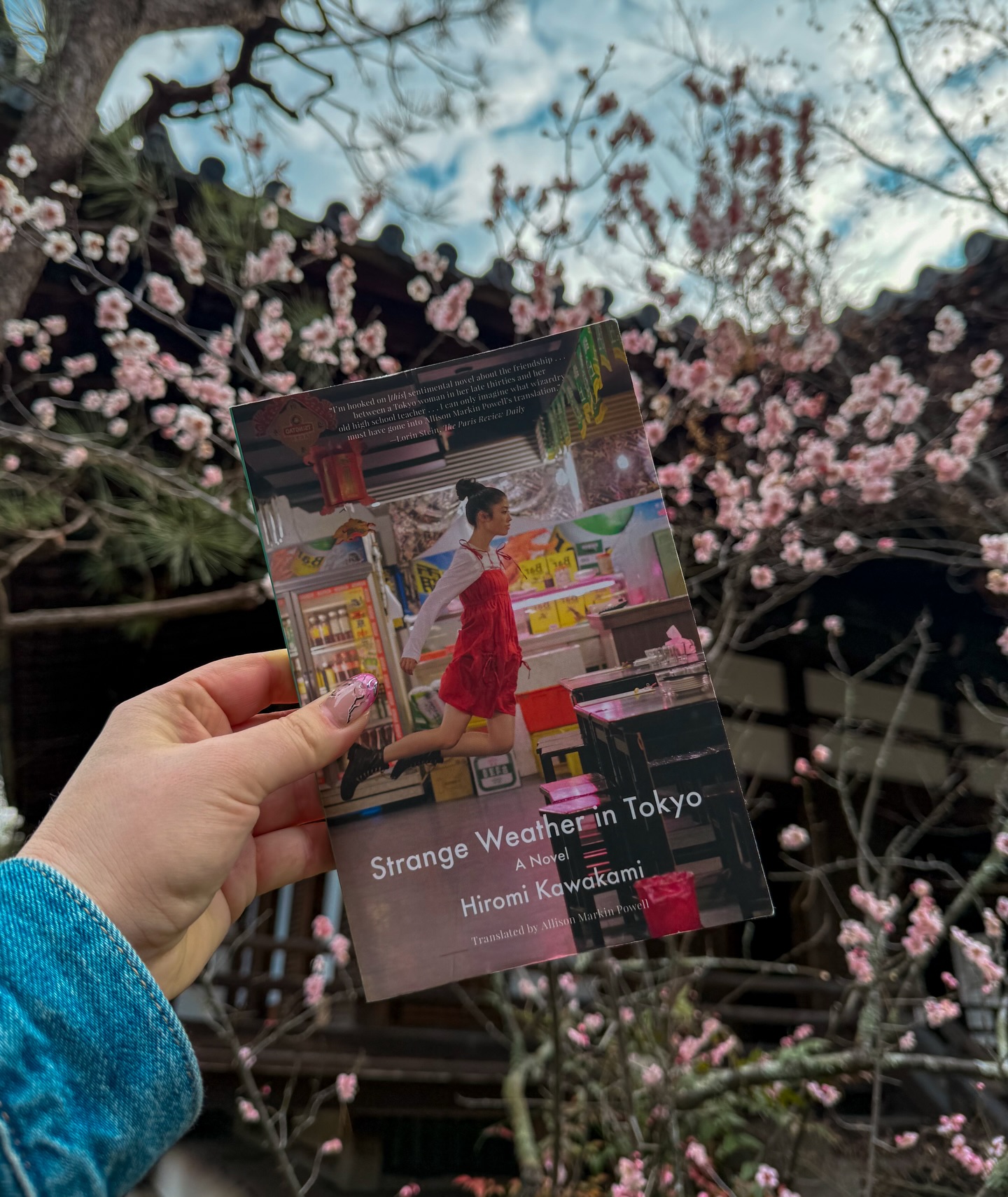
“If the love is true, then treat it the same way you would a plant—fertilize it, protect it from the elements—you must do absolutely everything you can. But if it isn’t true, then it’s best to just let it wither on the vine.”
If your soul is craving a break from the noise of modern life, let this quiet masterpiece be your escape. It is a beautiful invitation to step off the crowded train, share a simple meal, and discover the extraordinary warmth that hides within ordinary days.
Convenience Store Woman by Sayaka Murata
While much of Tokyo’s healing literature finds solace in the ancient or cozy, Murata uncovers it in the brightly lit, humming grid of a konbini (convenience store). Thirty-six-year-old Keiko Furukura has worked at the same Tokyo convenience store for eighteen years, finding her ultimate peace in copying the exact manual-driven behaviours expected of her.
It is a brilliant, slightly satirical, yet strangely comforting look at an outsider who proudly refuses to fit into society’s rigid mould, finding her sanctuary in a place most pass through without a second thought.
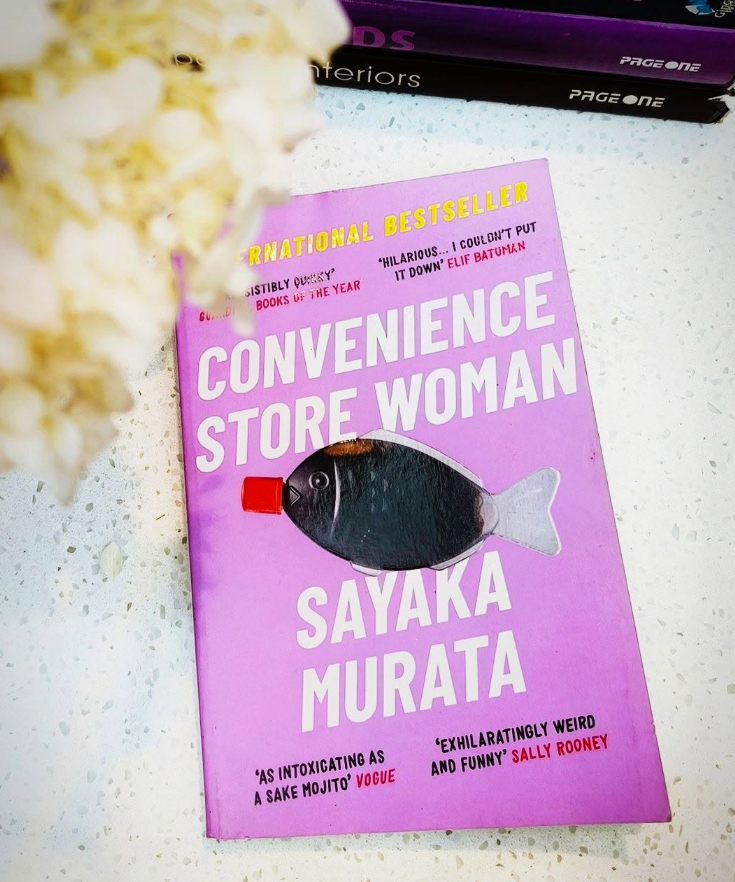
“This society hasn’t changed one bit. People who don’t fit into the village are expelled: men who don’t hunt, women who don’t give birth to children. For all we talk about modern society and individualism, anyone who doesn’t try to fit in can expect to be meddled with, coerced, and ultimately banished from the village.”
If you’ve ever felt like an outsider looking in, let Keiko’s fiercely independent story be your anchor. It is a wonderfully quirky, deeply comforting invitation to quiet the outside noise, stop trying to meet everyone else’s standards, and proudly choose your own version of peace.
The Cat Who Saved Books by Sosuke Natsukawa
This one is a whimsical contemporary fable that takes place in a quiet, dusty secondhand bookstore on the edge of Tokyo. Following the sudden death of his grandfather, a reclusive high school student named Rintaro is about to close Natsuki Books forever when a sharp-tongued, talking ginger cat named Tiger appears.
The cat drafts Rintaro into a series of magical, surreal missions to rescue books that have been unloved, imprisoned, or mistreated by the modern world, forcing Rintaro to step outside his shell and back into life.

“Books have souls. A cherished book will always have a soul. It will come to its reader’s aid in times of crisis.”
For anyone who has ever felt overwhelmed by the cynical noise of the modern world, Natsukawa’s contemporary fable acts as a warm blanket for the mind. It is a beautiful, evocative reminder that books are meant to be felt rather than just collected, inviting us to reopen our favourite stories with a renewed sense of wonder and remember the quiet magic they hold.
Tiger’s missions to defend great literature continue beyond the bookshop walls in Natsukawa’s highly anticipated library-centric sequel, The Cat Who Saved the Library.
Kitchen by Banana Yoshimoto
Kitchen is a modern Japanese classic that captures the raw, neon-and-concrete loneliness of youth in late-20th-century Tokyo. Mikage, a young woman paralysed by the grief of losing her last remaining relative, is taken in by a friendly acquaintance, Yoichi, and his glamorous, transgender mother, Eriko. Nestled in their warm kitchen and navigating the hyper-modern cityscape, Mikage finds an unconventional family and a gentle path back toward the land of the living, proving that comfort can be found in the simplest spaces.
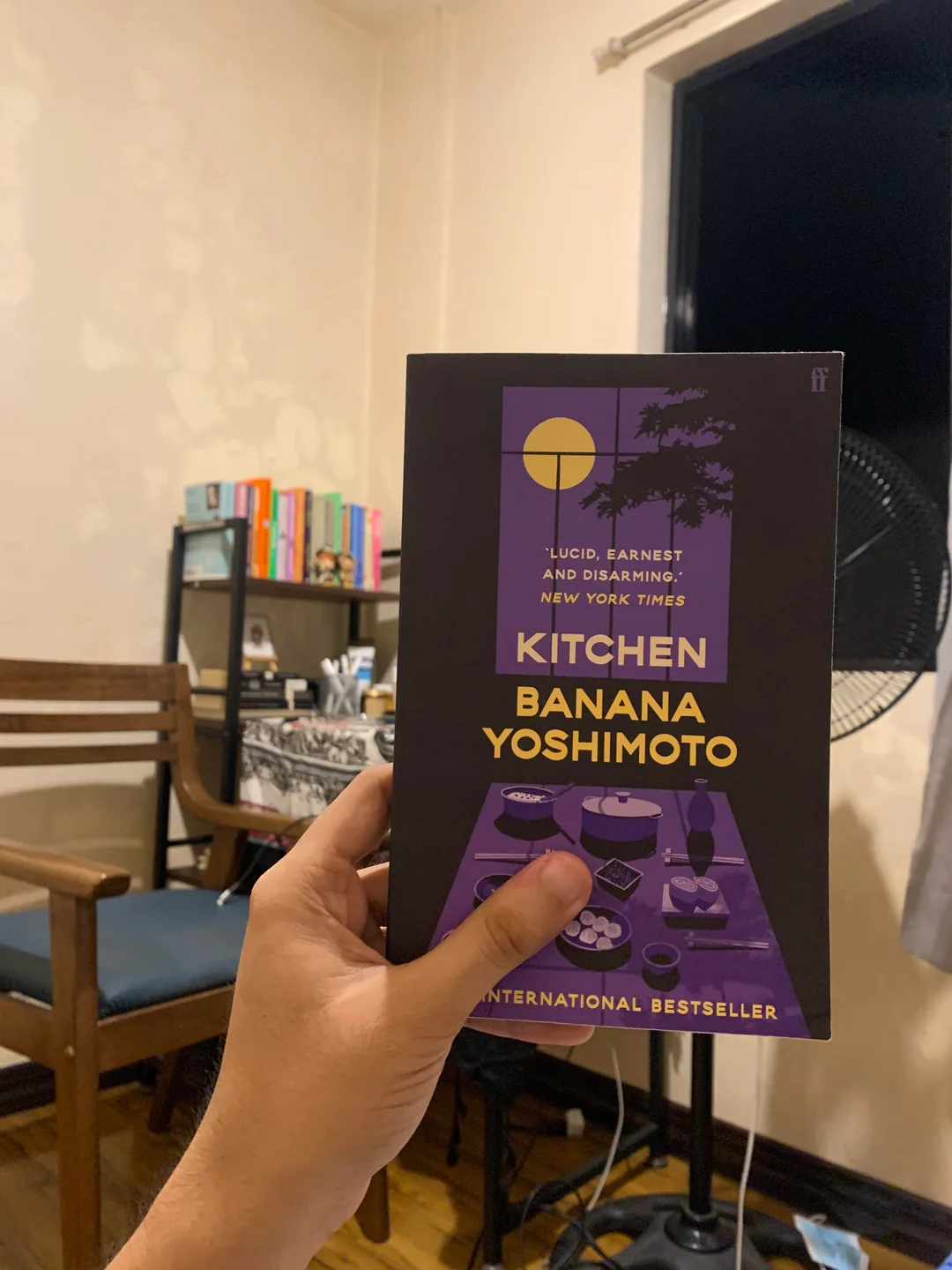
“Truly great people emit a light that warms the hearts of those around them. When that light has been put out, a heavy shadow of despair descends.”
For anyone navigating their own quiet winter of the soul, Kitchen serves as a brilliant, comforting beacon. It is a deeply moving invitation to stop hiding from your hurts, to embrace the unconventional families that appear when you need them most, and to find solace in the simple, life-affirming rhythms of everyday survival.
Butter by Asako Yuzuki
If your idea of being transported to Tokyo involves a deep dive into its elite culinary world and complex societal undercurrents, Butter is an incredible, sensory ride. Inspired by a true crime case, a young journalist named Rika seeks to interview a notorious woman imprisoned for murdering wealthy men—allegedly luring them in with her extravagant home cooking.
As Rika is pulled into the convict’s orbit, she finds herself questioning her own relationship with food, indulgence, and the rigid expectations placed on modern Japanese women.
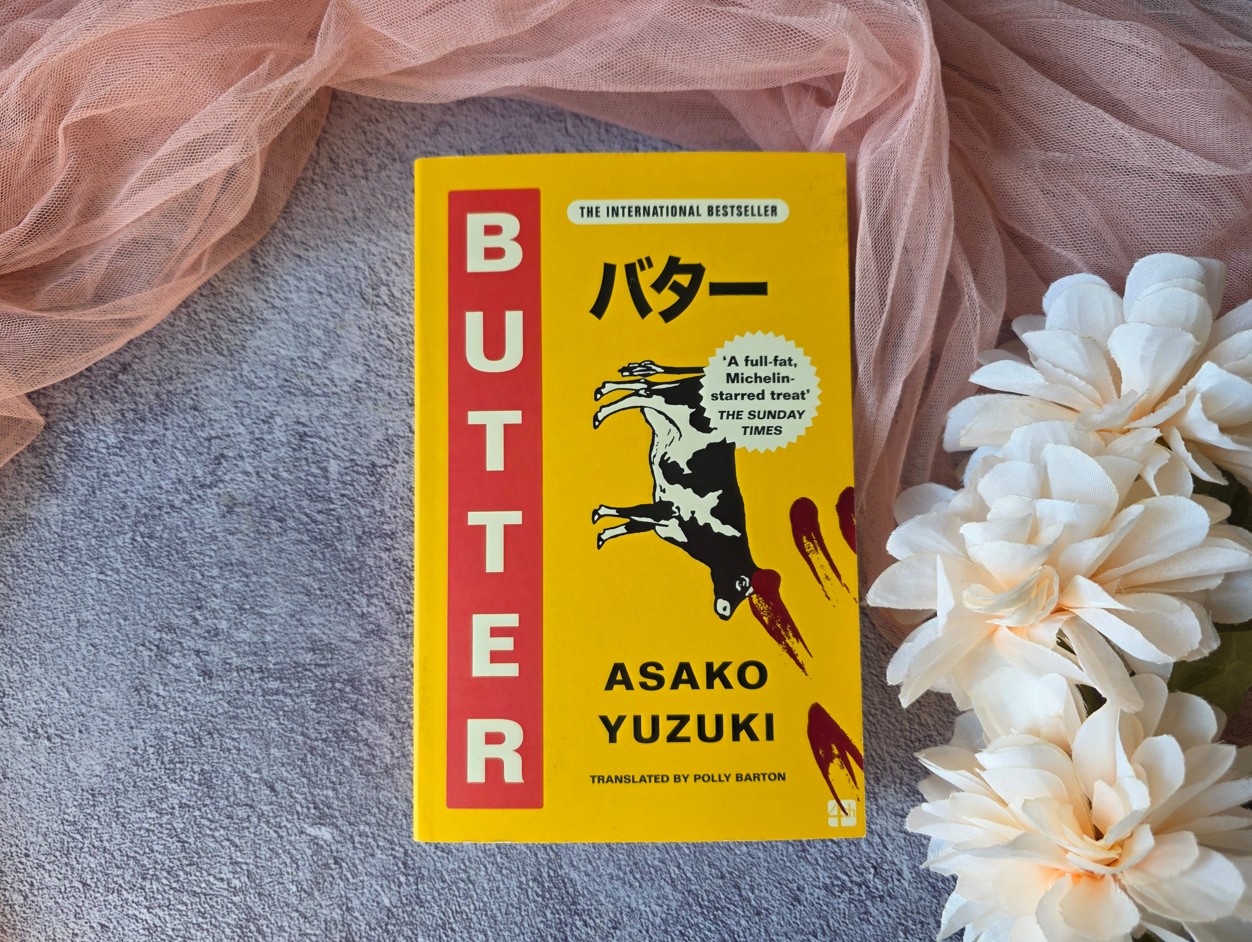
“In principle, all women should give themselves permission to demand good treatment, but the world made doing so profoundly difficult”
In a world that constantly polices women’s bodies, appetites, and desires, Yuzuki’s brilliant culinary noir serves as a deliciously defiant wake-up call. It reminds us that true self-preservation isn’t about restriction or meeting society’s narrow standards of perfection; rather, it is about reclaiming our right to take up space, to indulge without apology, and to fiercely savor the rich, unadulterated flavors of life.
The Great Passage by Shion Miura
To experience a completely unique, tenderly paced side of Tokyo, this novel takes us inside a dusty, quiet editorial department where an eccentric group of wordsmiths compiles a new dictionary titled The Great Passage. Mitsuya Majime, a socially awkward man who finds comfort only in books, is recruited to the team.
Against the backdrop of an evolving Tokyo, the novel explores how a shared devotion to language can bridge the vast distances between human hearts, offering a deeply comforting look at finding your purpose and your people.
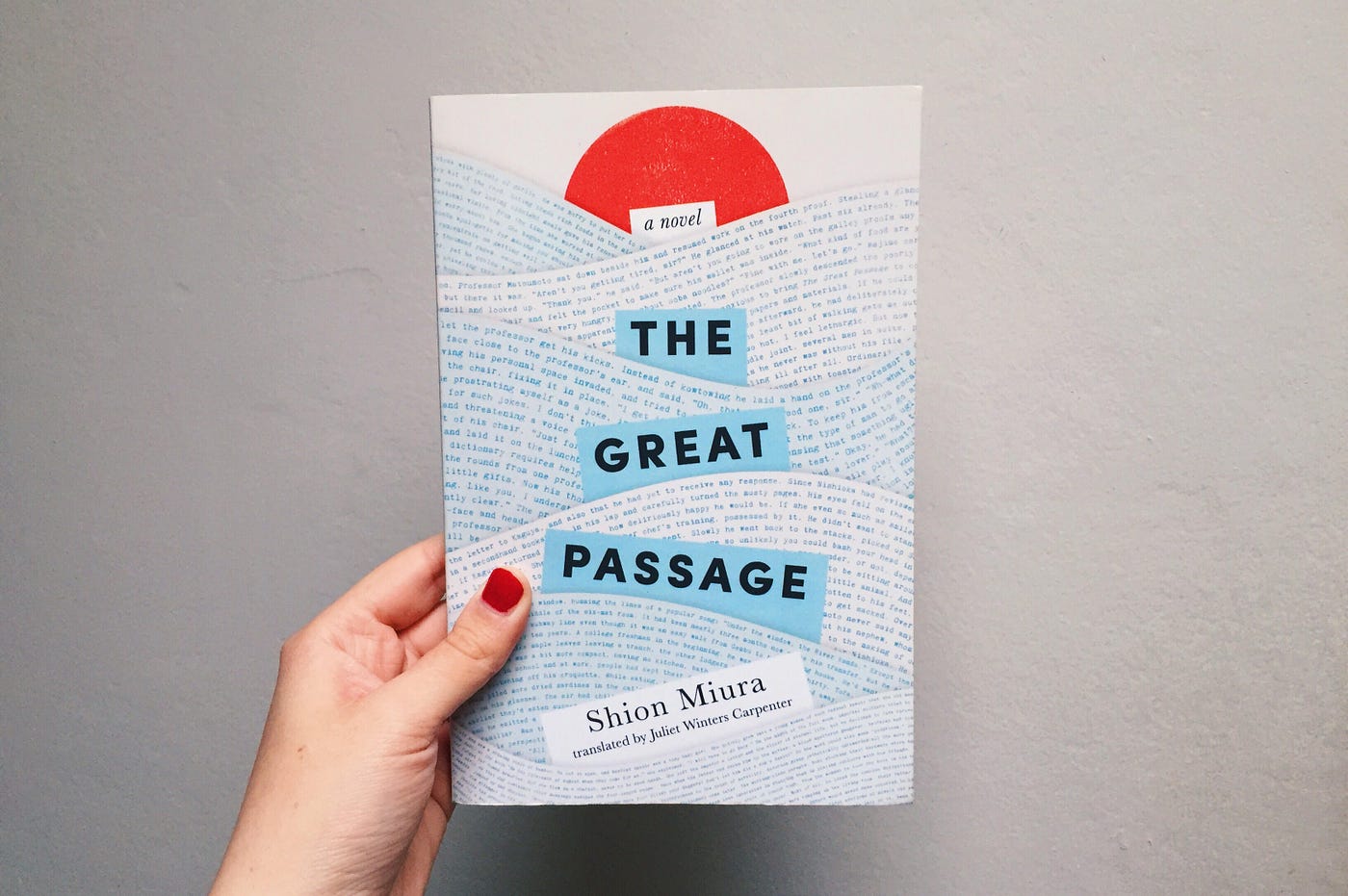
“A dictionary is a ship that crosses the sea of words,” said Araki, with a sense that he was laying bare his innermost soul. “People travel on it and gather the small points of light floating on the dark surface of the waves. They do this in order to tell someone their thoughts accurately, using the best possible words. Without dictionaries, all any of us could do is linger before the vastness of the deep.”
The Last Stop: Finding Your Own Tokyo Corner
What these diverse stories reveal is that Tokyo is not just a monolith of glass and concrete; it is a sprawling constellation of tiny sanctuaries. Whether it is a quiet seat in a basement café, a dusty corner of a Jimbocho bookstore, or the comforting hum of a neighbourhood convenience store, the city offers a unique geometry of solace to anyone willing to slow down and look for it.
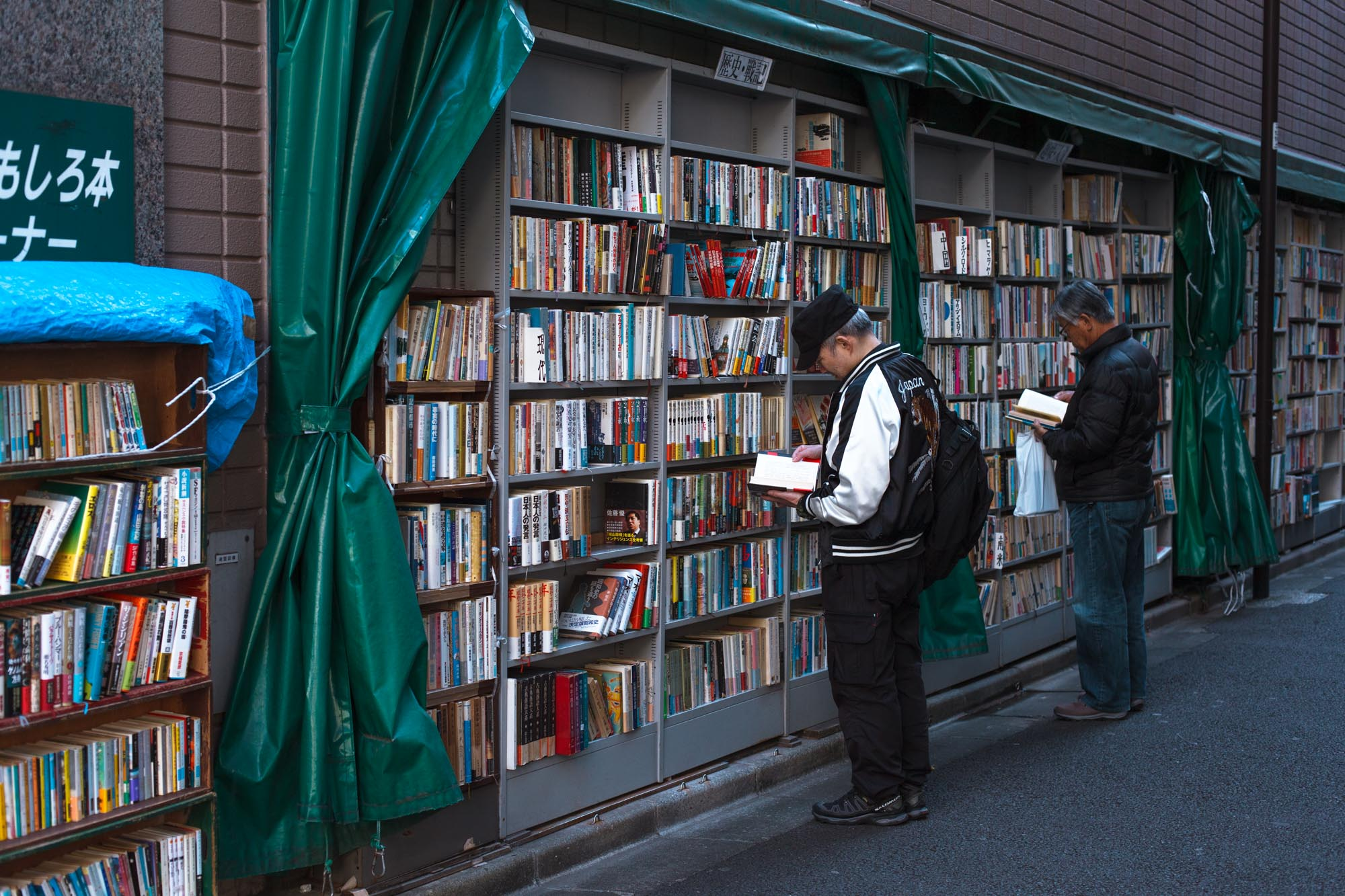
You do not need a plane ticket to find yourself under the Tokyo night sky or to feel the crisp pages of an old text in your hands. You only need to open the first page. Each of these books offers a doorway into a world where connection is always possible, and healing is just a chapter away.


Charuta Pradhan
As a lifelong bibliophile, Charuta believes in the power of storytelling and its magical ability to connect readers. Happiest in the world of books, they are absolutely thrilled to be part of this global community that celebrates the power of words.