

JOMO, the right to disconnect, and what interruption actually costs. On solitude as a discipline rather than a deprivation, and the privilege of being unreachable.
My phone rings, and these days I let it. I watch the number on the screen, wait to see whether the caller leaves a voicemail, and only then decide whether the call deserves a place in my day. The ring, on its own, tells me nothing. The voicemail is the evidence that it mattered. I did not consciously choose this habit; it arrived the way most modern habits do, quietly, alongside everyone else’s, until I noticed that an entire generation had agreed, without ever discussing it, that a ringing phone is now a suggestion rather than a summons.
Elsewhere, though, in text and email, an older habit persists: the small pride of answering within seconds. I used to tell myself this was professionalism, or care, or simply good manners. It rarely felt like what it actually was: obedience.
Somewhere in the last 15 years, being reachable at all times quietly reclassified itself from a convenience into an expectation, and the expectation into a virtue. To be slow to respond now reads as suspicious. To be unreachable altogether, on a weekday, for no medical or diplomatic reason, can feel almost illicit. Which is strange, when I remember that for most of human history, unreachability was not an act of defiance. It was simply what being a person was like.
The Fear That Got Named First
In 2004, a Harvard Business School student named Patrick McGinnis wrote a short piece for the campus newspaper describing his classmates cramming six events into one evening, terrified of choosing wrong. He called it FOMO, the fear of missing out, and the term entered the Oxford English Dictionary within a decade.

For eight years, that was the only word we had. The anxiety got a name in 2004; its opposite did not arrive until 2012, when the writer Anil Dash coined JOMO, the joy of missing out, after missing a Prince concert he had been looking forward to for a specific and joyful reason: his son was born that night. Dash’s point was not that missing out is always fine.
It was that there can be real, unembarrassed pleasure in knowing something wonderful is happening without you, because something else, chosen on purpose, is happening instead.
It is worth sitting with that gap. I spent most of that decade fluent in the fear, like everyone I knew, before I had a word for its opposite.

For years, a missed group gathering, a dinner, a weekend away with friends, could put a small, specific ache in me that had nothing to do with the friends and everything to do with the story I told myself about what I was missing. I would hear about it afterwards and feel, quite precisely, smaller for not having been there.
What changed was not one event but something closer to what happened to the word itself: somewhere along the way, missing out stopped feeling like a loss and started feeling like a choice. I have come to enjoy my own company more than I once thought possible, and I have grown careful, almost deliberate, about what I show up for.
Not because the gatherings stopped mattering, but because I noticed that attending everything is not the same as attending anything well. Choosing carefully turned out to matter more than being present for all of it.
What The Interruption Actually Costs
I like to defend my own reachability in the language of responsiveness. The research tells a less flattering story.
Gloria Mark, who has spent two decades at UC Irvine studying how attention breaks under digital interruption, found that after a single interruption, it takes an average of 12 minutes and 15 seconds to fully return to what you were doing before. Not to remember what you were doing. To return to the same depth of concentration.
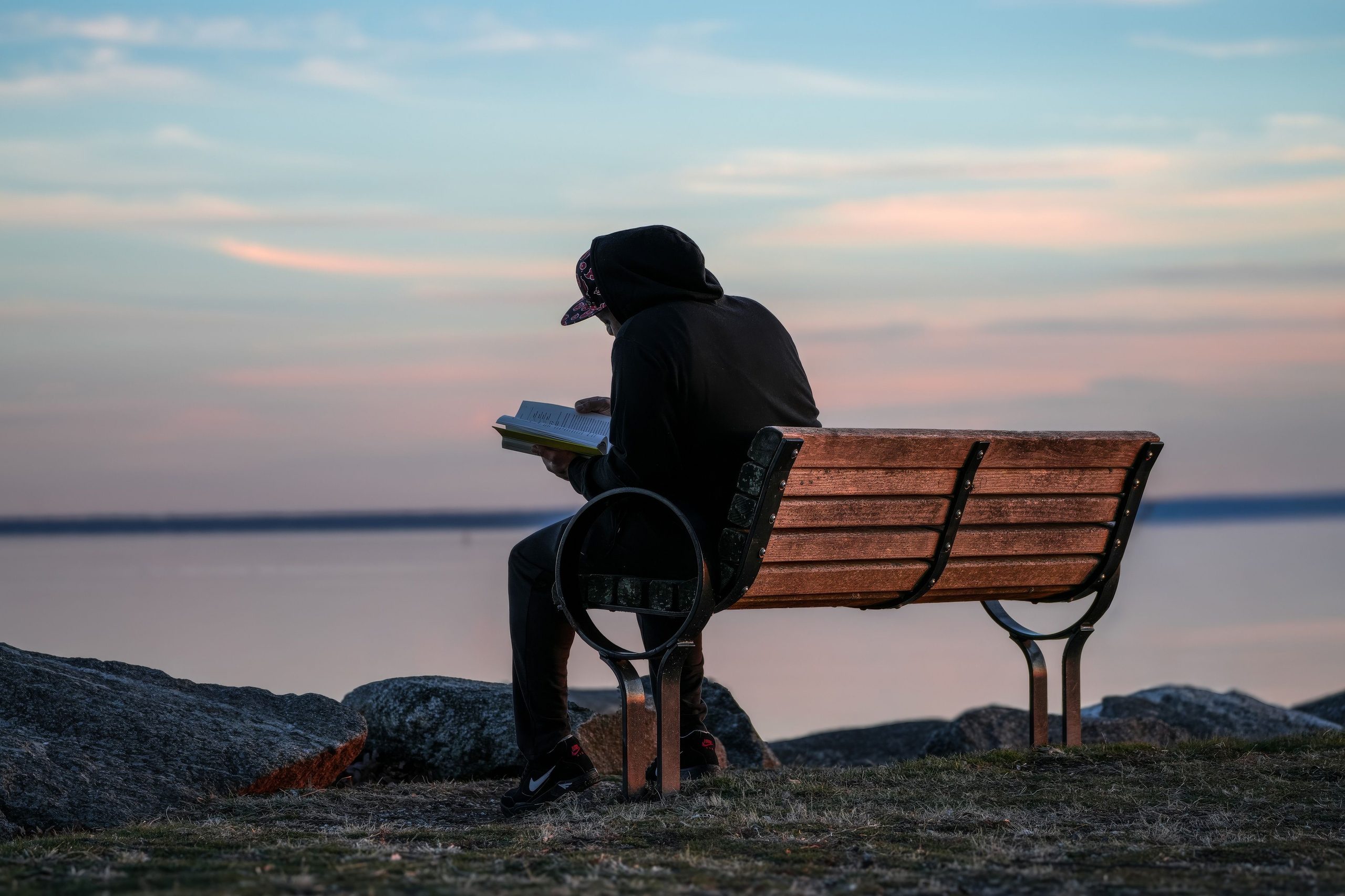
Her more recent tracking found something starker still: the average time people spend on a single screen before switching to another has collapsed from two and a half minutes in 2004 to well under a minute today. And nearly half of all interruptions, she has found, are not even imposed on us. We do it to ourselves, checking a phone that has not made a sound, simply because the habit of checking has outlived any reason for it.
None of this is a case against communication. It is a case against the assumption that instant availability is free. Every ping answered mid-thought is a small tax on whatever the thought was going to become, and I have paid it more times than I can count, always telling myself it was a bargain.
The Uneven Tax
Not everyone pays that tax at the same rate.
When Carl Jung introduced the terms introvert and extravert in his 1921 book Psychological Types, he was not describing shyness or sociability, whatever the words have since come to mean at parties. He was describing a direction: whether a person’s energy flows chiefly outward, toward people and stimulation, or inward, toward reflection.
Decades later, the psychologist Hans Eysenck proposed a biological reason for the split. Introverts, he argued, run at a naturally higher baseline of cortical arousal, so it takes comparatively little incoming stimulation, a conversation, a notification, a ringing phone, to tip them from alert into overloaded. Extraverts, idling at a lower baseline, are wired to do the opposite: they go looking for stimulation, because without it they feel understimulated rather than at rest.
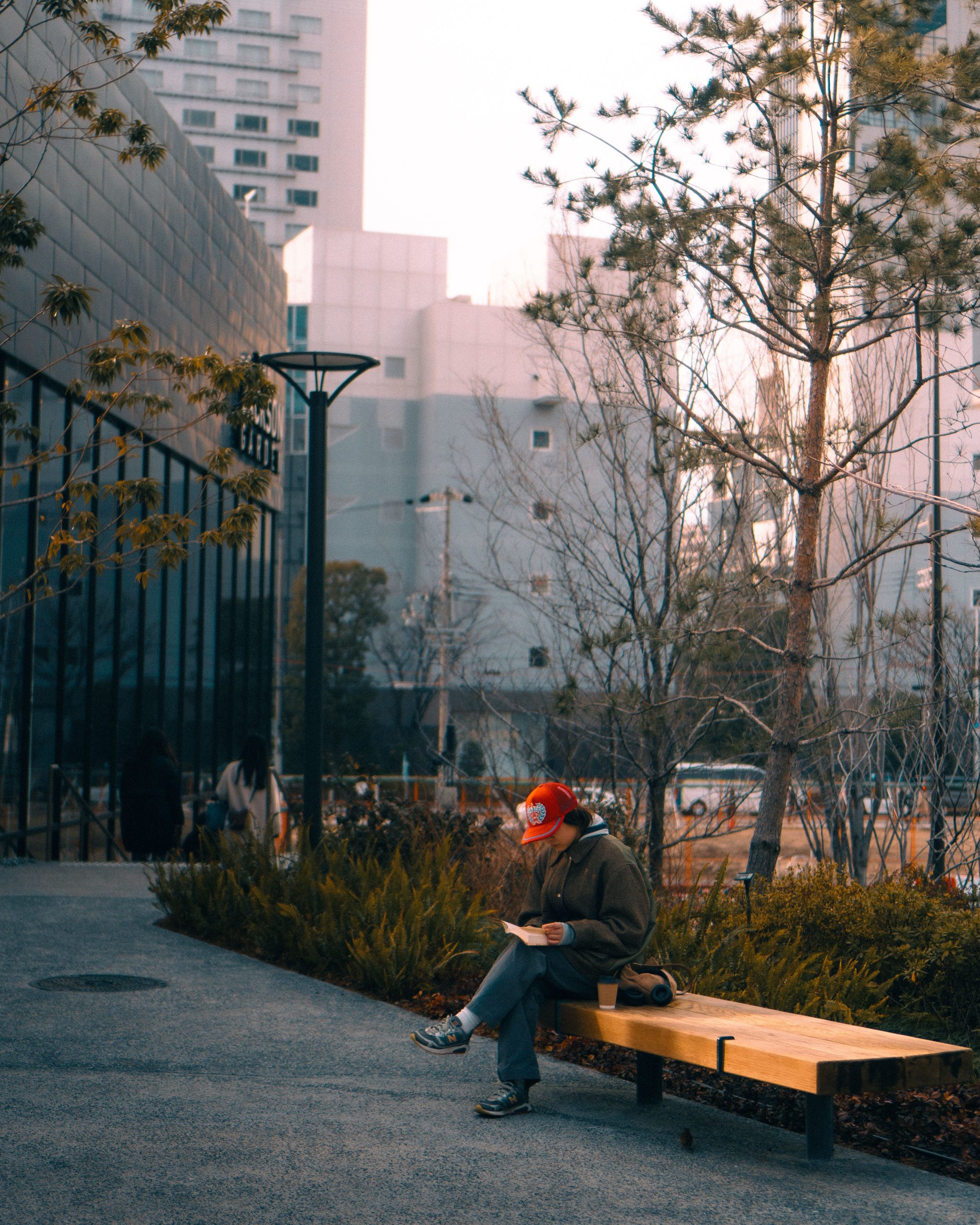
If Eysenck was even roughly right, an always-on culture is not a neutral piece of infrastructure. It is built, by default, for the temperament that finds interruption energising, and it quietly overtaxes the temperament that does not. Twenty-three minutes to recover from an interruption is an average. For a meaningful share of any office, any family group chat, it is closer to a floor, and the bill arrives without ever being itemised.
I recognise myself immediately in that description, and for years I treated it as a small deficiency to manage: something to apologise for before a party, compensate for in a meeting, joke about at my own expense. I have stopped doing that. I am an introvert in the plain, technical sense Jung meant; my energy runs inward, and a full calendar depletes me in a way it visibly does not deplete some of the people I love most. There is nothing here that needs fixing. It is simply how the instrument is built, and an instrument does not owe anyone an apology for its own shape.
The Old Right of Kings, Now Written Into Law
Here is the uncomfortable part of the story, and the reason “privilege” belongs in this piece’s title rather than a softer word.
Unreachability has never been evenly distributed. For most of history, the freedom to withdraw and not be found belonged chiefly to the powerful: a king’s private chambers, a monastery’s rule of silence, a scholar’s study with a door that closed. Everyone else, the servant, the tenant, the apprentice, was reachable more or less by definition, on call to whoever held the higher rung.
The telephone and later the smartphone did not invent this asymmetry. They simply extended the old, unequal expectation of availability to nearly everyone, while quietly leaving the old exemption in place for the people at the top, who could always claim to be “in a meeting.”
I notice this from the other side of the desk now. Running a small team of my own, I could very easily become the very expectation this essay is describing, the person whose message is assumed to deserve an instant answer simply because of where it sits on the org chart. Knowing the temptation is there is not the same as resisting it, but it is a start.

Which is precisely why France, in 2016, had to write the opposite of that expectation into law. The El Khomri Act gave French employees a formal droit à la déconnexion, a right to disconnect from work email and calls outside working hours. The labour minister who championed it, Myriam El Khomri, had commissioned a report that diagnosed the problem in two unforgettable words: info-obesity.
The law did not ban after-hours email. It simply insisted that answering it could no longer be silently assumed. Italy followed within a year. Other countries have since taken up versions of the same idea, because the market, left alone, was not going to grant this back to people who did not already have the standing to take it themselves.
A right, remember, only has to be legislated once it can no longer be assumed. Unreachability had quietly become something you needed permission for.
Solitude, and The Difference Between Alone and Lonely
None of this is an argument for isolation, and it would be a shame to mistake it for one.
Henry David Thoreau, writing from a cabin at Walden Pond in 1854, made the distinction with more precision than most modern writing manages:
“I never found the companion that was so companionable as solitude.” — Henry David Thoreau, Walden (1854)
His point, developed over the rest of that chapter, is that solitude has nothing to do with geography. A person can feel unbearably alone in a crowded room and entirely un-alone at a desk with no one else in the house, because what matters is not the distance between bodies but the quality of attention.
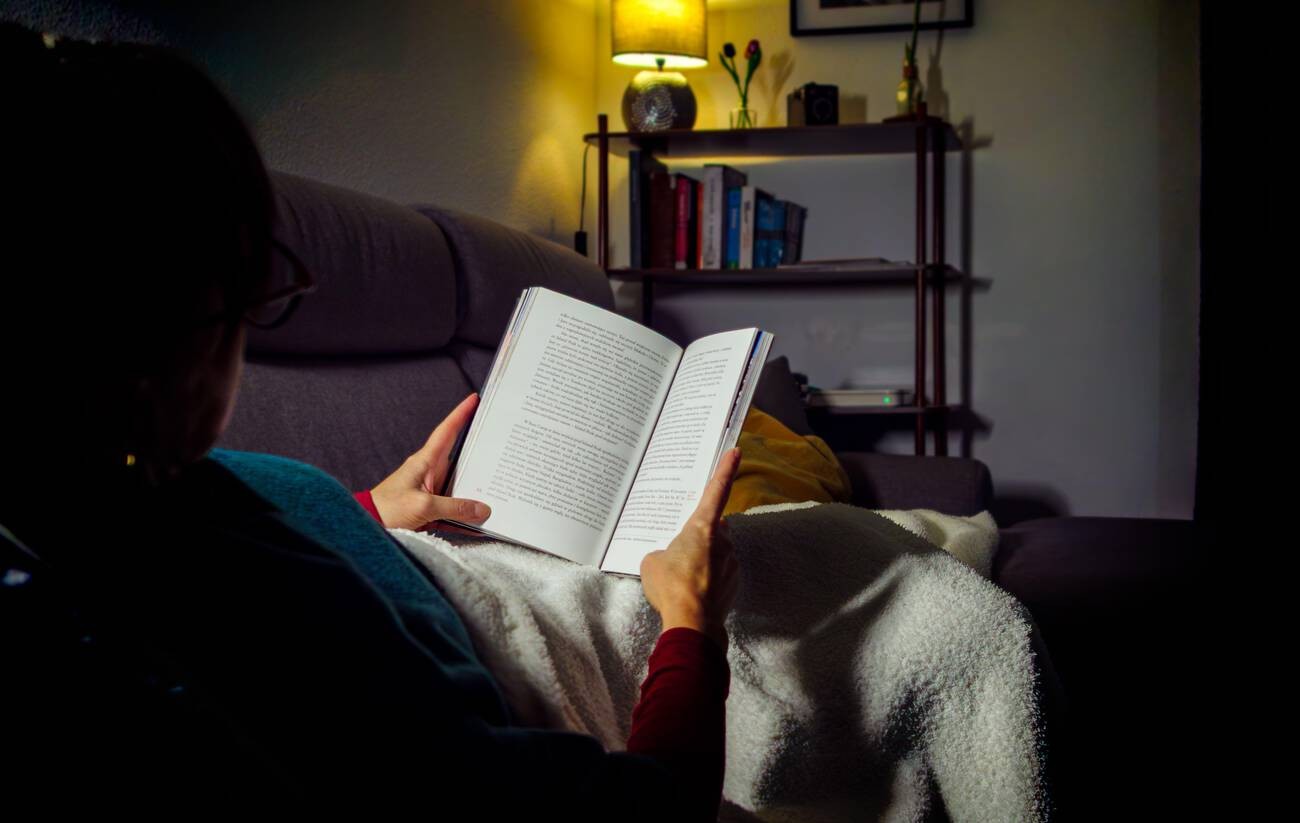
He was not the first to notice this, and he will not be the last. More than two thousand years earlier, the Tao Te Ching taught a version of the same lesson in the language of gardens rather than cabins: that the ten thousand things of the world rise, flourish, and eventually return, each of them, to a quiet root, and that this return is not defeat. It is described as the way back to clarity, and clarity, in time, as the way to endurance. The lesson travels well across two millennia and one ocean: stillness is not what is left over once life stops asking things of you. It is the ground everything else keeps growing back toward.
The computer scientist Cal Newport arrived at almost the same definition 2000 years after that, coining the term solitude deprivation to describe a state most of us now live in permanently: rarely, if ever, free from the input of other minds, even when the room is empty. Solitude, in all three accounts, is not the absence of people. It is the presence of your own thoughts, uninterrupted long enough to hear what they are actually saying.
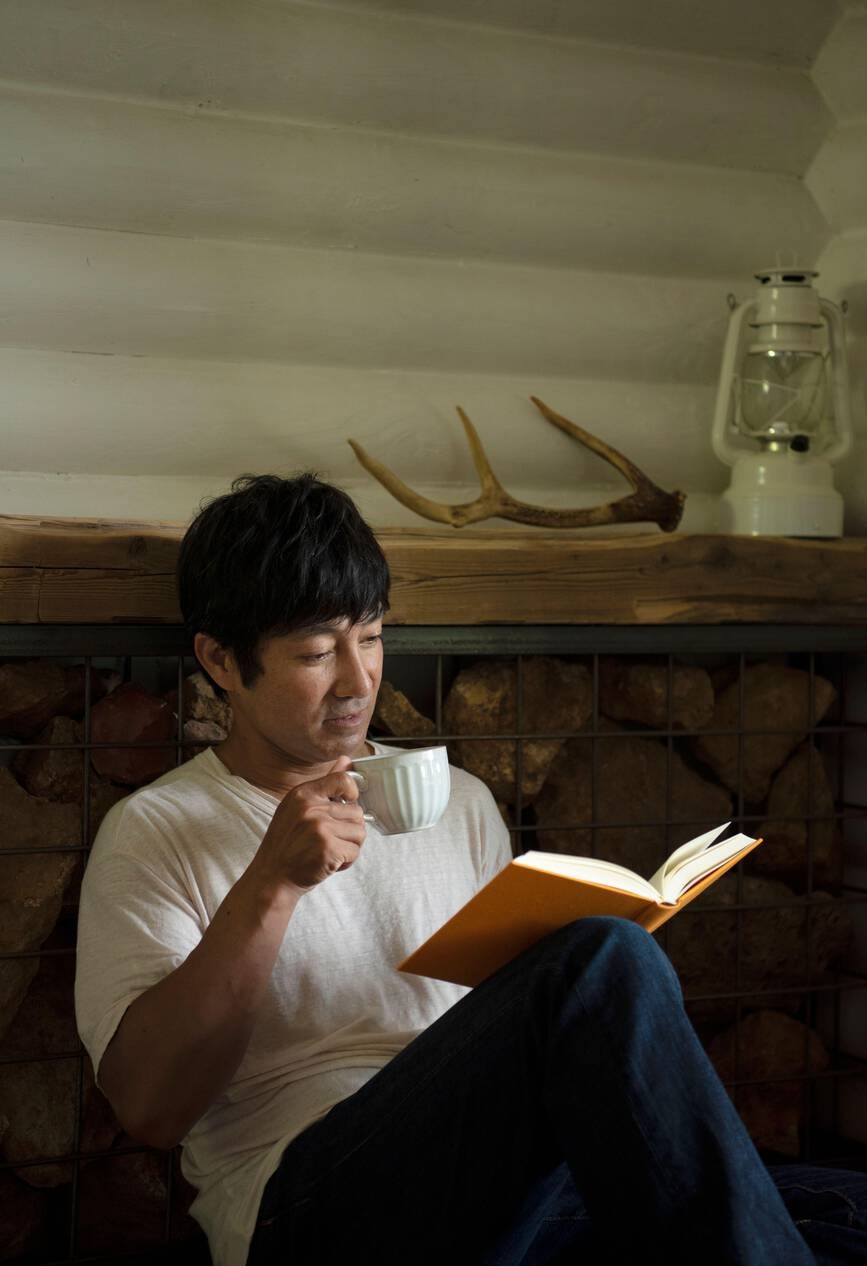
There is a strange, almost literal footnote to that idea. In a 2013 study, researchers at Duke set out to test how different sounds affected the brain, exposing mice to music, white noise and recorded pup calls, with silence included only as the control, not expected to do much of anything. Silence was the one that worked. Two hours of it a day produced the strongest, most lasting growth of new cells in the hippocampus, the brain’s own centre for memory, more than any of the sounds under study, however pleasant. Quiet, it turns out, is not merely the absence of a task. It appears to be doing something the brain cannot get any other way.
That is a discipline, not a deprivation, though I will admit I do not always win the argument with myself. Solitude has to be built the way any other skill is built: on purpose, on a schedule, against the current.
What It Makes Possible
Which brings me, as these essays tend to, back to a book while my dogs are napping next to me, sometimes on my lap. Every good book asks something of me that a notification never will: to be gone for a while. Not distracted, gone. The novel does not work if I am answering a message every third paragraph, and the strange gift of a long, unreachable afternoon with a good book is that it turns out to be one of the last places left where that is not only permitted but expected. I no longer apologise for being unreachable while reading. I have simply decided that this particular disappearance is allowed.
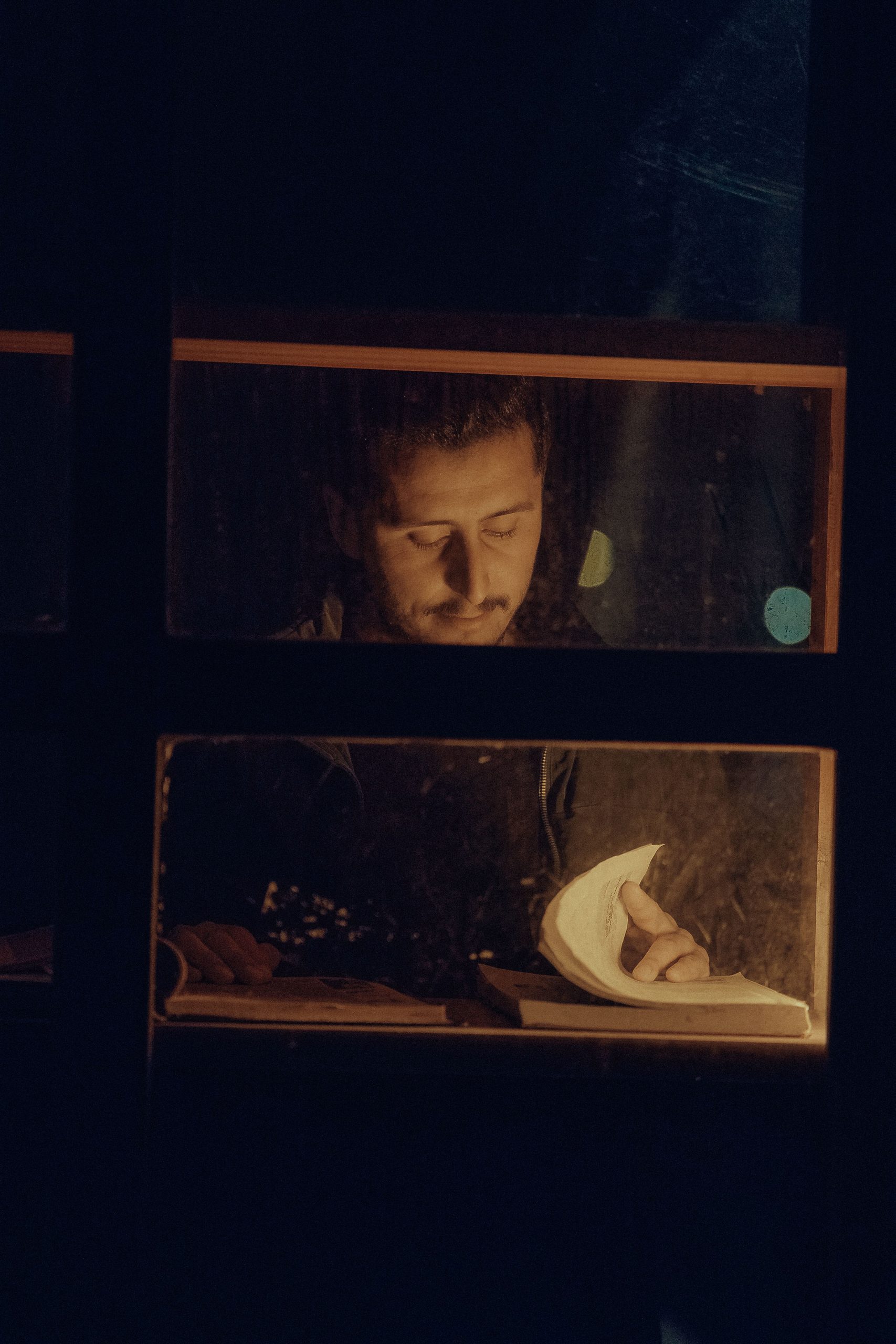
Perhaps my quiet task, this year, is to extend that permission a little further: not to abandon the people who need to reach me, but to stop assuming that everyone, always, does.
What would you do with an afternoon nobody could reach you?


Vincent Minatozaki
Vincent is the founder and Editor-in-Chief of 1000 Libraries Magazine. He is a Paris-born ex-corporate turned bookseller and philosopher, on a global mission to spread the joy of physical books in our age of digital technology.