Le Petit Prince, The Lion King, a telescope, a spray can and a dog by the door: a philosopher’s tour of the inner library of everything we have loved.
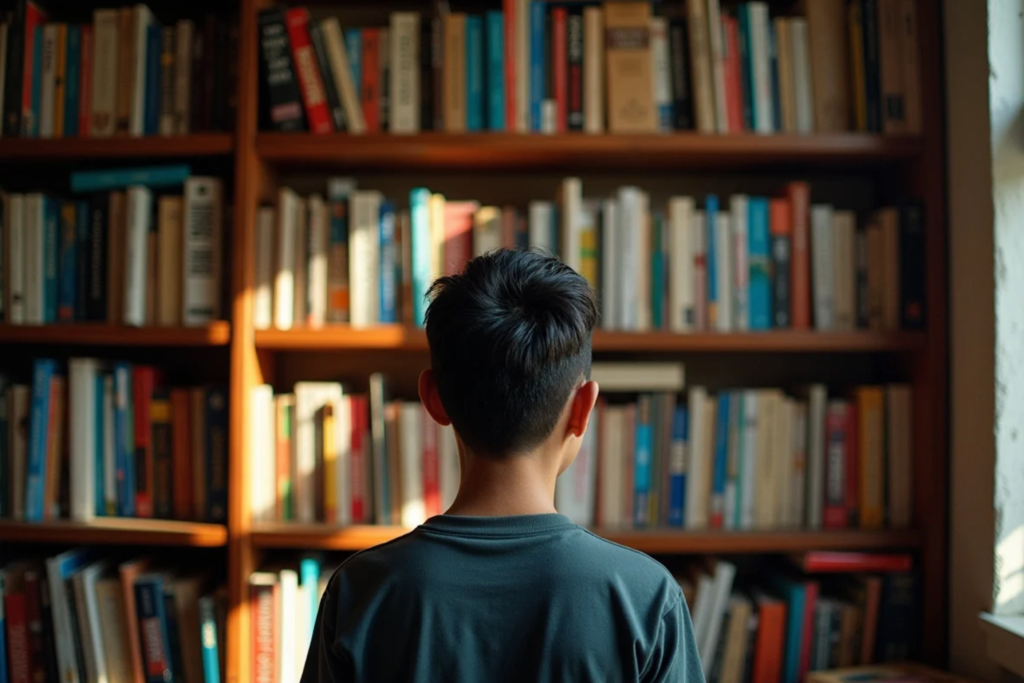
I have spent my working life around libraries, and the one I know best is the one nobody else can visit. It is the library inside me, and every book, song, place, and person I have loved has a shelf there. I never planned it. It filled up one love at a time, and somewhere along the way it became the closest thing I have to a self.
The French critic Pierre Bayard gave this idea its best name. He wrote of “our inner libraries, built within us over the years and housing all our secret books,” and concluded that we are “the sum of these accumulated books.” I think he was right, and that the same is true of everything else we have loved. So here is a tour of my shelves. You will recognise some of your own.
Le Petit Prince, in My Grandfather’s Voice
The oldest shelf holds the first book I remember. My grandfather read me Le Petit Prince, Antoine de Saint-Exupéry’s story of a pilot stranded in the desert and the small boy from another planet who teaches him what grown-ups forget. He read it to me before he passed away, and I have never been able to separate the book from his voice.
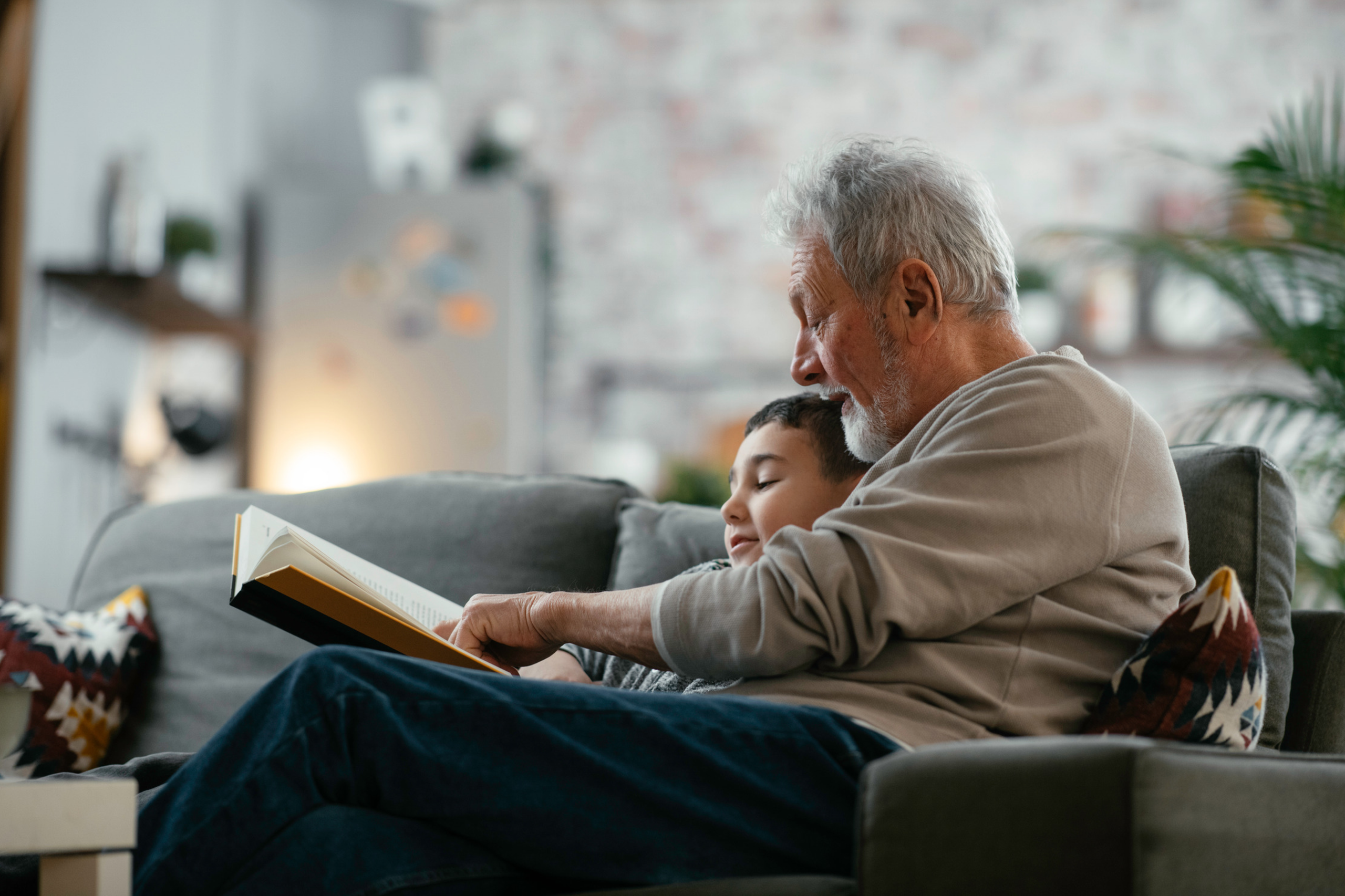
Most of us have a book like this: one that someone who loved us read aloud before we could read it ourselves. The story matters, and so does the lap we heard it on. Children seem to know this instinctively. In Scholastic’s Kids & Family Reading Report, 87 per cent of children aged six to eleven said they loved or liked being read aloud to, and the most common reason they gave was the company: “It is a special time together!” Bayard put it beautifully. The books on our inner shelves “cannot be separated from us without causing us suffering.”
The Lion King and the Boy Who Ran From Himself
I grew up next to Disneyland Paris, which opened in April 1992 as Euro Disney, and Disney was part of my childhood’s furniture. My favourite film is The Lion King, and I went to the opening. For anyone who has not seen it: a young lion, Simba, believes he caused his father’s death, runs away in shame, and builds a carefree life in exile under the motto “Hakuna Matata,” no worries, until his father’s spirit appears in the clouds and tells him to remember who he is. Writers have read it ever since as a story about shame, the guilt that is “enough to make Simba run away,” and about how a person can build “a whole new life around not thinking about any of it.”
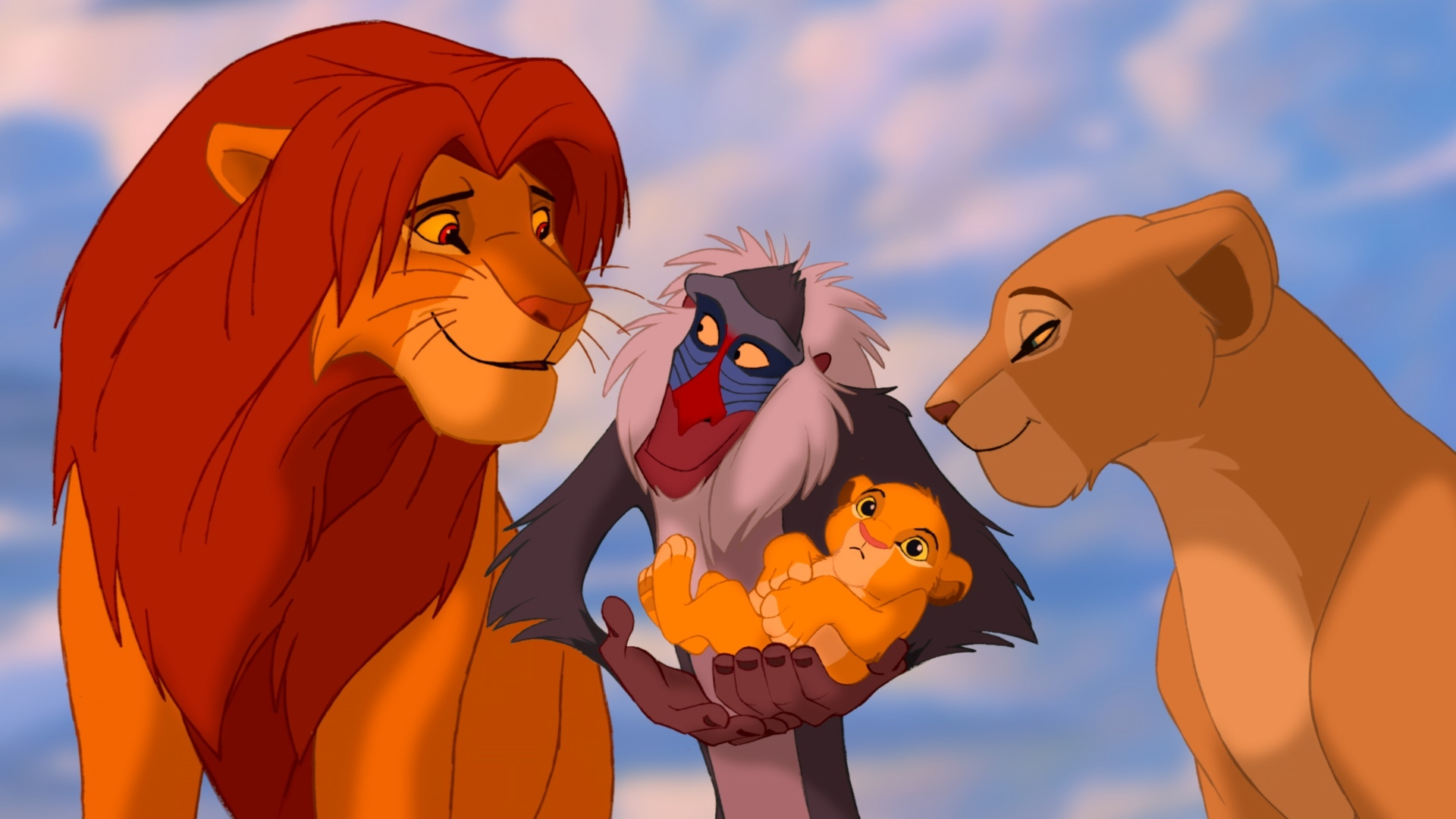
It meant something more personal to me. My grandfather was close to the royal family, and as a child that small fact made me feel like a kind of prince myself, someone with a higher calling. All of that energy eventually went into 1000 Libraries.
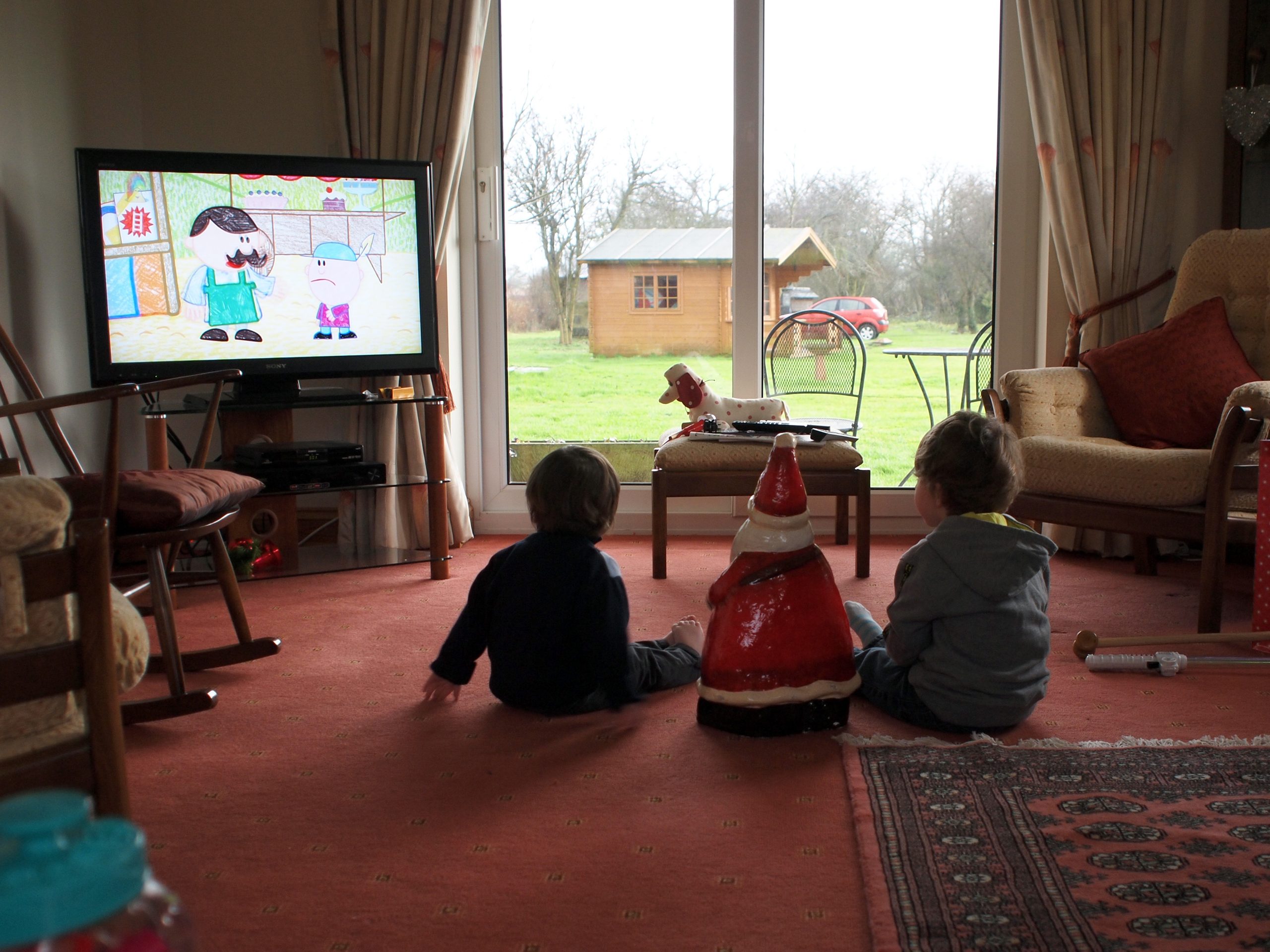
The films we love as children give us scripts for who we might become, and psychology suggests the effect is real. Researchers at Ohio State University call it “experience-taking”: the process of taking on a character’s thoughts, emotions, and traits “as if they were one’s own.” In one of their studies, readers who identified strongly with a character who overcame obstacles to vote were far more likely to vote themselves days later, 65 per cent against 29 per cent. Simba taught me that running from yourself only works for so long.
A Third of Small Children Have an “Extremely Intense Interest”
As a boy, I loved astronomy. I learned the planets, the constellations and the distances that made my head spin, and that love never left: I still own telescopes and go out under the sky whenever I can.
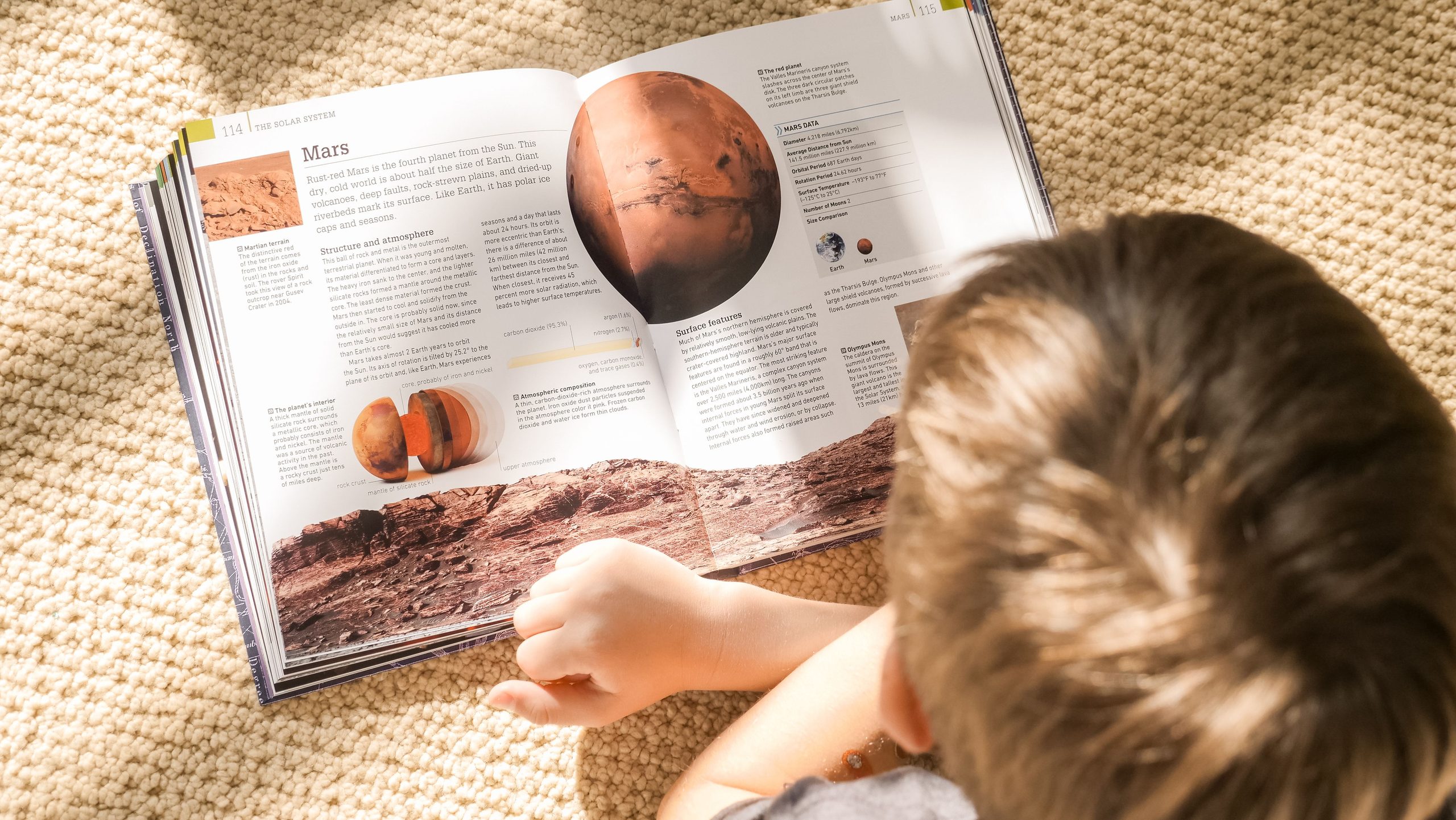
Many people have a shelf like this, holding the childhood passion that seemed to arrive from nowhere: dinosaurs, horses, trains, the stars. Psychologists have studied it. A 2007 study of young children found that about a third of them had an “extremely intense interest” in a particular topic, often pursued for anywhere from six months to three years. For me, the night sky also gave me something I only understood much later. Researchers at the University of California found that awe, the feeling of standing before something vast, makes people feel “smaller, less self-important” and behave more generously. I think I have been chasing that feeling through a telescope ever since.
From ’90s Rock to Jazz: The Musical Ages of a Life
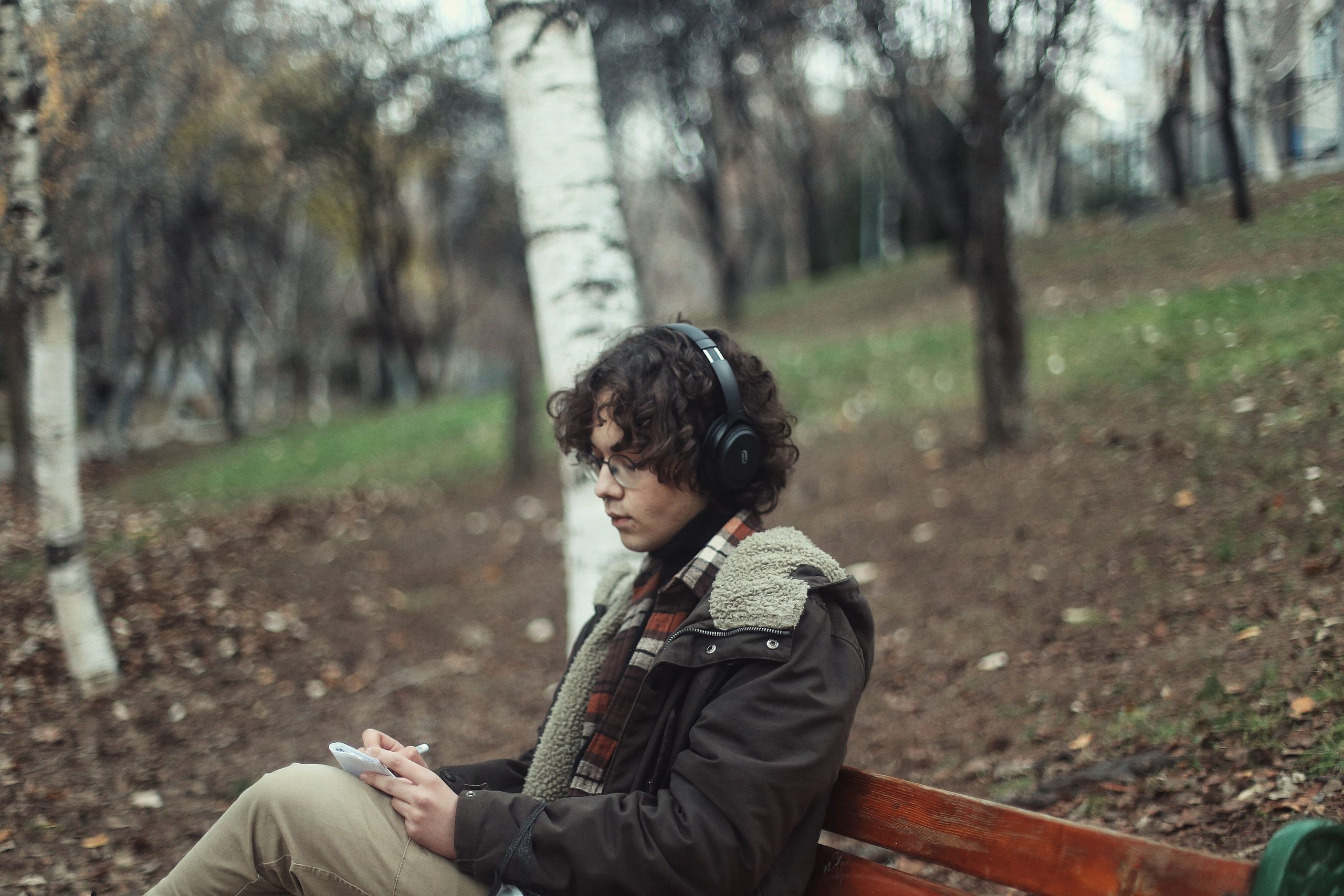
My music shelf tells my life story in order. As a teenager, I loved 90s rock. Then I got into hip hop. These days it is mostly classical and jazz.
I used to think this was just me getting older, and it turns out it is all of us. Researchers at the University of Cambridge, studying the musical tastes of more than a quarter of a million people over ten years, found that adolescence brings “a short, sharp burst of ‘intense'” music, which gives way to contemporary and mellow styles, and finally to an age “dominated by ‘sophisticated'” music such as jazz and classical. The songs we keep, though, come from our youth. When researchers analysed the choices of guests on the BBC radio programme Desert Island Discs, half of the songs had mattered most between the ages of ten and thirty, and the most common reason for choosing one was a memory of a person.
Graffiti, and Why Everything at 1000 Libraries Has to Be Beautiful
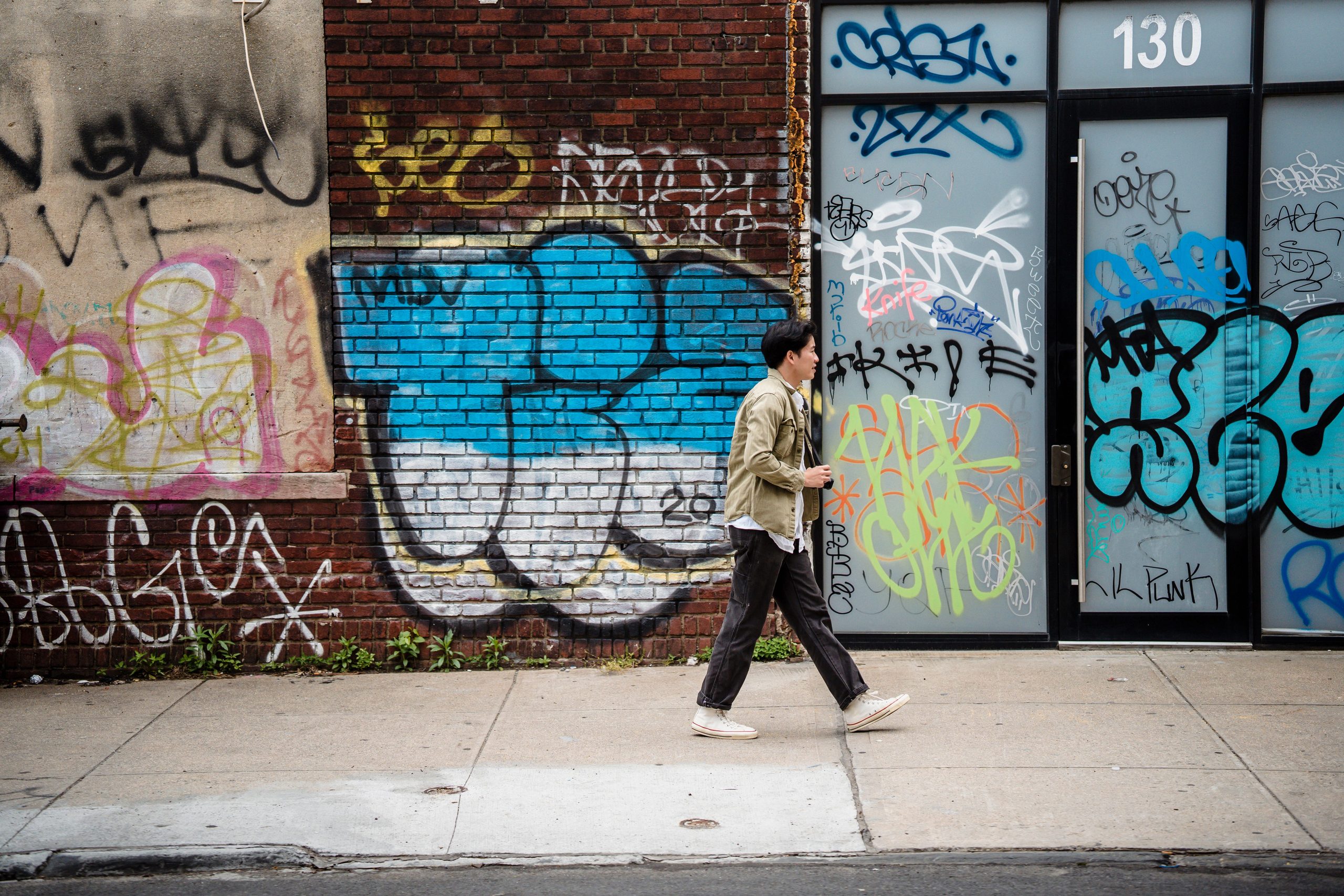
Believe it or not, this shelf explains more about 1000 Libraries than any other. I loved graffiti before it was recognized as ‘street art.’ Growing up in the ghetto, it was the only way I found to stay close to my artistic side, and I suspect it is why everything you see from 1000 Libraries has to be beautiful. Today, I no longer paint on walls like a young rebel. But I put all my creative energy into showing the beauty of a bookish life, well-lived, to millions of readers.
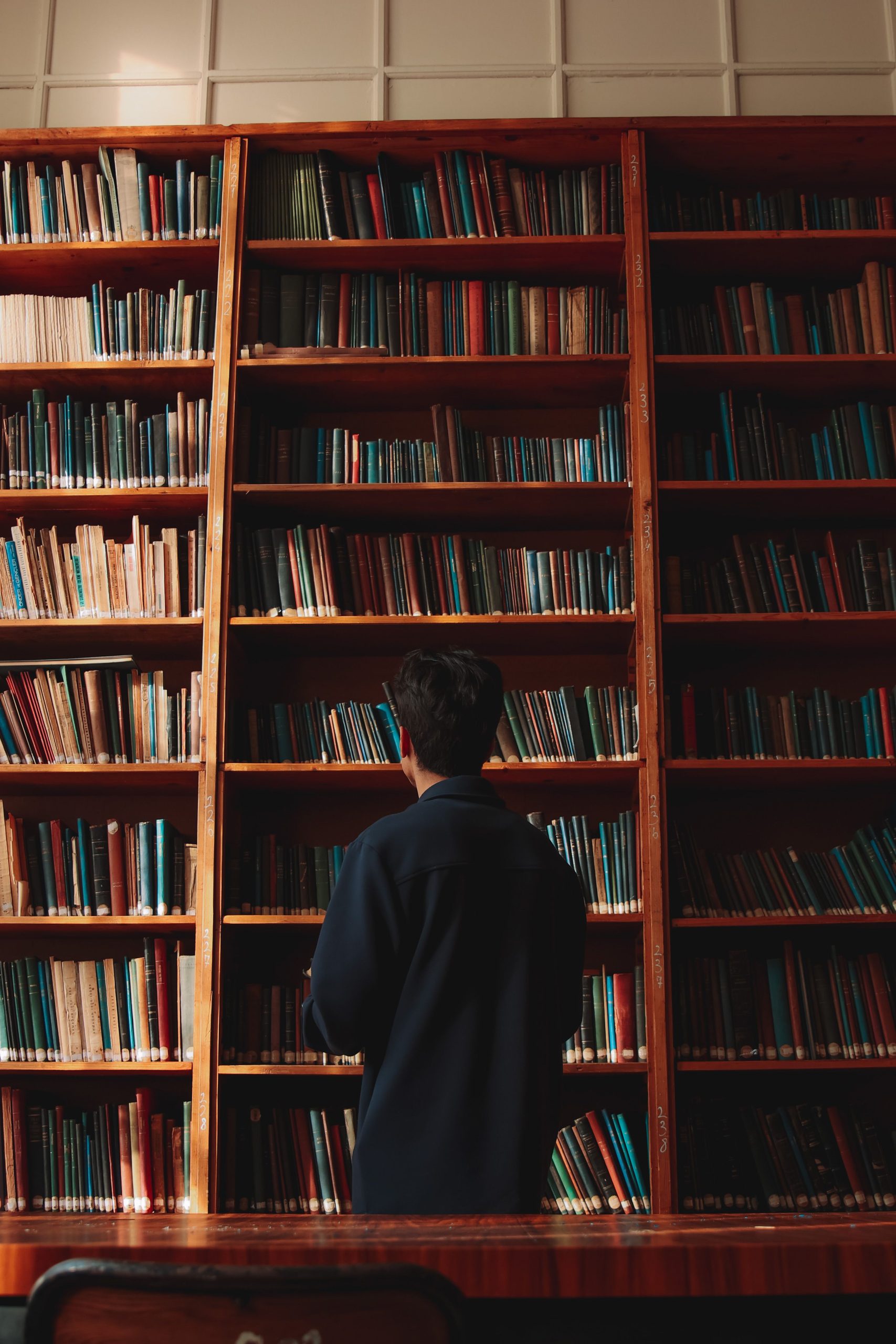
Most of us have an outlet like this, the thing that kept the creative part of us alive when nothing else around us did. Its value is well documented. In 2019, the World Health Organization published a review of over 3,000 studies on the arts and health, and found “a vital role for the arts in the prevention of ill health” and the promotion of wellbeing. For a teenager with a spray can, it was simpler than that. It was a way of saying I was here, and that I could make something.
Paris, Laos, Melbourne, Japan: A Third Culture Kid’s Shelves
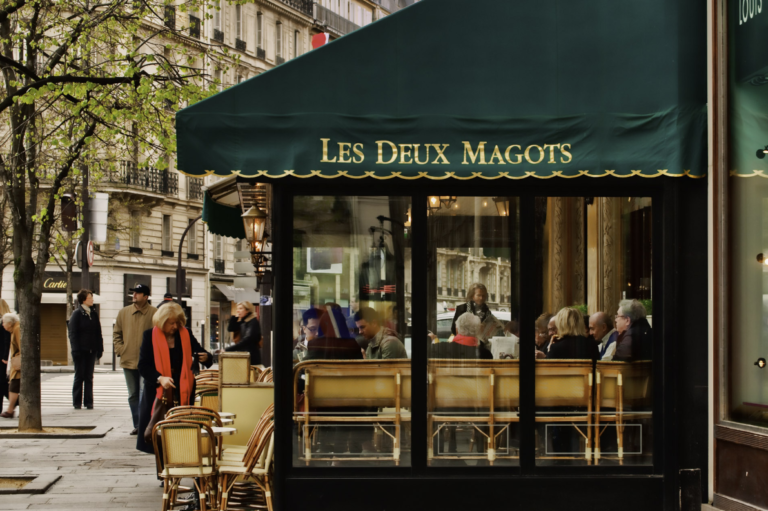
I have loved many places because I am what sociologists call a third culture kid. I followed my parents from country to country, from Paris to Laos and eventually to Melbourne. My wife grew up the same way, and I think that is why we clicked. After we married, I fell in love with Japanese culture, and now it has its own shelf too.
The term “third culture kid” was coined in the 1960s by the sociologist Ruth Hill Useem for children who spend their formative years outside their parents’ culture. The writer David Pollock observed that for these children “the sense of belonging is in relationship to others of similar experience,” which describes my marriage better than I ever could. Anyone who has moved cities, migrated, or fallen for a culture that is not their own will know these shelves, and they bring a gift. In a study published in 2009, psychologists found that the longer people had lived abroad, the more creative they were at solving problems; travelling abroad did not show the same effect, only living there.
The Darkest Shelves, and the People Who Never Made It to My Current Life
I have loved many people and many animals, and these are perhaps the darkest shelves in the library. When someone we love leaves this world, it hurts to go back there. Grief researchers would not be surprised that this includes our pets: a study published this year by psychologists at Maynooth University found that grief after a pet’s death was as likely to become prolonged as grief for a close friend, and just over one in five people who had lost both said the pet’s death hurt more.
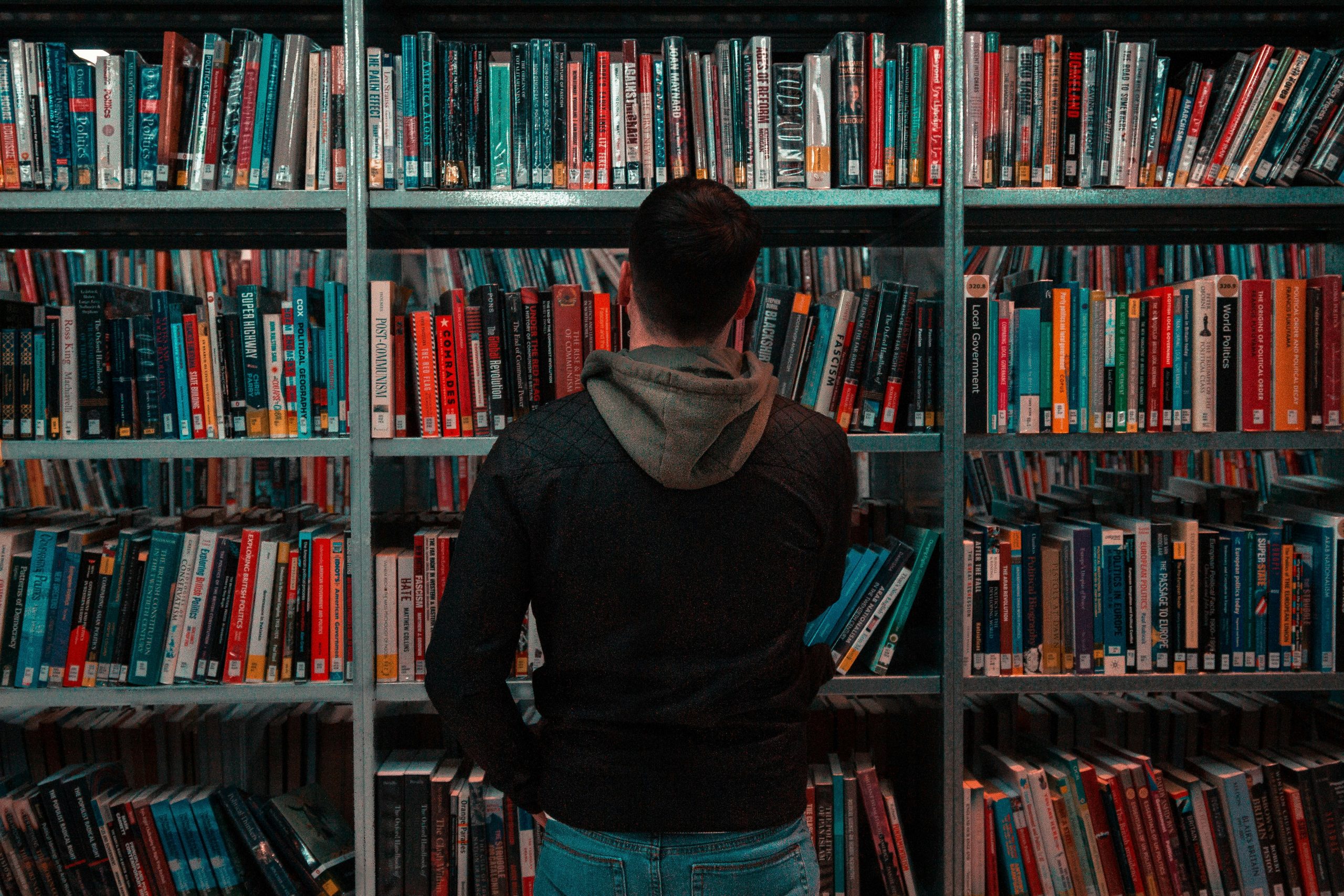
Those shelves also remind me why the best feelings are temporary, and why perhaps they should be. The psychologist Jaime Kurtz asked university seniors, six weeks before graduation, to think of it either as very soon or as far away. Those told it was near made more of their remaining time. “Thinking about an experience’s future ending,” Kurtz concluded, “can enhance one’s present experience of it.” Knowing that a dog’s life is short is part of why we love it so completely.
The same section holds people who are still alive and never made it into my current life: friends I drifted from, loves that never became what I thought they would, people I broke up with. Drifting is ordinary. A Dutch study that followed more than 600 people for seven years found that we lose about half of our close friends and replace them with new ones over that time.
Whatever we tell ourselves, those people stay on the shelf, and they made us who we are now. A study of students after a breakup, published under the title “I’ll Never Be in a Relationship Like That Again,” found that most reported growing from it, in small and specific ways, such as learning to admit when they were wrong.
The Shelves I Love Most Are Still Empty
Finally, I love the empty shelves. The psychologists who showed that we fold the people we love into ourselves also proposed that we have “a basic motivation to expand”: to keep growing by taking in new people, skills and experiences. The self they describe is a collection that wants to keep growing, and I find that enormously hopeful.
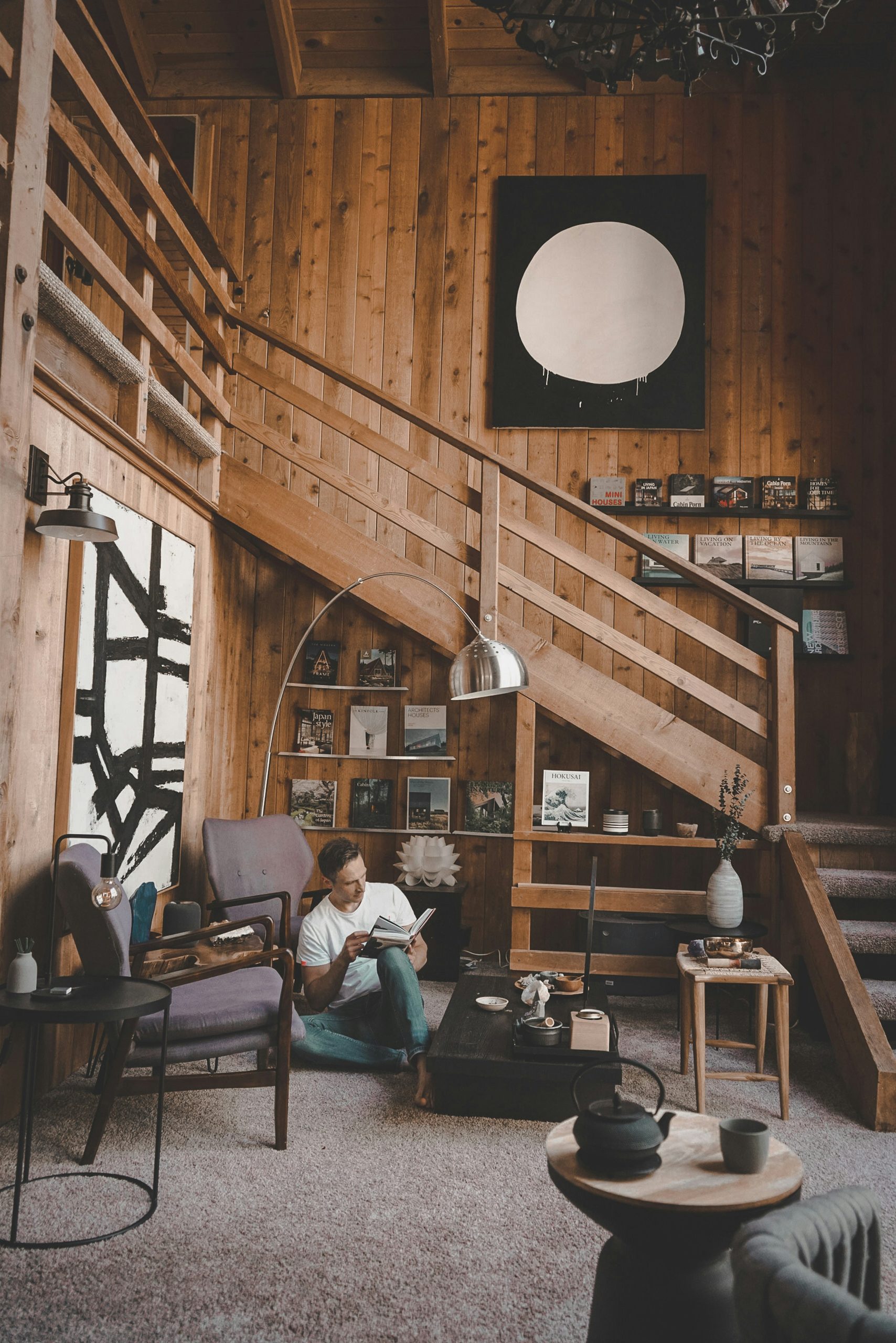
Somewhere ahead there are books I have not yet opened that will feel as if they were written for me, songs I have not heard that will mark a year of my life, places I have not visited, people I have not met, and stories I cannot yet imagine. Each will find its place beside my grandfather’s voice, the lion cub, the telescope, the spray can and the dogs I have lost, and each will change a little how I read everything else. The library of everything I have loved is also a library of everything I am still going to love, and the empty shelves are where its best stories are waiting.

Vincent Minatozaki
Vincent is the founder and Editor-in-Chief of 1000 Libraries Magazine. He is a Paris-born ex-corporate turned bookseller and philosopher, on a global mission to spread the joy of physical books in our age of digital technology.