
Discover how hygge teaches us to slow down, share space, and embrace the park bench as the real antidote to modern loneliness.
It is rare that a piece of furniture plays such a principal role in the world of cinema. We award the people, the form, the dialogue, but rarely the inanimate objects. And yet, Forrest Gump, Good Will Hunting, La La Land, and When Harry Met Sally – some of the most loved and regarded films of all time – are all united by a humble piece of furniture: the park bench.
Park benches are the places for beginnings, ends, and in-betweens. A realisation or a moment’s pause, or an opportunity for an honest conversation. The beauty of the park bench is that it is not owned by anyone, and that means it is open to everyone. In the films, it is a chance for two characters to discuss their true emotions; it removes the filter; they are out in the open together. Most of us will remember the emotion that poured out of Robin Williams in Good Will Hunting, when he reveals to the protagonist Will a little more about his own life.
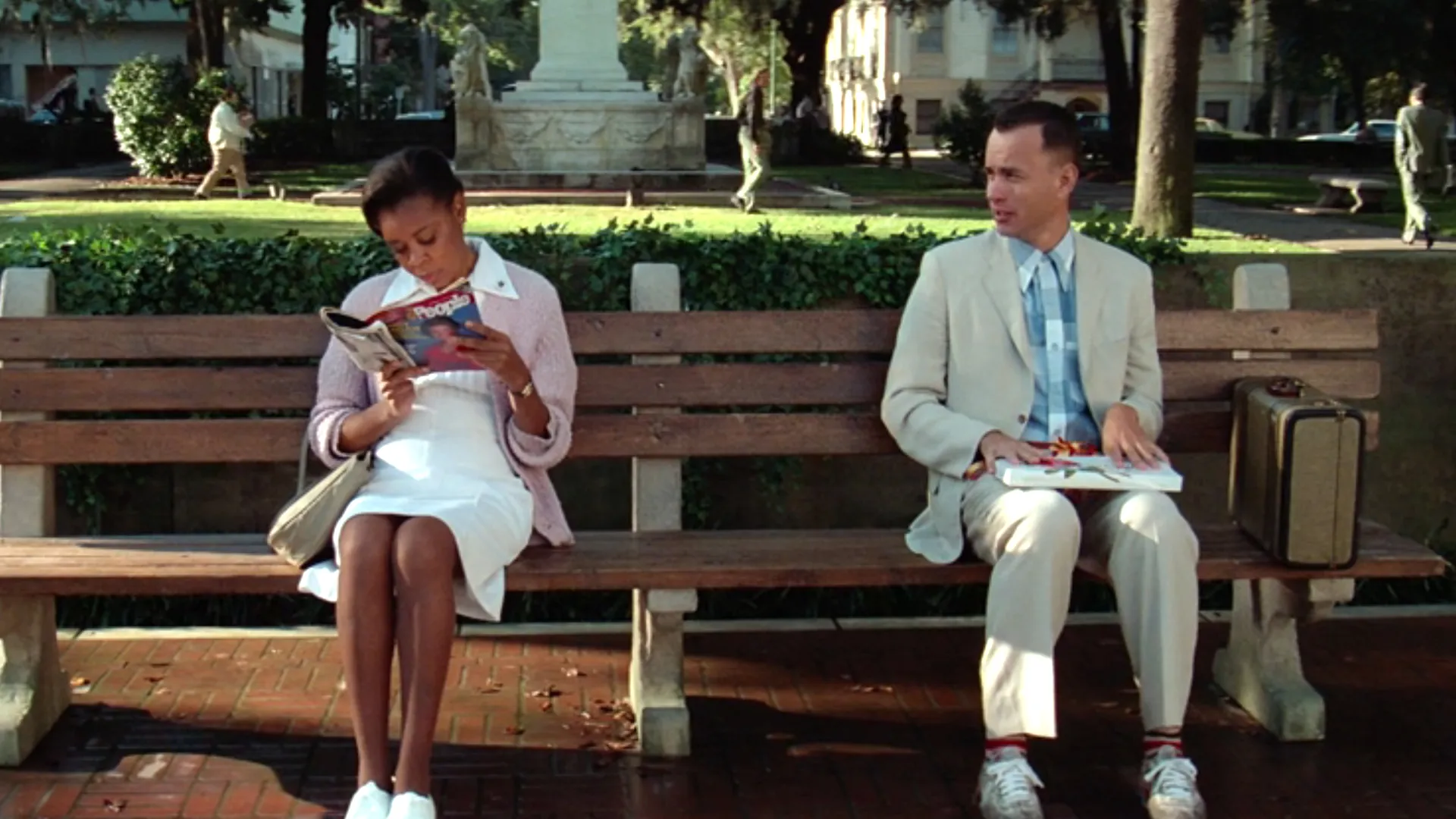
Park benches are, above all, places of encounter. Connection with ourselves and the intimacies of our thoughts, watching the world turn by us, the leaves dance in the wind, the dogs and children, and strangers. Or they are places to connect with others, start up a conversation like in the famous ‘life is like a box of chocolates’ scene in Forrest Gump, or lie calmly in the lap of the love of your life, like in the closing scene of Notting Hill.
The Importance of Third Spaces
The park bench is an ode to the importance of third spaces. A ‘third’ space is somewhere that is neither your home (your ‘first’ space) nor your work (your ‘second’ space). These spaces are diverse; they can range from public parks to libraries to skate parks. Despite their differences, they are united in the fact that they are open to all.
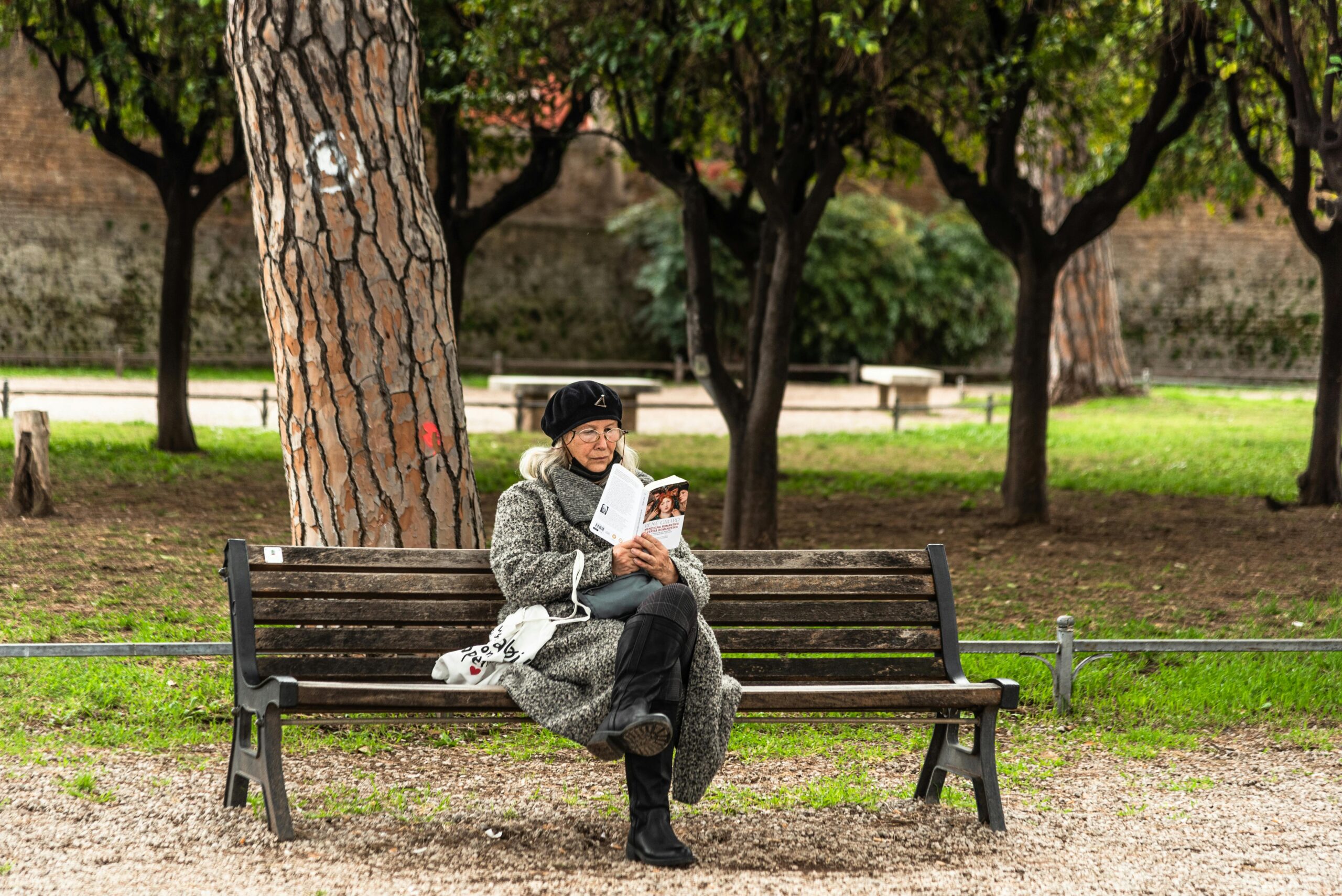
It was sociologist Ray Oldenburg who came up with this term; he had realised the importance of informal spaces where the community could gather. For Oldenburg, third spaces extended beyond just places for leisure or time-passing – they were essential to a functioning democratic society.
The Architecture of Community
The world is lacking in community, that much we can be sure of. Whilst we might be able to live more online, we are becoming more and more isolated. It has become strange to make small talk, to bond with new people, to exist in a society rather than our own personal ecosystems. Third spaces allow for the nurturing of a community and the relationships within them, either in sustaining existing connections or creating new ones.
Human beings were never meant to live so individually; we have always needed others to thrive and survive. We have always needed others to find joy.
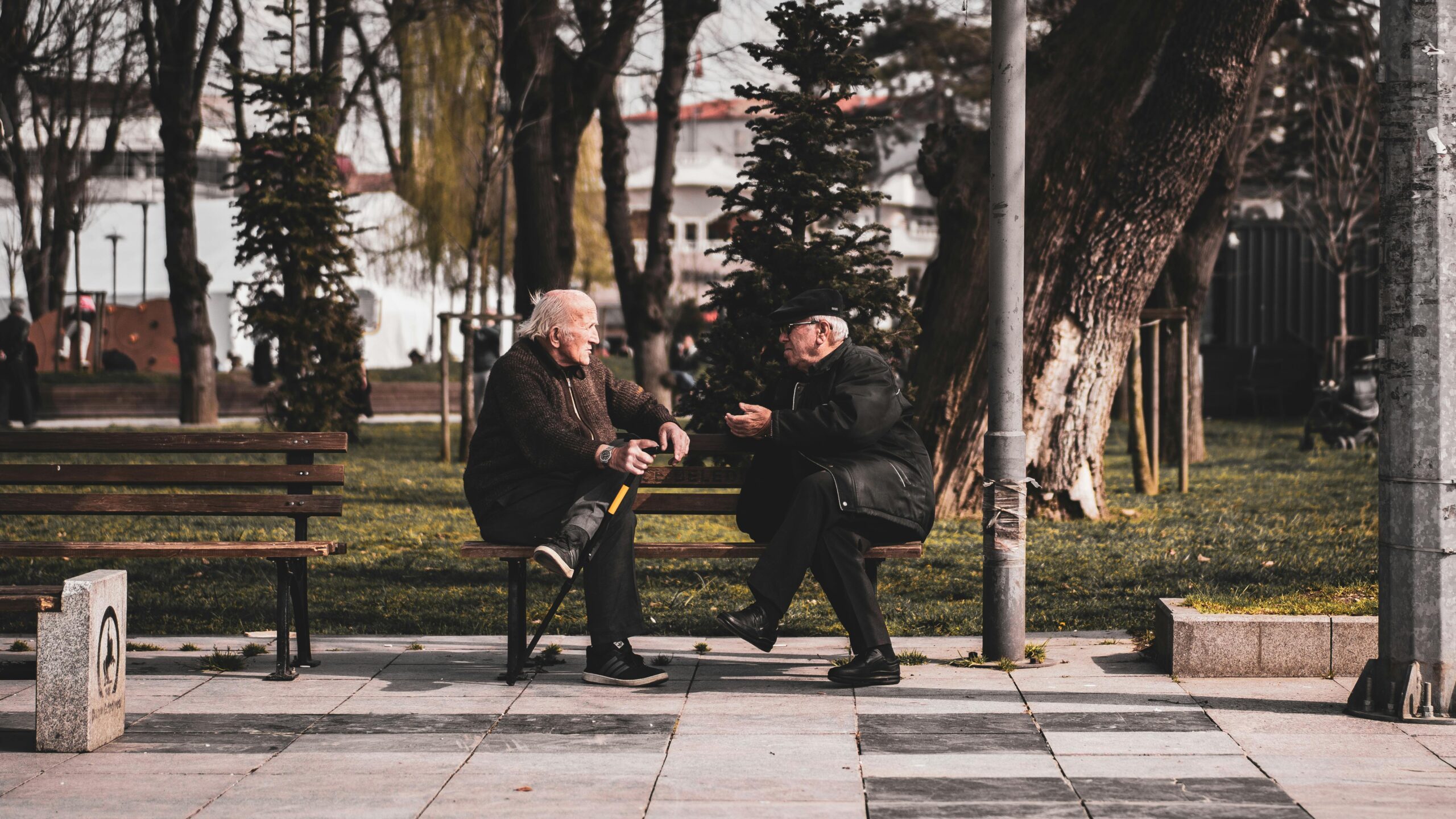
Parks are beautiful examples of such spaces. They provide a little escape into nature, where one can listen to the tinkling of bird chatter or feel the sun on their skin. Parks are open to visitors of all ages, provided visitors are respectful. You could spark a conversation with that dog-walker you see every Saturday morning, or have an evening picnic with others who live in your neighbourhood.
Hygge and the Art of Presence
The Danish philosophy of hygge has captured the attention of the world, and so warmly reminds us of the importance of connection and shared spaces. Hygge cannot be reduced to a single definition, but it is most commonly known as the warmth and cosiness ascertained by a feeling of conviviality and comfort.
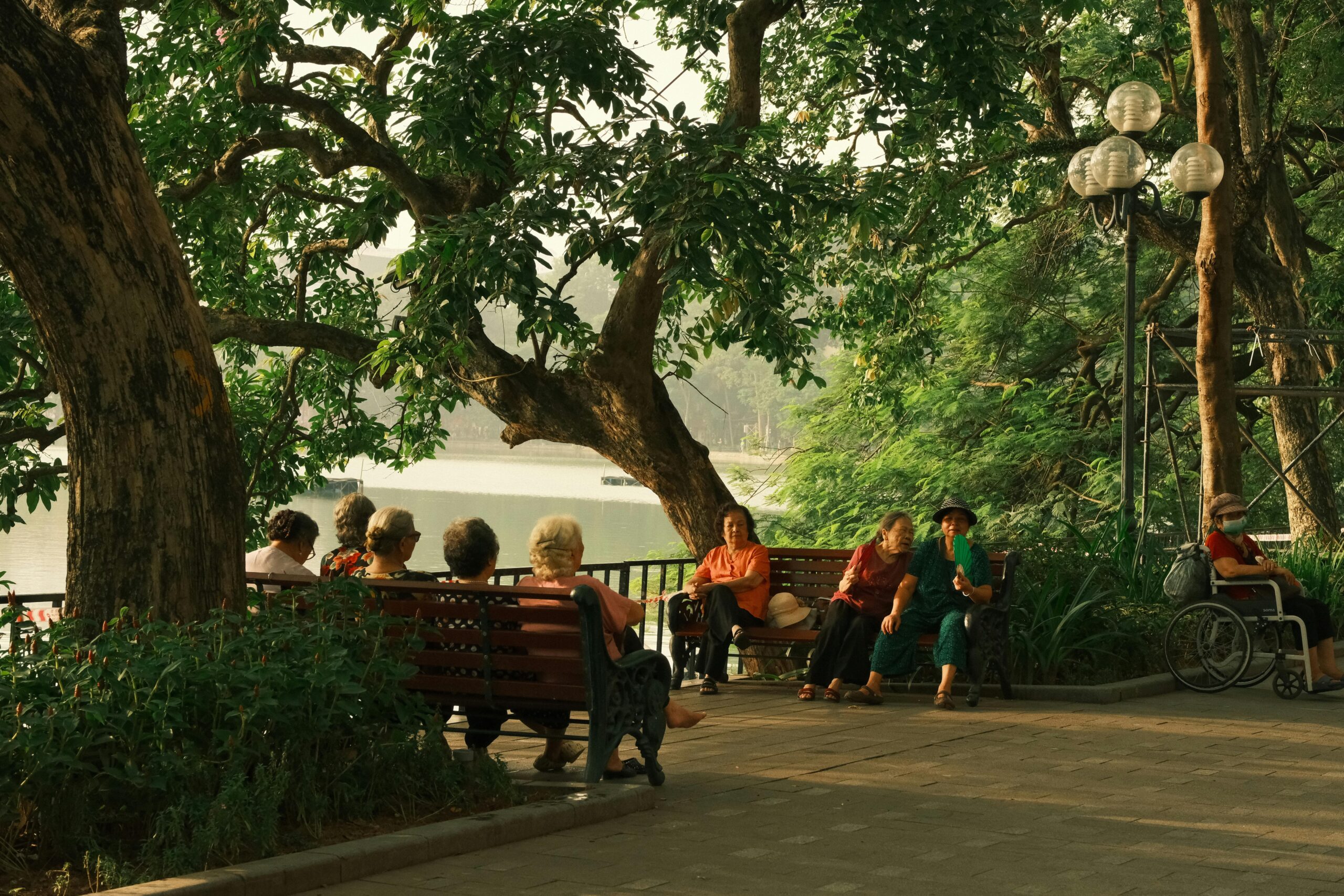
This philosophy outlines the necessity of spending time together, of shared conversation and gentle reflection. Unlike the digital pressure to always live in the future, hygge calmly pushes back against a culture of instantaneousness. It reminds us to live in the now. To sit on a park bench and talk about the weather.
Sharing Space with Strangers
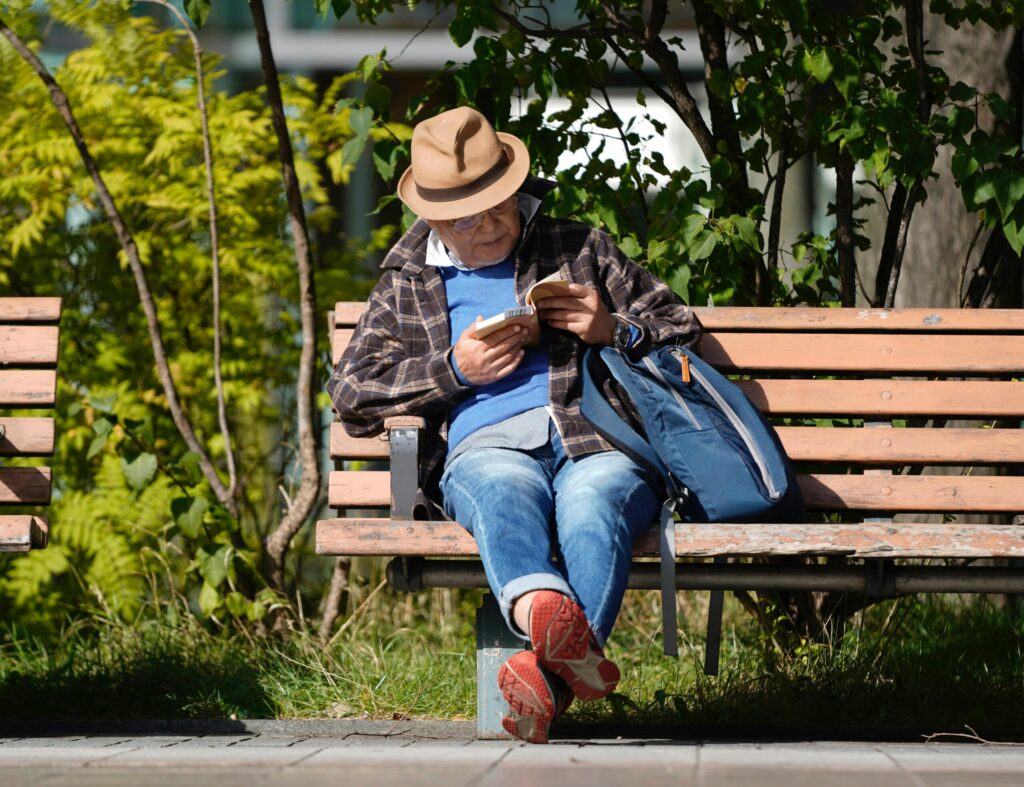
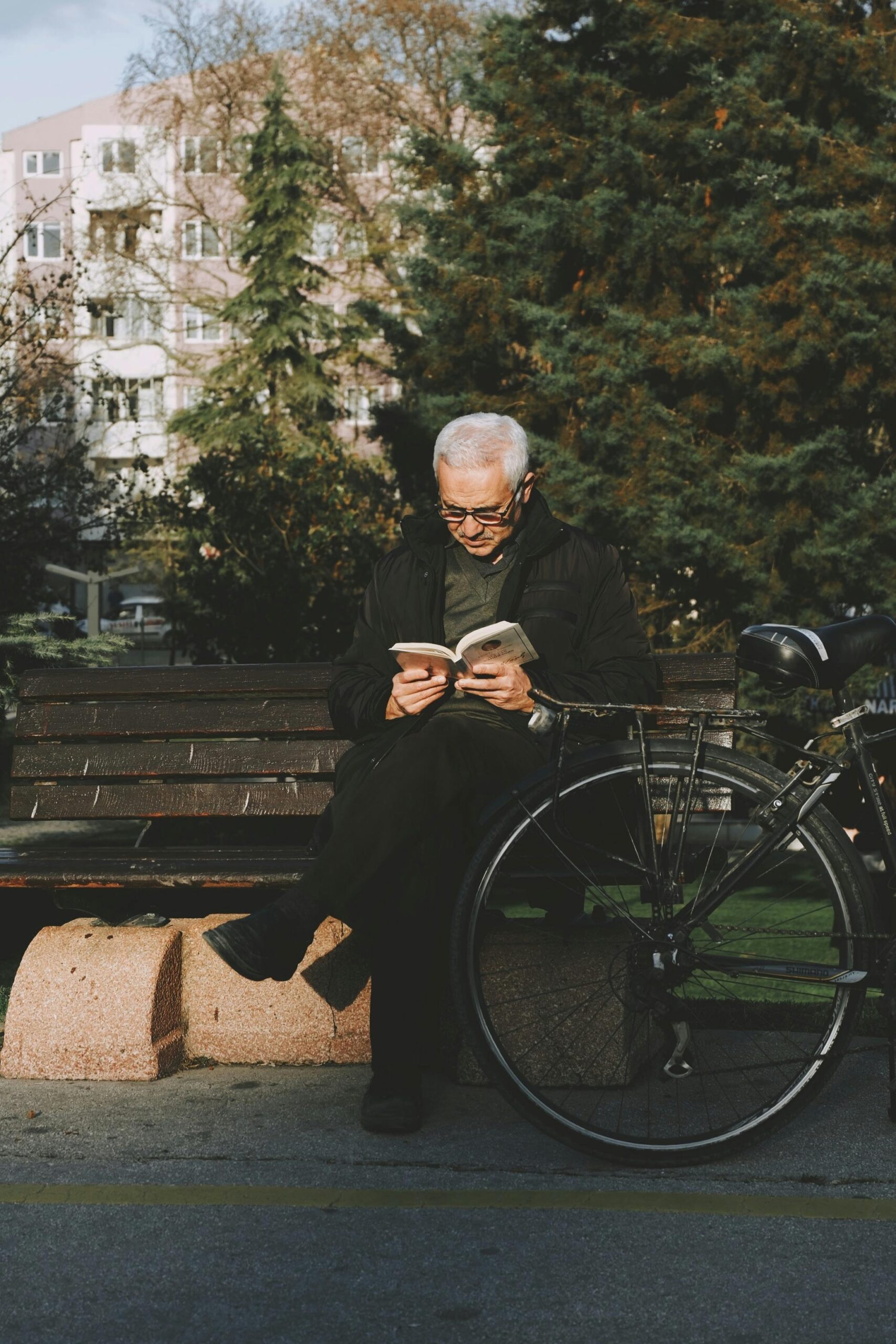
I have noticed in my own life that each time I go for a walk to my local park, I feel a sense of relief. I don’t even have to talk to anyone; just being surrounded by other people reminds me that I exist as a part of something greater. All of my problems and anxieties seem smaller. Inconsequential. I can sit down on a park bench and read my book, and soon someone else will join me. We may not say anything, but we are bound to that moment. We are aware that our space is shared, and that carries weight. It is important.
The ‘loneliness epidemic’ doesn’t have a digital solution. Often, the best resolutions are the oldest, the ones we have used for centuries, because we have seen them work. Creating physical infrastructure allows for the only real elixir – because it facilitates genuine connection. It provides the playground for real life to happen, and it permits us to live beyond our screens. We do not need more applications. We need more benches.


Vincent Phan
Vincent is the founder and Editor-in-Chief of 1000 Libraries Magazine. He is a Paris-born ex-corporate turned bookseller and philosopher, on a global mission to spread the joy of physical books in our age of digital technology.