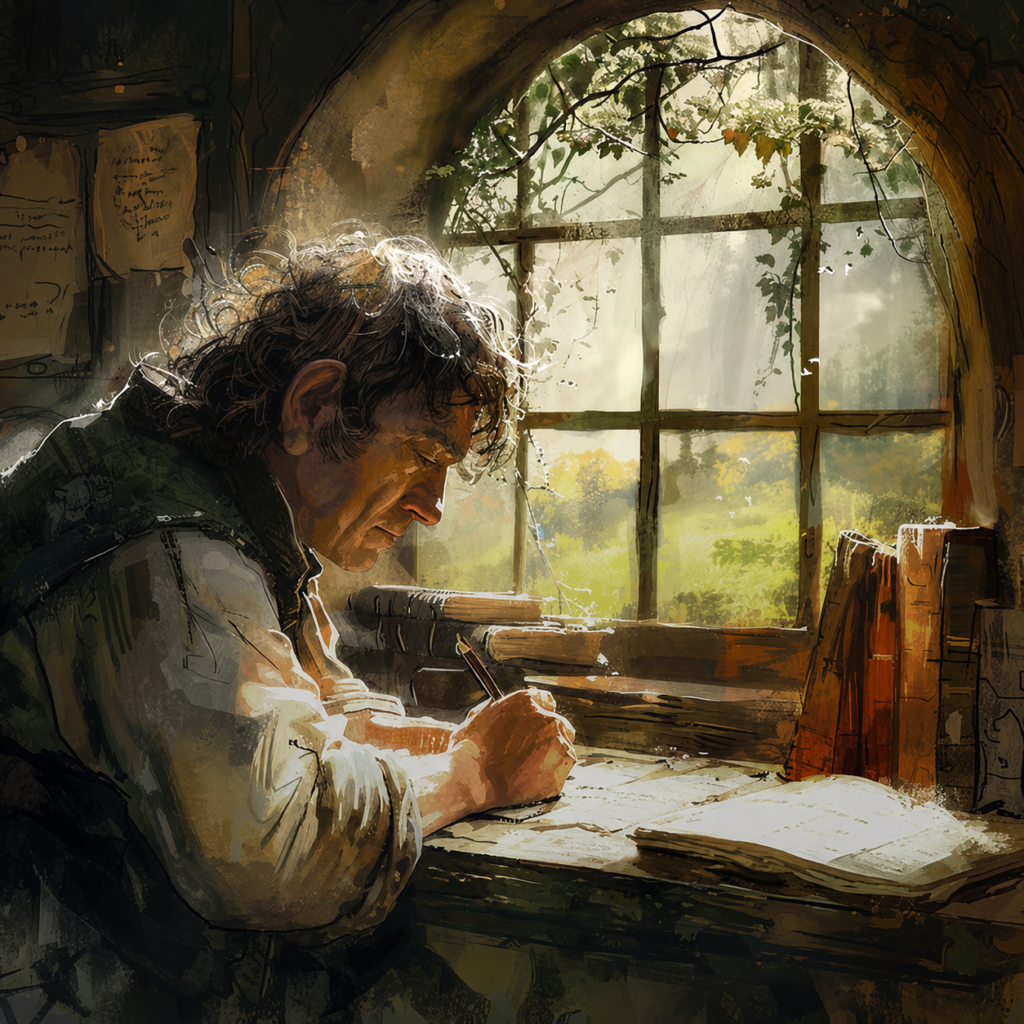

Explore the folk-music craft behind Concerning Hobbits, and why The Lord of the Rings score makes you homesick for the Shire, a place that never existed.
Press play on “Concerning Hobbits,” the second track of The Lord of the Rings: The Fellowship of the Ring, and something strange happens in your chest. A tin whistle lilts over a warm, rolling melody, a fiddle picks it up, and suddenly you ache for green hills you have never walked, a village you have never lived in, and a home you never had. You are homesick for the Shire. The peculiar thing is that the Shire is not real, but the feeling is.
There is even a word for it: anemoia, coined by the writer John Koenig for nostalgia toward a time or place you have never known. That the feeling can be conjured at all is a small marvel, and the reason is not a formula but something older and more human: craft.
The Claim Versus the Craft
Over roughly four years, Howard Shore built one of the most emotionally precise scores in film history, drawing on centuries of musical tradition. His brief from director Peter Jackson was gloriously plain, as chronicled in breakdowns of the piece: make it “hobbity,” handmade and organic rather than grand.
To do it, Shore worked in the manner of the 19th-century opera composer Richard Wagner, using the leitmotif, short, recurring themes tied to characters, places, and peoples, and treated his three films as a single “opera in three acts.” More than ninety percent of the trilogy carries music, woven from a tapestry of interlocking themes so vast that, across the Rings and Hobbit films, Shore composed one of the largest bodies of thematic music in cinema. The feeling you get is real and close to universal. It comes from craft and cultural memory, patiently assembled note by note.
Inside “Concerning Hobbits”
Nowhere is that craft clearer than in the track itself. Barely three minutes long, “Concerning Hobbits” is not really one tune but a concert suite Shore assembled from the music of the early Shire scenes, threading several distinct hobbit themes together. As The Sound Vault’s breakdown details, it moves through three settings of the Shire theme: a “pensive” version carried by solo whistle, a “sprightly rural” version led by fiddle, and an expansive, hymn-like setting for full strings.

Listen for the heartbeat underneath. That steady, gentle pulse is a bodhrán, an Irish frame drum once nicknamed the “poor man’s tambourine,” and Shore uses it to make the whole Shire feel like a living, breathing thing. Around the whistle and fiddle he layers a Celtic harp, a hammered dulcimer, guitars, and recorders, the instruments of a fireside gathering rather than a concert hall. The result sounds less composed than remembered, as if you are overhearing a song a village has always sung.
Why the Shire Feels Like Home
So why does a three-minute cue move grown adults to tears? Part of the answer is in the notes themselves. Musicologists point out that the Shire theme is built on a pentatonic scale, specifically an anhemitonic one, a five-note scale with no half-steps. That is the same family of gentle, open intervals found in folk songs and lullabies the world over: in Irish ballads, in Chinese and West African melodies, in Andean panpipe tunes, in the songs we sing to children. It sounds “old” and “innocent” to us because it genuinely echoes the simplest, most ancient music humans make.
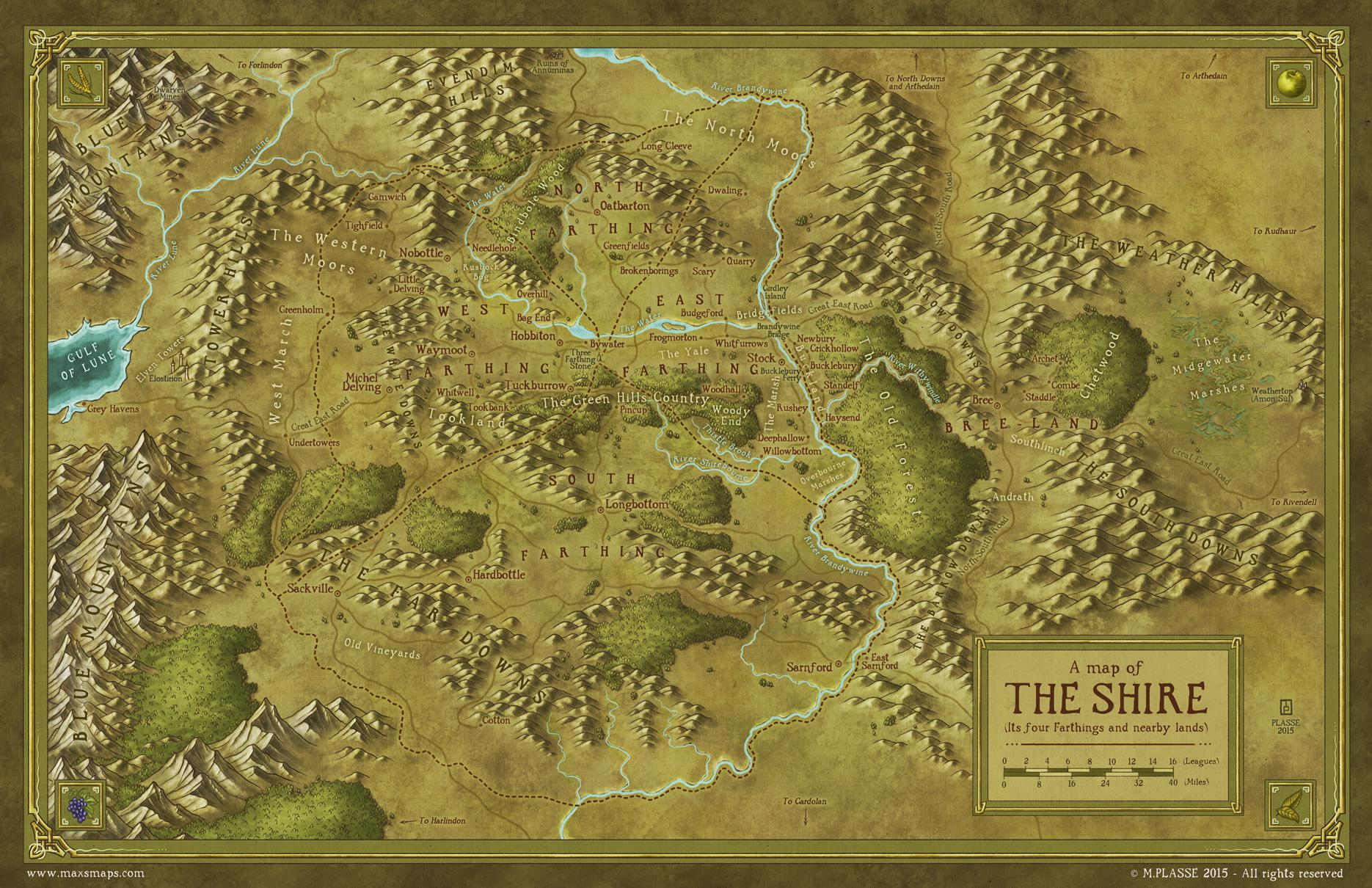
The instrumentation seals it. By handing the melody to the tin whistle, an instrument steeped in Scottish and Irish folk tradition, Shore reaches for a sound that already means “hearth and home” to millions. According to the official Lord of the Rings in Concert programme, he gave every people of Middle-earth its own sonic fingerprint: Celtic warmth for the rural hobbits, ethereal Eastern colors for the elves, a guttural chorus and hammered stone for the dwarves, and Japanese taiko drums and chains beaten on piano wires for the industrial orcs. The music does not merely accompany Middle-earth; it maps its cultures.
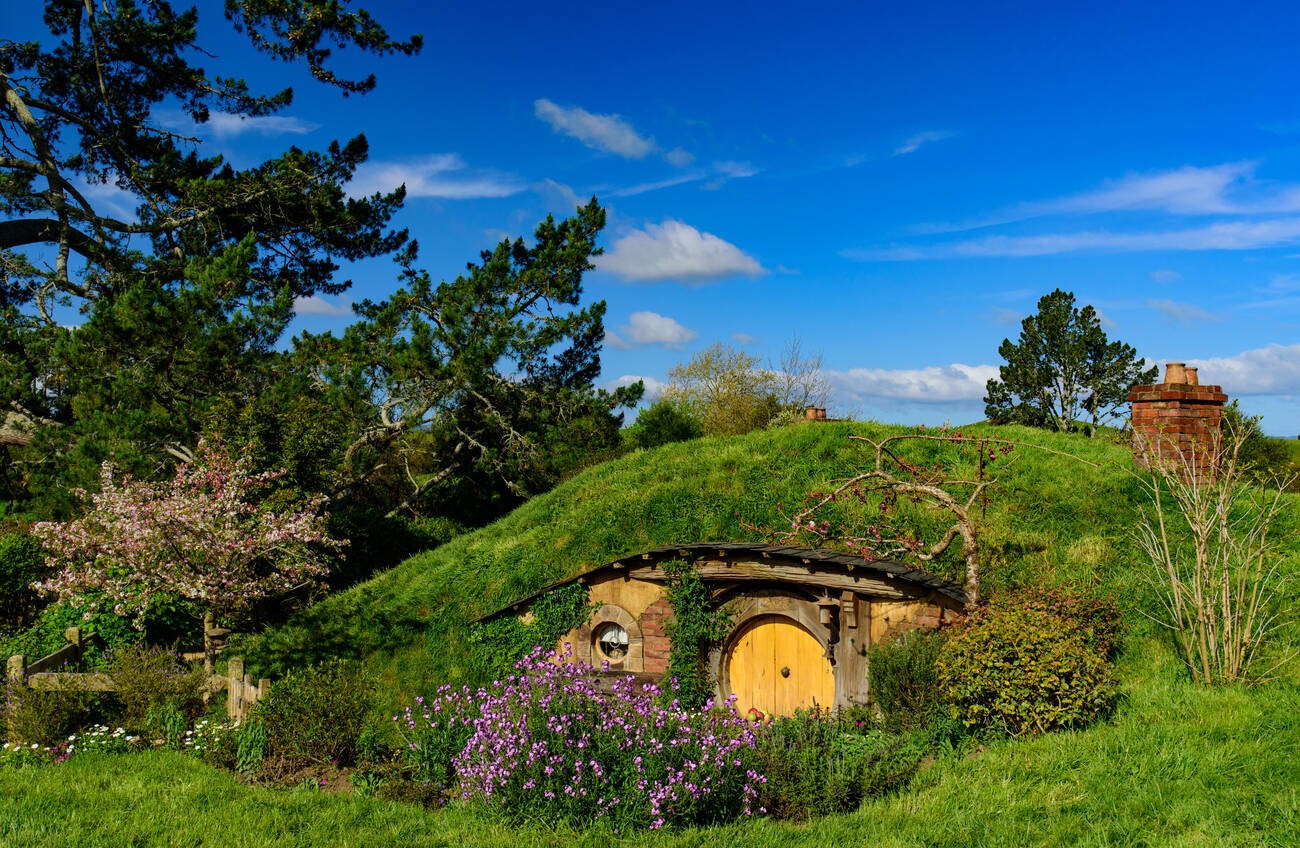
The effect is a kind of instant folk-memory. You have never been to Hobbiton, but you have heard music like this, at a wedding, in an old recording, in something a grandparent hummed. Shore borrows that association and gently redirects it toward a place that never existed. Although Tolkien envisioned the Shire as an idealized version of rural England, particularly the English Midlands, Shore scored it with a musical palette that many listeners associate with Celtic traditions, especially Irish folk music. The result is an artistic interpretation that evokes nostalgia and pastoral life rather than a literal musical translation of Tolkien’s English setting.
A Longing Tolkien Knew Well
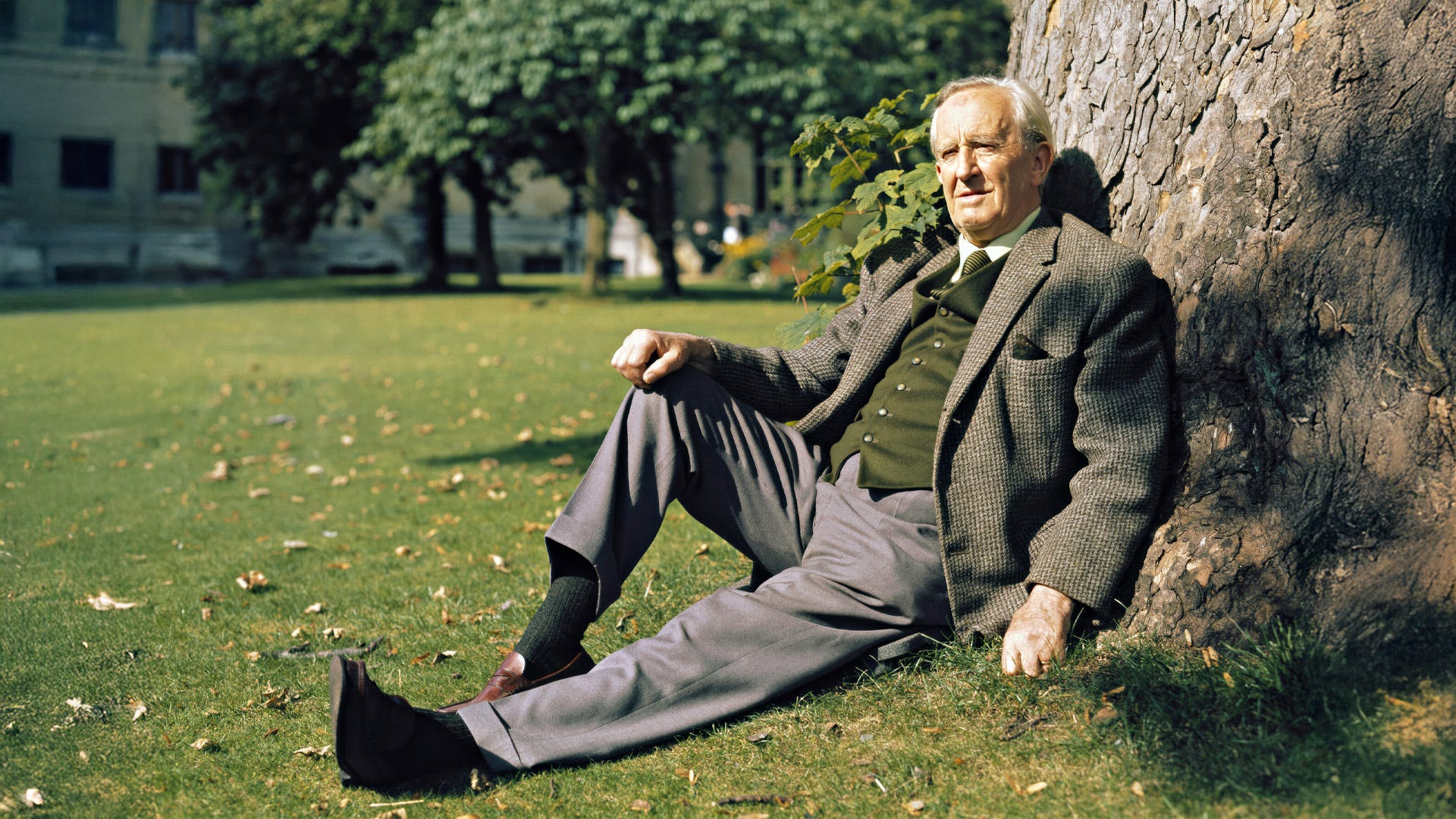
There is a lovely symmetry here, because the ache for a vanishing rural world runs through Tolkien’s books themselves. The Shire was the Oxford professor’s love letter to a pre-industrial English countryside he watched disappear in his own lifetime. In his essay “On Fairy-Stories,” Tolkien argued that myth and fantasy could help us achieve what he called recovery, a clearer sight of the ordinary world we have stopped truly seeing. Writer and composer, decades apart, were reaching for the same thing: the warmth of a simple home you sense you are about to lose.
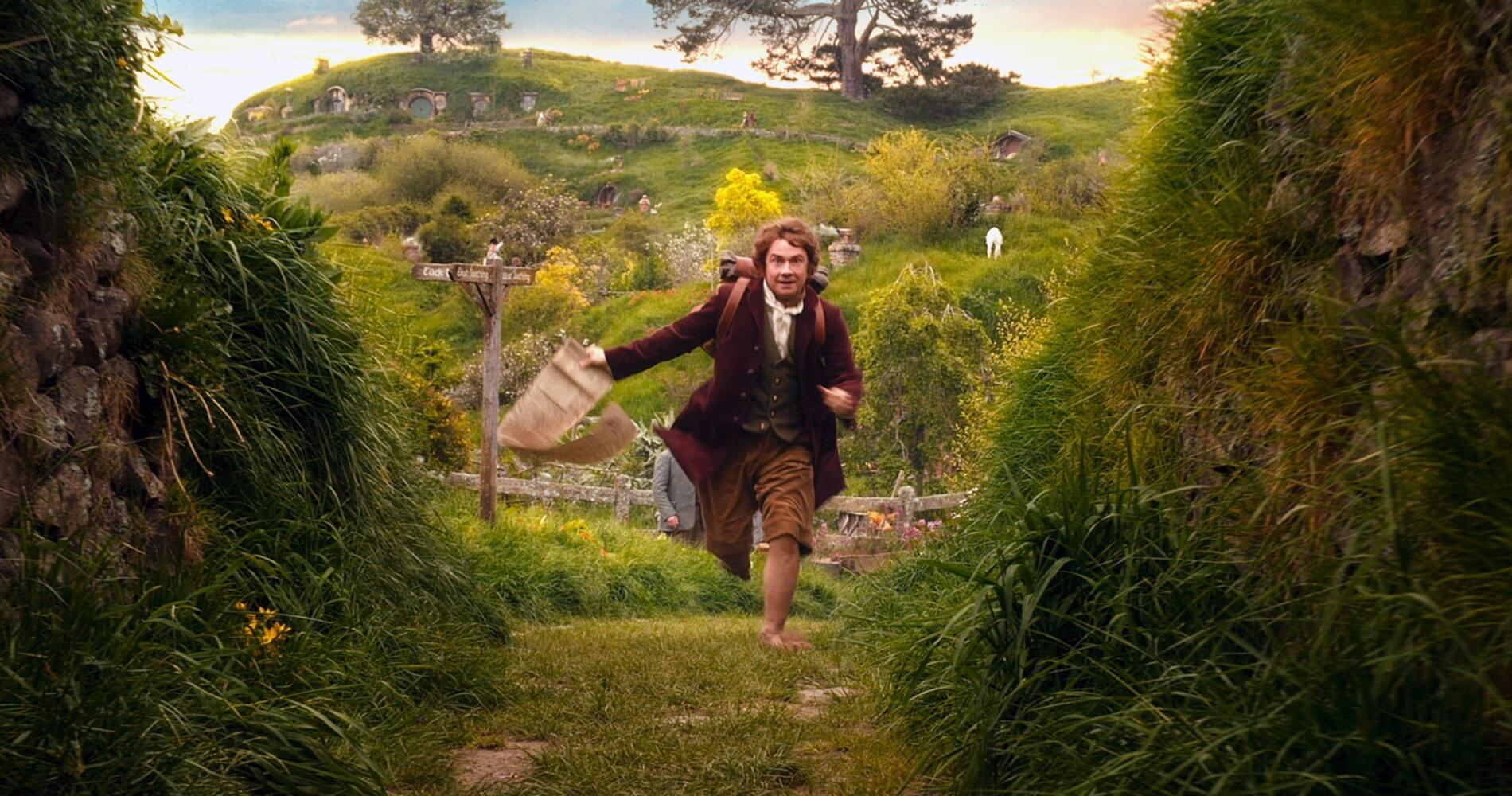
Other cultures have their own names for this bittersweet longing, the Portuguese saudade, the Welsh hiraeth. Shore’s quiet genius was to bottle that emotion and pour it over a map of an imaginary world, which is why, when the hobbits finally leave home, the same tender melody can swell into something noble and aching, a reminder in sound of everything they are fighting to protect.
What It Teaches Us About Our Own Homes
Here is the part worth carrying out of the cinema. “Concerning Hobbits” lands because it points at something already true in us. Most of us are quietly homesick, for slower seasons, for real community, for the analog textures of a life lived at a human pace. A tin whistle and five notes can summon all of that in ninety seconds because the longing was already there, waiting.
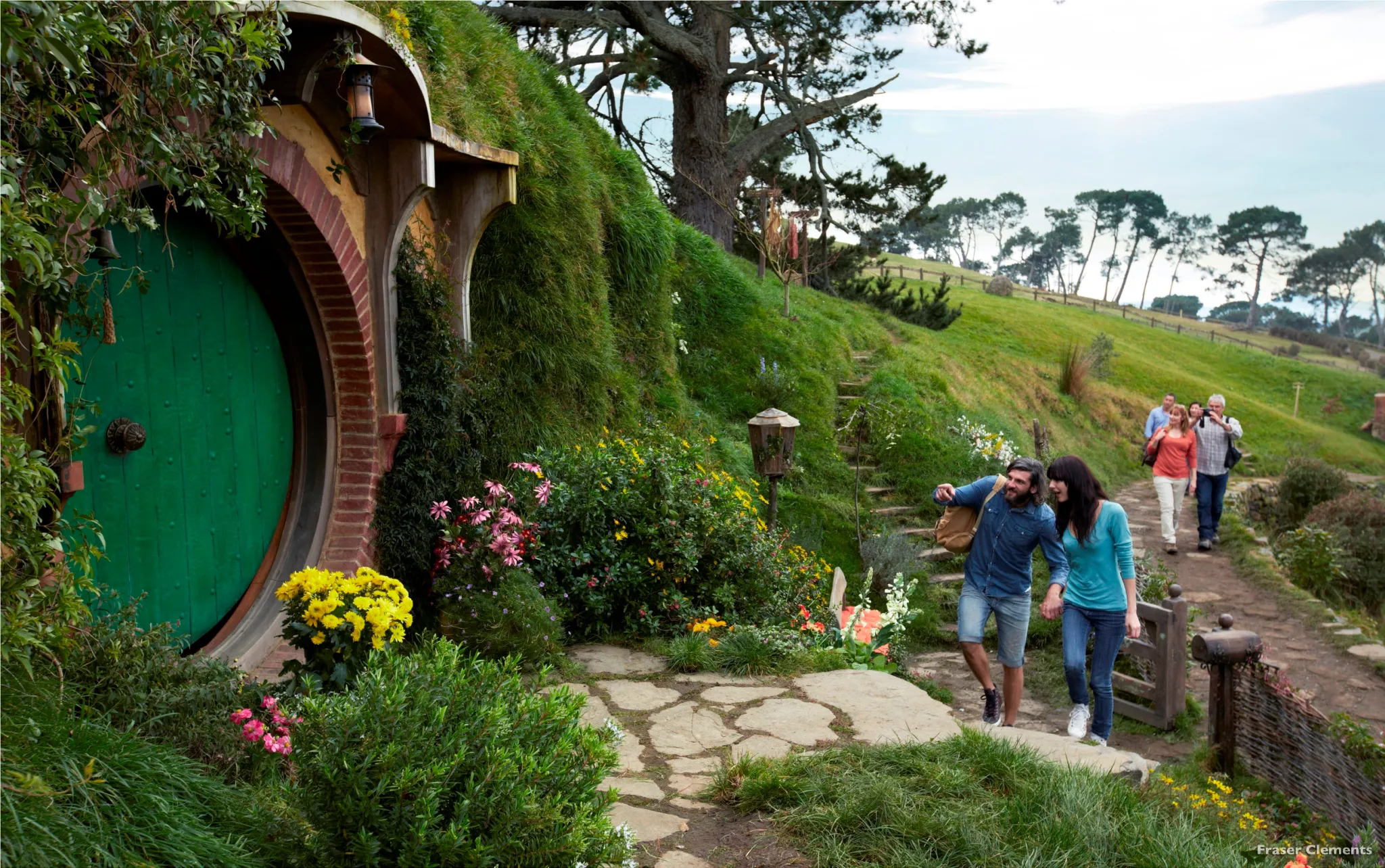
You can chase that feeling in richer ways than replaying the soundtrack. Learn the folk music of a culture not your own and notice how quickly it feels familiar; the pentatonic scale is a bridge that spans nearly every musical tradition on earth. Walk a real village slowly, the way a hobbit would. Read the Tolkien passages that inspired Shore and hear the music beneath the prose. Wonder, genuinely, why an Irish drum can make a listener in Tokyo or Toronto feel at home. That wonder is the beginning of world citizenship: the recognition that longing for home is one of the most universal things we share.
The Real Magic
So, was The Lord of the Rings score designed to make you homesick for a place you’ve never been? In a sense, yes. But not through a secret formula. It was shaped by a patient, knowledgeable, learned composer who understood how folk traditions, familiar timbres, and recurring melodies could awaken emotions that already lived within us. That’s not a trick. It is the oldest human technology we have: a melody, passed down and made new, reminding us that we all come from somewhere, and that we are all, always, a little homesick for the green places of the world. Which may be the truest thing “Concerning Hobbits” tells us. The Shire was never real. The home it makes you long for absolutely is.


Millie Ramm
Millie has been writing since she was a child, and has spent more time with her nose in books than anywhere else. She has been ghostwriting novels and editing for the past few years, and when not working she is curled up with her cats, looking for her next read.