
Discover six UNESCO Cities of Literature in Europe that you’d be crazy to miss out on: Lyon, Prague, Barcelona, Granada, Óbidos and Reykjavík.
On a weekday afternoon in Prague’s Old Town, the queue outside the Municipal Library of Prague runs out of the door and into the street. The library’s own advice doesn’t beat around the bush: expect that queue to be two hours in high season, and thirty minutes in the quiet months.
Once inside the library, everyone takes the same photograph: a look down into Idiom, a cylinder of 8,000 books with a mirror at each end, so the shaft seems to extend into eternity. It’s so popular, in fact, that the library has had to give the tourists a door of their own. A spokeswoman told AFP that readers have occasionally joined the line by mistake, holding books they only wanted to return.
Prague is one of more than fifty UNESCO Creative Cities of Literature, but it’s worth understanding the title before you book anything. In short, being a “City of Literature” operates as a membership with obligations attached. A city submits an application demonstrating its commitment and capacity, including a realistic four-year action plan, and member cities submit monitoring reports every four years. Prague itself has been a UNESCO City of Literature since 2014.
For travellers, this means that the literary scene of these places isn’t arbitrary. It’s subject to international scrutiny, and the places awarded the status vary enormously in scale, sitting a village of 3,100 at the same table as a city of 1.6 million.
In Europe, these are a few suggestions about where to start, from the Rhône to the North Atlantic.
Lyon, France
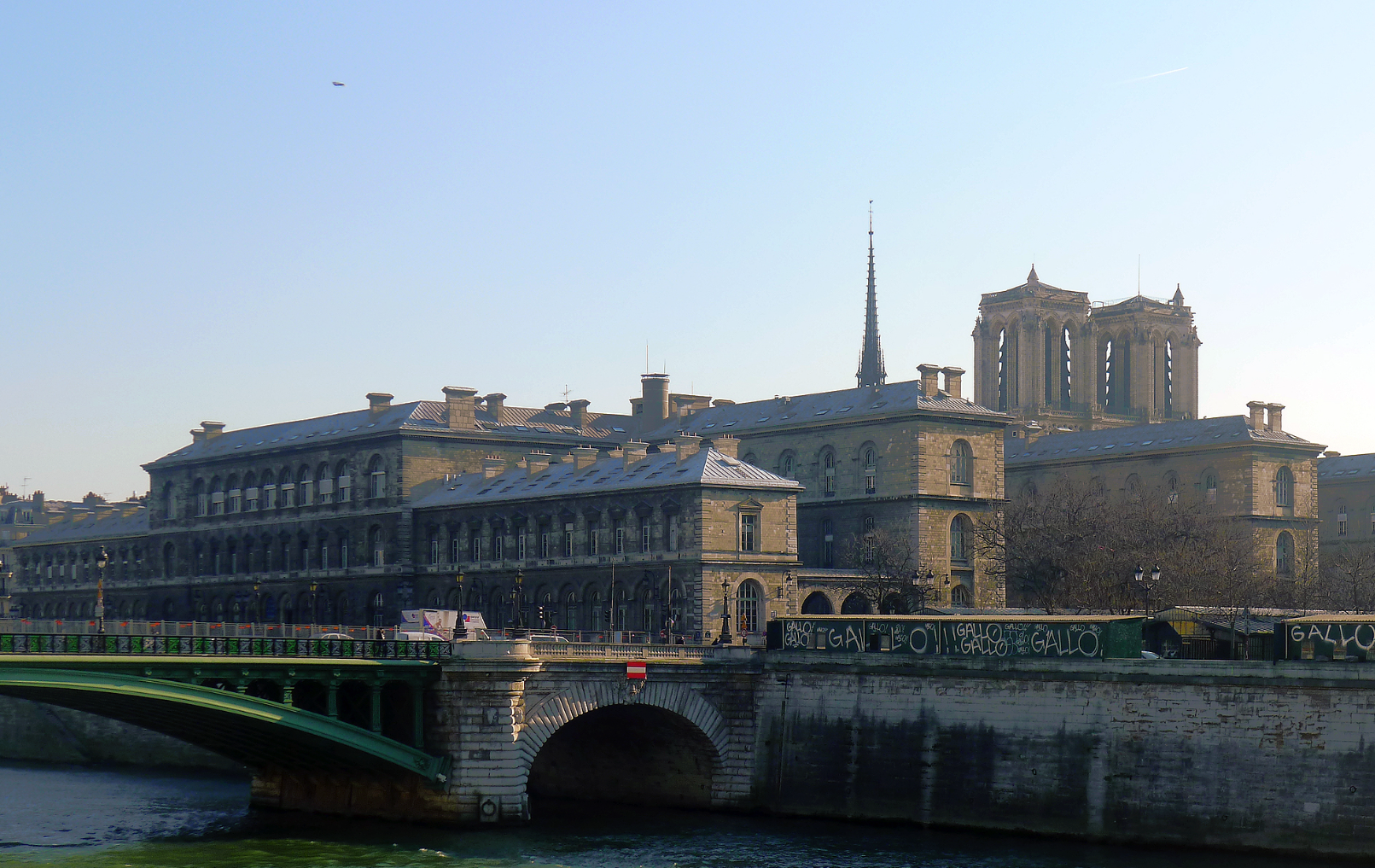
Lyon is the only city in the network to have changed its mind about what it is. It joined in 2008 as a City of Media Arts, then asked UNESCO to move it, and in October 2023 was reclassified for literature. Printing arrived on rue Mercière in 1473, when the merchant Barthélémy Buyer brought a printer down from Liège and set him up there.
By around 1550, that street and its neighbours held close to a hundred workshops, and Claude Nourry printed the first edition of Rabelais’s Pantagruel in the city in 1532, while Rabelais himself was practising medicine at the Hôtel-Dieu. In other words, Lyon has a crystal-clear legacy in literary history.
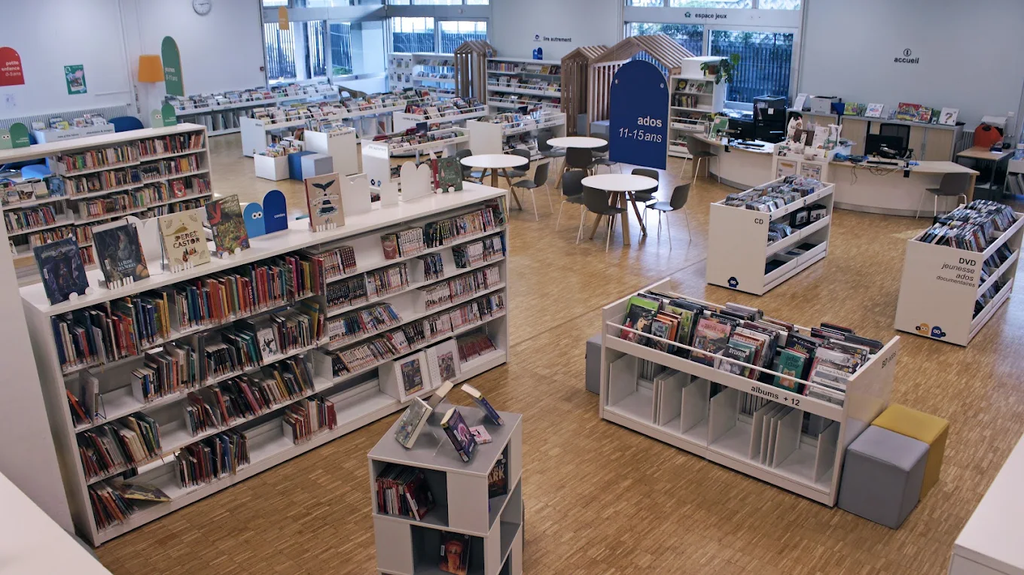
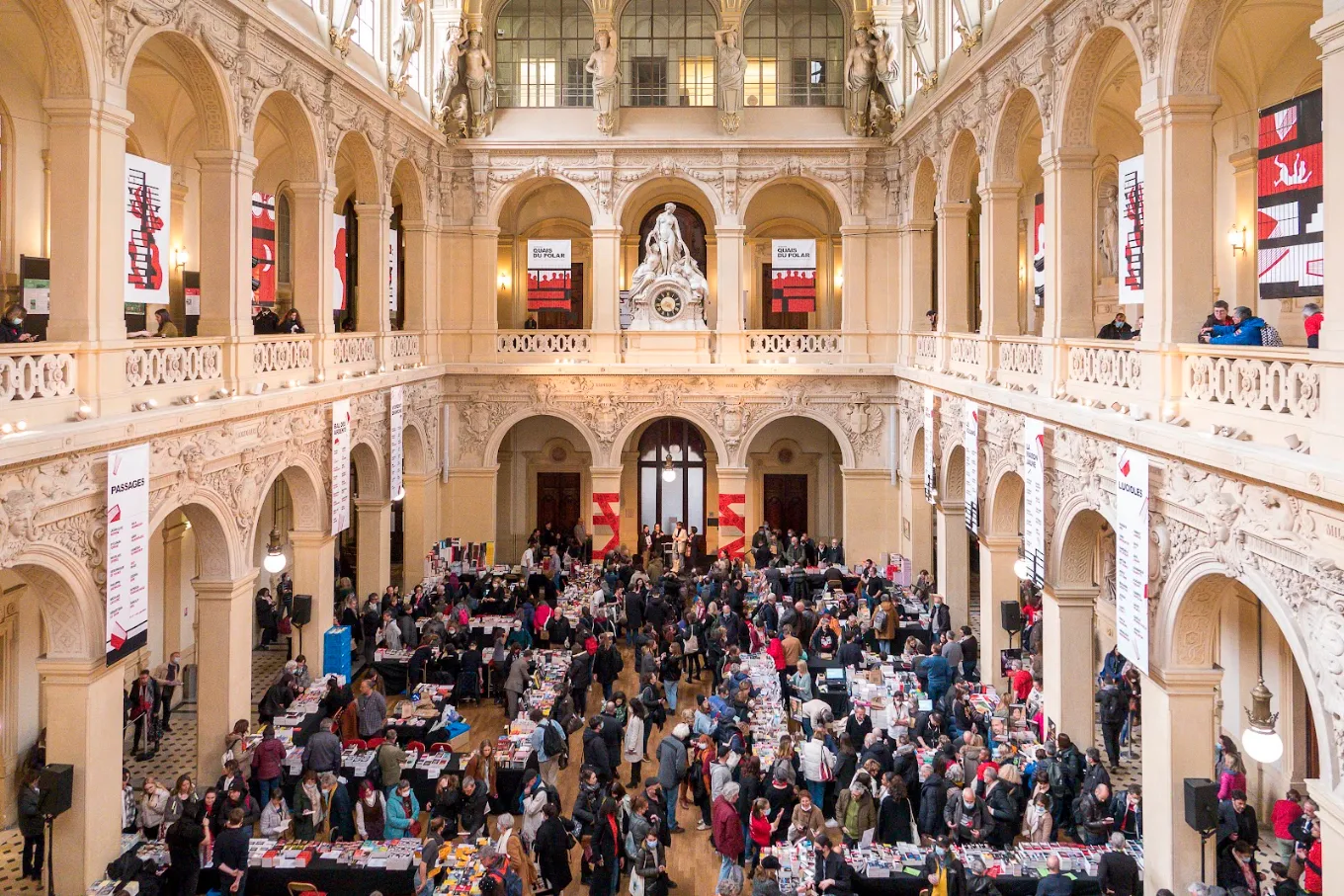
The Part-Dieu Library is France’s largest municipal library, and the 17-storey tower (known as the silo) standing beside it, tiled in black and blank on one face, holds over 3 million documents. Each spring, Quais du Polar fills the old stock exchange with crime writers, free to all, next running 2 to 4 April 2027.
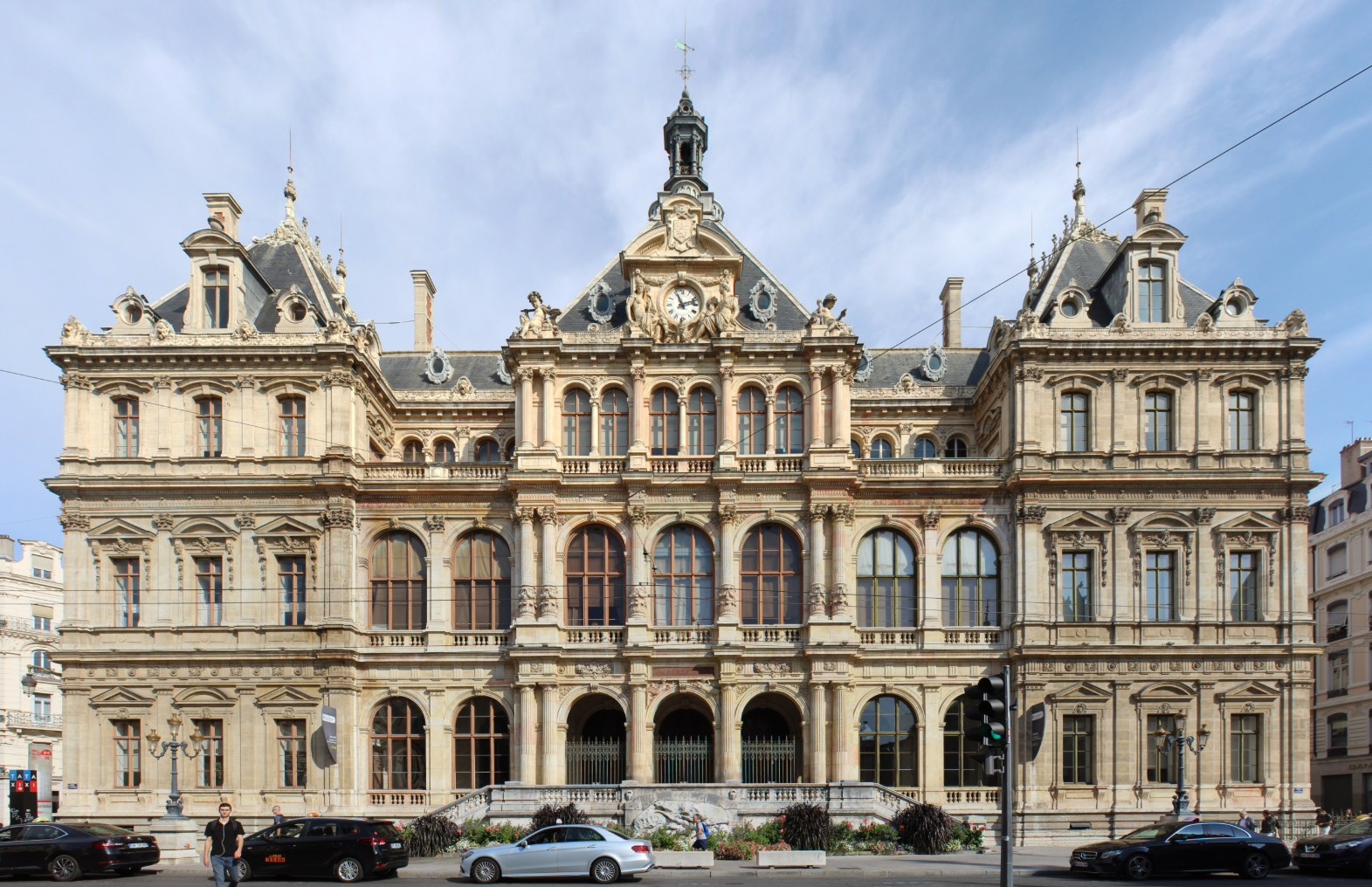
In effect, Lyon keeps its rare books safe in a windowless tower and puts its thriller writers in the Palais de la Bourse, both within a few minutes of the river.
Prague, Czech Republic
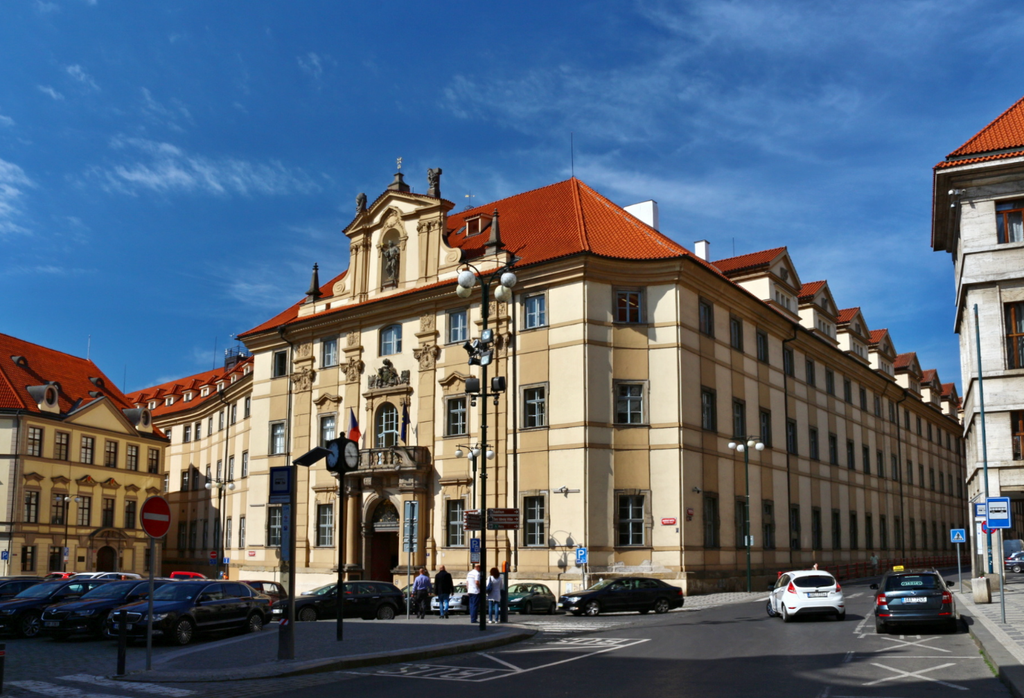
Step past the Idiom queue and the Municipal Library is running the quieter half of Prague’s title. The city joined the network in December 2014, and its central commitment is a residency programme. It consists of eight two-month stays a year for foreign writers and translators, accommodation in an apartment in Kafka’s house, travel covered, a monthly stipend, and one condition: that the writer leaves behind a text about Prague.
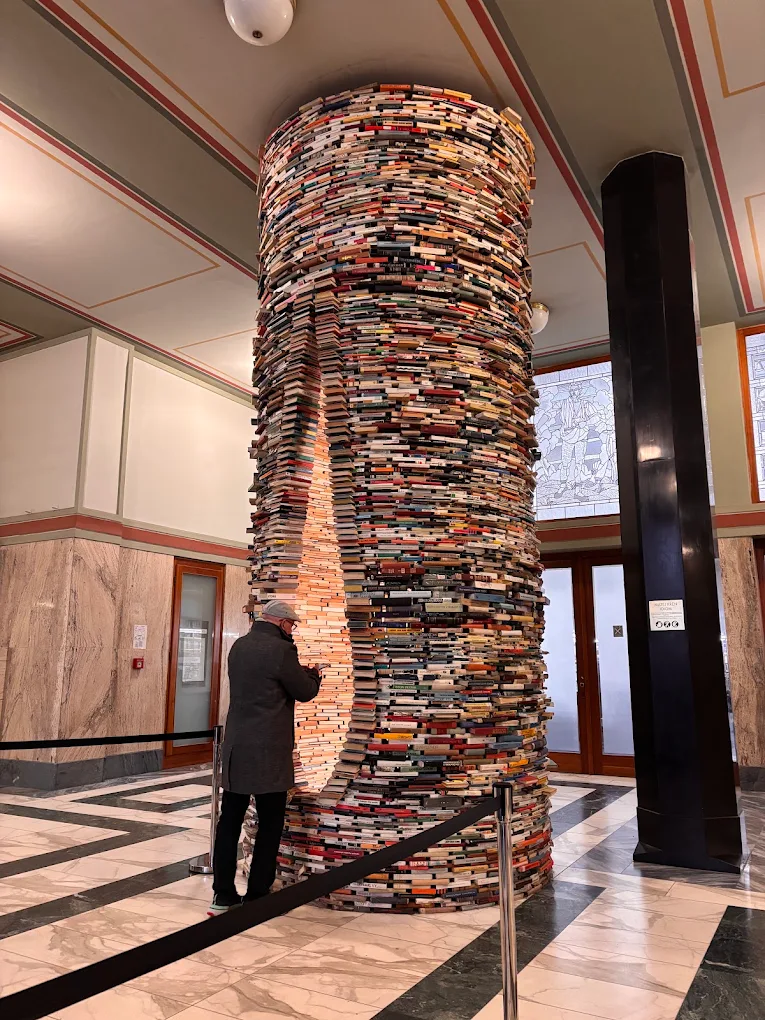
UNESCO’s own city profile counts roughly 200 bookshops and twenty literary cafés in the city, a density you feel on foot.
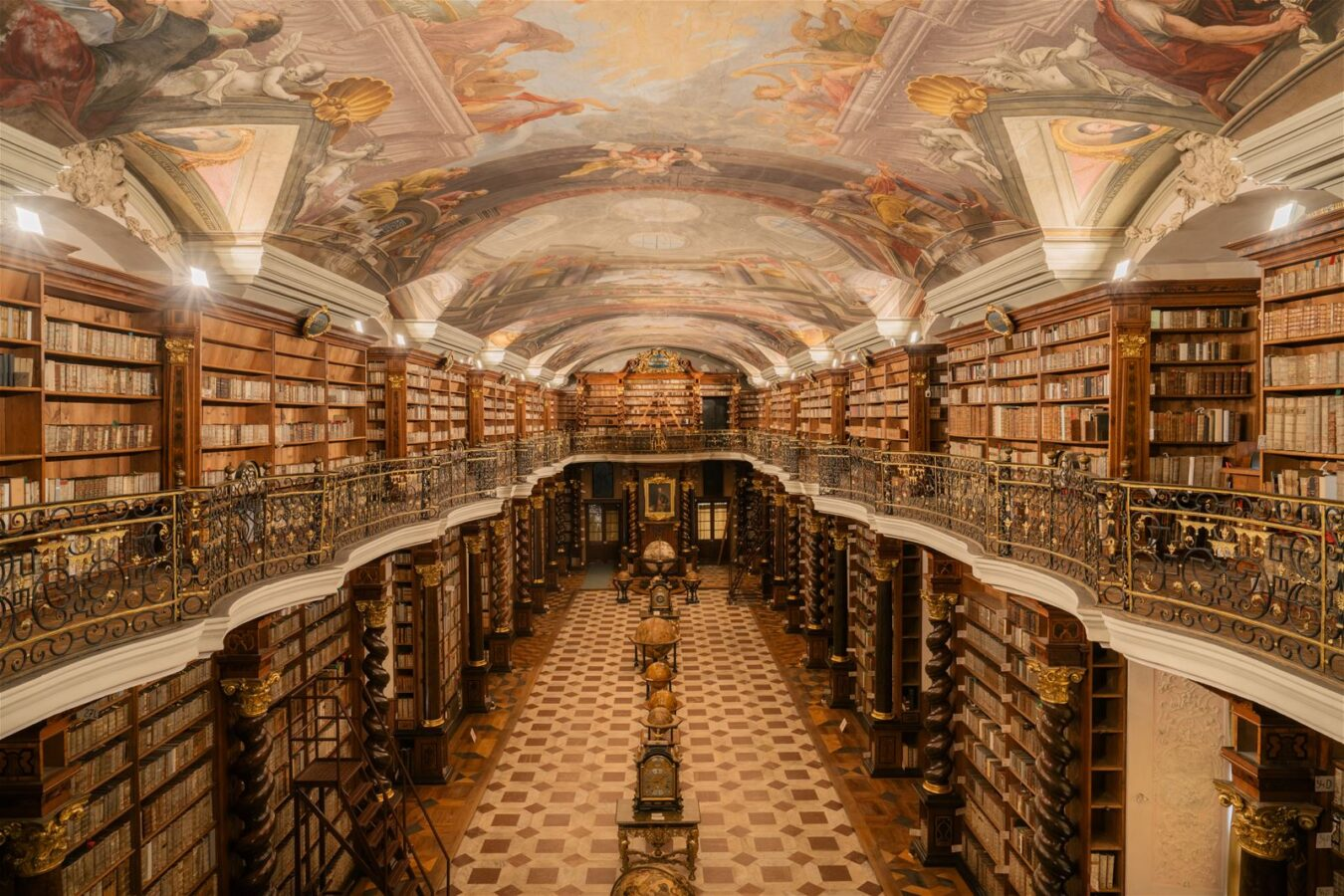
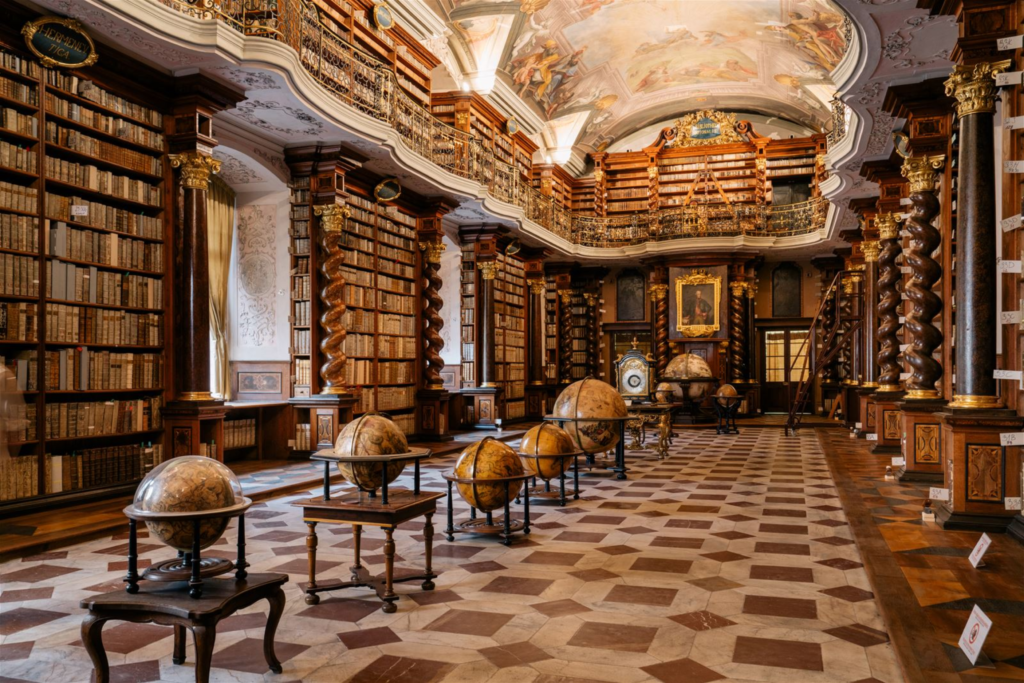
The Klementinum and the monastery libraries draw the photographers. The bid for the title of “City of Literature” rested on the working trade, the publishers, translators, and the readings held in two languages. One institution absorbs both halves of literary Prague, the crowd in the foyer and the writer upstairs on Golden Lane, and the librarians walk past the first on their way to arrange the second.
Barcelona, Spain
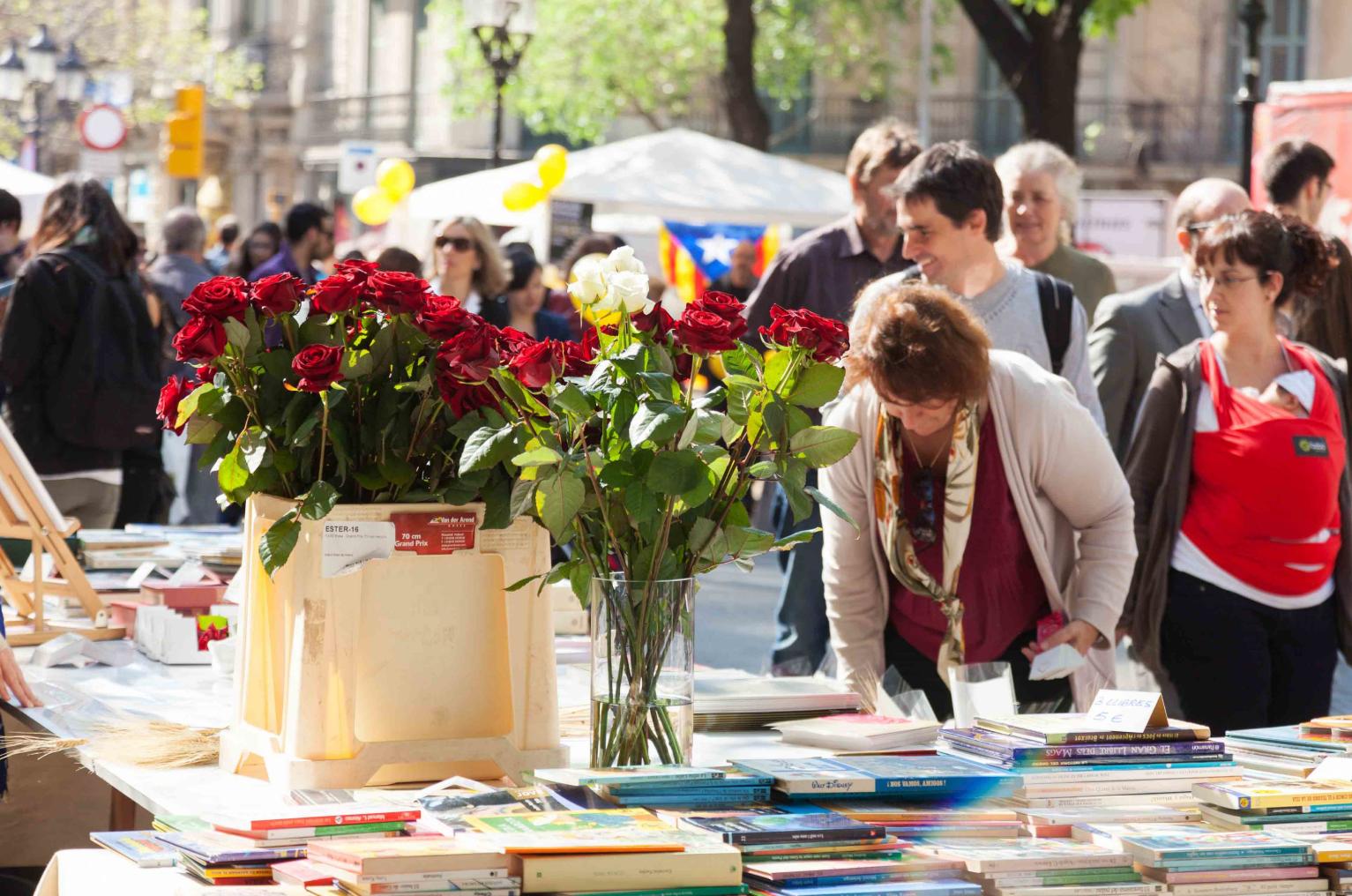
Every 23 April, Barcelona hands its streets to booksellers and florists for Sant Jordi, and the city gives books and roses in place of cards. Since 2022, a central grid closes to traffic for the day. In 2023, that meant 154,000 square metres of car-free street and over 400 book and rose stands, with 1.87 million books sold across the festivities. The scale of the day, together with a publishing industry working in Catalan and Spanish, won Barcelona the UNESCO title in December 2015.
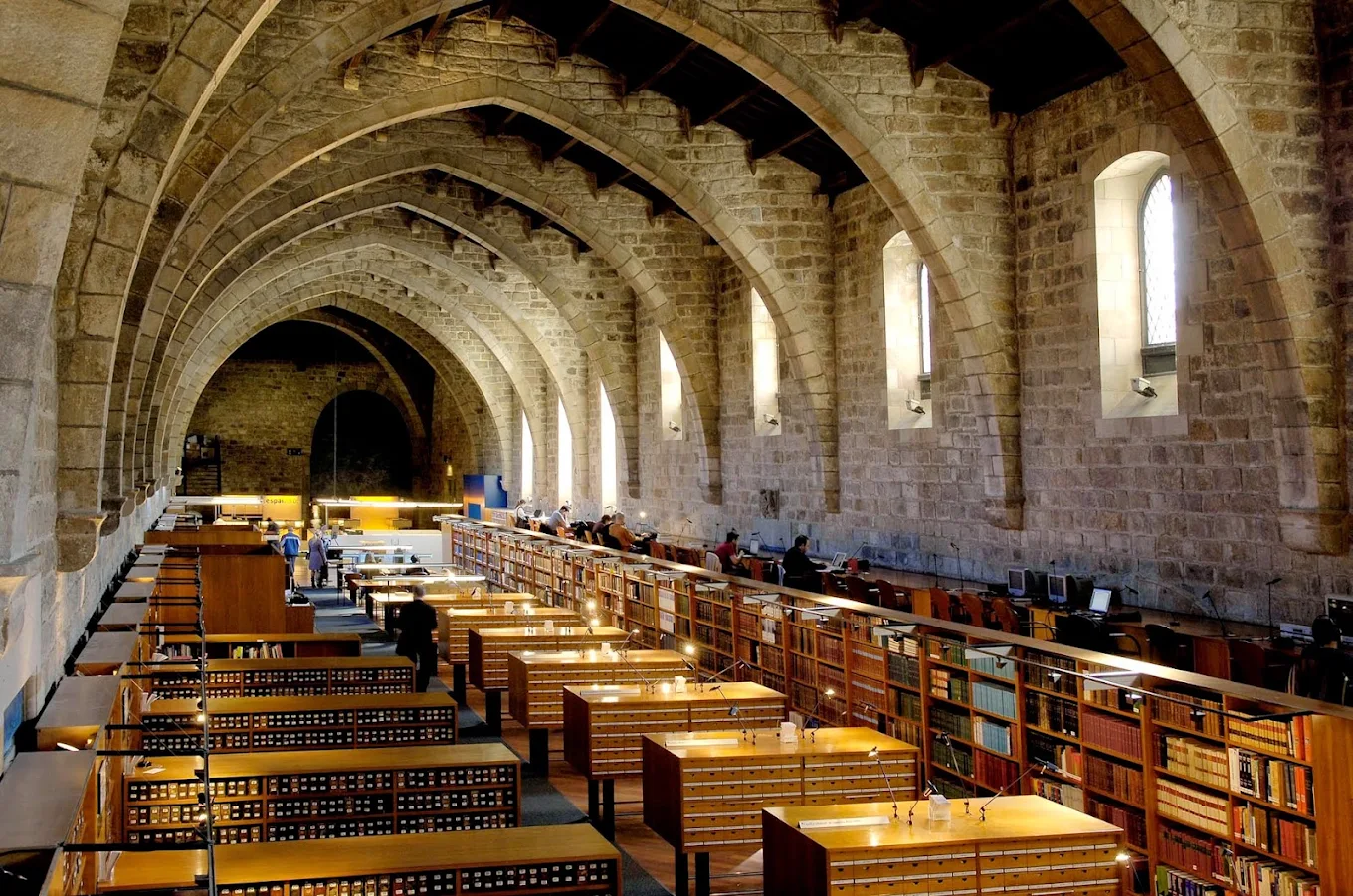
The city’s other literary landmark keeps regular hours all year. The Biblioteca de Catalunya has occupied the old Hospital de la Santa Creu since 1939, a Gothic complex begun in 1401, and its reading rooms are the former hospital wards, pitched wooden ceilings and no columns anywhere. You don’t need a reader’s card to stand in the lobby and look up at the nave. The light comes down from high windows and the silence is total.
Granada, Spain
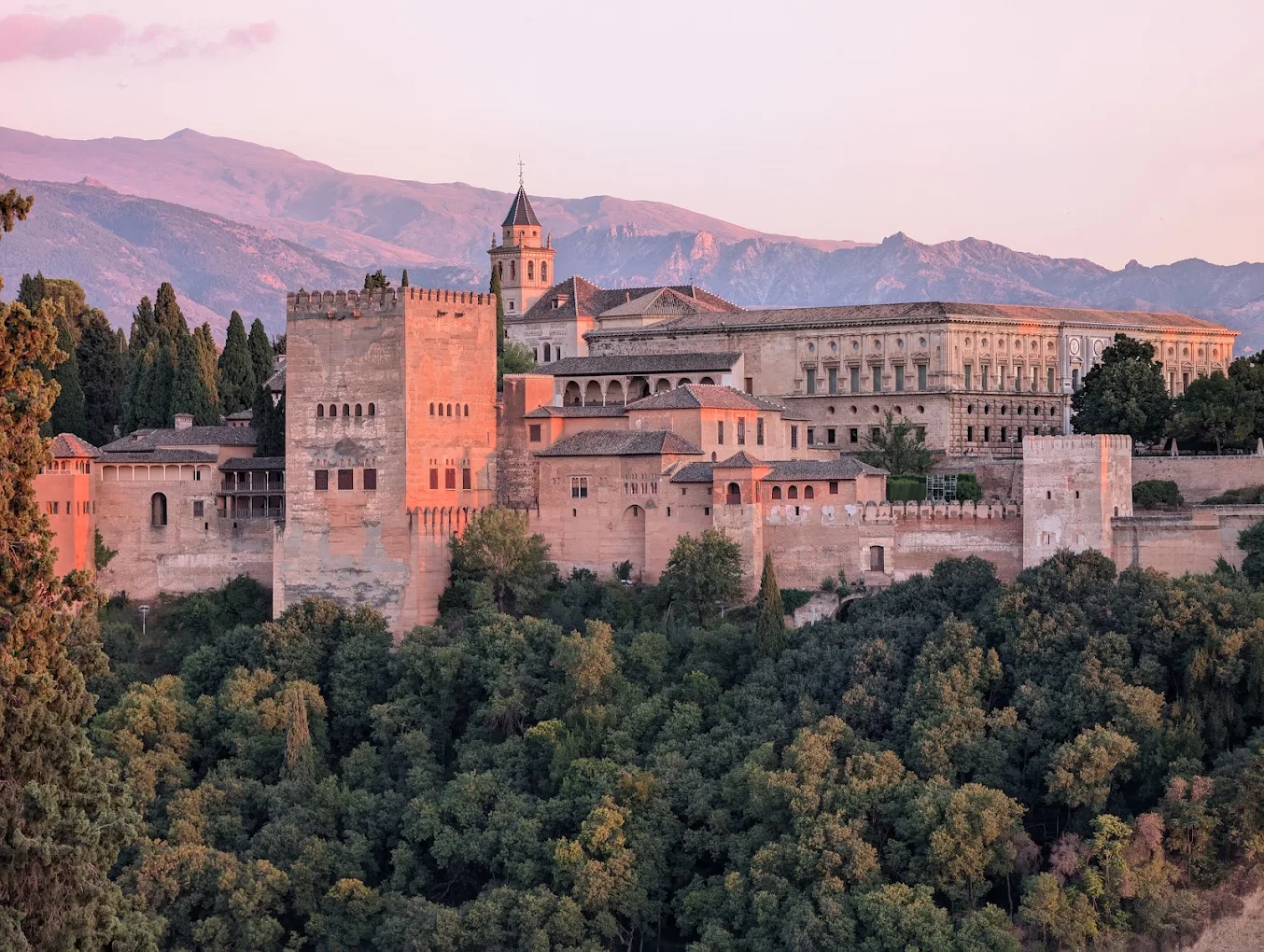
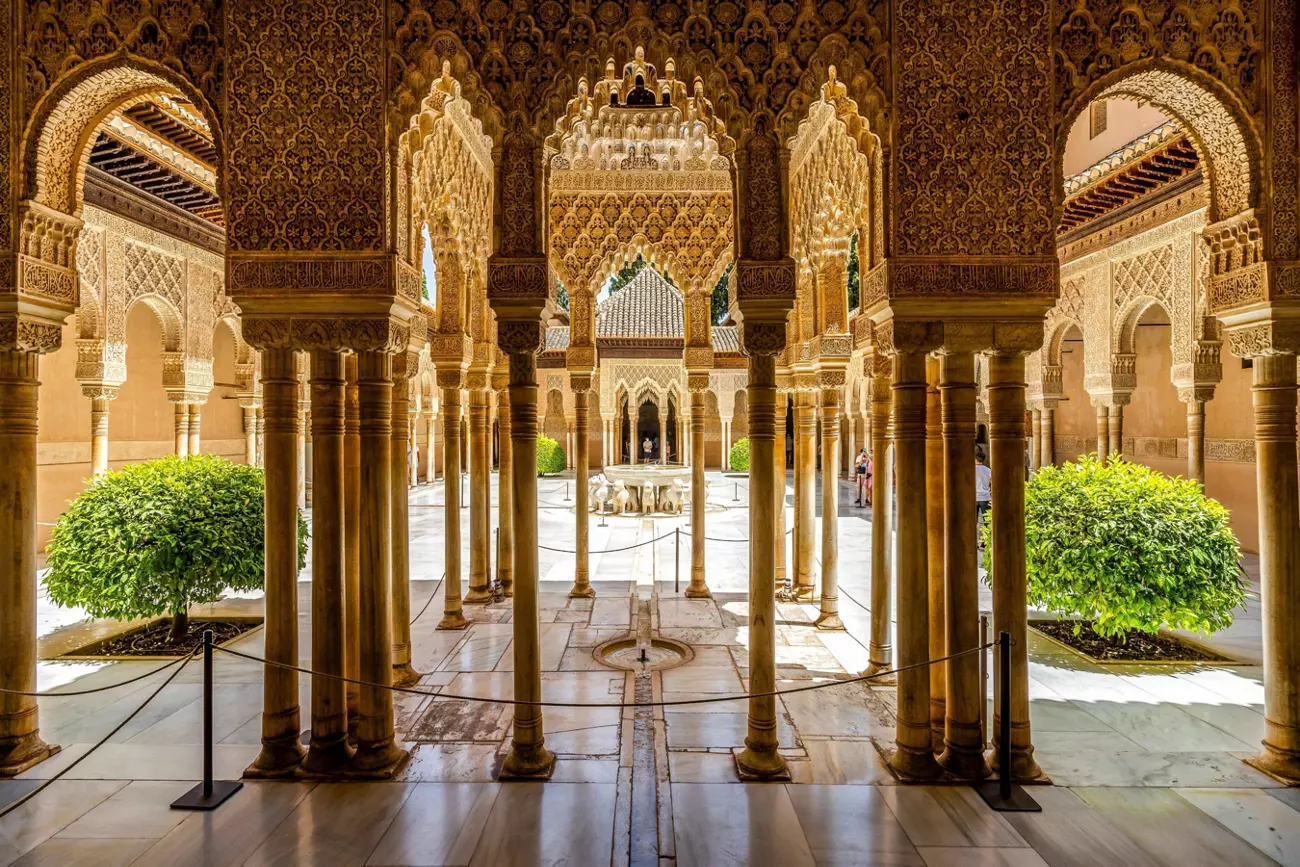
Granada’s founding literary monument is a building you can read. The walls of the Nasrid palaces at the Alhambra carry verse by the court poets Ibn al-Jayyab, Ibn al-Khatib and Ibn Zamrak, composed for particular rooms and cut into the plaster, so that a hall essentially describes itself to whoever is standing in it.
Perhaps because of the city’s dedication to carving poetry into its very architecture, Granada became the first Spanish-language City of Literature on 1 December 2014. This came after a bid the city council began assembling in 2009, and the title is currently carried by Federico García Lorca, born in the province in 1895, murdered in 1936. To this day, he is still the most translated Spanish writer after Cervantes.
His archive came home in June 2018, moved from Madrid to the Centro Federico García Lorca, which opened on the Plaza de la Romanilla in 2015. The manuscripts sit in a steel strongroom suspended directly above the public library floor.
Óbidos, Portugal
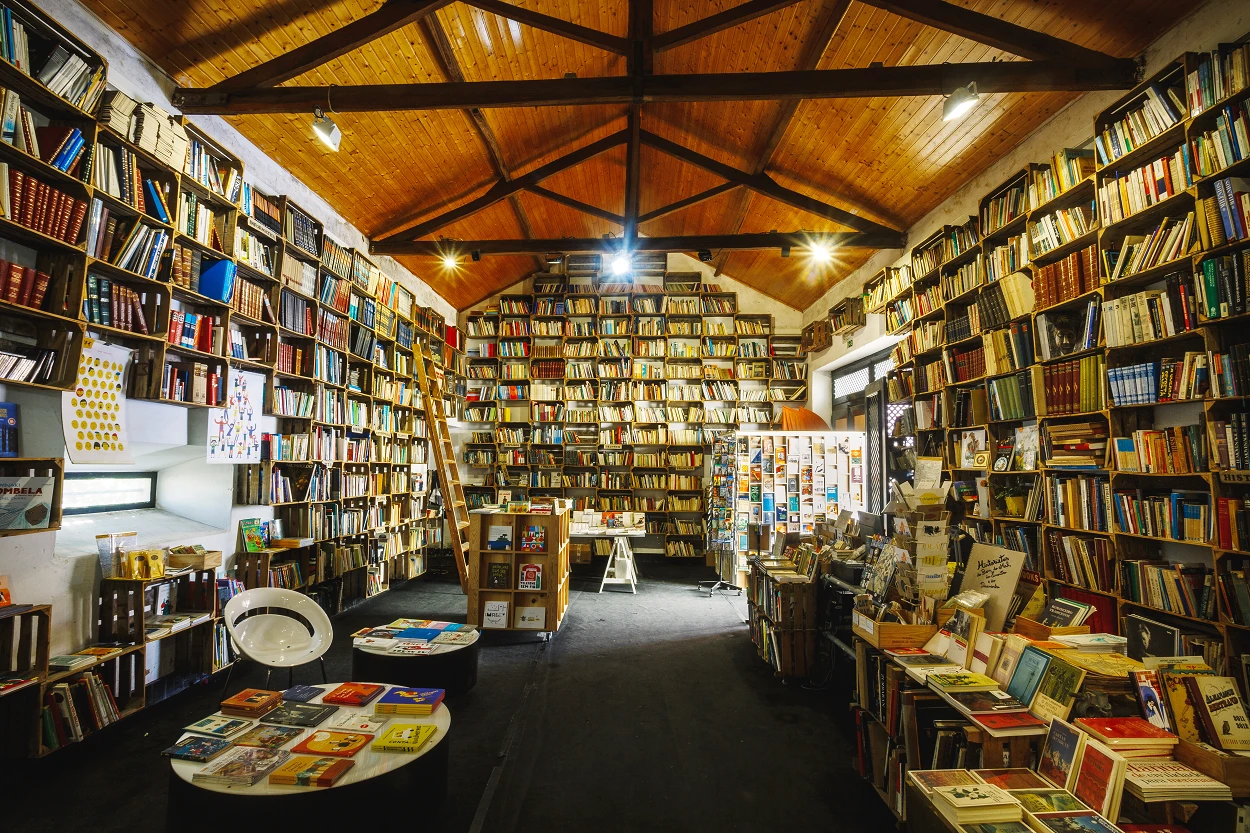
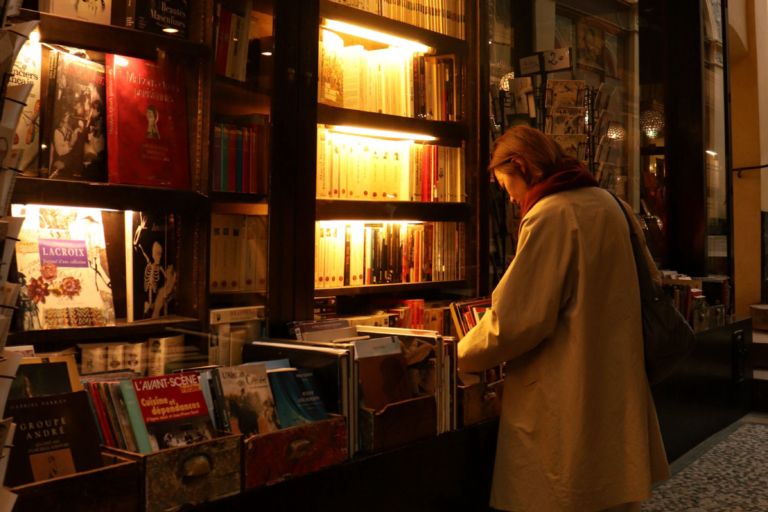
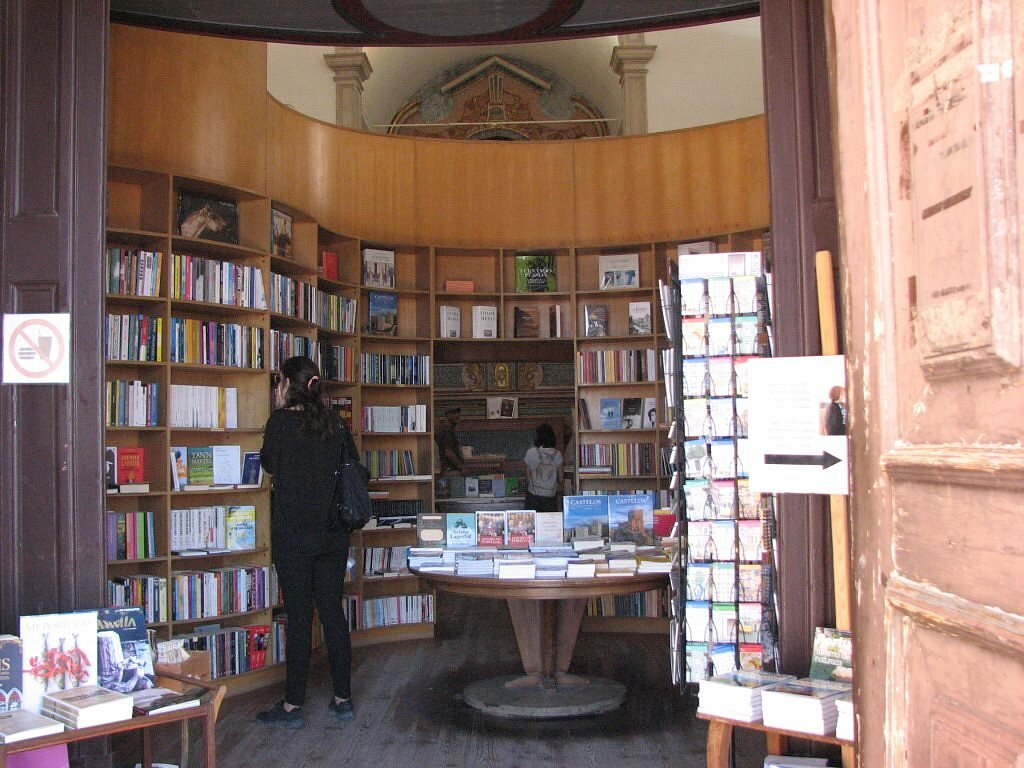
Walk up Rua Direita and the best surprise is the old fire station, which now holds the village’s organic market and a second-hand bookshop in the same room. Well over a thousand reused wooden fruit crates are stacked to the roof, with seeds and courgettes at one end and gastronomy titles and small-press fanzines at the other.
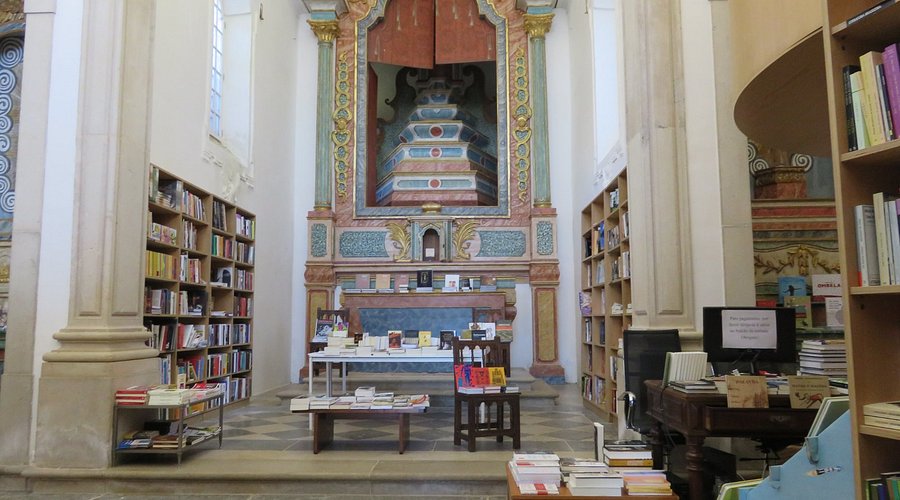
It’s not the only building in Óbidos repurposed into a bookshop. The bookseller José Pinho borrowed the idea from Wales, then filled eleven abandoned Óbidos buildings with books: the Gothic church of Santiago, a wine cellar, and the aforementioned fire station.
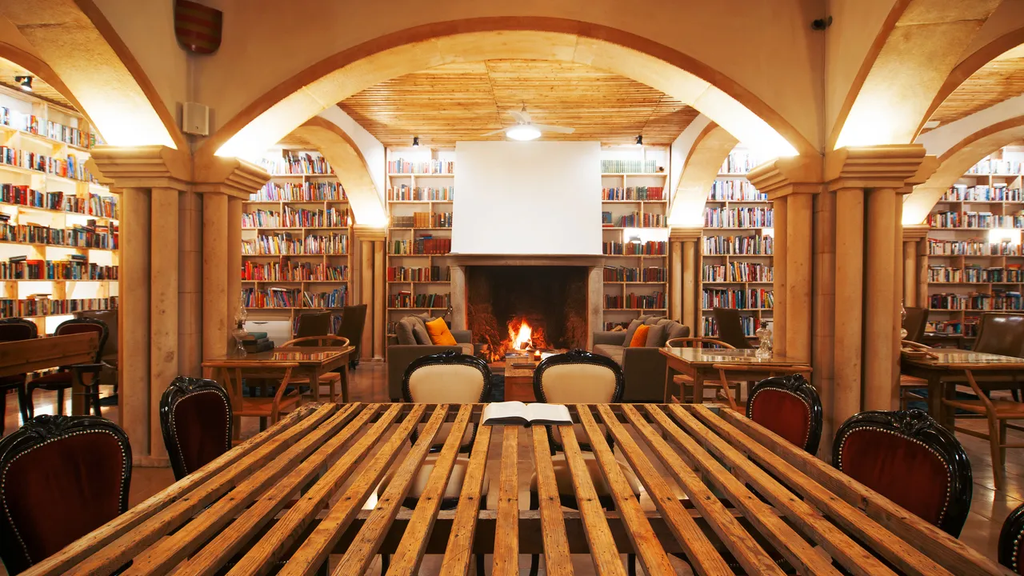
For readers who want to sleep among the books, The Literary Man Óbidos Hotel occupies a former convent just outside the medieval walls. Its library holds tens of thousands of books, lining the corridors, the bedrooms and the gin bar, turning a night’s stay into another chapter of Óbidos’s literary story. The collection is most often put at around 50,000 volumes, though estimates vary and the owners have talked of reaching 100,000. Most are for sale, so guests tend to leave heavier than they arrived.
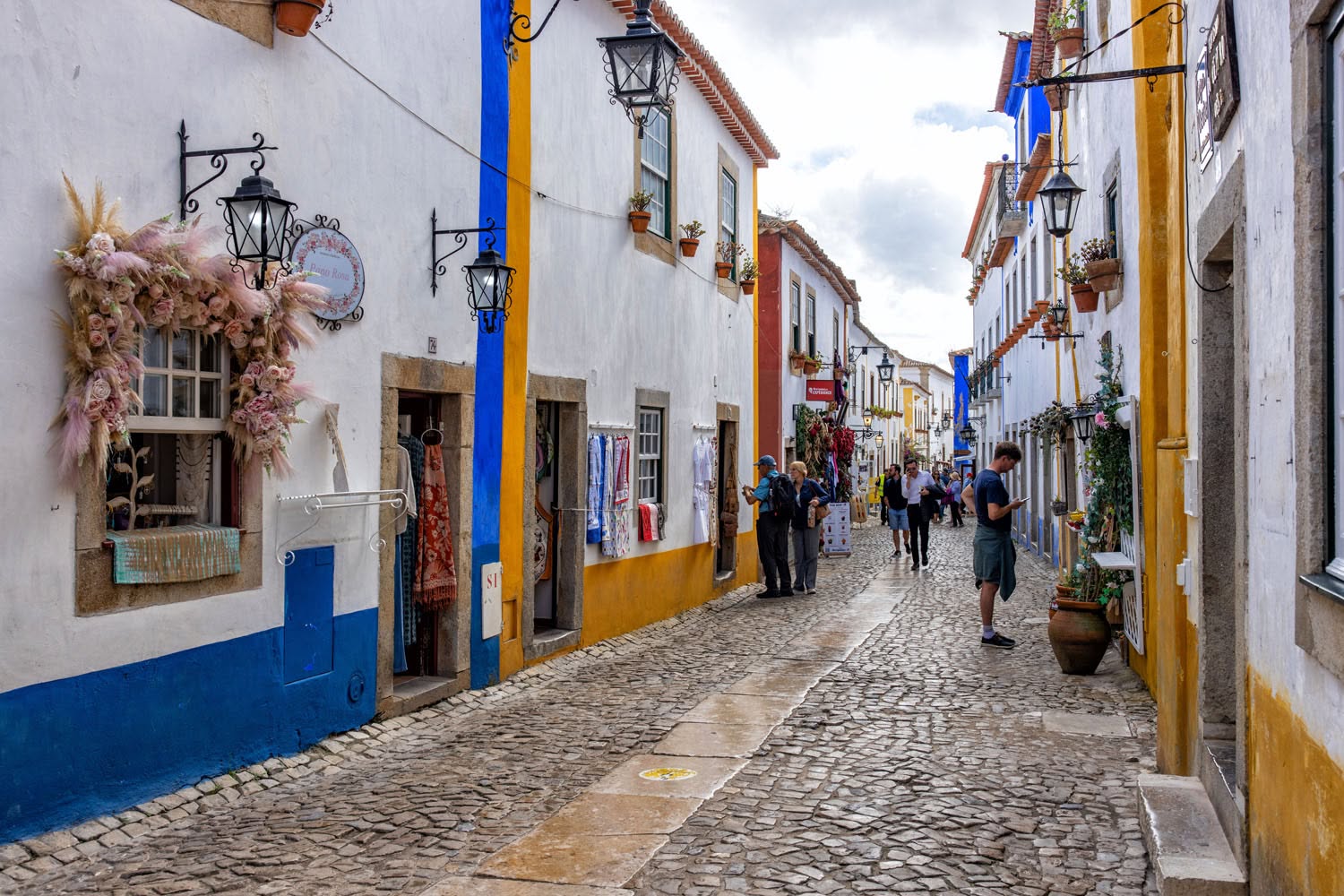
UNESCO named the walled village a City of Literature on 11 December 2015, by which point some 3,100 residents were sharing their streets with over half a million books. Pinho died in May 2023, aged 69, and the festival he founded is now in its eleventh edition, running 8 to 18 October 2026 with Jon Fosse among the guests. Last year’s drew about 100,000 people, outnumbering village residents many times over for ten days in October.
Reykjavík, Iceland
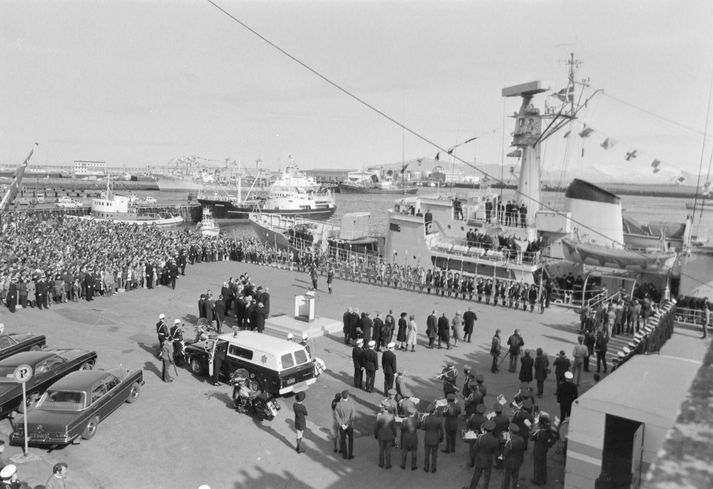
On 21 April 1971, the Danish frigate Vædderen came into Reykjavík harbour carrying two books, and a crowd came down to the dock to meet them. They were Flateyjarbók and the Codex Regius, the sole source for most of the poems of the Poetic Edda, taken to Copenhagen three centuries earlier and handed back after decades of negotiation. Another 1,666 manuscripts followed over the next 26 years, the last two in 1997.
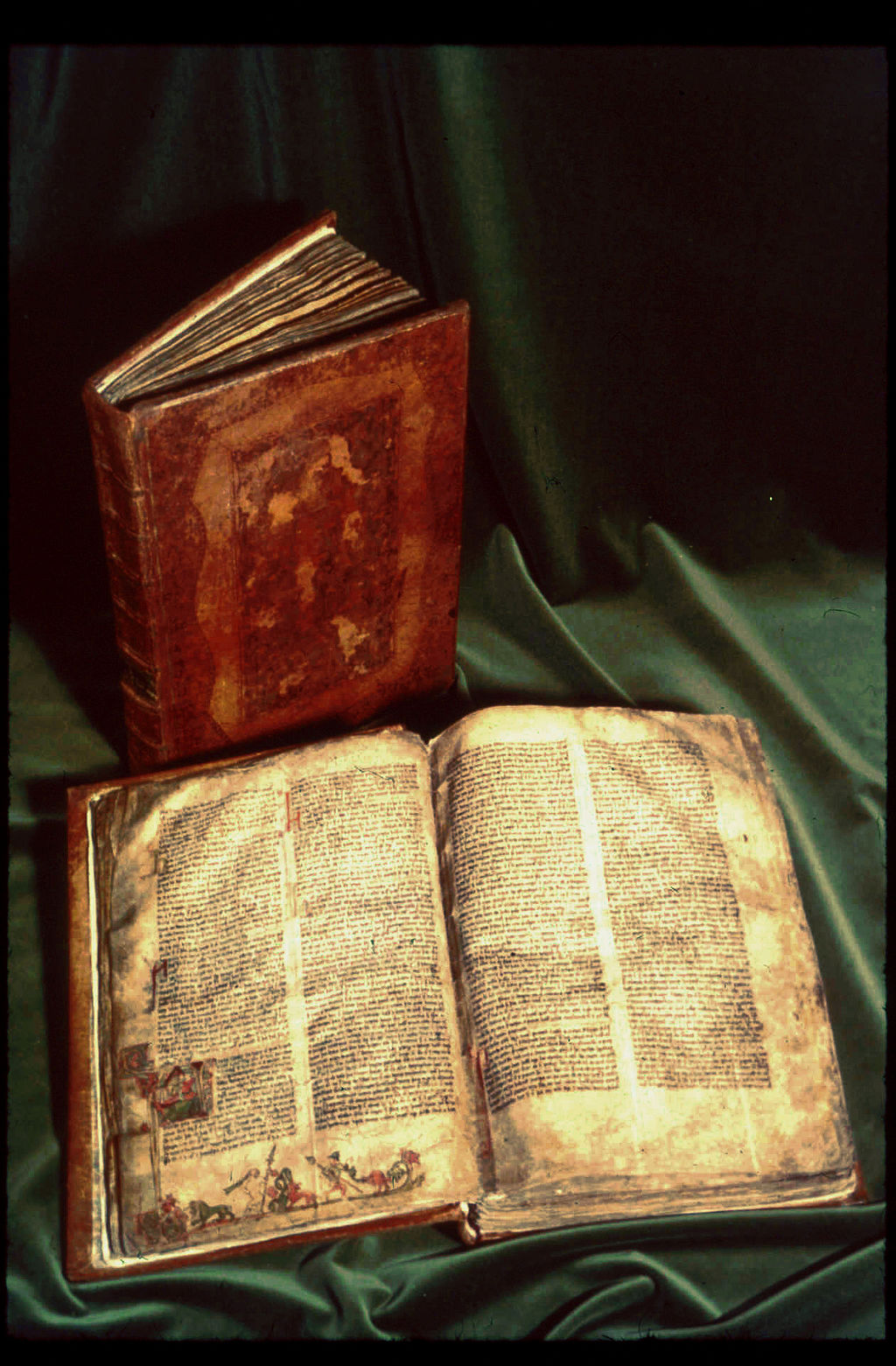
Flateyjarbók and the Codex Regius now live in Edda, a copper-shelled building stamped with enlarged manuscript script, where the Árni Magnússon Institute opened its World in Words exhibition in November 2024, the first public showing of these vellums since 2013. Five more, on loan from Swedish collections, are up until 8 November 2026, including the Uppsala-Edda. The Codex Regius comes to 45 leaves of calfskin, small enough to carry under one arm, and a harbour full of people once turned out to watch it come ashore.
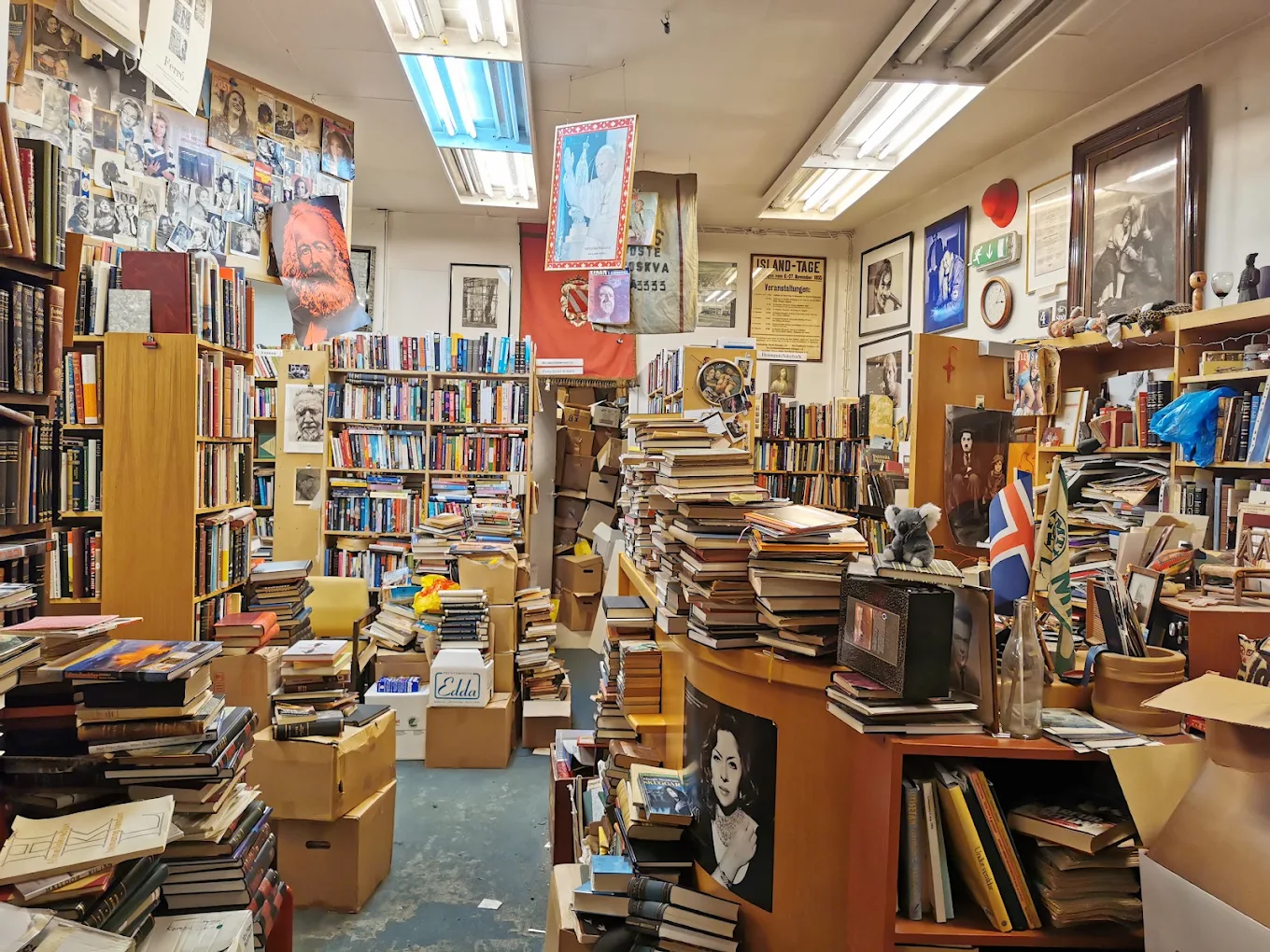
The city’s other great book hoard is less tidy. Bókin, on the corner of Klapparstígur and Hverfisgata, has been trading since 1964 and is Iceland’s last antiquarian bookshop, run since 1997 by Ari Gísli Bragason, who inherited it from his father Bragi Kristjónsson. Books are stacked head-high, under tables and in unsorted boxes by the door, with early Laxness editions upstairs among the arrivals nobody has shelved yet. Bobby Fischer spent his final years in a worn wooden chair at the back, reading Russian chess books and old American comics, and had his post delivered here.
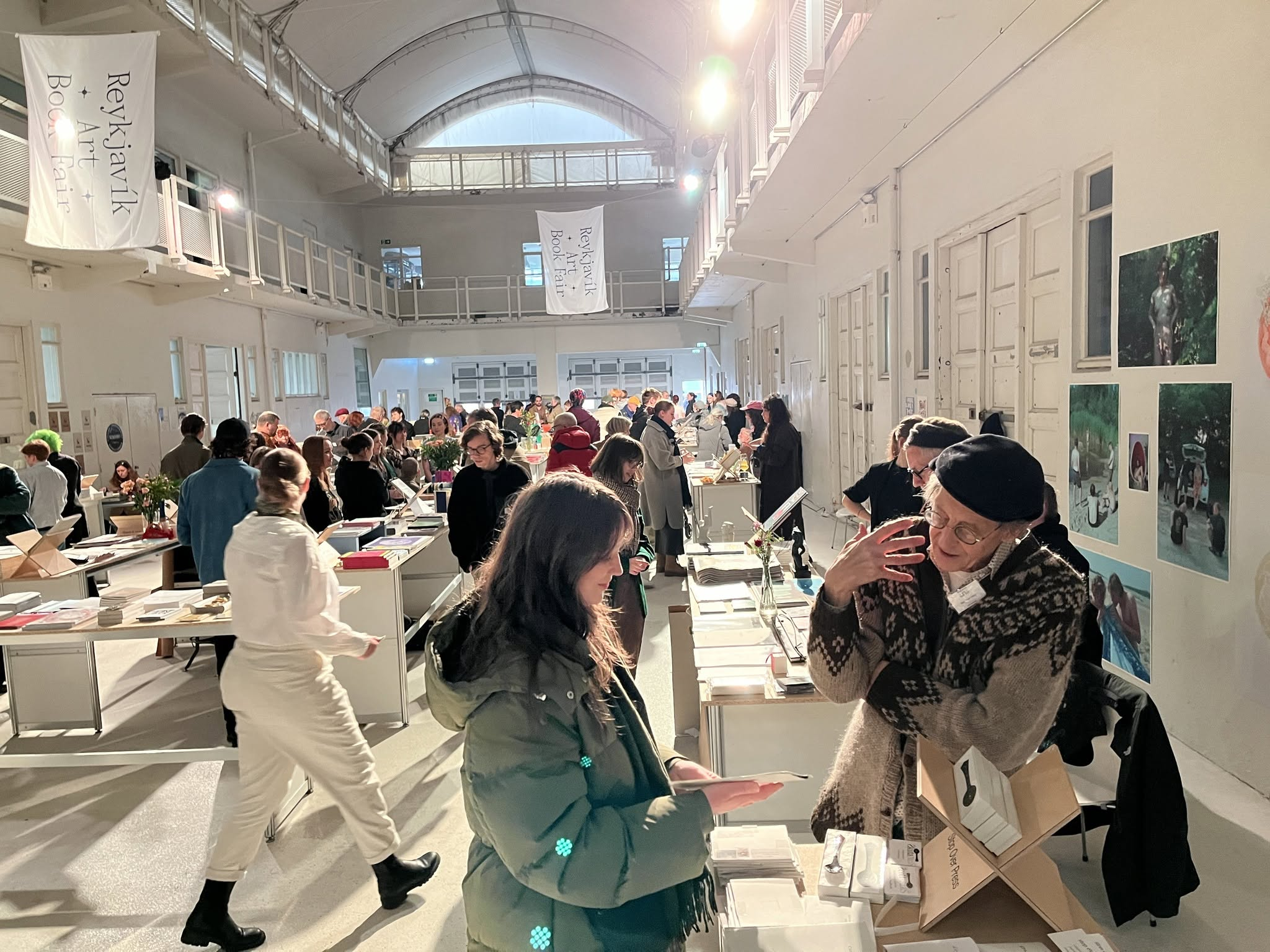
At the opposite end of the print spectrum is the Reykjavík Art Book Fair, which began in 2021 as a zine table at the Iceland University of the Arts and has since outgrown Ásmundarsalur and Kjarvalsstaðir to settle at the Reykjavík Art Museum’s Hafnarhús. Artists, small presses, galleries and the National Gallery all take the same-sized tables, selling artists’ books, zines and limited editions over a weekend that stays small enough to talk to whoever made the thing you are holding.
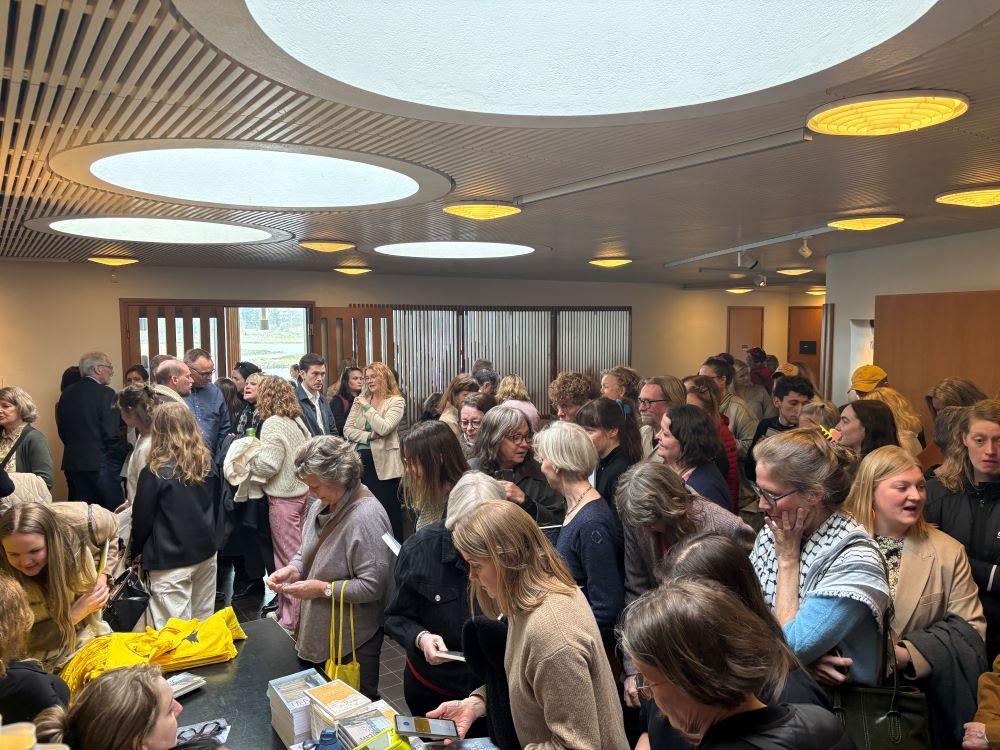
For this, its literary legacy, and many other reasons, Reykjavík was designated as the fifth City of Literature on 2 August 2011 and the first in a language other than English, and it has been holding the Reykjavík International Literature Festival every other year since 1985.
What The Title Actually Asks For
Nobody hands a city this designation for having produced a genius. So much more goes into it: Lyon had to ask to be moved; Granada spent five years assembling a bid; Óbidos, with a population that would fit the square of the Sant Jordi festival, had to show what it had built out of ruins. Every four years, these Cities of Literature sit down and account for the promises made in exchange for their title: the residencies, the translations, and the festivals nobody charges for.
These places reward the slow version of a trip because the the literary culture of these places was made for the people who live there, and it carries on whether or not you come. Go during a festival, and the streets may belong to booksellers. Go on an ordinary Tuesday and someone will still be at the desk after dark, working. What a city can do is make room and keep making it, then see who arrives.


Adam Ryan
Adam is a distinguished content writer, bookworm, and full-time adventurer with a constant craving for coffee. When he's not working, he loves exploring remote corners of the world, immersing himself in different cultures, and writing about his experiences.