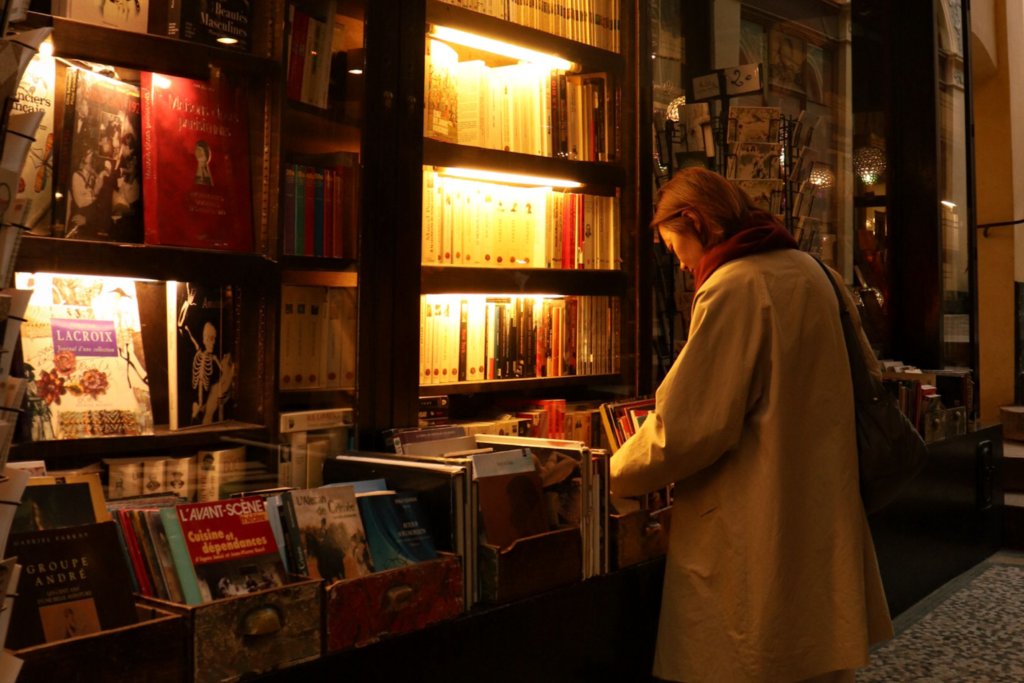

A bookshop crawl is the slowest way to learn about a city. Five steps to planning one, from choosing your neighborhood to timing it with a festival.
In 2016, a woman in London asked the internet a question: did anyone want to go and look at bookshops with her? Bex Hughes was not launching a movement. She was proposing a walk. Ten years later, the London Bookshop Crawl is a non-profit that runs guided and self-guided crawls across Britain, publishes county bookshop maps, and has spun off a children’s literature festival in Kent.
That is the whole promise of a bookshop crawl, and the reason it has become one of the most joyful forms of travel. It costs almost nothing. It requires no booking, no season, and no particular level of fitness. It asks only that you walk slowly through a few streets and let strangers who love books tell you what they love. Here is how to plan one properly.
Five Steps to Follow When Putting Together a Bookshop Crawl
Step One: Look for a Crawl Before You Invent One
Start by checking whether someone has already done the hard part. Organized crawls come with a route and a date, and you often share them with other people; they are far more common than most readers realize.
The best-known version is Seattle’s. Since 2015, the city has run a Bookstore Day Passport Challenge. In 2026, it covered 33 participating shops with ten days to collect every stamp. Finish it, and you become a Champion, carrying a card good for 25 percent off at every store for the following year. Get five stamps, and you still earn a discount, which is a graceful way of saying that partial credit counts. One participant described the appeal as seeing the different vibes and different curated selections from shop to shop, which is exactly right.
Thirty-three bookshops in one metro area are thirty-three arguments about what matters.
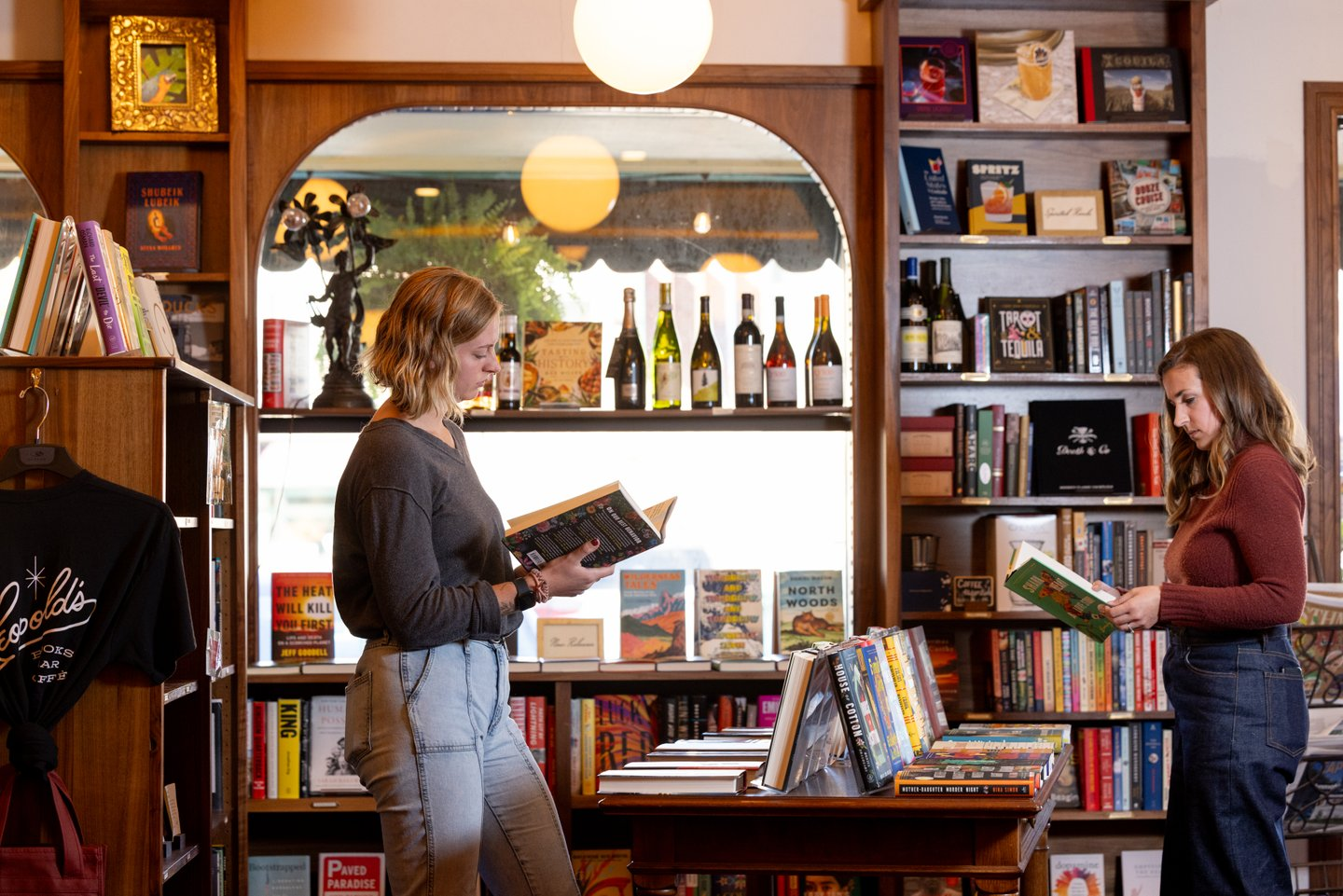
There is also a calendar to work with. Independent Bookstore Day falls on the last Saturday in April across the United States. In Britain and Ireland, the Booksellers Association’s Books Are My Bag campaign, running since 2013, anchors Independent Bookshop Week in June and Bookshop Day in October. Bookshop Crawl UK runs guided walks and publishes self-guided kits, free or pay-as-you-feel, which tell you something about the spirit of the thing.
If none are running near you, design your own. That is how every one of these started.
Step Two: Ask a Friend Who Reads
A crawl works best as a day out with one other person who will happily lose twenty minutes to a shelf. Two is the ideal number. Three is fine. Beyond that, you are herding.

Ask the friend whose recommendations you actually take. Give them the date well in advance, because the whole point is that nobody is checking the time.
And if nobody is free, go alone. Solo crawling is not the consolation prize; it is a different and in some ways better experience, because you stop only when you want to and leave when you are ready.
Bookshop Crawl UK describes its own events as “socially antisocial.” They are designed to be comfortable for introverts and neurodivergent people, with permission to chat as much or as little as you like. Give yourself that permission too.
Step Three: Plan the Route
Now do the research. Google your city, or the city you are traveling to, and cross-check against a directory. Our guides at 1000Libraries are a good starting point for finding shops you would never otherwise hear about, whether you’re heading to Tokyo, Los Angeles, or Chicago. Local bookshop associations and tourist boards often keep lists too.
Then narrow down. The single most common mistake is scale. People choose Paris, or Tokyo, or Buenos Aires, then spend the day on public transport, arriving at each shop too tired to browse.
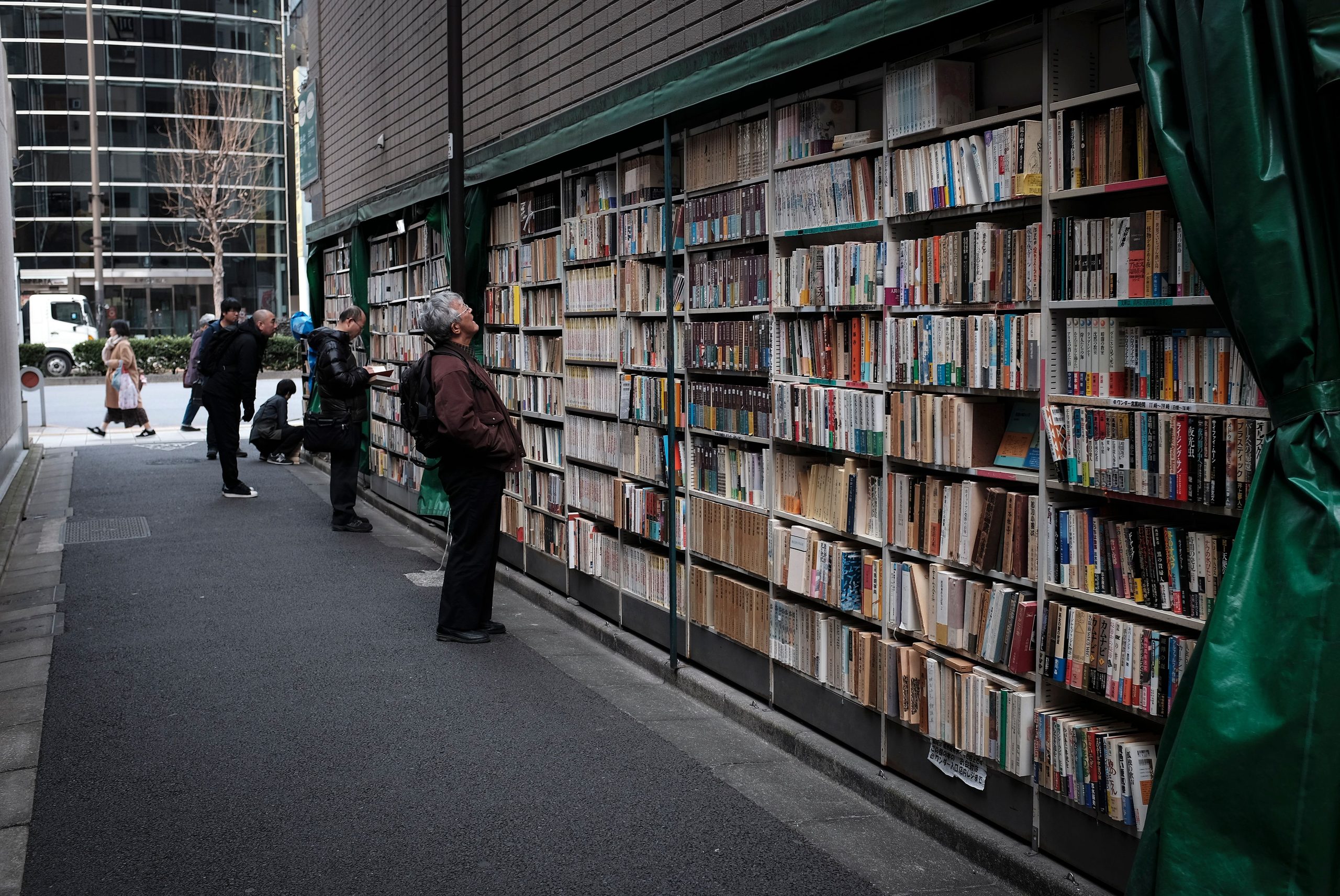
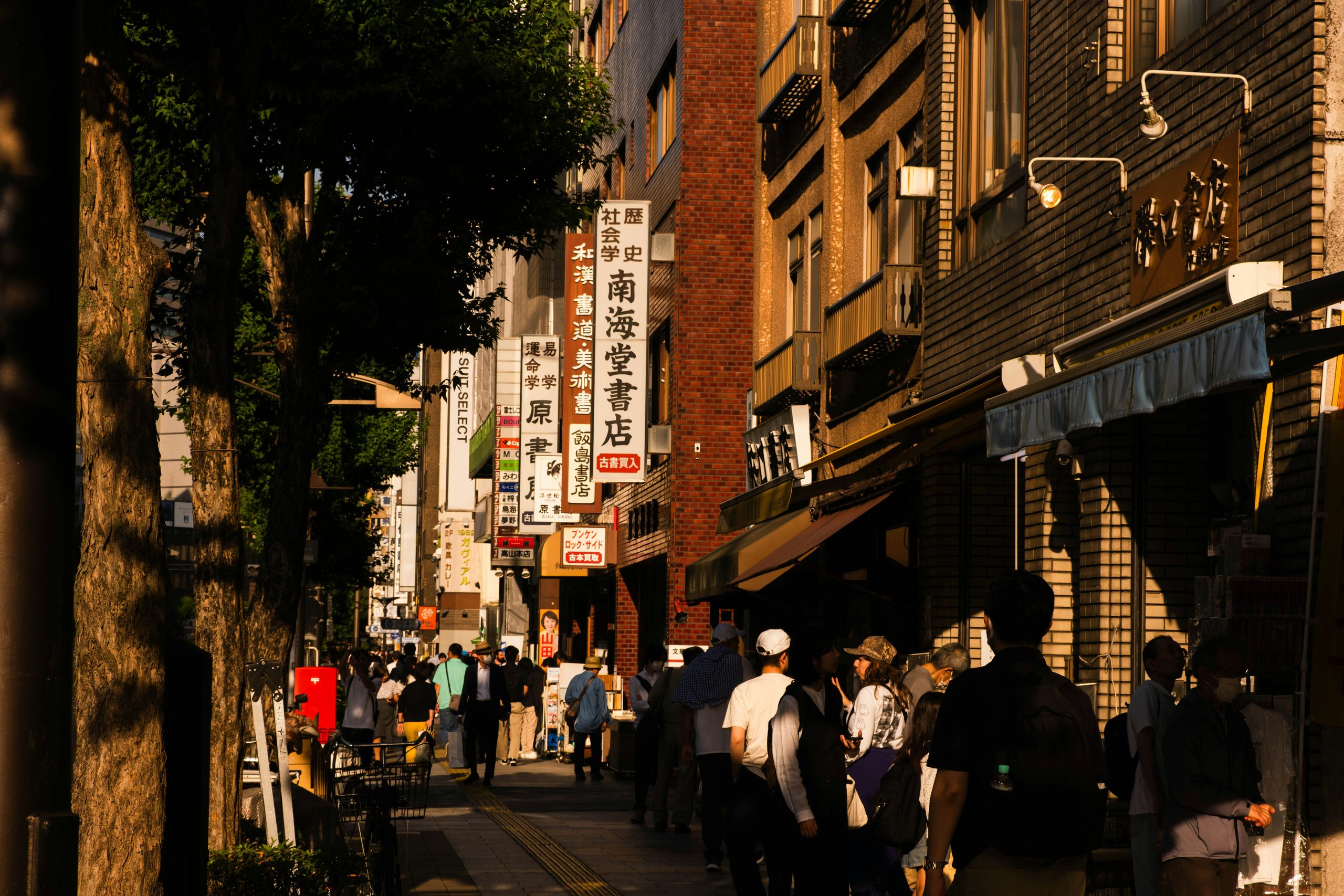
Bookshops are often clustered together, which is a gift to the planner. They can be found near universities, in old printing quarters, along canals and market streets. Tokyo’s Jimbocho grew up around the law schools and universities founded in the Meiji era, whose students needed secondhand textbooks, and the trade never left. Today, the Kanda secondhand booksellers’ federation counts roughly 130 shops there, and Time Out named the district one of the coolest neighborhoods in the world for 2025. You do not need a train pass to see it. You need an afternoon and comfortable shoes.
So pick one district and draw a loop you could walk in an hour if you never went inside anywhere. Everything good happens in the difference between that hour and the six you will actually take.

Then do the unglamorous part. Put your shops in a saved map before you go. Check which ones close on Mondays, which open at noon, which are up a flight of Victorian stairs with no lift. If you or anyone with you has mobility needs, this research is the difference between a lovely day and a demoralizing one. Make sure to plan the route so you start at the shop that opens earliest and end at the one that closes latest.
Visiting four to six shops is a generous day. The organized group crawls run between two and a half and four hours across five to ten shops, with a leader keeping everyone moving. On your own, you can afford to be kinder to yourself than that.
Step Four: Go In Without a Shopping List
The best crawls begin with no intention to buy. A crawl curdles the moment it becomes a scavenger hunt, and nothing kills browsing faster than a checklist.
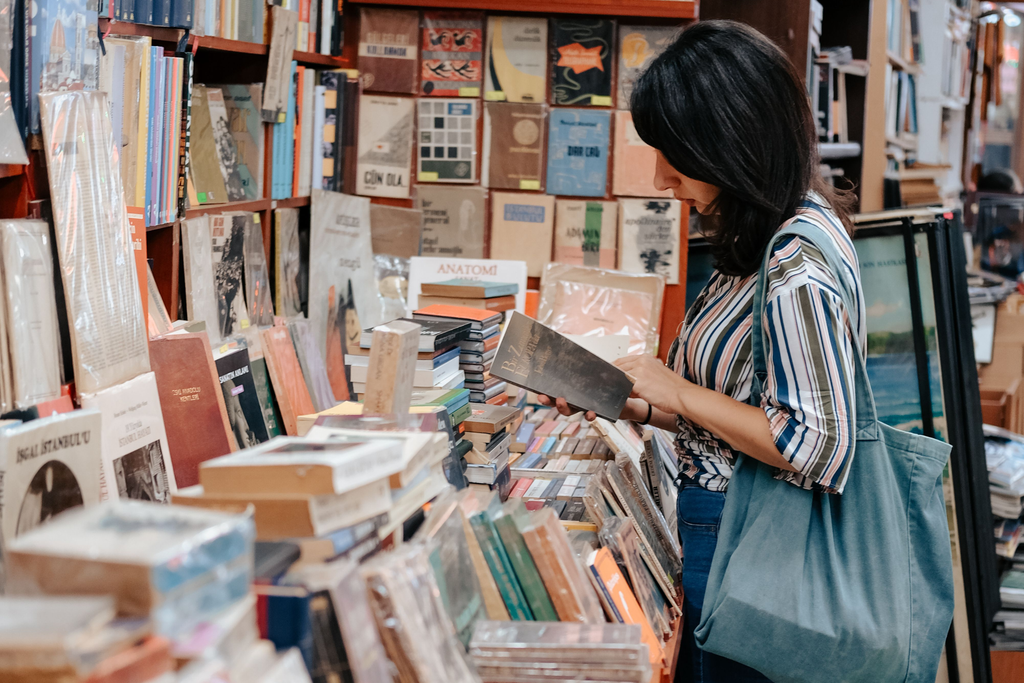
Browse instead. Read the staff picks, which are the closest thing a shop has to a diary. Then talk to the bookseller. Ask what they have loved this year, or what they cannot persuade anyone to buy, or what they would hand to someone who had never read anything from this country. Ask every bookseller the same question and see how differently they answer it. That alone will teach you more about a neighborhood than a guidebook will.
Favor the independents. Their stock is a set of decisions rather than a distribution deal, and there are more of them to visit than there used to be. The American Booksellers Association counted 605 new independent bookstores opening across the United States in 2025, against only 65 closures. Build in one or two specialists if your district has them: crime, poetry, art, cookery, radical politics, children’s books, secondhand maps.
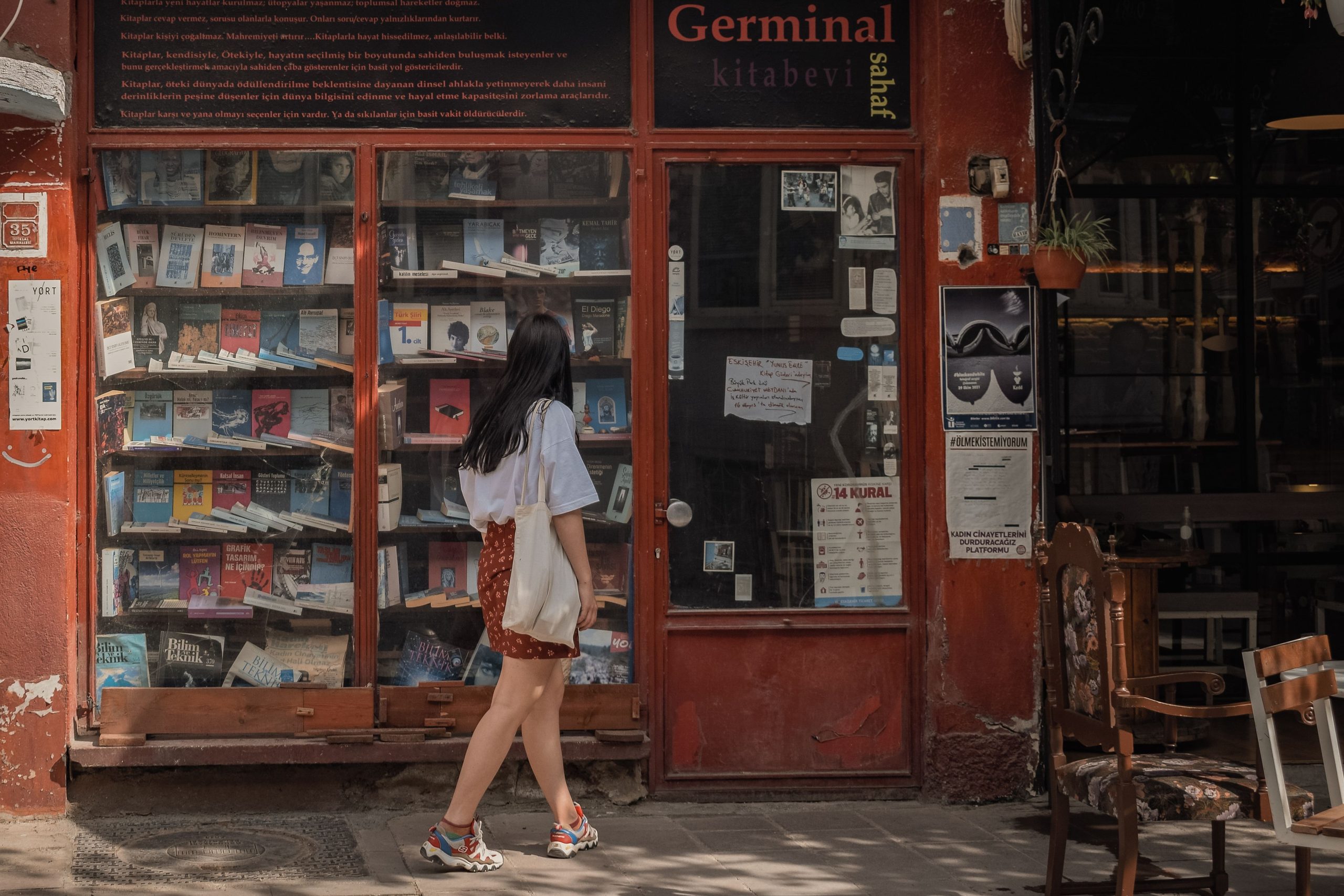
And bring your favorite tote bag. You may arrive determined only to browse and leave carrying three novels, a poetry collection you had never heard of, and a slim little book the bookseller insisted you would love. Consider the tote your one piece of shopping equipment: roomy enough for the impulse buys, sturdy enough to last the rest of the crawl, and preferably one that announces you have excellent taste in books. The best crawls have a way of turning “I’m only looking” into “I suppose I need a bigger bag.”
Step Five: Rest on the Way, and Let the Pile Grow at the End
Ask anyone who crawls regularly what they remember, and it will rarely be a transaction. It will be the café between shops.
Jimbocho understood this generations ago. Its bookshops sit among old kissaten and so many curry restaurants that locals call the area a battleground. Ladrio, open since 1949, is credited with introducing Viennese coffee to Japan: espresso under a cap of whipped cream, developed from the recollections of a University of Tokyo professor who had studied in Vienna. The cream keeps the coffee warm while you read. That is not a detour from the bookshops. That is the bookshops, extended.
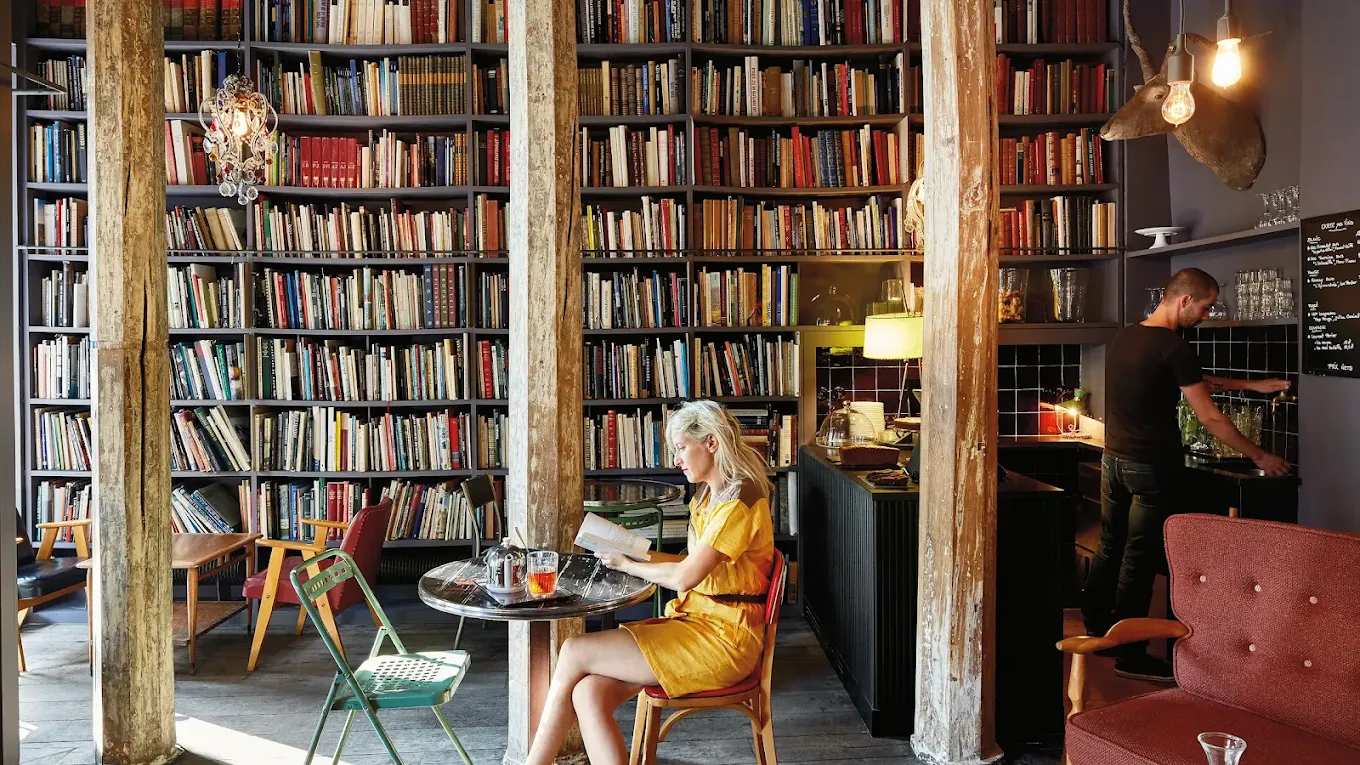
So build the gaps in deliberately. A bench. A park. A coffee with no timetable. This is where a crawl stops being shopping and becomes slow travel, the kind where you learn about a place by loitering in it rather than photographing it.
Then the day ends. Empty the paper bag, add what you found to the stack by the bed, and look at it. The Japanese have a word for this: tsundoku, the habit of acquiring books and letting them accumulate unread. It is usually offered as a joke against oneself, but a tall to-be-read pile is really a record of curiosity, every spine a moment when something caught you.

Then pick one. Not the most improving, not the one you feel you ought to read next. Whichever suits tonight’s mood. And as you read, run the day back: the shop with the terrible stairs, the bookseller who would not stop talking about one particular novel, the coffee at the halfway point. The book will carry the walk in it forever after.
Bonus: Aim at a Book Town
Once you have the taste, the form scales up, because entire towns have organized themselves around it.
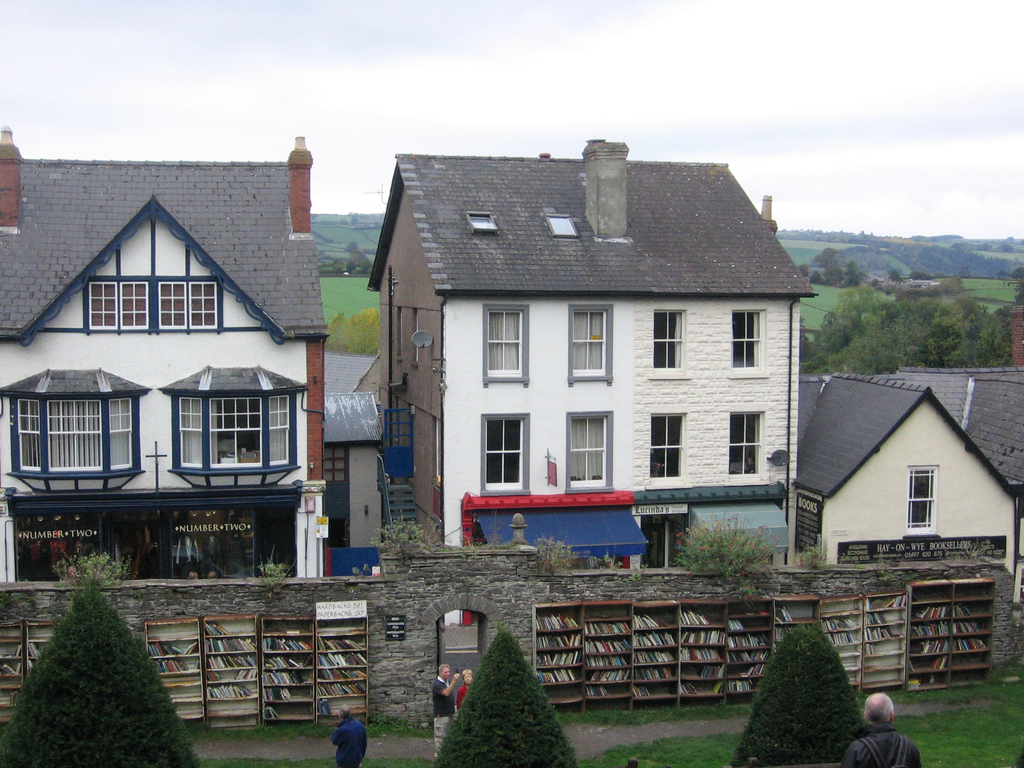
It began in 1961, when Richard Booth started filling the empty buildings of Hay-on-Wye in Wales with secondhand books, turning a Welsh market town into the world’s first book town. The idea traveled: bookseller Noël Anselot, inspired by Hay, persuaded Belgian dealers to settle in the dying Ardennes village of Redu in 1984. Here, the bookshops now stay open all night every August for the Nuit du Livre. The International Organization of Book Towns defines one as “a small, preferably rural, town or village in which secondhand and antiquarian bookshops are concentrated.” Notable members include Redu and Montereggio in Italy, Clunes in Australia, and Kampung Buku in Malaysia.
A book town is a crawl with the density turned up, and a weekend in one is the natural graduation from an afternoon in a single district. We have rounded up eight book towns to visit in your lifetime if you want somewhere to start.
What You Are Really Collecting

A bookshop crawl is a strange kind of tourism, because the object of interest isn’t a monument. It’s a set of choices made by someone who lives there: what they stocked, what they put in the window, what they pressed into your hands when you asked. Walk into six shops in a city that isn’t yours, and you get six honest readings of the place, unmediated by an algorithm that has already decided what you like.
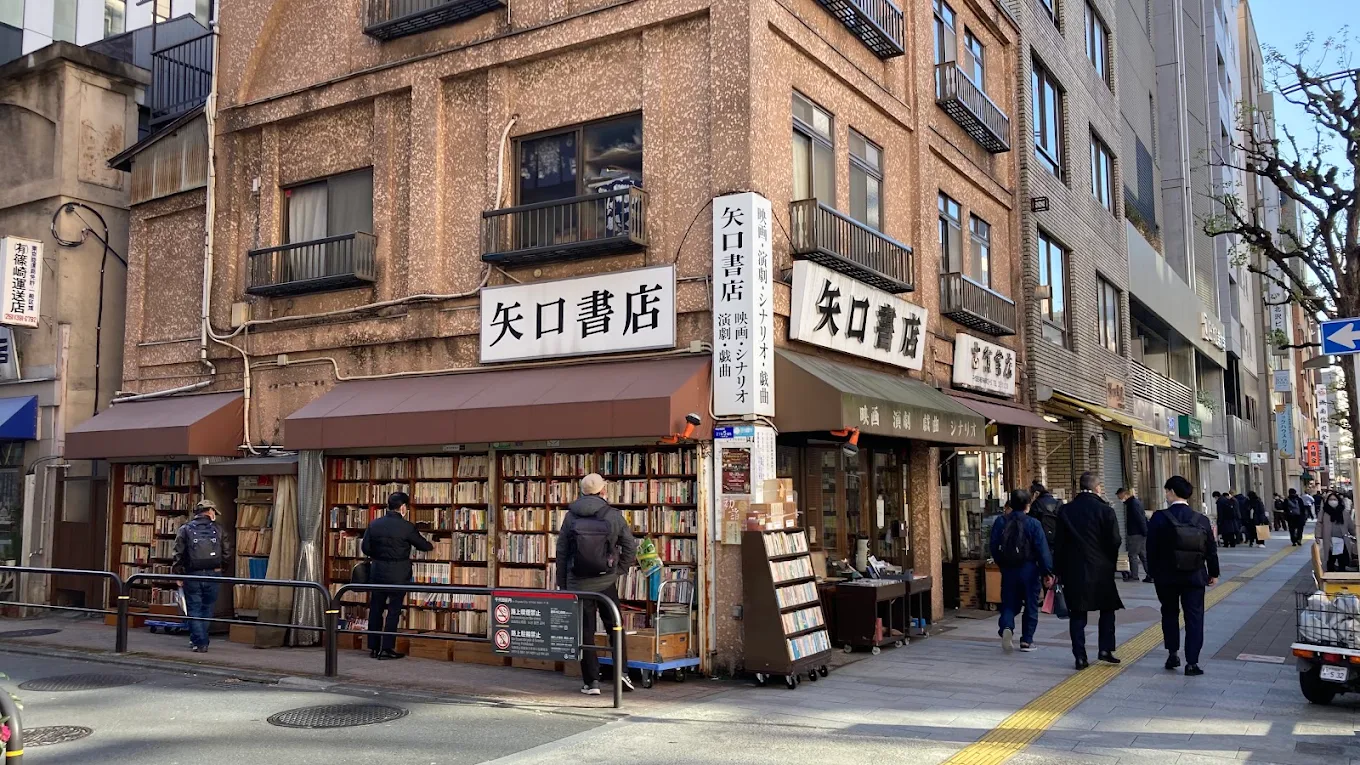
That is why this is a practice for old souls and open minds at once. You cannot browse a shelf in Kolkata, Lisbon, or Seattle without noticing what a neighborhood argues about, mourns, and finds funny. You come home with a paper bag and a slightly larger sense of the world.

Adam Ryan
Adam is a distinguished content writer, bookworm, and full-time adventurer with a constant craving for coffee. When he's not working, he loves exploring remote corners of the world, immersing himself in different cultures, and writing about his experiences.