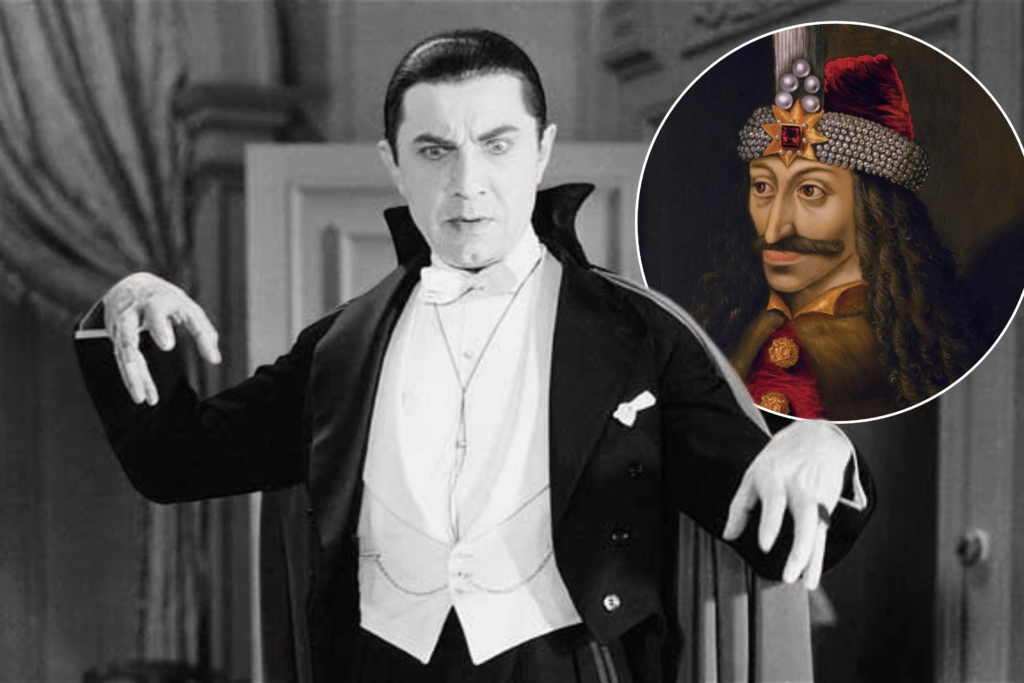

The real-life inspiration behind Dracula: Bram Stoker’s Dublin childhood, his mother’s cholera memoir, Le Fanu’s Carmilla, a Whitby shipwreck and a library footnote, and how one novel shaped a century of vampire films.
Say the word vampire anywhere on earth and one name comes back. Count Dracula has been played on screen more often than any other character in horror, 162 times by the time Guinness World Records stopped counting in 1992, and the stories he fathered have taken more than three billion dollars at the box office in the Twilight films alone. He has a cape, a widow’s peak, an accent, and a way of saying “I never drink… wine.” None of it is in the book. In the novel, he has a long white moustache and hair growing on his palms.
The book came from Dublin. Bram Stoker, who wrote it, was born there in 1847, the worst year of the Famine, and could not walk for the first seven years of his life, during which his mother told him about a cholera epidemic in Sligo in which the dying were buried before they were dead. He grew up to be a civil servant and then a theatre manager, and Dracula, published in 1897, earned him very little. He died without knowing he had created the most durable monster in modern culture. This is the story of where the Count really came from, and of what a single novel can do to a century of film.
Seven Years in Bed, and a Mother’s Memory of Sligo
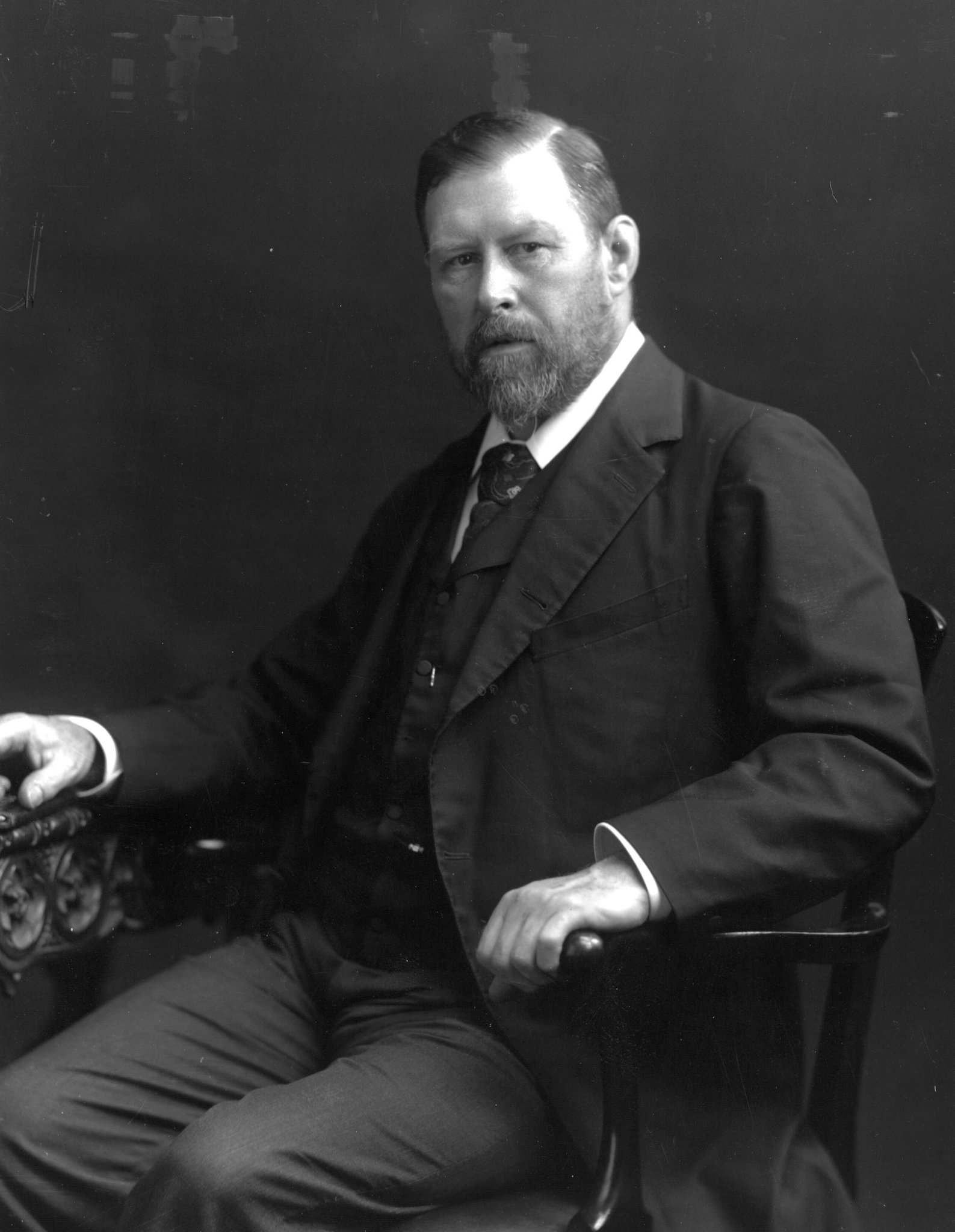
Abraham Stoker was born on November 8, 1847 at 15 Marino Crescent in Clontarf, a seaside suburb on the north side of Dublin, the third of seven children of a civil servant. For reasons no doctor ever explained, he could not walk until he was seven, then recovered so completely that at university he became a champion athlete. He later wrote that the leisure of a long illness had given him “many thoughts which were fruitful according to their kind in later years.”
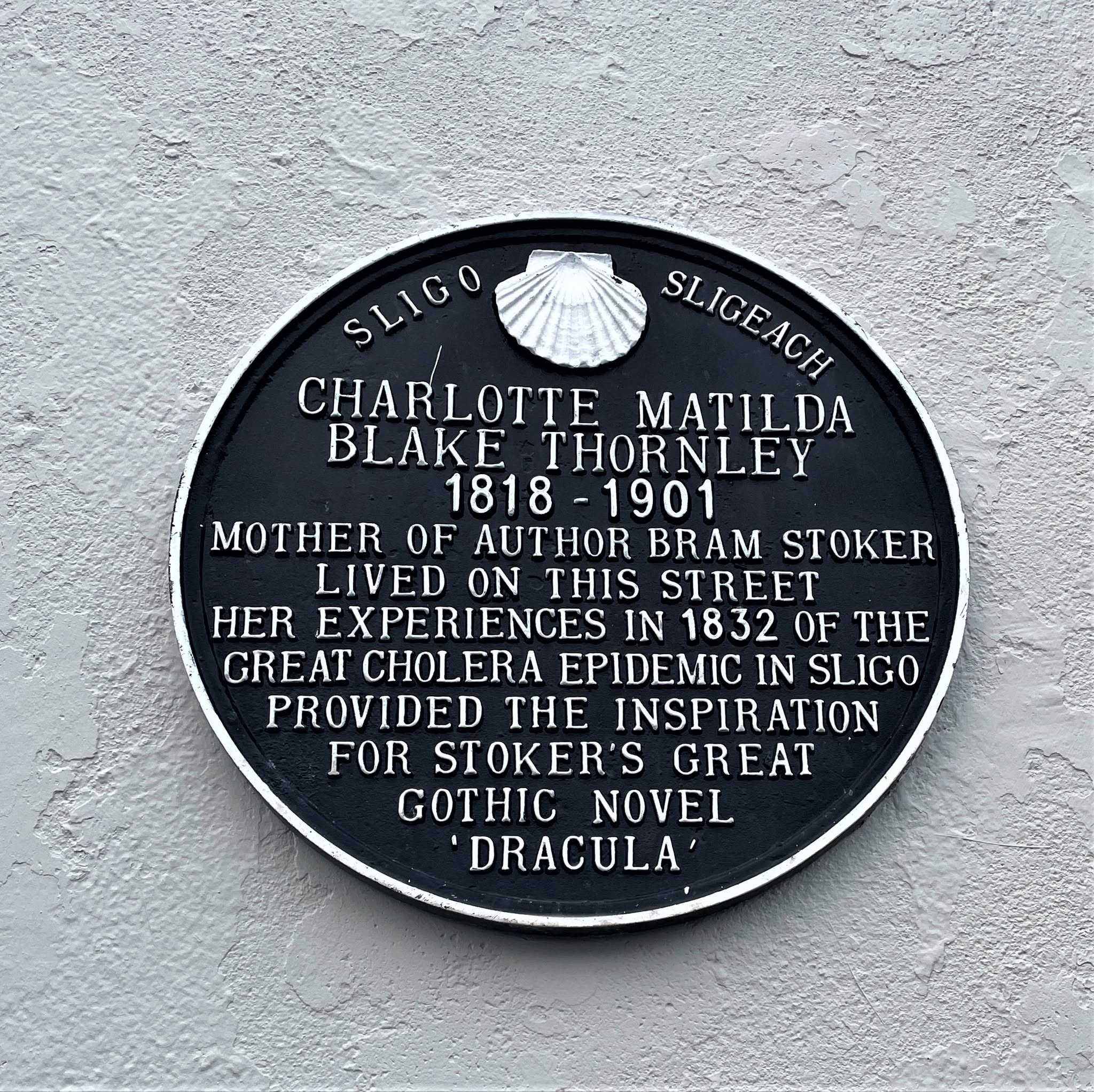
What he mostly did in bed was listen to his mother. Charlotte Stoker, born Charlotte Thornley, had been fourteen in 1832 when cholera reached Sligo, a port town on Ireland’s north-west coast, and killed around a tenth of its people in a few weeks. Years later, at her son’s request, she wrote down what she had seen, and the manuscript survived in a Dublin archive until the Sligo Stoker Society made it widely available in 2018. Twenty carpenters could not make coffins fast enough. Five hundred of the dead were wrapped in sheets and put into one trench.
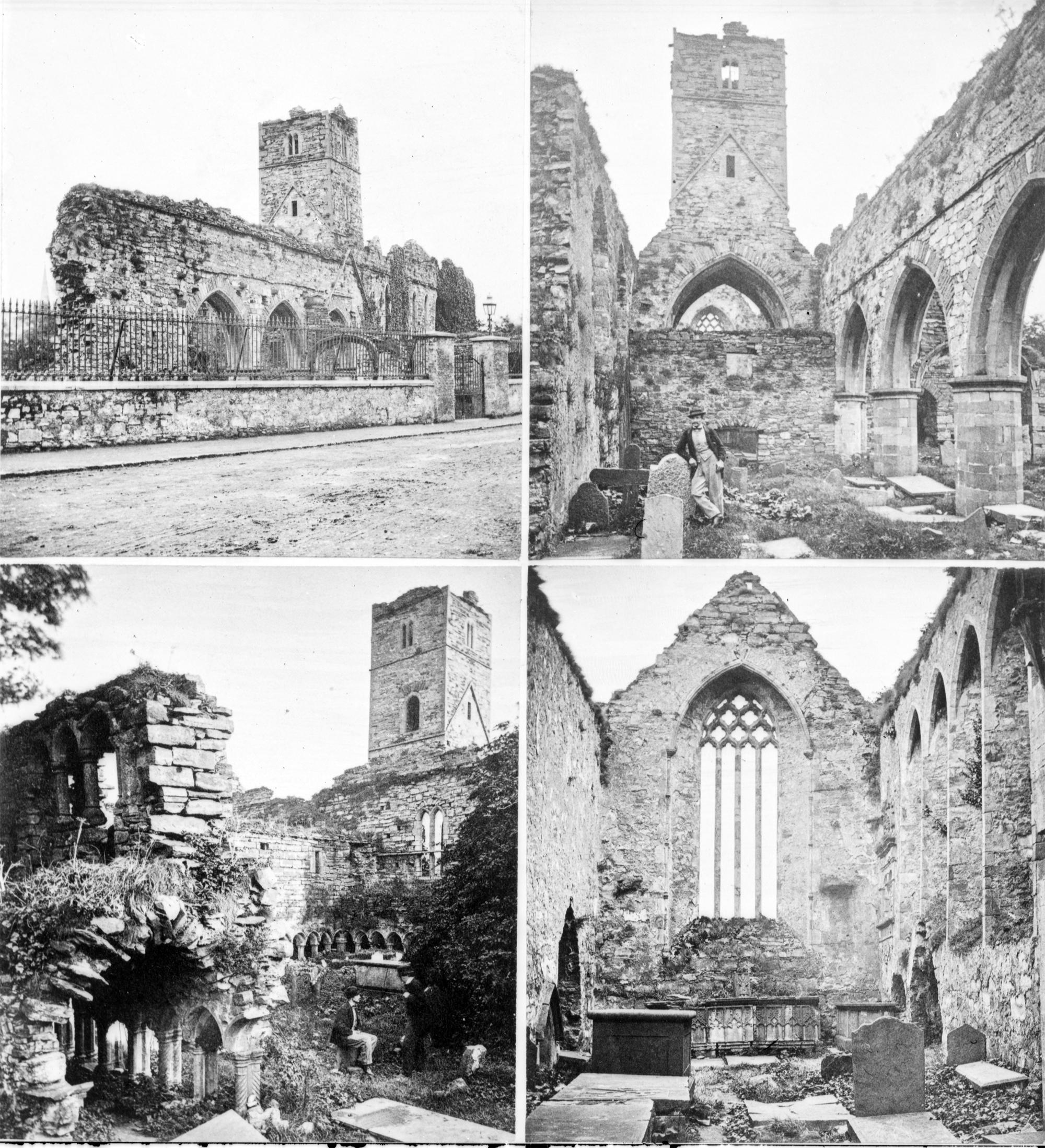
The disease arrived by ship and was believed to move over land as a mist. Worst of all, she recorded that terrified attendants took patients stupefied with laudanum and laid them, still breathing, in the mass graves. The historian Marion McGarry has argued, in a study reported by Atlas Obscura, that the novel’s deepest fears come from this account: a contagion that arrives by sea and spreads like fog, and a state between living and dead from which there is no clean release. Stoker’s working title for the book was The Un-Dead.
A Library Card at Eighteen, and a Newspaper Owned by a Vampire Writer
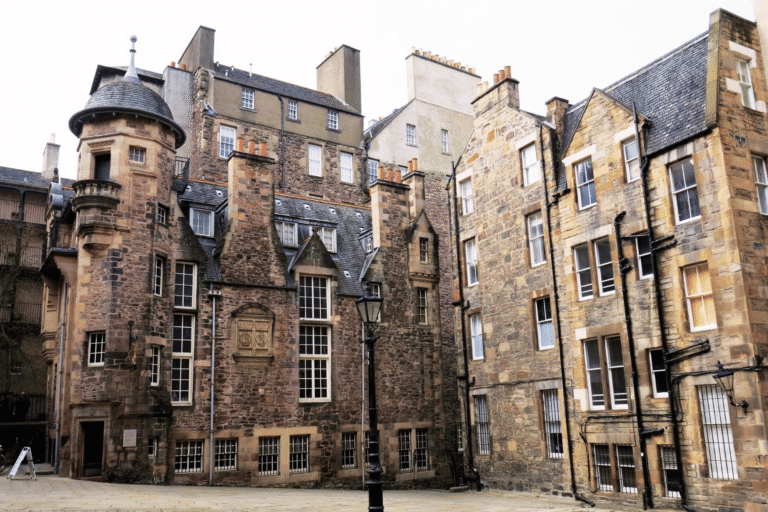
Stoker entered Trinity College Dublin in 1864 and, in a city with no shortage of old books, went looking for the oldest. The visitors’ book at Marsh’s Library, the public library of 1707 beside St Patrick’s Cathedral where readers were once locked in cages so they could not steal the books, records his first visit on July 4, 1866, when he was eighteen; he came back six more times.
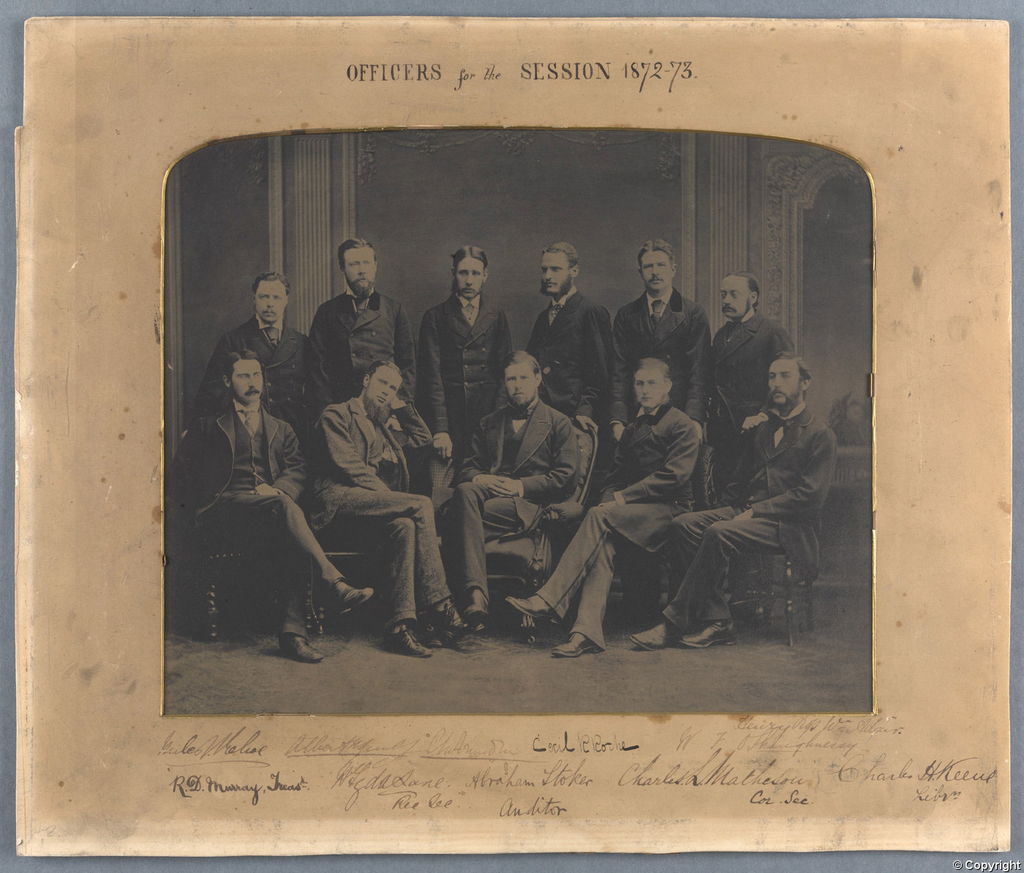
At Trinity he was the only student in the college’s history to serve as both auditor of the Historical Society and president of the Philosophical Society, and he left in 1870 for most of a decade as a clerk at Dublin Castle, the seat of British administration in Ireland.
To relieve the boredom, he reviewed plays, unpaid, for the Dublin Evening Mail. The paper’s co-owner was Joseph Sheridan Le Fanu, the Dublin novelist whose Carmilla, published in 1872, told of a young woman in a lonely Austrian castle preyed upon by a female vampire who had been dead for more than a century.
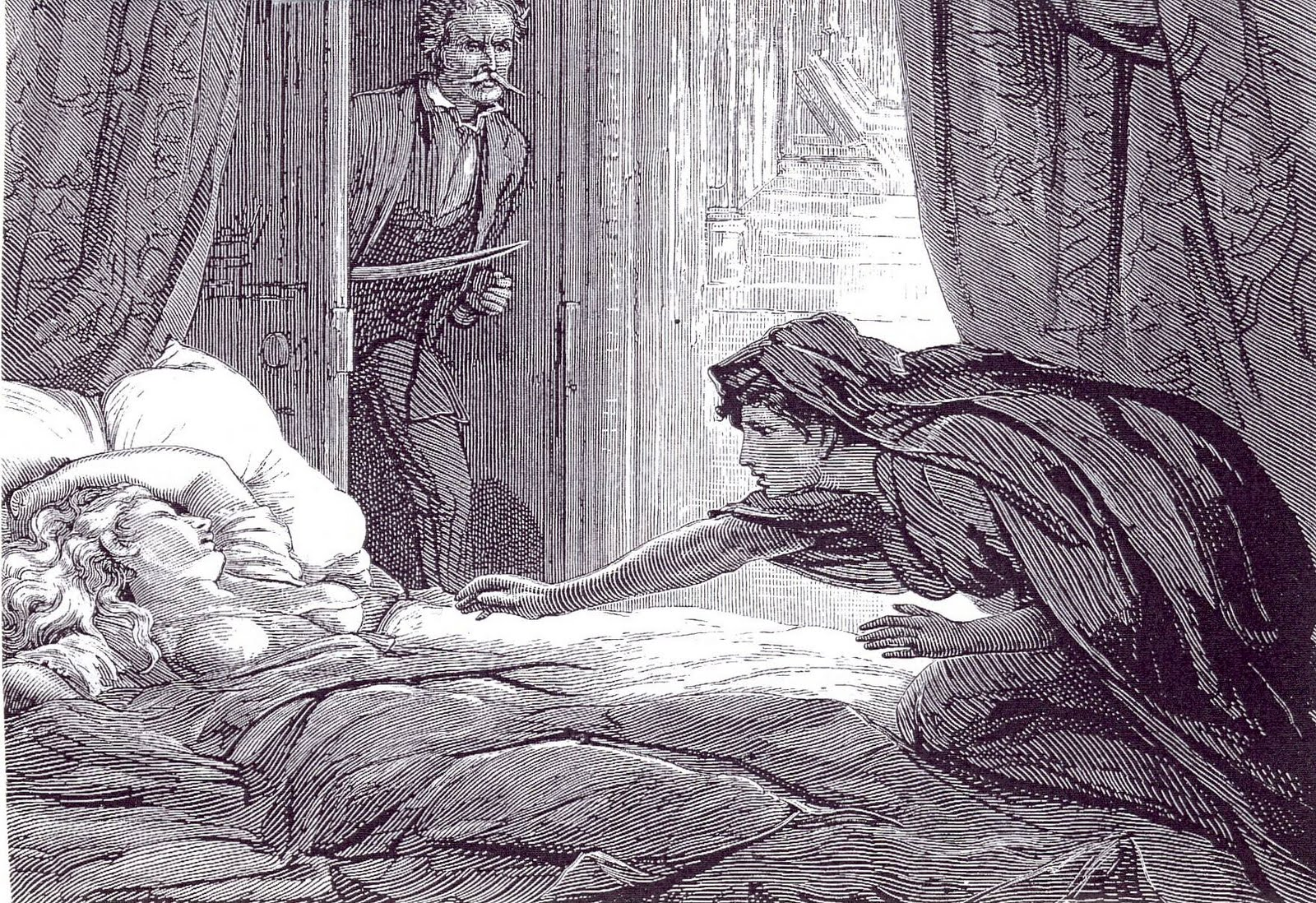
Carmilla is the direct ancestor of Dracula: Stoker’s earliest notes set his story in Styria, the same Austrian province, and called his villain Count Wampyr. The vampire had been in English fiction since John Polidori’s short tale of 1819. The version the world now knows began to take shape in Dublin, in a newspaper office and a caged library.
The Night Henry Irving Made Him Faint
In December 1876 Stoker reviewed the English actor Henry Irving’s Hamlet at the Theatre Royal, and Irving, delighted, asked him to dinner. After the meal, Irving recited a poem about a murderer’s guilt with such force that Stoker, by his own account, collapsed in hysterics; Irving went to his room and came back with a signed photograph. Two years later Stoker married Florence Balcombe, a Dublin beauty whose previous suitor had been Oscar Wilde, gave up the civil service and moved to London to run Irving’s Lyceum Theatre, which he did for twenty-seven years.
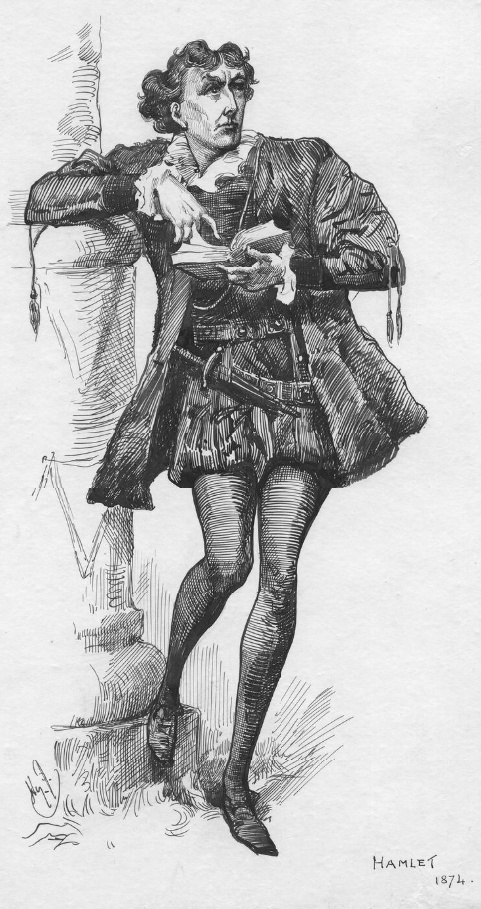
Irving was tall, gaunt, magnetic and imperious, and most of Stoker’s biographers believe the Count’s bearing is his. He never played the part. When Stoker staged a reading of Dracula at the Lyceum in 1897 to secure the dramatic copyright, the actor is said to have listened for a while and pronounced it “dreadful”.
A Footnote in a Whitby Library, and a Ship Full of Sand
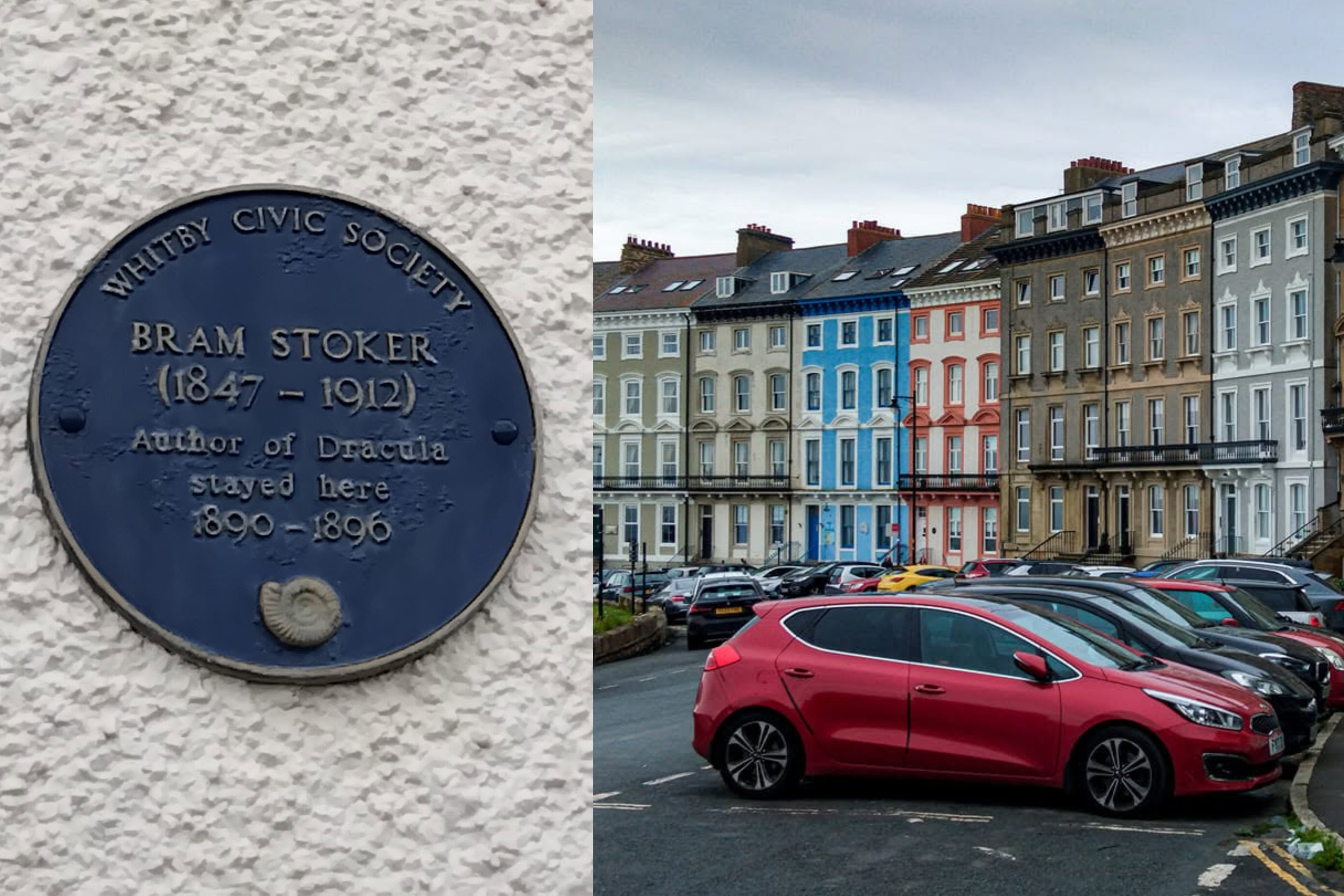
The novel was researched for seven years, and the turning point was a summer holiday. In July 1890, Stoker took rooms at 6 Royal Crescent in Whitby, a fishing town on the Yorkshire coast of England with a ruined abbey on the cliff, a churchyard full of weathered gravestones and 199 stone steps between the two. Walking the harbour, he heard about the Dmitry, a Russian schooner out of Narva that had been driven onto Tate Hill Sands in a storm on 24 October 1885, carrying almost no cargo except a ballast of silver sand. In the novel it becomes the Demeter, which runs aground in the same place in the same storm with its crew dead and its captain lashed to the wheel, carrying boxes of earth.
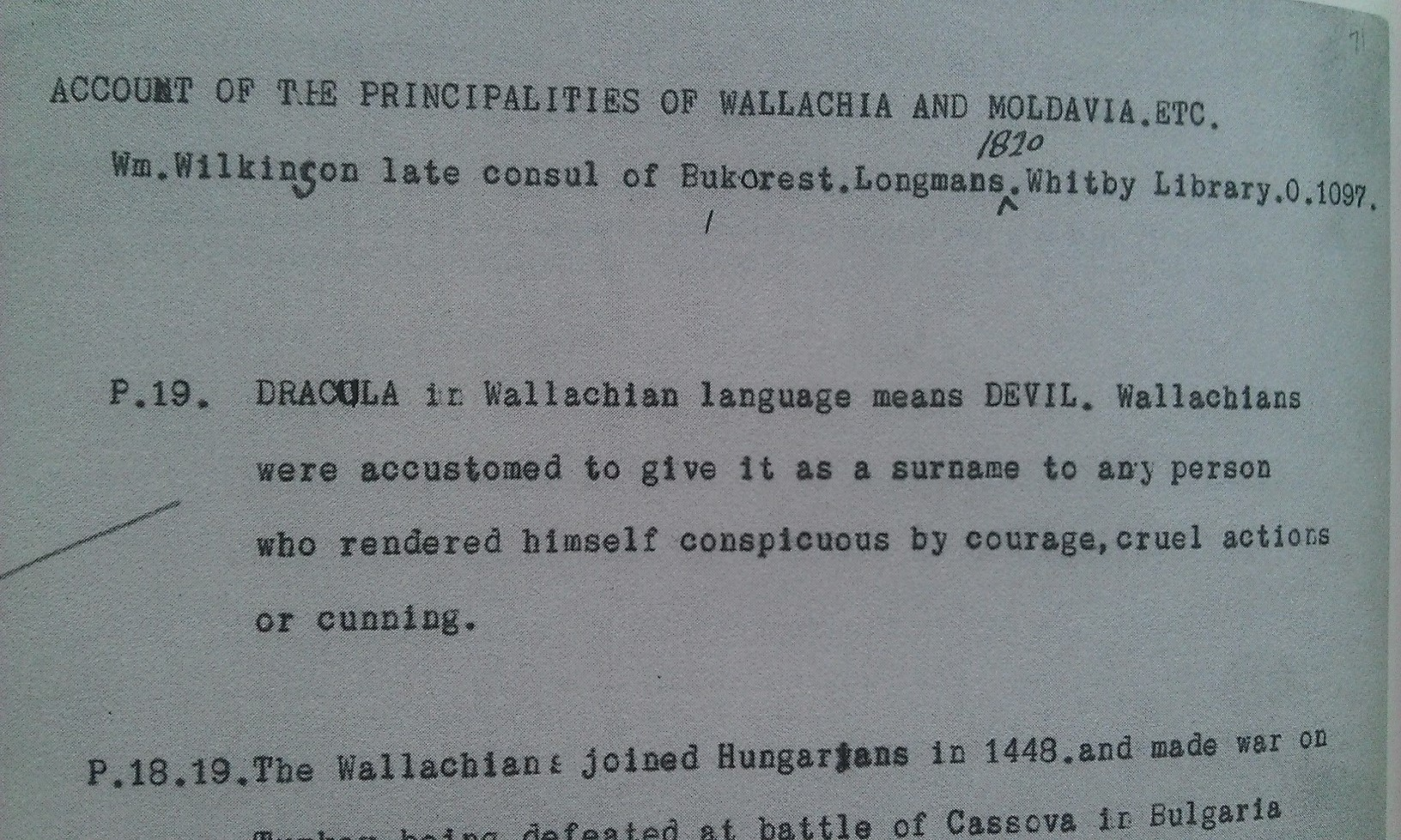
In the town’s public lending library he found a dull book by a former British consul, William Wilkinson’s An Account of the Principalities of Wallachia and Moldavia, published in 1820, and in it a footnote: “DRACULA in the Wallachian language means DEVIL.” He copied the line into his notes, and Count Wampyr became Count Dracula. That is the whole of the connection to Vlad III of Wallachia, the fifteenth-century prince known as the Impaler.
Stoker’s notes, which his widow sold and which turned up in 1972 at the Rosenbach Museum and Library in Philadelphia, contain no mention of Vlad, no nickname, no impalings; he took a name because it meant devil. The idea that the Count was modelled on the historical prince was popularised that same year by the historians Raymond McNally and Radu Florescu in In Search of Dracula, before the notes were read, and the Stoker scholar Elizabeth Miller spent a career taking it apart. Both historians later softened their claim. The public never did.
Six Shillings, Kind Reviews and Almost No Money
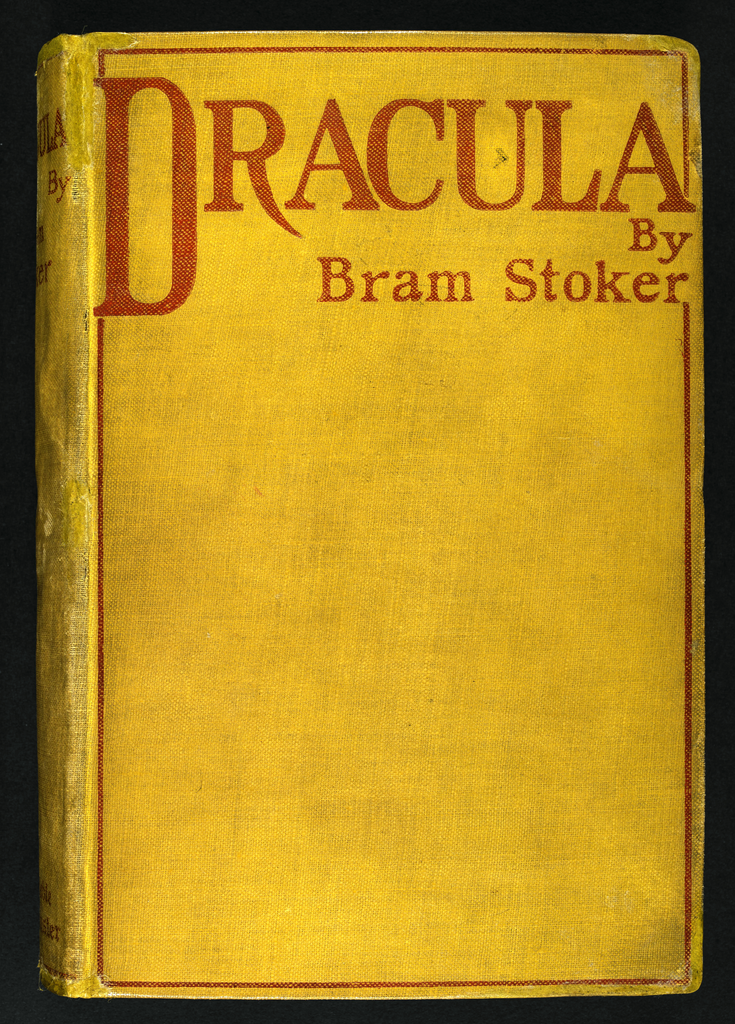
Dracula was published in London by Archibald Constable on May 26, 1897, in a yellow cover, at six shillings. The reviews were respectful, and the sales were modest. Stoker went on managing the Lyceum, wrote several more novels that almost nobody now reads, and died in London on April 20, 1912, after a series of strokes, with his novel a minor success and his reputation resting on his memoir of Irving. He had also, it emerged later, failed to register the American copyright correctly, which put the book into the public domain in the United States and meant that anyone there could adapt it without asking. The Count’s second life would be built on that mistake.
The Widow Who Tried to Burn Nosferatu
In 1922, a small German studio called Prana Film released Nosferatu, with the names changed and the plot intact, without asking anyone. Florence Stoker sued. Prana went bankrupt, the case ran for years, and a German court finally ordered every print and negative destroyed. Copies had already reached archives in France and the United States, and the film survives as the first great vampire picture, the one that gave the world the shadow climbing the stairs.
The film outlived her lawsuit, and she turned to the stage instead, licensing a version to the Irish actor Hamilton Deane in 1924 that reached Broadway in 1927 with a Hungarian émigré named Bela Lugosi in evening dress and a cape, and in 1930 Carl Laemmle Jr. of Universal Pictures bought the rights to both the play and the novel.
The 1931 film followed the play rather than the book, and Lugosi’s accent, cape, widow’s peak, and refusal of wine became the Count for the rest of the century. Christopher Lee gave him fangs and colour for Hammer Films in 1958. Francis Ford Coppola gave him a love story and a title with Stoker’s name in it in 1992.
Three Billion Dollars of Descendants
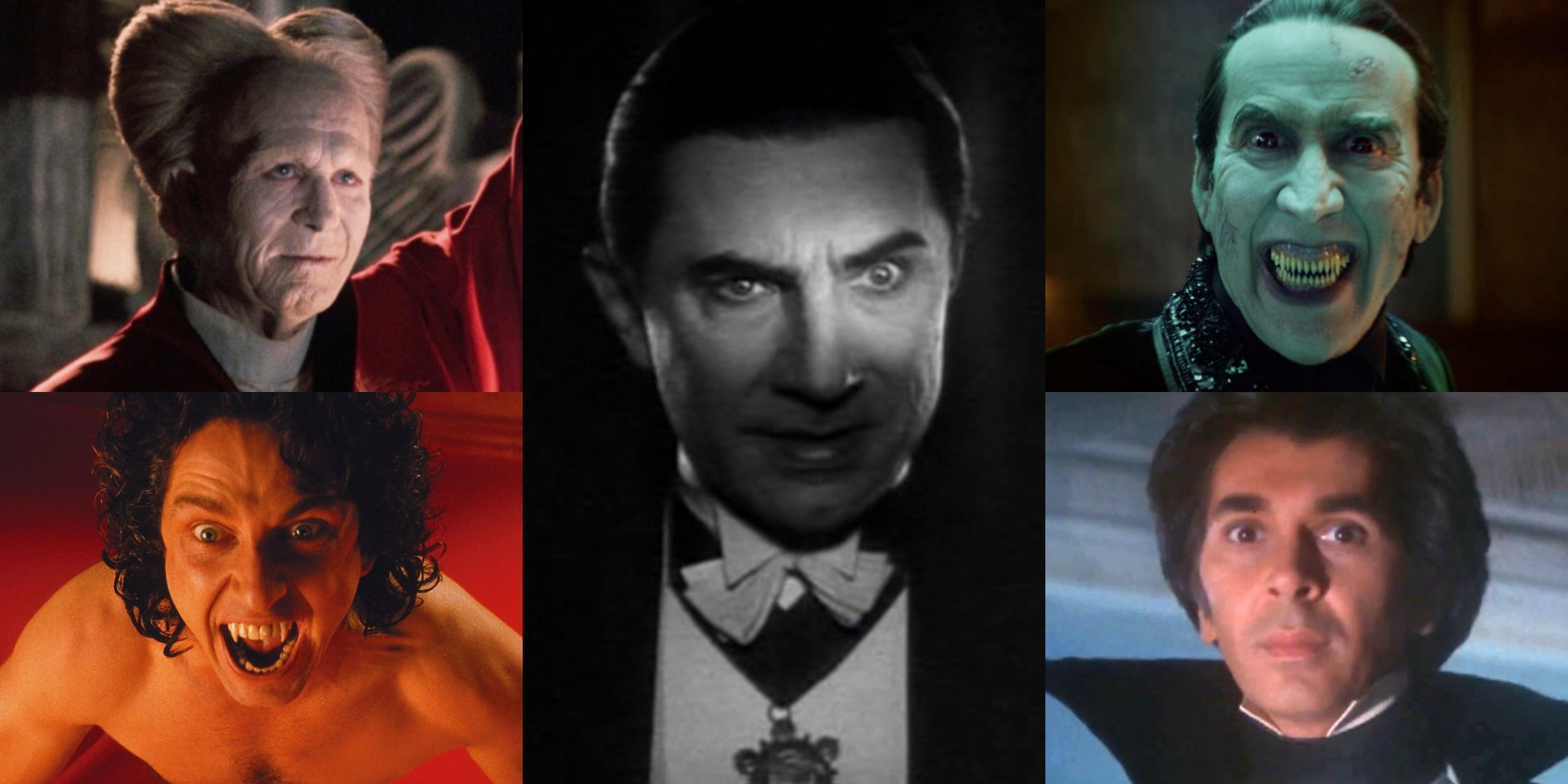
Every vampire since has had to decide what to do about him. Anne Rice’s Interview with the Vampire (1976) made the monster the narrator. Buffy the Vampire Slayer (1997) made him a teenager’s problem. Stephenie Meyer’s Twilight novels made him a boyfriend, and the five films, released between 2008 and 2012, took US$3.36 billion worldwide. The appetite has not slackened. Robert Eggers’s Nosferatu, a remake of the film Florence Stoker tried to destroy, earned US$182 million on a US$50 million budget in the winter of 2024.
Ryan Coogler’s Sinners, which set vampires loose on a juke joint in 1932 Mississippi, took more than US$370 million in 2025 and became one of the most successful original films in years. Guinness’s 1992 count of 162 Dracula portrayals is now hopelessly out of date, and nobody has dared to update it.
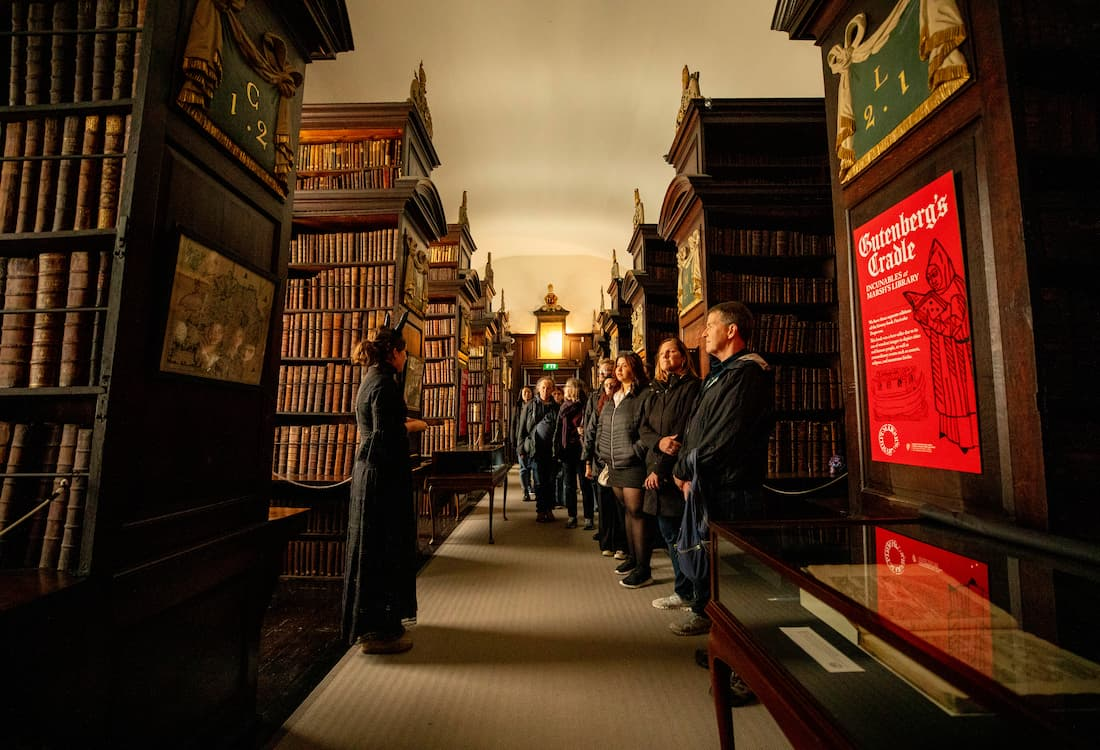
The trail can be followed. The house at 15 Marino Crescent carries a plaque. Marsh’s Library still has the visitors’ book with his signature. Dublin City Council’s Bram Stoker Festival fills the long weekend of October 23 to 26, 2026 with Gothic theatre and night walks, and Whitby’s abbey, churchyard and 199 steps draw thousands in cloaks to two Goth weekends a year. The Rosenbach in Philadelphia keeps the notes.
What the trail shows, more clearly than any single site, is how a novel works on the world. Stoker took a plague story from his mother, a dead woman’s castle from Le Fanu, an actor’s manner from Irving, a wreck and a footnote from Whitby, and bound them into a book that sold modestly and made him no fortune. Then the book did what books do.
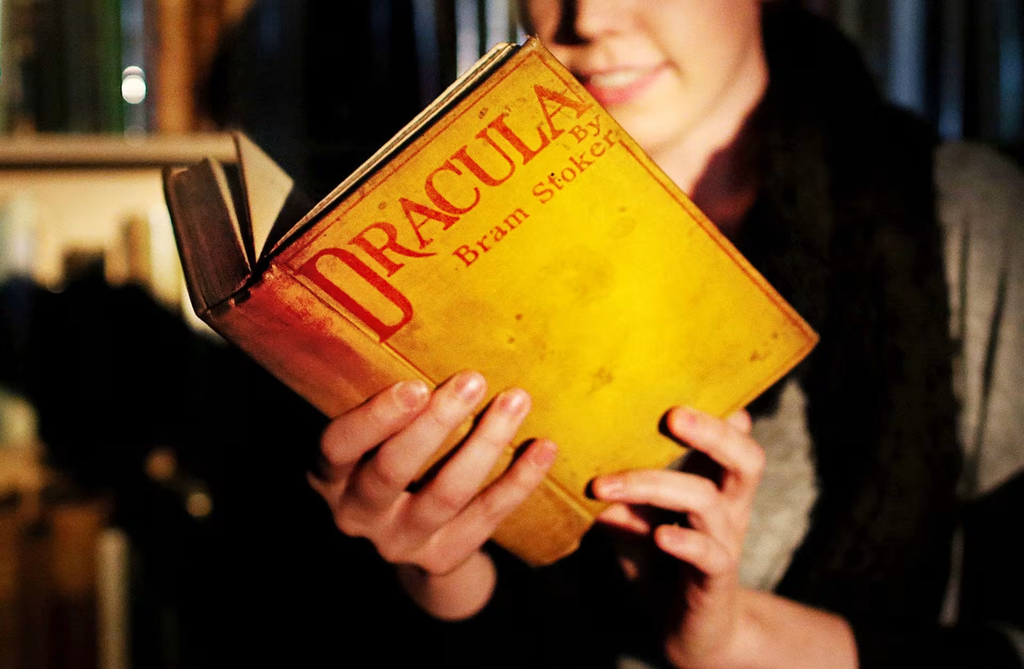
A stage adaptor needed a man who could stand in a drawing room, a studio needed a face for a poster, and each generation since has found in the Count whatever it was afraid of or wanted: disease, foreignness, sex, immortality, a boyfriend who would never age. The films have earned billions, and the actors have become famous, and every one of them is working from the same six-shilling novel by a Dublin clerk, in which the moustache is still there in chapter two for anyone who cares to look.

Vincent Phan
Vincent is the founder and Editor-in-Chief of 1000 Libraries Magazine. He is a Paris-born ex-corporate turned bookseller and philosopher, on a global mission to spread the joy of physical books in our age of digital technology.