
The New York Public Library counted its most borrowed books ever. A picture book about snow beat them all, and one beloved classic that didn’t make the cut.
There is a certain magic in an old library card: soft cardboard, stamped and re-stamped, passed over wooden counters for generations.
In 2020, to mark its 125th anniversary, the New York Public Library (NYPL) did something wonderfully analogue with all that accumulated history: it counted. A team of the library’s experts spent six months combing through circulation records stretching back toward the institution’s founding in 1895. It weighed historic checkout data across every format, time in print, presence in the catalogue, and the tides of popularity, and emerged with the 10 most borrowed books in its history.
The result reads like a love letter from one of the world’s great cities to the act of reading itself. It’s a running record of what has moved New Yorkers across 13 decades: what excites them and what stands the test of time.
A Boy, a Red Snowsuit, and Half a Million Checkouts
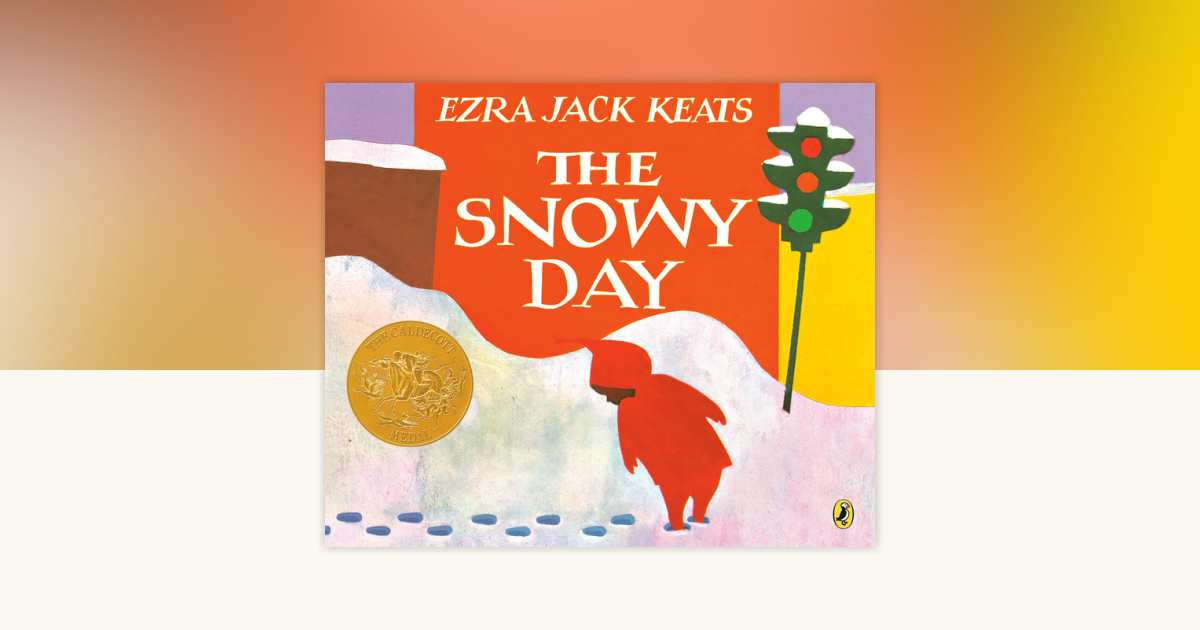
At the very top sits not a sweeping epic or a Nobel laureate, but a quiet picture book: The Snowy Day by Ezra Jack Keats, borrowed an astonishing 485,583 times since its publication in 1962. There are roughly 20,800 days between the date of publication and when the library counted, meaning people were borrowing this book at an average rate of 23 times per day over the course of almost 60 years. The library must have had to buy a lot of extra copies to keep up with demand.
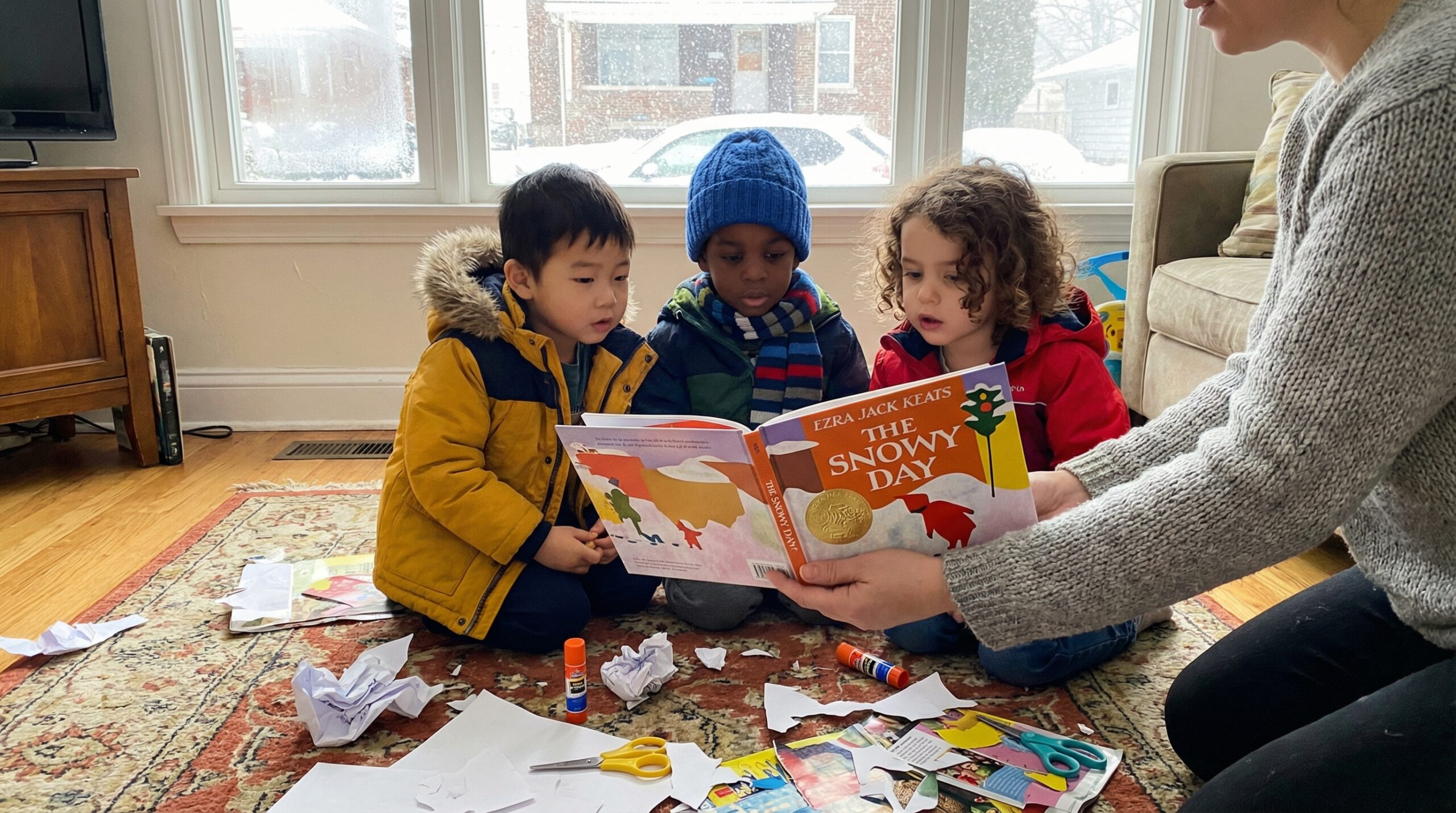
The book follows a small boy named Peter, zipped into a red snowsuit, discovering the hushed wonder of fresh snow in his city: crunching footprints, dragging a stick, patting snow into his pocket to save for later, with predictably melty results. ‘The Snowy Day is such a relatable story because snow is an experience all New Yorkers have experienced,’ Andrew Medlar, one of the experts who compiled the list, told CNN.
Keats, the Brooklyn-born son of poor Jewish immigrants, made history with that gentle story. Its origin is one of the loveliest in American publishing. Around 1940, long before he ever made a children’s book, Keats clipped a series of photographs of a little boy from Life magazine and kept them pinned above his desk for more than two decades. That boy became Peter.
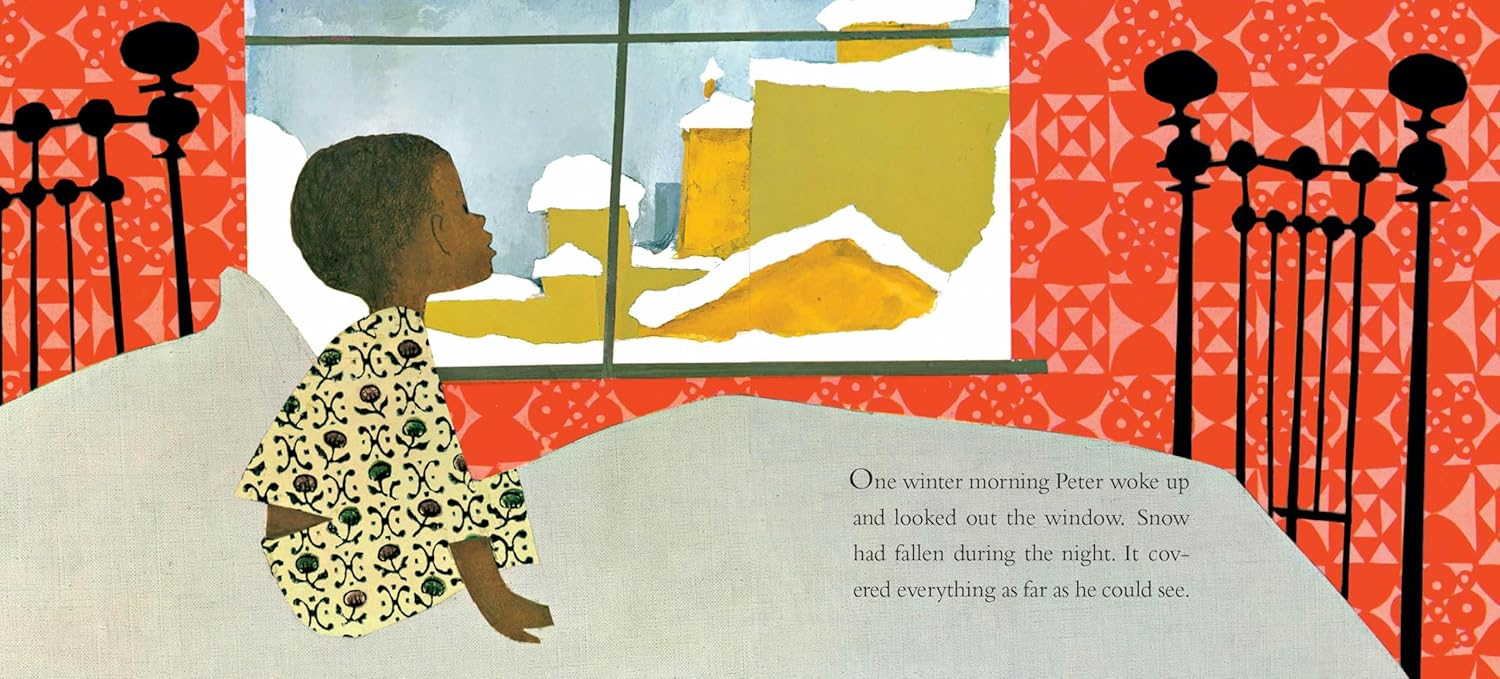
When the book appeared, it won the 1963 Caldecott Medal, becoming the first full-colour picture book with an African American protagonist to receive the honour, and it remains a landmark of representation in children’s literature. Deborah Pope of the Ezra Jack Keats Foundation has recounted a teacher writing to Keats to say that, for the first time, the Black children in her class were drawing themselves with brown crayons instead of pink. They could finally see themselves in a book.
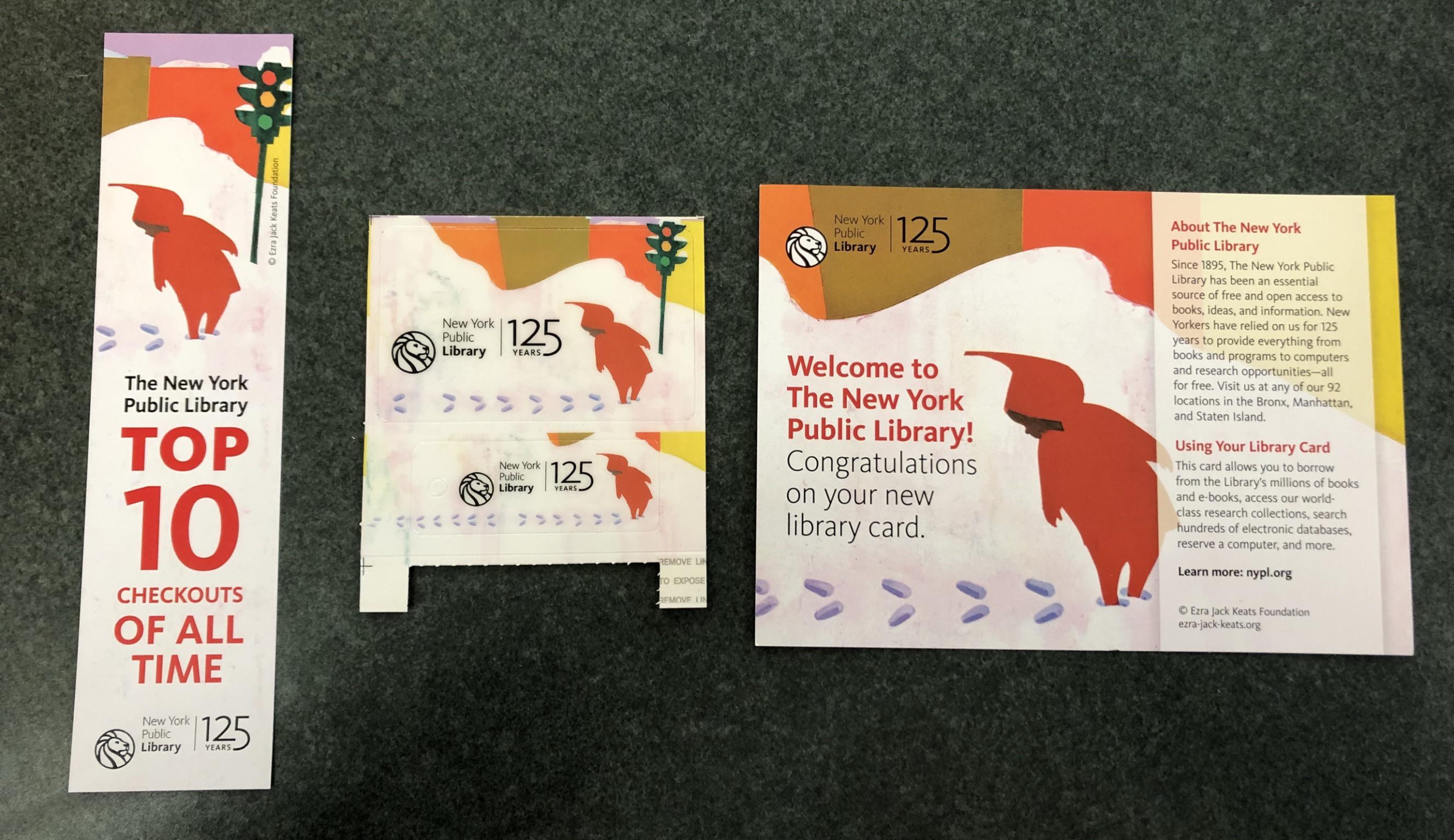
Continuously in print and available in a multitude of languages, it circulates heavily in every neighbourhood the library serves. The library loved its champion so much that it issued limited-edition library cards and MetroCards bearing Keats’s artwork: Peter’s red snowsuit riding the subway, 125 years of reading folded into a pocket-sized keepsake.
The Full Top Ten: A Syllabus for the Imagination
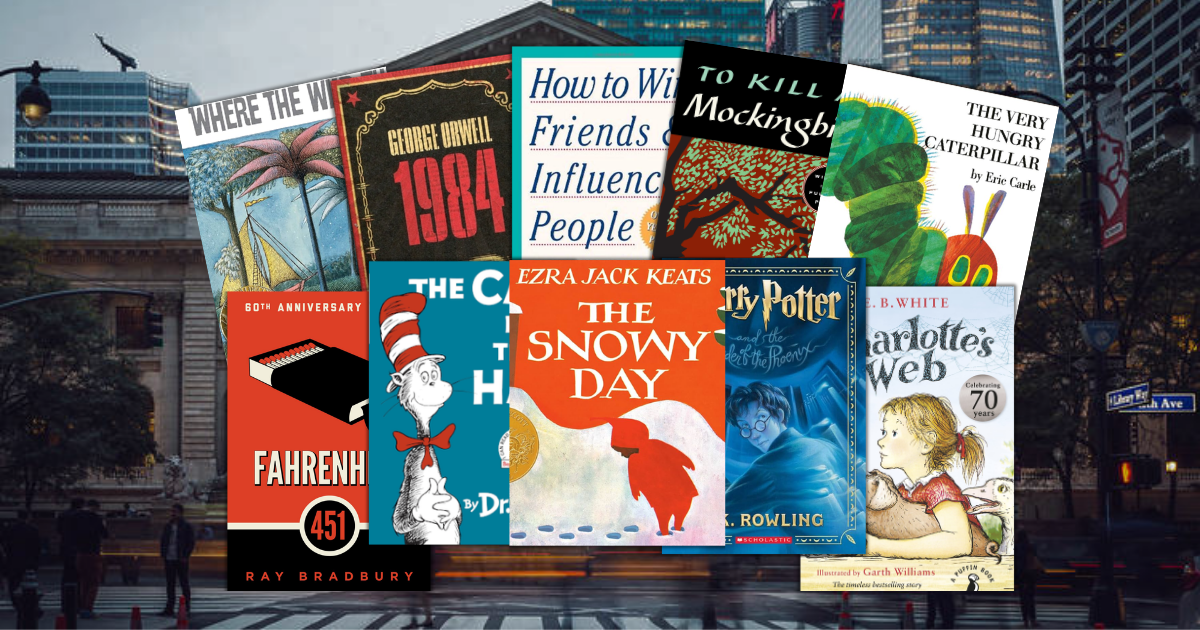
Here is the complete list:
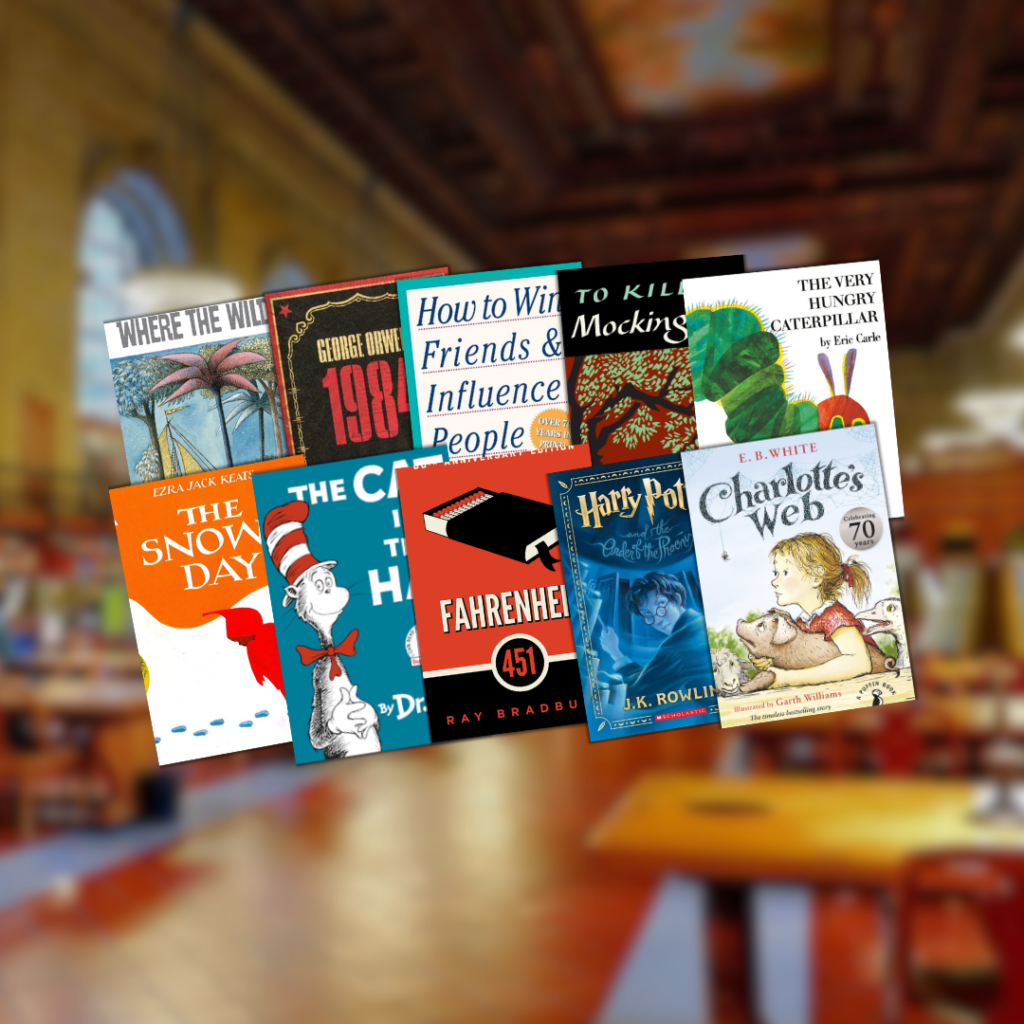
The Snowy Day by Ezra Jack Keats — 485,583 checkouts
The Cat in the Hat by Dr. Seuss — 469,650
1984 by George Orwell — 441,770
Where the Wild Things Are by Maurice Sendak — 436,016
To Kill a Mockingbird by Harper Lee — 422,912
Charlotte’s Web by E.B. White — 337,948
Fahrenheit 451 by Ray Bradbury — 316,404
How to Win Friends and Influence People by Dale Carnegie — 284,524
Harry Potter and the Sorcerer’s Stone by J.K. Rowling — 231,022
The Very Hungry Caterpillar by Eric Carle — 189,550
What a gathering this is: five children’s classics, two dystopian warnings, a Pulitzer Prize winner, a spider who saves a pig with well-chosen words, a series opener (published in the U.S. in 1998, the youngest title here), and, the oldest on the list, from 1936, the lone work of nonfiction, Dale Carnegie’s ever-hopeful guide to getting along with one another. Orwell’s surveillance state is shelved beside Sendak’s wild rumpus, and Bradbury’s book-burning firemen are outlasted, deliciously, by the very institution that lends them out.
In January 2017, the library actually ran out of copies of 1984 and had to order more, proof that great books surge back to life whenever the world gives us reason to reread them.
Why These Books? The Beautiful Mathematics of Borrowing
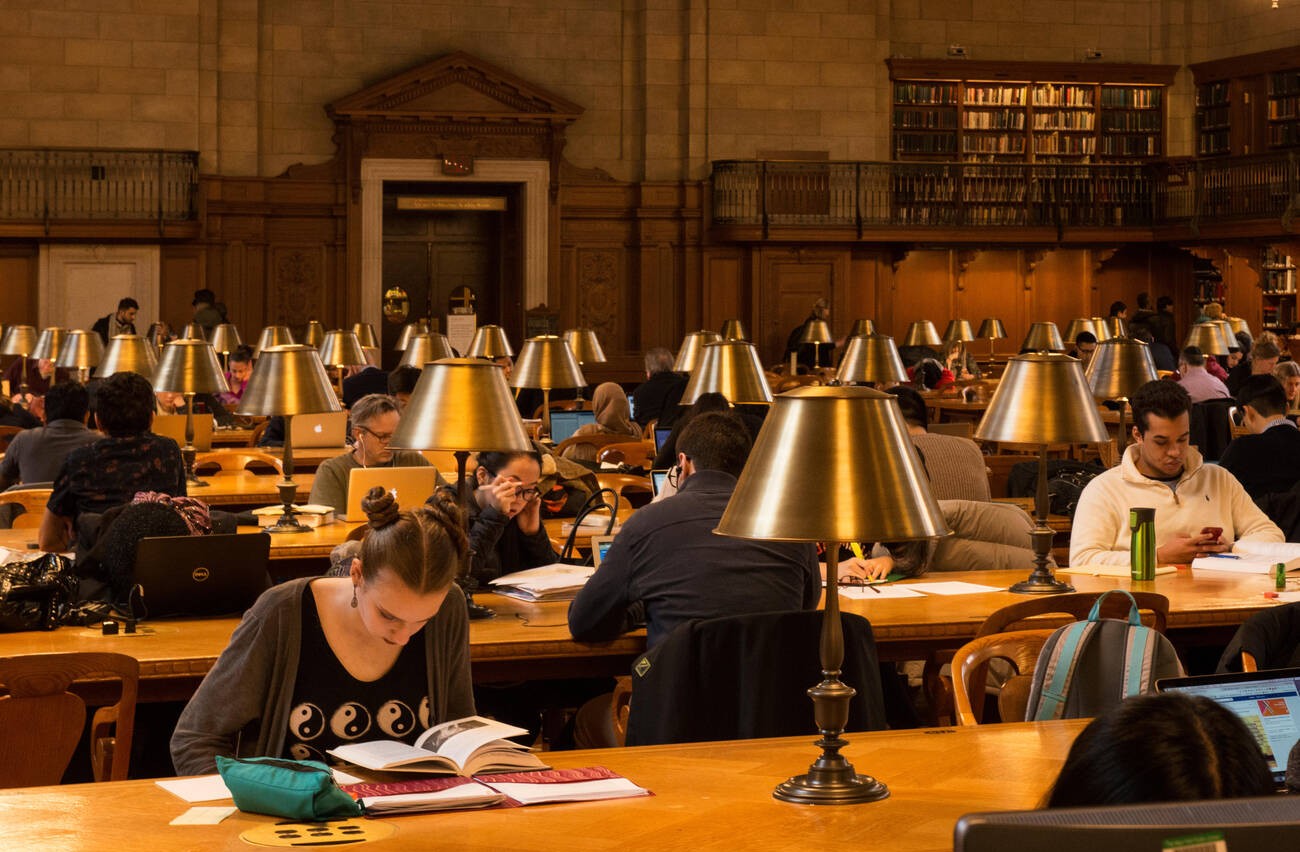
The librarians noticed patterns worth savouring. Shorter books circulate faster; a bedtime story returns to the shelf in days, ready for the next family. Books available in many languages travel further in a city where hundreds of tongues are spoken, each translation a small act of welcome. Classics anchored in school curricula, like To Kill a Mockingbird, are rediscovered by every new generation of students. The list itself took half a year of careful evaluation, slow and deliberate work; fitting for a monument to slow pleasures.
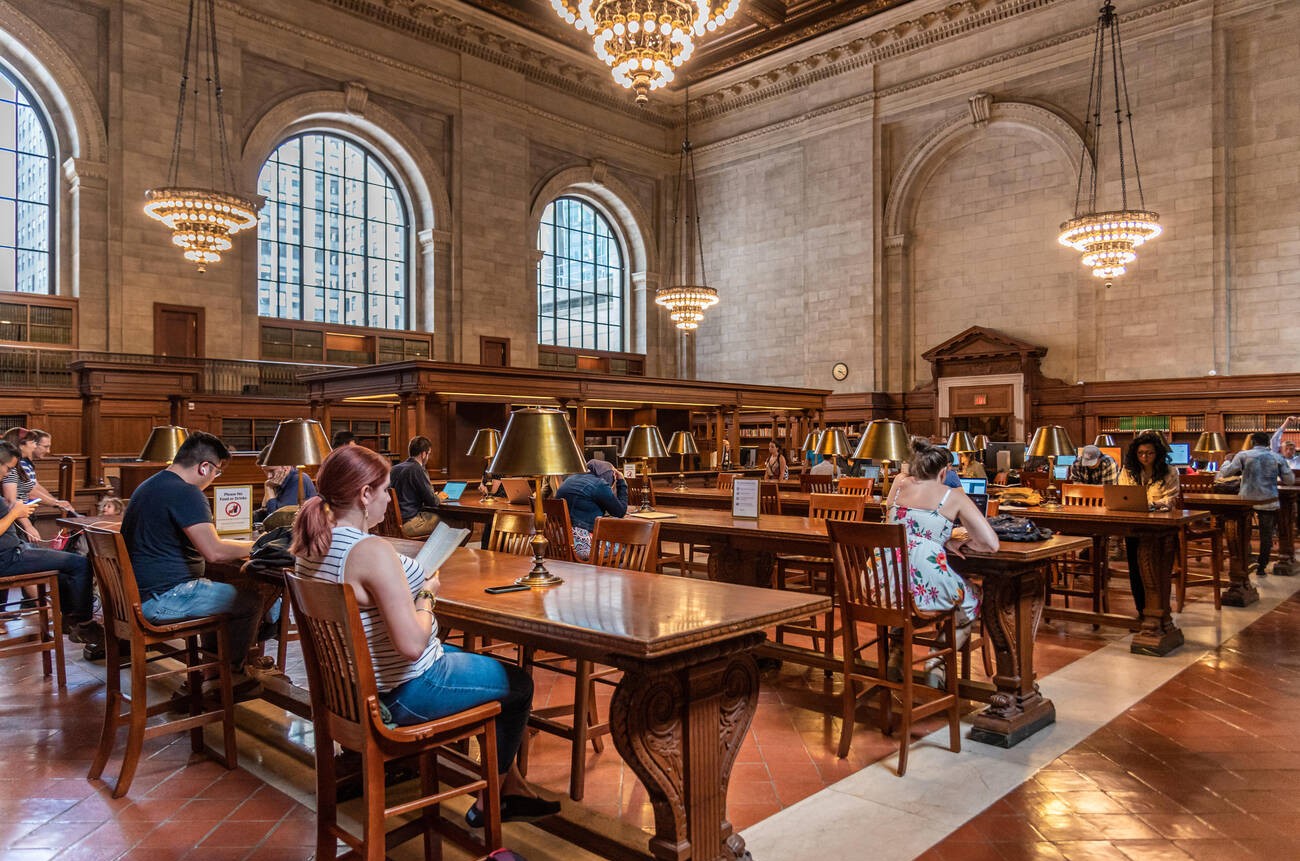
‘New Yorkers created this list,’ Medlar told Smithsonian Magazine. ‘We just counted it.’ There may be no lovelier description of what a public library is: a running tally of a community’s curiosity, kept faithfully for over a century.
The Bedtime Story That Almost Won
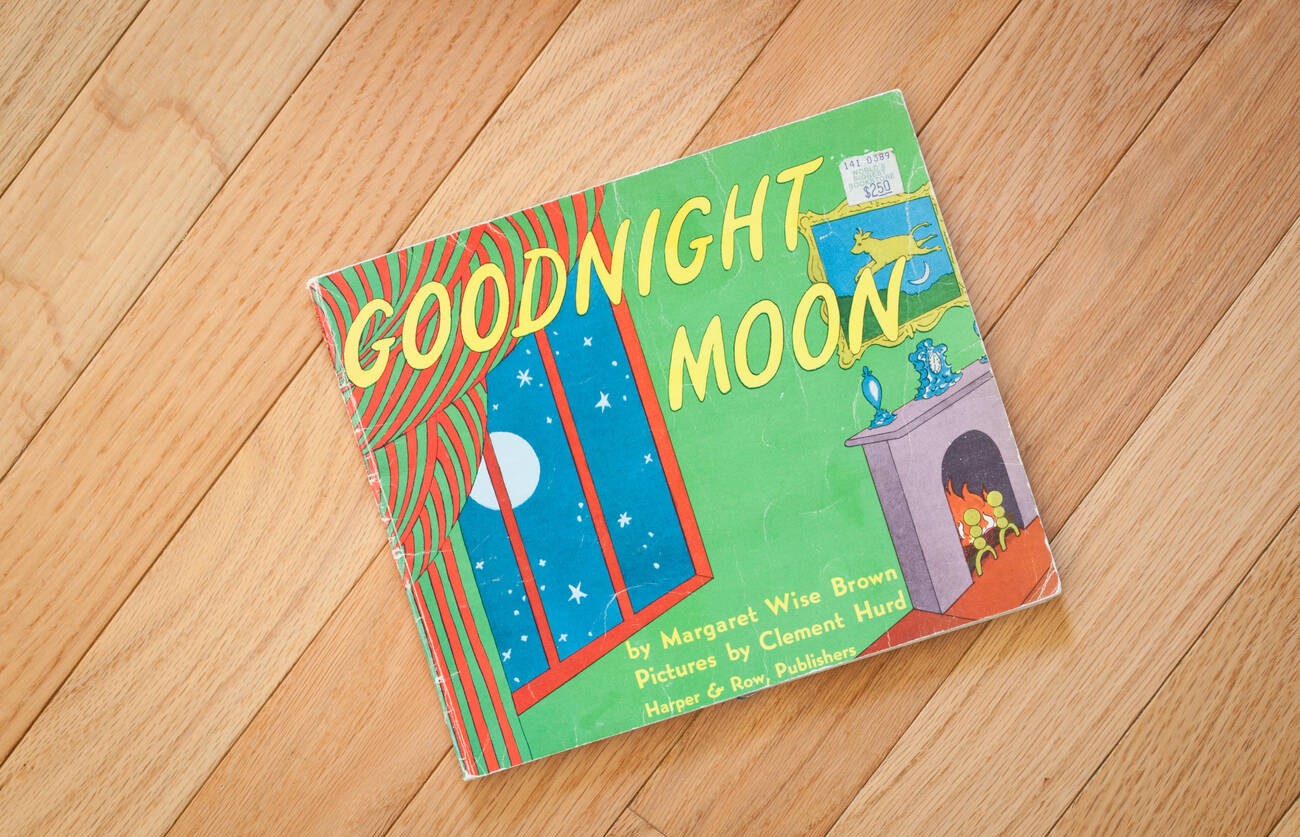
Every great list needs a great asterisk, and this one belongs to Goodnight Moon. The NYPL awarded Margaret Wise Brown’s 1947 lullaby of a book an honourable mention, noting it might well have claimed the top spot except that Anne Carroll Moore, the head children’s librarian at the time, so disliked it that the library didn’t carry it until 1972.
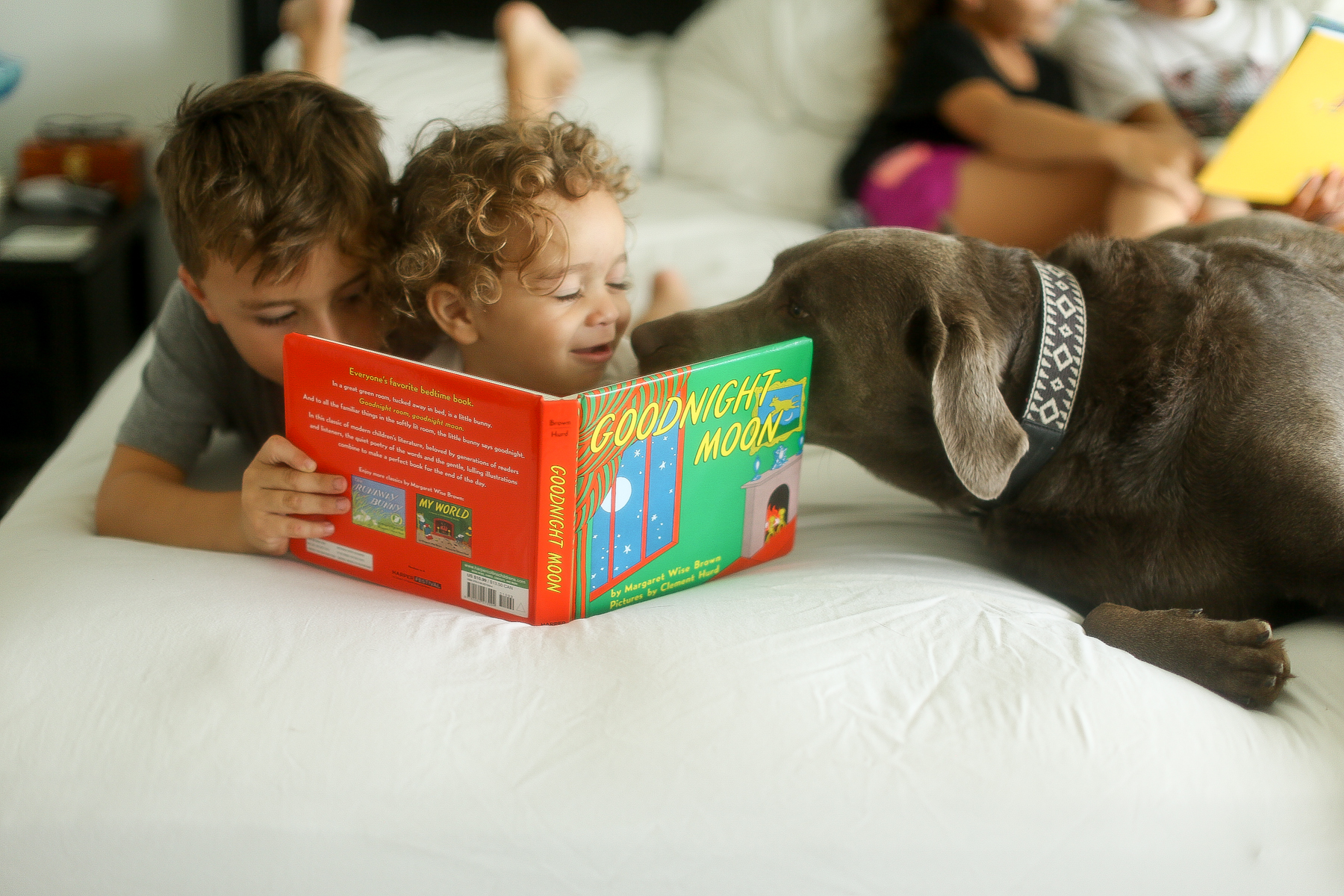
The irony stings all the more because Moore was a genuine hero of reading who essentially invented the modern children’s library room; even great gatekeepers, it turns out, get one spectacularly wrong. Twenty-five lost years kept the great green room out of the rankings. ‘But give it time,’ the library winks. Somewhere, the quiet old lady whispering ‘hush’ is patiently gaining ground.
An Invitation, Not a Verdict
What moves an old soul most about this list is not the numbers but what they represent: millions of hands, across thirteen decades, reaching for the same stories. A library checkout is one of the last gloriously analogue rituals we share: free, unhurried, and communal. The same physical copy of Charlotte’s Web might pass through a hundred homes, each reader leaving something invisible behind.

So consider this list an itinerary, and travel slowly through it. Read The Snowy Day to a child, or to yourself on a quiet morning. Wander into your own local branch, because every city’s library keeps its own secret history of what its people love, and add your checkout to the ongoing count. Somewhere down the line, a future list will remember that you were here, book in hand, part of the story.

K Lou
K. Lou is a writer born in the U.S. who found her way to Japan through a spiritual calling—or, more precisely, better access to tea. She writes about travel, culture, and the occasional creative piece, inspired by her enduring love of books. This love began in high school when K. Lou carried books around to avoid seeming odd while lost in thought. Once she started reading, she never stopped. With zero regrets, she continues to explore the written word and invites others to join her in celebrating its varied forms.