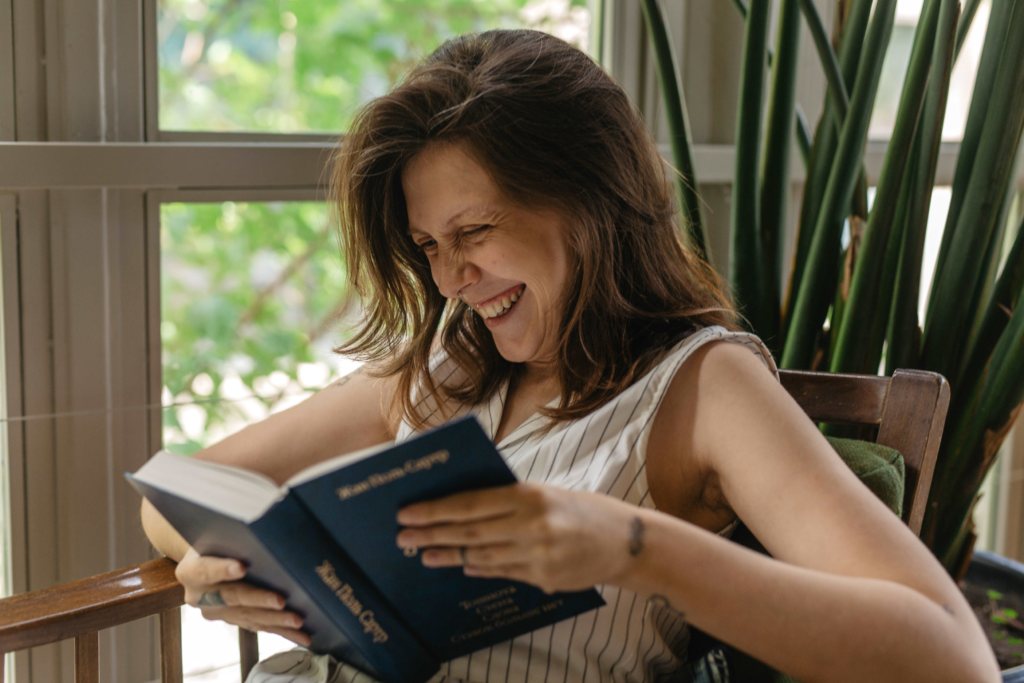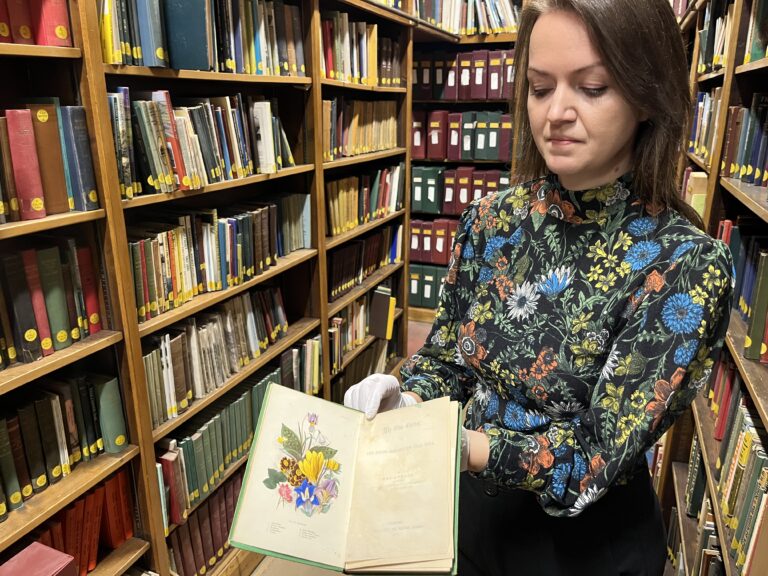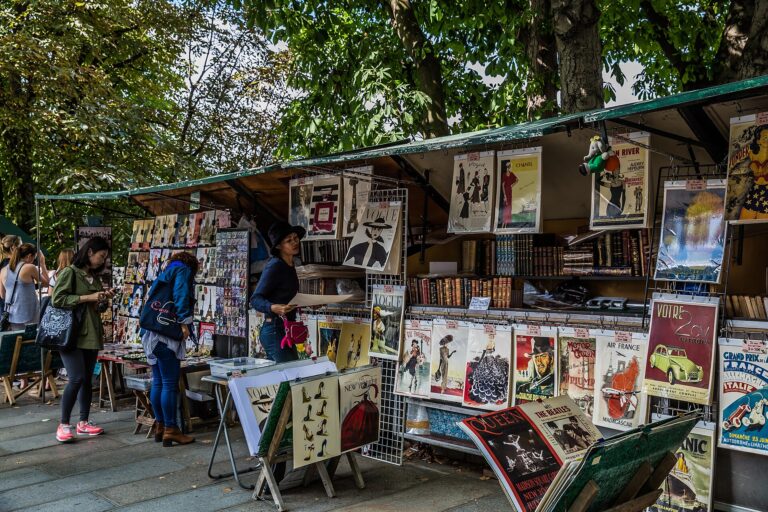
From the Trend Follower to the Ritualist, here are the 12 types of readers, and why every single one of them is reading the right way.
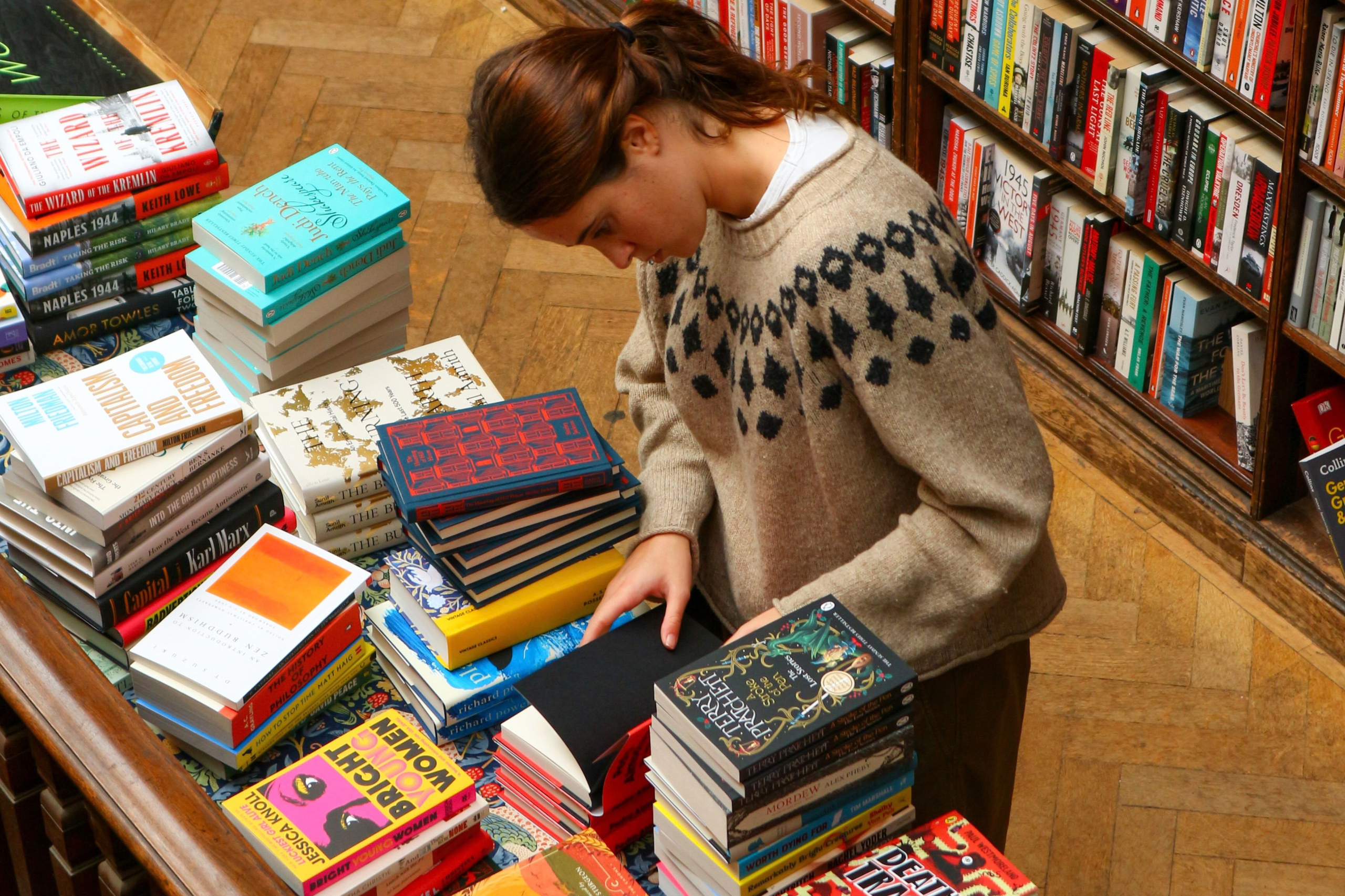
Stand in a bookshop on a Saturday morning, and you can tell the species apart within ninety seconds. One person circles the front table, hunting whatever everyone is talking about. Another walks straight past it to the back wall, where the spines are older, and the type is smaller. A third is reading page one of a novel with the wary expression of a border official. A fourth has four books under one arm and no real intention of finishing any of them this year.
None of them is doing it wrong. That is worth saying plainly, because reading has quietly become competitive. There are annual challenges, public shelves, tracking apps, and a persistent low hum of suspicion that somebody, somewhere, is reading better books than you are.
They aren’t. They’re reading differently.
The stakes are also gentler than the internet suggests. Researchers at UCL and the University of Florida, working through two decades of the American Time Use Survey, found that the share of Americans reading for pleasure on a given day fell from 28% in 2004 to 16% in 2023, a drop of more than 40%. Against that backdrop, arguing about whether your paperback is sufficiently literary seems a poor use of everybody’s evening. And the counter-movement is loud and cheerful: Silent Book Club now counts roughly 2,000 chapters across 61 countries, and reading retreats are selling out from the Loire Valley to Cape Cod.
The tribe is bigger than it looks. Here’s who’s in it.
How You Choose Your Next Book

1. The Trend Follower
Their reading list is set by whatever is in the air: bestseller tables, book club assignments, celebrity picks, the front-of-store display. They are genuinely enthusiastic, and they’re the friend everyone texts for a recommendation. The old critique still holds. Popularity isn’t merit, and hours spent on the buzzy novel are hours not spent on a better one. But the defence has grown teeth. BookTok alone drove some 59 million print book sales in 2024, reviving backlist titles that had been out of the conversation for decades.
2. The Literary Reader
Classics, prize lists, sentences that repay slowness. Selective, because there isn’t time for everything, which means a bad book registers as a genuine loss. They also move markets: when David Szalay’s Flesh took the 2025 Booker, week-on-week sales jumped 1,441%, and the longlist lifts every title on it. At their best, they read to be changed rather than to be seen reading. At their worst, they slide into snobbery, and the difference is often invisible from outside.
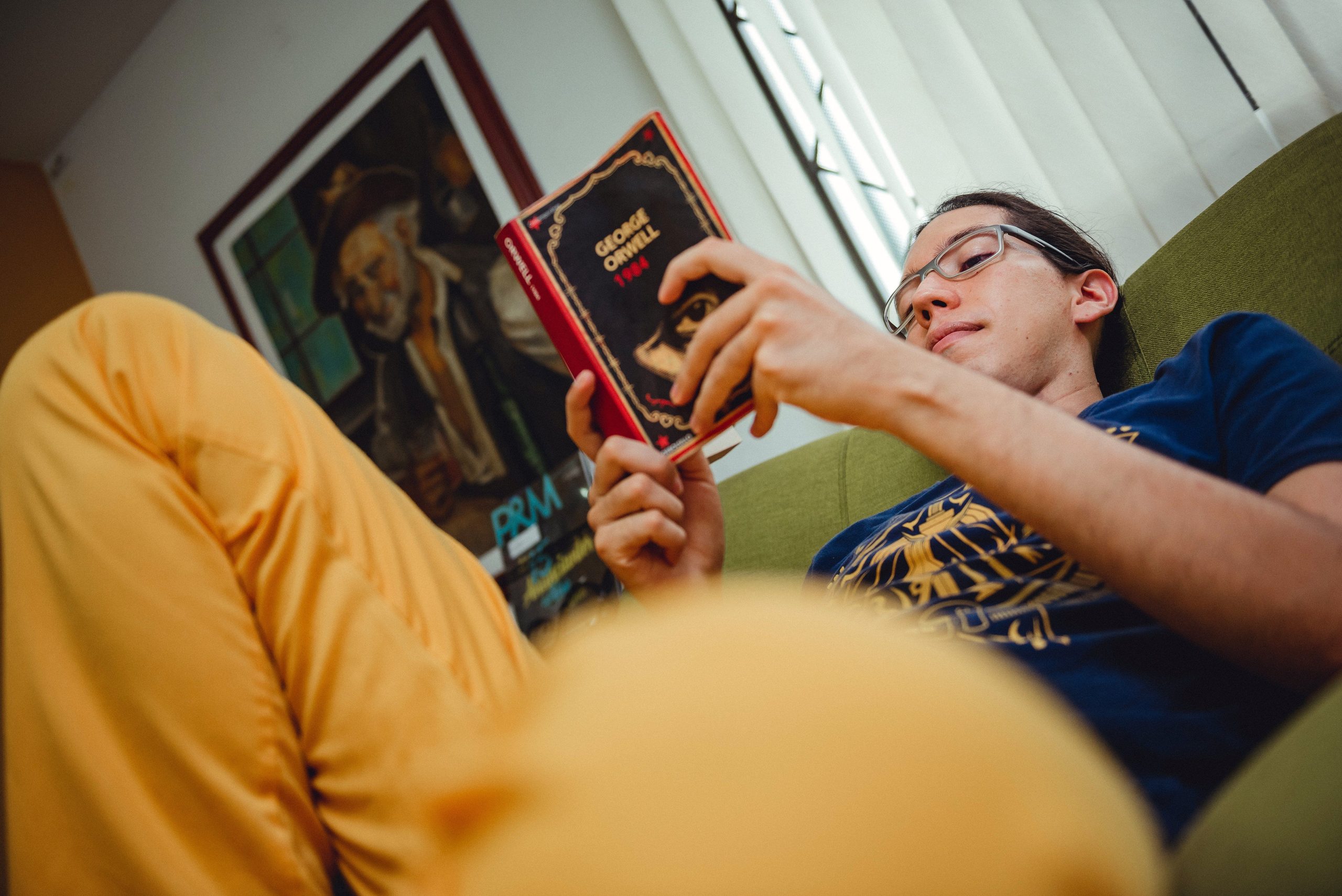
3. The Undiscerning Reader
Everything is wonderful. Woolf sits beside the supermarket thriller with no visible embarrassment, and both get five stars. The generosity is real and completely unpretentious, and they are not alone in it: one analysis of scraped Goodreads data found that 80% of adjusted ratings land between 3.5 and 4.2, a band so narrow it can barely tell books apart. The cost is nuance. If everything is great, the word stops meaning anything.
4. The Snob

Every book has something wrong with it: too lyrical, too fragmented, too pleased with itself. There is a well-documented incentive behind this. In a classic set of experiments titled Brilliant but Cruel, the psychologist Teresa Amabile found that negative reviewers were judged more intelligent and expert than positive ones, even when the positive reviews were independently rated as better written. The tell is revealing: hand them a genuinely bad book, and they often can’t say what’s broken.
5. The Film Buff
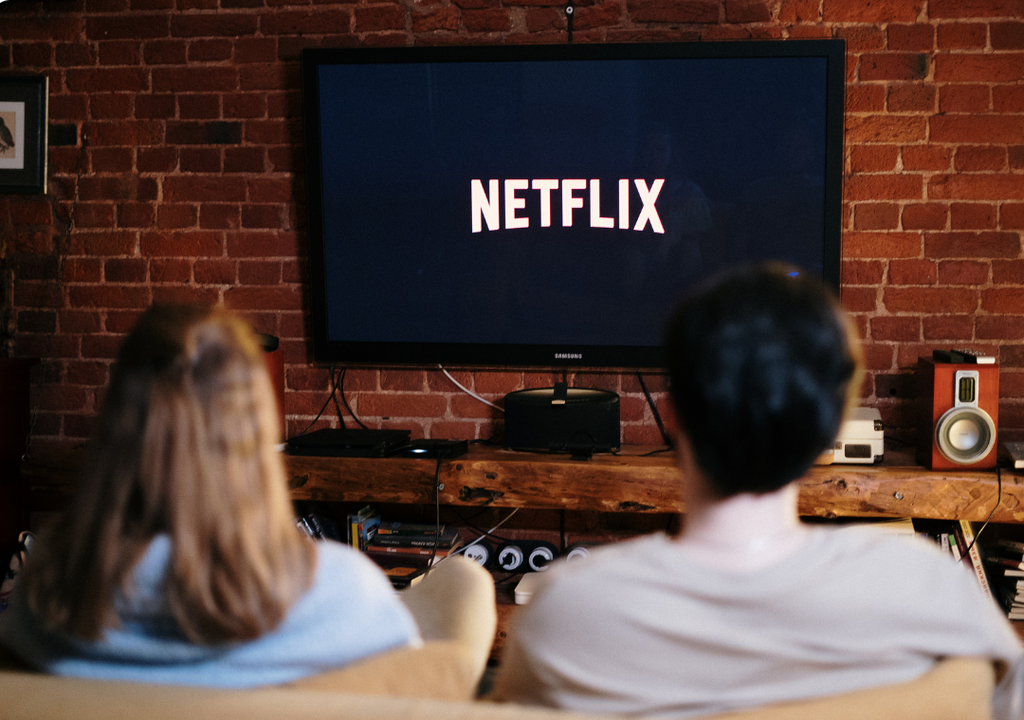
Lives at the crossing point of page and screen. Some read first on principle, some watch first and then go hunting for the book, some refuse the adaptation entirely. Their instinct is well founded. The UK Publishers Association found that 48% of original UK and US drama series on Netflix, Prime Video and Disney+ between January 2024 and June 2025 were adapted from books, and that adaptations pull occasional readers back to the page.
How You Read
6. The Ritualist
Reading comes with rules. No dog-earing. No lending. Annotate everything, preferably in pencil. Finish what you start. Paper only. From the outside, the rules might seem excessive, but to the Ritualist, each one has its place. A book is not simply something to read; it is something to handle, preserve, and return to.
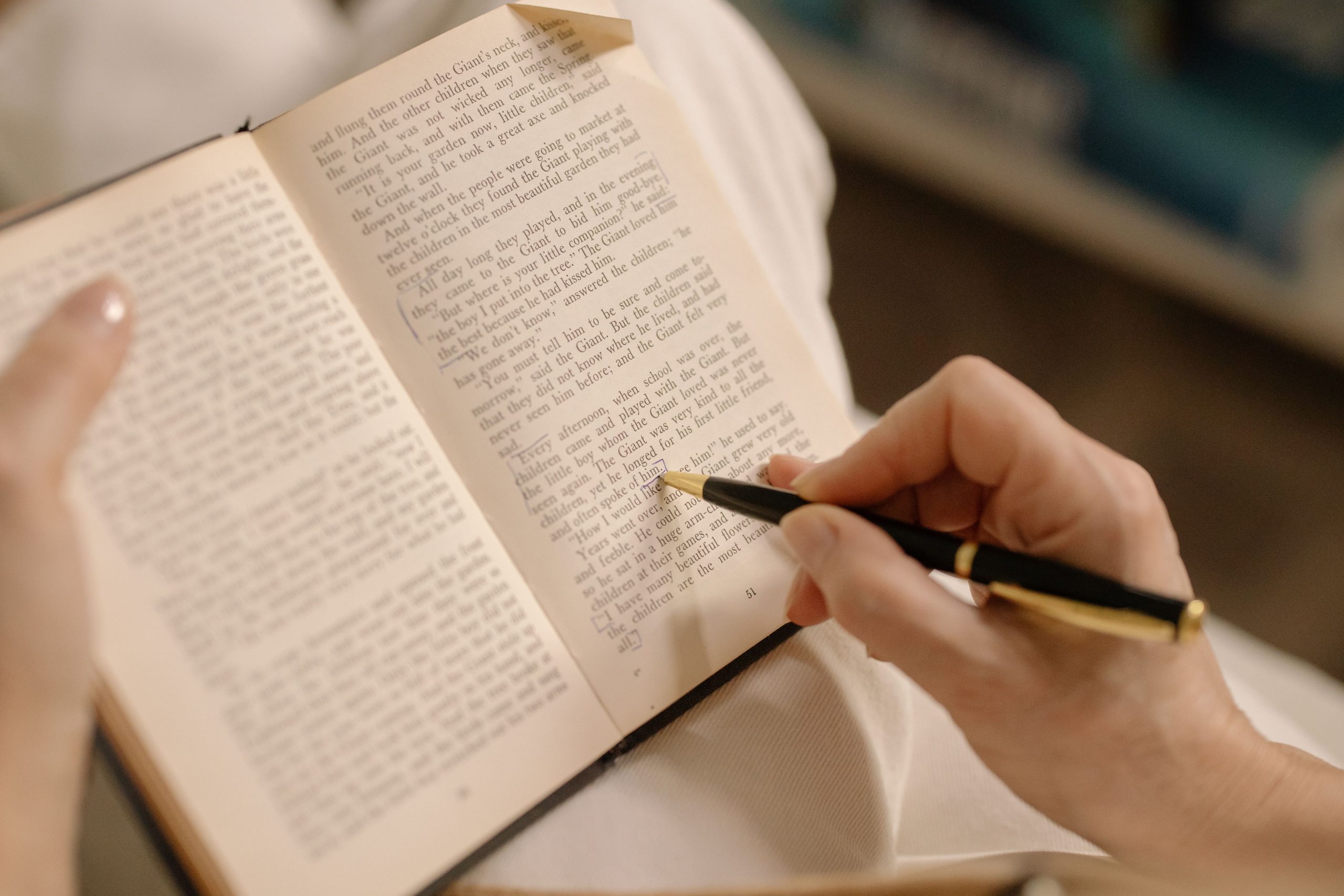
Their rituals turn reading into a practice of its own. The pencil marks become a record of their thoughts, the untouched pages stay carefully preserved, and the familiar routine makes opening a book feel almost ceremonial.
7. The Player
Three or four books running at once, with no confusion between them: philosophy at breakfast, a thriller at midnight, something long and slow at the weekend. They refuse to name a favorite because they’ve never had to choose one. YouGov found that the median American read two books in 2025, while just 19% got through ten or more.

8. The Fickle Reader
Starts everything, finishes almost nothing. Boredom arrives early, and the next shiny title is always within reach. You could build a small fort from the half-read stacks. The librarian Nancy Pearl gave this type its permission slip with the Rule of 50: give a book fifty pages, and if you’re over fifty, subtract your age from 100 and use that instead. Abandoning a book is not a moral failure. It’s triage.
What You Read
9. The Nonfiction Reader
History, biography, business, how-to. They’d rather learn something than be told a story. The range runs from the genuine autodidact to the audiobook-at-1.5x self-improver, and the research is kinder to the latter than the snobs would like.

A 2016 study found no significant difference in comprehension between reading a text and listening to it, though dense technical material still favours the page.
10. The Fiction Reader
They want invented worlds and find plain facts a little inert. They are comfortable with the familiar architecture of prose, with chapters, scenes, and sentences that behave, and have little patience for poetry, which can feel either baffling or too exposed.
Poetry may not be entirely off the table. In 2017, poetry readership in the US reached its highest level in 15 years, with 28 million adults reading poetry and the rate among 18-to-24-year-olds more than doubling over five years.
11. The Romantic
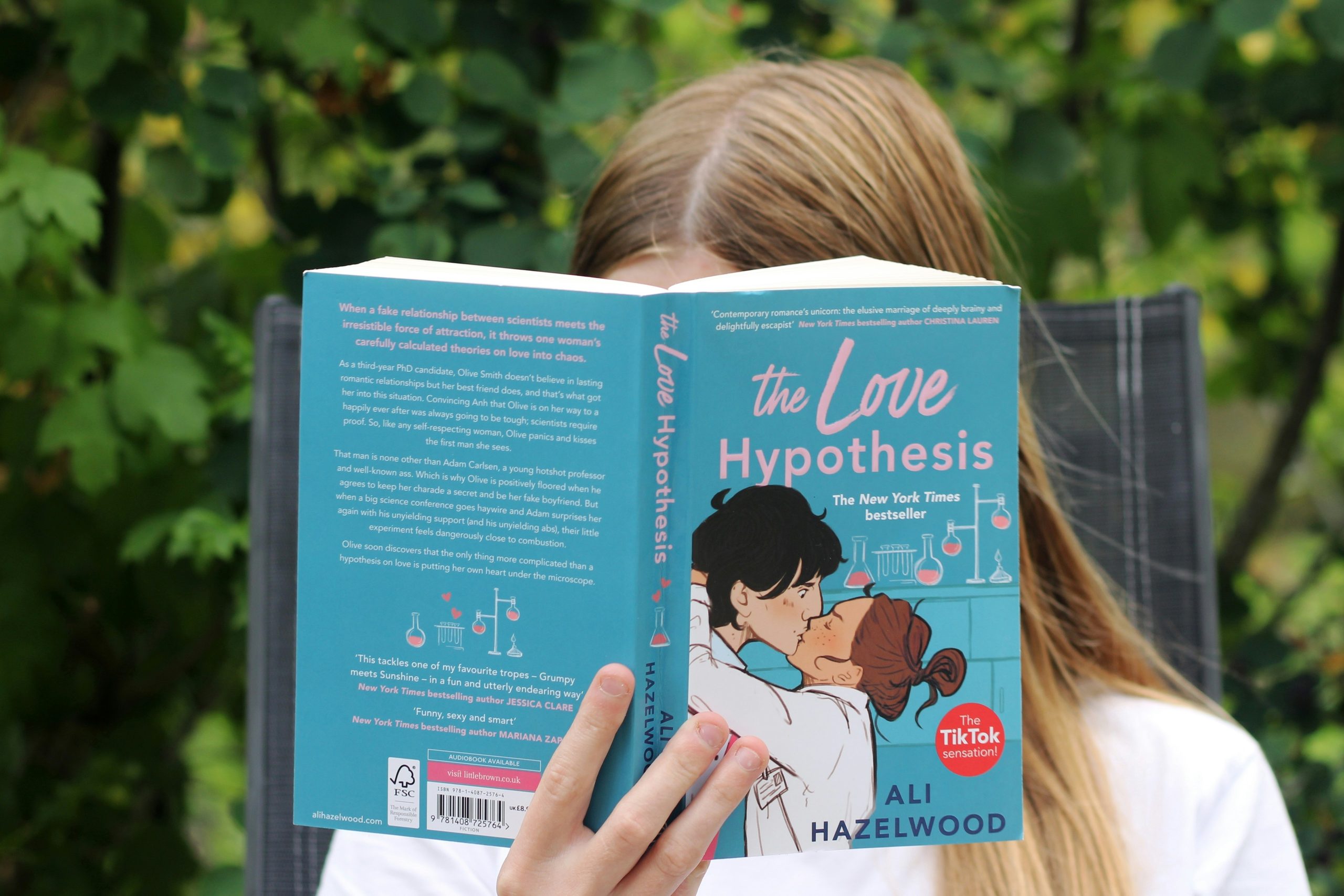
Loves love, in every register from flirty to filthy. Knows the tropes by name, can spot a third-act misunderstanding from fifty pages out, and does not care what you think of the cover. They are also, quietly, the engine of the industry. Circana reported 51 million print romance units sold in a single twelve-month stretch to mid-2025, more than double the figure four years earlier, making romance the leading growth category in the entire print market.
12. The Writer Reader
Because they write, they read like an editor, noticing how the thing was built, why the chapter breaks there, what the author is hiding. Francine Prose made the case for exactly this in Reading Like a Writer, arguing that close attention to each word is how craft is actually learned. The failure mode is specific: mistaking “I would have written this differently” for “this is badly written,” when it’s only a difference in taste.
So, What Kind of Reader Are You?

If the honest answer is “several,” that’s the right answer. Most of us are two or three at once, and the mix shifts with the decade. That is the whole point. A reading life isn’t a fixed identity; it’s a long apprenticeship in other people’s minds.
There is even modest evidence for it. A meta-analysis of leisure reading found that frequent readers show slightly higher empathy and theory-of-mind ability, the everyday skill of imagining another mind from the inside.

So bring the book to the party. Take it on the slow train instead of the flight. Read it in a room full of strangers doing exactly the same thing in companionable silence. Dog-ear it or don’t. Finish it or don’t.
Whichever of the twelve you are, keep reading. There is no perfect way to read, only the quiet pleasure of finding a book that meets you where you are and stays with you long after you close it.

Adam Ryan
Adam is a distinguished content writer, bookworm, and full-time adventurer with a constant craving for coffee. When he's not working, he loves exploring remote corners of the world, immersing himself in different cultures, and writing about his experiences.