
Fast vs slow tourism: why 11 cities in 3weeks leaves you drained, and how picking one place gives you the food, art, history and people you actually came for.
Twenty-one days, 11 cities. It looks magnificent on the spreadsheet.
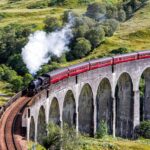
Now do the arithmetic. Ten of those days are travel days, spent in stations, queues and shuttle buses. Ten more begin with a suitcase and an unfamiliar shower and the 20 minutes it takes to work out where the coffee is. You will see 11 cathedrals and no neighbourhoods. You will eat where you happen to be standing at seven o’clock, which is to say near the station, in too much of a rush to savour it. And on the flight home, you will discover you cannot reliably say which city you enjoyed the most, or where the magical moment actually happened.
This is fast tourism, and almost all of us have done it. The odd part is not that it exists, but that it persists despite the evidence that it almost always makes for a worse vacation.
What the Research Actually Shows
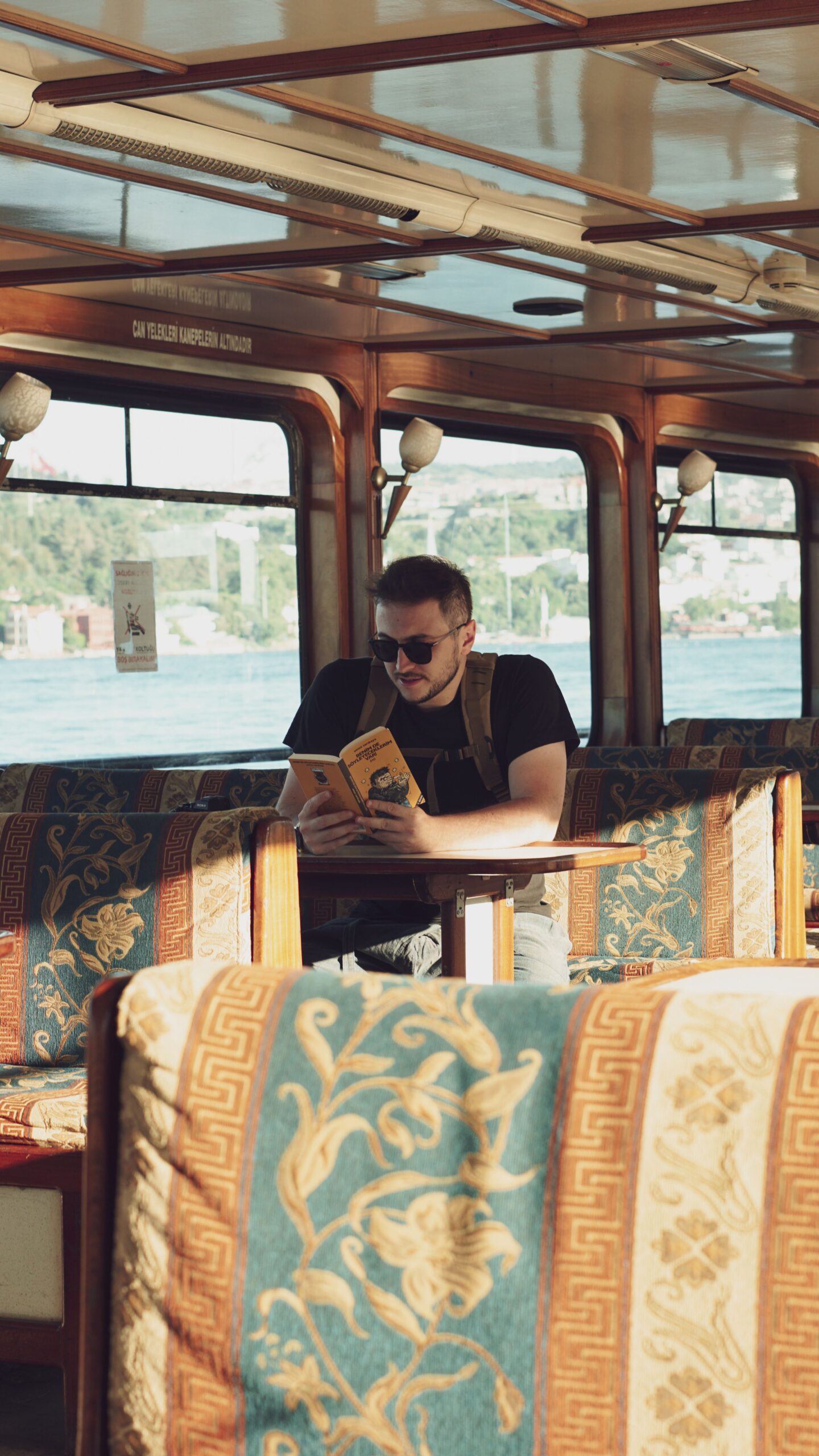
Let’s start with the most damning number. Talker Research conducted the ResortPass Reset Report in March 2026. It surveyed 2,000 American adults, and seven in ten said they need a holiday to recover from their last one. Among parents, 43% returned from family trips more tired than when they left.
The reasons respondents gave were not bad weather or bad luck. Rather, it was the stress of planning, the logistics of travelling, and the pressure to maximise limited time.
That last part is the root of the whole problem.
It takes the nervous system a few days to downshift from high alert, which means the first stretch of any trip is spent unclenching rather than enjoying. A study by Jessica de Bloom and colleagues published in the Journal of Happiness Studies found that health and wellbeing climb once a holiday begins and crest around the eighth day. However, De Bloom cautions that a peak on day eight does not prove that eight days is the ideal length. But it does suggest something that ought to worry anyone with a spreadsheet, which is that the good part arrives late.
An 11-city dash never gets there. With each new city, you keep resetting the clock. Every transfer day puts you back at the start of the unclenching.

There is a second finding, from Jeroen Nawijn’s research at Erasmus University, that lands harder still. Holidays reliably make people happier while they are happening. But the lift that survives the return home shows up only after trips that were genuinely relaxed. Stressful holidays produce no lasting benefit at all. You can spend three weeks and a great deal of money buying yourself precisely nothing.
In Fairness to Speed
Sometimes all you have is four days and one chance, in which case, you should absolutely go and look at the famous thing. A first trip through a continent you have never seen has a real logic to it: you are surveying, finding out where to return. Nobody needs to feel guilty about a whirlwind.

The argument here is pure arithmetic. Fast travel spends most of its budget on the moving, and the moving is the only part of a holiday nobody remembers fondly.
Ten Days, One City
Here is the trade. Cut 11 cities to one, three weeks to 10 days, and watch what fills the space.
It starts before you leave. Read the place first. A short history, a novel set in its streets, an hour on the customs and manners you would otherwise blunder straight through. The aim is not a checklist of sights but a question: why is this town the way it is, and why do its people carry themselves like that? Fast travel cannot use this kind of preparation, because you are gone before it becomes useful.
Days one to three go to the nervous system, which is the point. You are not wasting them. You are getting them out of the way in one place instead of eleven. Find the market, learn the shape of your neighbourhood, get comprehensively lost once.
The food stops being a transaction. In a market where the sellers grew the produce, ask what is good this week; the answer doubles as the local weather report and economic bulletin. Take a cooking class sooner rather than later, because it will give you context for everything you read on a menu afterwards. By day six, you’ll have a favourite fishmonger or fruit peddler.
The art gets done properly. The slow method in a great gallery is the reverse of the standard one: pick three works, sit with them, leave, come back on Thursday for three more. You will remember all six. The person doing the four-hour forced march past 200 will likely only remember a gift shop.
There is time for a show. Not the tourist matinee, the actual thing: a Saturday football match in the cheap end, a fado house in a Lisbon back street, flamenco in a Seville peña rather than a dinner theatre, a neighbourhood cinema where the audience talks back. Ten days means you can find out what is on rather than booking whatever you can scrape up from abroad.
The history stops being a plaque. You start to notice why the road bends there, which quarter the money lives in, what got bombed and what got rebuilt wrong. You can only get a sense of these things once you’ve stayed in a place for an extended time and become an active student of your surroundings.
You pick up unique local concepts and ideas, which is the sweetest of the small rewards. Spanish has a word, sobremesa, for the stretch of conversation that continues after a meal has finished and nobody has stood up. You cannot learn a word like that from a phrasebook. You learn it by being at a table long enough for it to happen to you.

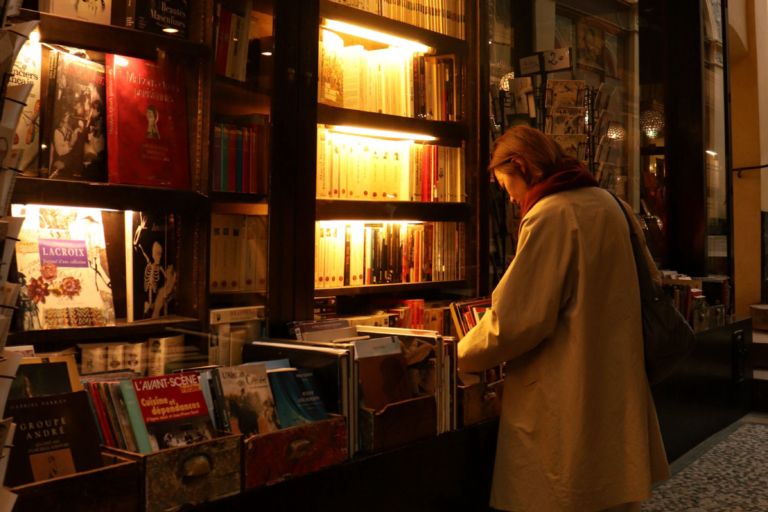
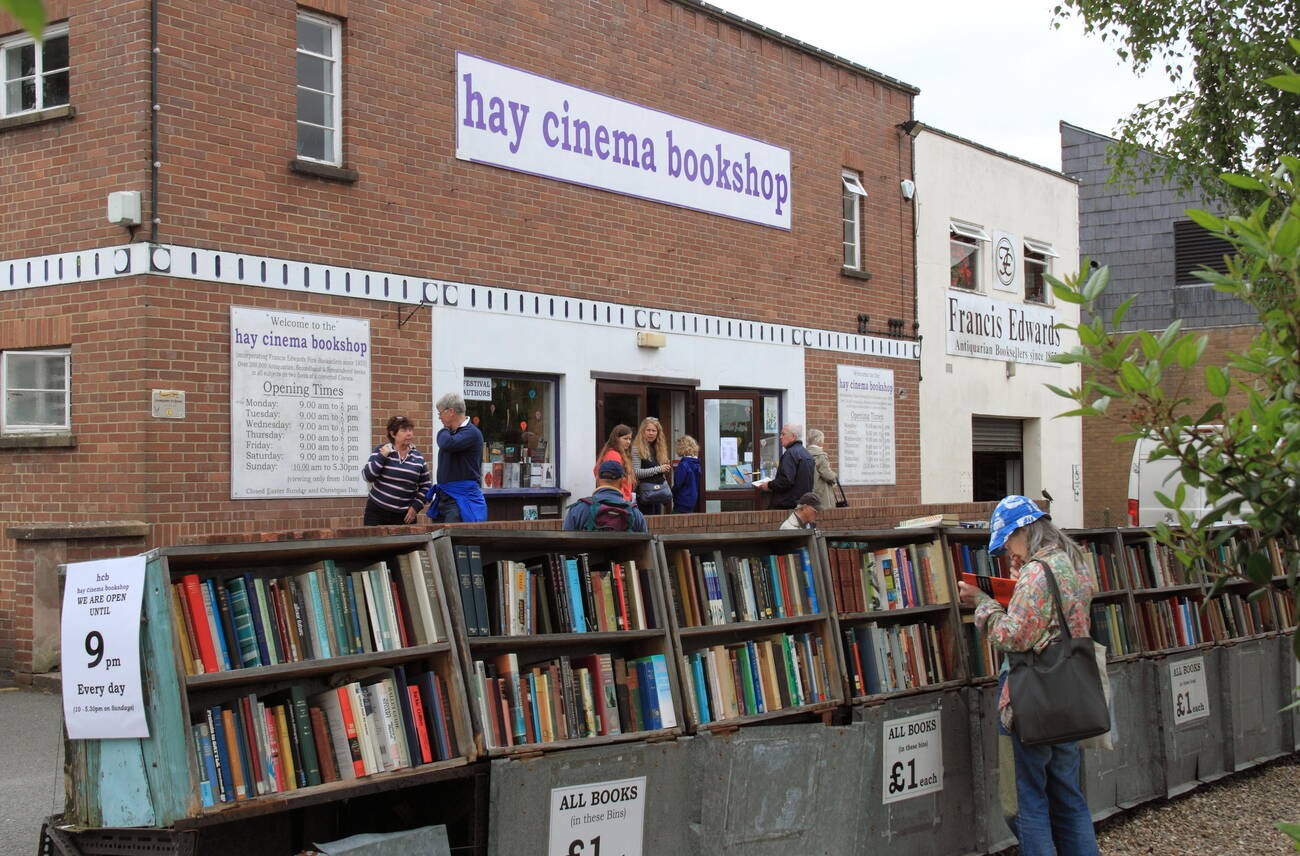
You find the bookshops. This is the reader’s version of the whole argument, and it works everywhere. Ask a bookseller what people here are reading, and you will get a better itinerary than any algorithm can build, because it comes with reasons attached. Buy the novel set in the city while you are in it and the object becomes a place for the rest of your life. You can build an entire trip this way by visiting a book town. Literary travel has become its own category for a reason.
And you get the people, which is the part no itinerary can schedule. The mechanism is unglamorous: go back to the same café until they recognise you, or strike up a conversation yourself. Someone asks where you are from, and the trip changes.
This Is Where Travel Is Going
None of this is a fringe position any more. The European Travel Commission found the share of long-haul visitors to Europe identifying as slow travellers rising from 22% to 26% in a single year. The Harris Poll found 57% of travellers naming rest and recharge as the most meaningful thing they get from a trip, and 46% wanting local food and culture specifically. Vrbo’s Unpack ’26 report found 91% interested in holidays built around reading and rest, with Pinterest searches for book club retreats up 265%. Booking.com and Hilton both named slow travel in their trend reports. Google search interest in slow travel in Italy recently doubled in a month.
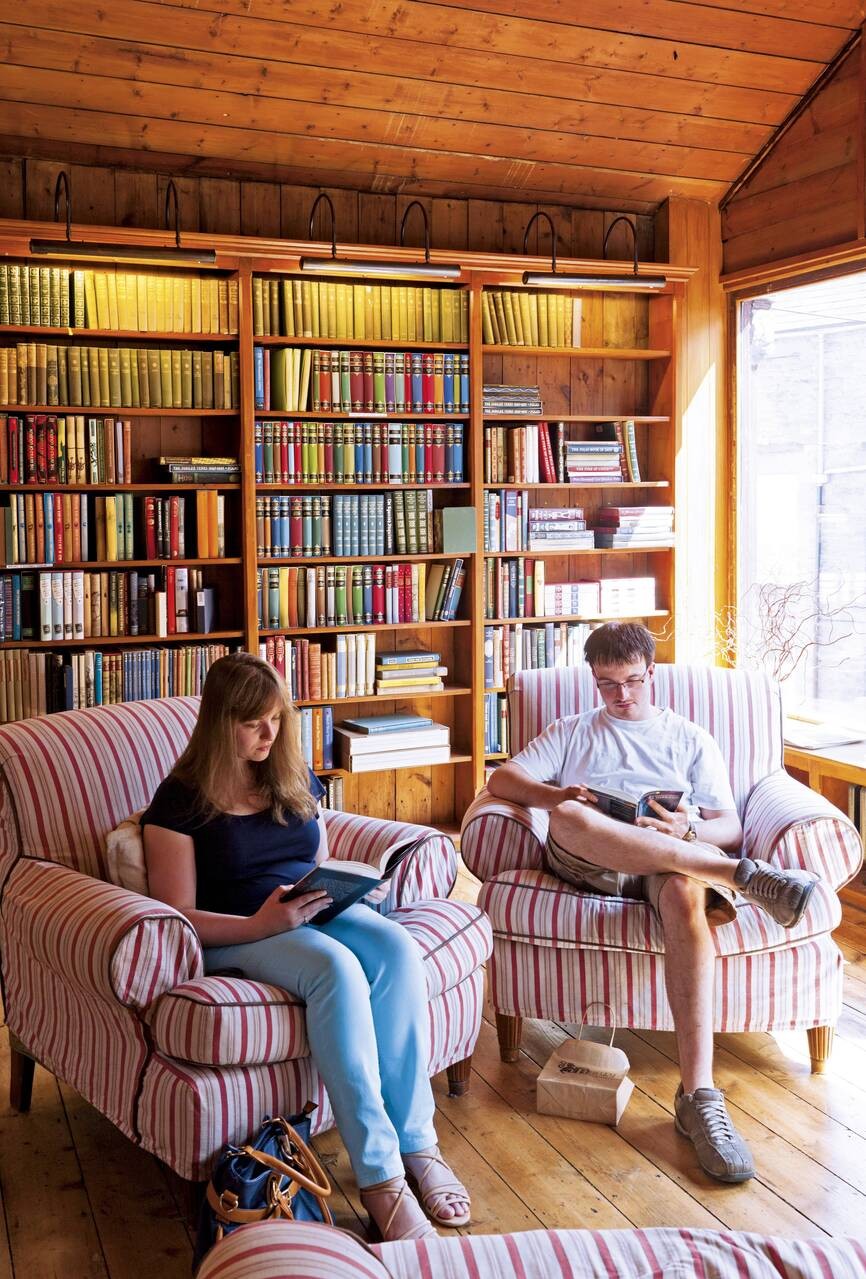
The movement even has institutions. Slow Food began in 1986 when Italians protested a McDonald’s on the Piazza di Spagna by ladling out bowls of penne to passers-by, and its founder Carlo Petrini, who died in May 2026, lived to see the idea spread from the plate to the map. Its offshoot Cittaslow now counts 308 member towns, all under 50,000 people, all committed to streets built for walking.
It is also, awkwardly for the spreadsheet, cheaper. A week in one rental often costs less per night than three nights each in three hotels, and once you have found a grocery store and a local coffee shop you enjoy, daily spending drops. Fewer flights and travel means lower carbon emissions, and more money left for the things you came for.
How to Build an Itinerary for Slow Tourism
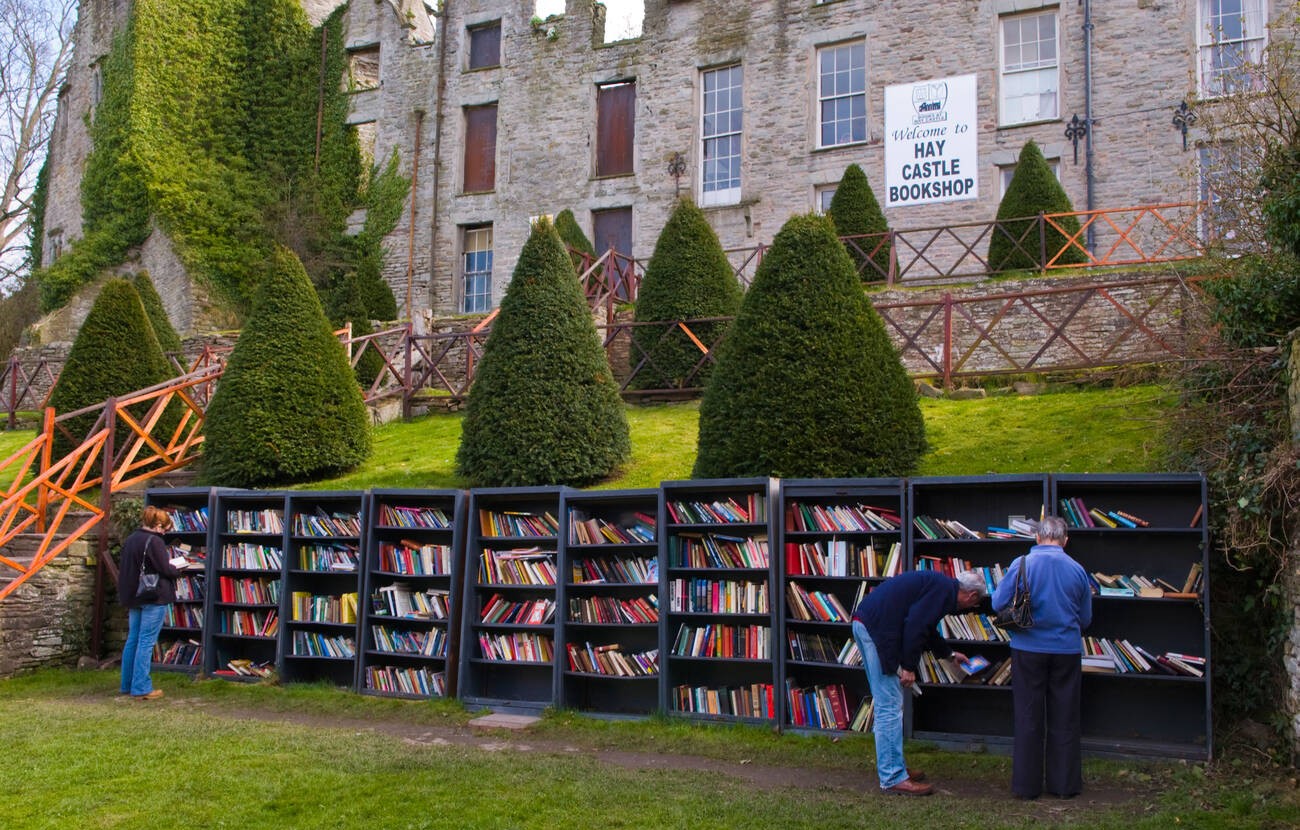
Pick one base. Ten days minimum, and do not apologise for it. Go in shoulder season, when the place belongs to the people who live in it. Book two things in advance and leave the rest empty, because the good afternoons are the ones you did not plan. Eat where the menu is short and in one language. Book one thing with your hands in it: a kitchen, a loom, a market tour that starts at six in the morning. Walk somewhere with no destination at least once. Go back to the same café.
And on the first morning, find the local bookshop and ask what people here are reading. Then let the answer redraw the week.
Three weeks and eleven cities buy a list you will misremember. Ten days in one town buy a fishmonger, a bookseller, a word English does not have, and an afternoon you can place exactly. Nobody has ever come home wishing they had moved faster.


Vincent Phan
Vincent is the founder and Editor-in-Chief of 1000 Libraries Magazine. He is a Paris-born ex-corporate turned bookseller and philosopher, on a global mission to spread the joy of physical books in our age of digital technology.