
Andersen’s ugly duckling was never a broken duck, just a swan in the wrong nest. On misfits, introverts, and why not fitting in is information, not a verdict.
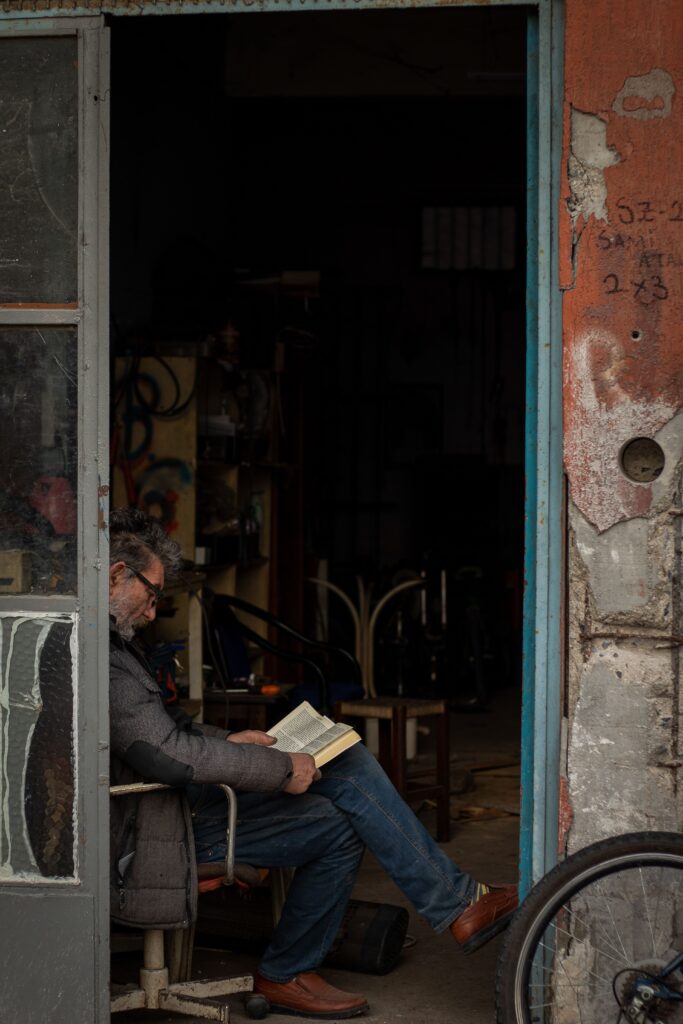
There is a boy I think about often. He grew up in France, and he does not quite fit. The other children seem to share a script he was never given. So he does what such children have always done: he builds a world of his own. Books, mostly. Fantasy and science fiction, whole galaxies of them, a private universe running quietly behind his eyes while the playground carries on without him.
I can tell you with some authority what became of that boy, because he was me. And I can tell you the strangest part: the thing that made him an outsider is now the engine of his entire life. But we will get to that.
First, a fairy tale.
The Bird in the Wrong Nest

In 1843, a Danish writer published a story about a bird hatched into a family of ducks. The bird is large and grey and wrong, and the farmyard lets him know it. He is pecked, mocked, and driven out. He survives a lonely winter, and in the spring he approaches a flock of beautiful white swans, expecting to be killed. Instead, he sees his reflection. He was never an ugly duck at all. He was a swan, hatched into the wrong nest.
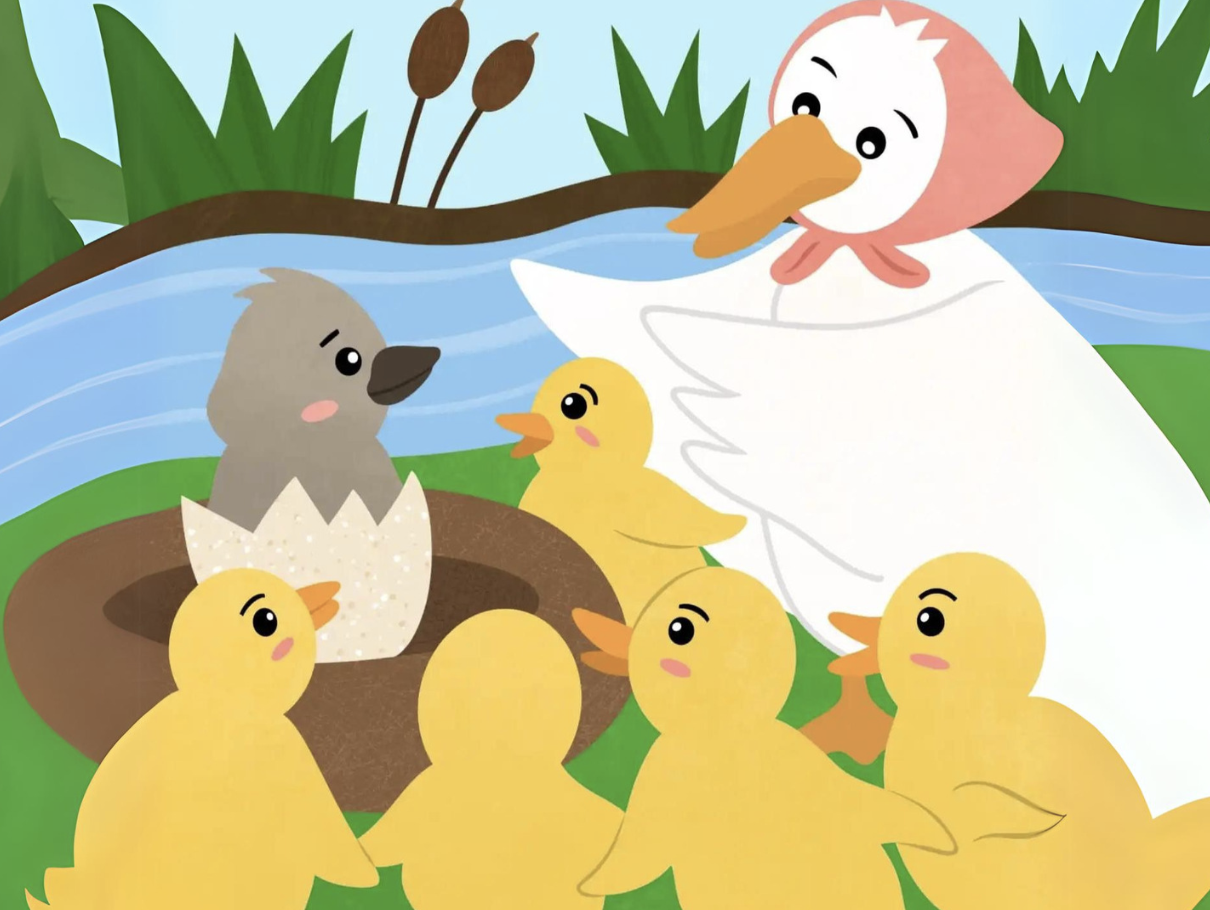
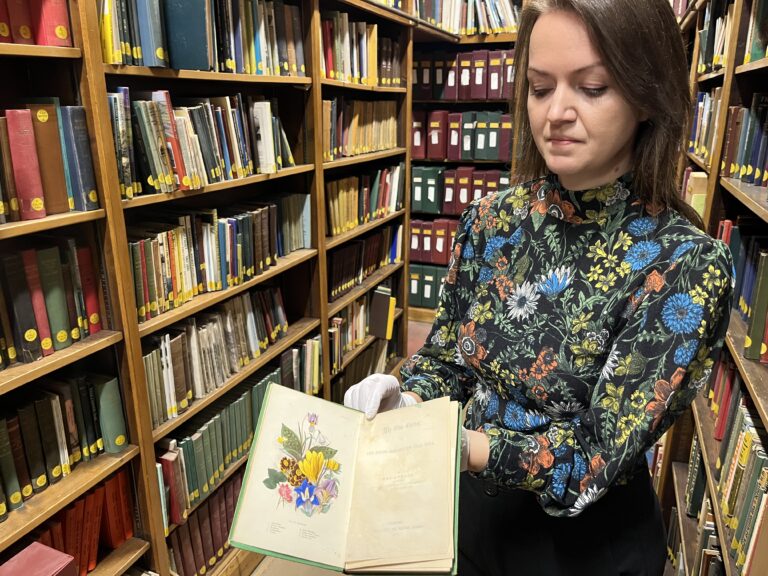
Hans Christian Andersen knew exactly what he was writing. He had been a poor, gangly, odd-looking boy in Odense, mercilessly teased, with a love of theatre and stories that made no sense to anyone around him. Years later, when he was asked whether he would write his autobiography, he replied that he already had. It was called The Ugly Duckling.
“It matters nothing if one is born in a duck-yard, if one has lain in a swan’s egg.” — Hans Christian Andersen
Read it again as an adult, and the story’s real insight emerges. The duckling never becomes beautiful. He does not transform, does not earn acceptance, does not fix himself. He simply finds the right pond. His “ugliness” was never a defect. It was a category error. He was being measured against a standard that was never his.
Not fitting in, in other words, is very often not a verdict on you. It is information about the nest.
The World That Measures Ducklings
If the farmyard has a modern name, Susan Cain gave it to us. In her 2012 book Quiet: The Power of Introverts in a World That Can’t Stop Talking, she describes the “Extrovert Ideal”: the pervasive belief that the ideal self is gregarious, bold, and comfortable in the spotlight. Schools built around group work, offices built around open plans, cultures built around self-promotion. A world, in short, designed by ducks, for ducks.

The numbers alone should give us pause. Cain reports that between a third and a half of all people are introverts, the ones who prefer listening to speaking, who create but dislike self-promotion, who recharge alone. And yet research shows we consistently rate talkative, fast-speaking people as smarter and more competent, despite there being no correlation between confident chatter and good ideas. Half the room is being marked down against a standard that measures volume rather than depth.
If you spent your childhood being told you were too quiet, too dreamy, too much in your own head, you were not failing. You were a swan being graded on your duck impression.
Science has since gone a step further, and the finding is almost mischievous. In 2012, researchers at Johns Hopkins and Cornell published a study titled Outside Advantage: Can Social Rejection Fuel Creative Thought? Across three experiments, they found that for people with an independent sense of self, being rejected by a group did not diminish their thinking. It improved it.
They performed measurably more creatively after exclusion than after inclusion, because rejection can act, in the researchers’ words, as “a form of validation” for those who already know they are different. The sting of not belonging, for the independent-minded, does not close the mind. It frees it.
The Patron Saints of the Wrong Nest
Literature knew all of this long before the laboratories did. Open the books we press into children’s hands, and you find, over and over, the same figure: the one who does not fit.
Roald Dahl’s Matilda teaches herself to read in a house that worships television, and walks to the library alone because no one will take her; her family treats her mind as a defect right up until it reveals itself as a power. Anne of Green Gables talks too much, imagines too hard, and is entirely wrong for the quiet farm that takes her in, and it is exactly this wrongness that transforms every life around her.
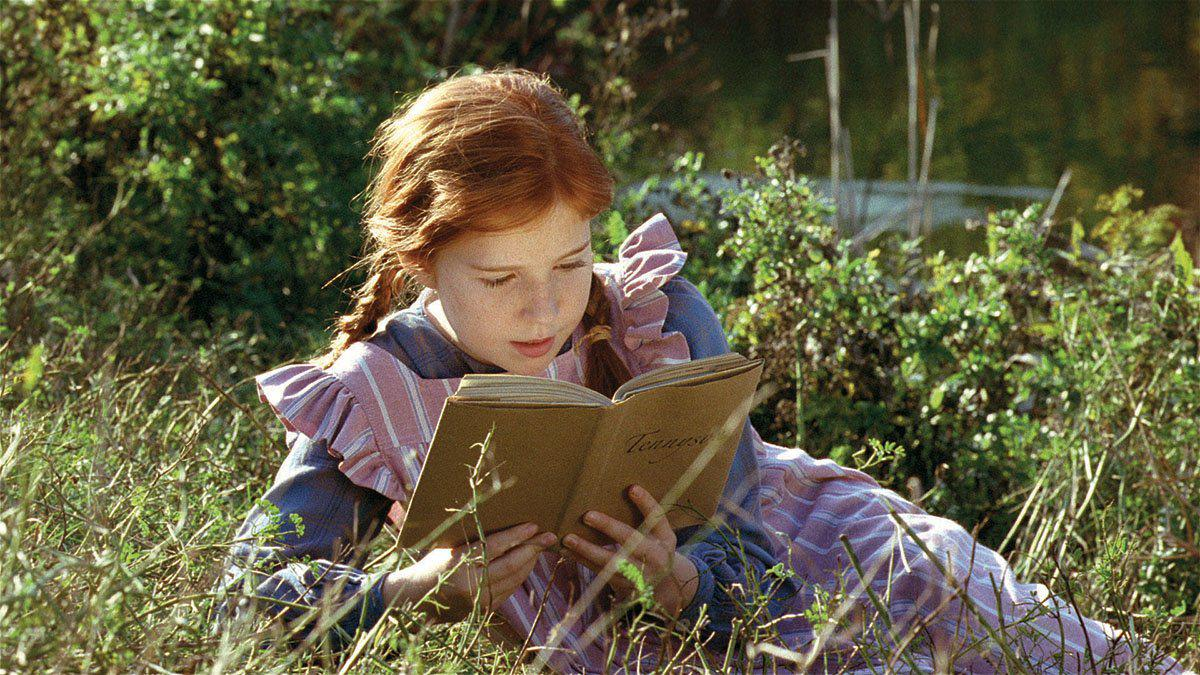
Anne even gives us the vocabulary for the swan’s discovery: she is not looking for popularity, she is looking for kindred spirits, and she knows one on sight. And in Madeleine L’Engle’s A Wrinkle in Time, awkward, stubborn, furious Meg Murry receives the strangest blessing in children’s literature. Setting out to rescue her brother, she is given, as her equipment for the journey, her faults. The very traits her school despises are the ones that save him.
The pattern is everywhere once you see it. The boy in the cupboard under the stairs turns out to belong to a different world entirely. The Hobbit is too odd for the Shire and precisely odd enough for the quest. Jane Eyre is too plain and too fierce for everyone’s comfort, and refuses on principle to be anyone but herself.

This is not a coincidence of plotting. It is a confession. Books about misfits are written by former misfits for current ones, a long chain of Andersens passing the same note down the generations: you are not broken, you are early. And reading itself, the very habit that marked so many of us as strange, is the misfit’s great technology, the means by which the child in the wrong nest discovers that kindred spirits exist, even if the nearest one is a hundred years dead or entirely fictional. We read because we did not fit, and in reading, we fit.
The Unfair Advantages of the Outsider
Here is what nobody tells the child at the edge of the playground: the edge has the best view.
The one who does not fit in is forced to become an observer, and observation is the beginning of every art. The child who reads through lunch is quietly acquiring more lives than one. The daydreamer dismissed as absent is doing what psychologists now recognise as some of the mind’s most creative work; solitude, as Cain argues in one of the most-watched TED talks ever given, is a catalyst for innovation, which is why so many of the people who gave us the things we love, the novels and the symphonies and the personal computer, did their best work alone.
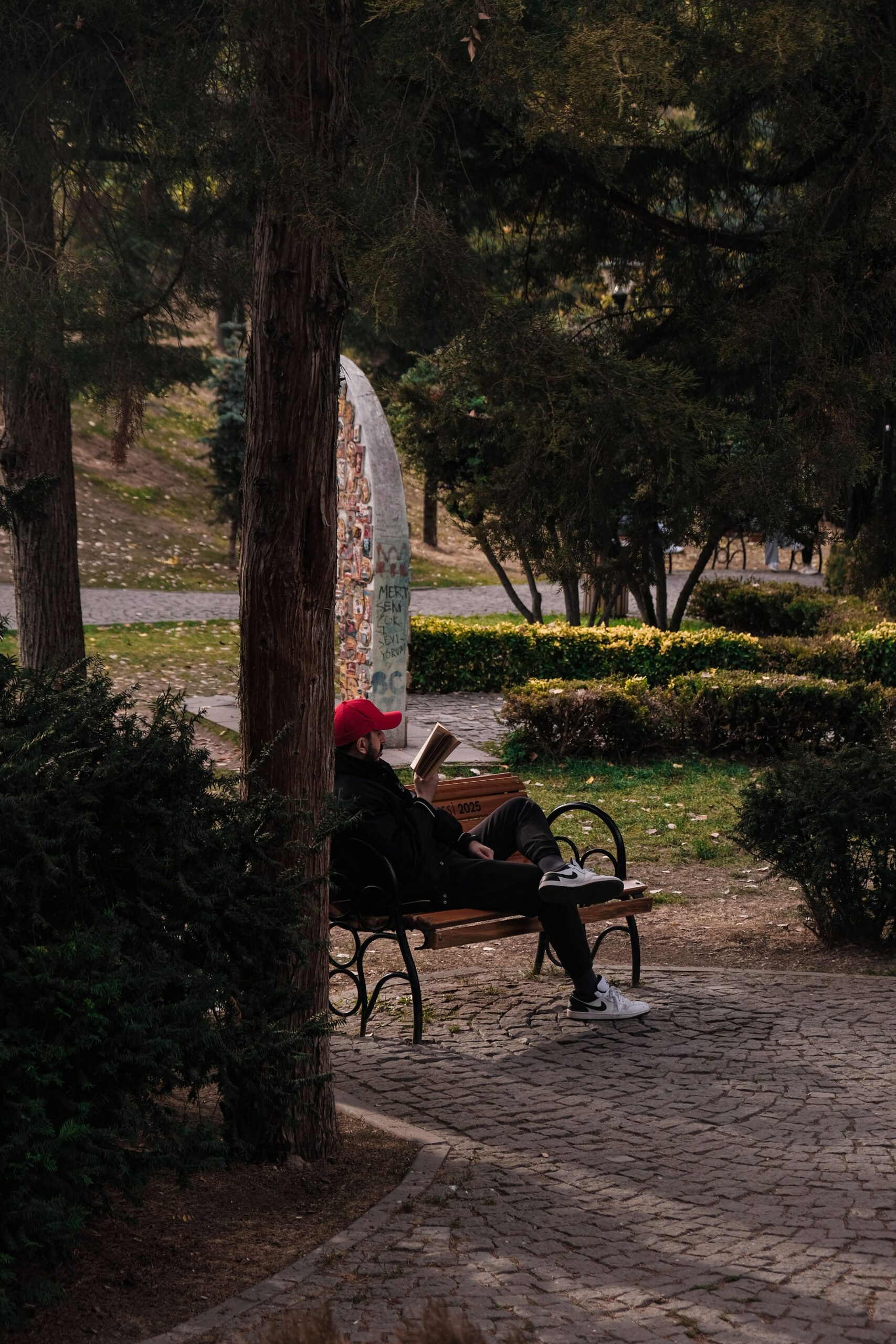
History’s shelves are stacked by people who could not manage small talk.
And there is a subtler gift. The misfit never gets to mistake the local rules for the laws of the universe. When you have stood outside one world, you understand, forever, that every world is optional, that its hierarchies are invented, that there are other ponds. That knowledge is the seed of every original life.
Finding Your Pond
My own winter lasted a long time. I did the sensible thing for years; I wore the corporate costume and performed the script, and, like Cain, who described her time as a Wall Street lawyer as feeling like years in a foreign country, I was competent and quietly elsewhere.

Then I left, and became, of all improbable things, a bookseller. And something happened that I had not planned for: the private universe became the public one. The obsession that made me strange at nine, the books, the imagined worlds, the need to talk about stories, turned out to be the exact thing other people wanted from me.
I found my people, or they found me, and I noticed something my younger self would not have believed. I become most alive when I am talking about books. The weirdness was never the obstacle. The weirdness was the offer.
This, I think, is the fable’s true ending, and it is better than beauty. The swan does not win the farmyard’s approval. He stops needing it. Somewhere out there is a pond full of people who are strange in your exact direction, and every hour spent contorting yourself to fit the wrong nest is an hour not spent swimming toward them.
So if you were the child with a world going on behind your eyes, I hope you will consider the possibility that nothing was ever wrong with you. You were simply early to yourself.
What might happen if you stopped auditioning for the farmyard, and went looking for your pond?

Vincent Minatozaki
Vincent is the founder and Editor-in-Chief of 1000 Libraries Magazine. He is a Paris-born ex-corporate turned bookseller and philosopher, on a global mission to spread the joy of physical books in our age of digital technology.