
Discover the quiet joy of solo dates, from wandering galleries to dining alone, and how chosen solitude helps us meet ourselves more fully.
There is a scene in Amélie, the 2001 film that turned a shy Parisian waitress into a patron saint of small pleasures, where she plunges her hand into a sack of grain at the market, just to feel it run through her fingers. No one is watching. She does it because the texture is there to be felt, and she is there to feel it.
I think about that scene often, because it describes something I do once a month, on purpose, and have come to guard like a small religion. I take myself on a date.
What I mean by Solo Date
Not an errand. Not the dentist, not the grocery run, not the hurried lunch eaten between meetings with a screen for company. A real date, planned with the same care I would give someone I was trying to impress, then left loose enough to surprise me.
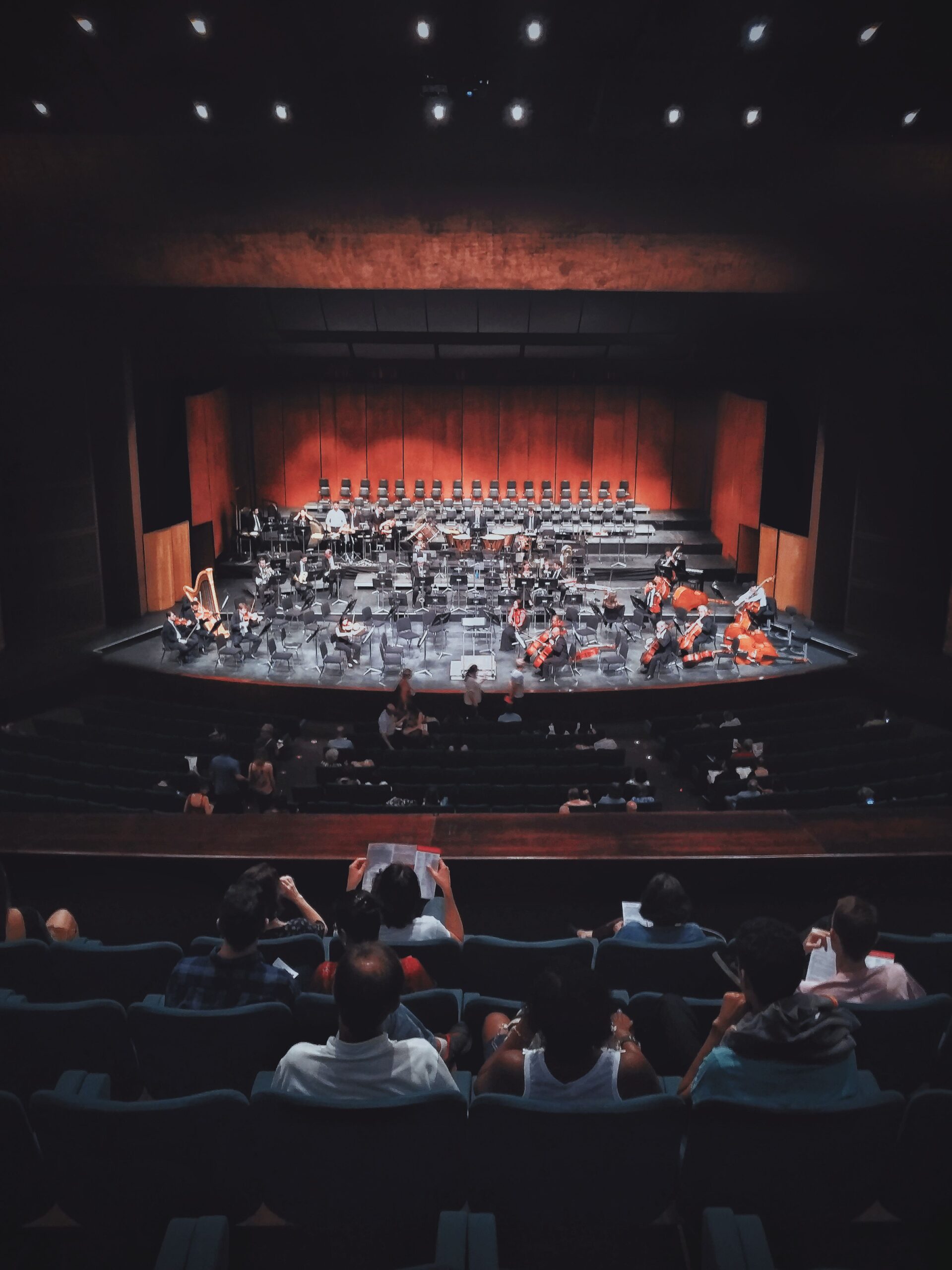
For me, it usually ends with music. A jazz club, where the chaotic bass comes up through the floorboards and into your chest, and where tens of jazz enthusiasts clap at the end of an improvised solo. Or a concert hall, all red velvet and a hundred strangers holding their breath at the same time. But it is the wander before the music that does the quiet work.
Following My Own Nose
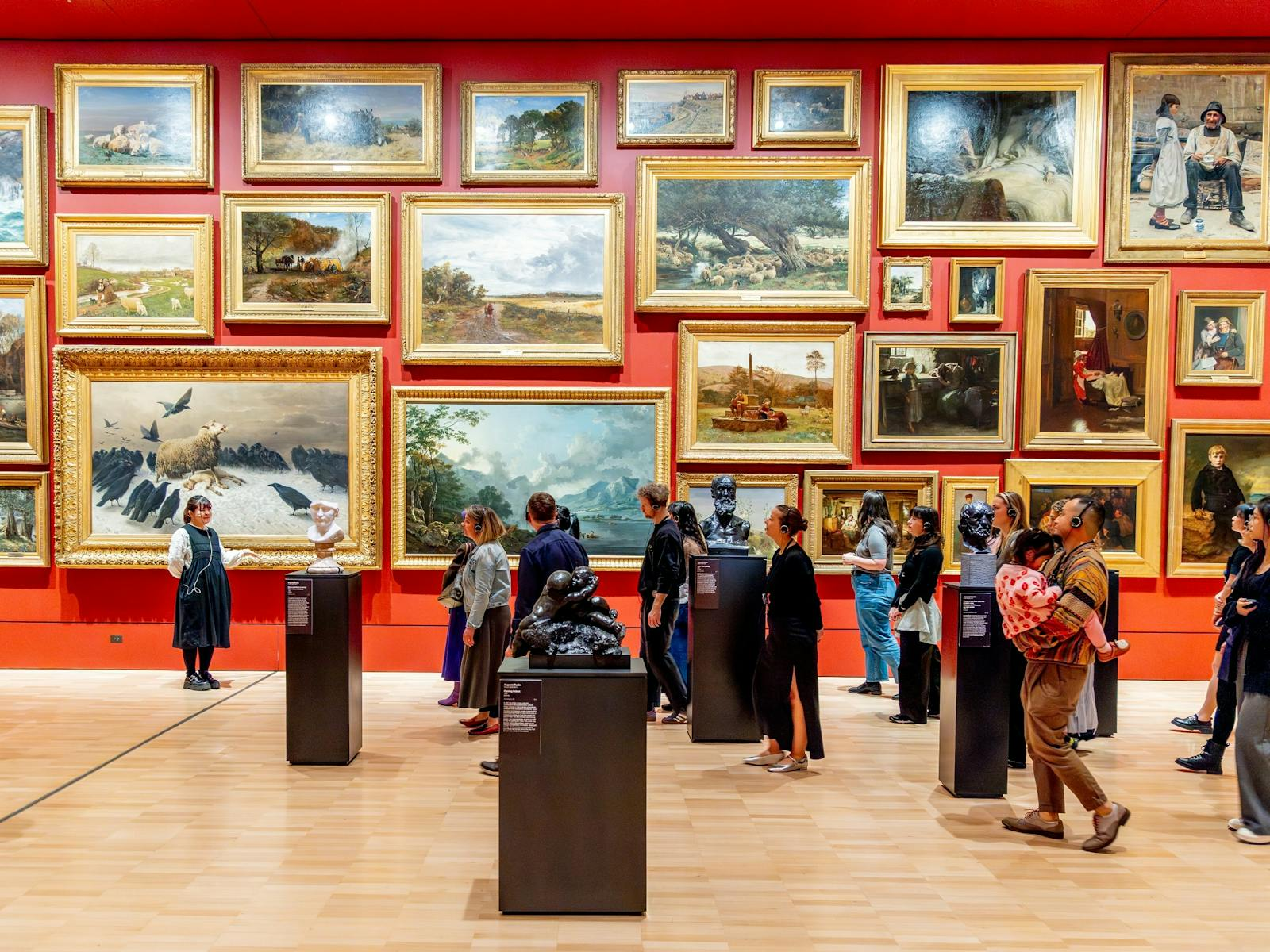
I usually begin with no fixed plan, only a loose thread to pull. A museum, usually. At home in Melbourne, it is the National Gallery of Victoria, whatever free exhibition happens to be on. I drift through the rooms with no companion to perform interest for, no one’s pace to match but my own. I can stand in front of a single painting for ten minutes, or walk past a whole wing that does not speak to me, and answer to nobody.
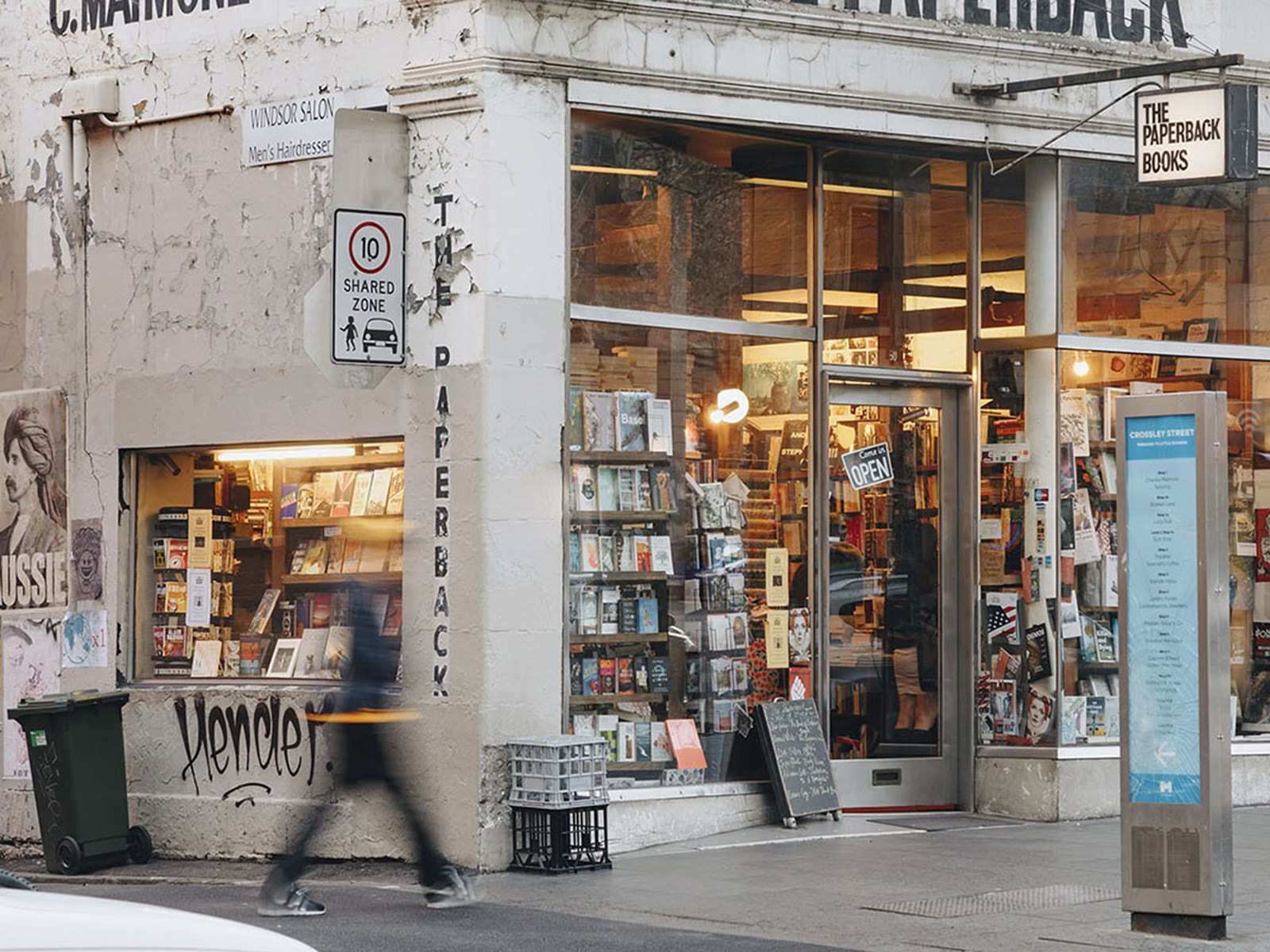
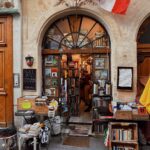
Then a bookshop. There is always a bookshop. Last time I bought a book of Ocean Vuong’s poems, which I read over a meal I had chosen by following a craving none of my family shares, the dish I would never order if I had to talk it over with anyone else first. There is a particular and slightly absurd freedom in eating exactly what you want, alone.
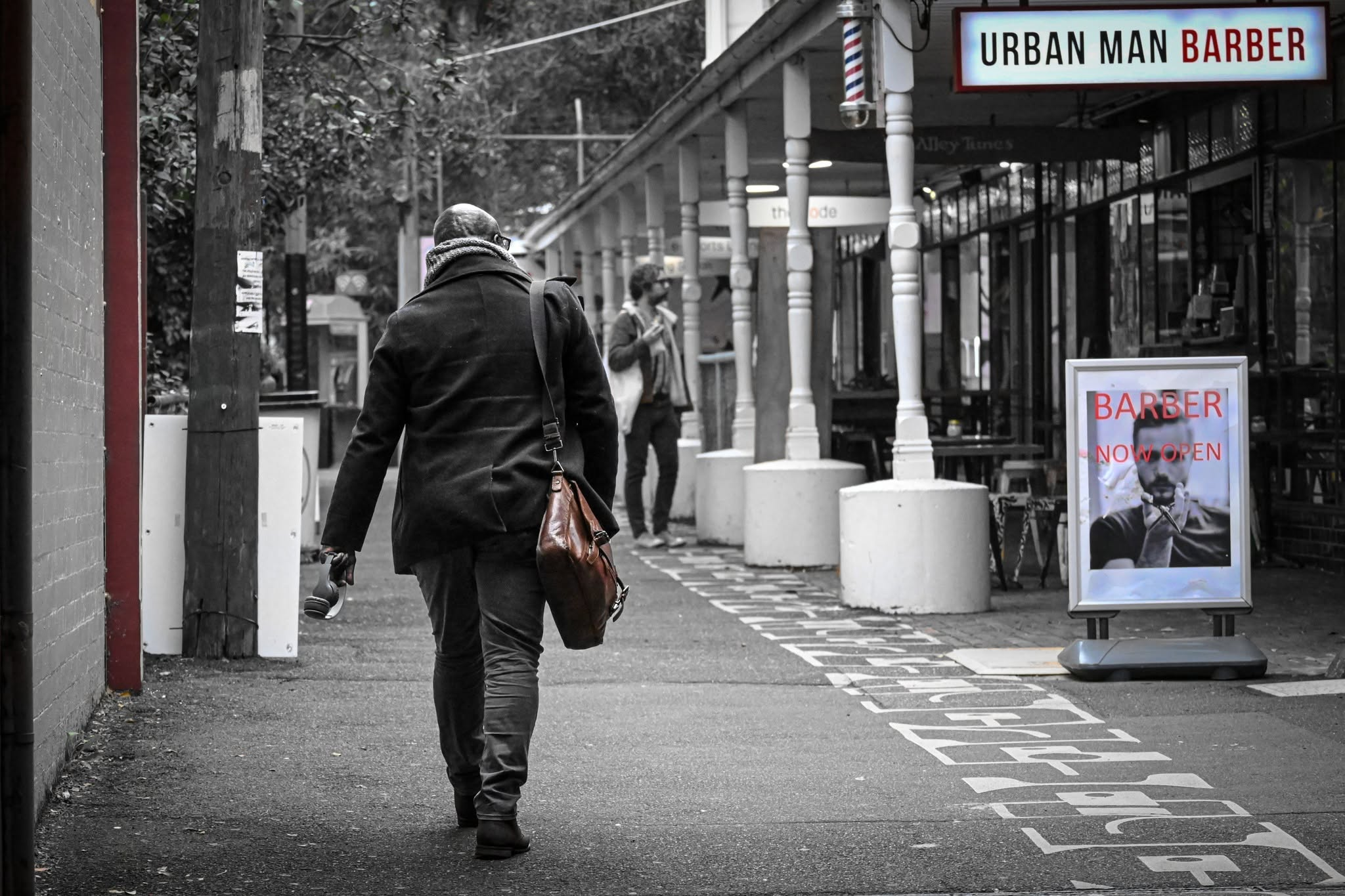
This is the small liberty that turns out not to be small at all: an afternoon with no one’s agenda but your own. I wander the back streets and photograph things. Street art, a doorway, the light doing something briefly perfect on a brick wall. Not for an audience, not for the feed, but just because it is there and I am here.
Virginia Woolf Already Knew
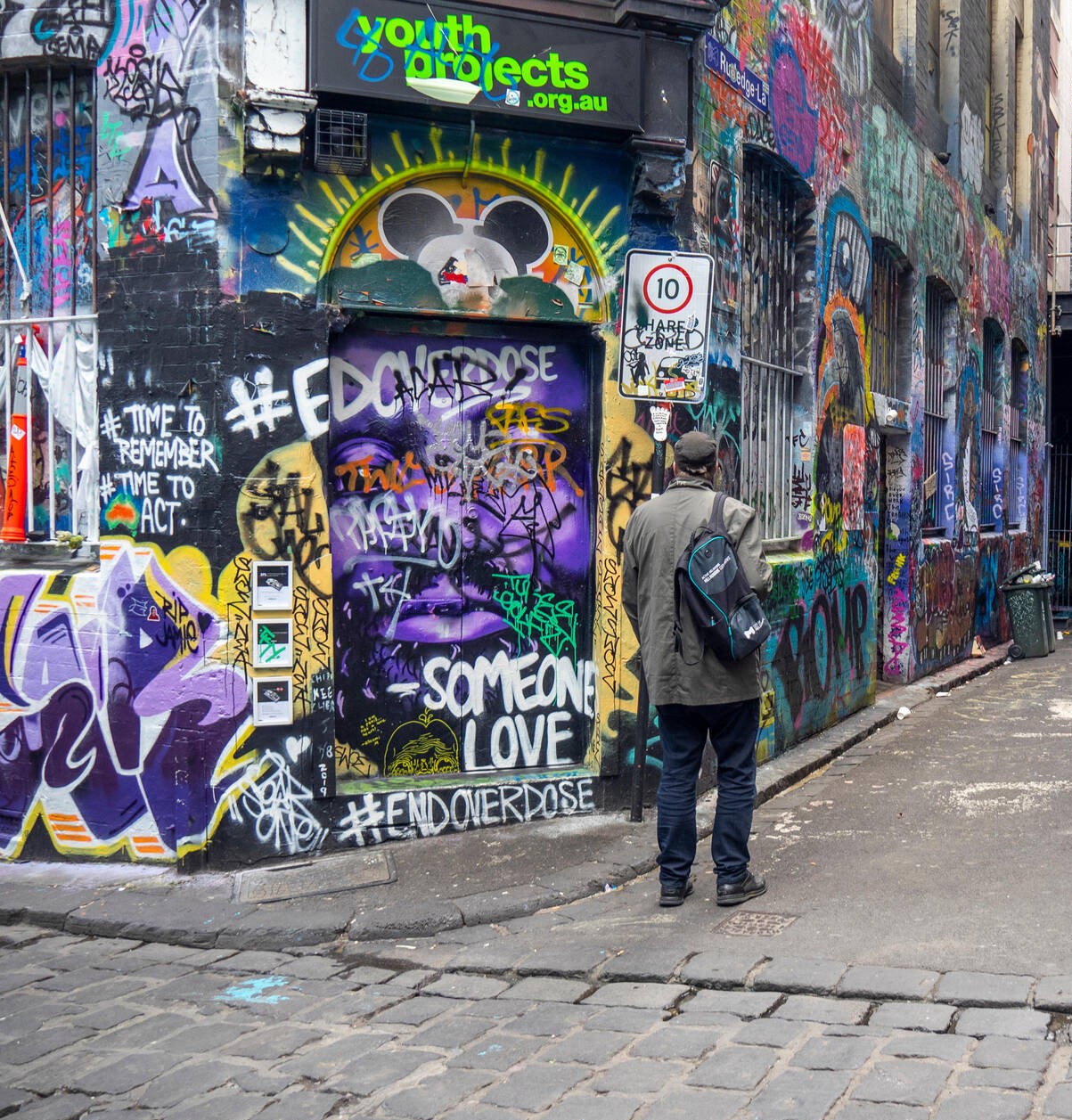
If this sounds like a modern indulgence, the best description of a solo date I have ever read was written in 1927.
In her essay Street Haunting, Virginia Woolf invents a pretext to leave the house alone on a winter evening. She must, she decides, go and buy a pencil. The pencil is nonsense. The pencil is permission. What she is really after is the walk, the chance to slip out of her own front door and, with it, out of her own fixed identity. Out on the streets, she sheds the self that home and routine insist she be, and becomes instead a kind of giant, roving eye, trying on other lives as she passes lit windows.
“We are no longer quite ourselves… we shed the self our friends know us by.” — Virginia Woolf, Street Haunting (1927)
Almost nobody reads Street Haunting anymore, which is a quiet tragedy, because Woolf understood the whole thing a century before we gave it a hashtag. The errand was just an excuse. The point was always the wandering.
Philosophy Hiding in a Walk
The figure Woolf becomes on those streets has a name. In the nineteenth century, the French poet Charles Baudelaire wrote about the flâneur, the unhurried wanderer who strolls the city simply to watch it, reading the street the way you would read a book. Walter Benjamin later turned the flâneur into a kind of hero: the person who refuses to rush, who treats the ordinary city as something worth paying attention to.
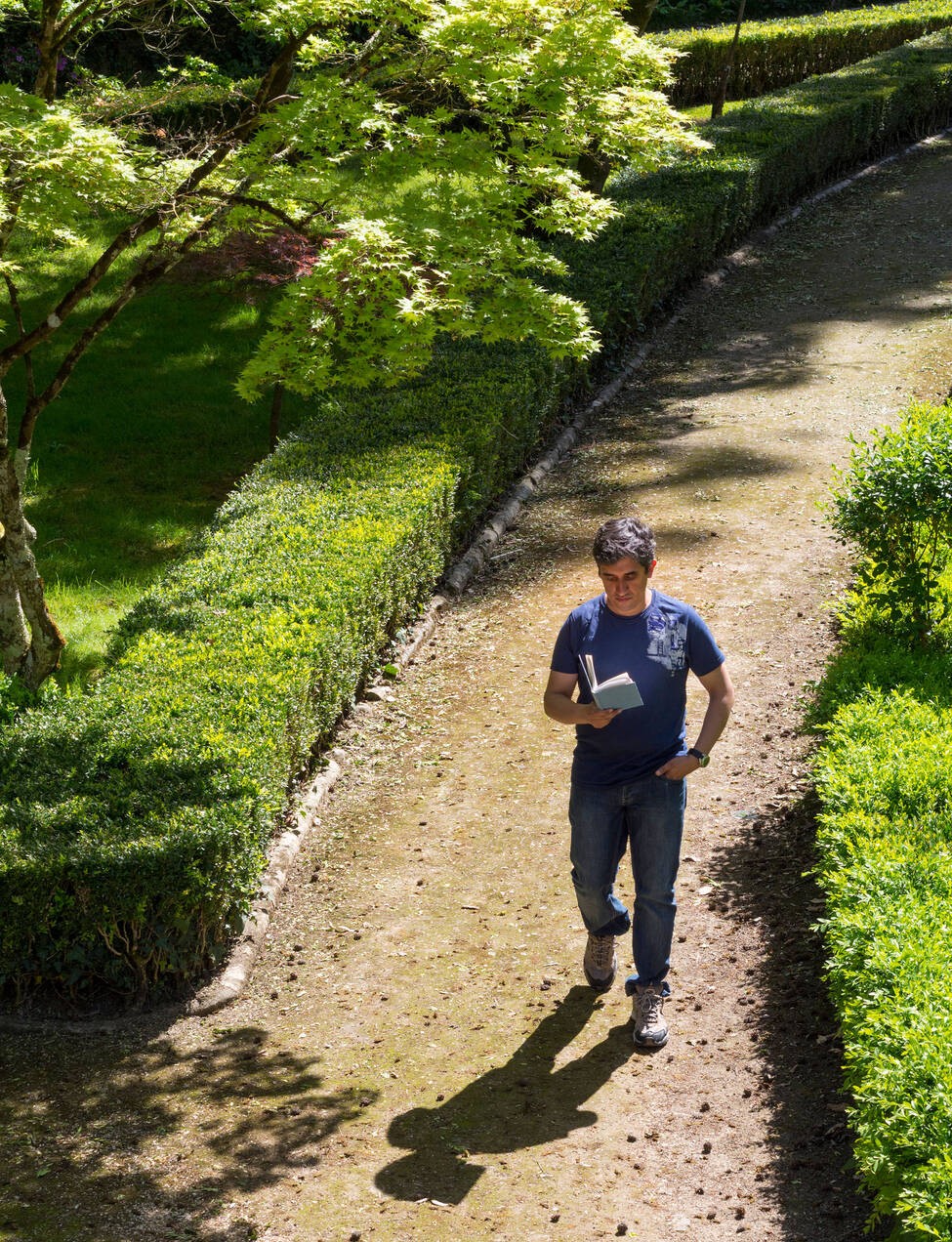
There is an older idea underneath this. Aristotle had a word, autarkeia, or self-sufficiency, for the quiet completeness of a person who is not dependent on the crowd to feel whole. Not because they have no one else, but because they carry enough within themselves.
Solitude Is Not Loneliness
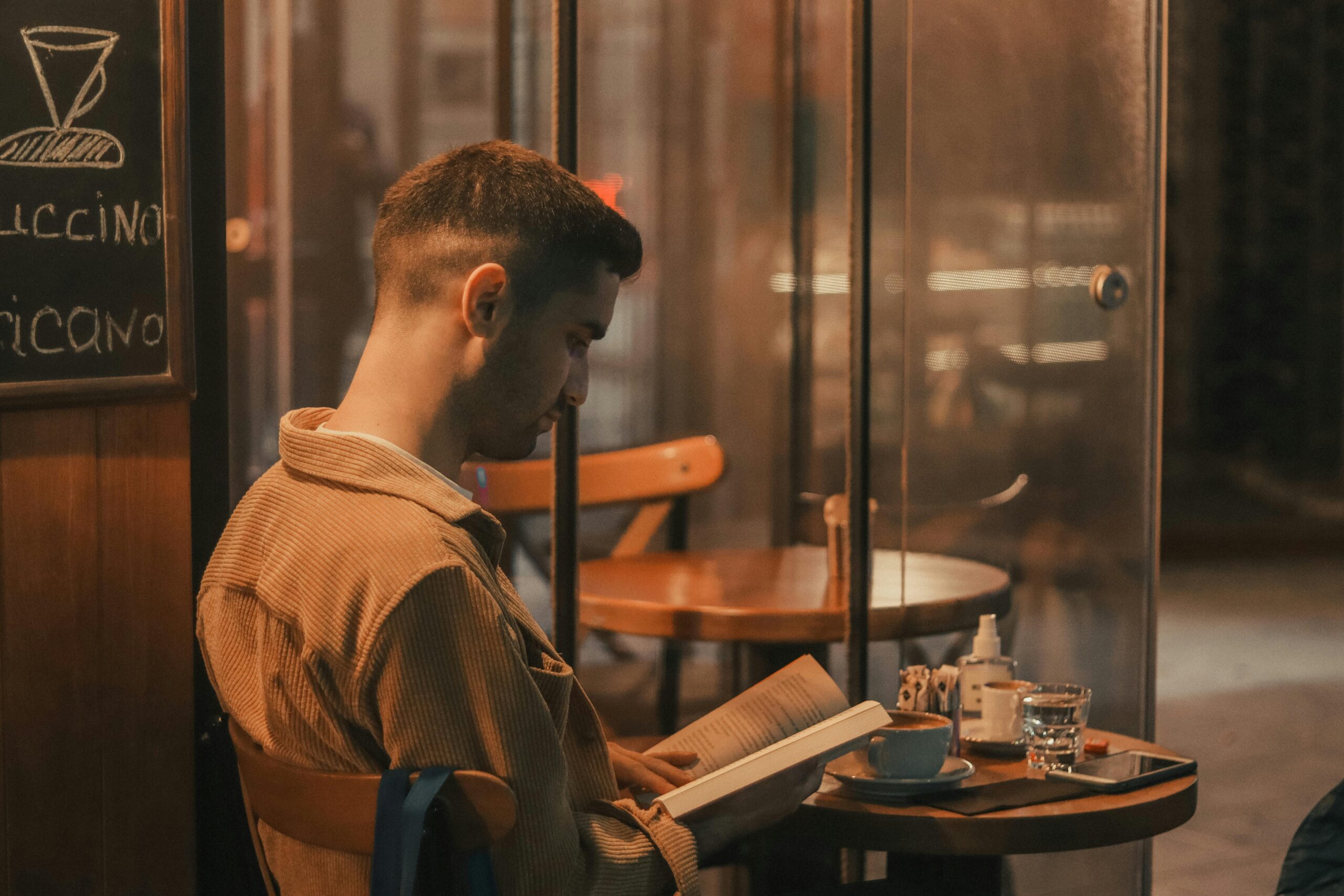
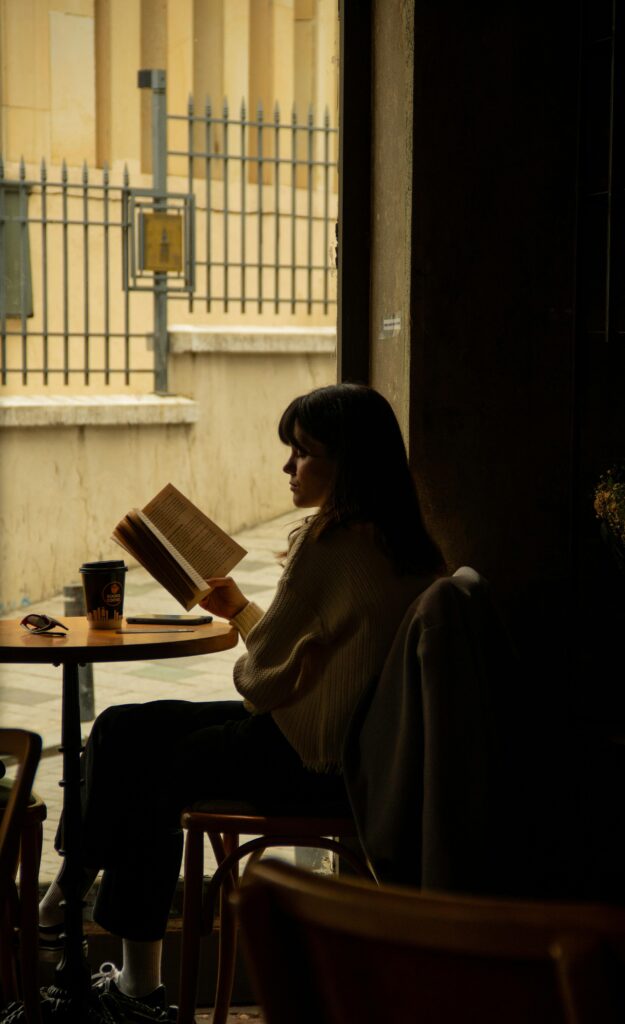
This is the distinction our culture keeps getting wrong. We treat alone as a single sad word, when in truth it splits cleanly in two. The theologian Paul Tillich put it as well as anyone has. Our language, he noticed, made one word to carry the pain of being alone, which is loneliness, and another to carry its glory, which is solitude. Same fact, opposite weather. Solitude that is chosen is a completely different thing from solitude that is imposed. One is a wound. The other is a room you step into on purpose and lock, contentedly, from the inside.
There is a line I think about, from Irvin Yalom’s novel When Nietzsche Wept, which imagines the philosopher in conversation with a Viennese doctor:
“I have others who rob me of my solitude, and yet do not truly offer me company.” — Irvin Yalom, When Nietzsche Wept (1992)
It is a novelist’s invention rather than the real Nietzsche, but it names something exact. Solitude has little to do with whether anyone else is in the room. It has to do with who you let interrupt it. The right company does not break your solitude; it deepens it. And sometimes the right one is yourself. Whereas the wrong company steals it and leaves nothing in its place.
The Self You Meet When No One Is Watching
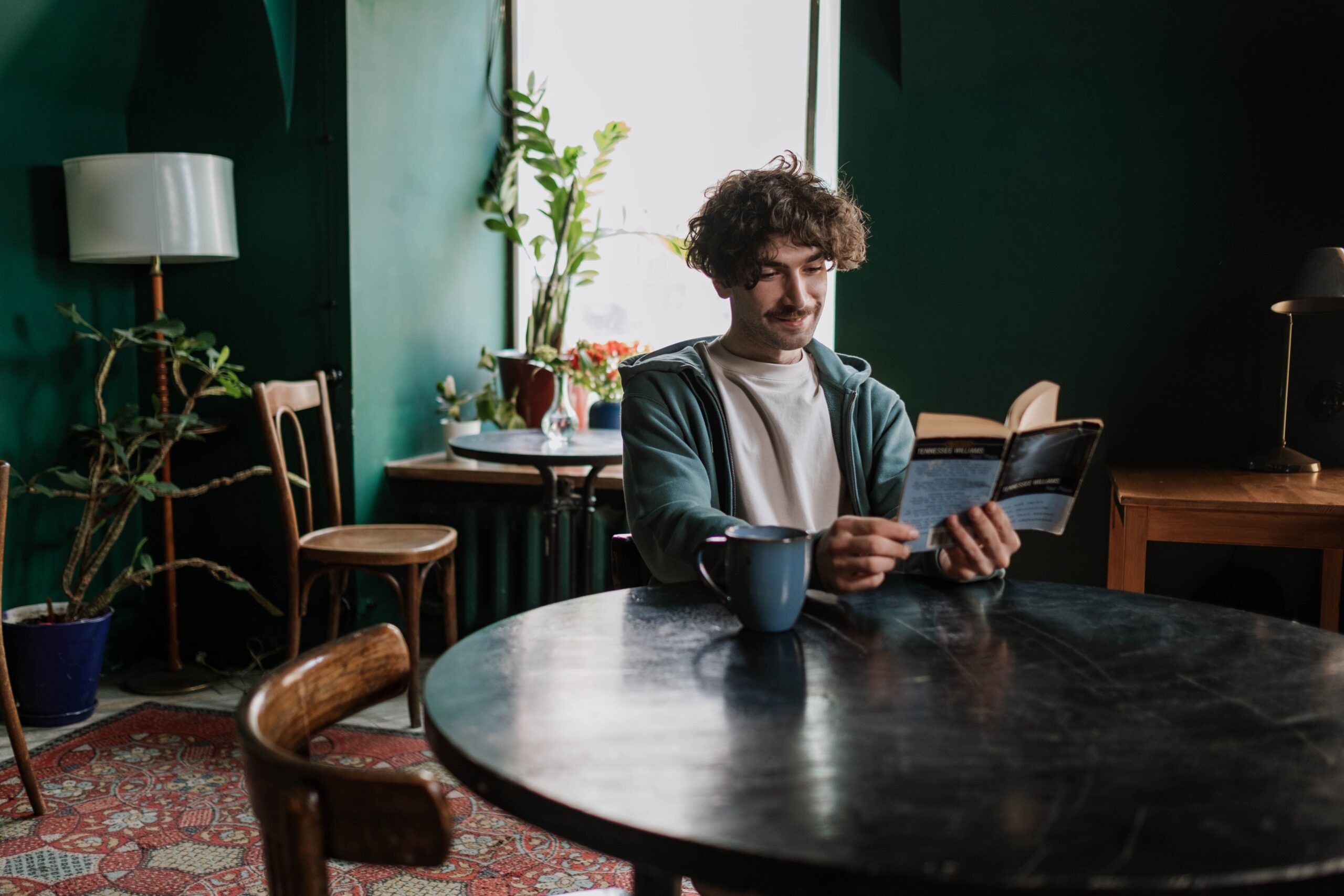
The sociologist Erving Goffman spent his whole career on one simple and faintly unsettling idea: that we are always performing. In every room, he argued, we play a part for people. The dependable partner, the patient parent, the capable friend, the founder who has it all under control (I do not always). The roles are not lies, but they are roles, and most of us almost never get to set them down.
“Everyone is always and everywhere… playing a role.” — Erving Goffman, The Presentation of Self in Everyday Life (1959)
The solo date is when the performance stops. When there is no one to be for, you find out who is there when nobody is watching. And here is the part that tends to surprise people: it is not a void. What is underneath is you. The version that existed before all the parts got assigned, the one who likes the feel of grain between his fingers, who orders the strange dish, who reads the poem slowly with no one waiting for him to finish.
We spend so much of our lives being someone to someone. A few hours of being no one to nobody turns out to be how we remember who we actually are.
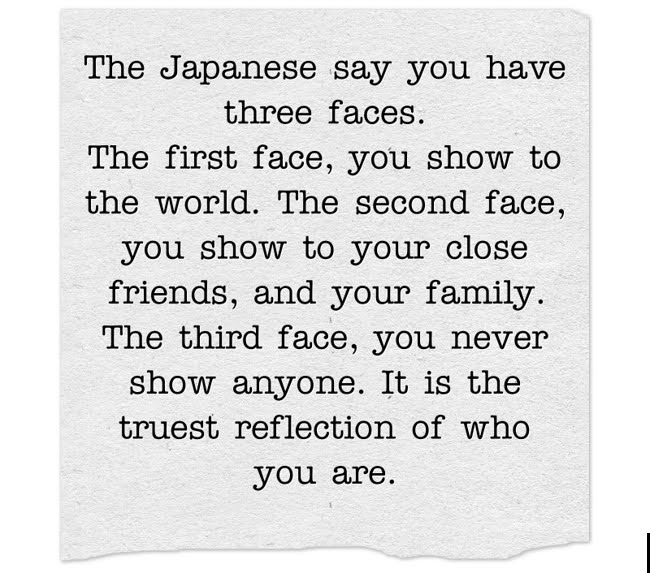
In fact, my wife, who is Japanese, told me once that there’s a Japanese proverb that goes like this:
Coming Home Richer
I come home from these nights a little tired, in the good way, and ready to pick my roles back up. I assume them more willingly for having put them down for an evening.
But I carry something back that I did not leave with, and it is nothing I bought. It is the feeling that my life is rich, full, and mine, in the way that hours of someone else’s devotion, offered to a room full of strangers, can make you feel that being alive is an astonishingly generous arrangement. Those musicians spent thousands of hours in small rooms so they could play, for one night, for me. The least I can do is show up, alone and undistracted and fully myself, and let it land.
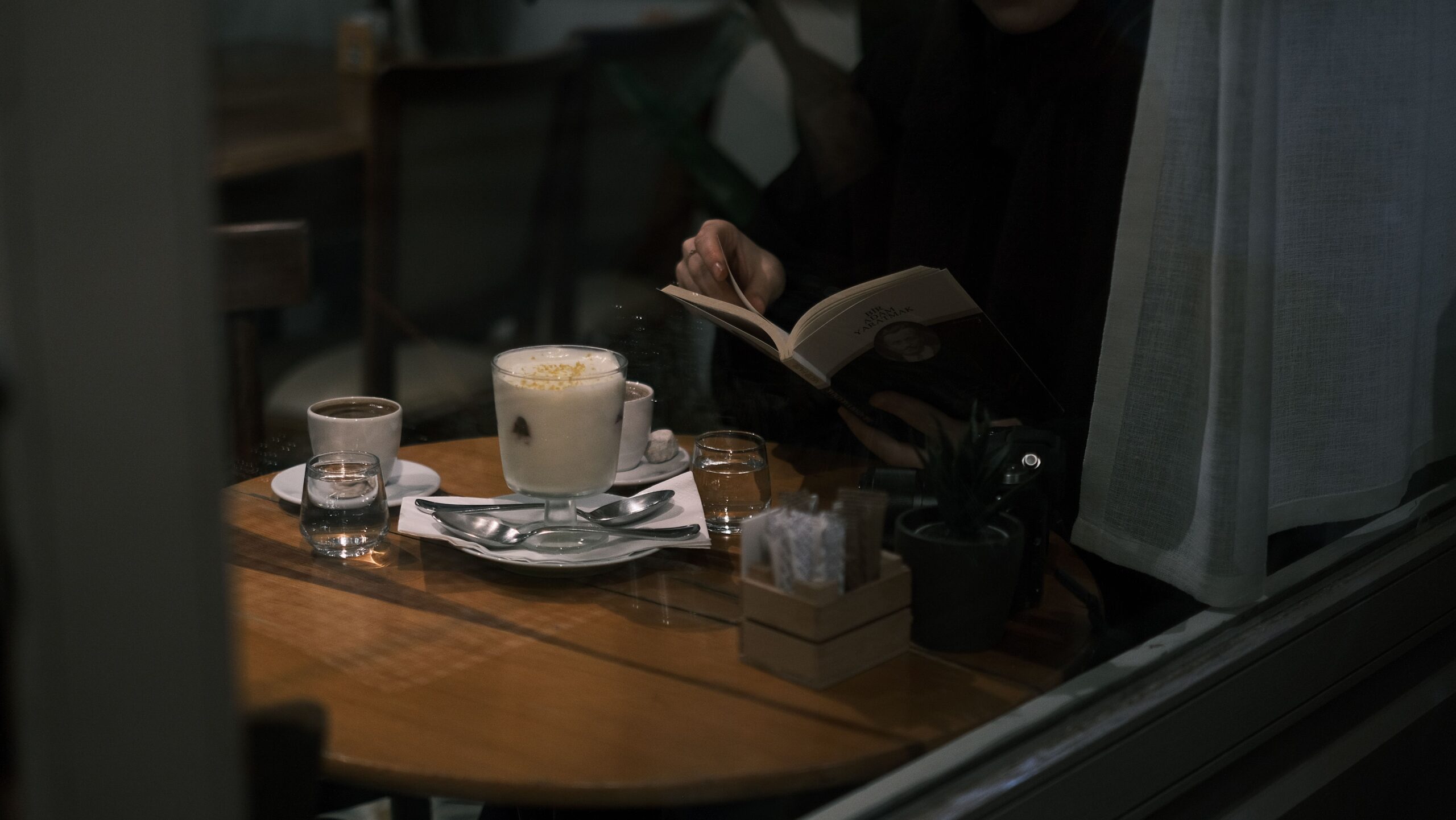
You do not need a jazz club, a gallery, or a French film. Sometimes you just need an afternoon, a loose thread to pull, and the small nerve it takes to go and meet the person who has been waiting patiently behind all of your roles.
Buy the pencil, as Woolf would say. Book the table for one. You might be surprised by who turns up.

Vincent Phan
Vincent is the founder and Editor-in-Chief of 1000 Libraries Magazine. He is a Paris-born ex-corporate turned bookseller and philosopher, on a global mission to spread the joy of physical books in our age of digital technology.