
Curious about the places that inspired Agatha Christie? These are the grand hotels, cozy cafés and famous streets that are linked to her work.
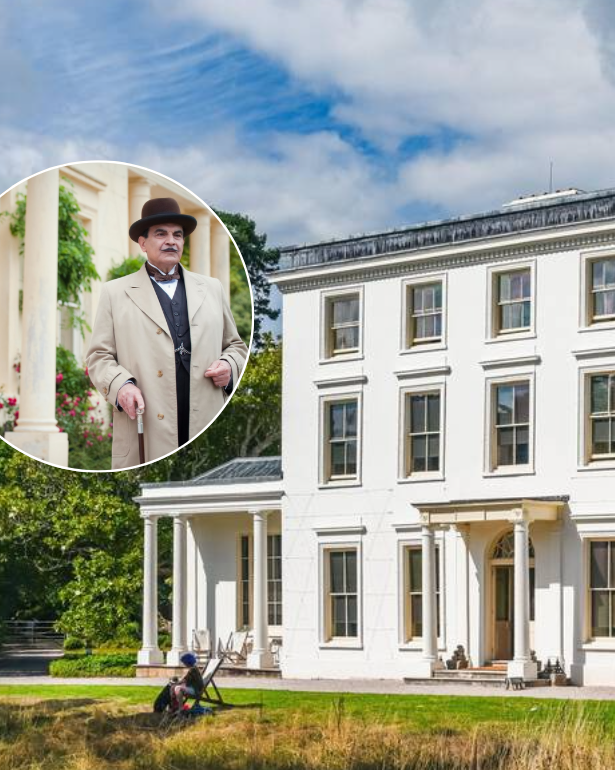
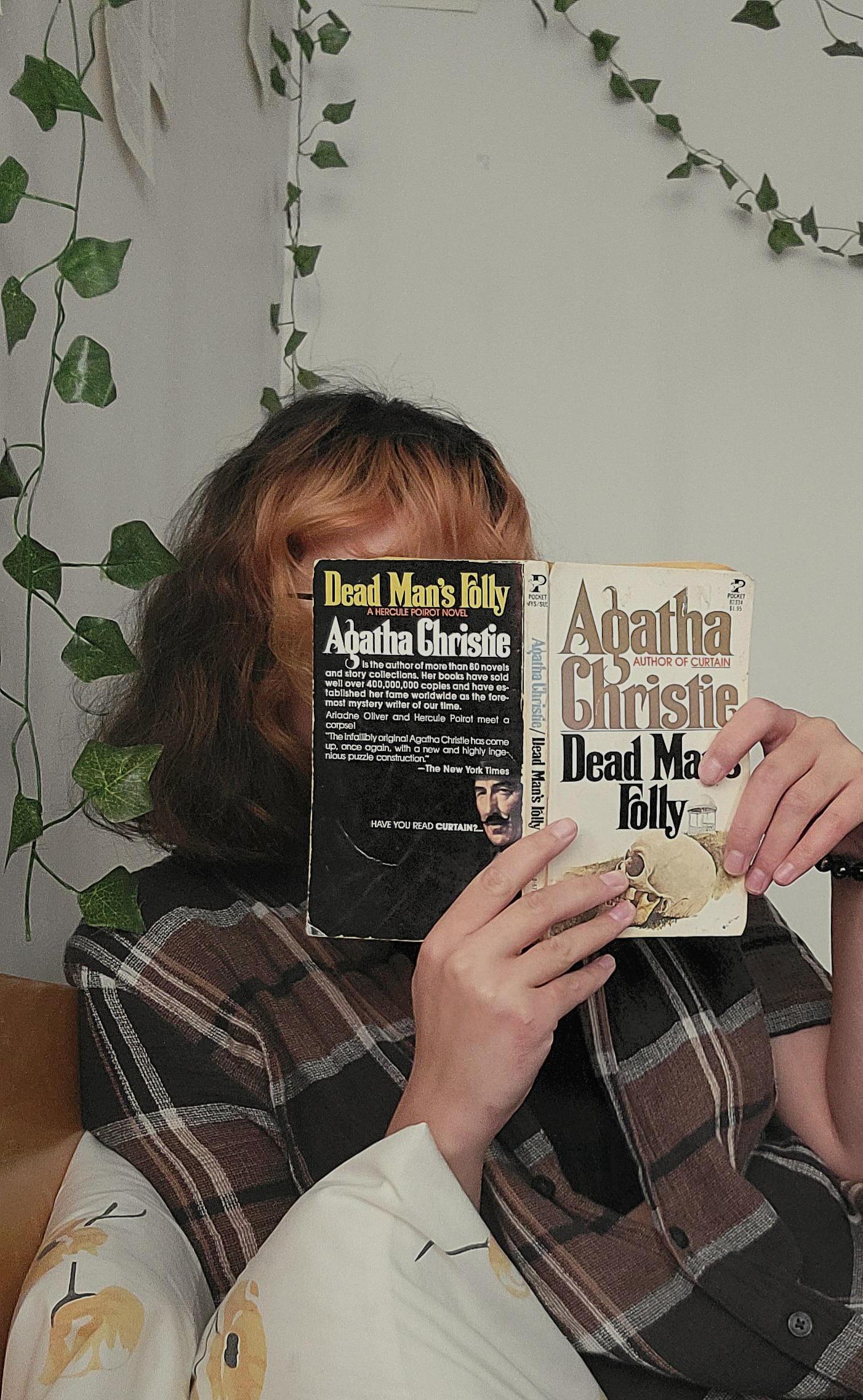
At the bottom of a Devon garden stands a small stone boathouse — the very place where fourteen-year-old Marlene Tucker is strangled in Dead Man’s Folly. The garden belonged to Agatha Christie. She called it the loveliest place in the world, then committed a fictional murder in it.
This is the pattern of her career. Christie rarely invented a setting; she borrowed them — from her childhood, her marriages, her hotels, her husband’s excavations — and repaid the hospitality with corpses. Follow the itinerary of her life, and you are following her crime map. The terrace in the novel is a real terrace, and you can order tea on it.
Sixteen crime scenes, in the order her life reached them. These are the places that inspired Agatha Christie!
Devon
Where Agatha Christie was born, learned to swim, learned to poison, and always came home.
1. Greenway, Galmpton
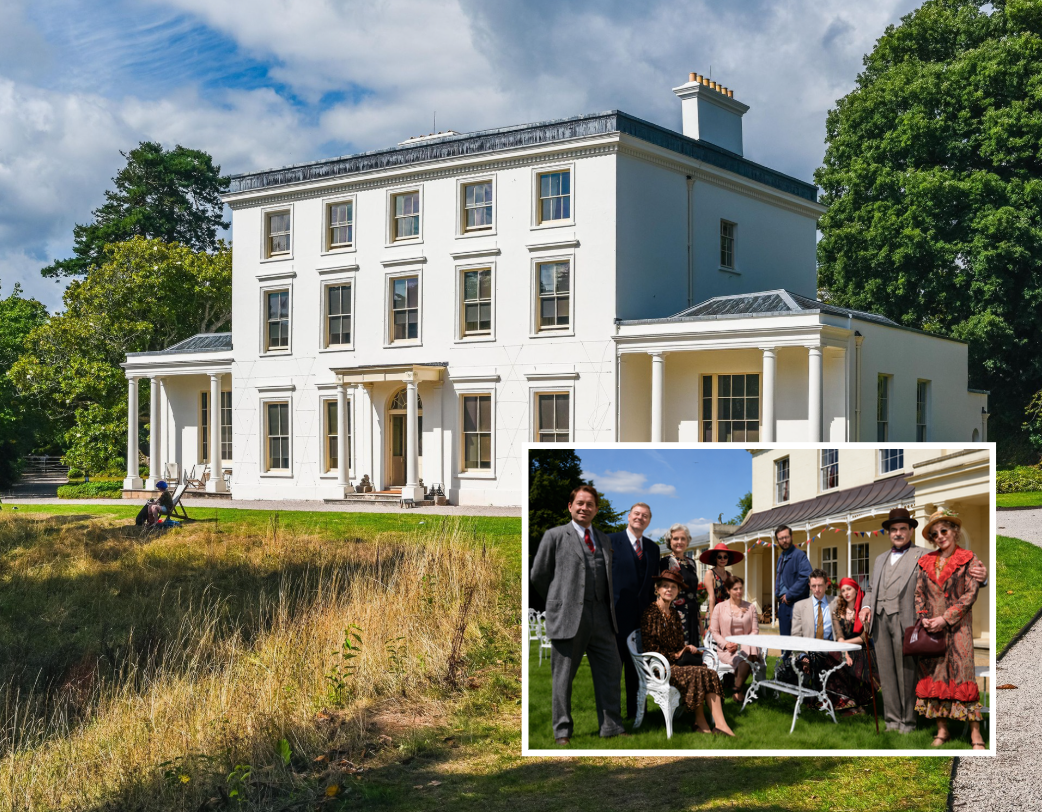
Christie bought Greenway in 1938 as a holiday home above the Dart. She refused to write there, yet the house entered the books anyway: the Battery in the garden is where Amyas Crale dies in Five Little Pigs, and the boathouse hosts the murder in Dead Man’s Folly. Now run by the National Trust, it has been kept as the family left it. Arrive by boat if you can — the house was designed to be seen from the water, and, you suspect, so were the plots.
2. The Imperial, Torquay
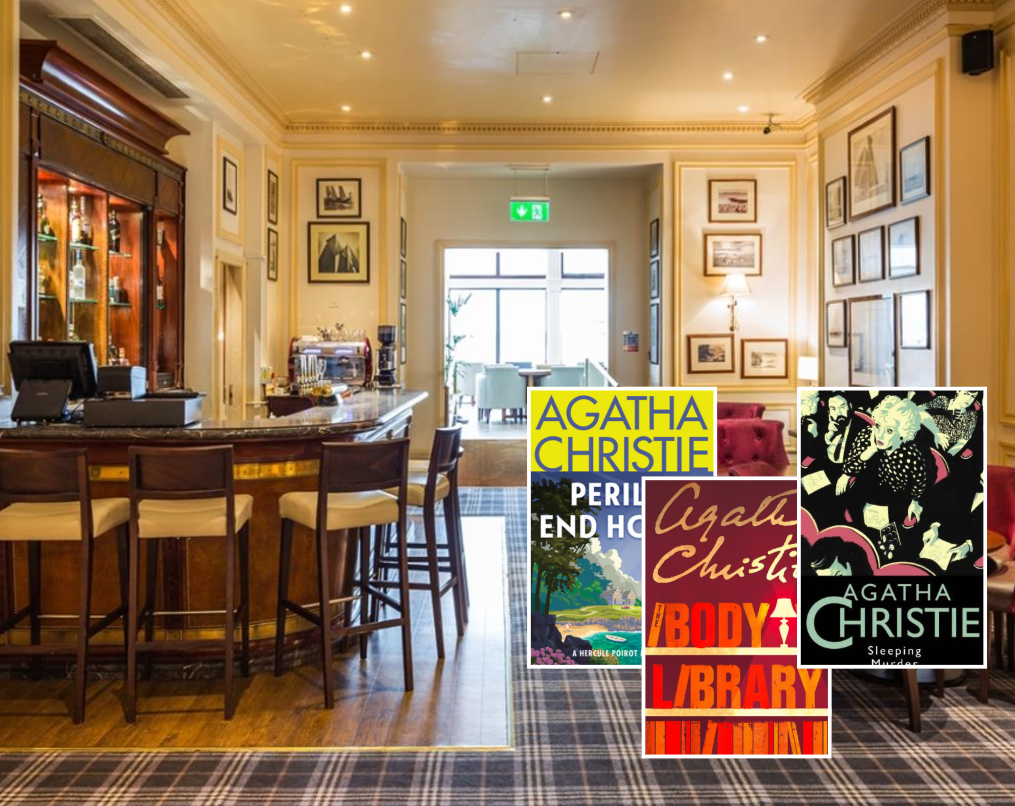
Christie was born in Torquay in 1890, and The Imperial, the grand hotel above the harbor, appears in three of her novels. These include the Majestic in Peril at End House and The Body in the Library, and, undisguised, in Sleeping Murder, where Miss Marple unravels her last case on the terrace. The terrace and its view survive. Order a cream tea. It is a very comfortable place to discuss a murder.
3. The Moorland Hotel, Haytor
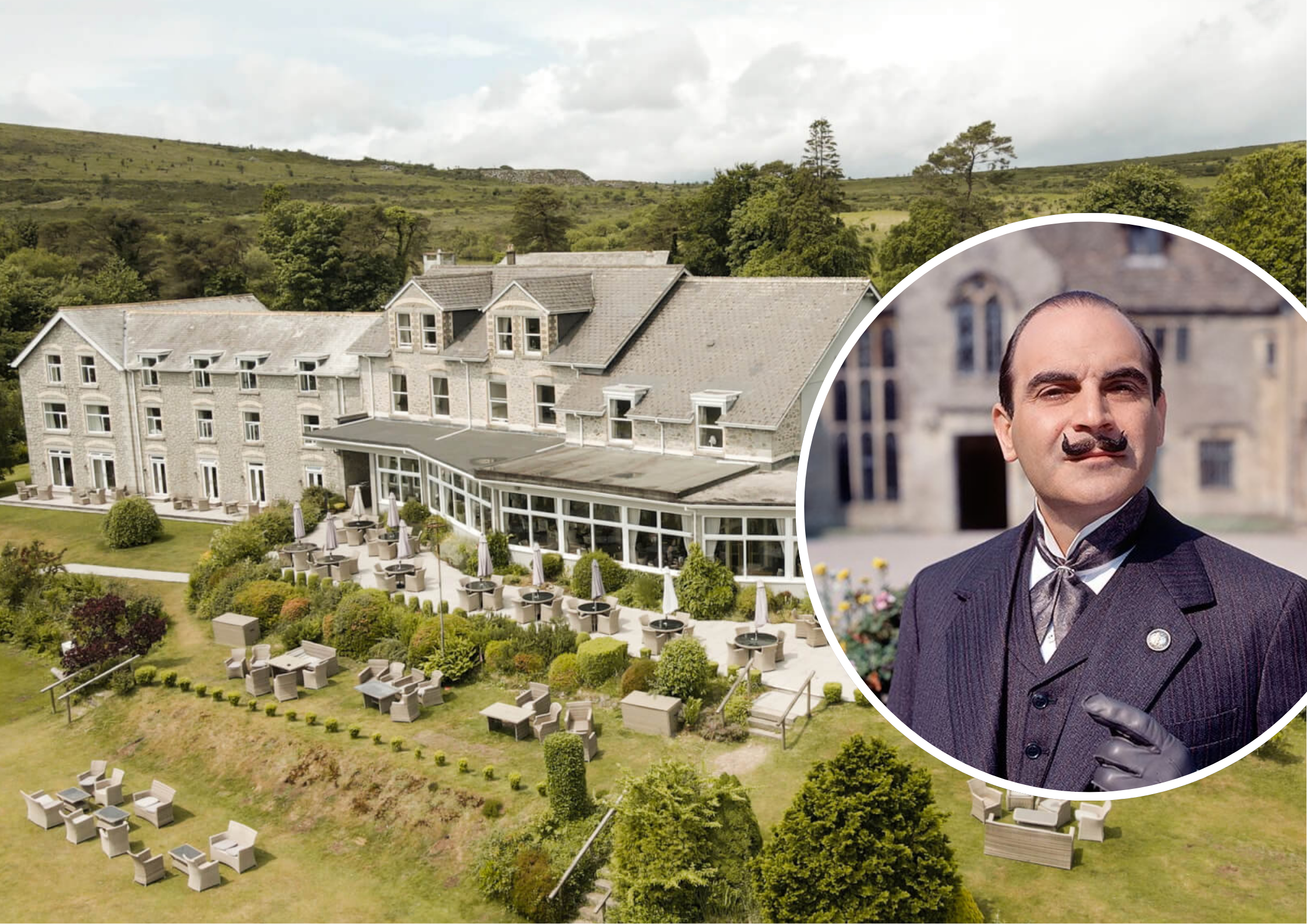
Halfway through her first novel, Christie stalled, and her mother prescribed a hotel. At The Moorland, below Haytor, she wrote all morning and walked the moor all afternoon, muttering her characters’ dialogue to the heather. Two weeks later, The Mysterious Affair at Styles — the book that introduced Hercule Poirot — was finished. Few writers’ retreats can claim better value for two weeks of full board.
4. Dartmoor
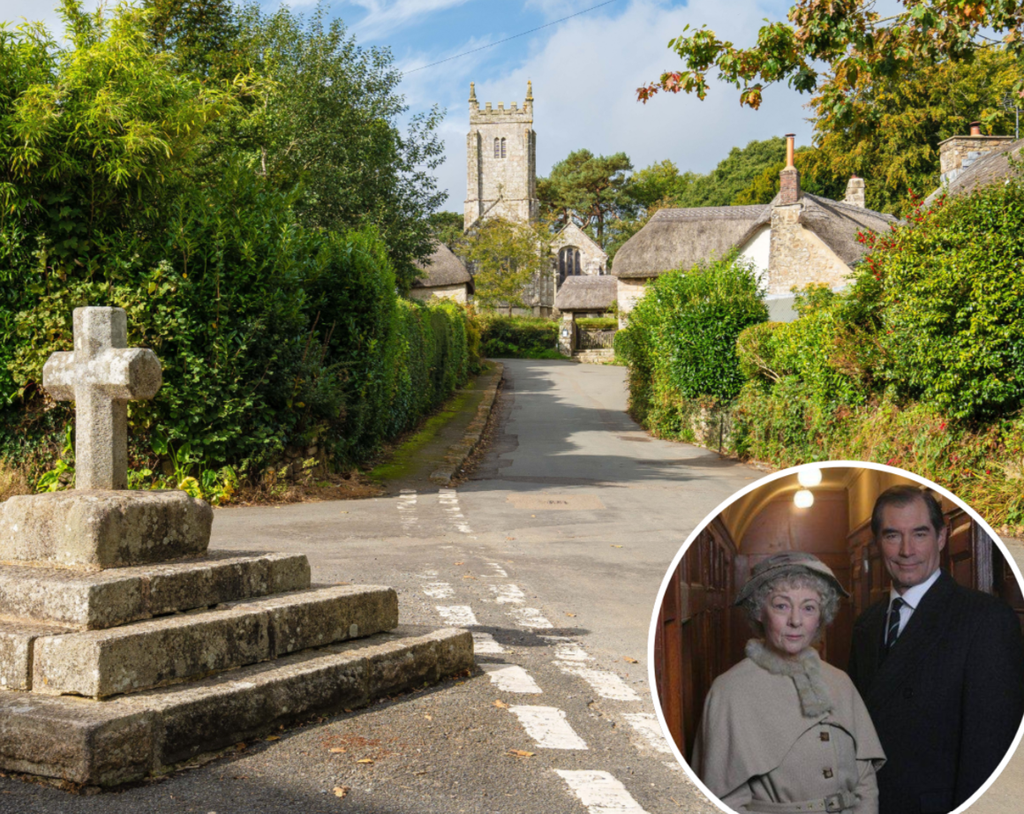
Christie repaid the moor itself in 1931 with The Sittaford Mystery, in which a séance in a snowbound village predicts a murder and an escaped convict from the real prison at Princetown stalks through the fog. Conan Doyle set his hound here; Christie preferred people. The moor does not need a spectral beast to feel dangerous in December.
5. Kents Cavern, Torquay
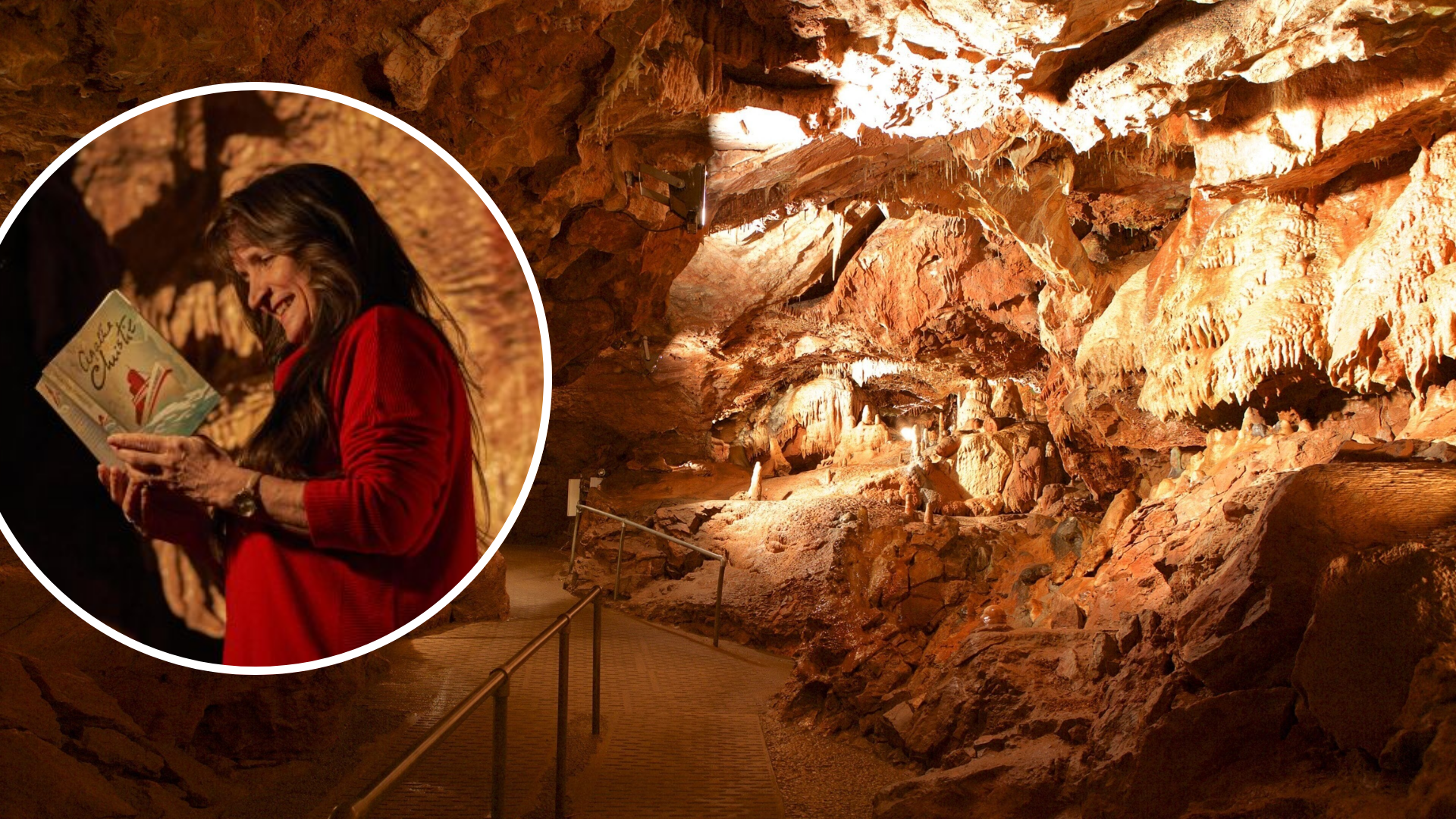
Christie grew up hearing stories about Kents Cavern, the cave system her father’s natural history society helped excavate, and wrote it into The Man in the Brown Suit as Hampsley Cavern. Three years after the novel appeared, diggers found a 41,000-year-old human jawbone here. The caves now host underground screenings of Christie adaptations. Watching a whodunnit by torchlight, inside the oldest home in Britain, is exactly the sort of joke she would have enjoyed.
Cheshire
6. Abney Hall, Cheadle
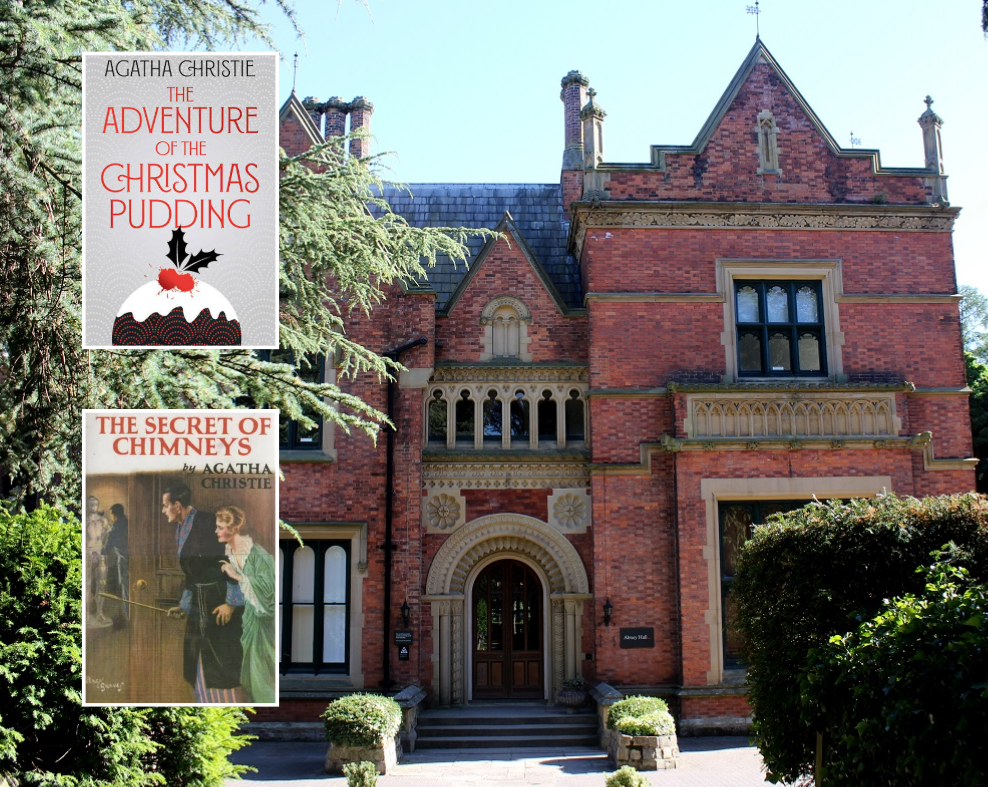
When Christie’s sister Madge married in 1902, the family gained Abney Hall, a vast Victorian pile whose Christmases were repaid in The Adventure of the Christmas Pudding. Abney is also the skeleton beneath The Secret of Chimneys. It was here that her sister hid her after the notorious 1926 eleven-day disappearance. What remains are offices; however, the hall will remain open throughout 2026 for a number of events. If interested, book early. The house has a practice of keeping people out.
London
7. Flemings Mayfair, Half Moon Street
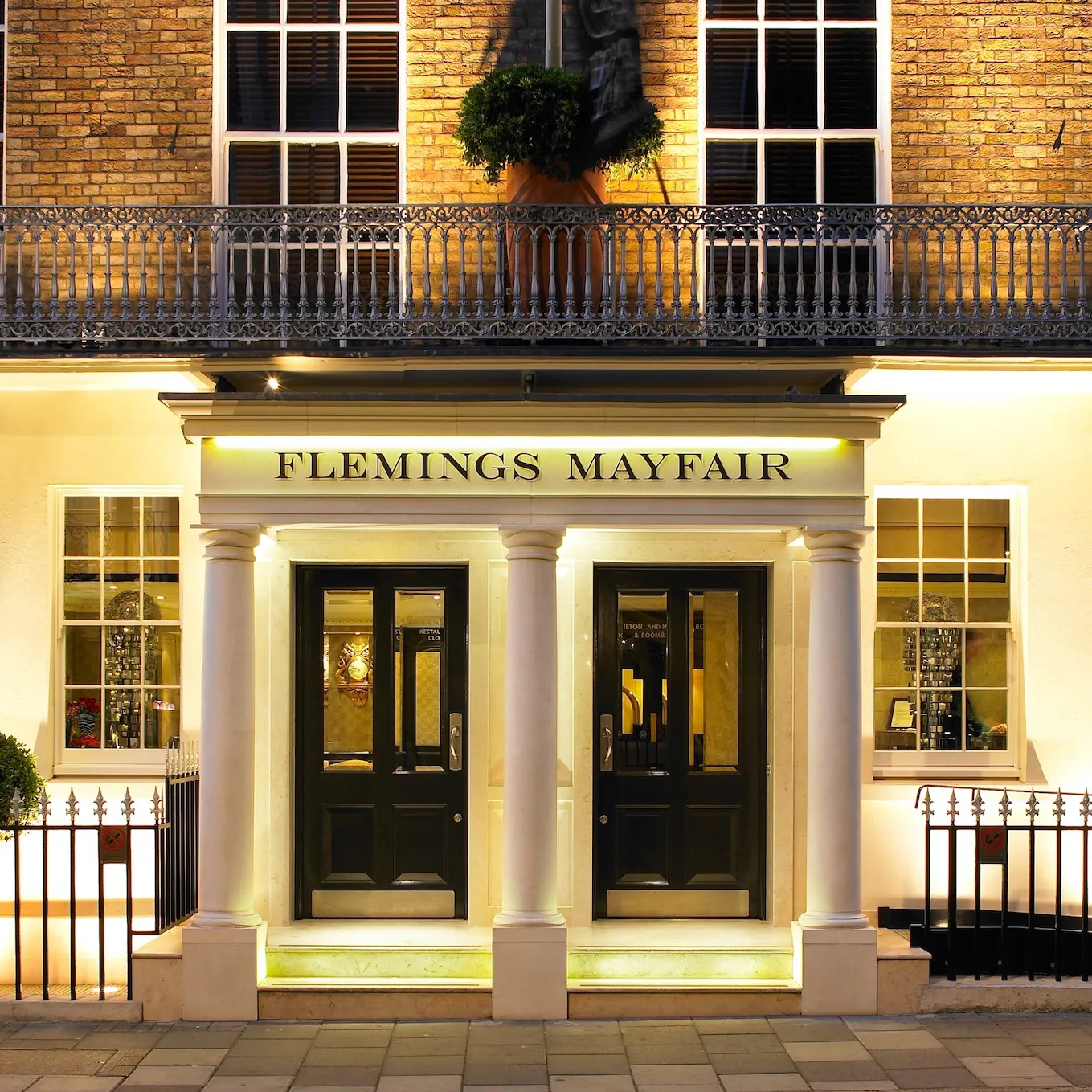
Two Mayfair hotels claim to be the original of At Bertram’s Hotel, and Flemings, trading on Half Moon Street since 1851, holds the better evidence. The fictional manager’s name was changed before publication because it sat too close to that of Flemings’ real proprietor. Christie also lived on this street. Brown’s presses its rival claim, and the argument will never be settled, which feels right. A mystery writer’s hotel ought to keep one secret.
8. 22 Cresswell Place, Chelsea
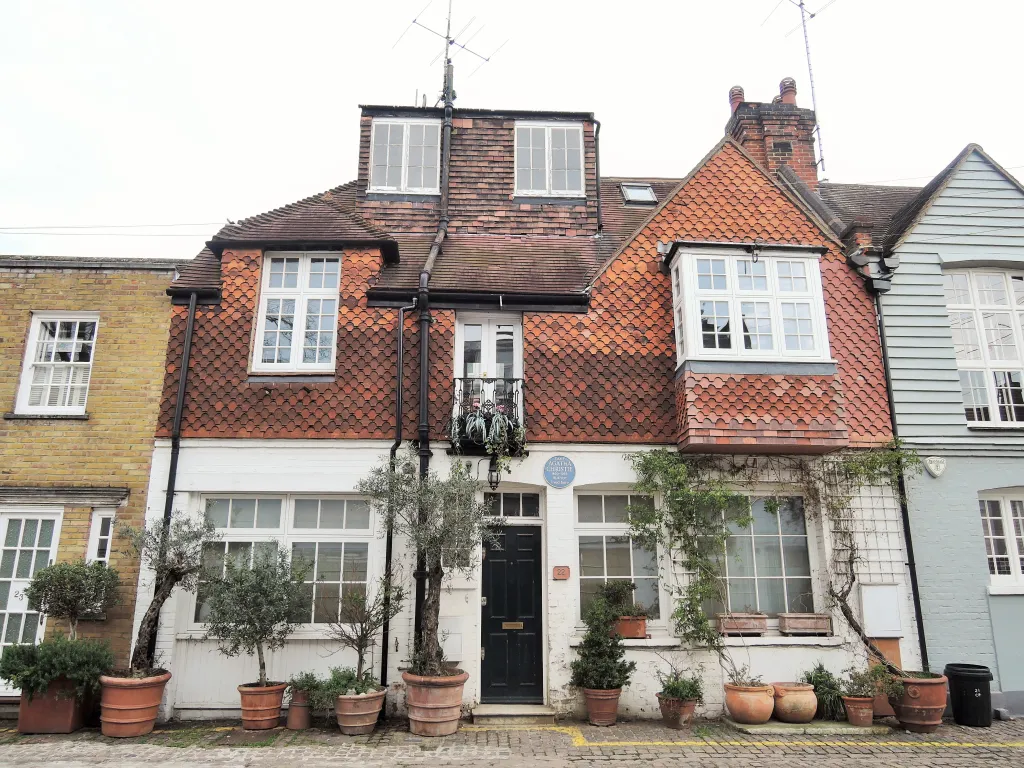
After her first marriage collapsed, Christie bought this mews house with her book earnings and rebuilt it herself, adding a rooftop writing room and a bathroom painted with dolphins. The street’s quiet geometry surfaced in Murder in the Mews. Today, it is private and something of a crime scene, visible from the pavement and marked with a blue plaque, in a lane where nothing ever seems to happen. Christie knew those were the ones to watch.
Istanbul and The Train
In December 1931, Christie’s Orient Express became stuck fast in a snowdrift. Three years later, the whole world read the result.
9. Pera Palace Hotel, Beyoğlu
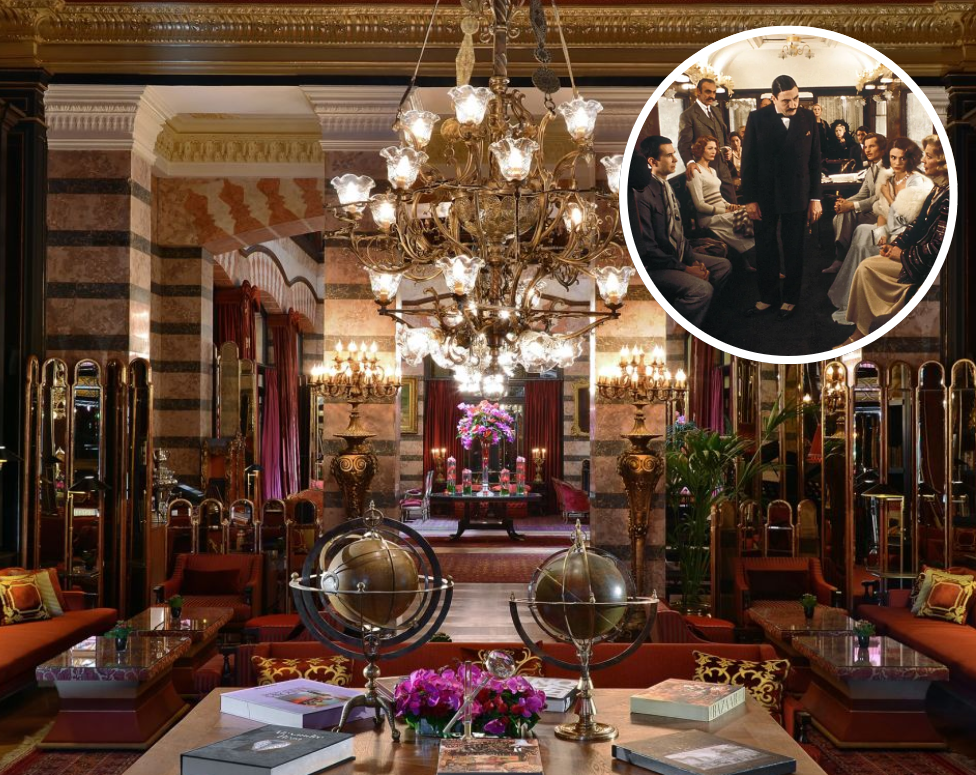
Built in 1892 to lodge Orient Express passengers, the Pera Palace hosted Christie on her journeys. Room 411 is preserved as the Agatha Christie Room, and the hotel maintains that part of Murder on the Orient Express was written there. In 1979, a medium hired to contact the dead author pointed to Room 411 — where a search really did turn up an old key hidden by the door. The hotel has dined out on the story ever since and is now one of the best-known places that inspired Agatha Christie.
10. Sirkeci Station
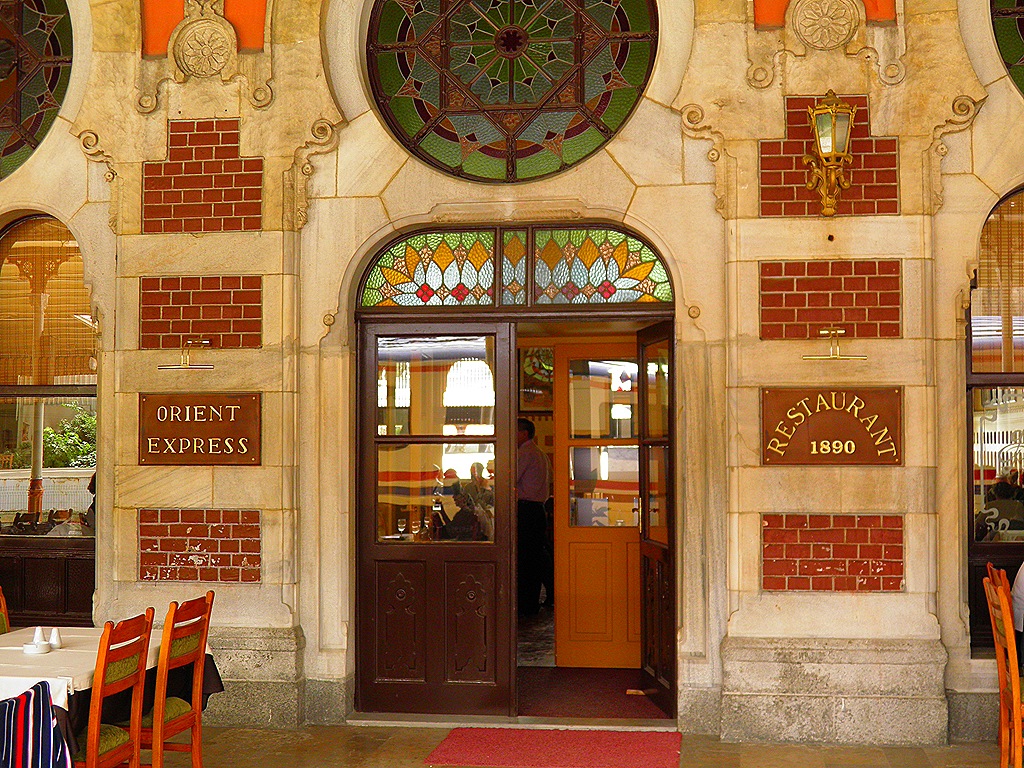
This ornate terminus was where the Orient Express finished its run from Paris, and where Christie stepped down en route to Mesopotamia. Its stained-glass windows and vaulted halls are being restored, the old Orient Express restaurant survives beside the platforms, and a small free museum houses the relics. It is a modest shrine to the most glamorous alibi in crime fiction, and it smells agreeably of strong tea.
Iraq and Jordan
11. Ur, Nimrud and Nineveh
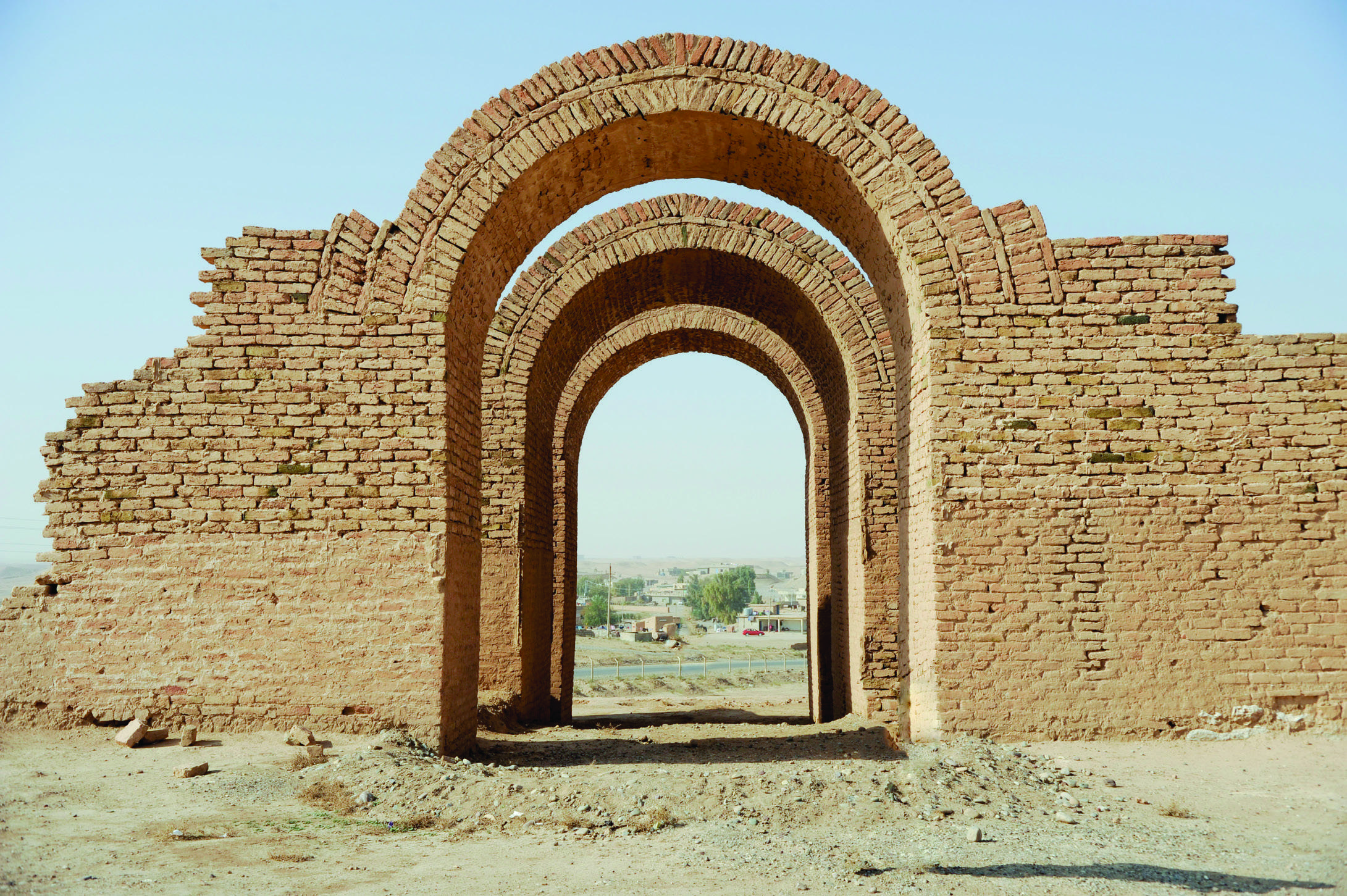
In 1928, newly divorced, Christie boarded the Orient Express alone for Baghdad and visited Leonard Woolley’s excavation of Ur. Returning in 1930, she met Woolley’s assistant, Max Mallowan, and married him within the year. She turned the Ur expedition house into Murder in Mesopotamia. At Nimrud she had her own mudbrick writing annex, known as Beit Agatha. These sites demand serious planning to visit today; the books, mercifully, do not.
12. Petra
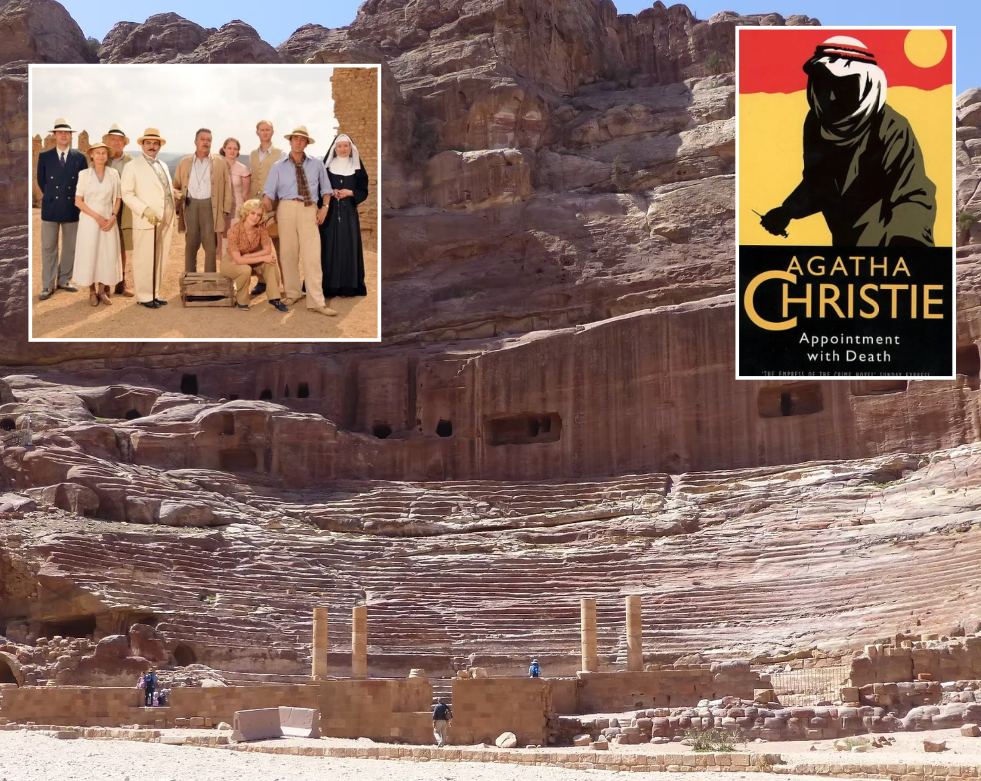
In Appointment with Death, the tyrannical Mrs Boynton is found dead above the travelers’ camp at Petra, the Nabataean city carved into rose-red sandstone. Christie understood what Petra offered a plotter: you enter through the Siq, a crack in the mountains, and the outside world simply ceases. It remains the grandest locked room she ever used. The lock is a kilometer of solid rock.
Egypt
13. The Old Cataract, Aswan
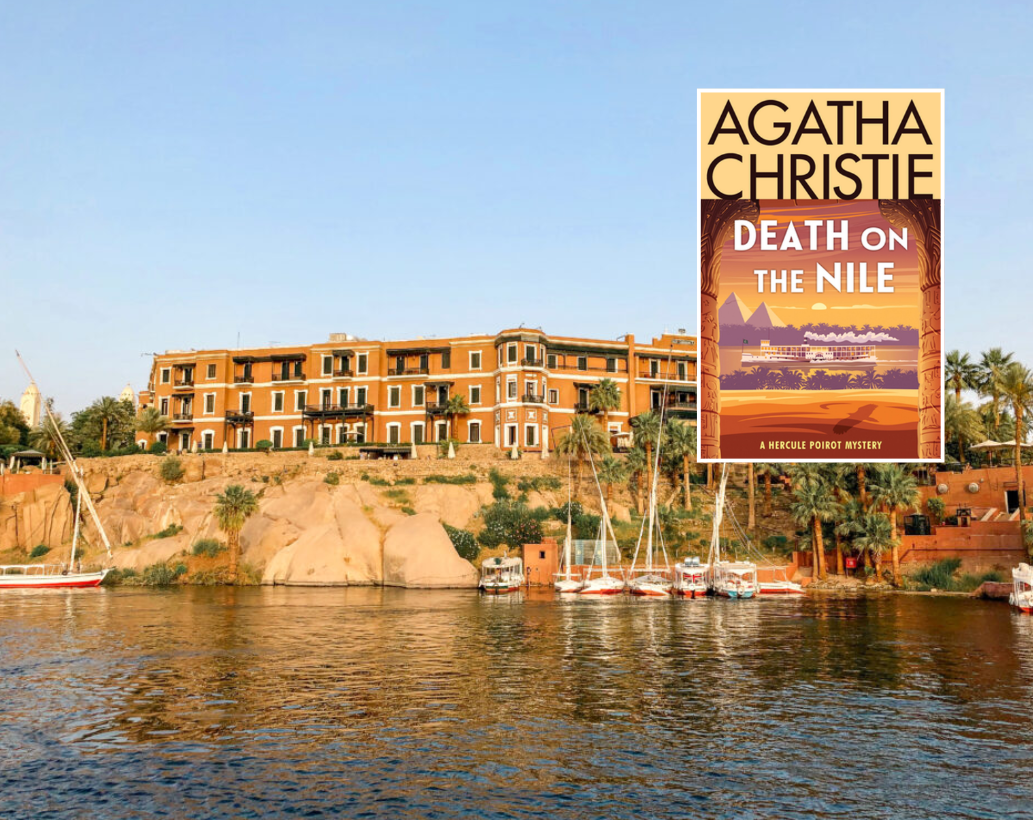
Built by Thomas Cook in 1899 on a granite bluff above the Nile, the Old Cataract has one of the most famous terraces in all of crime fiction. In Death on the Nile, a book that will transport you to the Egyptian pyramids, the doomed cast assembles here over drinks before the shooting starts. Christie stayed during her Egyptian winters. In May 2026, management passed to Mandarin Oriental, ahead of a full relaunch in 2027. Come at sunset. Some views survive every owner.
14. The SS Sudan
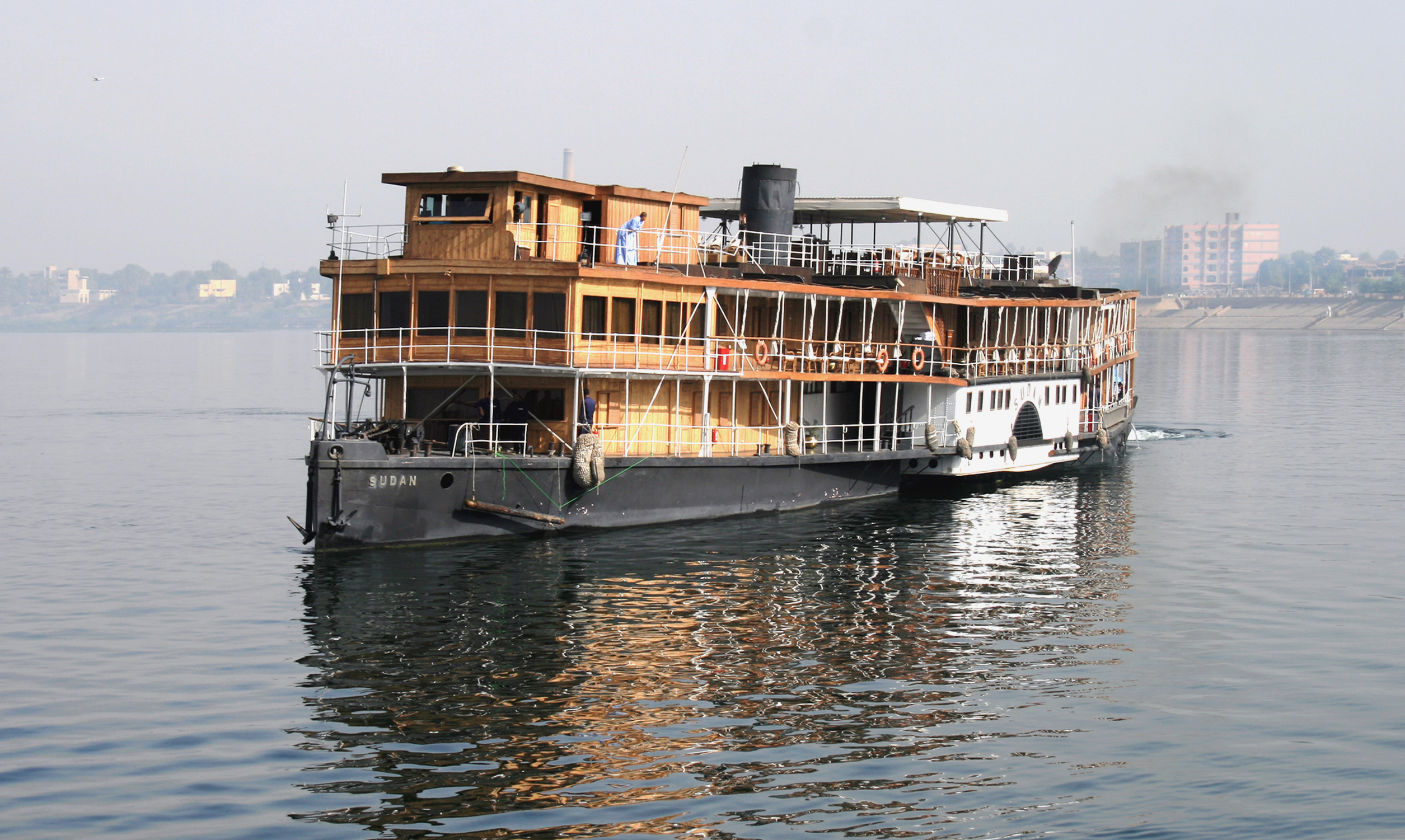
Constructed in 1885 for Egypt’s royal family, the Steam Ship Sudan carried Christie up the Nile in 1933 and sailed straight into Death on the Nile as the Karnak. Rescued from decades of rot, she is the last of the old paddle steamers on the Luxor–Aswan run, with an Agatha Christie suite at the prow. Every adaptation has needed this boat, because no set designer improves on the original.
The Canary Islands
15. Gran Hotel Taoro, Puerto de la Cruz
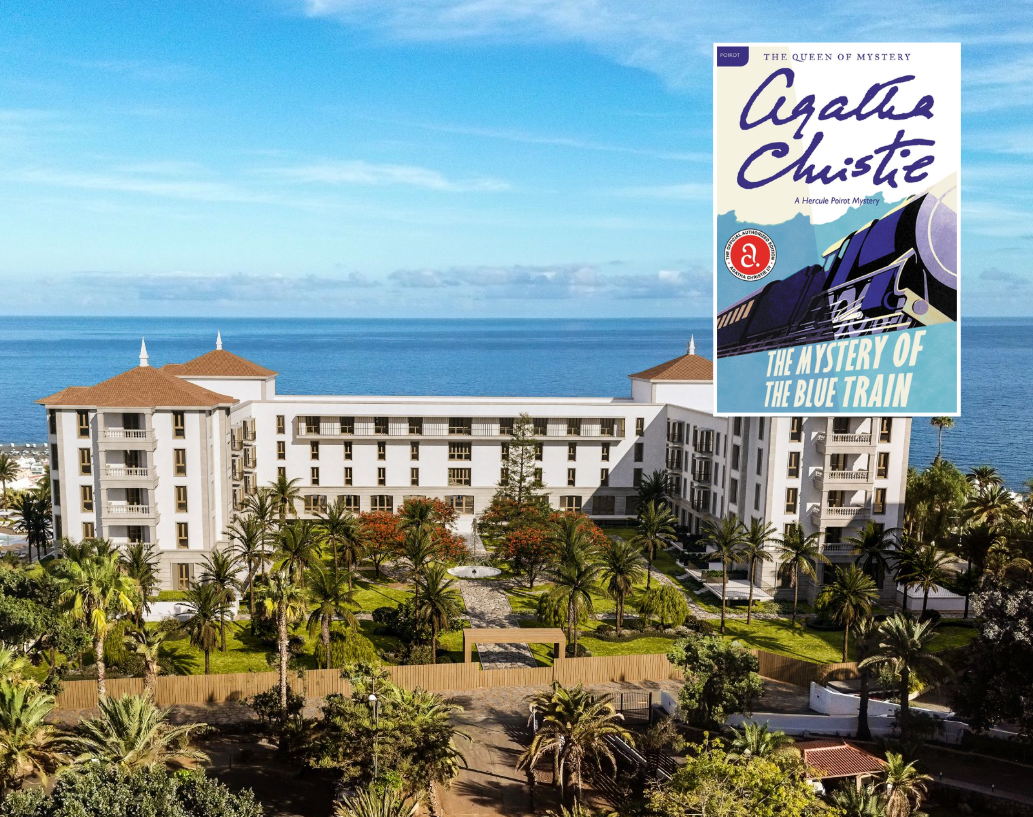
In February 1927, weeks after the disappearance that made her front-page news, Christie sailed to Tenerife and checked into the Gran Hotel Taoro, Spain’s first grand luxury hotel. Grieving her mother and her marriage, she forced herself through The Mystery of the Blue Train — and learned she could write on the worst days, anywhere. After closing in 1975, the Taoro reopened in autumn 2025 following a €35 million restoration. Few hotels get a second act. Fewer earned one twice over.
16. Paseo de los Cipreses and Calle de Agatha Christie
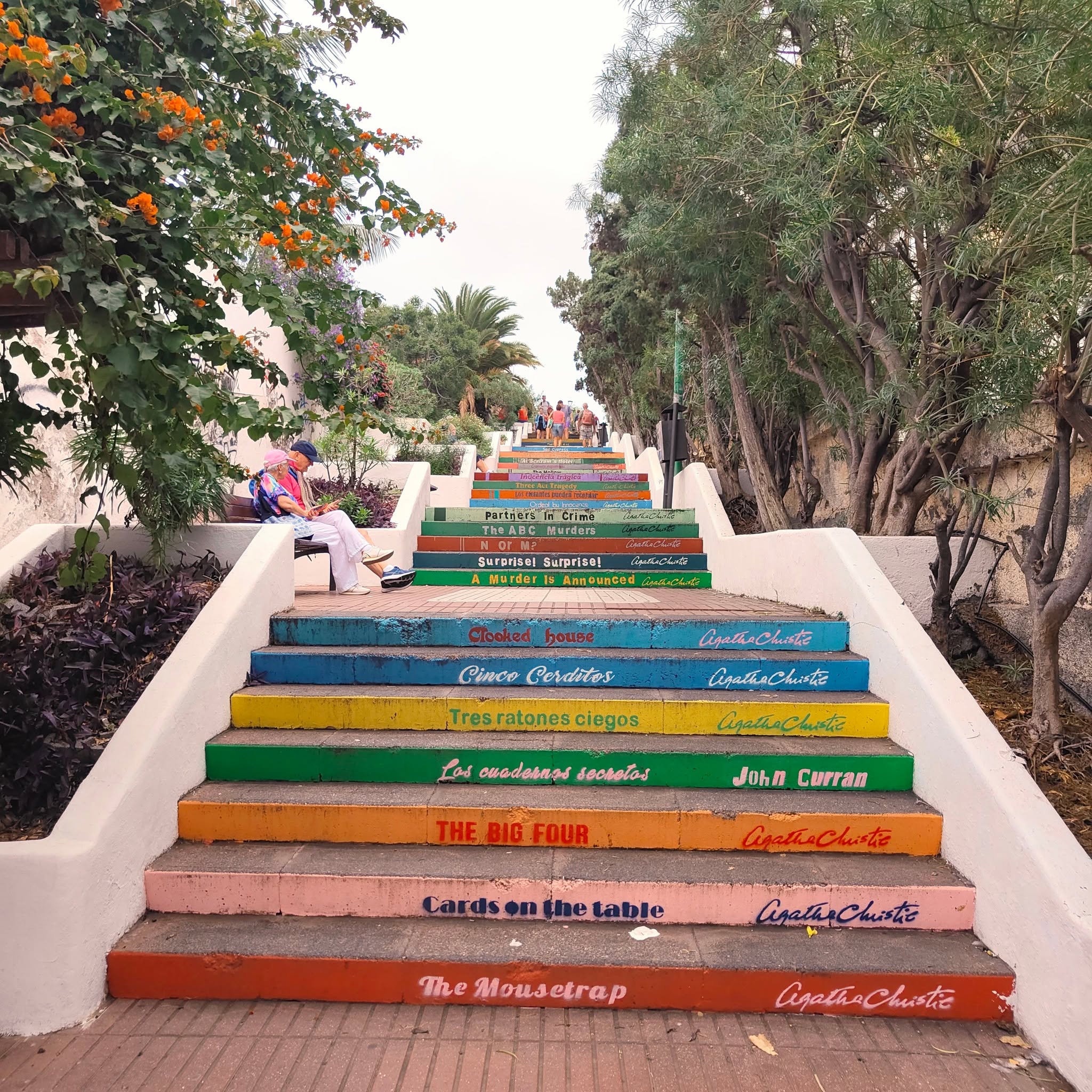
From the Taoro, Christie walked daily along a cypress-lined path towards the cliffs of La Paz, a landscape that resurfaced in The Man from the Sea. Puerto de la Cruz has never forgotten her: the old paseo now bears her name, the town hosts a biennial Agatha Christie festival, and the steps to the viewpoint are painted like book spines, each carrying a Christie title. You climb her bibliography to reach her favorite view.
The Return Ticket
Christie’s advantage was not her plotting. It was her patience with places. She did not research settings; she inhabited them, for whole seasons, until she knew exactly where the body should fall. Travel her way to the places that inspired her, and the ambition changes: not to see where the books happened, but to sit still long enough to notice what she noticed. Order the tea. Watch the terrace. Everyone here is a character, including you, and the afternoon is young.


Adam Ryan
Adam is a distinguished content writer, bookworm, and full-time adventurer with a constant craving for coffee. When he's not working, he loves exploring remote corners of the world, immersing himself in different cultures, and writing about his experiences.