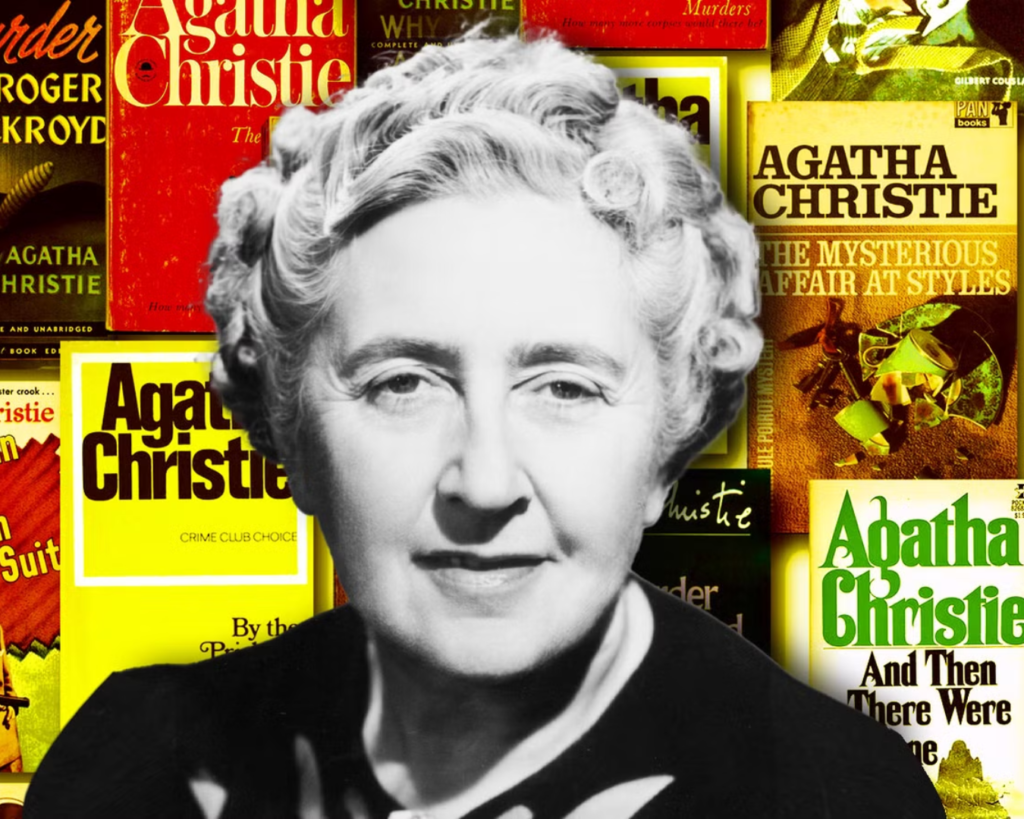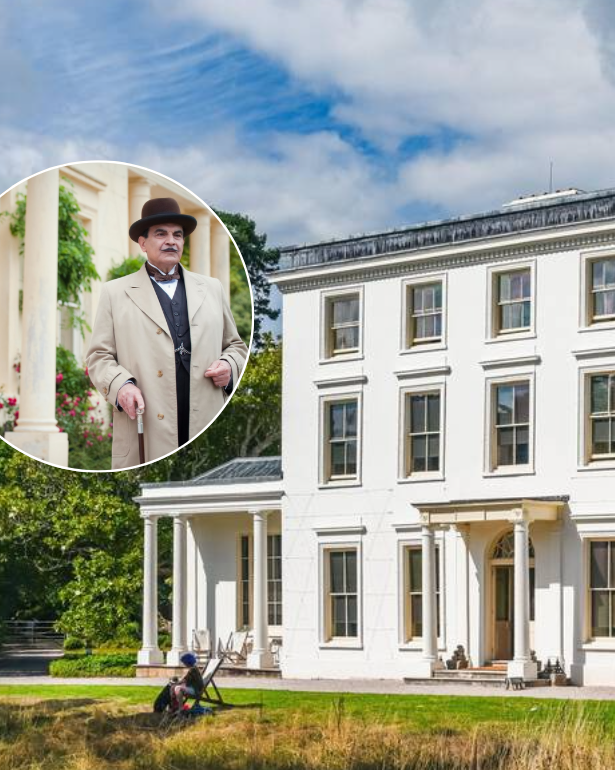

Happy 136th Birthday, Agatha Christie! Discover some fascinating facts about the Queen of Crime and the intriguing life that inspired her legendary career.
She spent her life imagining murders, disappearances and impossible crimes. Yet Agatha Christie’s own life was adventurous enough to fill a mystery novel.
Born on September 15th, 1890, in Torquay, Devon, Christie became the world’s best-selling fiction writer, publishing 66 detective novels, 14 short-story collections and six novels under a pseudonym. More than two billion copies of her books have been sold worldwide, making her the world’s most translated individual author.
But behind the mysteries was a curious woman who traveled widely. She surfed in Hawaii, worked alongside archaeologists and drew inspiration from the world around her.
As we celebrate what would have been her 136th birthday this September 15th, here are 10 fascinating facts about the Queen of Crime.
Our Roundup of Little-Known Facts About Agatha Christie
1. She Disappeared for 11 Days and Became a Real-Life Mystery
Agatha Christie spent her career inventing disappearances, murders, and impossible mysteries. In December 1926, she became one herself.
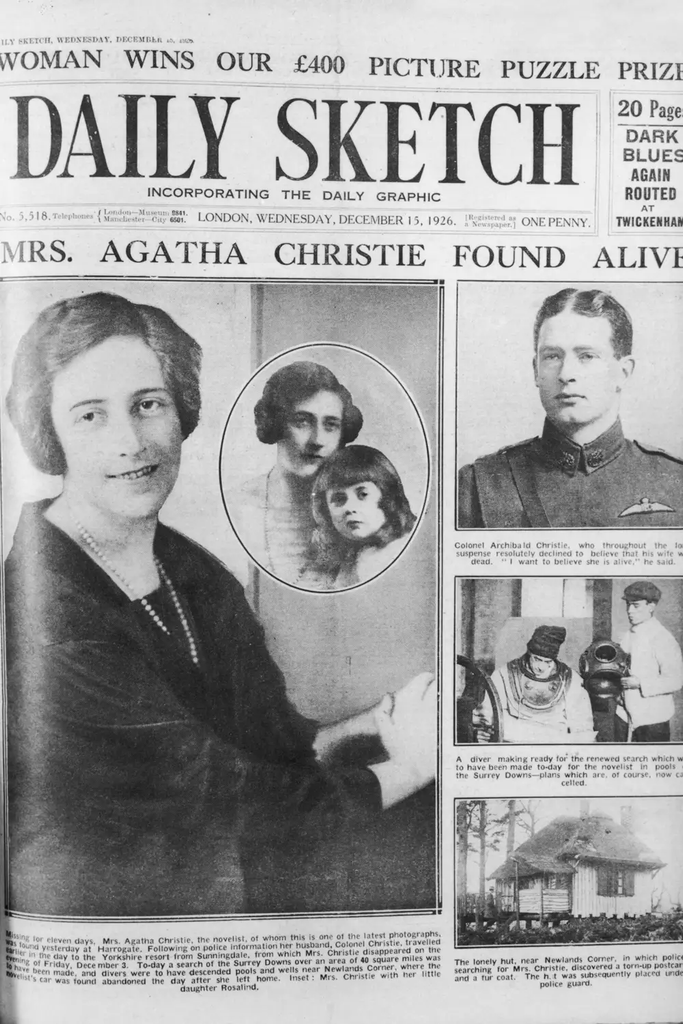
It was the worst year of her life, as she dealt with several major challenges at once. Her mother had died that spring. That same month, her husband Archie told her he was in love with another woman. On the night of December 3rd, after kissing her daughter goodnight, Christie drove away. Her car turned up abandoned at Newlands Corner in Surrey, with her coat and belongings inside. There was no note and no sign of her.
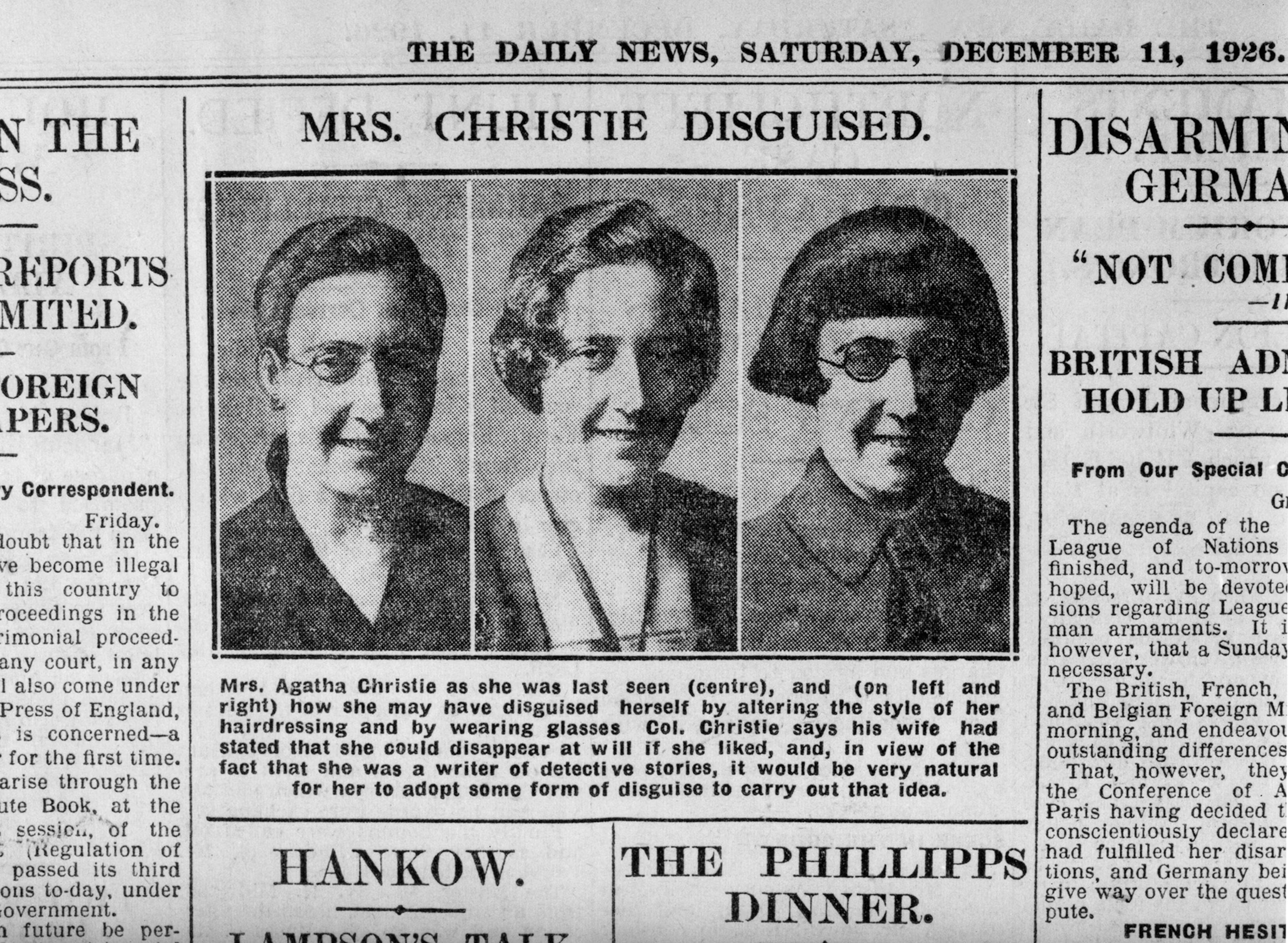
The disappearance became a national sensation. Eleven days later, Christie was found at a hotel in Harrogate, where she had registered under the surname of her husband’s lover, Mrs Teresa Neele. Doctors attributed the episode to amnesia; others have suggested a breakdown, a fugue state or revenge. The National Archives holds the police file, which resolves nothing, and the precise circumstances have never been fully explained. She wrote an autobiography that ran to several hundred pages and left those 11 days out entirely.
2. Sherlock Holmes’s Creator Tried to Find Her With a Psychic
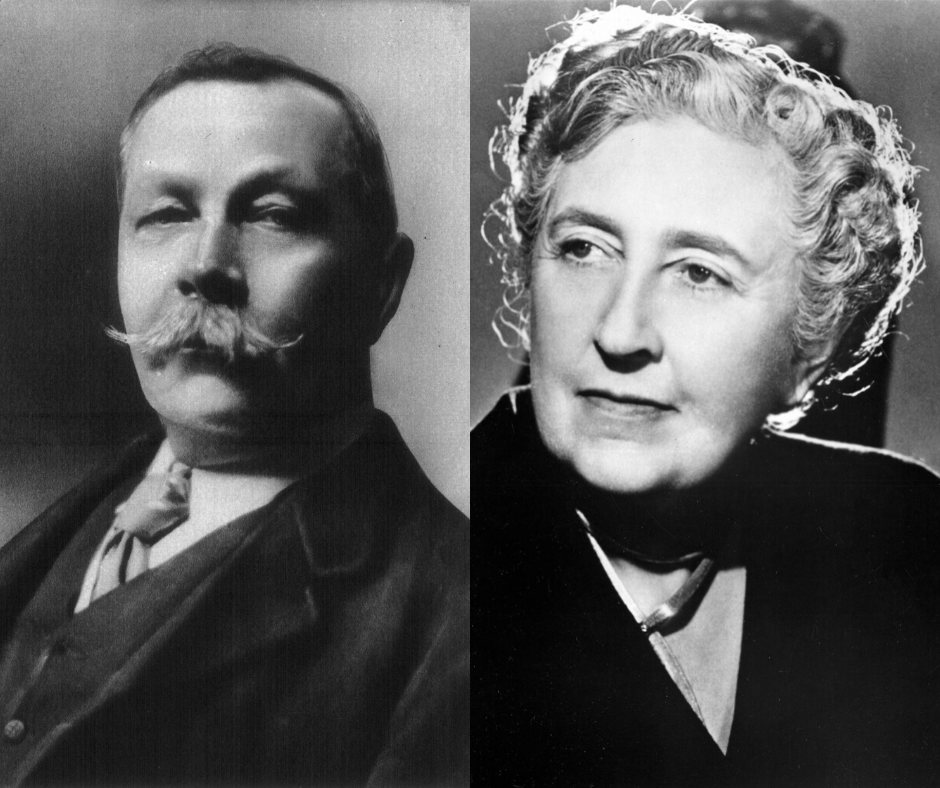
Sir Arthur Conan Doyle, the creator of Sherlock Holmes, joined one of the largest manhunts Britain had ever mounted. It involved more than 1,000 police officers, some 15,000 volunteers, and airplanes used for the first time in such a search. A devoted spiritualist, Doyle took one of Christie’s gloves to Horace Leaf, a medium who claimed to read information from objects. Leaf was not told whose glove it was. He said its owner was in trouble, was not dead as many believed, and that news of her would come the following Wednesday. She was found that week.
3. She Was a Surfer
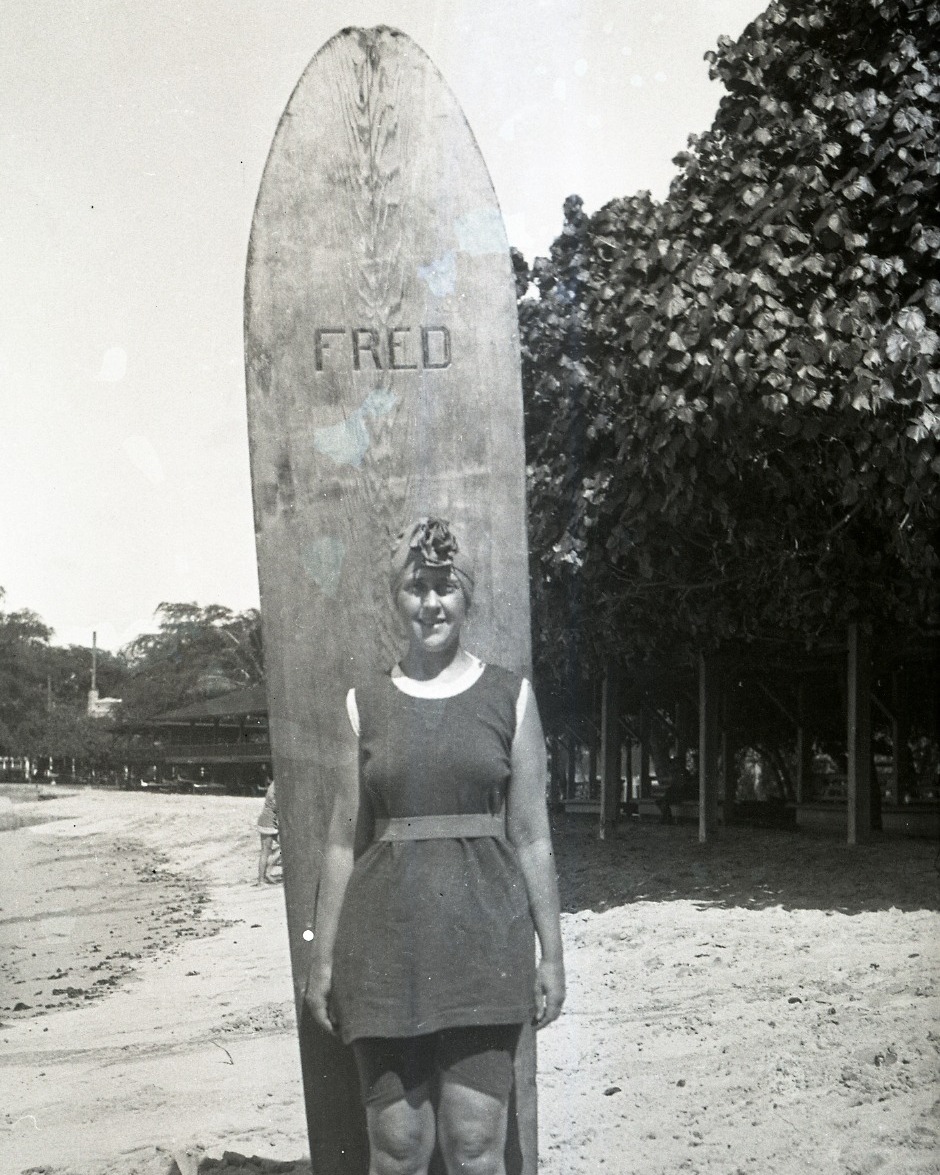
Four years earlier, Christie discovered a new passion on a South African beach. She began surfing at Muizenberg in 1922 on small prone boards before tackling Waikiki’s heavier ten-foot wooden boards. After countless falls, she learned to ride standing up, becoming one of the first Britons to do so, according to the Museum of British Surfing. At the time, she was 31 and had already published two books.
4. She Traveled Around the World for 10 Months
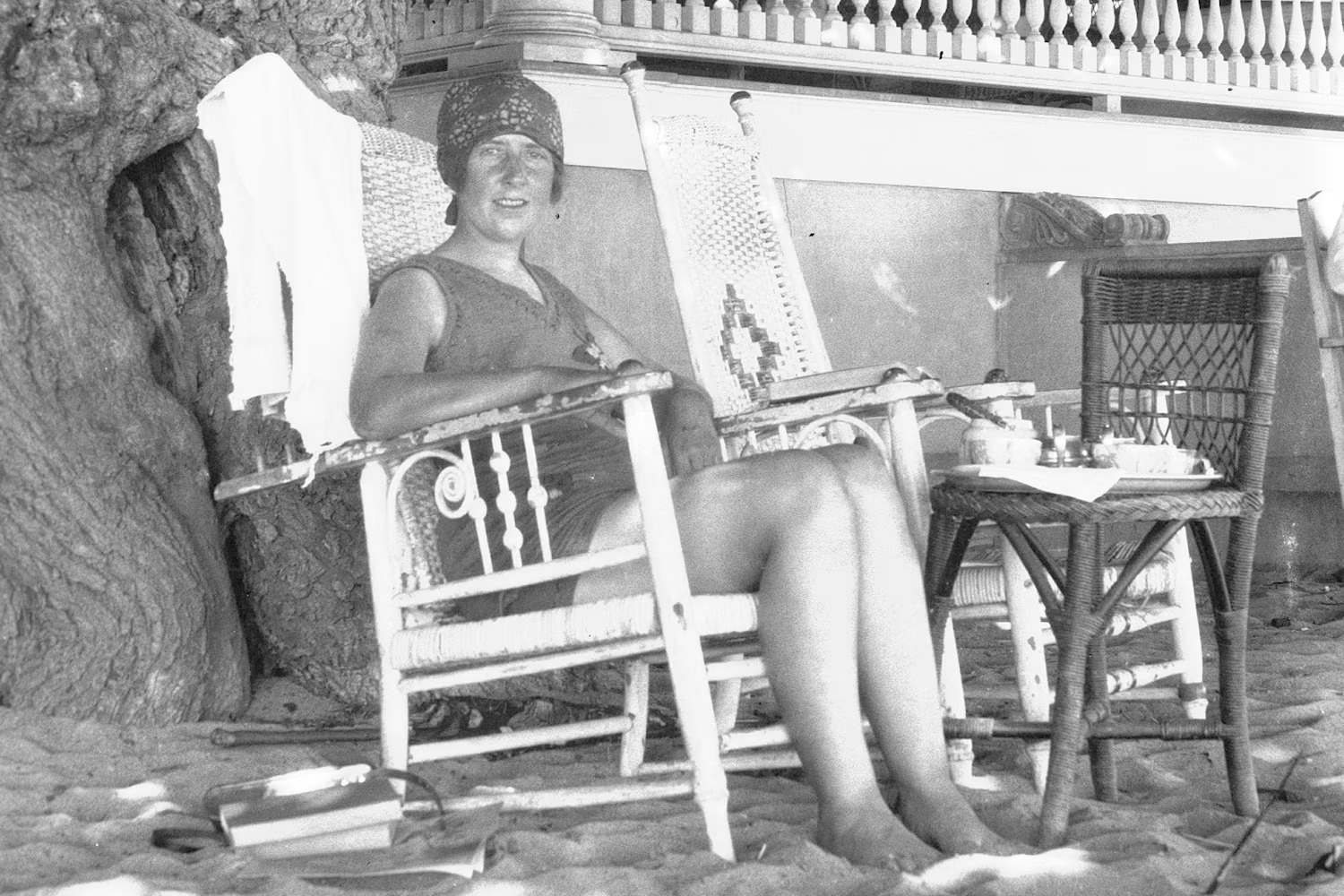
For Agatha Christie, surfing was one stop on a much larger journey. Archie had been invited to join a trade mission promoting the forthcoming British Empire Exhibition, and Christie was determined to go with him.
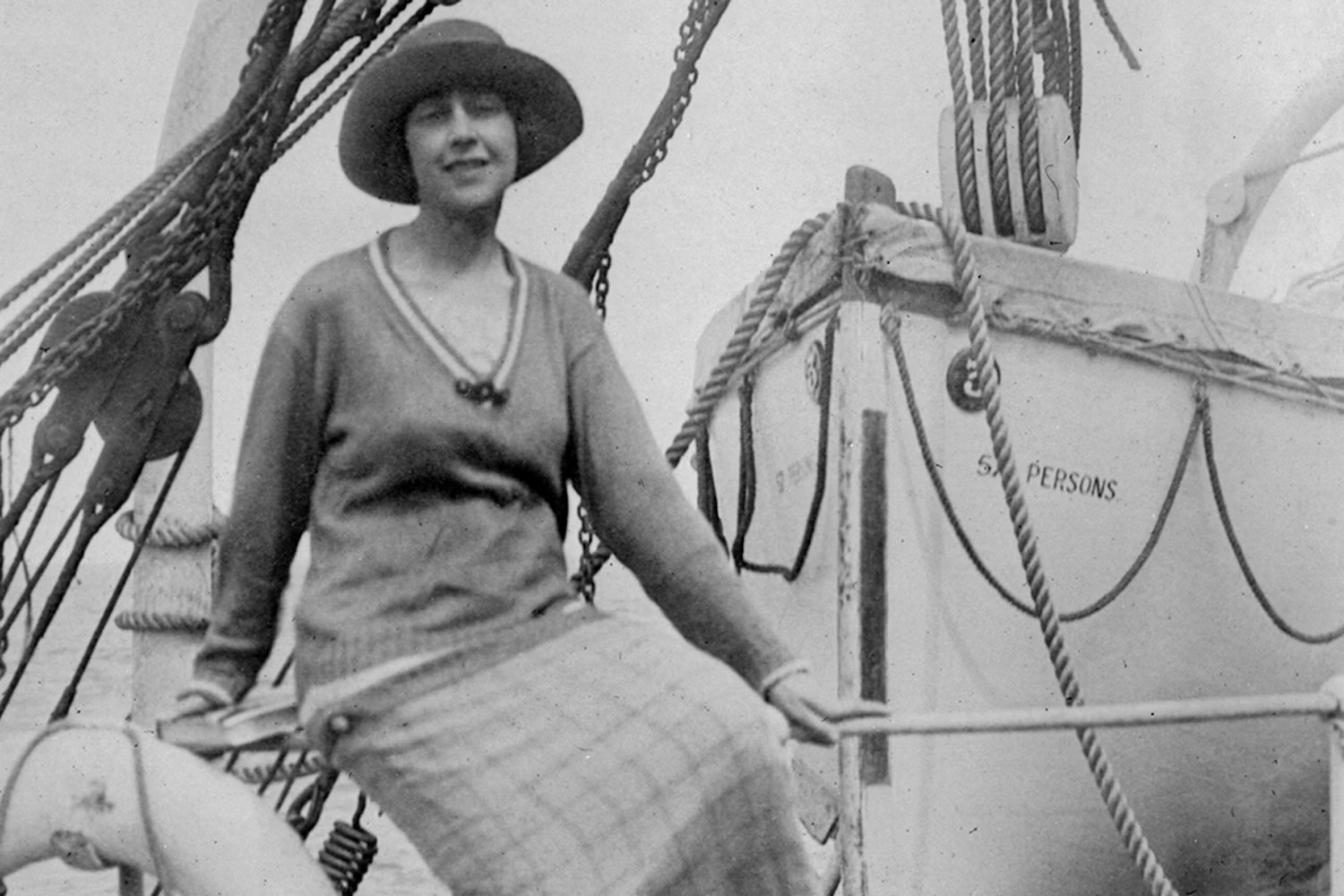
They sailed at the end of January 1922 and did not return until December of that year, leaving their two-year-old daughter Rosalind in the care of family. The route included South Africa, Australia, New Zealand, Hawaii, and Canada. She wrote home every week, and those letters survive: coal mines and diamond mines, sheep farms and canneries, unreliable cars on terrible roads, and Major Belcher, the delegation’s spectacularly difficult general manager. She was not simply passing through. She was watching, recording, and collecting the habits that would later make her fiction so observant.
5. She Was an Avid Photographer Who Refused to Be Photographed
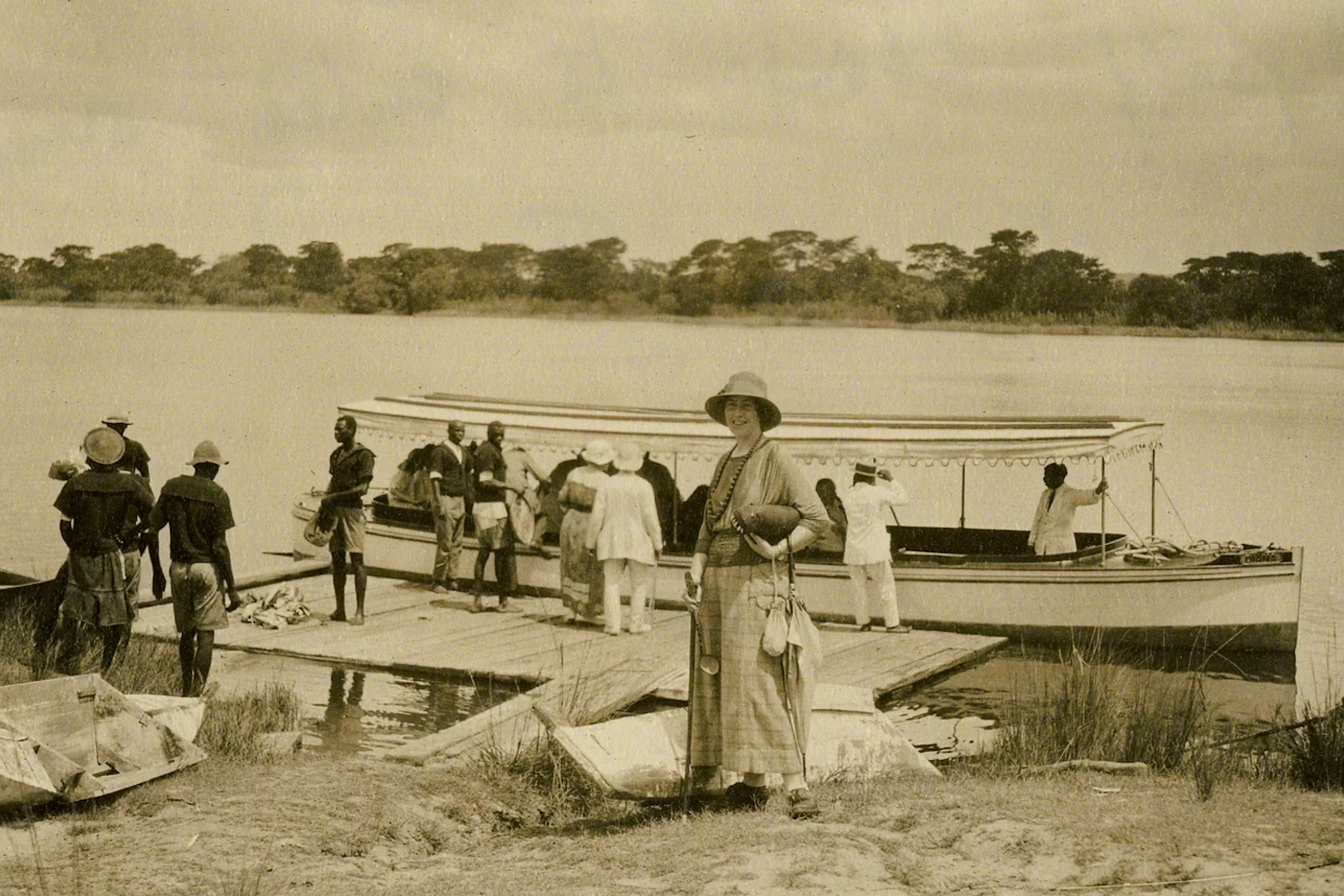
Christie carried a portable camera with her at all times and used it constantly. The letters from her 1922 tour came home alongside her own photographs of the places and people she met, and she kept postcards and newspaper cuttings too.
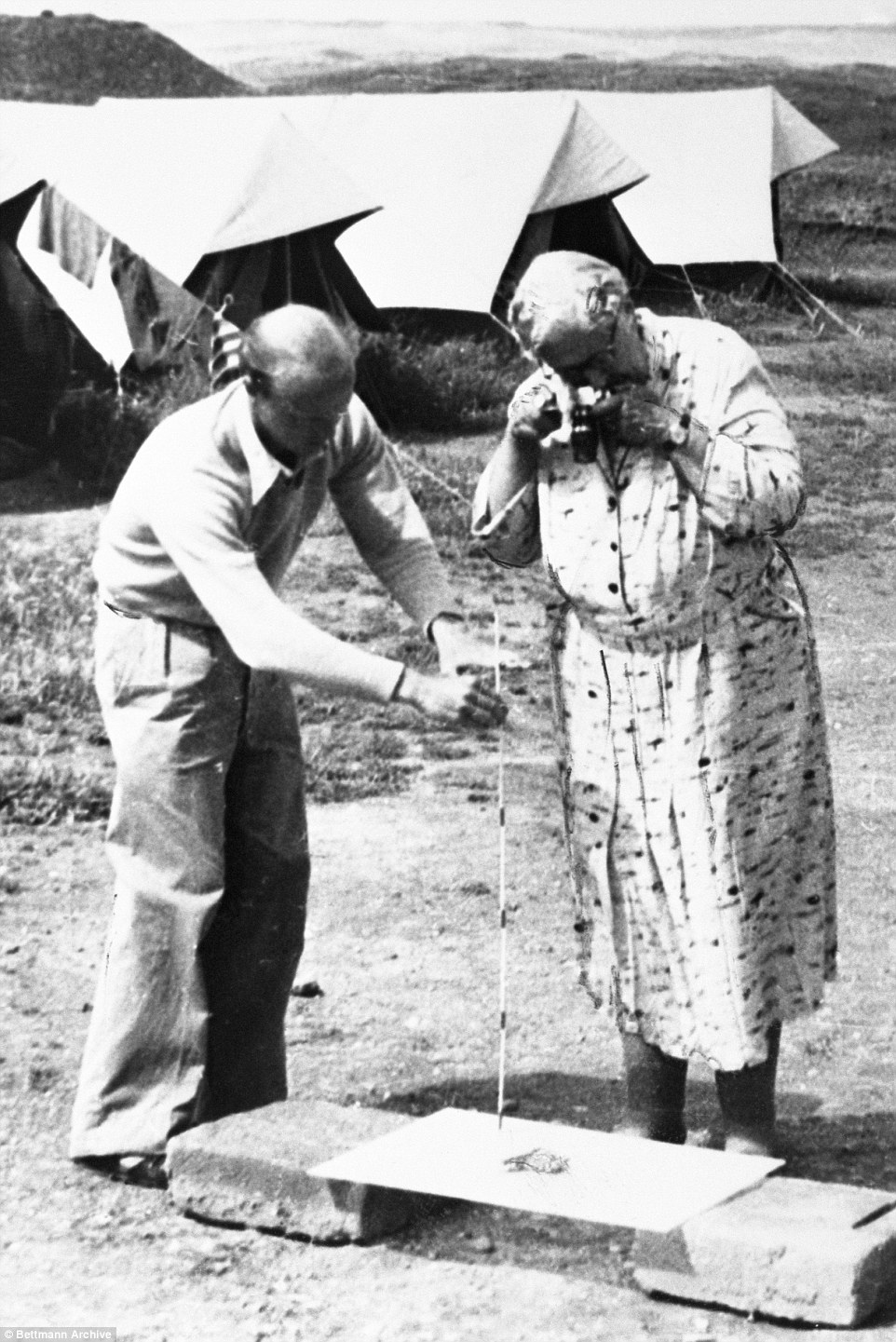
Her grandson later edited the whole archive into a book. On excavations in Iraq, she photographed the digs on celluloid and Kodak film and developed the prints herself, in water painstakingly filtered from the Tigris.
Yet the woman who documented so much of the world remained remarkably private about herself. Christie rarely discussed her 1926 disappearance. Lucy Worsley argues that the intense public scrutiny shaped the private, conventional persona she maintained afterward.
6. She Became Part of Archaeological Excavations and Cleaned Ancient Finds With Face Cream
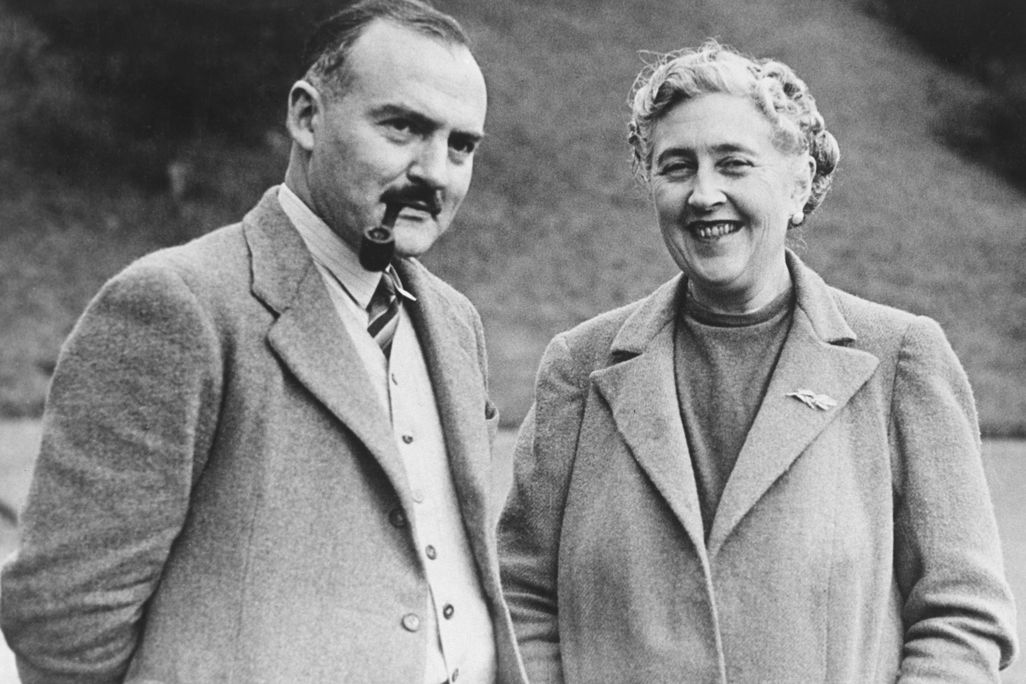
In 1928, a newly divorced Agatha Christie took the Orient Express to Baghdad alone. Back at the Ur excavations two years later, she met Max Mallowan, an archaeologist fourteen years her junior. They married in 1930, and they remained married until her death.
For nearly 30 years, she spent months each year in the field, recording finds, developing photographs, restoring pottery, and largely funding the digs herself. Then, every day, she wrote. Her mud-brick room at Nimrud was labeled in cuneiform: Agatha’s House.
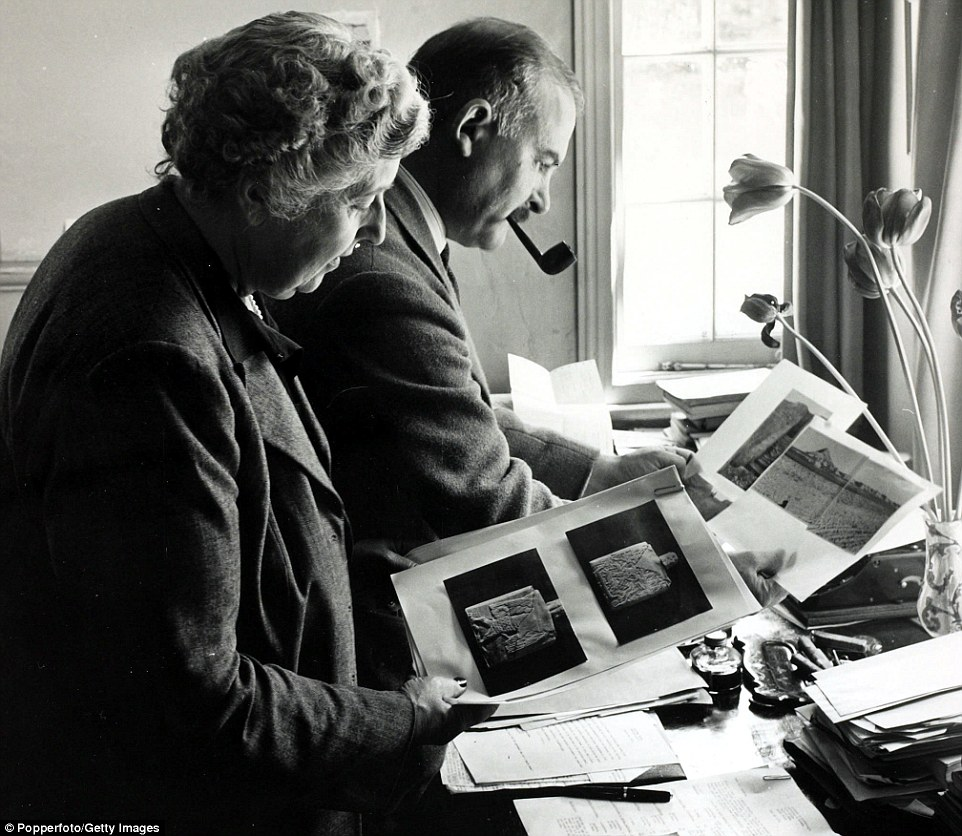
Nimrud produced over 6,000 carved Assyrian ivories, and cleaning many fell to her. Her tools: an orange stick, a dentist’s pick, a fine knitting needle, and a jar of face cream, which lifted dirt from the crevices without cracking brittle ivory. After a fortnight, there was no face cream left for her own face.
The experience fed the fiction too, in novels including Murder in Mesopotamia and Death on the Nile, two classics that everyone should add to their 2026 reading list.
7. She Learned About Poisons, Then One of Her Novels Helped Save a Child
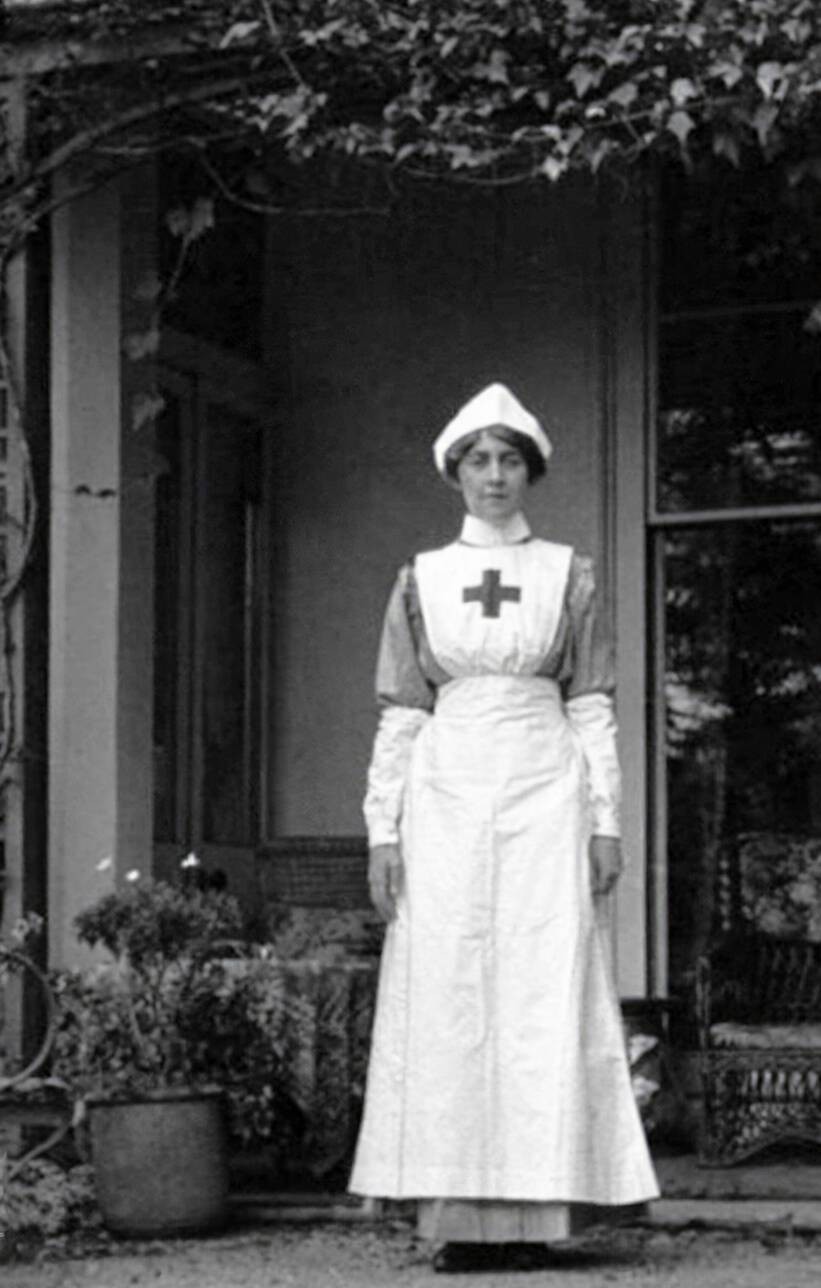
In the First World War, she worked in a hospital dispensary, trained under a pharmacist, and qualified as an apothecary in 1917, passing the examination of the Worshipful Society of Apothecaries.
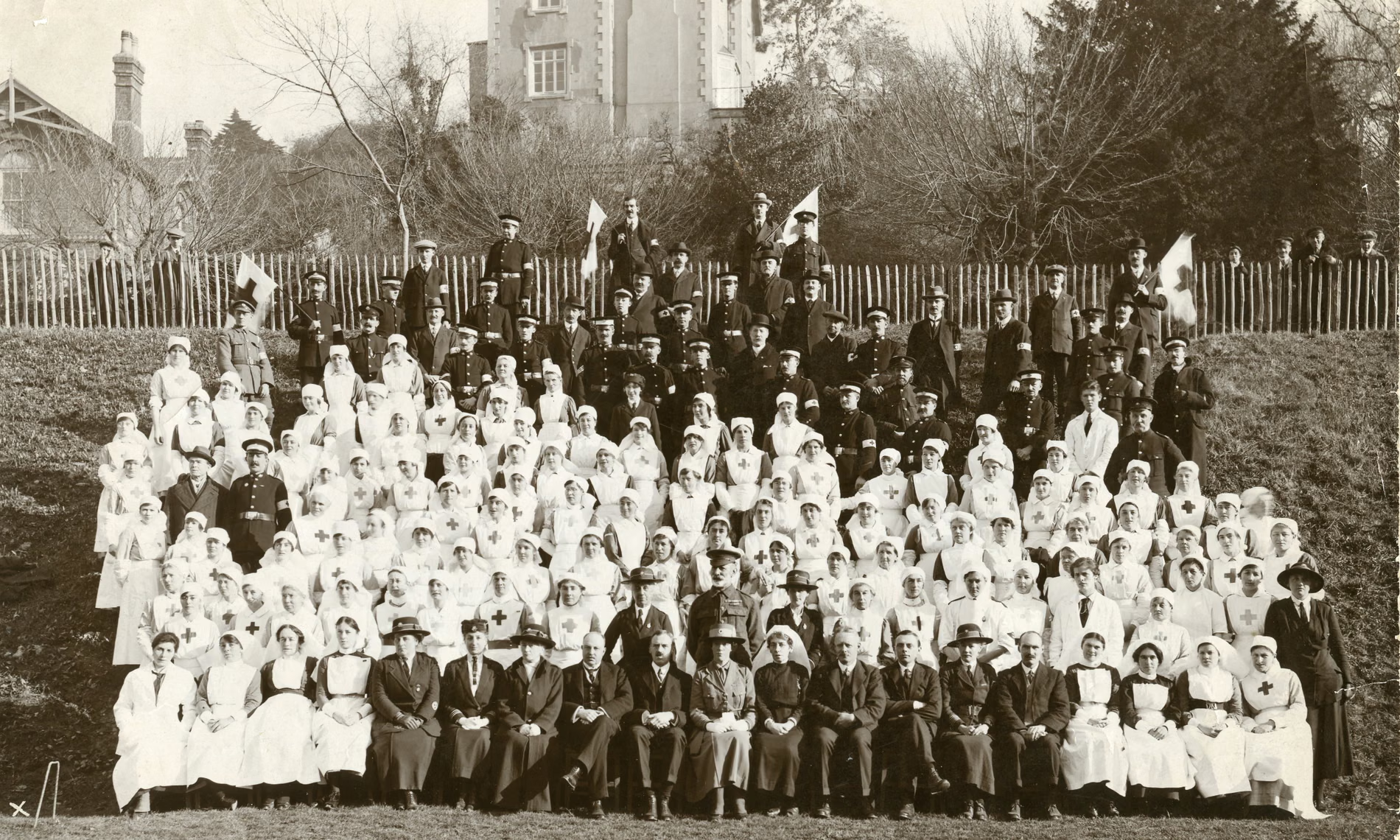
Medicines were compounded by hand then, and she learned her trade under a pharmacist who carried a lump of curare in his pocket because it made him feel powerful. That knowledge became one of the most distinctive tools in her mysteries, where poison did what a gun could not: kill quietly, invisibly, and with a carefully chosen dose.
Fifty years later, her knowledge of poison helped save a life. In June 1977, a 19-month-old girl was flown from Qatar to Hammersmith Hospital in London, critically ill. Doctors could not find the cause. Then nurse Marsha Maitland, who was reading Christie’s The Pale Horse, noticed that the child’s hair was falling out, just as it does in the novel’s account of thallium poisoning.
Thallium poisoning was so rare in Britain that the hospital could not test for it, so Scotland Yard helped locate a laboratory that could. Tests found a potentially fatal level of thallium, traced to pesticide used against cockroaches and rodents in the family home. The child recovered, and the doctors later published the case, crediting Christie’s detailed description with helping identify the poisoning.
8. For Twenty Years, Nobody Knew She Was Mary Westmacott
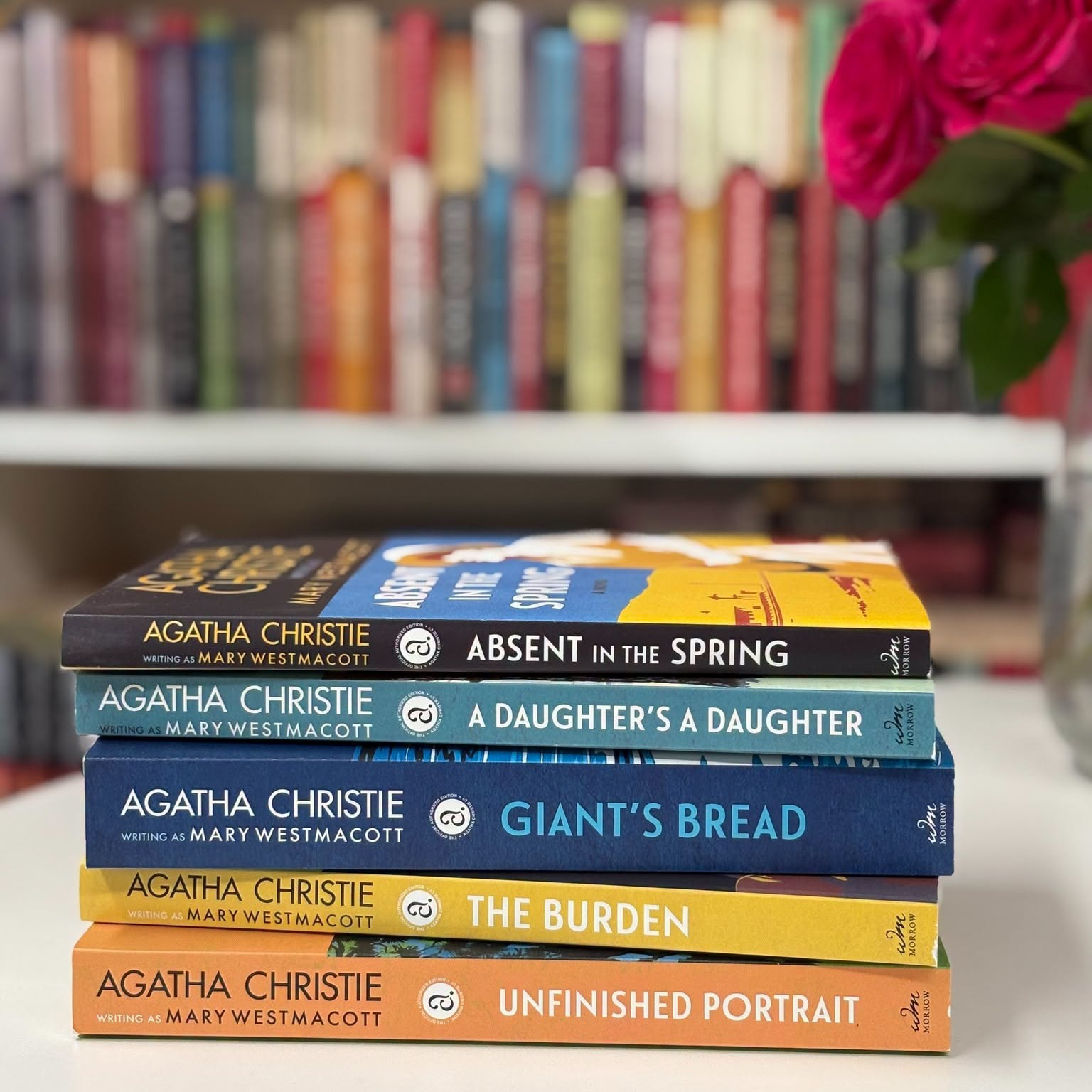
Beginning with Giant’s Bread in 1930, Christie published six novels as Mary Westmacott, a pseudonym nobody connected to her. They were not detective stories but books about love, memory, families and the interior weather of ordinary lives. Mary was her middle name; Westmacott belonged to distant relatives. She kept the secret for nearly twenty years, until it was exposed in 1949. She then published two more anyway, under a name the whole world now knew was hers.
9. Hercule Poirot Received a Front-Page Obituary in The New York Times
On August 6, 1975, The New York Times ran a death notice on page one for a man who had never lived: “Hercule Poirot Is Dead; Famed Belgian Detective.”
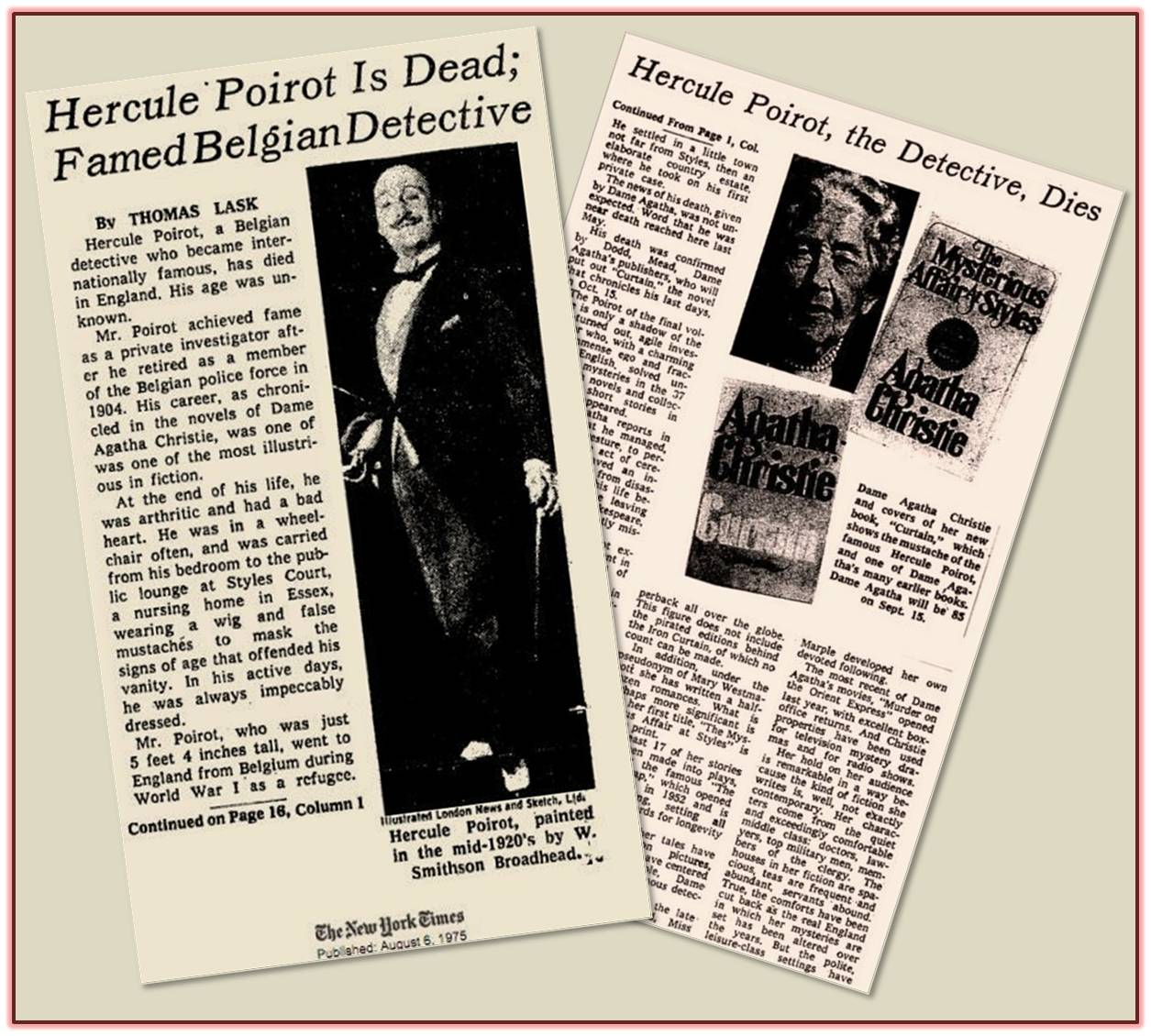
Thomas Lask wrote it entirely straight: Poirot arthritic, in a wheelchair, and still wearing a wig and false mustaches to hide his age. The news, the paper noted, came from Dame Agatha herself.
No other fictional character has had an obituary in the Times, let alone on the front page. Curtain followed two months later, written in the 1940s and locked away for thirty years so Poirot would have a proper ending, set at Styles, where he had solved his first case 55 years earlier.
10. She Gave The Mousetrap to Her Grandson for His Ninth Birthday
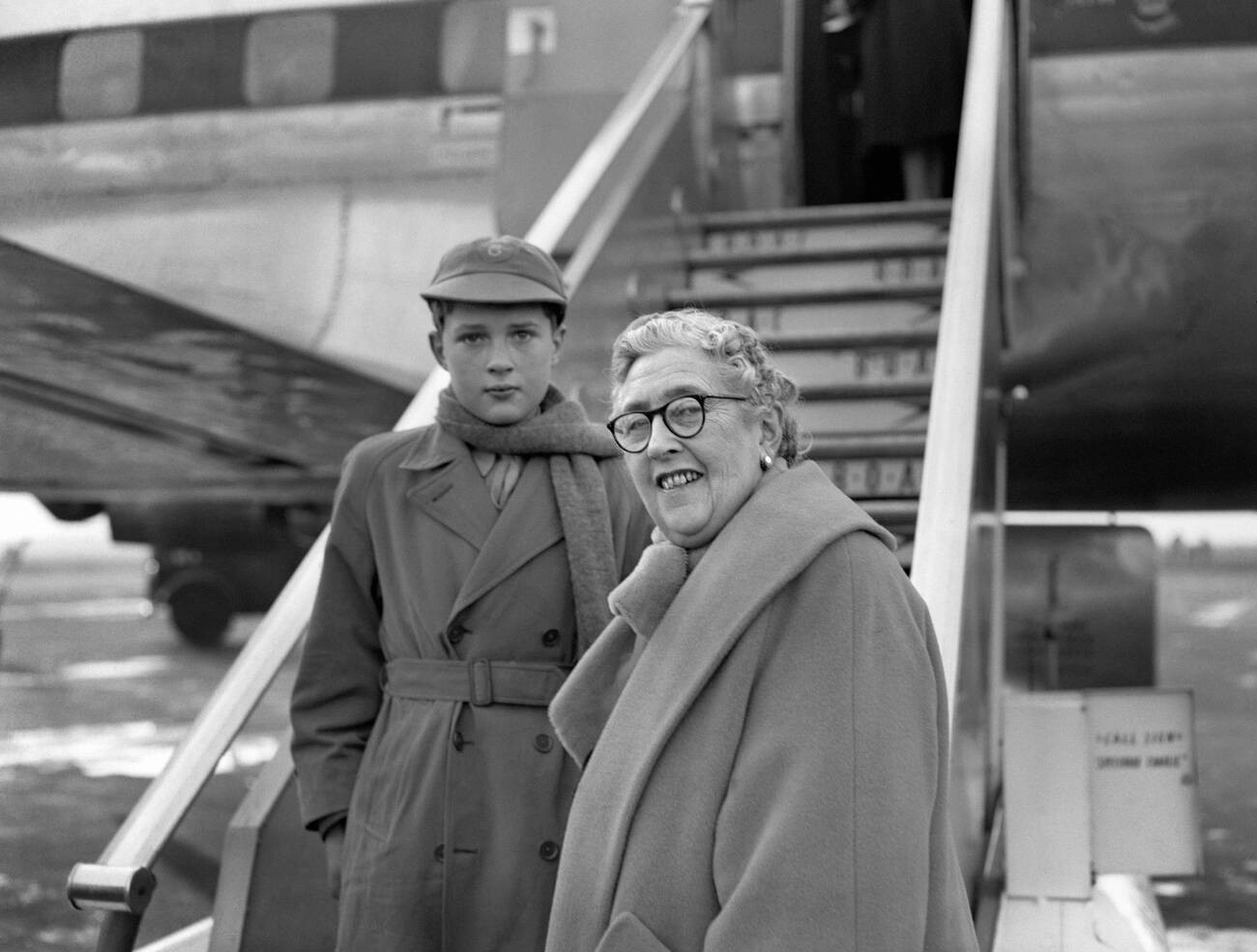
In 1952, Christie signed the rights to her new play over to her only grandchild, Mathew Prichard, who was turning nine. He would have preferred a bicycle. He got one of those too.
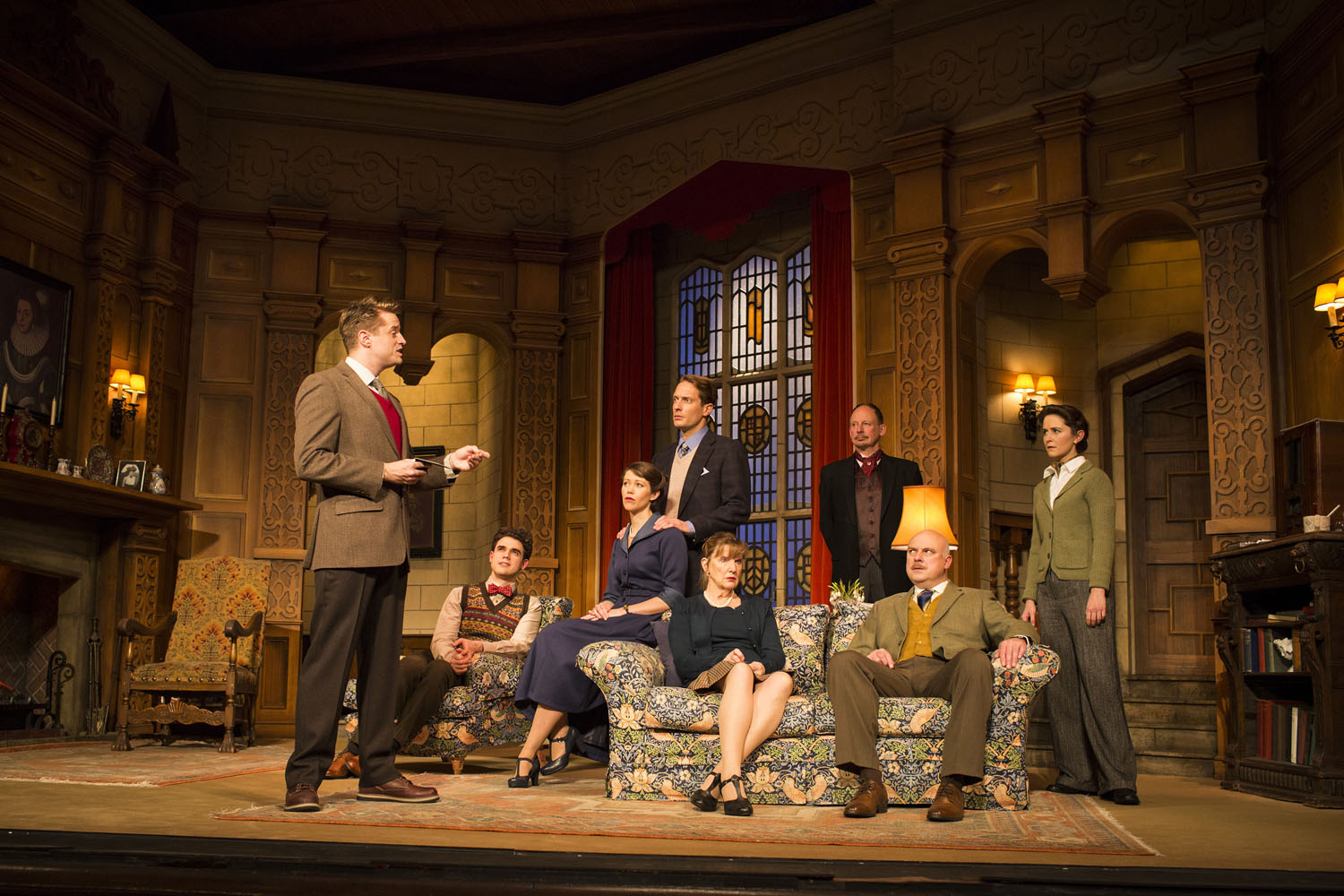
The Mousetrap opened that November and has never stopped, passing 30,000 performances and holding the Guinness World Record for the longest theatrical run. Prichard put the proceeds into a charitable trust that has donated well over a million pounds to the arts.
Remembering the Woman Behind the Mysteries
Perhaps the best way to remember Agatha Christie is not simply as the Queen of Crime, but as a woman endlessly curious about the world. She traveled, surfed, explored ancient ruins, studied poisons, and observed people closely, turning those experiences into stories.
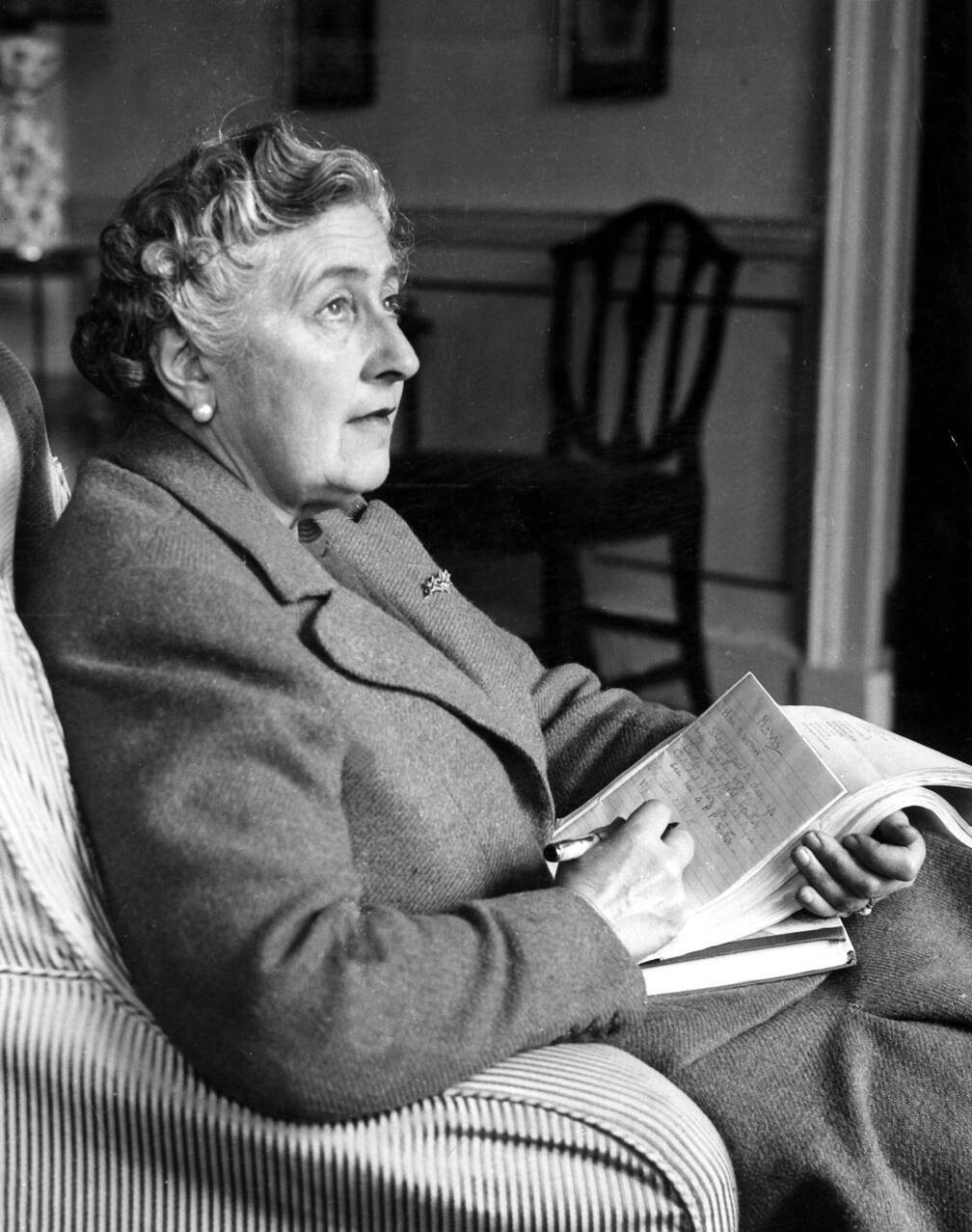
This September 15th, pick up a Christie novel, revisit an old favorite, or discover one you have never read. Follow the clues. Let yourself be surprised, because the best way to celebrate a writer who spent her life making readers curious is to stay curious yourself.
If these facts about Agatha Christie tell us anything, it is that there is always another mystery to uncover.

Adam Ryan
Adam is a distinguished content writer, bookworm, and full-time adventurer with a constant craving for coffee. When he's not working, he loves exploring remote corners of the world, immersing himself in different cultures, and writing about his experiences.