
What if fire safety lessons felt less like a drill and more like story time? A literacy program is using fiction, history, and discussion to teach kids about fire prevention.
Fire safety education usually brings to mind smoke alarms, evacuation drills, and classroom demonstrations. But one innovative program in Illinois is taking a very different approach, using books and storytelling to teach life-saving lessons.
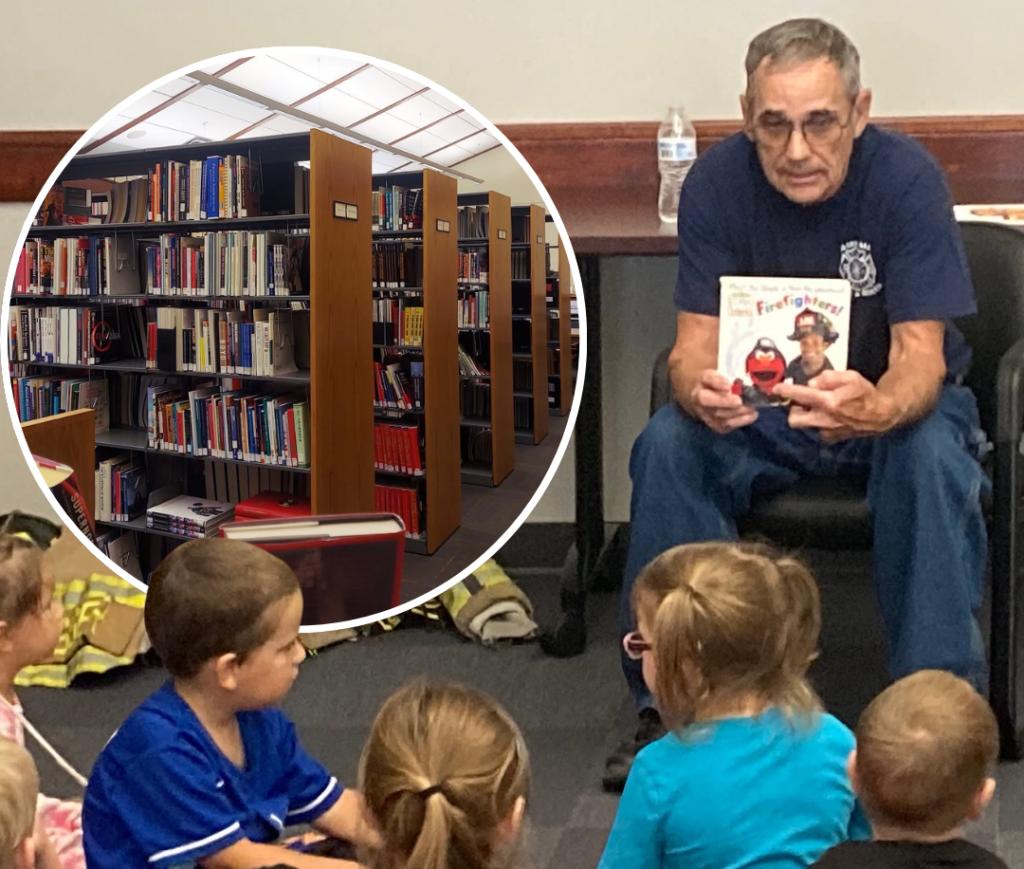
Through a partnership between librarians and firefighters, children are learning about fire prevention, emergency preparedness, and community safety through fiction, discussion, and shared reading experiences. The result is a creative blend of literacy and public safety that proves stories can do much more than entertain. They can help save lives.
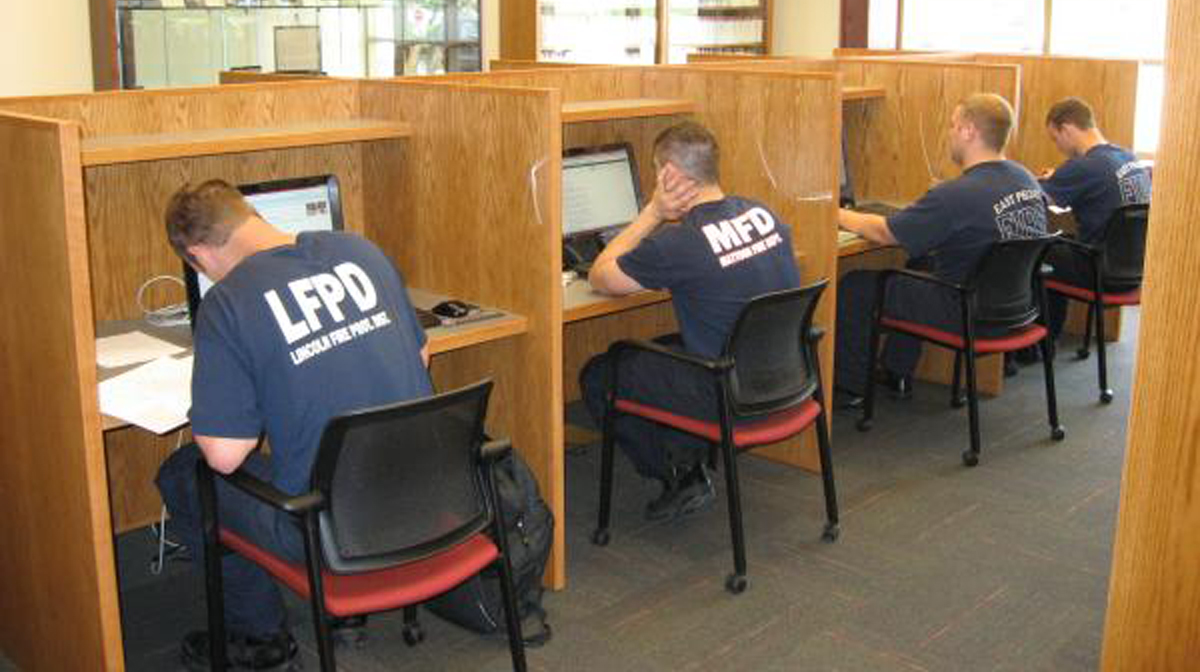
The Illinois Fire Service Institute Library
We usually picture firefighters battling blazing buildings, racing through city streets, or demonstrating smoke alarms at schools. But in Illinois, librarians and firefighters are teaming up for something a little different: teaching fire safety through books, conversations, and community reading programs.
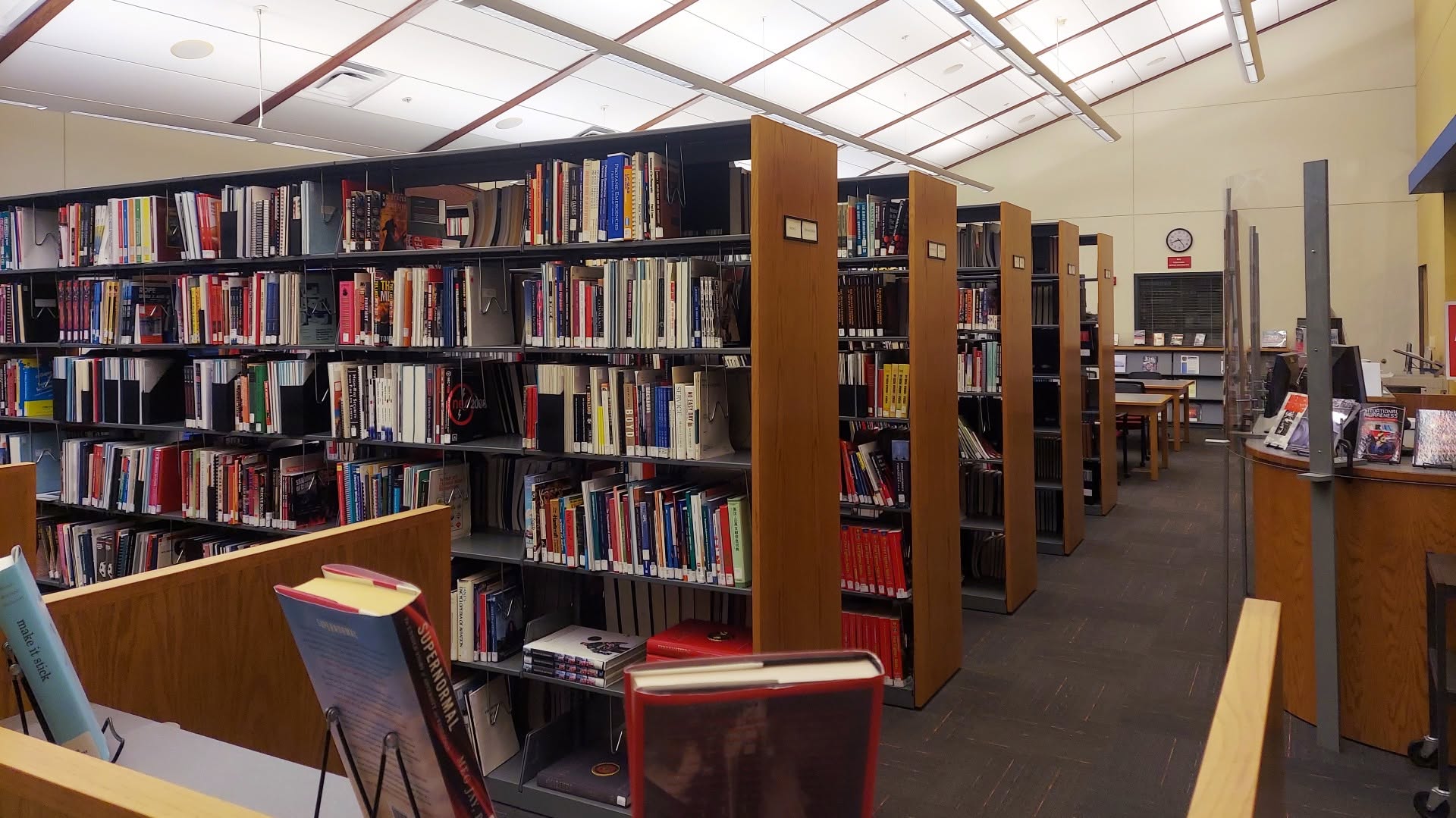
At the center of this effort is the Illinois Fire Service Institute Library, a highly specialized library dedicated to supporting firefighters across the state. What began as a resource center for instructors has evolved into a statewide hub for fire education, research, and now, children’s literacy programming.
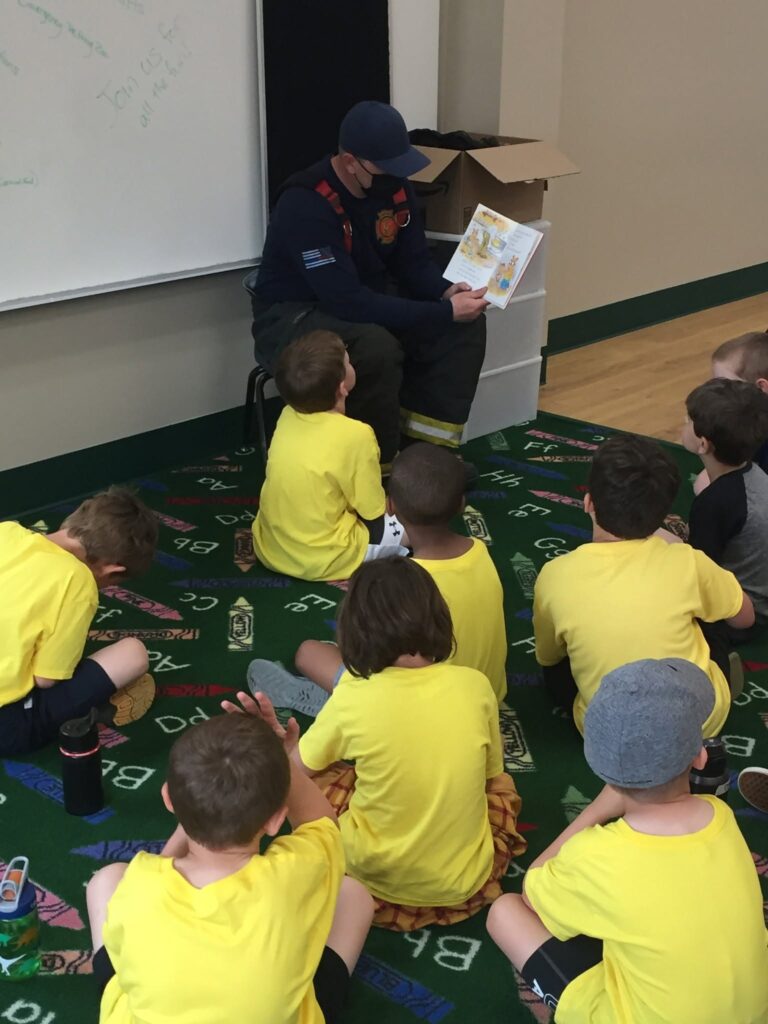
The idea behind the program is refreshingly simple. Kids learn better when lessons feel like stories instead of lectures. So rather than handing children a dry list of safety rules, firefighters read fiction, biographies, and historical stories that naturally introduce topics like escape plans, smoke alarms, and emergency preparedness.
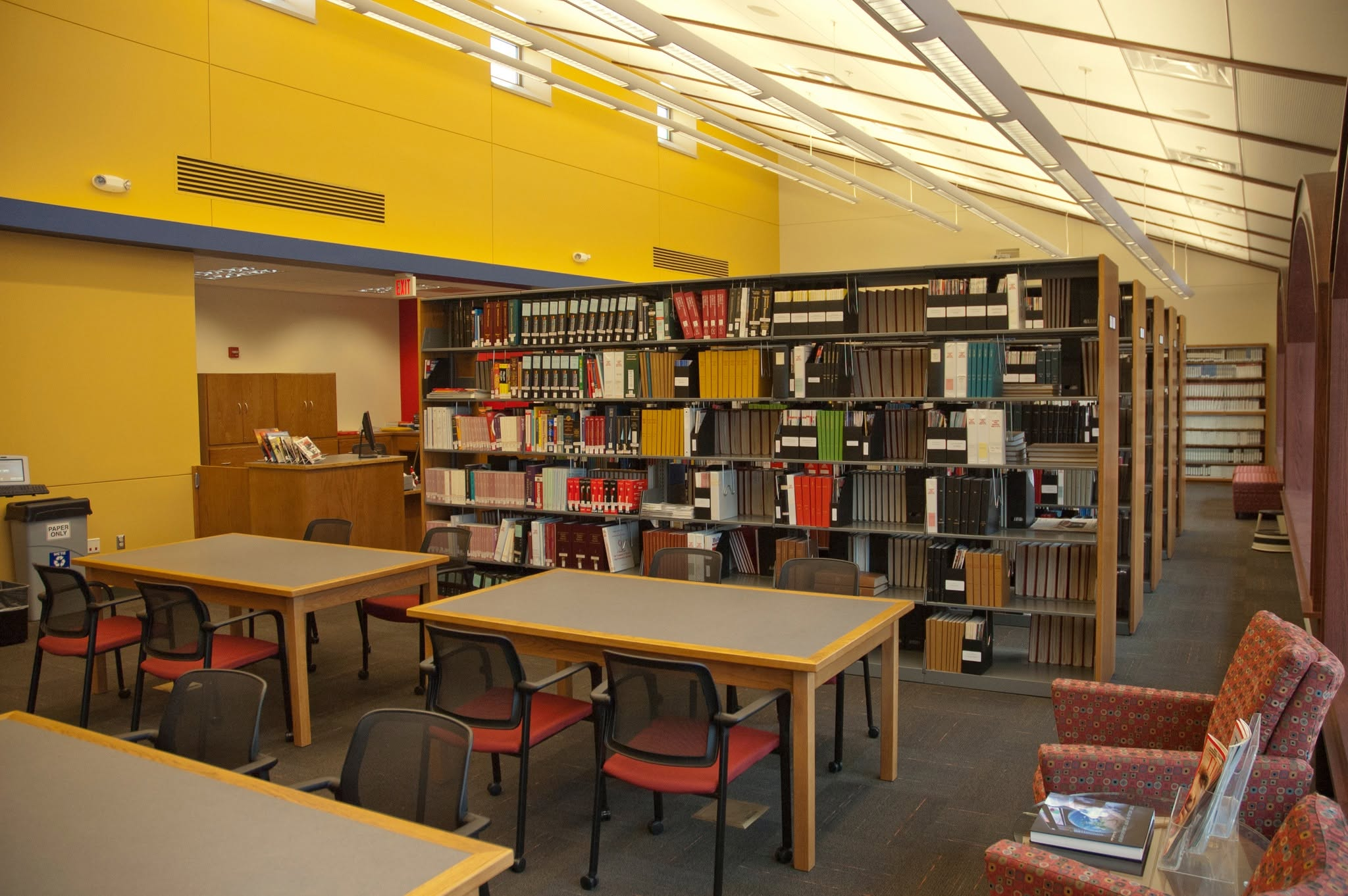
The library also provides a huge amount of resources to firefighters themselves. Lots of firefighters are volunteers, and so trying to qualify and learn everything they need to know often proves hard. With the help of the IFSIL, they can easily find textbooks and research documents to help them save lives.
A Different Kind of Fire Education
Traditional fire safety lessons often focus on memorization: stop, drop, and roll; crawl under smoke; don’t play with matches. Those lessons matter, of course, but stories can make those ideas stick in a much deeper way.
The Children’s Fire Safety Literacy Reading and Discussion Program uses around 80 books aimed at children, tweens, and teens. The collection includes titles about historic fires, fictional fire rescues, firefighter careers, and family preparedness. The books are available in multiple languages, including English, Spanish, Polish, and Chinese, helping the program reach a wide range of communities throughout Illinois.
These weren’t just random choices, either. The librarians have carefully selected books that will stick with people and start discussions. A picture book about a classroom fire drill becomes an opportunity to ask children what they would do during an emergency. A graphic novel about the Great Chicago Fire opens the door to conversations about city safety, history, and how firefighting has evolved over time.
Why This Works So Well
Children naturally absorb information through storytelling. It’s one reason fairy tales have survived for centuries. Stories help people process danger, fear, bravery, and problem-solving in a safe environment.
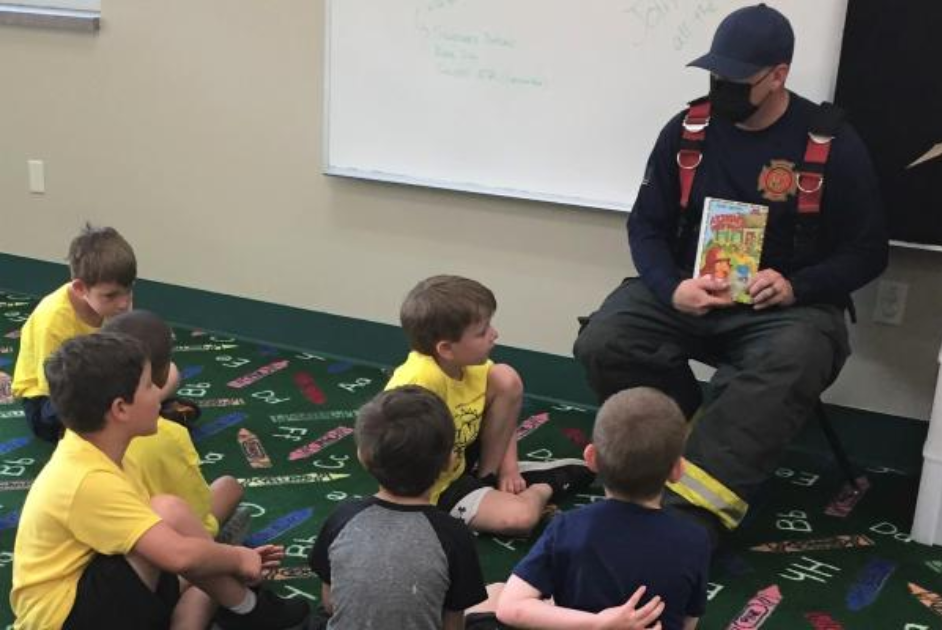
The Illinois program leans heavily into that idea. Instead of treating fire safety like a checklist, it treats it like a conversation.
For example, the program includes discussion prompts like:
- “What should you do if there is a fire?”
- “Does your family have a fire escape plan?”
- “Why is it important to practice fire drills?”
- “How could you help someone after a fire?”
These prompts encourage children to think critically and emotionally about emergencies, rather than just memorising steps in a list. That’s important, as it helps to battle panic in the case of a real emergency. Panic is often the biggest danger, and replacing it with familiarity and preparation saves lives.
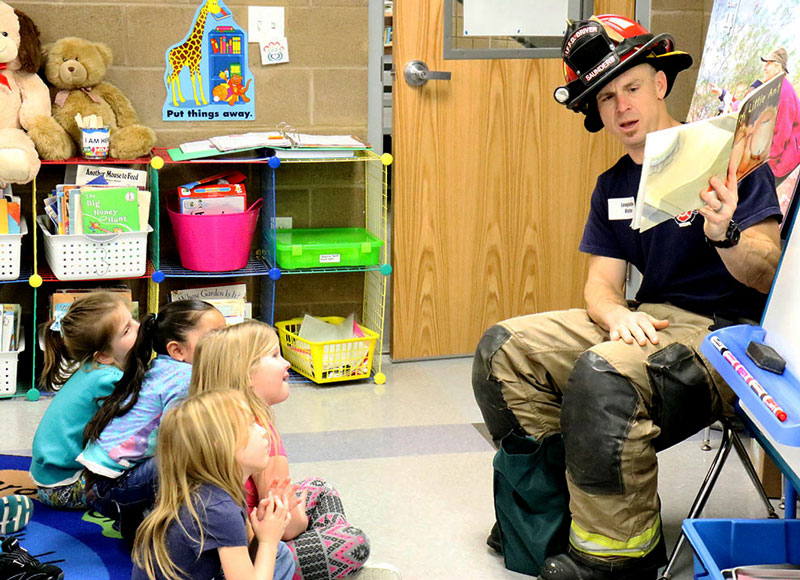
Stories also help children see firefighters as approachable people rather than intimidating authority figures in bulky gear. For younger children, especially, emotional comfort matters. Many kids are frightened by firefighters wearing masks and oxygen tanks. Reading together builds trust long before an emergency occurs.
A Community Safety Hub
Libraries have always been community centers, but modern libraries increasingly serve as places for public health education, digital literacy, job training, and emergency preparedness. Fire literacy fits surprisingly naturally into that mission.
The Illinois Fire Service Institute Library already supports more than 1,000 fire departments and tens of thousands of firefighters. Its services go far beyond lending books. Librarians are available to help assist firefighters with research, training materials, presentations, and online learning resources. The children’s literacy initiative expands that work into public education.
What’s especially useful for firefighters across Illinois is the partnership model. Fire departments can borrow books through interlibrary loan systems, then host programs at schools, libraries, or community centers. Librarians provide discussion guides and presentation materials, while firefighters bring real-world experience and local credibility.
Fighting Fires Before They Start
In many ways, this entire initiative is about prevention. Firefighters spend their careers responding to emergencies, but the best outcome is always the emergency that never happens. Teaching people, especially children, how to recognize hazards, make plans, and stay calm during crises is one of the most effective forms of prevention available.
Sometimes the most powerful firefighting tool isn’t a hose or a helmet. Sometimes it’s a really good book, and a firefighter who really cares.


Millie Ramm
Millie has been writing since she was a child, and has spent more time with her nose in books than anywhere else. She has been ghostwriting novels and editing for the past few years, and when not working she is curled up with her cats, looking for her next read.