
Five UNESCO Cities of Literature in the British Isles: Edinburgh, Dublin, Manchester, Norwich and Nottingham, with libraries and slow travel for readers.
In Dublin, eighteenth-century readers who wanted to handle the rarest books first had to be locked in wire cages, so they couldn’t slip a volume under their coats on the way out. The cages are still there. In Manchester, a library alcove still holds the actual books that two penniless German exiles studied together one summer, work that would eventually become The Communist Manifesto.
In Norwich, a woman walled herself into a stone cell in the 1390s and wrote what scholars now recognize as the earliest surviving book in English written by a woman. still walk down the same lane to find her window. In Nottingham, a subscription library once refused to run on London time at all, tracking the sun through a brass line laid into its own floor. For decades, it kept its clocks four minutes and thirty-three seconds behind Greenwich, on principle. And in Edinburgh, the words of the nation’s writers are set directly into the paving stones of a small courtyard, so that visitors read literature with their feet before they ever step inside a building.
These are not five unrelated curiosities collected for a listicle. They are five entries in the same permanent UNESCO ledger. In 2004, Edinburgh persuaded UNESCO to create an entirely new kind of title: City of Literature. It was awarded not for a single museum or festival but for a city’s whole civic relationship with the written word. Its libraries, bookshops, festivals, publishers, and writers nurtured them rather than merely commemorating them once they were safely dead. It worked. Two decades on, the network has grown to more than fifty cities across six continents. And for reasons that resist any single tidy explanation, an outsized share of them are found in one small, damp archipelago: the British Isles hold more UNESCO Cities of Literature than any other region on Earth.
What follows is not a list of the prettiest bookshops. It’s five cities that earned the same title for five different reasons. Each reason tells you something about how a place decides that reading matters enough to build civic life around it.
Edinburgh, Scotland
The City That Wrote the Definition
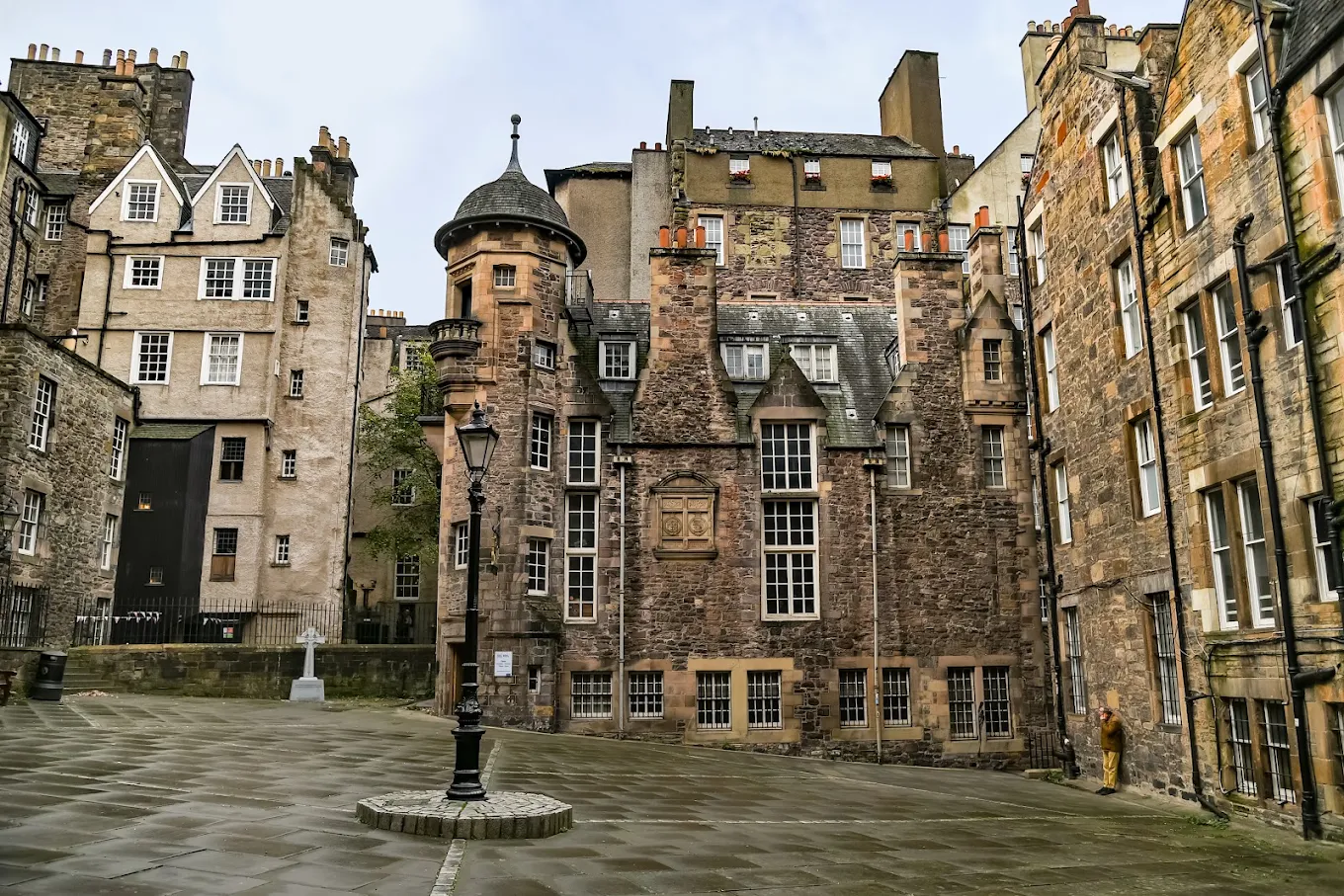
Edinburgh is one of those cities where books are part of everyday life, and it doesn’t apologize for it. Its literary credentials predate the title by centuries. In 1725, the poet Allan Ramsay opened what UNESCO recognizes as the world’s first circulating library here. The main railway station, Waverley, takes its name from Walter Scott’s novels, making arrival by train a literary act in itself. Since 2002, the city has appointed its own Makar, a poet laureate in the Scots word for a skilled maker of verse.
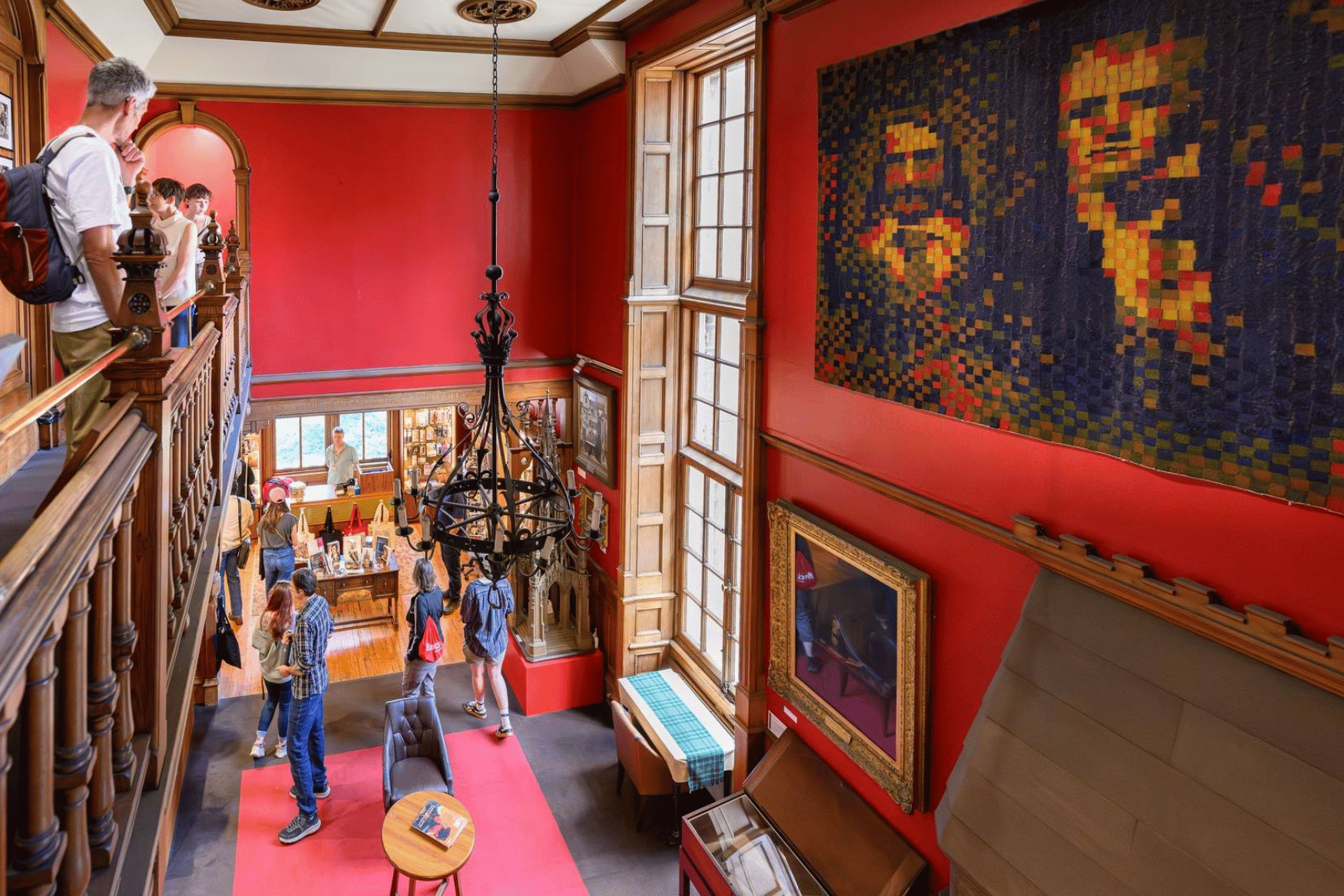
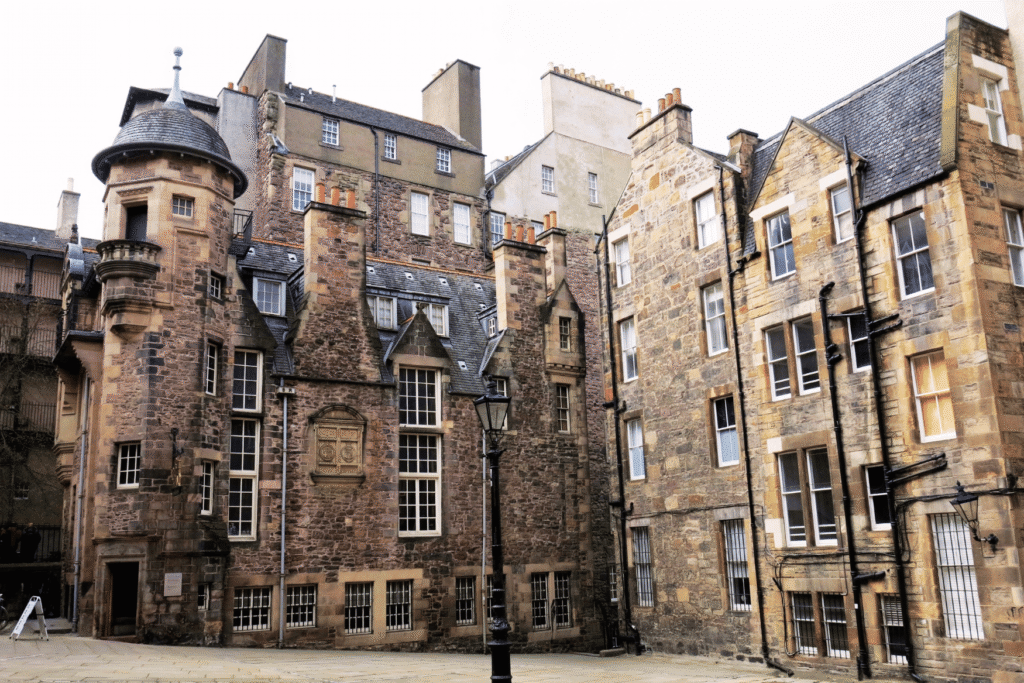
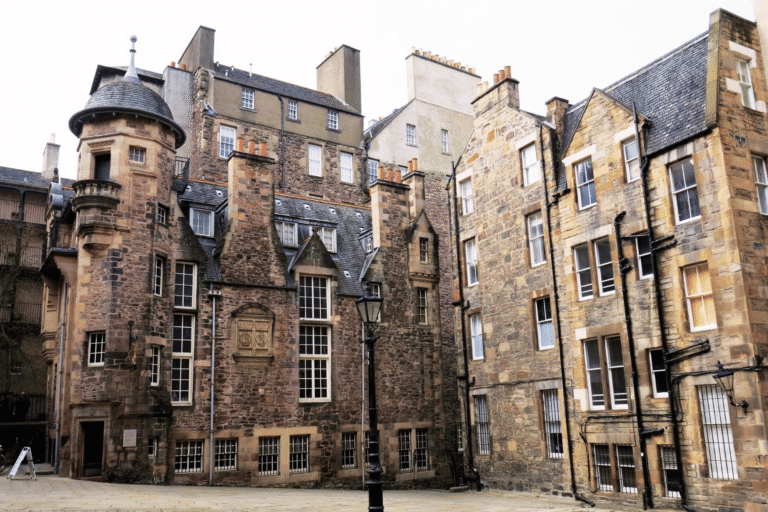
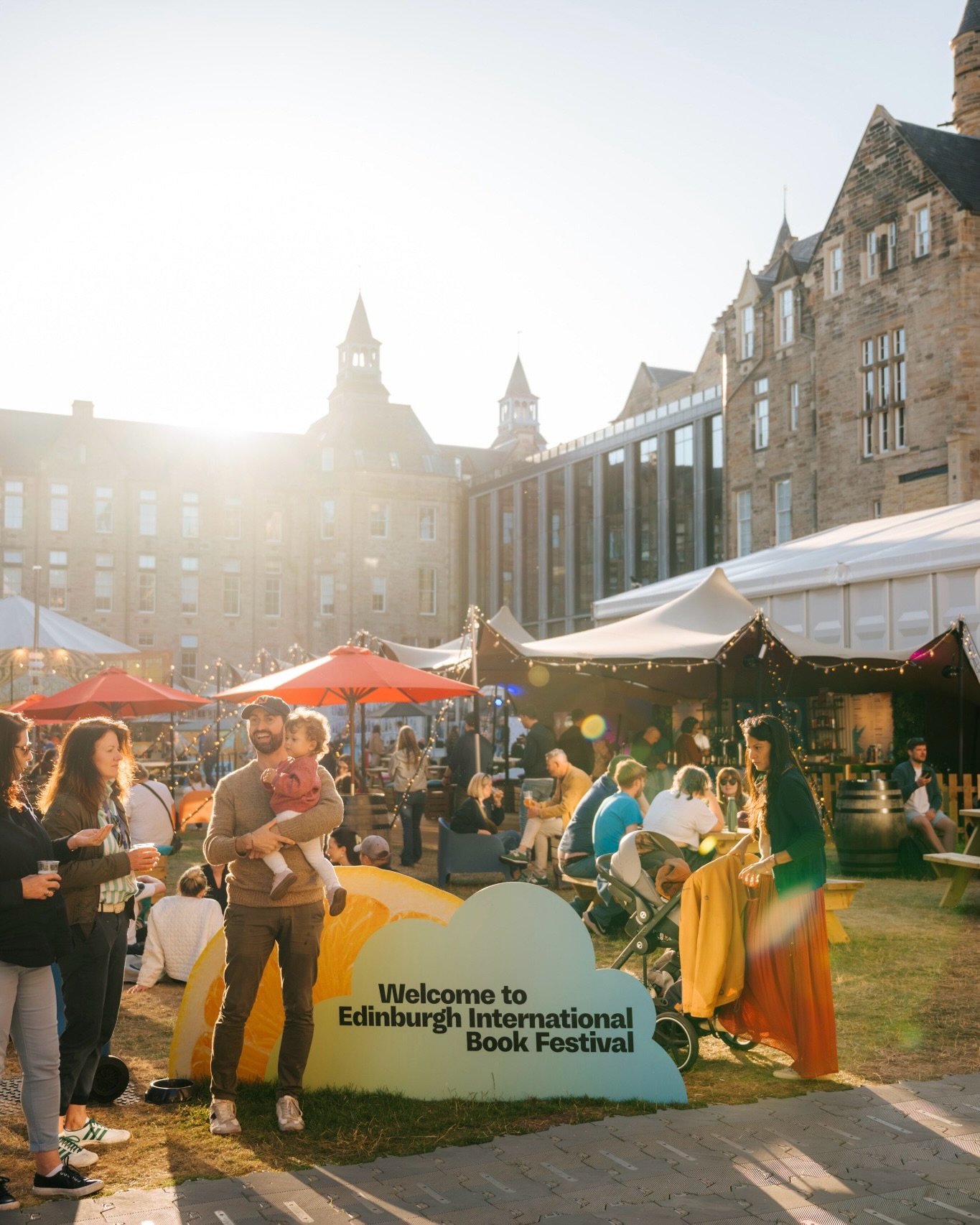
Every August, the Edinburgh International Book Festival fills the Edinburgh Futures Institute with around 600 writers from more than 40 countries. The 2026 edition has just closed, and VisitScotland lists the next edition for August 2027. Come at a quieter time of year, though, and Makars’ Court, the small paved courtyard by the Writers’ Museum, tells you more. Set into the ground are quotations from Scottish writers in Gaelic, Scots, English and Latin, from the 14th-century poet John Barbour to Muriel Spark, who died in 2006.
The first twelve stones were laid in 1997, and they’re still cutting new ones. Nobody stops you, charges you, or hands you a headset. You simply read the ground, then look up and find yourself outside a museum devoted to Burns, Scott and Stevenson. Other cities put their writers on plinths. Edinburgh put them where people would walk on them, and meant it as an honor.
Dublin, Ireland
Where the Rarest Copy of the Hardest Novel Came Home.
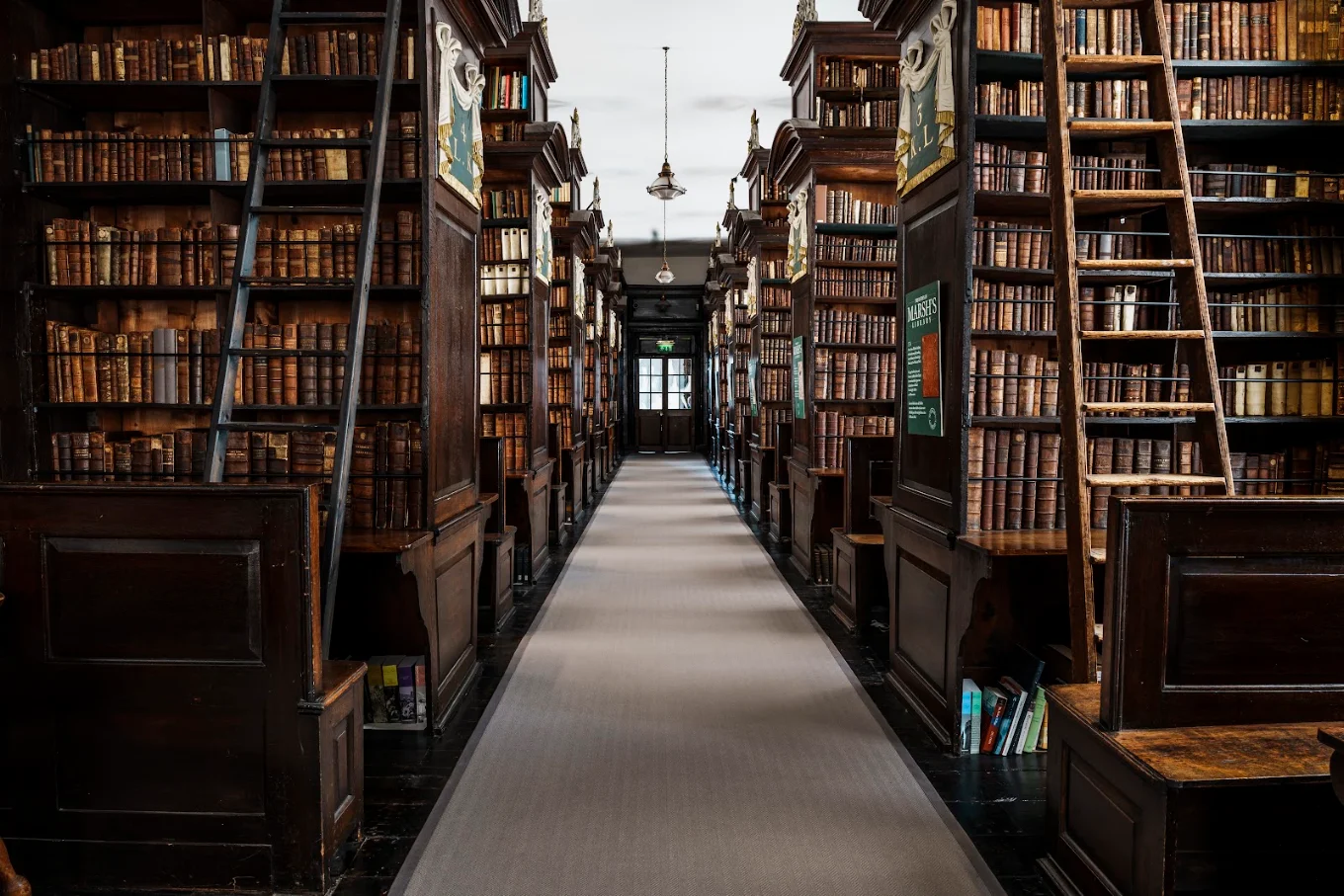
Dublin took the title in 2010, and you could argue it had been preparing for it since 1707. That year, Marsh’s Library opened beside St Patrick’s Cathedral as Ireland’s first public library, founded by Archbishop Narcissus Marsh so anyone who could read would have somewhere to study. Jonathan Swift sat on its first board of governors.
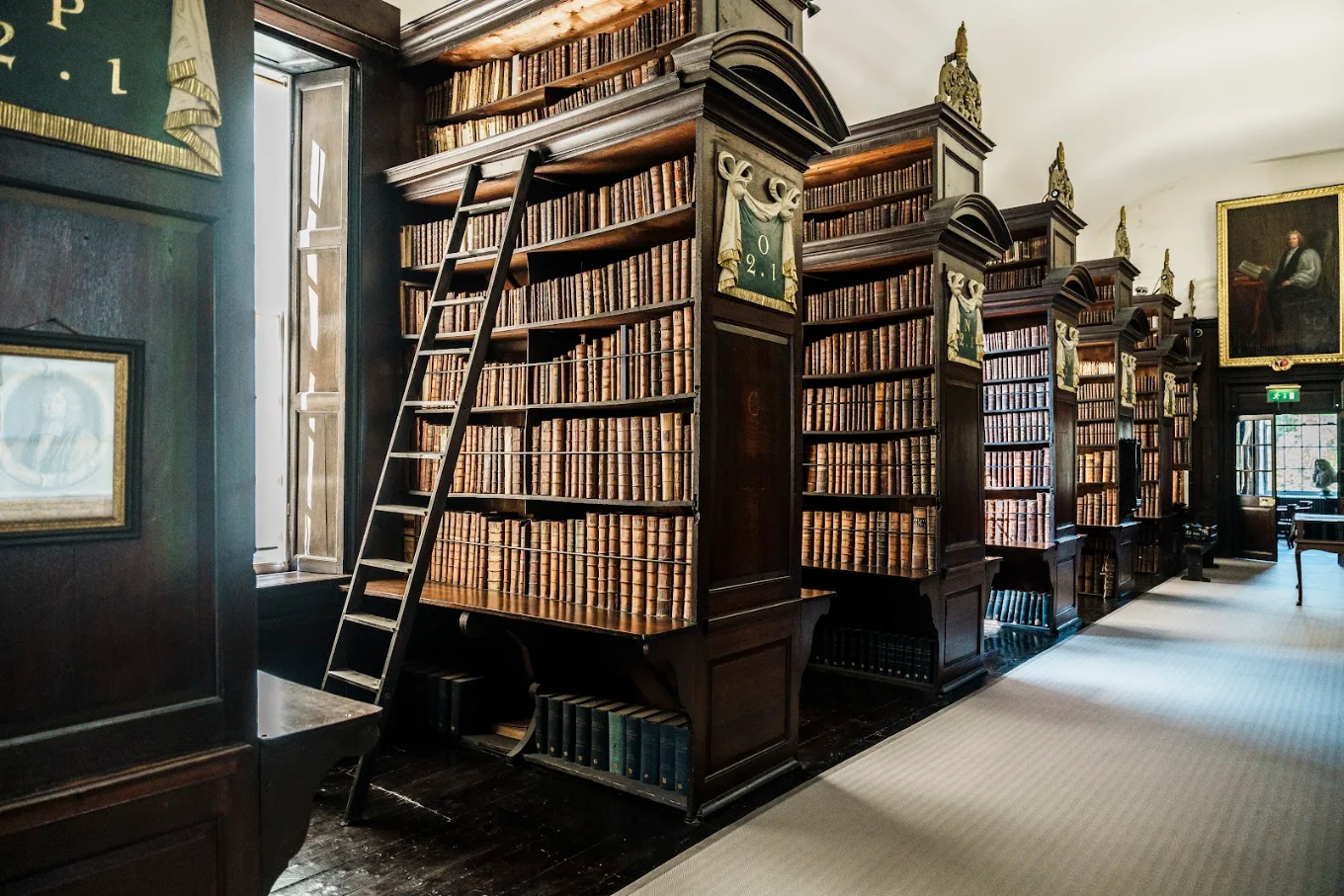
Within the library’s first sixty years, nearly a thousand books had walked out the door. The solution, installed not long afterward, was a set of wire cages, and readers wanting the rarest volumes were locked inside them to read. The cages are still there. So are 25,000 of those books.
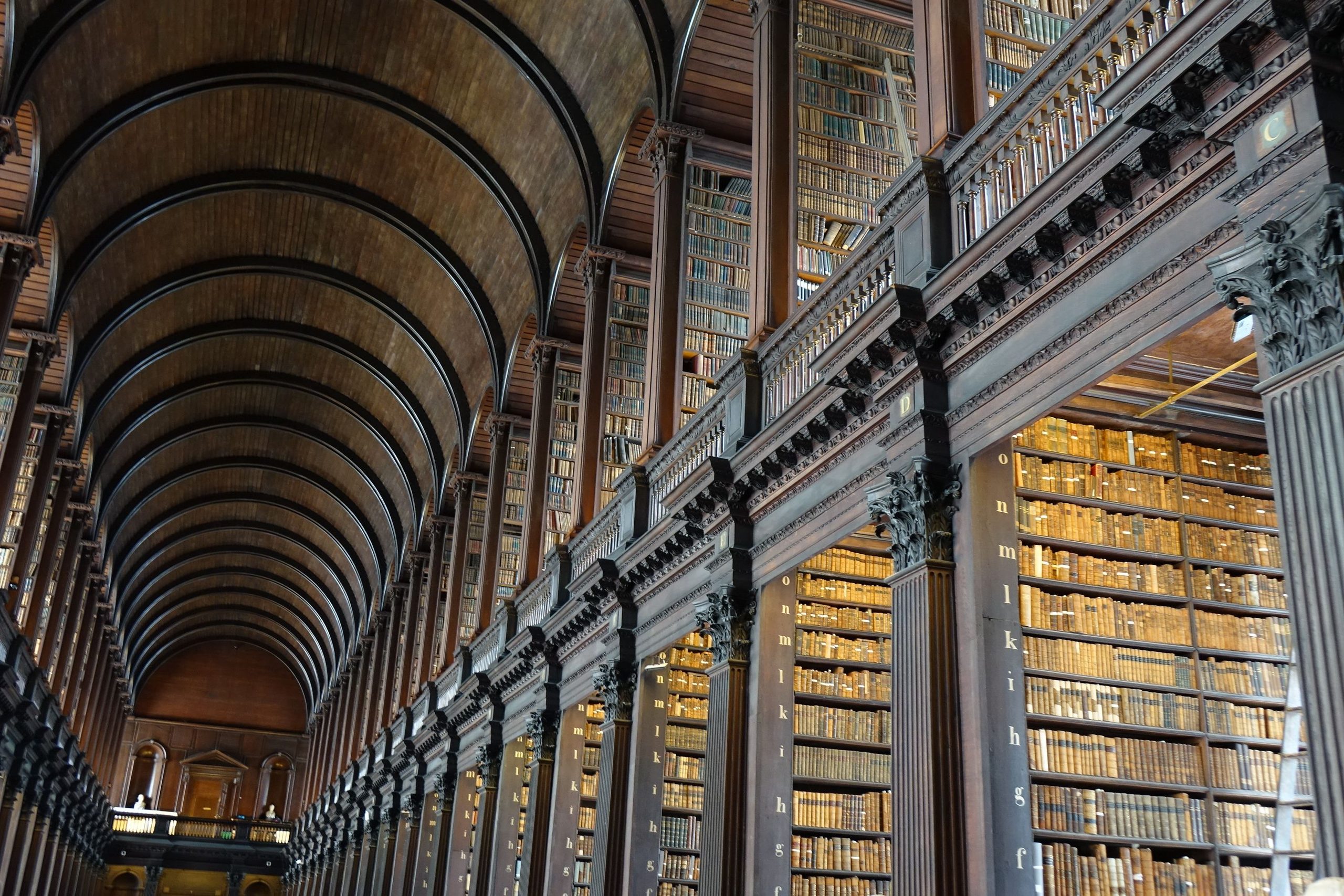
Ten minutes north, Trinity College Dublin keeps the country’s most-visited room. The Long Room of the Old Library runs 65 metres under a barrel-vaulted oak ceiling, lined with marble busts and, until recently, 200,000 of the library’s oldest books. The shelves are empty for now: the books came down in 2023 for a conservation project that will clean and return every volume, and the room stays open while the work goes on. Downstairs sits the Book of Kells, a ninth-century gospel manuscript that draws close to a million visitors a year.
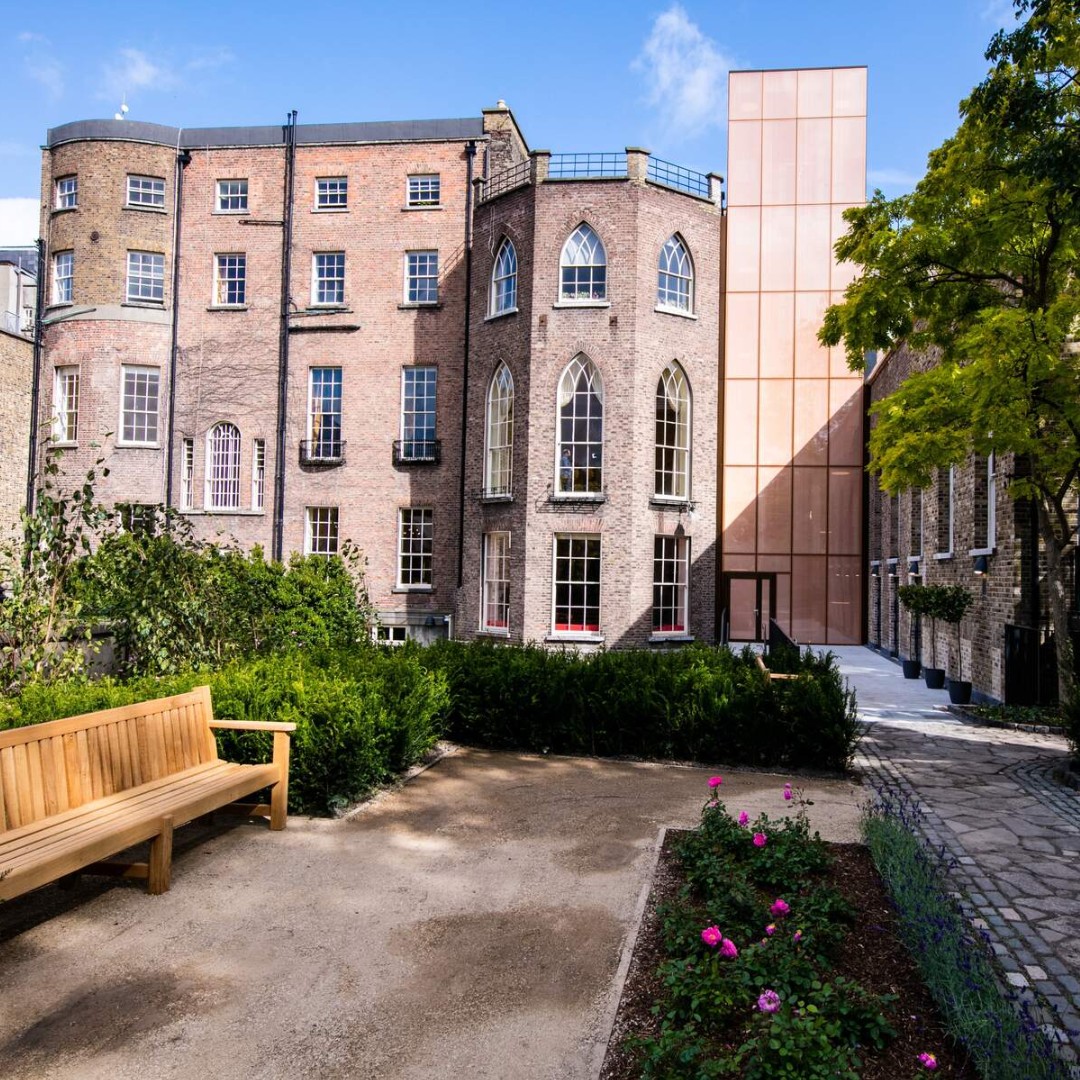
Across town, in the Georgian rooms of Newman House where James Joyce studied, the Museum of Literature Ireland opened in 2019. Its name is a nod to Molly Bloom, and its centerpiece sits in a climate-controlled room: Copy No. 1 of Ulysses, the first one off the Paris press in 1922. Out the back, a garden runs into the Iveagh Gardens, and on a weekday it’s mostly empty. A city that once banned its most famous book now keeps the first copy in the building where its author learned to write. That’s not irony. That’s a permanent change of heart.
Official visitor information: Discover Ireland (Fáilte Ireland).
Manchester, England
Two Libraries, Both Given Away.
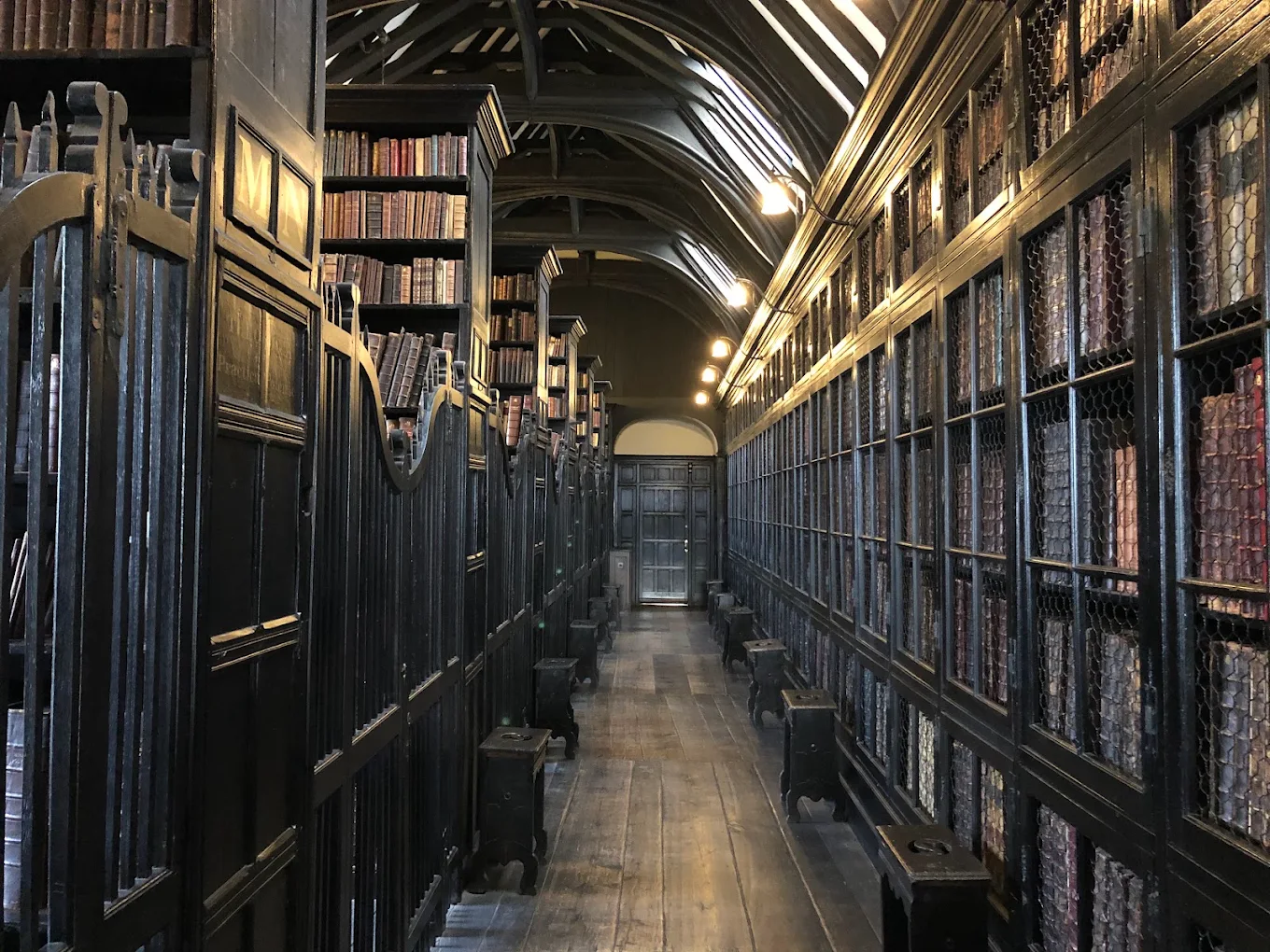
Manchester joined the network in 2017, and its case rests on an unusual habit: rich Mancunians keep building libraries and then handing them to the public. Chetham’s Library is the oldest free public library in the English-speaking world, founded in 1653 under the will of the merchant Humphrey Chetham for the sons of “honest, industrious and painful parents.” It has never closed.
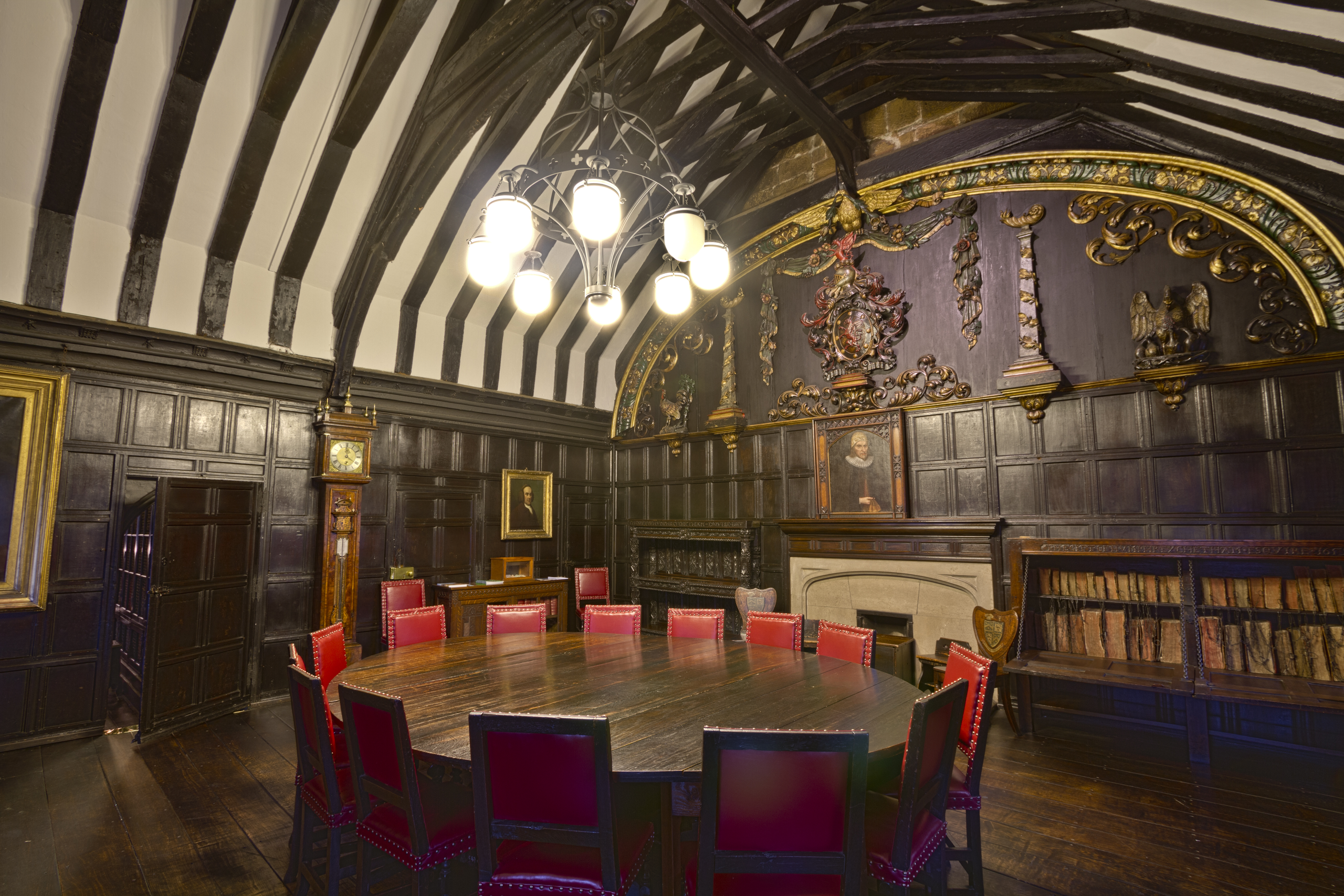
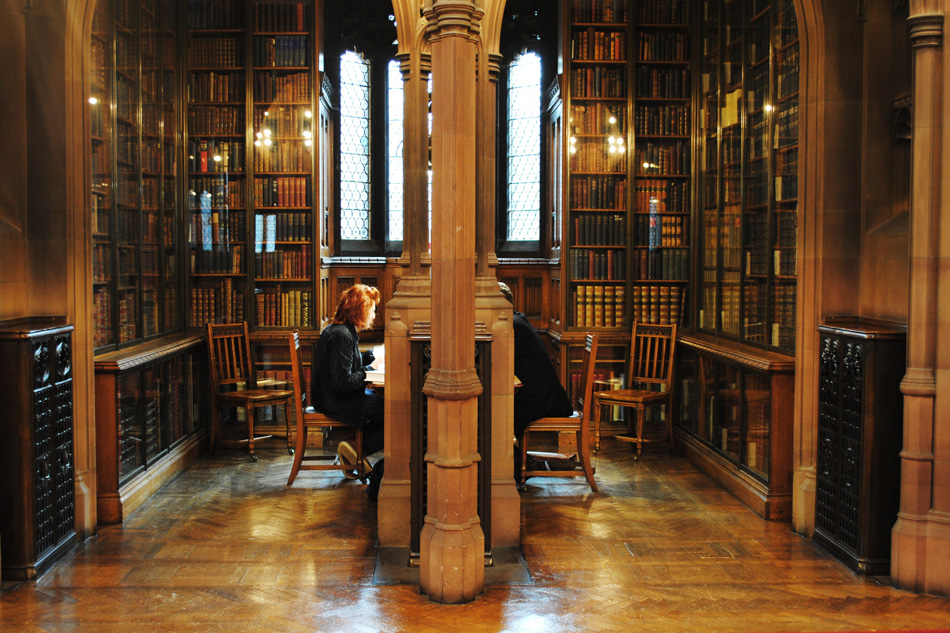
In the summer of 1845, two obscure Germans worked at a table in an alcove there, and the library still holds the very books that Marx and Engels read. The alcove is unmarked apart from a small display. You can sit in it.
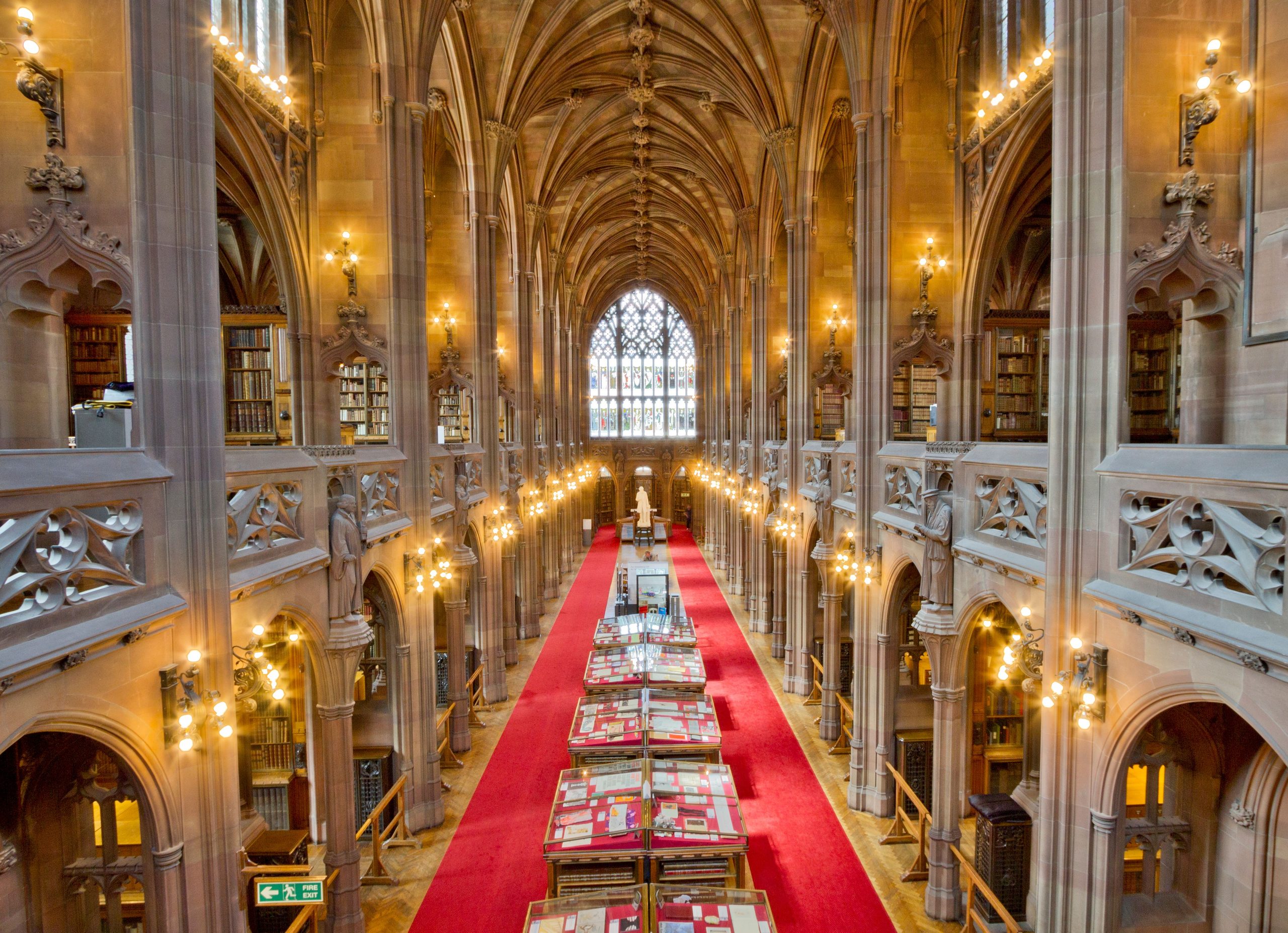
A short walk down Deansgate, the John Rylands Library opened on New Year’s Day 1900, built over ten years by Enriqueta Rylands as a memorial to her husband and presented to the city as a gift. It’s neo-Gothic on a cathedral scale, free to enter, and emerged from a £7.6 million refurbishment in 2025 with new galleries.
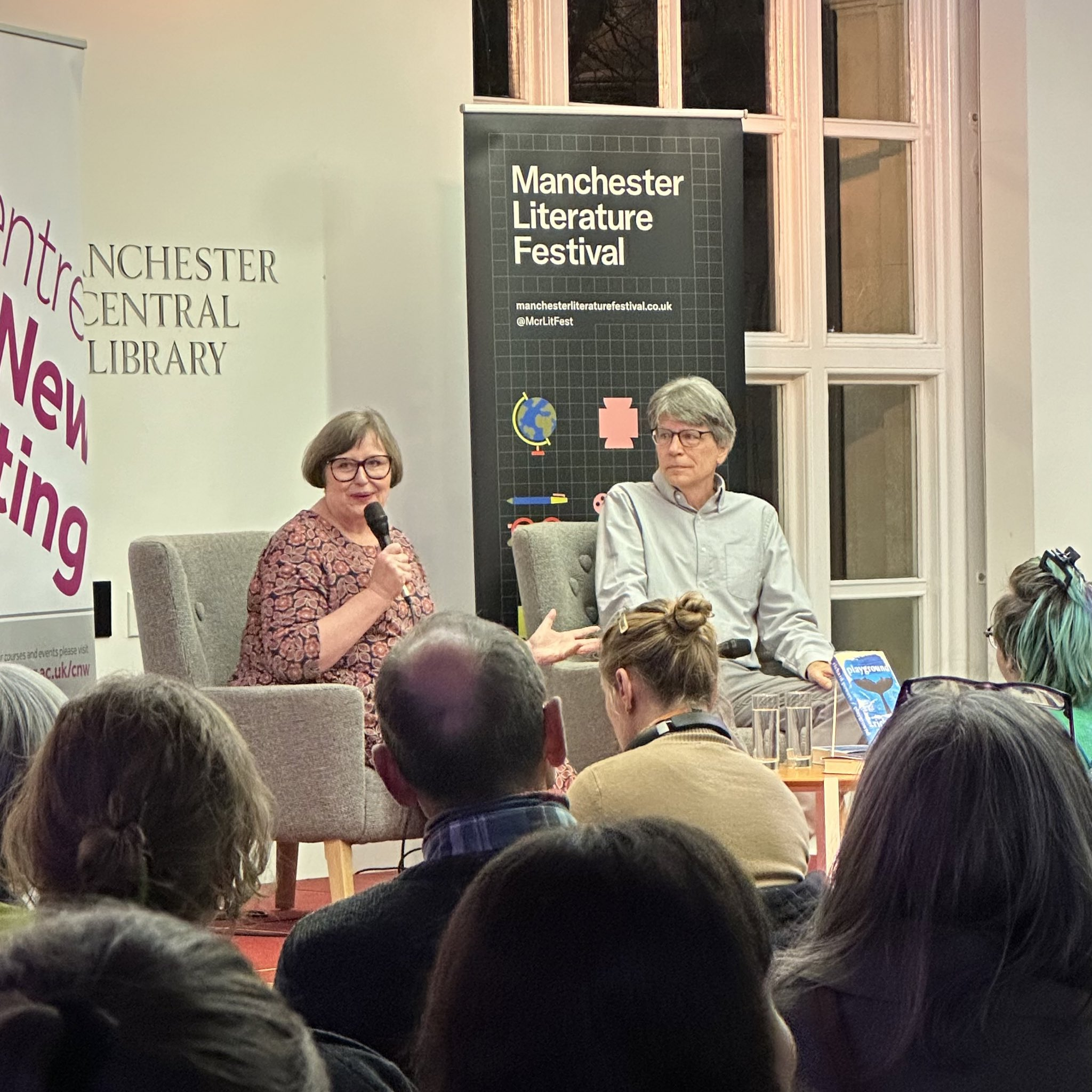
Each October, the Manchester Literature Festival takes over venues across the city; this year it runs from 9 to 25 October. Manchester is remembered for mills and music. The buildings it chose to make beautiful were libraries.
Norwich, England
A City of Firsts, Starting with a Woman in a Cell.
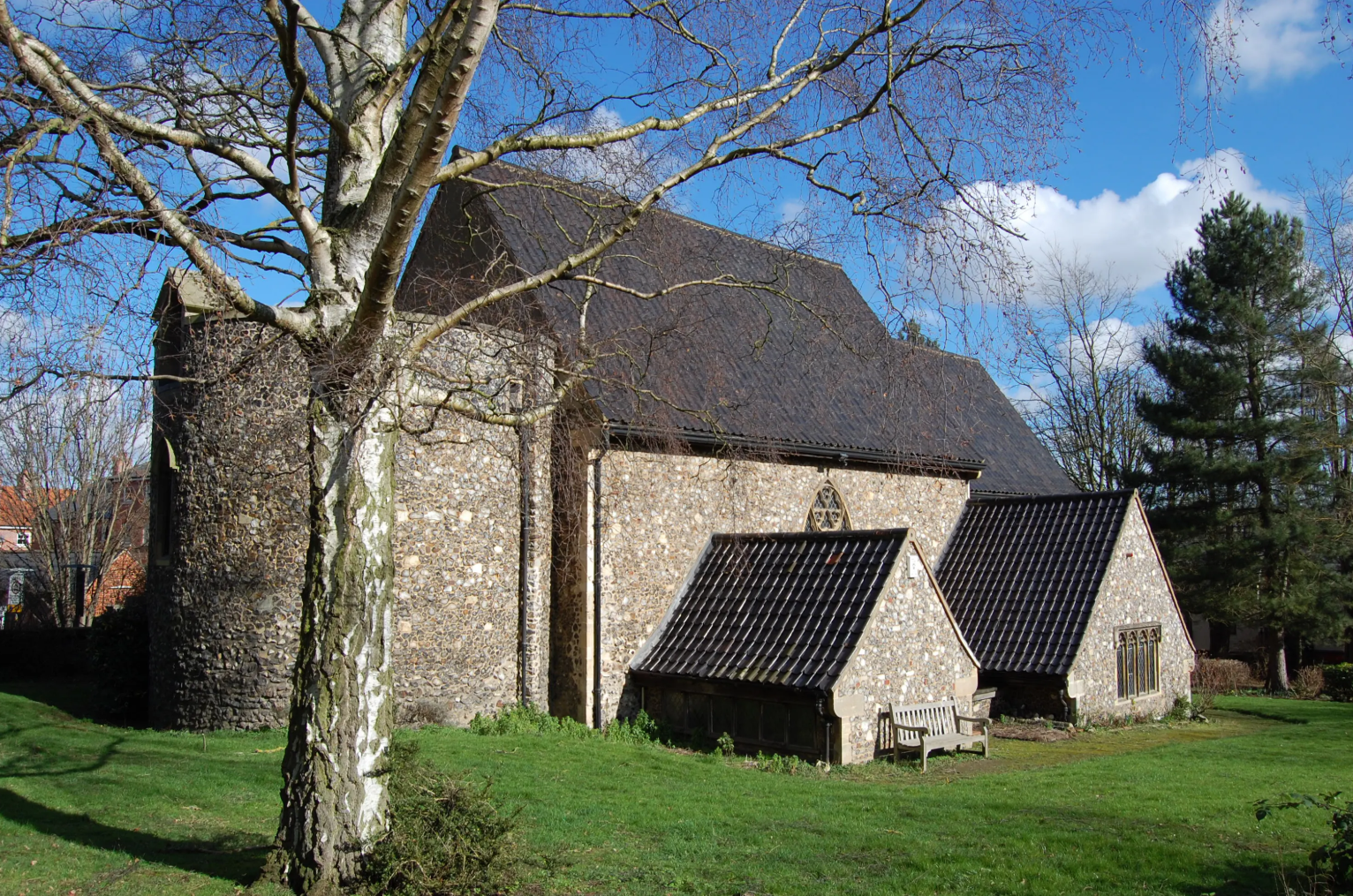
Norwich became England’s first City of Literature in 2012, and the National Center for Writing, which led the bid, works from Dragon Hall, a Grade I listed medieval trading hall on King Street. Cross the road, and a lane leads to the church of St Julian, where, in the 1390s, an anchoress walled herself into a cell and wrote Revelations of Divine Love. This is the earliest surviving book in English by a woman. Visitors came to her window for comfort. Six centuries on, people still walk down that alley for the same reason.
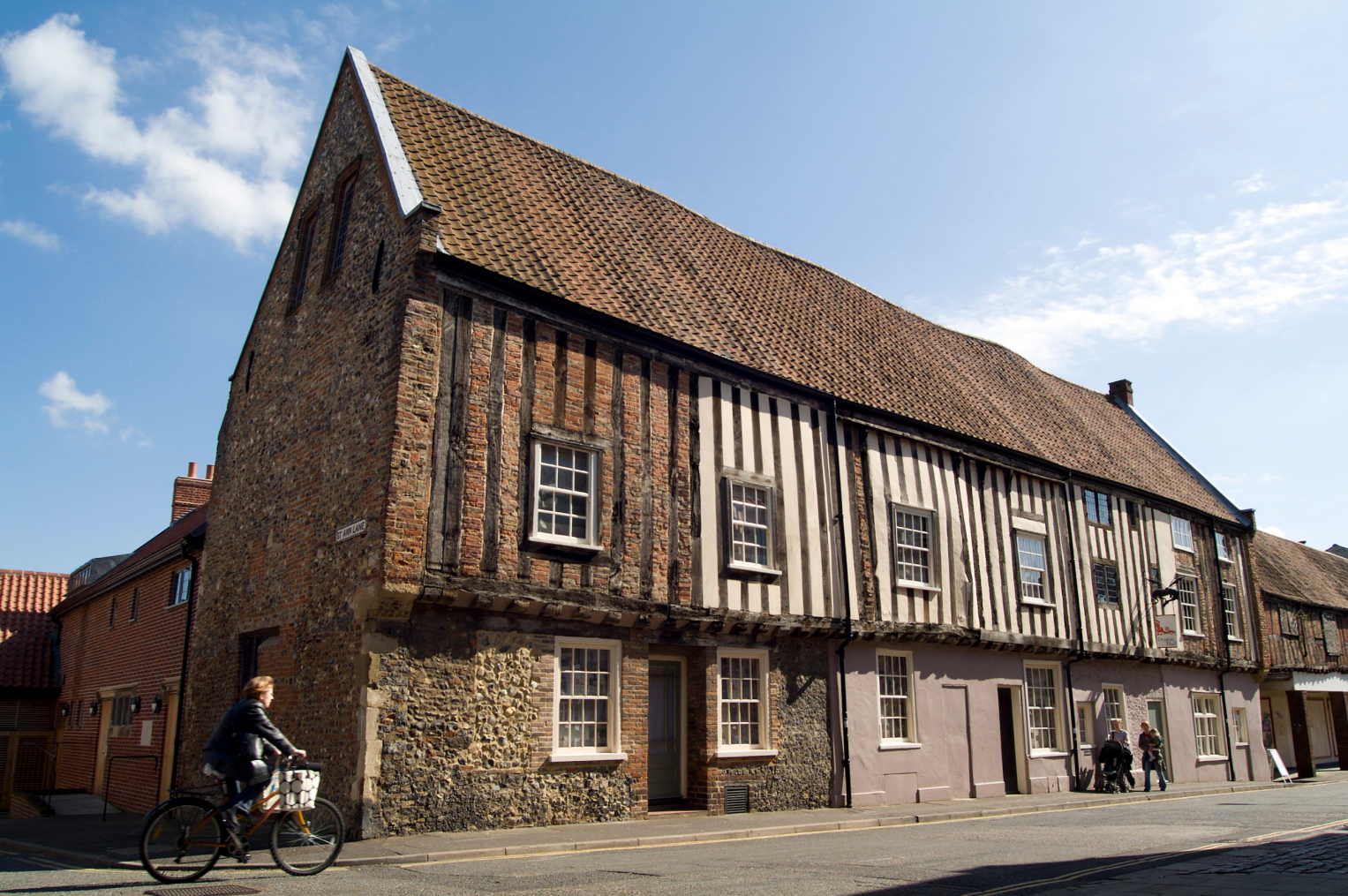
The firsts kept coming. England’s first provincial library in 1608, the first city to adopt the Public Libraries Act of 1850, and in 1970 the UK’s first creative writing MA at the University of East Anglia, whose first graduate was Ian McEwan.
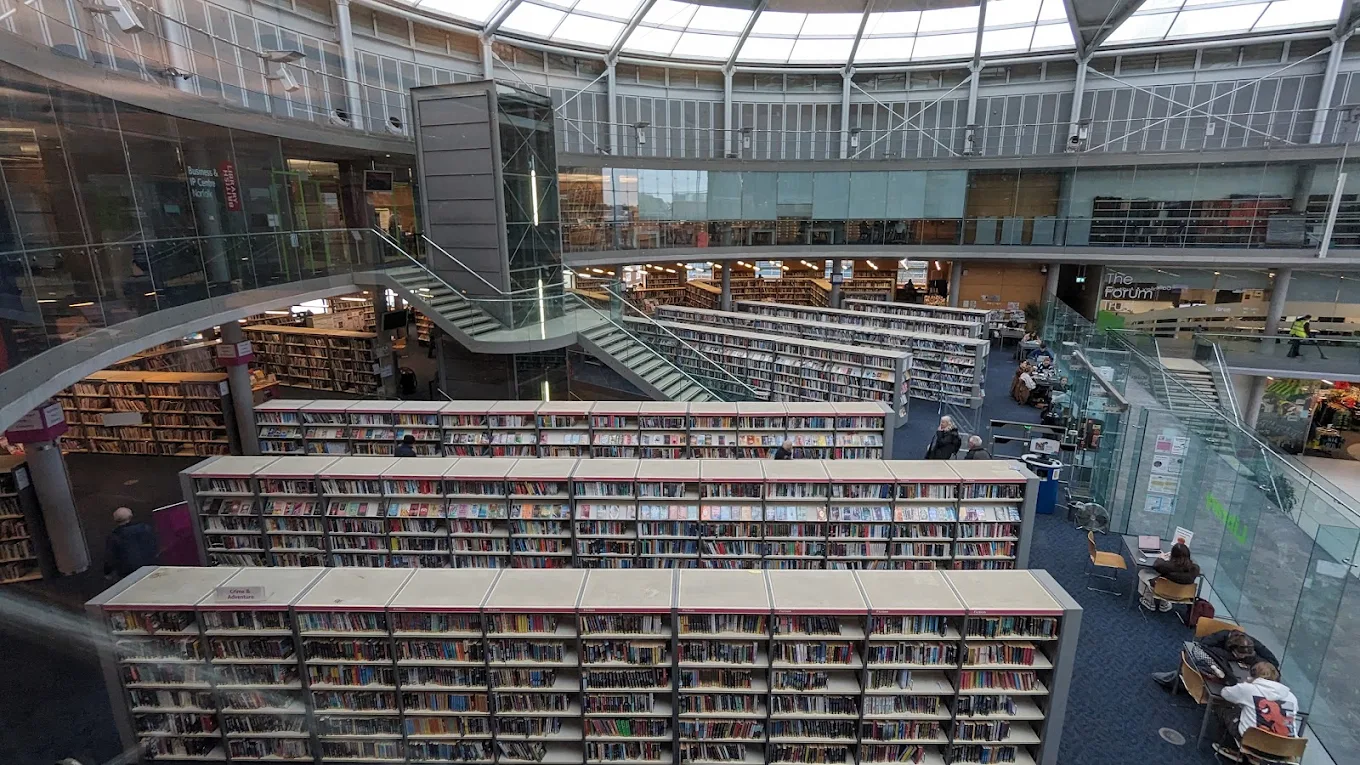
The modern chapter is the Norfolk and Norwich Millennium Library in The Forum, built on the site of a library that burned down in 1994. It is among the busiest public libraries in Britain, with well over a million visits a year. On 29 July 2026, it reopened after a £1.3 million refit. A city that lost its library to fire and replaced it with the country’s most-used one has told you what it values without saying a word.
Official visitor information: Visit Norwich.
Nottingham, England
Rebels, Radicals and a Library That Kept Its Own Time.
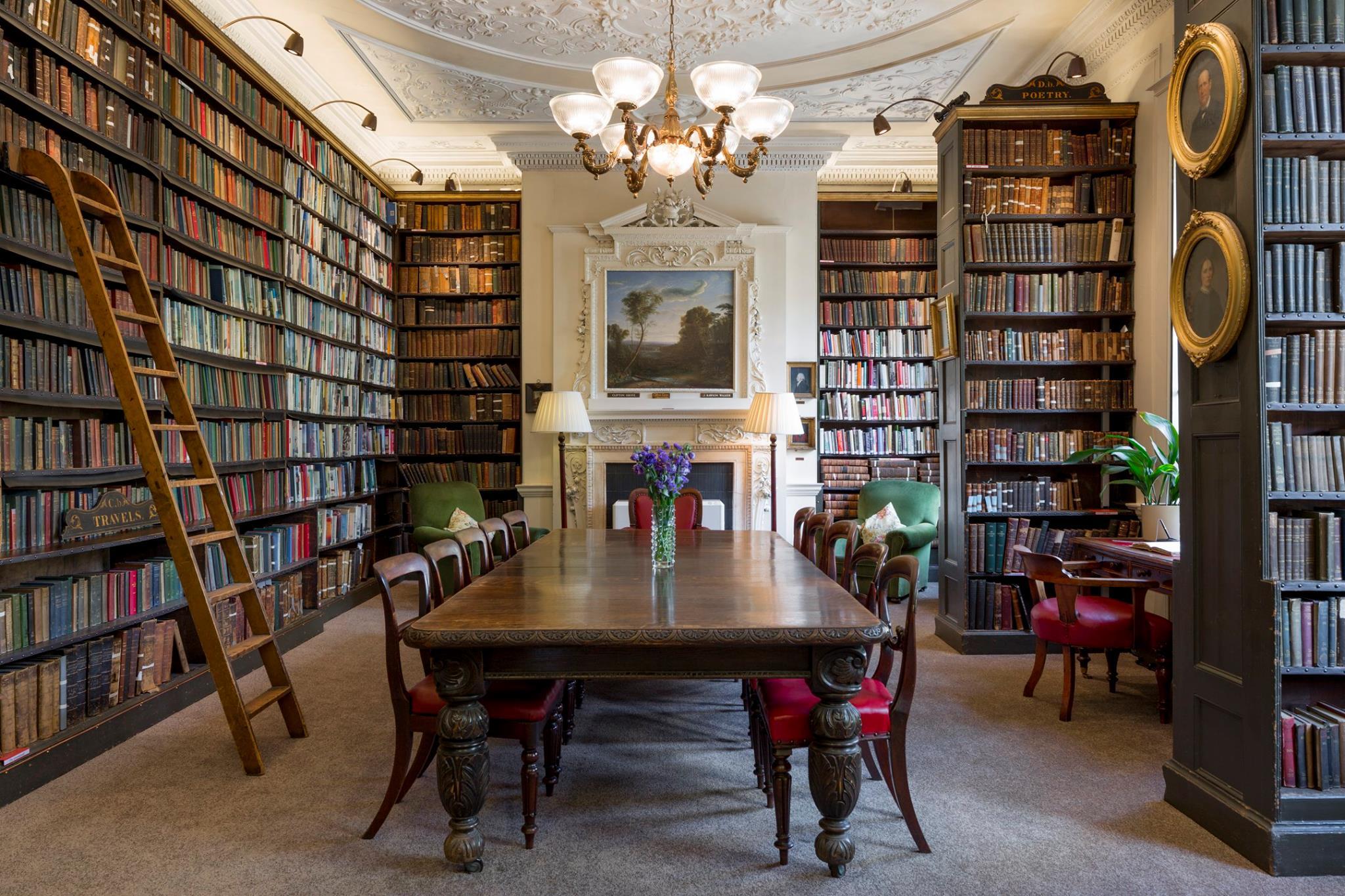
Nottingham’s writers were troublemakers. Byron, whose ancestral seat at Newstead Abbey lies just north of the city; D. H. Lawrence, born in a miner’s terrace at Eastwood; Alan Sillitoe, who put the Saturday-night city on the page. The title arrived in 2015, and Nottingham City of Literature has leaned into that inheritance rather than tidying it up.
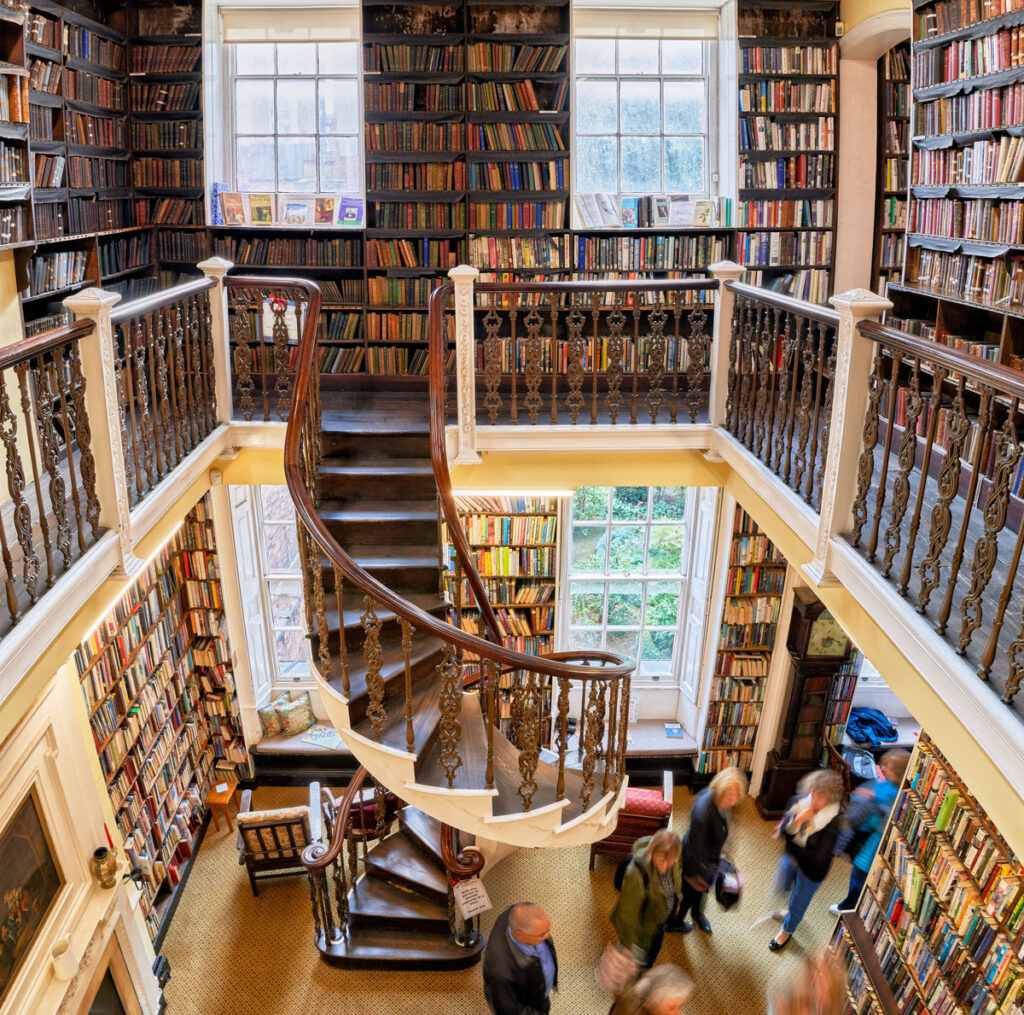
Behind an easily missed door on Angel Row, Bromley House Library has run as a subscription library since 1816, moving into its 1752 Georgian townhouse in 1821. Around 50,000 books climb three floors of reading rooms; a walled garden at the back is one of only two in the city center. In 1836, members installed a meridian line in the floor, and a clock from 1830 still records that Nottingham time ran four minutes and 33 seconds behind Greenwich. The library also holds a collection of Sillitoe’s papers.
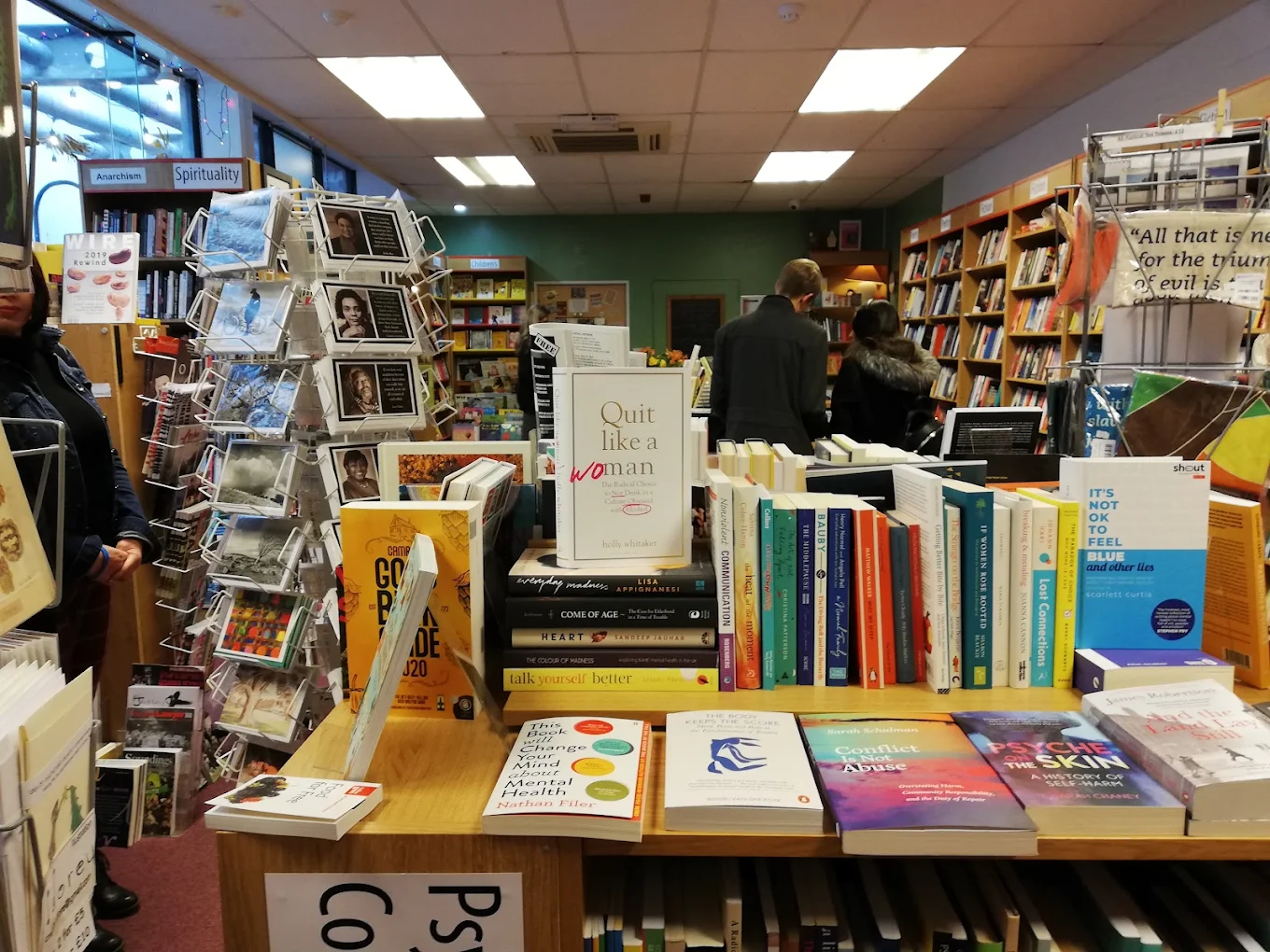
Round the corner on Long Row, Five Leaves Bookshop opened in November 2013 and describes itself as independent, radical and literary. It runs about a hundred events a year and, in 2018, was named the British Book Awards’ Independent Bookshop of the Year, the first radical bookshop to win the award.
Nottingham didn’t need to build a literary quarter. It just needed somewhere for the arguments to continue.
Official visitor information: Visit Nottinghamshire.
What the Plaque Is Really For
Five cities, and no two earned the title the same way. Edinburgh carved its writers into the pavement. Dublin built cages to protect books, then a museum to display the one it once banned. Manchester’s merchants gave away libraries. Norwich kept setting firsts for six hundred years. Nottingham let its rebels stay rebels.
The thread is not heritage. Plenty of places have heritage. It’s that each of these cities, at some point, treated a reader as a citizen rather than a customer: someone entitled to a free library, a public festival, a bookshop that argues back. The designation is permanent, and so is that promise. Arrive in any of them with a paperback in your bag, and you’ll find you’ve already been counted.

Adam Ryan
Adam is a distinguished content writer, bookworm, and full-time adventurer with a constant craving for coffee. When he's not working, he loves exploring remote corners of the world, immersing himself in different cultures, and writing about his experiences.