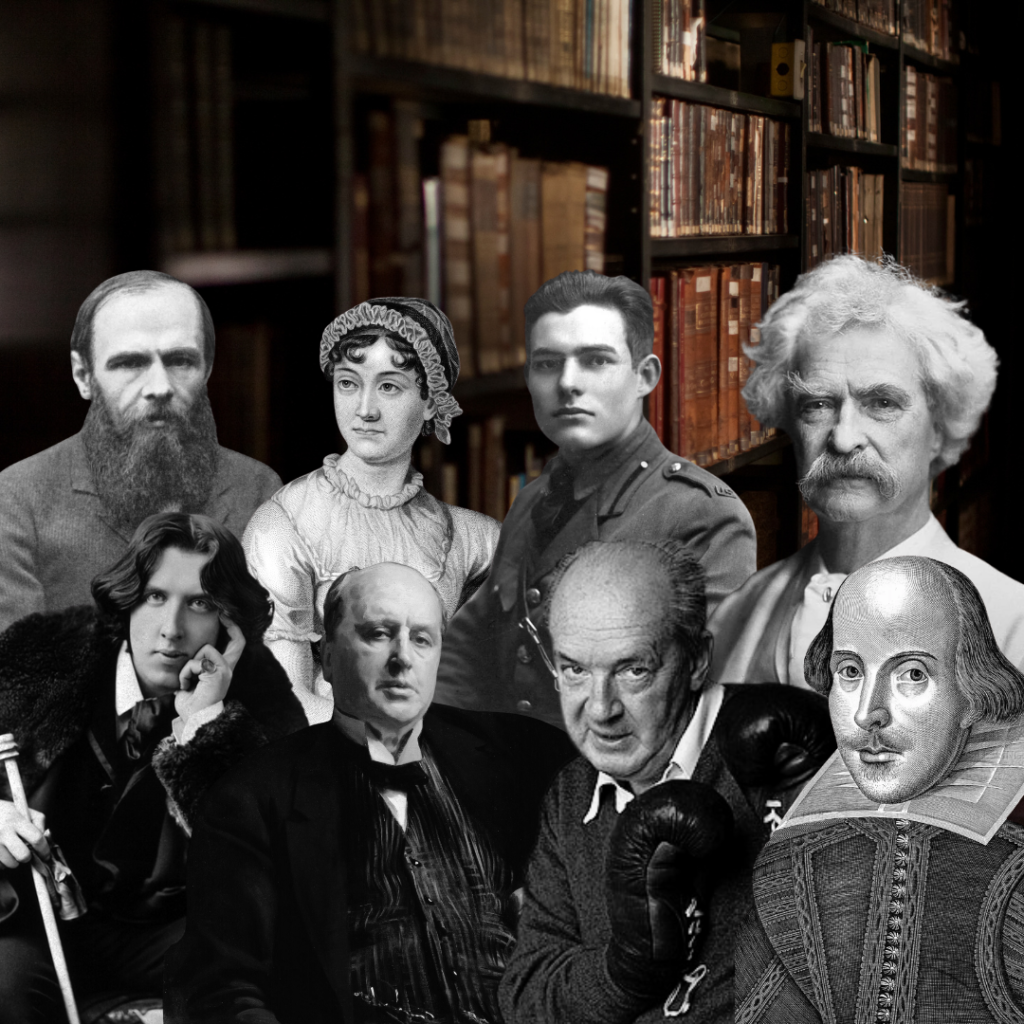

From Eliot calling Hamlet a failure to Woolf and Joyce trading brutal reviews, and even suggestions to throw a book away, literary history is full of savage insults.
Writers have given the world some of the greatest love stories, philosophical ideas, and timeless works of art ever created.
They have also given us absolute chaos.
For people who spend their lives carefully choosing words, authors can be unbelievably brutal when talking about each other. Literary feuds are often less “professional disagreement” and more “public execution with a fountain pen.”
Mark Twain vs Jane Austen: Pure Hatred
Mark Twain did not merely dislike Jane Austen.
He seemed spiritually offended by her existence.
Twain once confessed that Austen’s books “madden” him. But he did not stop there. In perhaps the most unhinged literary insult ever delivered, he said that every time he reads Pride and Prejudice, he wants to dig Austen up and “beat her over the skull with her own shinbone.”
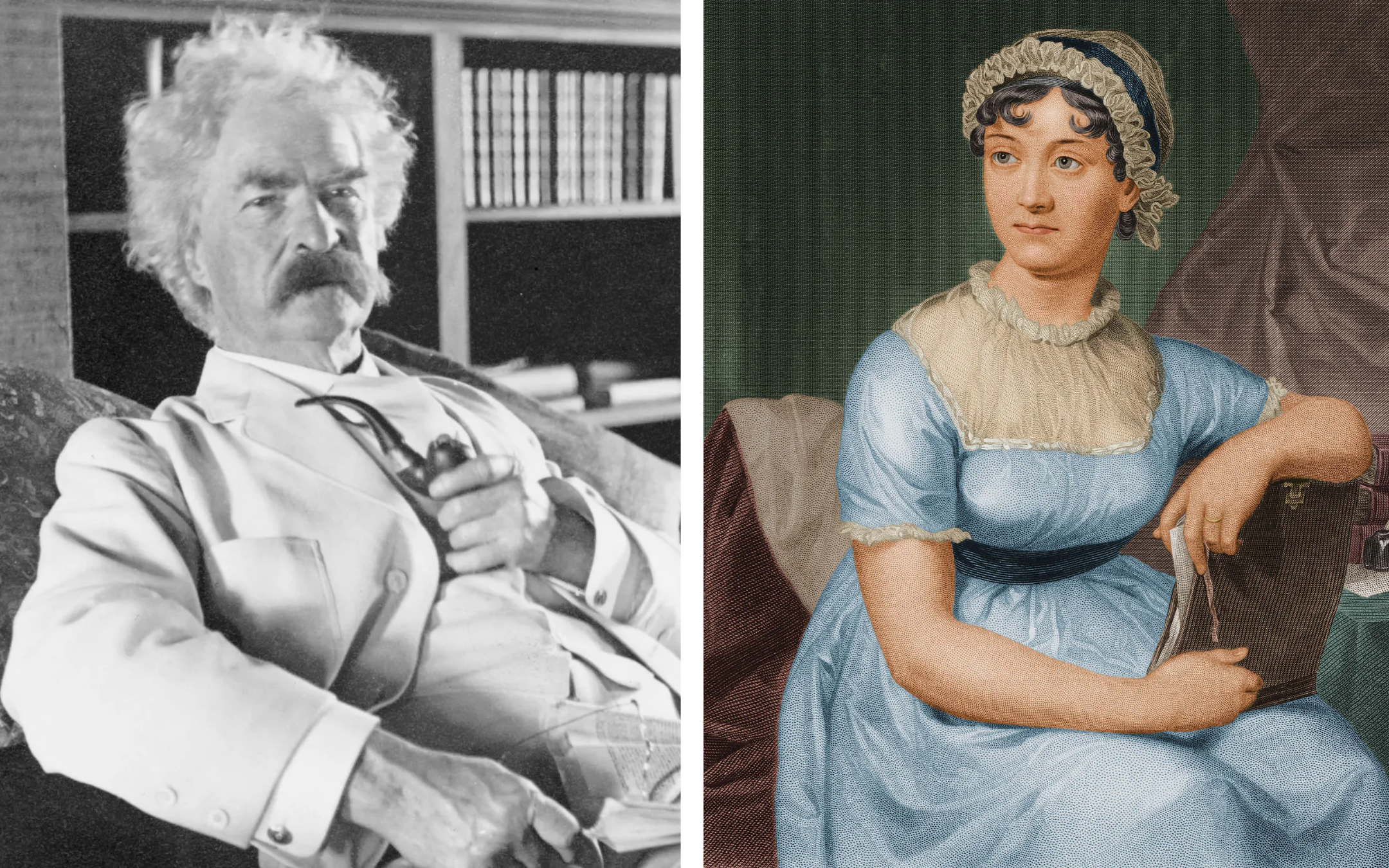
That’s more than just criticism. That’s pure hatred.
What makes this even funnier is that Austen’s novels are famously polite, restrained, and obsessed with social manners. Meanwhile, Twain reacted as though she personally insulted his ancestors.
Oscar Wilde Absolutely Destroyed Henry James
Oscar Wilde had the kind of wit people fear sitting next to at dinner parties. And unfortunately for Henry James, Wilde aimed that wit directly at him.
Wilde complained that James “writes fiction as if it were a painful duty.” Then he sharpened the knife further by mocking James’ style as “a chaos of carefulness.”
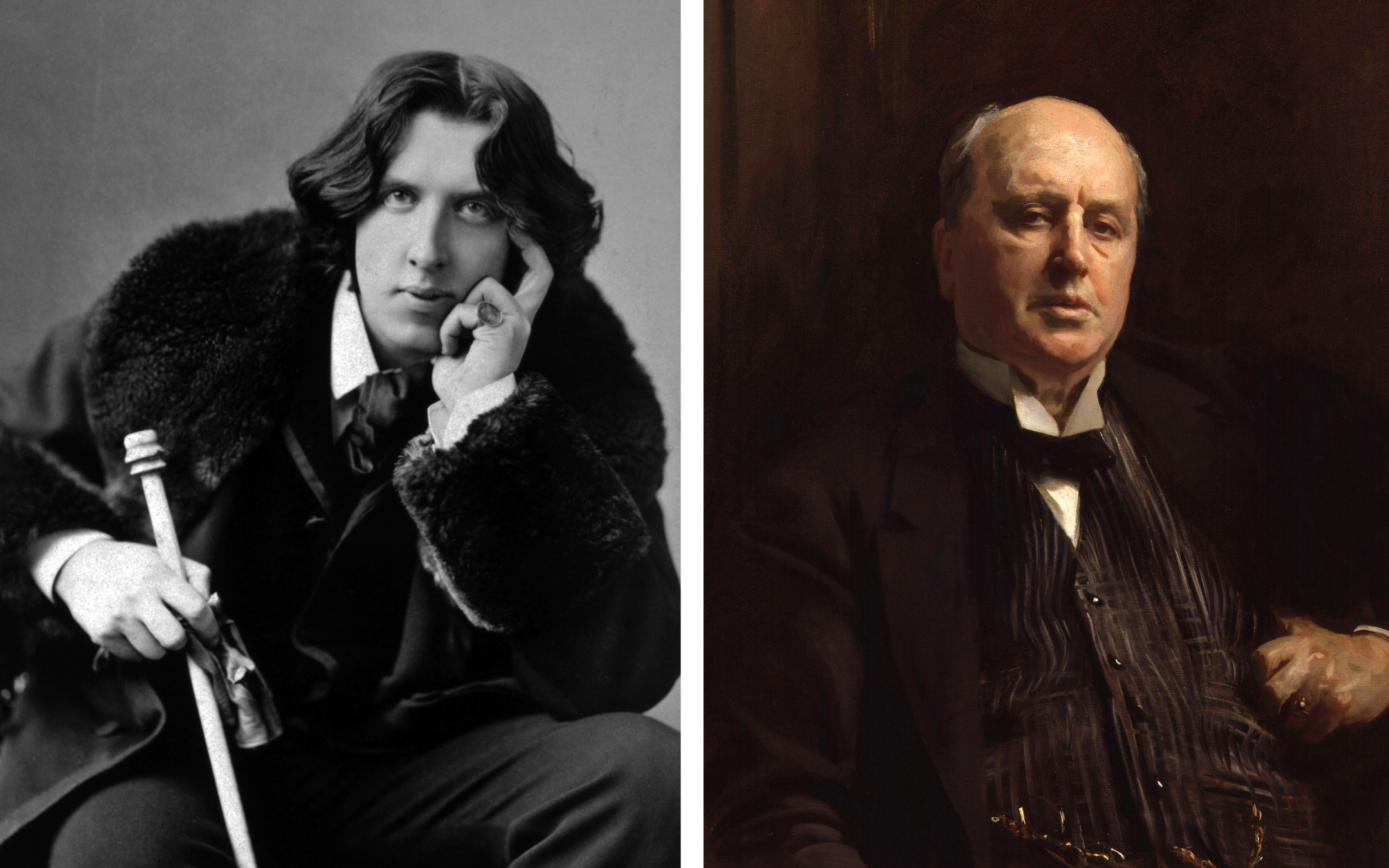
Henry James became famous for dense psychological realism and extremely detailed prose. Wilde basically accused him of writing books that felt like tax paperwork.
And because Wilde never did subtle insults, he also mocked James’ realism, implying that reading his novels felt less like entertainment and more like an exhausting homework assignment.
You can almost hear Wilde sighing dramatically while putting the book down halfway through.
Nabokov Hated Almost Everybody
If literary arrogance were an Olympic sport, Vladimir Nabokov would have taken gold, silver, and bronze.
Nabokov had absolutely no problem dismissing legendary authors as overrated hacks.
His biggest target? Fyodor Dostoevsky.
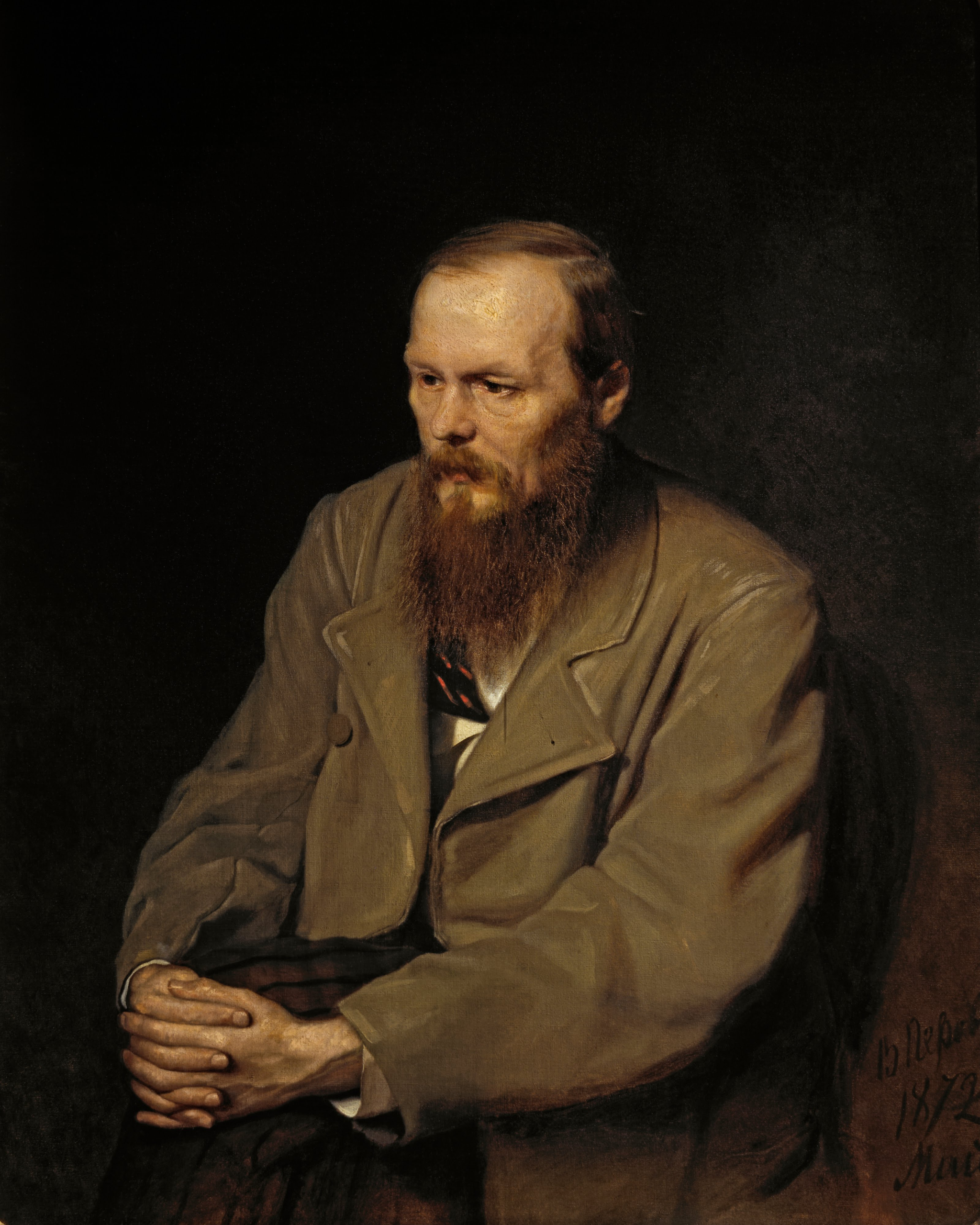
Nabokov called Dostoevsky “a mediocre writer” whose books were full of “wastelands of literary platitudes.” He argued that Dostoevsky’s novels were badly constructed, melodramatic, and emotionally overwrought. Oof, right?
But Nabokov wasn’t finished.
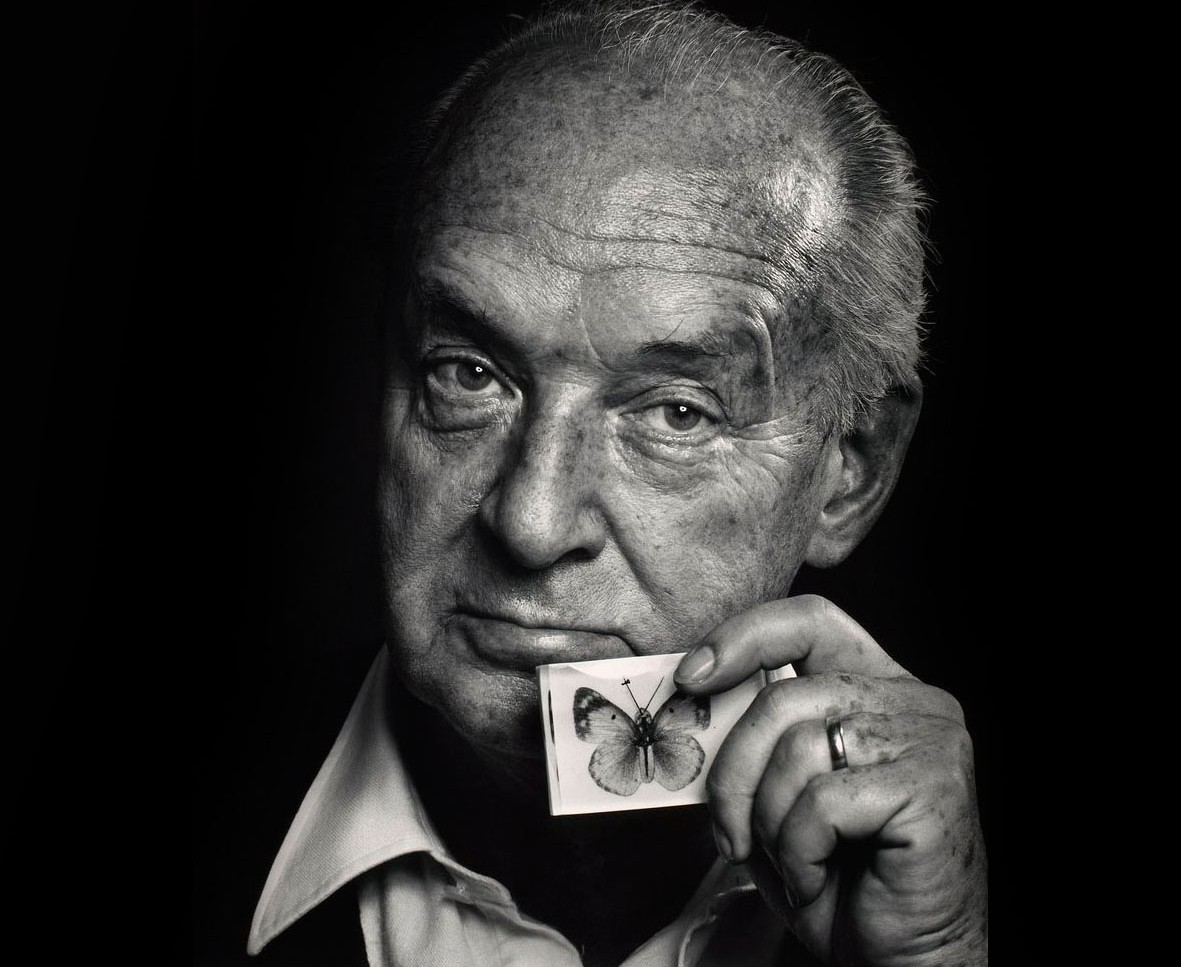
He also mocked William Faulkner, dismissing his work as “corncobby chronicles.” That phrase somehow sounds both meaningless and devastating at the same time.
And then there were the French modernists, many of whom Nabokov seemed to view with complete contempt.
His main complaint was that too many writers relied on “ready-made souls”; basically, recycling fake emotions instead of using genuine artistic craftsmanship.
Hemingway and Faulkner’s Masculine Vocabulary War
The feud between Ernest Hemingway and Faulkner feels like two heavyweight boxers arguing inside a library.
Faulkner fired the first major shot by claiming Hemingway had “never been known to use a word that might send the reader to the dictionary.” Faulkner also accused Hemingway of lacking courage both on and off the page, which pushed the rivalry from literary criticism into personal territory.
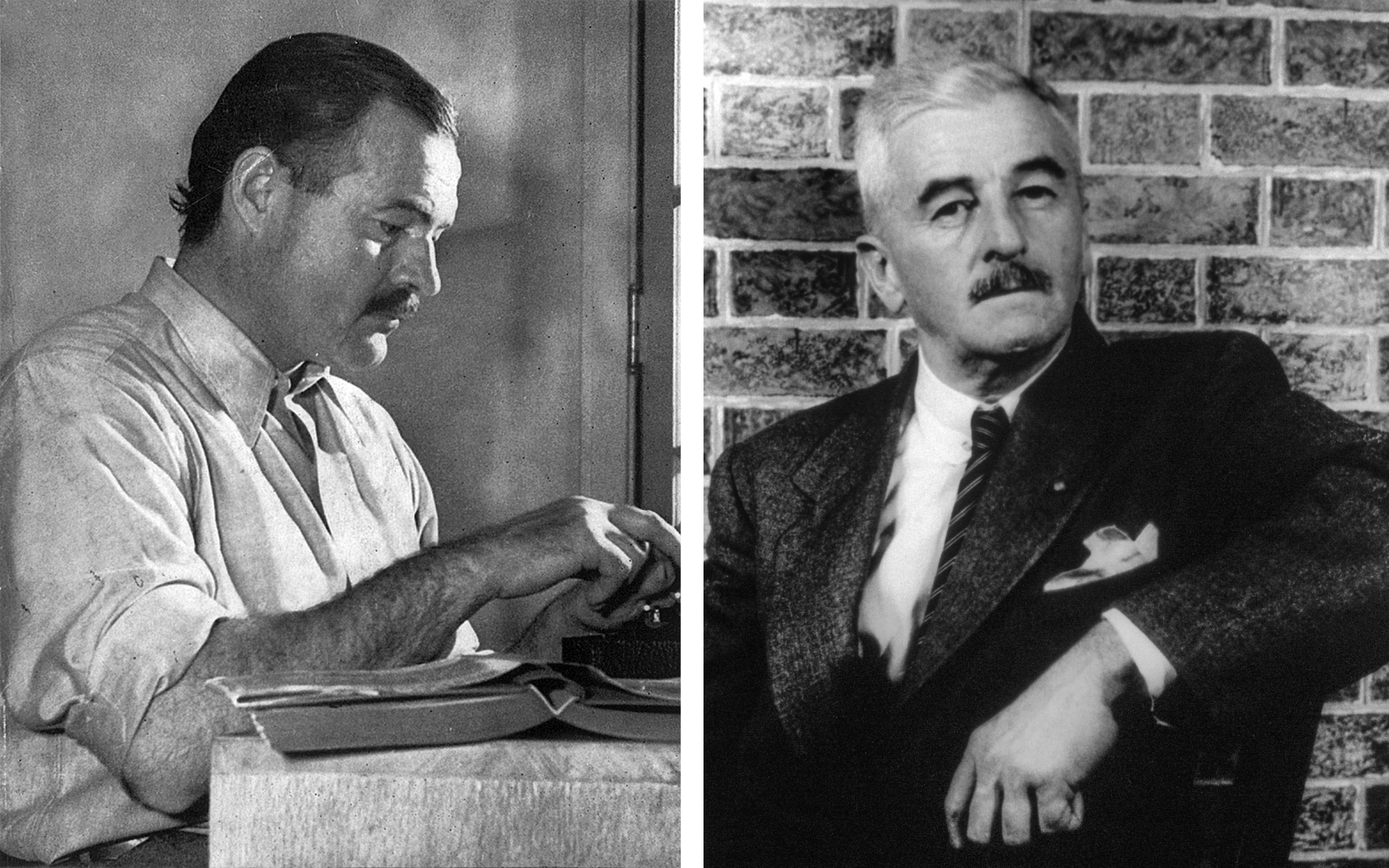
But Hemingway was never going to let that slide. He responded with pure sniper precision: “Poor Faulkner. Does he really think big emotions come from big words?” Then Hemingway added that he knew all the long words perfectly well; he just didn’t think they were good.
And honestly, this argument perfectly captures both writers’ styles.
Faulkner wrote sprawling, dense, complicated prose that sometimes feels like wandering through a maze while sleep-deprived.
Hemingway wrote lean, stripped-down sentences sharp enough to cut glass.
Their writing styles were starkly different and attracted different readers. But both are world-famous, and for good reason.
T.S. Eliot Declared Hamlet a Failure
Imagine casually calling one of the most famous plays in history a flop. That is exactly what T. S. Eliot did when discussing William Shakespeare’s Hamlet. He called it “most certainly an artistic failure.” Not just “not for me,” not “mid,” but an artistic failure.
Yikes.

That’s the literary equivalent of walking into the Louvre and announcing that the Mona Lisa could use another draft. Eliot believed Hamlet lacked emotional coherence and argued that Shakespeare failed to properly connect Hamlet’s feelings with the events of the story. He wrote all about it in his essay Hamlet and His Problems.
Virginia Woolf vs James Joyce
Virginia Woolf did not hold back when reviewing James Joyce’s Ulysses. She called it “illiterate,” “underbred,” and “the work of a queasy undergraduate.” That alone would have been brutal enough. But Woolf didn’t stop there. She also complained that after a few hundred pages, the novel became boring. Which is funny because Ulysses is now considered one of the most important novels ever written.
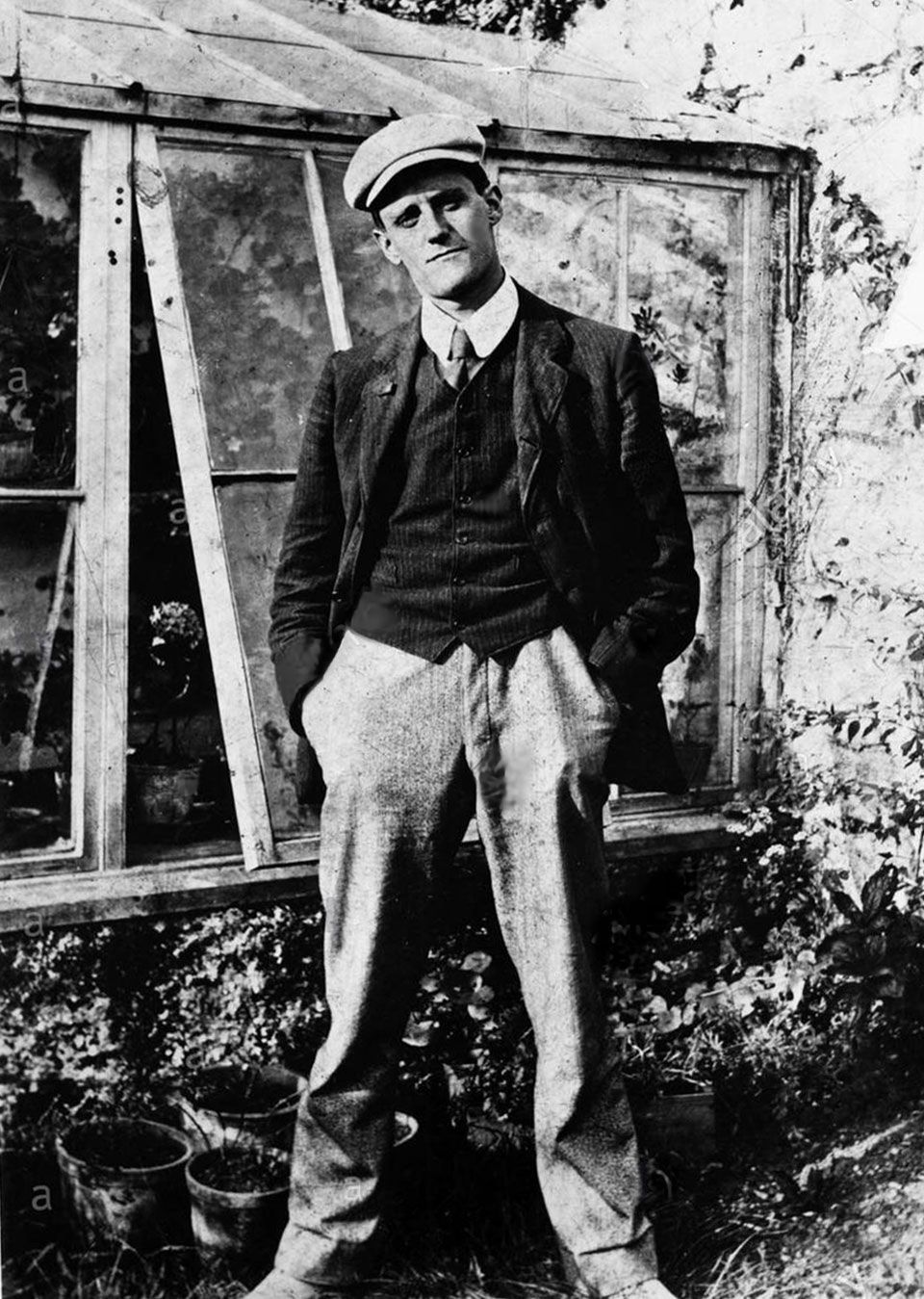
Meanwhile, D. H. Lawrence attacked the same book from an entirely different angle. Lawrence declared the final section of Ulysses “the dirtiest, most indecent, obscene thing ever written.” Coming from a man who literally faced obscenity trials for his own writing, that criticism hits differently. It’s like a professional wrestler telling somebody to calm down.
Dorothy Parker Delivered the Perfect One-Liner
And then there is Dorothy Parker, who, while reviewing an unnamed novel, produced perhaps the cleanest insult ever written: “This is not a book to be tossed aside lightly. It should be thrown with great force.”

We don’t need to know any more. Clearly, the book wasn’t worth reading. According to Dorothy, anyway.

Millie Ramm
Millie has been writing since she was a child, and has spent more time with her nose in books than anywhere else. She has been ghostwriting novels and editing for the past few years, and when not working she is curled up with her cats, looking for her next read.