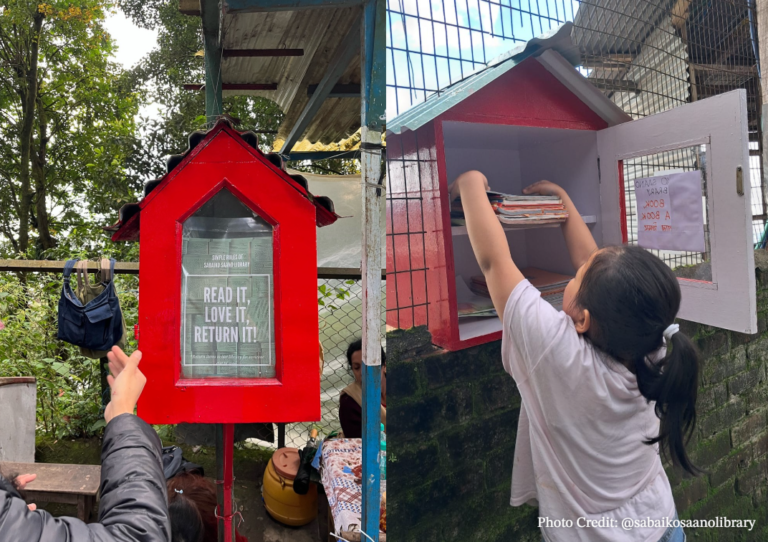

In two Himalayan hill towns, a project called Sabaiko Saano Library is rebuilding a reading culture, one shared paperback at a time. No cards. No fines. No deposits. Just trust.
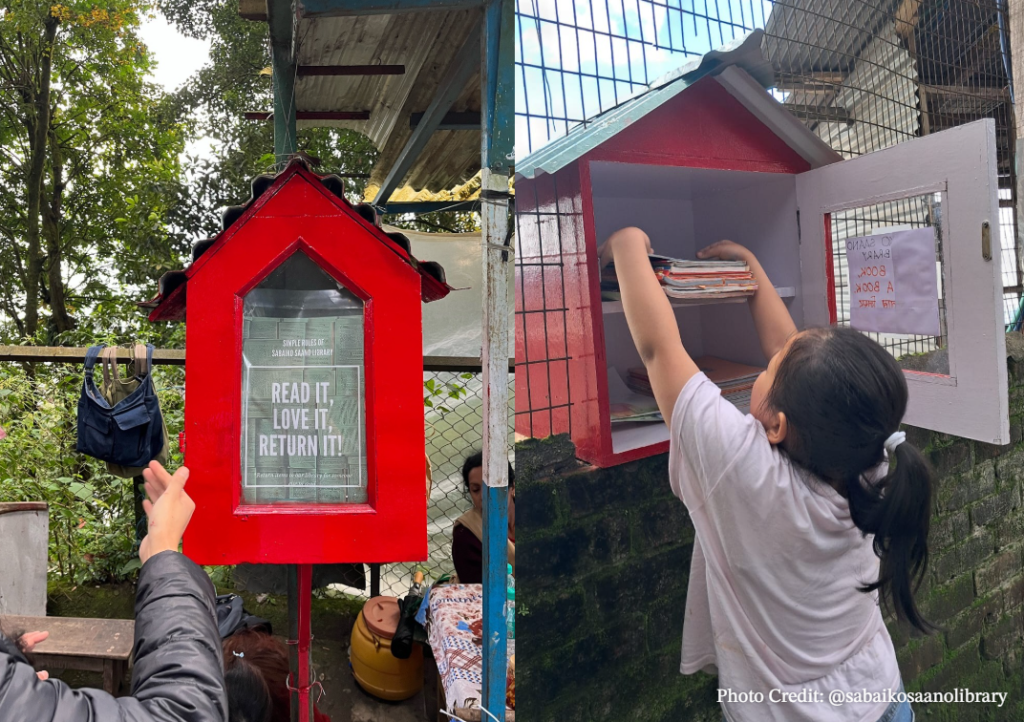
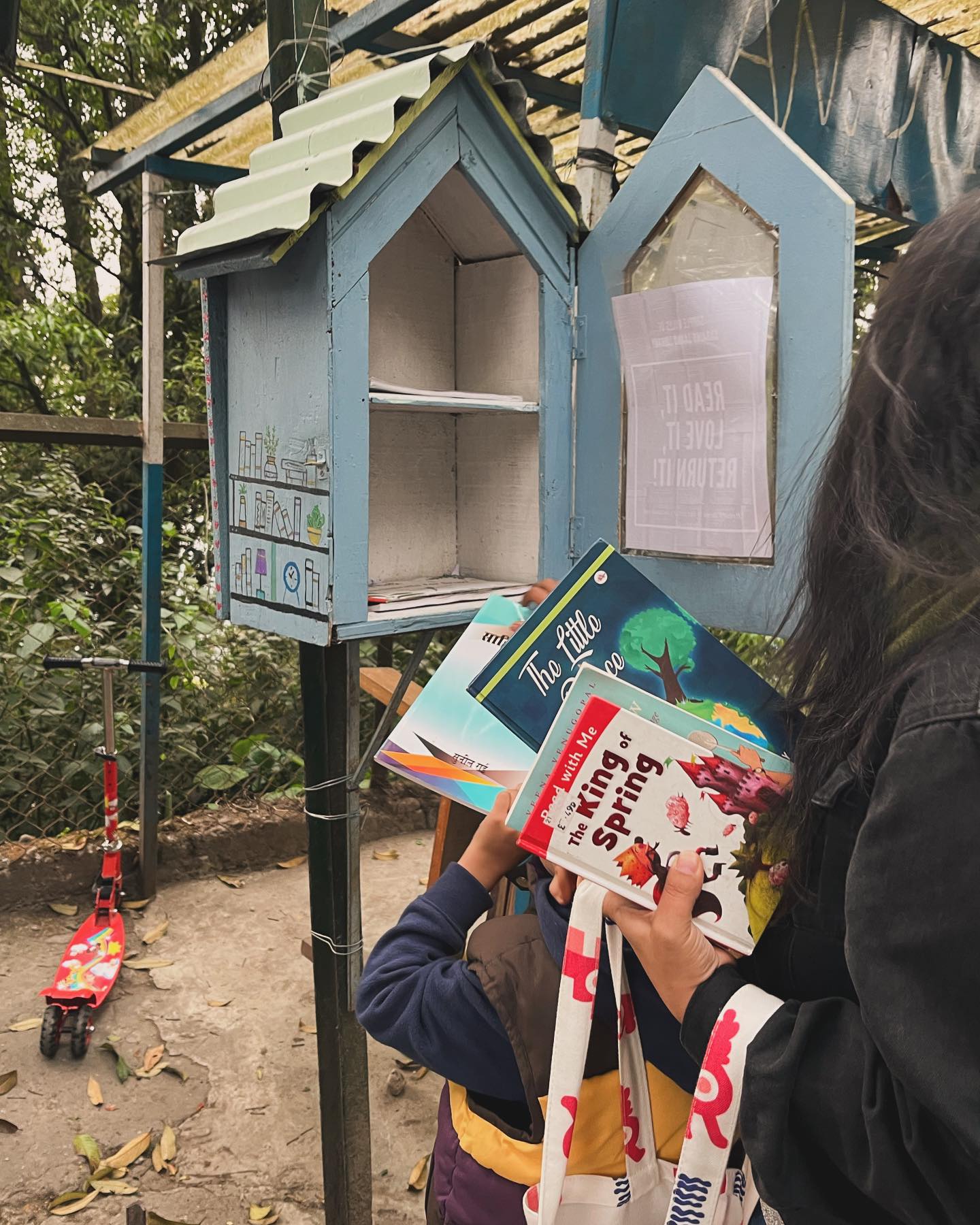
A child stops on a wet Darjeeling lane, opens a small wooden door, and takes out a book. Nobody writes down her name. Nobody asks for a deposit or a card or a date by which it must come back. She walks on with it up the hill, past the tea shops and the cloud coming through the deodars, and that is the whole transaction.
And since 2023, on street corners in these hills, that small wooden box has been asking passers-by a radical question: do you still remember how to read for pleasure?
Everyone’s Little Library, Everyone’s Little Box
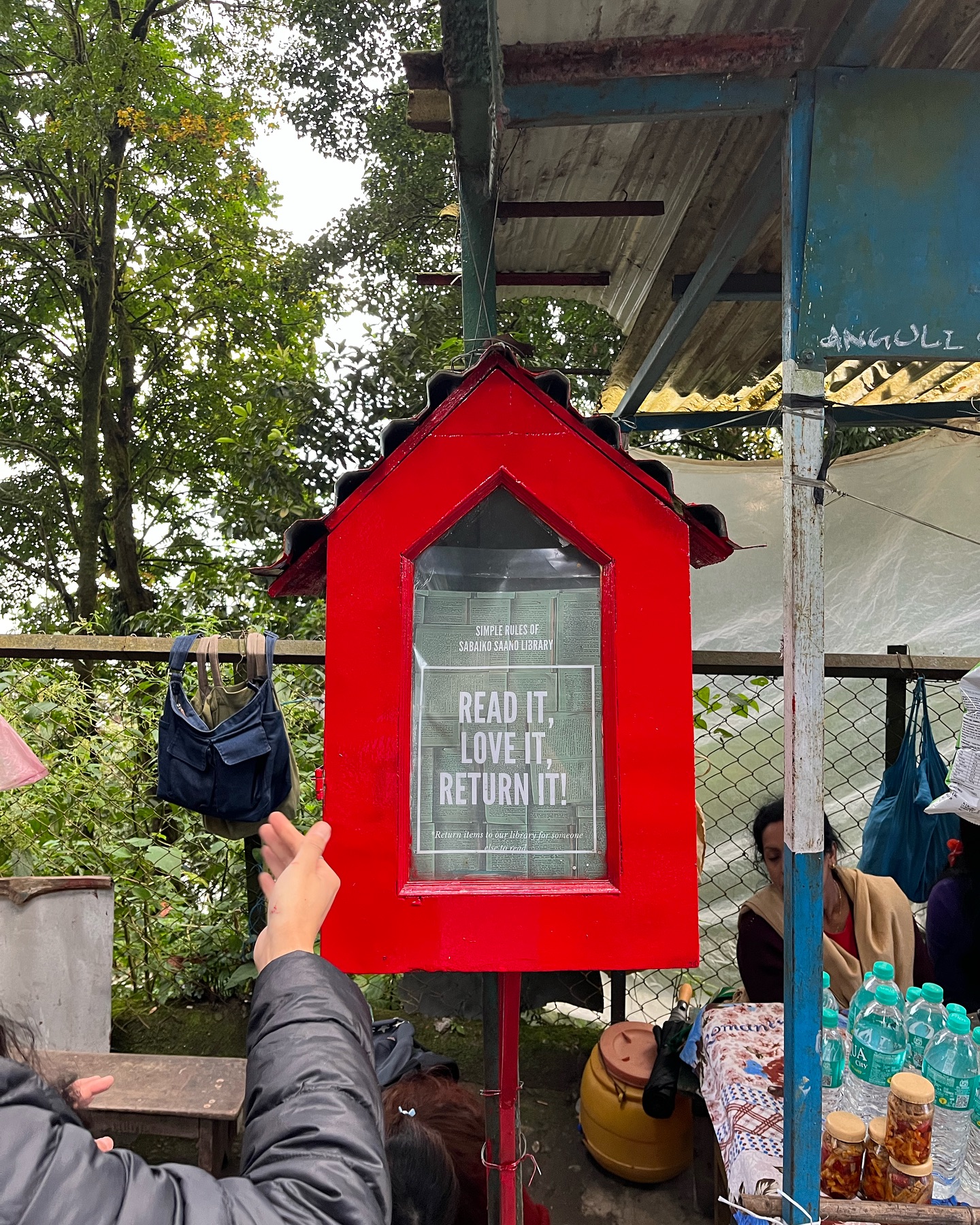
The box belongs to Sabaiko Saano Library, Nepali for “Everyone’s Little Library,” founded by Nikita Gurung, a reader from Darjeeling who also curates the community book club Darjeeling Reads. According to its organizers, the initiative began with a single open library box built on a simple philosophy: Take a Book, Read it, Leave a Book. No membership. No identification. No late fees.
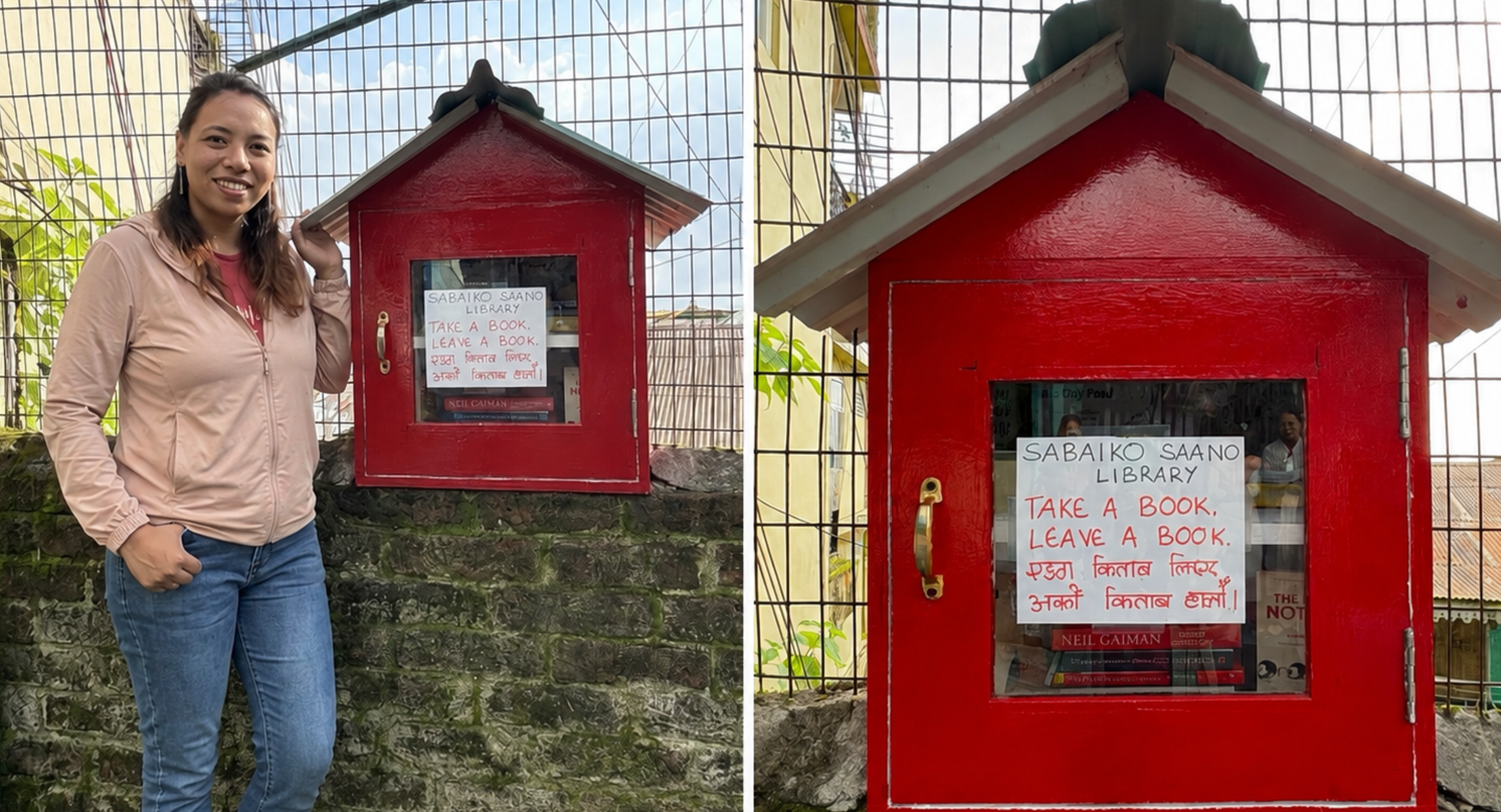
What started as one box has grown, they say, to five across Darjeeling and Kalimpong, with the ambition of reaching all 32 wards of Darjeeling town, a figure that matches the municipality’s own ward count exactly.
Trust, the Oldest Technology in the World
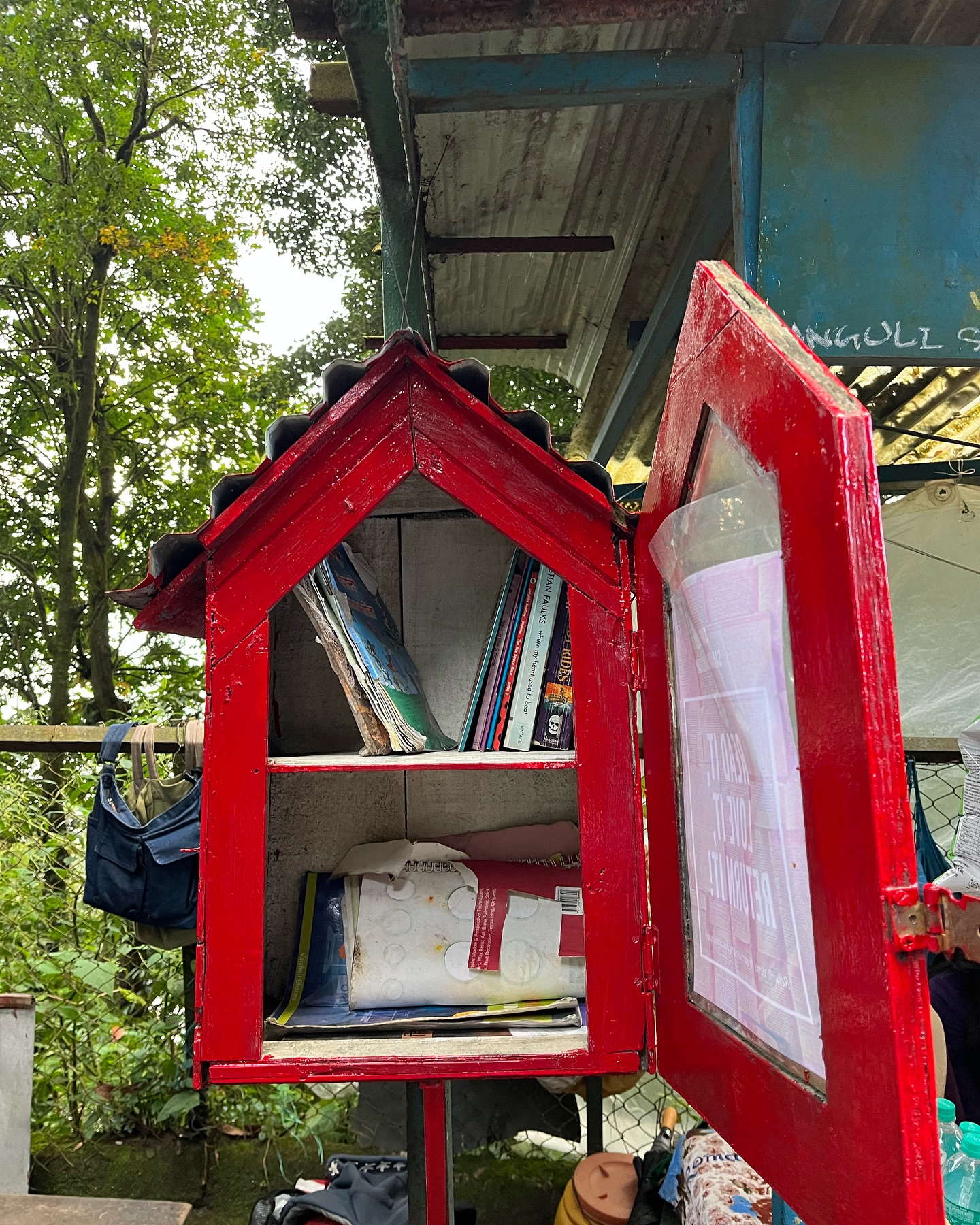
The genius of the open library box is that it has almost no moving parts. It cannot be hacked, updated, or subscribed to.
This is not a small idea, and Darjeeling is not alone in having it. The global Little Free Library movement began in 2009 when Todd Bol mounted a schoolhouse-shaped box on a post in Hudson, Wisconsin, as a tribute to his late mother, a teacher. What Bol and his co-founder started on a front lawn now holds whole neighbourhoods together, and the numbers have followed. By 2025, the nonprofit was marking more than 200,000 book-sharing boxes across 128 countries, with over half a billion books passed hand to hand since it began.
India has its own flourishing version of this project, from the community libraries quietly spreading across rural India to the nine-year-old running a street library with books hanging from a string. The youth-led Book in Hand Campaign has run free open libraries across Delhi-NCR since 2023 on the same principle: no ID cards, no deposits, no overdue fines.
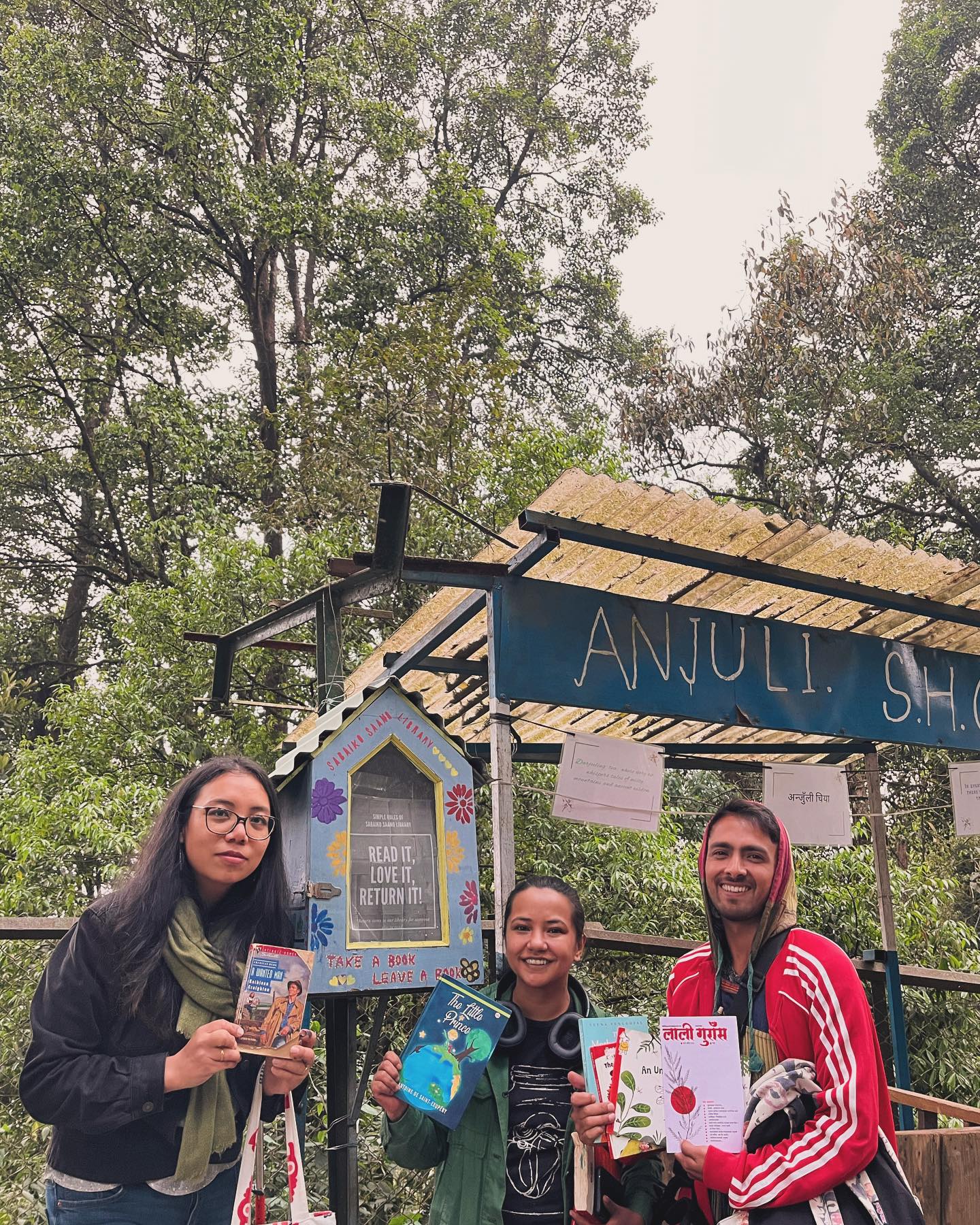
Sabaiko Saano Library is not a franchise of any of these. It’s its own thing. All over the world, people are arriving independently at the same conclusion, which is that the fastest route back to reading is to make a book free, visible, and unguarded.
A Small Box With a Very Long Lineage
To understand why this matters here, you have to know that Darjeeling is not a place discovering books for the first time. It is remembering them.
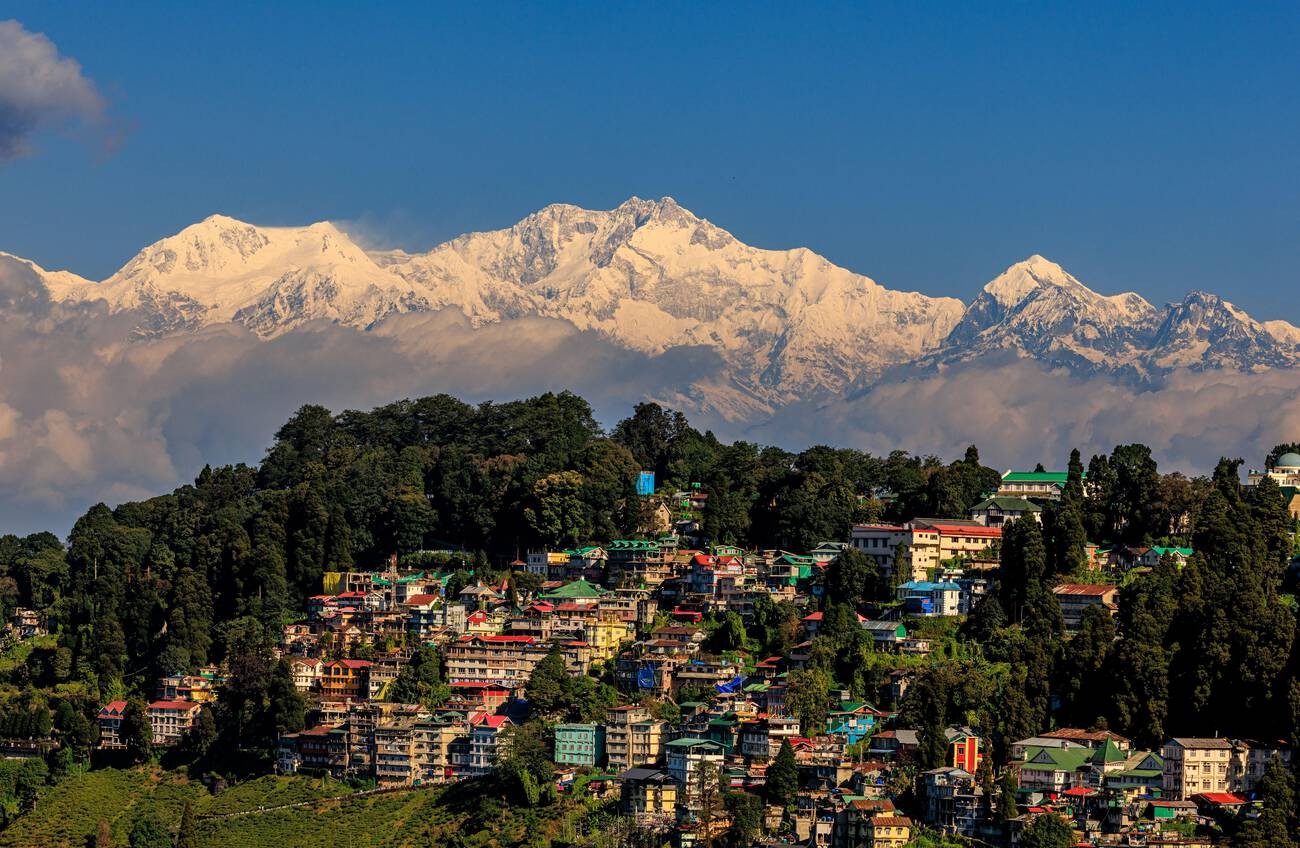
These hills are the cradle of Indian Nepali literature. The Nepali Sahitya Sammelan was founded in Darjeeling on 25 May 1924 by scholars including Parasmani Pradhan, Surya Bikram Gyawali and Dharanidhar Koirala, the trio known by the affectionate acronym SuDhaPa, and it still publishes and campaigns for the language a century on. Indra Bahadur Rai, the towering novelist of these hills, traced Indian Nepali writing back to verses composed by Gorkha soldiers and by laborers in Darjeeling’s tea gardens, a literature that began, as he put it, from below rather than from a court.
That lineage is still alive, and it is still fragile. Across the border, the quiet heroes holding Kathmandu’s crumbling libraries together are fighting a version of the same battle. In Kalimpong, Chuden Kabimo wrote Faatsung, translated by Ajit Baral as Song of the Soil, a novel that has since appeared in English, Bangla and Hindi and been published in India, Nepal and the UK. Accepting the Madan Puraskar in 2024, Kabimo said the job of literature is to preserve the human being within the human being.
Beyond the Box, Into the Classroom
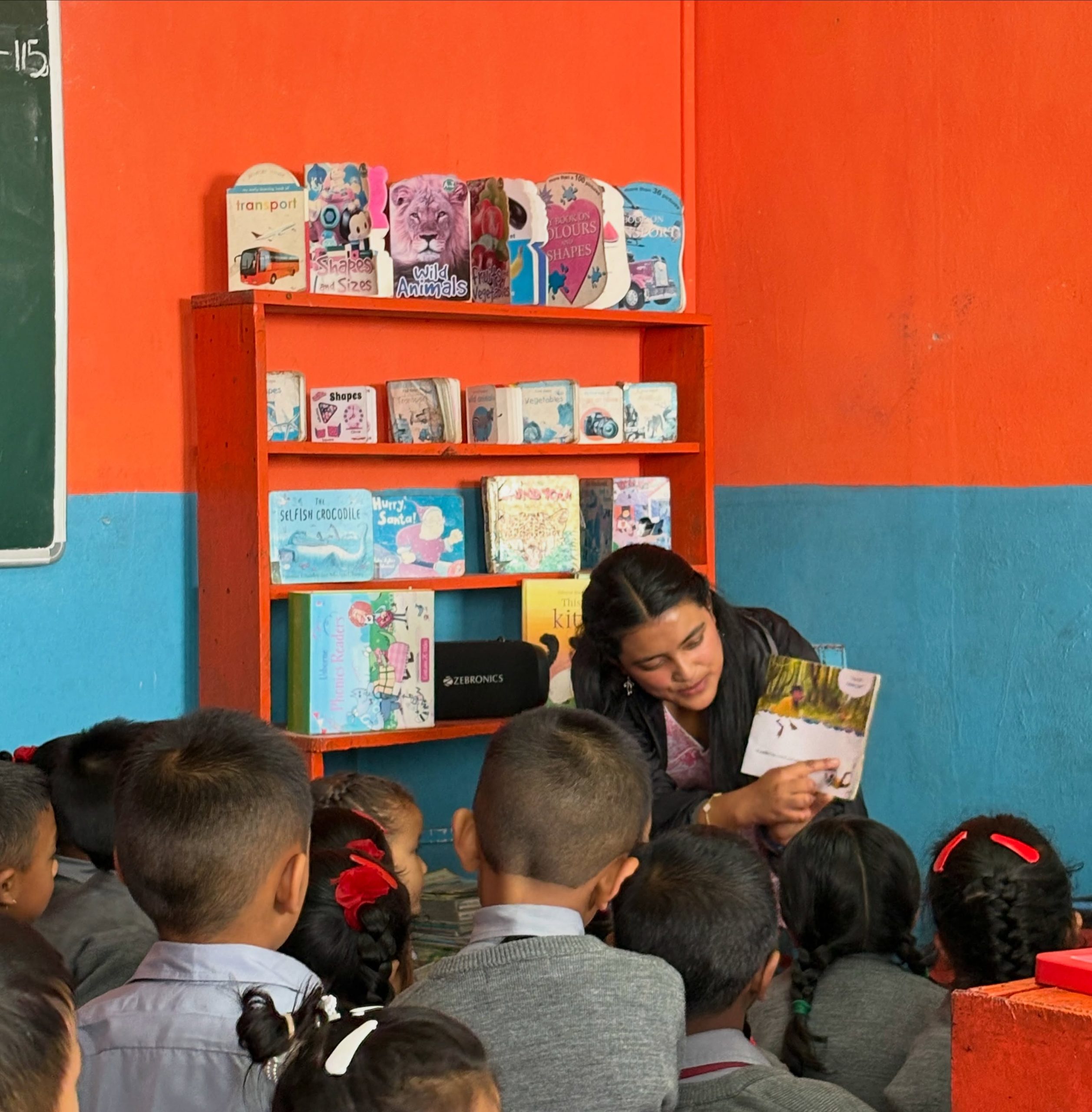
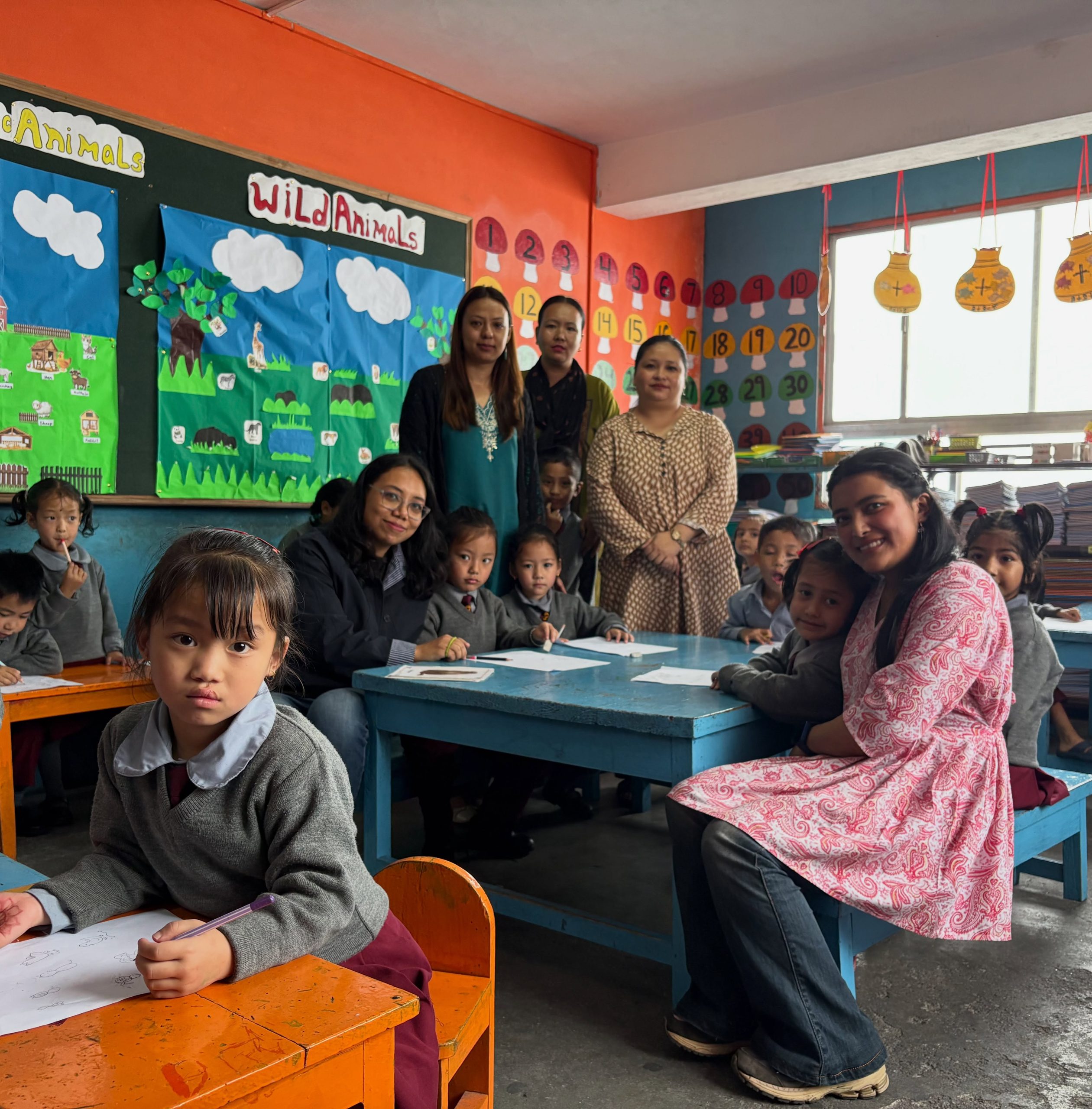
What lifts this initiative above charming is that the box is only the doorway. The organizers also run read-aloud sessions in primary schools, host author meet-and-greets, and there is a paper trail: the Darjeeling Children’s Trust has publicly thanked Sabaiko Saano Library and Darjinc for organizing a meet-the-author session for children from its home, with visiting writer Maren Heiberg.
In August 2025, the library went further, joining The Confluence Collective and Darjeeling Reads for a one-day Pop-Up Photobook Library at Darjeeling’s Deshbandhu District Library, timed to World Photography Week. The invitation asked readers to step away from the screen and into a room full of images, memory and quiet discovery. The books covered conflict, gender and sexuality, and history, and were chosen specifically to build a culture of conversation and reflection in the Sikkim-Darjeeling Himalayas.
Behind much of this work is Darjinc, the library’s service partner, a homegrown Himalayan lifestyle venture founded by Prashansa Gurung, who left a media career in Mumbai to build an ecosystem for local artisans and causes at home.
Why Reading for Pleasure, Not Just for Exams
Darjeeling is not short of literacy. Its recorded literacy rate is 93.9%, well above the West Bengal average. The gap Sabaiko Saano addresses is a different one, and it is global: the collapse of reading that is not for an exam.
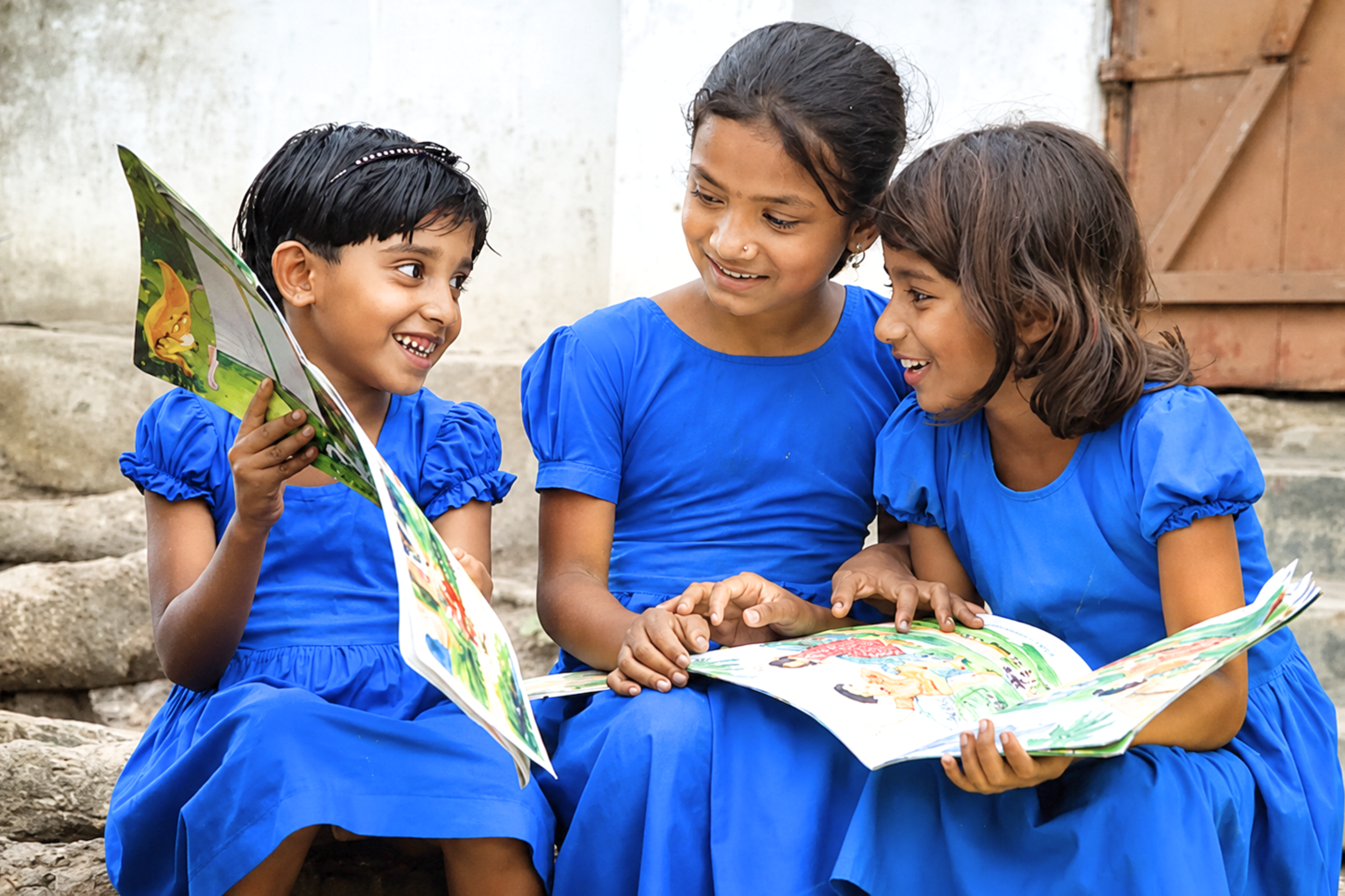
The research here is unusually emphatic. Scholars reviewing the evidence base note that the number of young people who read in their own time keeps falling worldwide, and that attitudes to reading keep deteriorating. And a much-cited OECD analysis found something that ought to be pinned to the wall of every education ministry: reading enjoyment matters more to a child’s educational success than the family’s socio-economic status. A free box of novels on a hill road is not a soft intervention. It is one of the highest-leverage things a community can do for its children.
Read the Place, Not Just the Guidebook
If this story makes you want to go take a look, go properly. Take the train rather than the flight-and-taxi sprint. Stay a week rather than a weekend. This is exactly the terrain of slow tourism, every book lover’s favourite way to travel, and part of the wider rise of literary tourism reshaping how readers move through the world.
Walk up to Chowrasta, the pedestrian square where four roads meet, and step into Oxford Book & Stationery, a fretwork-and-pitched-roof landmark that has served readers here for over sixty years and specialises in books on Darjeeling, Tibet, Bhutan, Sikkim, Nepal and the Himalayas. Buy something written here. Then, if you find one of the little libraries, do the correct traveller’s thing and leave a book behind. A book in your language, from your country, dropped into a box in the Eastern Himalayas, is the cheapest and most durable act of world citizenship available to you.
The Quiet Pride of Being an Old Soul
We have spent years being told that the analog world was a waiting room. Sabaiko Saano Library is a rebuttal, built by hand, in the mist, by people who did not ask permission.
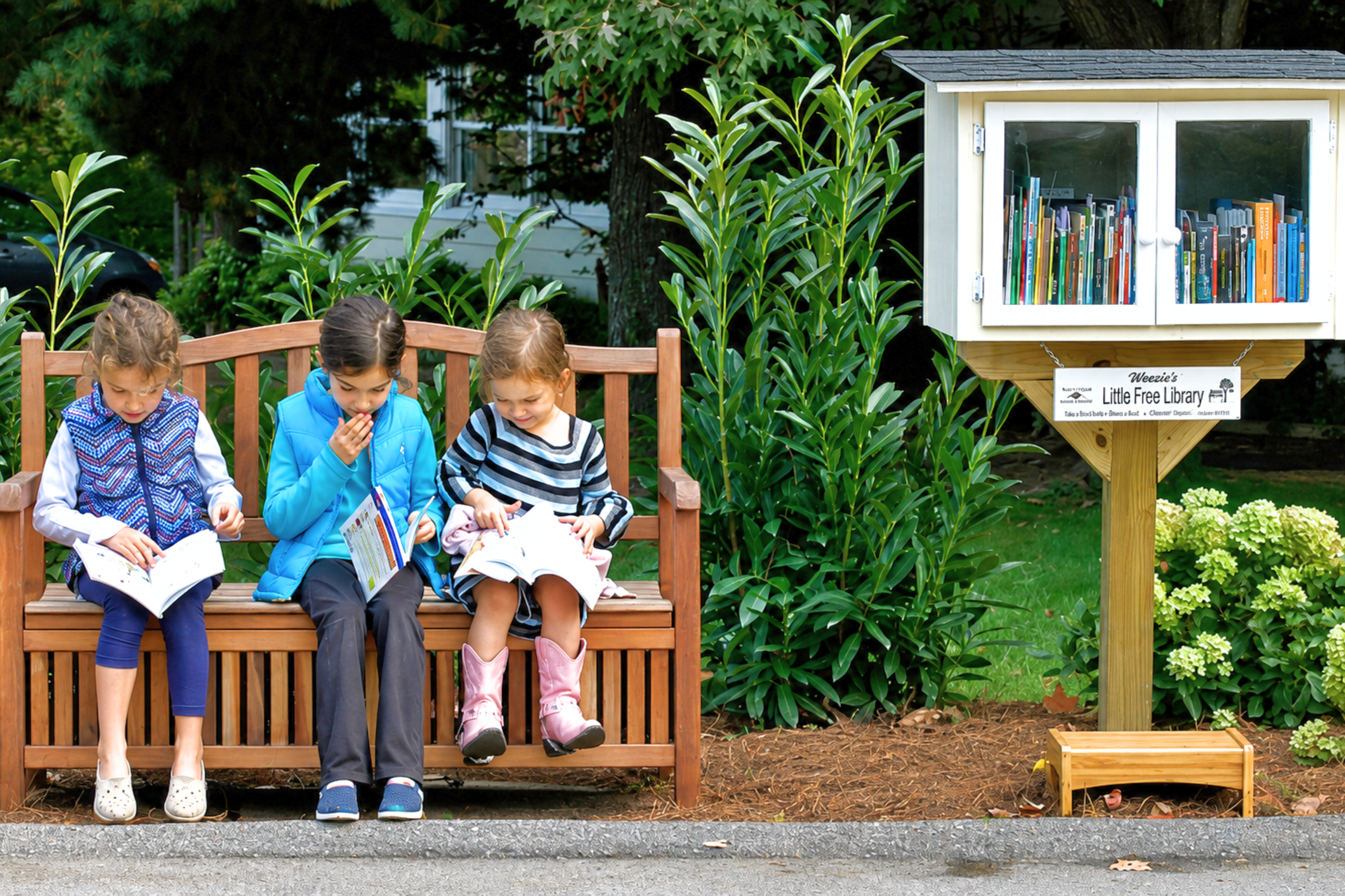
If you are the sort of person who still dog-ears pages, who reads translated fiction to understand a place before visiting it, who prefers a hinge to an algorithm, then build a box on your own street. Everyone’s little library only works if it belongs to everyone.


Millie Ramm
Millie has been writing since she was a child, and has spent more time with her nose in books than anywhere else. She has been ghostwriting novels and editing for the past few years, and when not working she is curled up with her cats, looking for her next read.