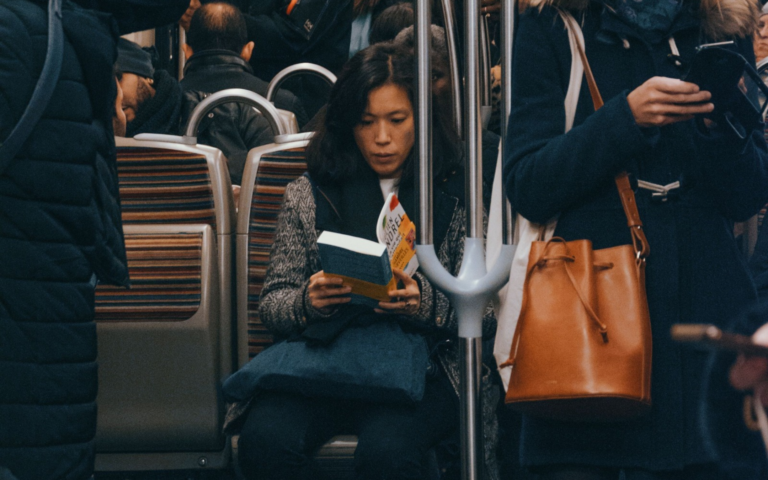

Why reading a book in the places where its story unfolds changes how you see both the book and the place, and what that has to do with slow travel, community, and the quiet pride of being an old soul.
Carry a paperback somewhere far from home, and the world can begin to behave strangely. You are on a low wall in a working-class quarter east of a train station, or on a ferry deck, or in a café with condensation on the glass. You read a sentence describing a courtyard. Then you look up, and the courtyard is there.
The two images never quite align. In that hairline gap between the described world and the actual one, something opens up: a doubling, an intimacy that feels almost improper, as if you had been handed the keys to a stranger’s memory. Readers have chased this feeling for two and a half centuries, and it is part of why book lovers travel differently.
Your Brain Is Running Two Projectors at Once
Reading was never passive. What happens in your head when you open a novel is closer to rehearsal than reception. When neuroscientists at Washington University put readers in an fMRI scanner, they found the brain tracks changes in a story’s situation, including a character’s location and goals, and regions also involved when people perform or watch similar activities. The readers were simulating the story world and updating it as it changed.
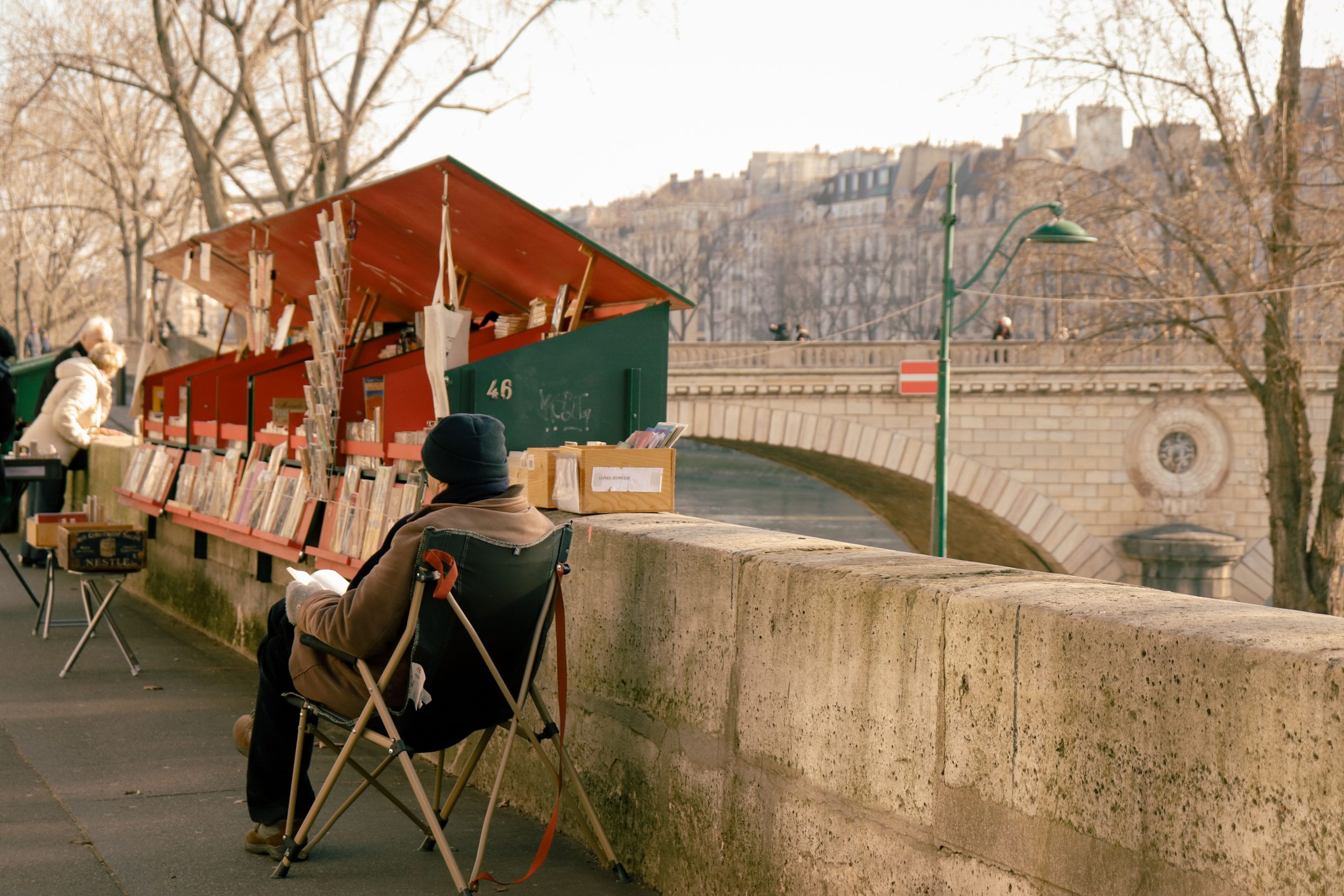
Psychologists call the deep version of this narrative transportation: focused attention, emotional engagement, vivid imagery, a loosening of one’s grip on the room. Richard Gerrig proposed it in 1993, borrowing travel as his metaphor. A fully engaged reader visits the place the author built and returns changed. It is the mechanism behind everything we love about books as travel companions.
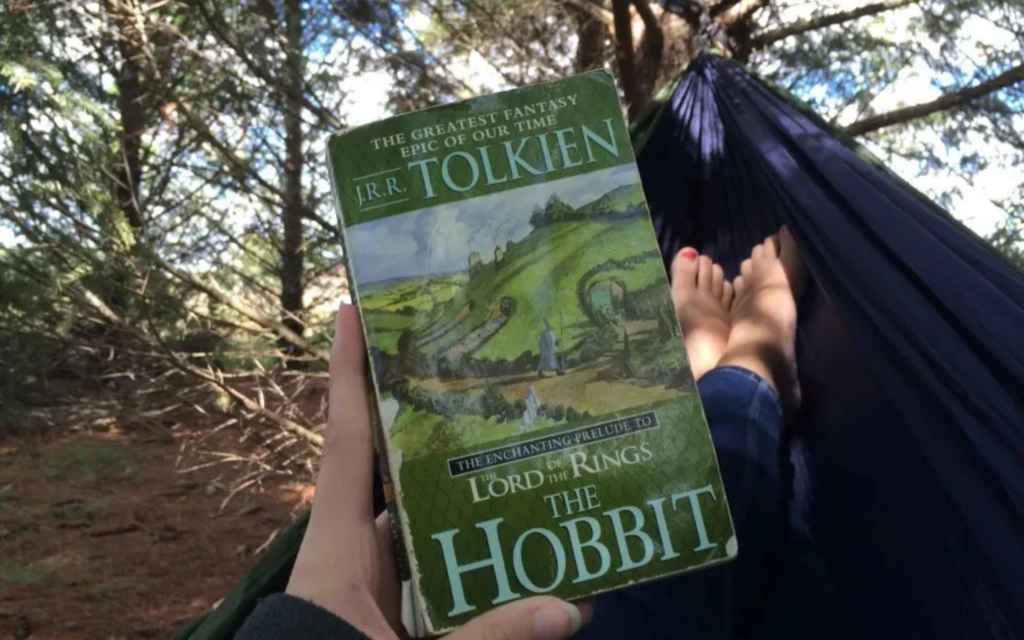
So reading in the setting is not adding scenery to an abstraction. The street corrects the book; the book annotates the street. Anyone who has noticed that reading outside feels different knows a smaller version of this.
Memory research offers a tempting explanation. In 1975, Duncan Godden and Alan Baddeley had divers learn word lists on land and underwater, and lists learned underwater were best recalled underwater. Honesty requires a footnote: a careful 2021 replication failed to reproduce the effect, and context-dependent memory, though well established, can be weak. What you gain by reading in place is less a memory trick than attention.
The Pilgrimage Is Older Than You Think
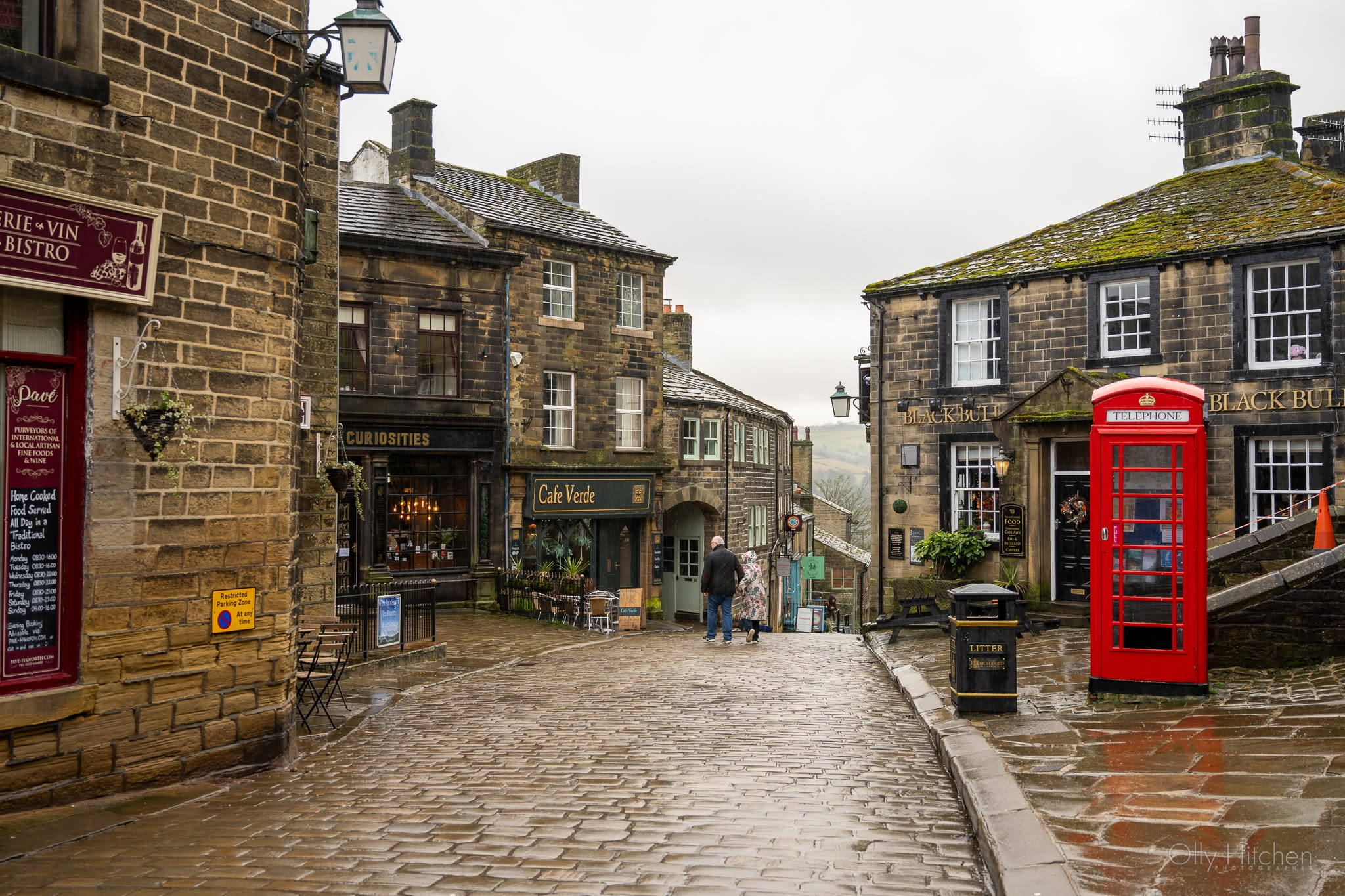
None of this is new, though the rise of literary tourism has given it fresh vocabulary. Nicola Watson’s The Literary Tourist (2006) traces the practice to Romantic and Victorian Britain, asking a blunt question: you have read the book, so why visit the place? Birthplace pilgrimage took off after David Garrick staged a pageant for Shakespeare’s bicentenary, putting Stratford-upon-Avon on the literary map. Readers then went looking for characters themselves, in Rousseau’s Switzerland, Scott’s Highlands, and up onto the moors of Brontë country. They were often let down. Watson’s sharpest insight is that they inherited a tradition of recorded disappointment, so much so that such visits could never authentically disappoint.
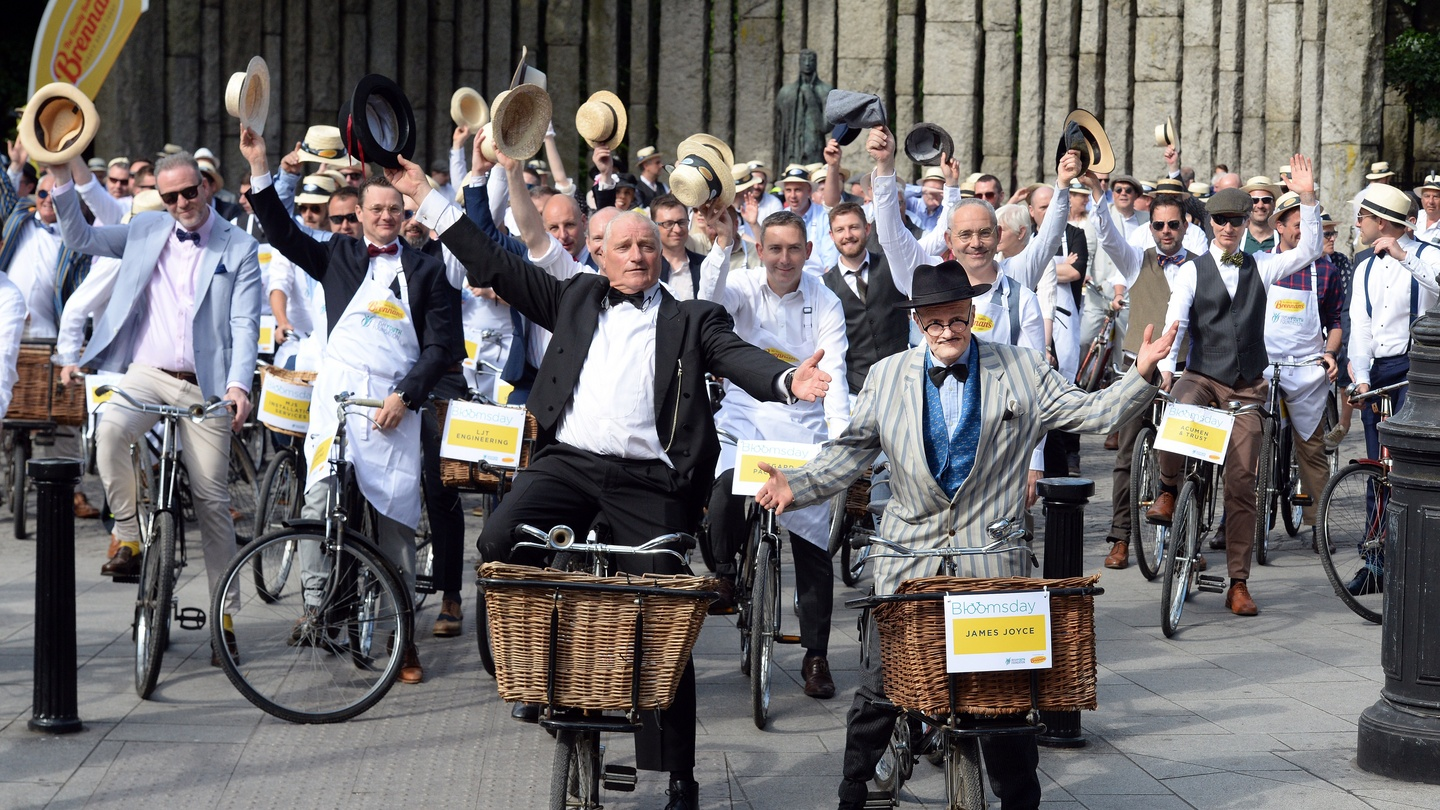
Which brings us to the most joyful correction of that gloom. In 1954, fifty years after the day on which Ulysses takes place, the writers Patrick Kavanagh, Flann O’Brien and Anthony Cronin marked the anniversary by visiting locations from the novel. These include the Martello Tower at Sandycove and Davy Byrne’s pub, with readings along the way. The one-off became a tradition: Bloomsday is still observed every June 16. Joyce had asked for it, telling Frank Budgen he wanted a picture of Dublin so complete the city could be rebuilt from the book if it vanished.
The Gap Is the Lesson
The guidebooks undersell this: the discrepancy between page and pavement is the most educational part of the trip, which is why the real places behind beloved novels rarely look the way we picture them.
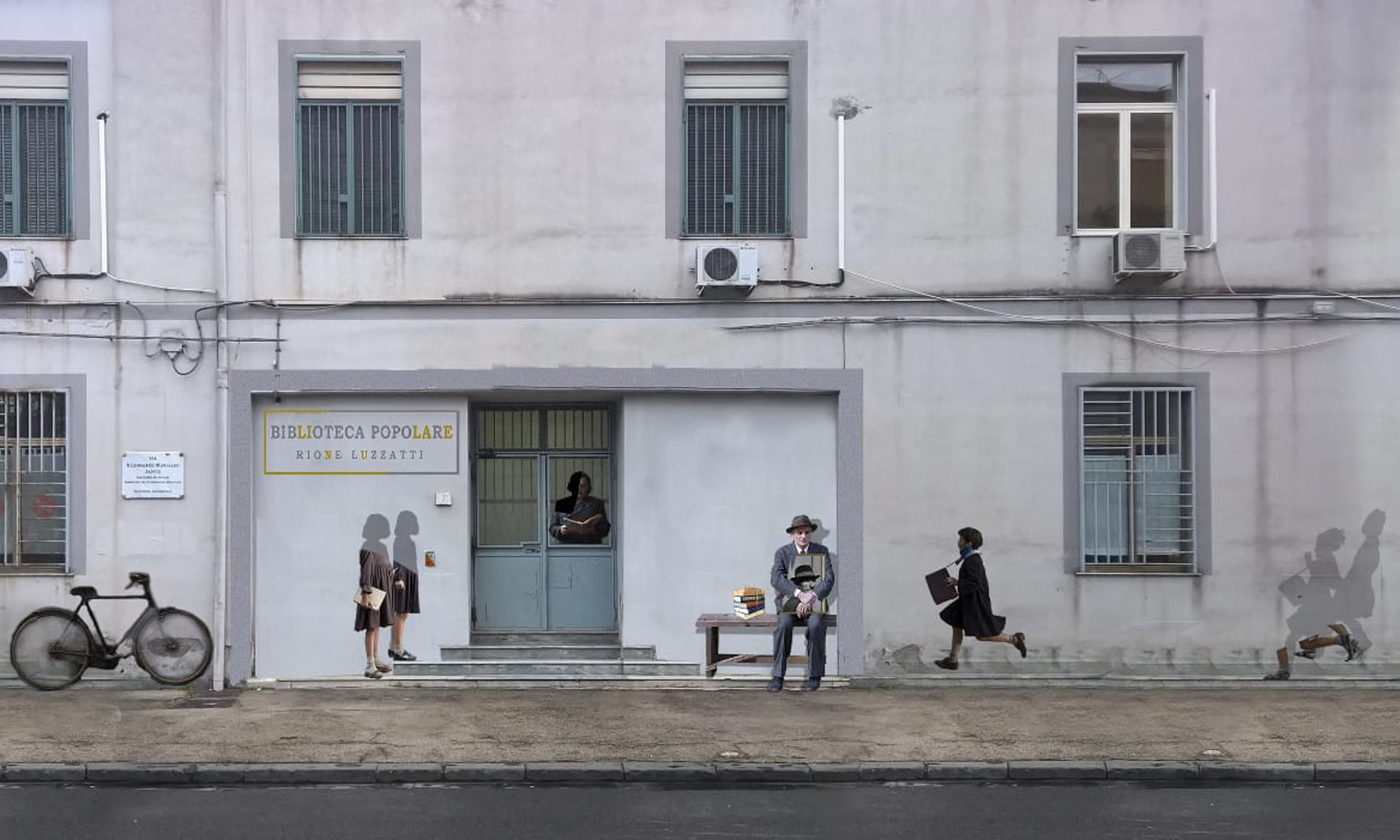
Take Naples. Ferrante never names the neighborhood where Lenù and Lila grow up, though geographic detective work points to the isolated Rione Luzzatti. Readers find no film set. They find Fascist-era housing blocks, vendors bargaining in thick Neapolitan dialect, women arguing from balconies, and the Biblioteca Andreoli, a public library with a mural by the HBO series’ set photographer. The fiction sent you; the real place, and the people living ordinary lives inside it, is what you carry home. Stay an extra day for the city’s bookshops.
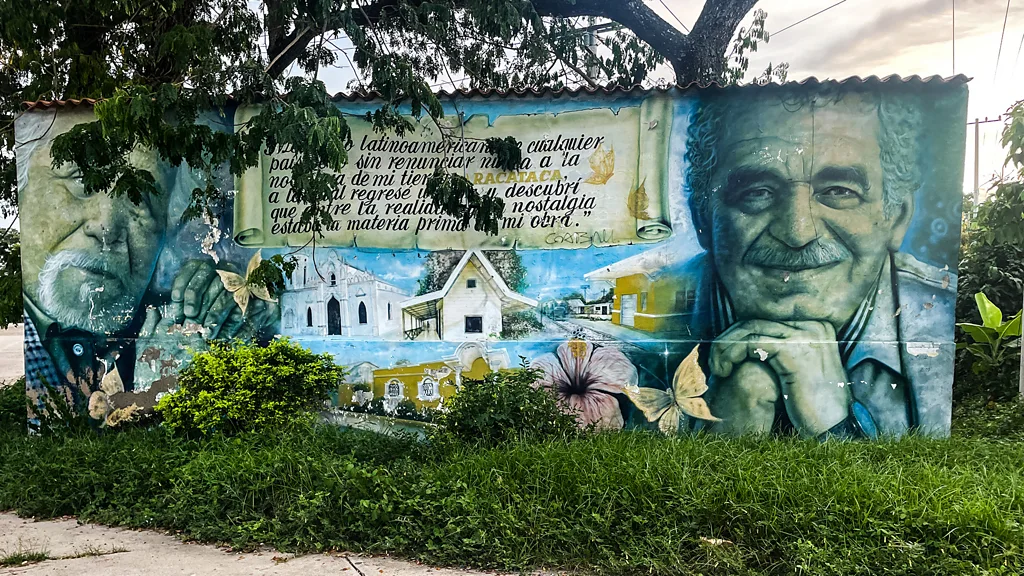
Or Colombia. Macondo is fictional, drawn from Gabriel García Márquez’s childhood town of Aracataca. In June 2006, a referendum to rename the town Aracataca Macondo failed due to low turnout, and many residents remain largely unconcerned about their literary fame. That indifference is not a disappointment. It is a reminder that people are not set dressing, and that a novel is a claim about a place, not a deed of ownership.
Nobody has built a stranger monument to the gap than Orhan Pamuk. He conceived The Museum of Innocence as both a novel and a collection, and in 2012 opened the museum itself in Istanbul’s Çukurcuma district. Its eighty-three display boxes match the novel’s eighty-three chapters, and if you bring your copy, you get in free.
Slow Enough to Be Changed
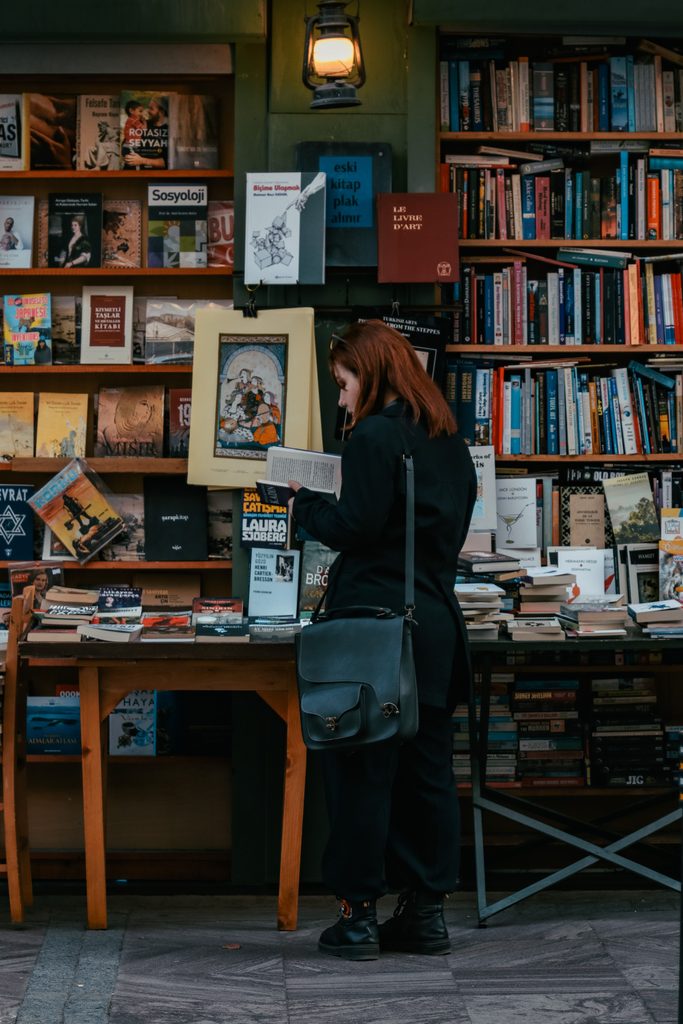
All of this belongs to a tradition of deliberate slowness, the current that made slow tourism a book lover’s favorite way to travel. Slow Food grew from a 1986 Italian protest; in December 1989, more than 20 delegations signed its manifesto in Paris, electing Carlo Petrini as president, who spent decades arguing for food that was good, clean and fair. Petrini died in Bra on May 21, 2026, aged 76. His argument transfers cleanly to travel: stay longer in fewer places, go overland, engage with daily life rather than attractions, and judge a trip by how it felt. It is slow living with a suitcase.

A book is an unreasonably good excuse to do that. It gives you a reason to sit still for three hours, and sends you to the Rione instead of the postcard waterfront. Other readers are catching on, which is why reading retreats and readaways keep selling out. Paul Wright founded Books in Places in 2023 with two trips; this year he offered around 25, many of which filled within a day. A 2025 KAYAK survey found nearly half of UK travelers now pick destinations partly on how good they are for reading, rising to 60% among millennials. Future Market Insights estimates literary tourism at roughly USD 2.39 billion in 2024, heading toward USD 3.30 billion by 2034.
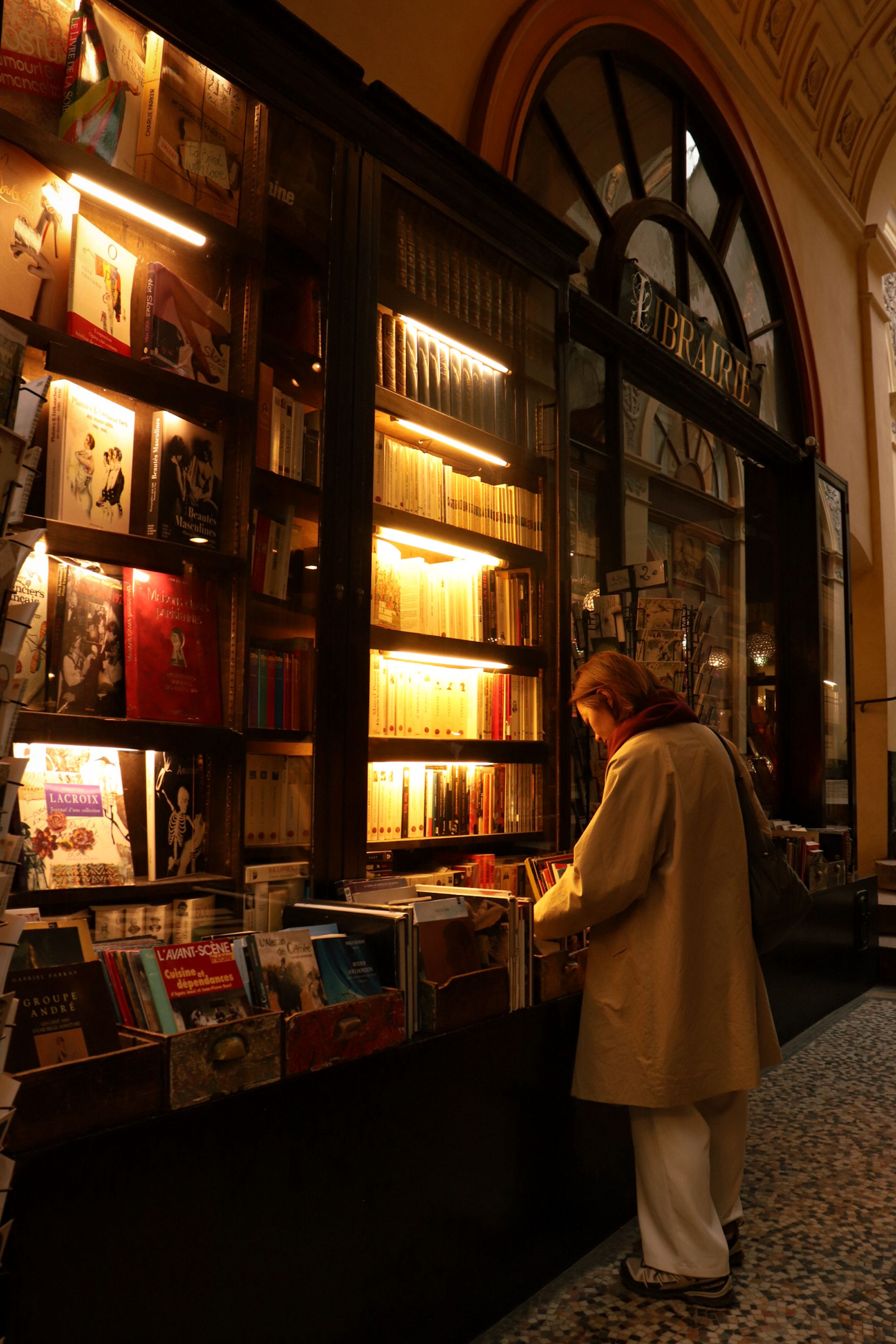
Growth brings obligations. If a novel carries you into someone’s neighborhood, arrive as a guest. Read writers from the place, not only writers about it. Buy the book locally. Sit in the public library. That reciprocity separates pilgrimage from extraction.
An Enormous, Quiet Fellowship
The infrastructure keeps expanding, turning more places into cities where books are part of everyday life. In October 2025, UNESCO designated ten new Cities of Literature, bringing the network to sixty-three Cities of Literature within a wider network of 408 Creative Cities. Among them, Dumaguete became the Philippines’ first Creative City of Literature, recognized in part for the Silliman University National Writers Workshop, the oldest of its kind in Asia.
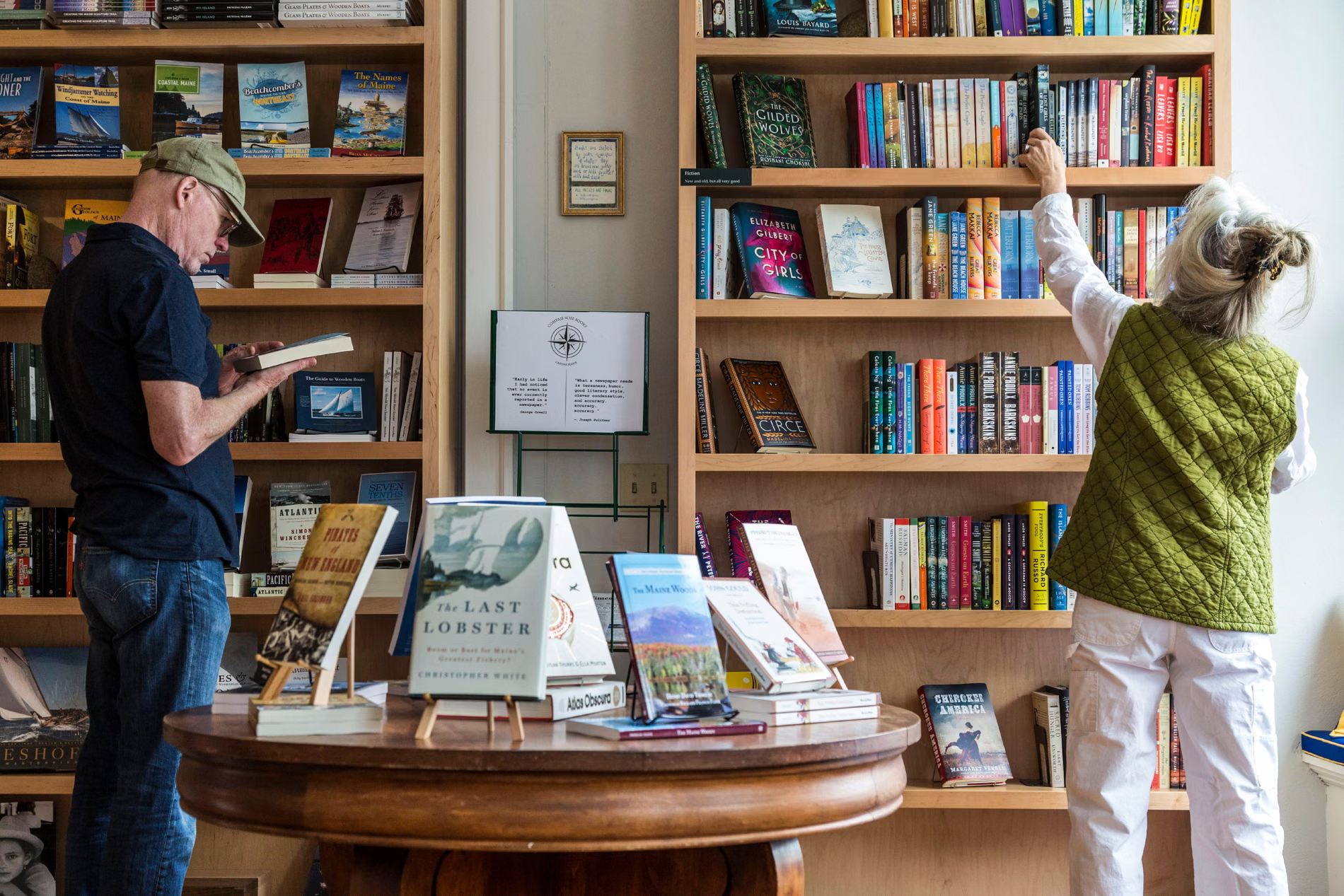
Analog is holding too. The American Booksellers Association added more than 500 member locations in a single year, reaching around 3,417 stores, nearly triple the figure of a decade ago and the highest since the late 1990s. In 2025 alone, 422 new independent shops opened. Libraries remain the quiet civic power making any of this possible.
One honest caution, because wonder deserves rigour. The claim that a single sitting with literary fiction improves your ability to read other minds has not held up; preregistered replications found no evidence of that immediate effect. Reading is not a moral vitamin you can dose. What it offers is slower and sturdier: practice. Thousands of hours attending closely to lives unlike your own, and then walking out into a street where those lives are being lived.
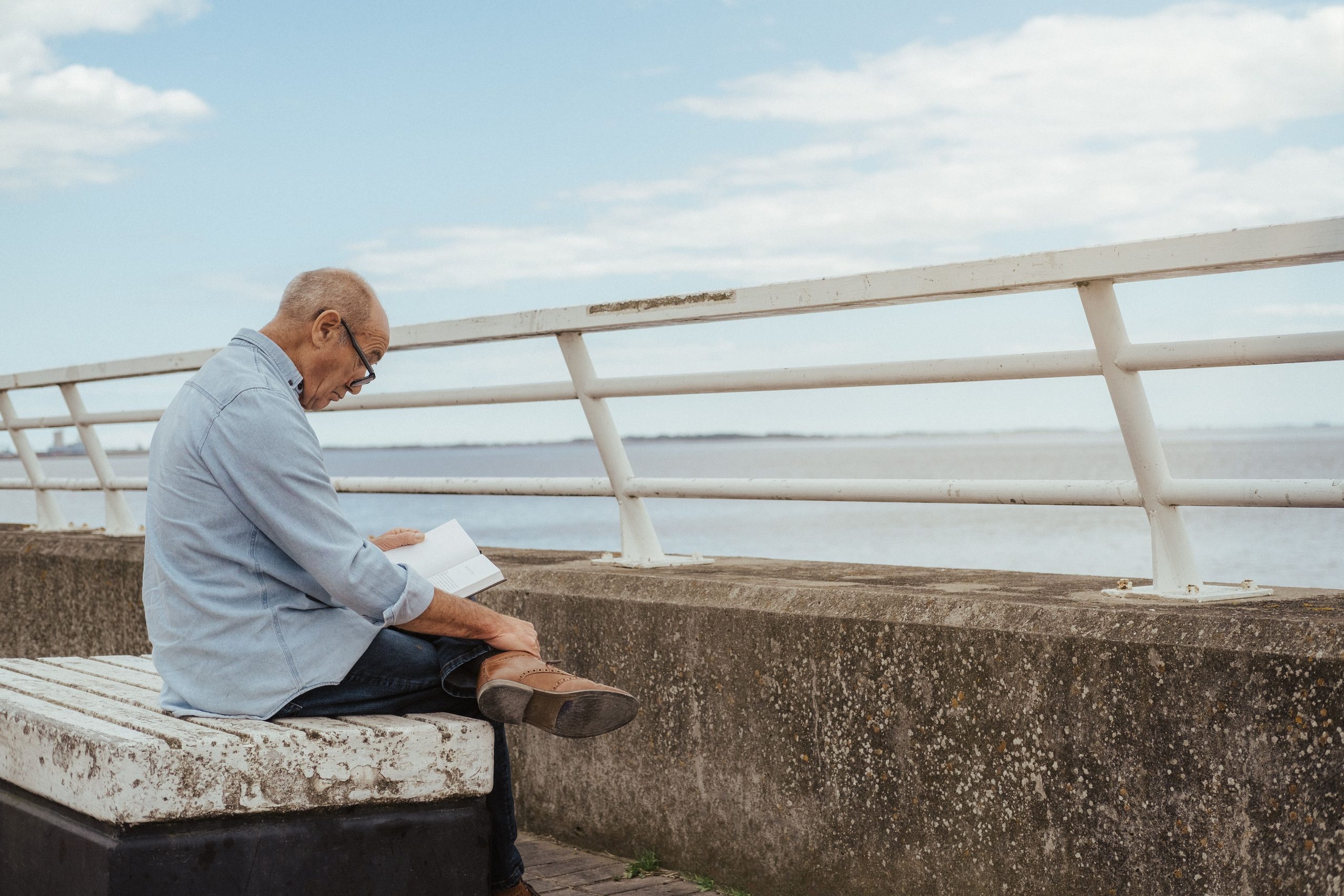
So carry the novel. Read the chapter on the wall by the courtyard, the bench by the harbour, the third-class carriage. Let the place argue with the book. Both will get larger, and so, in the most ordinary and marvellous way, will you.


Adam Ryan
Adam is a distinguished content writer, bookworm, and full-time adventurer with a constant craving for coffee. When he's not working, he loves exploring remote corners of the world, immersing himself in different cultures, and writing about his experiences.