The 90s felt happier, and psychology can say why: fewer choices, real waiting, productive boredom, forgotten mistakes, longer time. Most of it is recoverable.
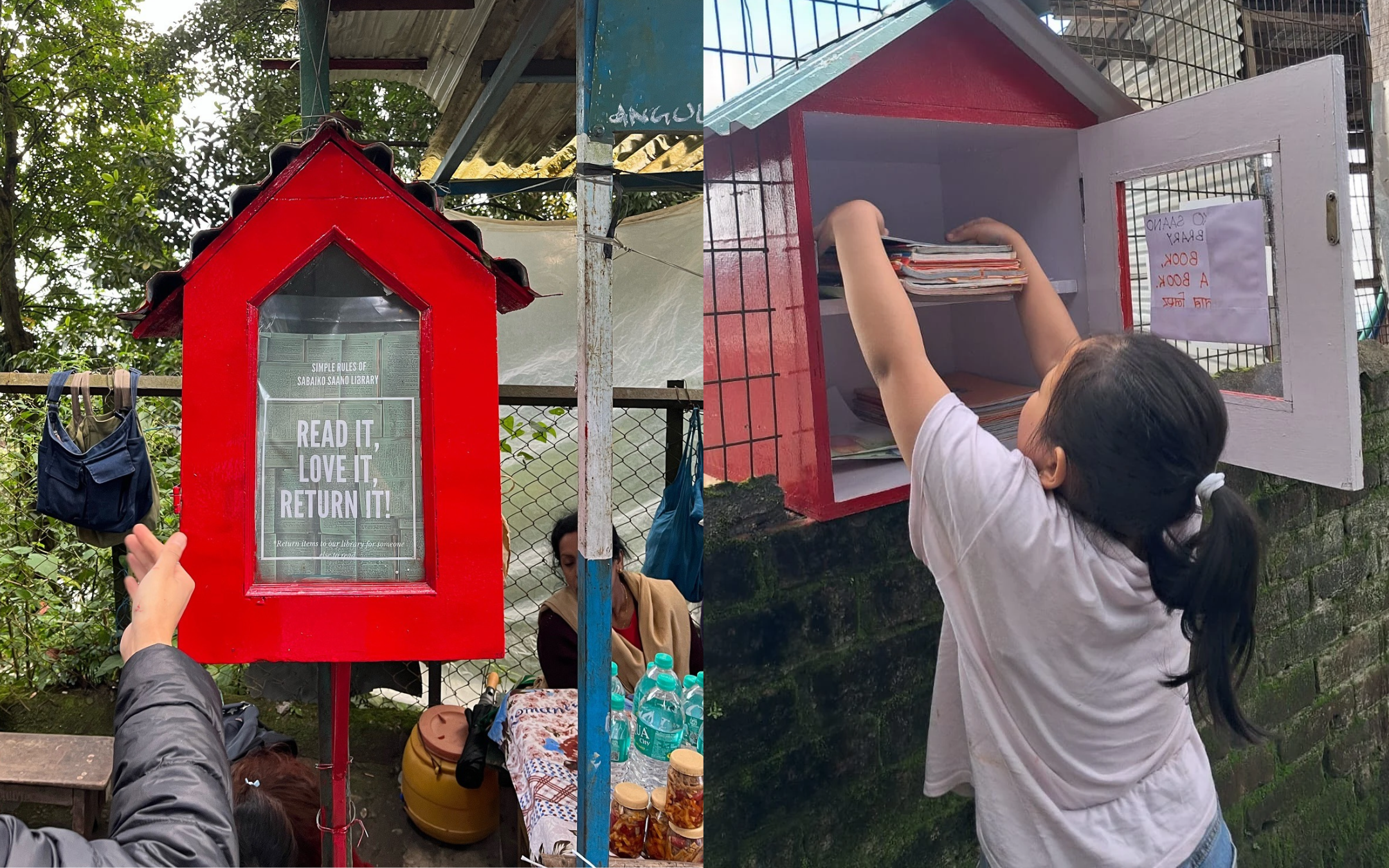
In two Himalayan hill towns, a project called Sabaiko Saano Library is rebuilding a reading culture, one shared paperback at a time. No cards. No fines. No deposits. Just trust.
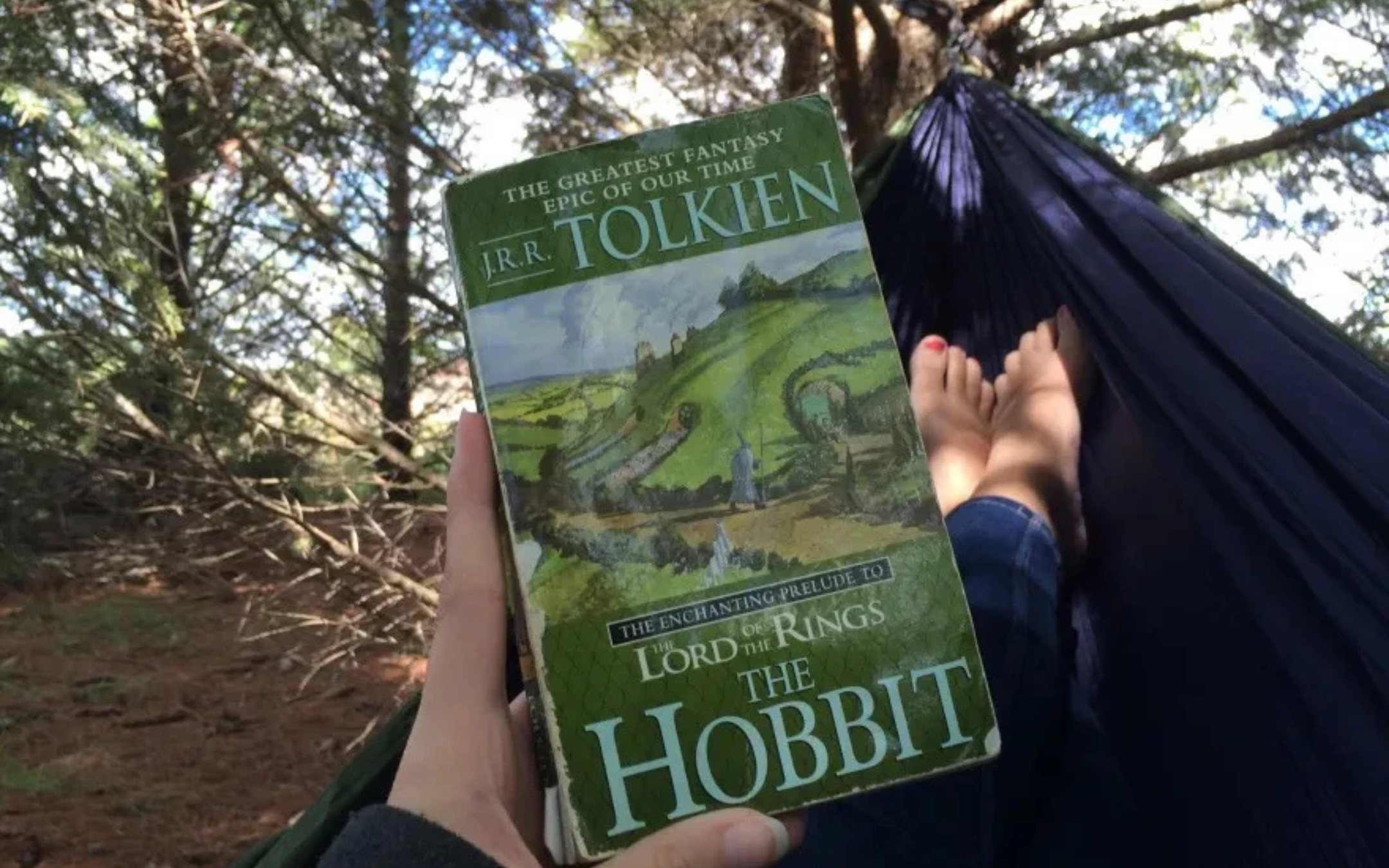
Why reading a book in the places where its story unfolds changes how you see both the book and the place, and what that has to do with slow travel, community, and the quiet pride of being an old soul.
From the beautiful anxiety of uhtceare to the wonderfully specific lanspresado, these forgotten words remind us that language once had a name for almost everything.
TikTok’s burnt toast theory is 2,100 years old. On the Chinese farmer, the Indian king, the Talmudic sage, a Persian fairy tale and Steve Jobs, all telling the same story.
Twenty European castles to see once: Neuschwanstein, Mont Saint-Michel, Predjama, Corvin, and Edinburgh Castle. A slow traveler’s guide to Europe’s great fortresses.
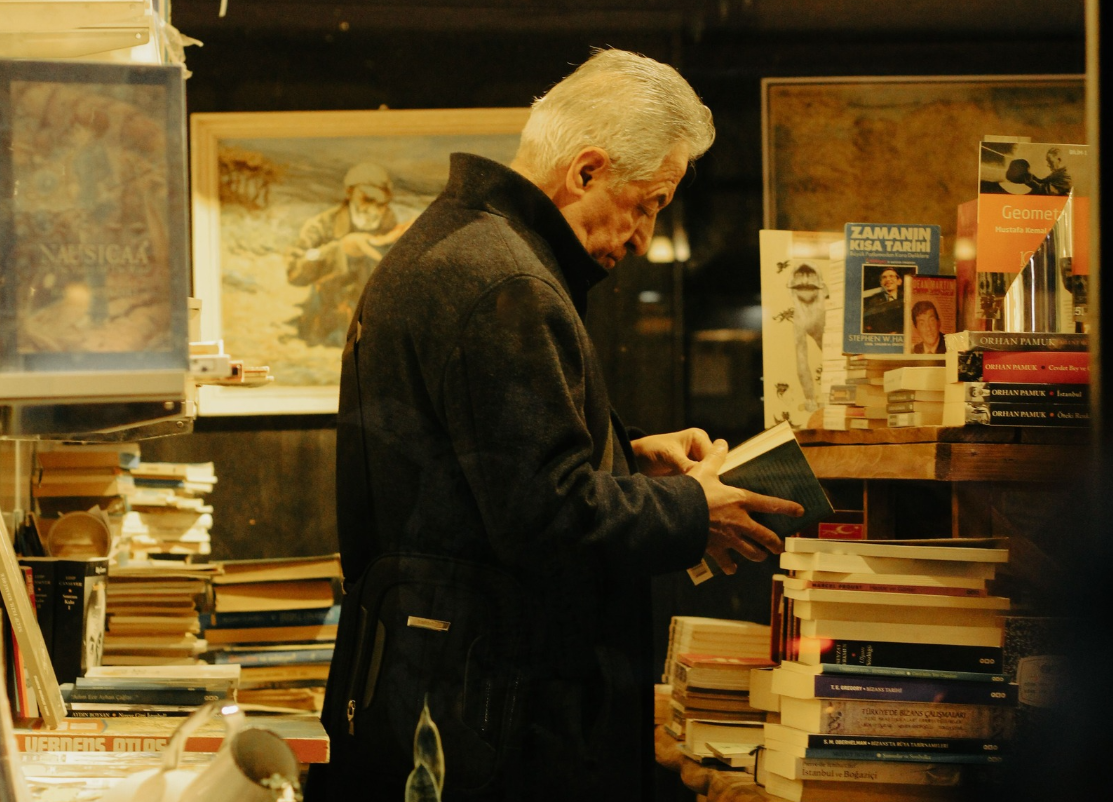
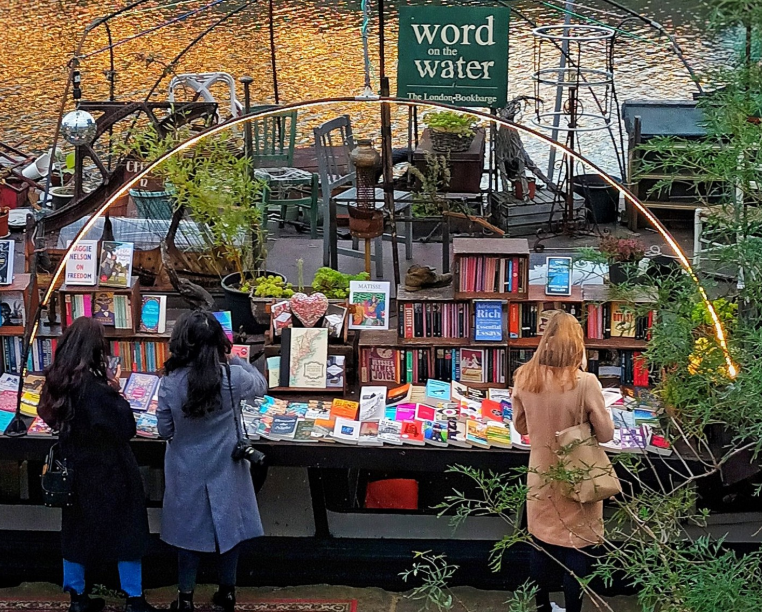
Why books make the best souvenirs. Inside literary travel culture: from the Shakespeare and Company stamp to Hay-on-Wye, and how to make a shelf into an atlas.